How to Apply Black Carrot Color in Natural Plant-Based Foods
Applying black carrot color in plant-based foods starts with understanding its pH sensitivity. Derived from the roots of Daucus carota L., this natural anthocyanin-based pigment delivers a brilliant ruby red at pH 3.0–4.0, shifting to purple-violet between pH 4.0–5.0. For formulators replacing synthetic red dyes in beverages, gummies, or plant-based meats, the key is maintaining an acidic matrix, pairing the extract with ascorbic acid to slow oxidation, and using UV-blocking packaging. At standard usage levels of 0.01%–0.1%, flavor interference is negligible.Contact us to get a sample and certificate of analysis, email our team at info@yanggebiotech.com or go to blog.yanggebiotech.com.
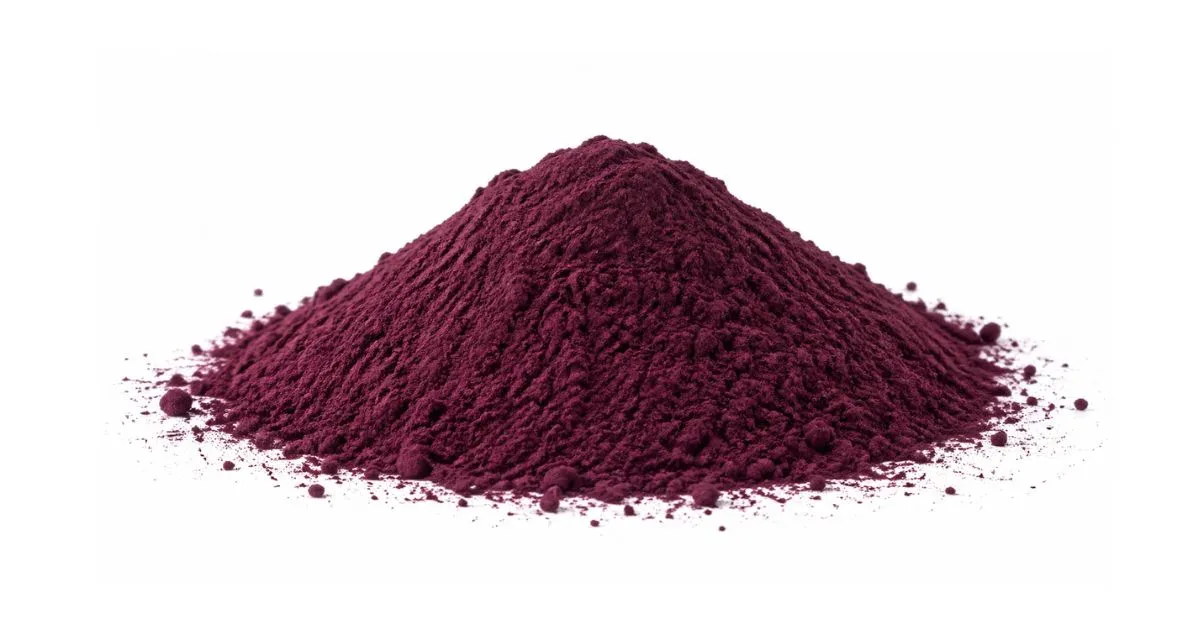
Understanding Black Carrot Color and Its Advantages
What Makes Black Carrot Color Unique
Deeply pigmented roots that are high in acylated anthocyanins compounds where the pigment molecule is stabilized by sinapic, ferulic, or coumaric acid attachments are the source of black carrot color. When it comes to heat and light, this "acylation shield" does a much better job than non-acylated sources like grape skin extract. About 60% to 90% of the anthocyanins in black carrot extract are acylated, which makes it one of the most stable plant-based colorants.
Nutritional Profile Worth Noting
In addition to its color, black carrot extract is also very good for you. A 100g serving of black carrot has 334% of the RDI for vitamin A, 6% of the RDI for vitamin C, and important amounts of fiber and potassium. The anthocyanins and beta-carotene in it work as antioxidants to protect against free radical damage and keep the eyes and skin healthy. For people who make clean-label products, this dual purpose color and nutrition is a real selling point.
| Nutrient | Per 100g | % RDI |
|---|---|---|
| Calories | 35 kcal | — |
| Carbohydrates | 8.2g | — |
| Fiber | 2.9g | — |
| Vitamin A | — | 334% |
| Vitamin C | — | 6% |
| Potassium | — | 7% |
This food has 35 kcal of calories, 8.2g of carbohydrates, 2.9g of fiber, 334% of the RDI for vitamin A, 6% of the RDI for vitamin C, and 7% of the RDI for potassium.
Regulatory Acceptance and Clean-Label Fit
According to the FDA and EFSA, black carrot extract can be used as a natural color and the product can be labeled as "Black Carrot Juice Extract" or "Fruit and Vegetable Juice (for color)." In this way, it can be used instead of synthetic reds like Red 40 or Allura Red AC without any problems. Yangge's Black Carrot Extract also meets the European PAH4 standard, with Benzopyrene levels of less than 10 ppb. It is also Non-GMO, Non-Allergen, and has not been irradiated, so it is ready to be exported.
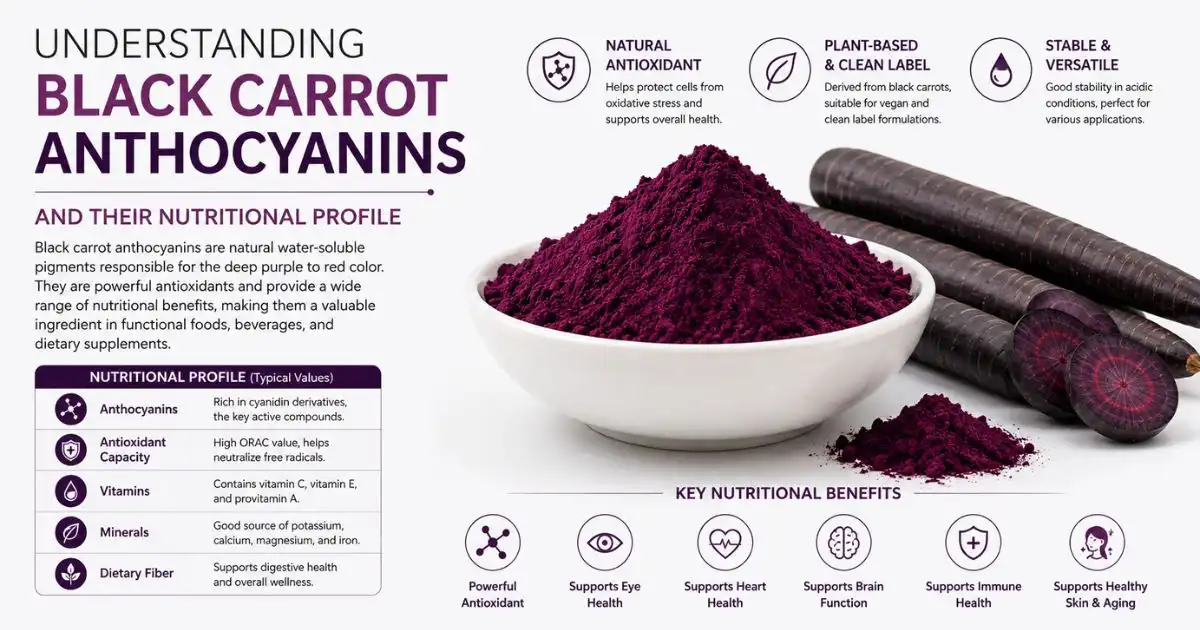
How to Effectively Use Black Carrot Color in Plant-Based Foods
Extraction and Product Form
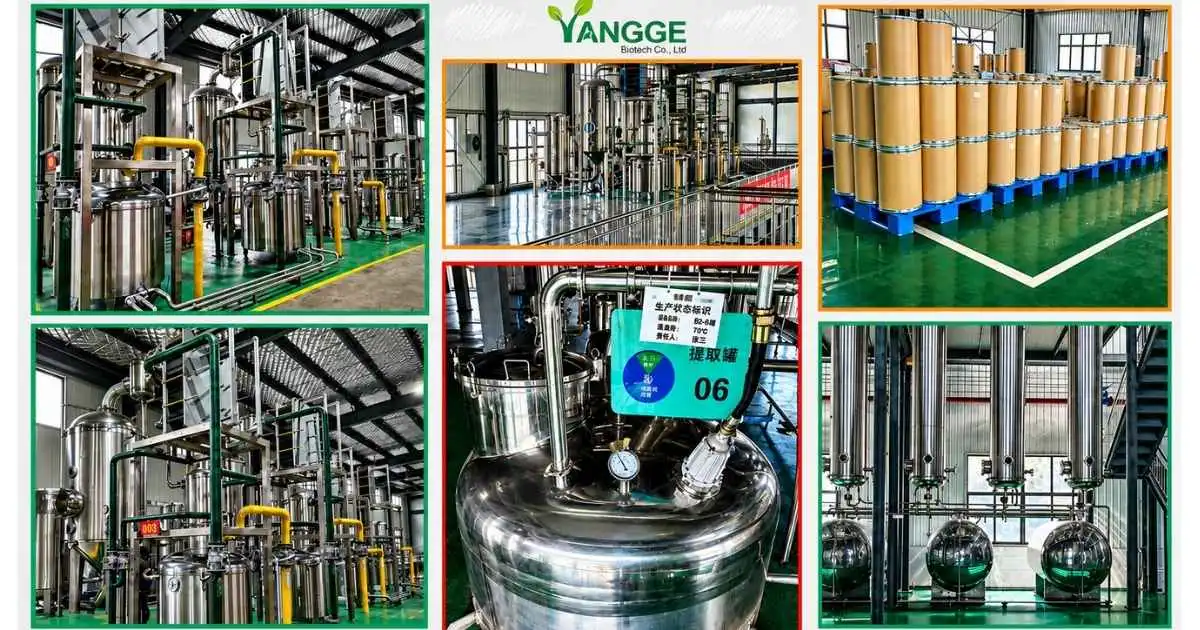
Yangge's Black Carrot Extract is made from the root using a water-based extraction method, and HPLC testing has confirmed this. Dark red-purple powder that dissolves easily in water is the end result. This makes it easy to mix into liquid or dry mixtures. It comes in 1 kg aluminum foil bags that keep it safe from light. If kept below 20°C in a dry, sealed space, it will last for 24 months.
Application by Food Category
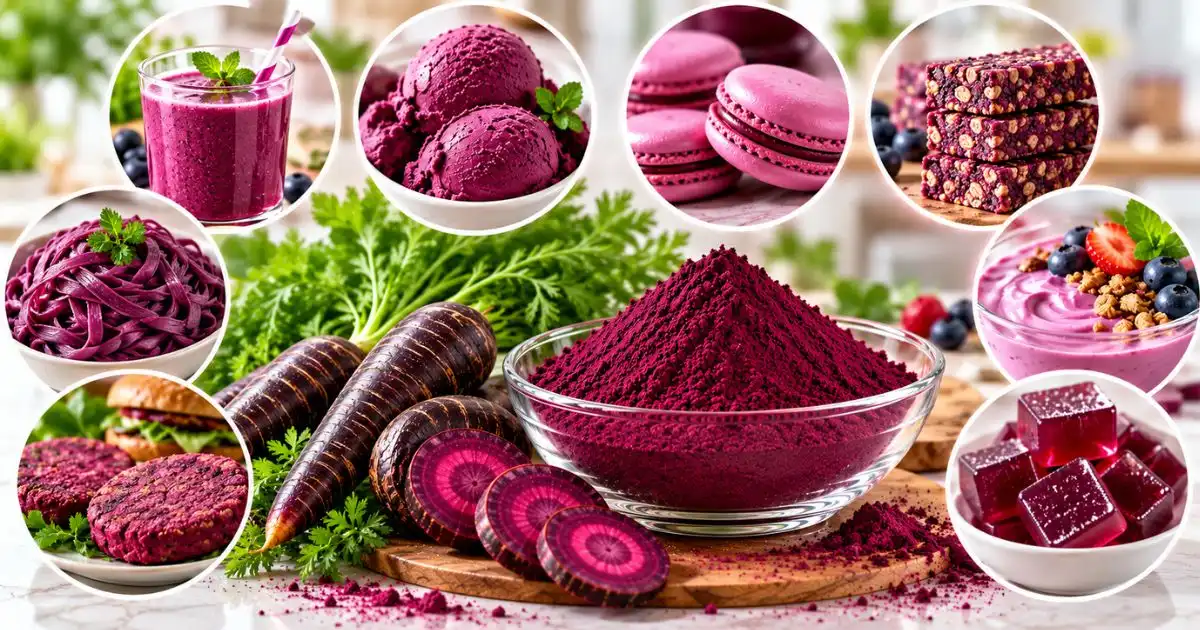
The anthocyanin color in black carrots works in different ways based on the matrix. Here are the main use cases that formulators base their work on:
- Beverages (pH < 3.5): Energy drinks, vitamin waters, and functional beverages are ideal matrices. The acidic environment locks in a crystal-clear red hue, stable over 12+ months even under fluorescent retail lighting. Black carrot extract replaces synthetic red without sedimentation or fading.
- Confectionery — Gummies and Hard Candies: Unlike beet juice, which browns under the high heat of gummy boiling and depositing, black carrot extract withstands thermal stress and maintains color vibrancy. It is the standard choice for berry, cherry, and grape flavor profiles.
- Dairy and Fruit Preparations: In yogurt fruit preparations, the extract is formulated into the acidic fruit base (pH ~3.5) before blending with the neutral dairy mass. This method preserves the red tone at the consumer-visible layer.
The most common question formulators ask is how to get a consistent red color without using synthetics with black carrot color. These application strategies answer that question directly.
Dosing and Stability Guidelines
| Application | Recommended pH | Typical Usage Level | Color Outcome |
|---|---|---|---|
| Beverages | 2.5–3.5 | 0.05%–0.15% | Ruby red |
| Gummies / Candy | 3.0–4.0 | 0.05%–0.1% | Deep red-purple |
| Yogurt fruit prep | 3.5–4.5 | 0.02%–0.08% | Red to violet |
| Plant-based drinks | 3.0–4.0 | 0.03%–0.1% | Red (pH-adjusted) |
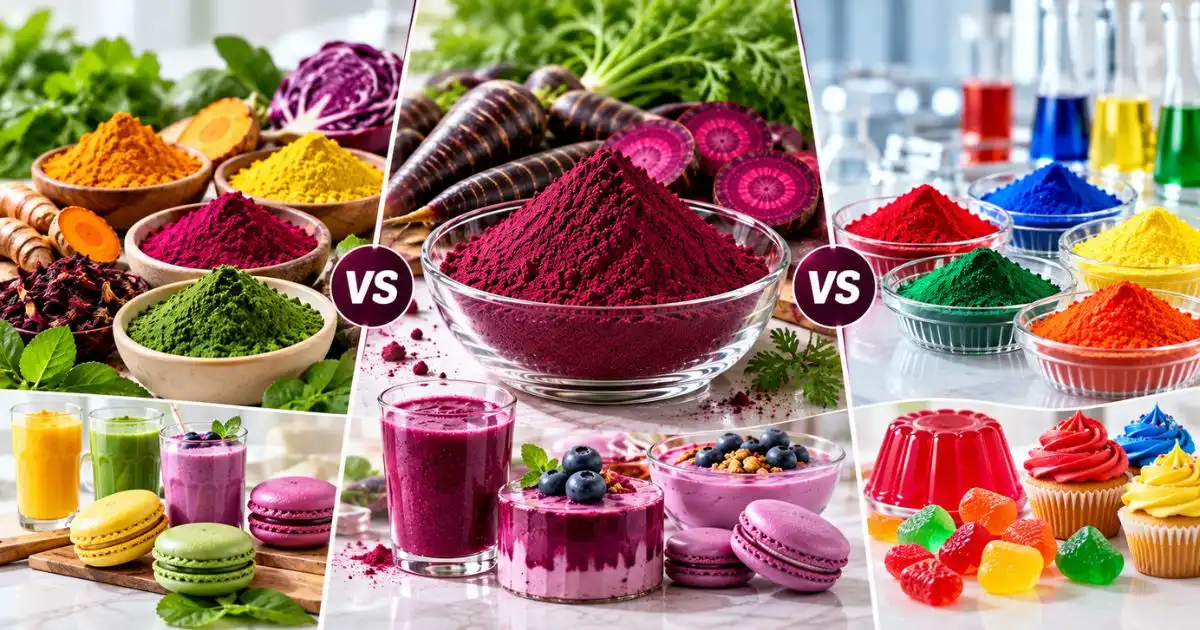
Comparing Black Carrot Color with Other Natural and Synthetic Colors
Black Carrot vs. Beetroot and Other Plant Sources
The betalain color in beets breaks down quickly above 70°C and goes brown when baked or handled with ultrahigh heat. On the other hand, black carrot extract doesn't lose much of its color when it's pasteurized or treated with UHT. The acylated anthocyanin structure in black carrot extract is more resistant to changes in pH and heat stress than that of purple sweet potato or grape skin extract. It also doesn't change the taste much at coloring doses of 0.01% to 0.10%, which is an advantage over beet, which has an earthy taste.
Black Carrot vs. Synthetic Dyes
Synthetic reds, such as Red 40 or Carmoisine, provide a steady color at a low cost, but they are being closely watched by regulators in the EU and are being pushed back against by consumers in the US clean-label market. Black carrot extract fits their color strength in acidic environments, doesn't contain any allergens or irradiation, and has a short, easy-to-recognize list of ingredients. The switch is easy for brands that want to get natural or organic certifications.
Supplier Quality Signals to Watch
Not all black carrot color extracts work the same. Formulators should make sure that the anthocyanin level, PAH4 compliance, and stability from batch to batch are all checked using HPLC before scaling up. Spray-drying with non-GMO maltodextrin as a carrier agent helps the product move better and keeps the color strength the same across production runs.
Procurement and Supplier Selection for Black Carrot Color
Key Certification and Quality Criteria
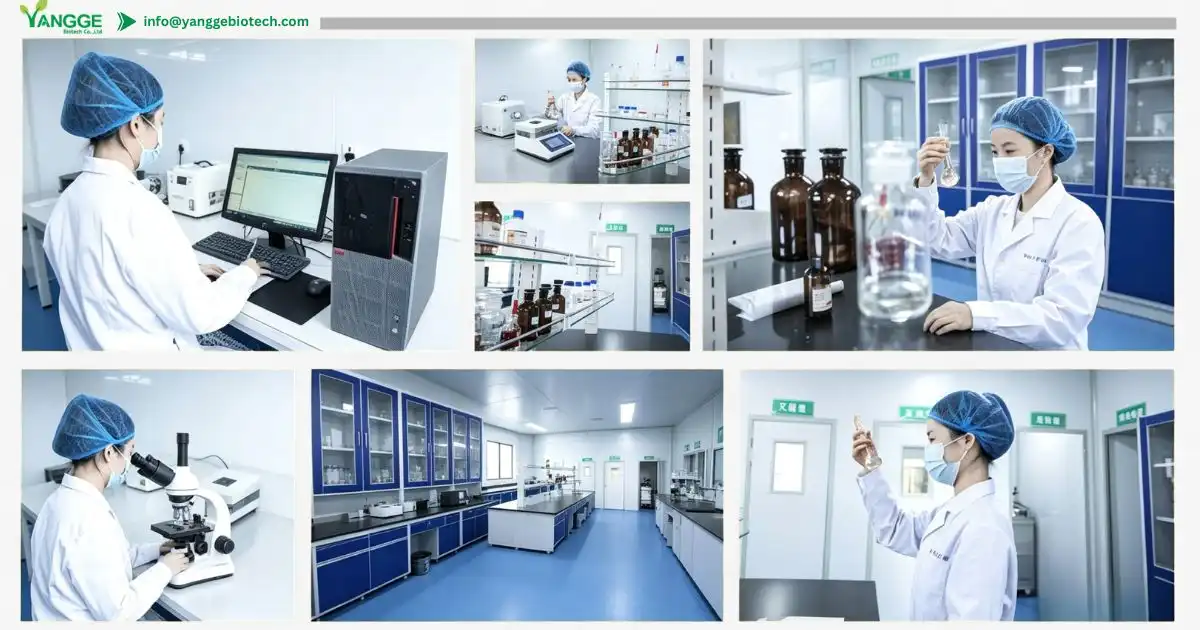
Procurement managers should give ISO, HACCP, Kosher, and Halal certifications to suppliers who can provide black carrot color on a large scale. These credentials cover manufacturing standards, religious dietary requirements, and food safety. They are all important for exporting to North America, the EU, and the Middle East. Yangge has all four certifications and works with third-party laboratories that are recognized by the government to do independent testing again.
Supply Chain and Traceability
| Criterion | What to Verify |
|---|---|
| Raw material origin | Farm-to-extract traceability documentation |
| PAH4 compliance | Benzopyrene ≤10 ppb per EU standard |
| Batch consistency | HPLC certificate of analysis per lot |
| Certifications | ISO, HACCP, Kosher, Halal |
| Packaging options | 1kg foil bag, custom quantities available |
The following things should be checked: - The origin of the raw materials: farm-to-extract documentation; - The PAH4 levels: benzopyrene levels of 10 parts per billion or less as required by EU law; - The consistency of the batches: an HPLC certificate of analysis for each lot; - The certifications: ISO, HACCP, Kosher, and Halal; - The packaging options: a 1 kg foil bag or custom quantities can be ordered;
Sampling and Trial Timeline
Yangge gets black carrot roots from a sustainable farming model that can be fully tracked. This lowers the risk of supply disruption for buyers who have 4–8 week cycles from formulation to production.
Real-World Case Studies and Best Practices
Beverage Brand Replacing Red 40
A functional drink company in North America changed the recipe for a berry-flavored vitamin water by adding 0.08% black carrot color, black carrot juice to a pH 3.2 base. After being tested for a year under store lighting settings to see how long it would last, the color retention was over 90%. Labels for the product that said "Black Carrot Juice Extract" were clean when it came out, which met the requirements of both retailers and the FDA.
Gummy Manufacturer Solving Heat Fading
A company that makes fruit sweets used to use beet juice, but it turned brown when it was deposited at 85°C. The browning problem was fixed by using 0.06% black carrot extract instead. The acylated anthocyanin structure kept its color throughout the whole thermal cycle, and all 10 production batches of the finished product had the same cherry-red look.
Lessons for Formulators
The two examples above teach us that the black carrot anthocyanin color works best when the pH is kept at or below 4.0, antioxidants like ascorbic acid are added, and the product is packed in a way that keeps it from getting too much light. Together, these three things determine whether the color will stay stable or fade on the shelf.
Conclusion
Black carrot color is one of the most dependable natural colorants available for acidic plant-based food applications. Its acylated anthocyanin structure provides heat and light stability that most fruit-derived pigments cannot match. With clean-label compliance, dual nutritional function, and broad regulatory acceptance, it is a practical replacement for synthetic reds across beverages, confectionery, and dairy applications.
Formulators who control pH, dosing, and packaging conditions can achieve consistent, vibrant results across long shelf lives. For procurement teams, sourcing from certified suppliers with verified batch consistency and full traceability is the most direct path to production confidence.
FAQ
Does black carrot extract work in neutral pH plant-based milks?
The anthocyanin structure changes from red to purple-blue when the pH level is normal (6.0–7.0). It doesn't change chemically, but it won't turn red in bases that aren't acidic. If you want a red or pink color in plant-based milks, you need to change the pH.
How does ascorbic acid interact with black carrot anthocyanins?
Some anthocyanins can be broken down by ascorbic acid over time, but the acylated structure in black carrot extract makes it more durable than most. Vitamin-fortified drinks keep their color longer if you add a chelating agent or lower the pH to below 3.5.
What is the shelf life of Yangge's Black Carrot Extract?
The item can be kept for 24 months in a container that is shut and out of the light below 20°C. The metal foil bag package is made to keep food from oxidizing and getting too much light while it's being stored and shipped.
Can black carrot extract replace Red 40 directly?
Yes, black carrot extract gives off a similar ruby red color in acidic environments below pH 4.0 and can be used instead of Red 40 with only small changes to the amount used. The label says "Black Carrot Juice Extract" because of FDA and EFSA clean-label rules.
Is it suitable for certified organic products?
Custom formulas that don't need carriers and work with biological materials are available. Before adding an ingredient to approved organic product lines, buyers should check with the seller that the supplier has the necessary organic certification paperwork.
Source Your Black Carrot Color Supplier with Yangge
Food companies in North America, the EU, and other places buy HPLC-verified Black Carrot Extract from Yangge Biotech Co., Ltd. We are a black carrot color manufacturer that is ISO, HACCP, Kosher, and Halal approved. We offer full application data, pH stability advice, and co-formulation support from sample to scale. Custom packing and being able to track a lot are normal. To get a sample and certificate of analysis, email our team at info@yanggebiotech.com or go to blog.yanggebiotech.com.
References
1. Giusti, M. M., & Wrolstad, R. E. (2003). Acylated anthocyanins from edible sources and their applications in food systems. Biochemical Engineering Journal, 14(3), 217–225.
2. Mortensen, A. (2006). Carotenoids and other pigments as natural colorants. Pure and Applied Chemistry, 78(8), 1477–1491.
3. Stintzing, F. C., & Carle, R. (2004). Functional properties of anthocyanins and betalains in plants, food, and in human nutrition. Trends in Food Science & Technology, 15(1), 19–38.
4. Hendry, G. A. F., & Houghton, J. D. (1996). Natural Food Colorants (2nd ed.). Blackie Academic & Professional.
5. U.S. Food & Drug Administration. (2022). Color Additives Permitted for Use in Human Food. FDA Regulatory Reference.
6. European Food Safety Authority (EFSA). (2013). Scientific opinion on the re-evaluation of anthocyanins (E 163) as a food additive. EFSA Journal, 11(4), 3145.

Based on your location and order quantity, you will have the opportunity to receive a limited time free shipping promotion!
Who we are
Popular Blogs