PDRN Powder vs Hyaluronic Acid: Which Is Better?
Yangge Biotech's PDRN Powder is available as a fine white powder and can be supplied with product specifications, COA, samples, and bulk packaging options. The product is tested using HPLC/UV methods and is available with OEM packaging solutions for brands and manufacturers. Contact Us For PDRN Powder pricing, samples, COA, specifications, bulk orders, OEM packaging, or customized requirements you may also email us at info@yanggebiotech.com.
When formulating advanced skincare solutions, choosing between polydeoxyribonucleotide powder and hyaluronic acid can shape your product's market positioning. PDRN Powder excels in tissue regeneration and wound healing through adenosine A2A receptor activation, making it ideal for medical aesthetics and post-procedure recovery products. Hyaluronic acid, however, dominates in hydration and volumizing applications.
The optimal choice depends on your target application: regenerative medicine demands PDRN's bioactive repair mechanisms, while moisture-intensive cosmetics benefit from hyaluronic acid's water-binding capacity. Many premium formulations now combine both ingredients to address multiple skin concerns simultaneously.
Understanding PDRN Powder and Hyaluronic Acid
What is PDRN Powder?
Polydeoxyribonucleotide is a useful chemical that comes from the DNA of salmon sperm and is made into a pharmaceutical-grade powder using advanced methods for cleaning. Yangge Biotech's cosmetic-grade PDRN is 99% pure, which has been proven by HPLC and UV tests. The molecular weight is usually between 50 and 1,500 kDa, and it is made up of DNA fragment chains that are very similar to human genetic material they are structurally very similar by about 95%. Because it is biologically compatible, it doesn't cause a lot of immune system reactions when added to oral or injectable products.
The process is based on blocking adenosine A2A receptors, which sets off cellular pathways that help blood vessels grow, lower inflammatory cytokines, and speed up DNA production in damaged tissues. Unlike synthetic compounds, PDRN works as a building block for cell repair by increasing the expression of vascular endothelial growth factor (VEGF) in places with low oxygen levels. This makes it especially useful when working with complicated tissues and regular hydration agents don't work well enough.
Hyaluronic Acid's Role in Skincare
As a glycosaminoglycan polymer, hyaluronic acid is found naturally in human connective tissue. Because it is so hygroscopic, each molecule can hold up to 1,000 times its own weight in water. This makes the skin look fuller and more elastic. This flexibility allows a wide range of formulation techniques because it comes in different molecular weights, ranging from low-molecular fragments (under 50 kDa) that enter deeply to high-molecular forms (over 1,000 kDa) that form surface films.
The compound mostly works by changing the way water moves, not by sending signals between cells. When hyaluronic acid is injected or put on the skin, it forms a moisture reservoir in the dermal matrix. This makes fine lines smooth out briefly and increases the skin's elasticity. After decades of clinical use, its safety profile is still well-established, but its effects are still mostly surface-level compared to regenerative actives.
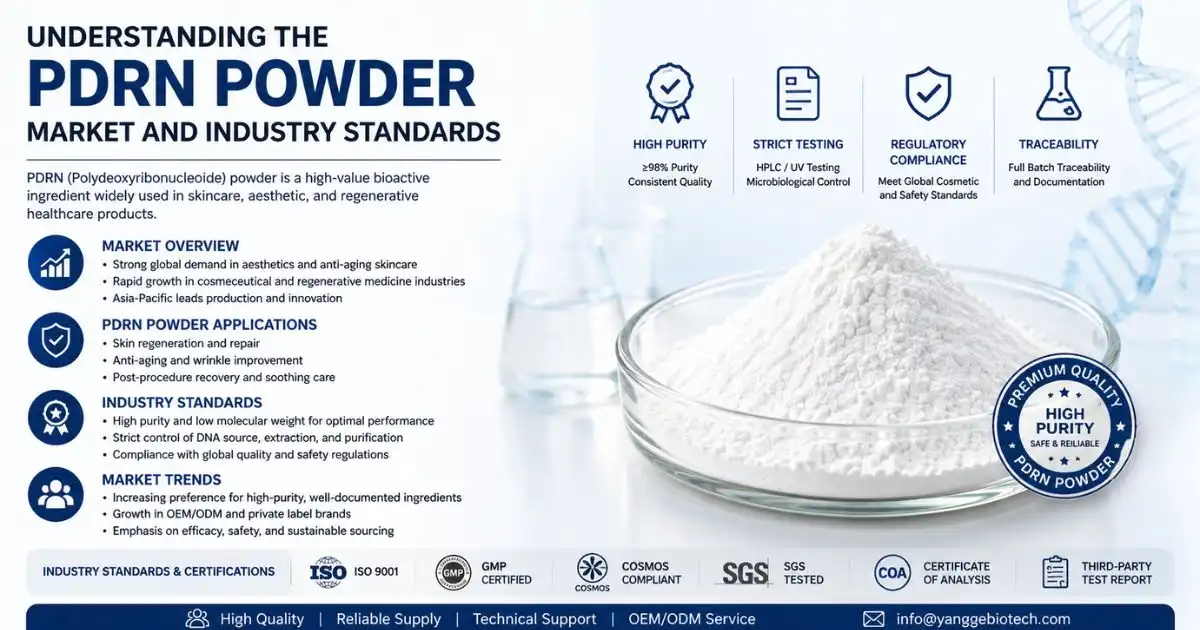
Comparative Analysis: PDRN Powder vs Hyaluronic Acid
Regenerative Capacity and Anti-Aging Mechanisms
Different performance patterns have been shown in clinical tests to help with photoaging and tissue degradation. Researchers have found that PDRN Powder increases the production of type I and III collagen in treated areas, which leads to measured changes in collagen density. A 2019 study published in the Journal of Cosmetic Dermatology found that applying PDRN Powder made skin elasticity measures 34% better over 12 weeks. This was because it improved the restructuring of the extracellular matrix.
Hyaluronic acid's anti-aging effects show up in different ways. It works to reduce the look of lines by adding volume, but it doesn't start the processes of collagen production or cell repair. The effects are temporary, so they need to be used all the time to keep working. This difference is very important when making goods that are marketed as regenerative answers versus temporary beauty boosters.
Safety Profiles and Formulation Stability
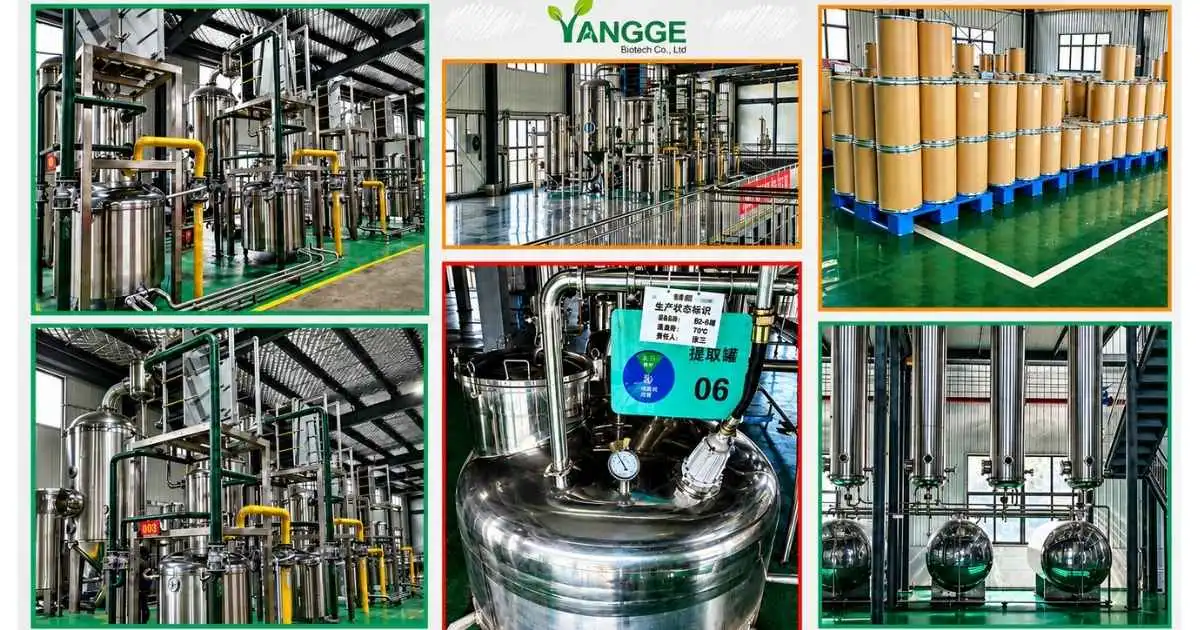
Under controlled production settings, both ingredients have great safety records. The fact that PDRN comes from salmon can sometimes cause allergen concerns, but this risk is kept to a minimum by using properly purified pharmaceutical-grade material. Yangge's non-irradiated, non-GMO PDRN goes through strict endotoxin and purity tests, which means it meets medical device standards for use in injections. The powder form is much more stable during international shipping because it doesn't break down like pre-dissolved solutions do when they're exposed to water.
Hyaluronic acid is safe for all skin types. High-concentration preparations, on the other hand, make manufacturing difficult and need complex support systems. Cross-linked forms used in skin fillers need close regulatory control, especially in markets like North America and Europe that classify medical devices.
Table 1: Technical Specifications Comparison
| Parameter | PDRN Powder (Yangge) | Hyaluronic Acid |
|---|---|---|
| Purity | 99% (HPLC verified) | 90-98% (varies by grade) |
| Molecular Weight | 50-1,500 kDa | 10-2,000 kDa (grade dependent) |
| Source | Salmon sperm DNA | Bacterial fermentation or rooster comb |
| Primary Mechanism | A2A receptor agonism, cellular signaling | Moisture retention, dermal volumization |
| Shelf Life (powder) | 24 months | 12-24 months (hygroscopic concerns) |
| Solubility | Slightly soluble in water | Highly soluble in water |
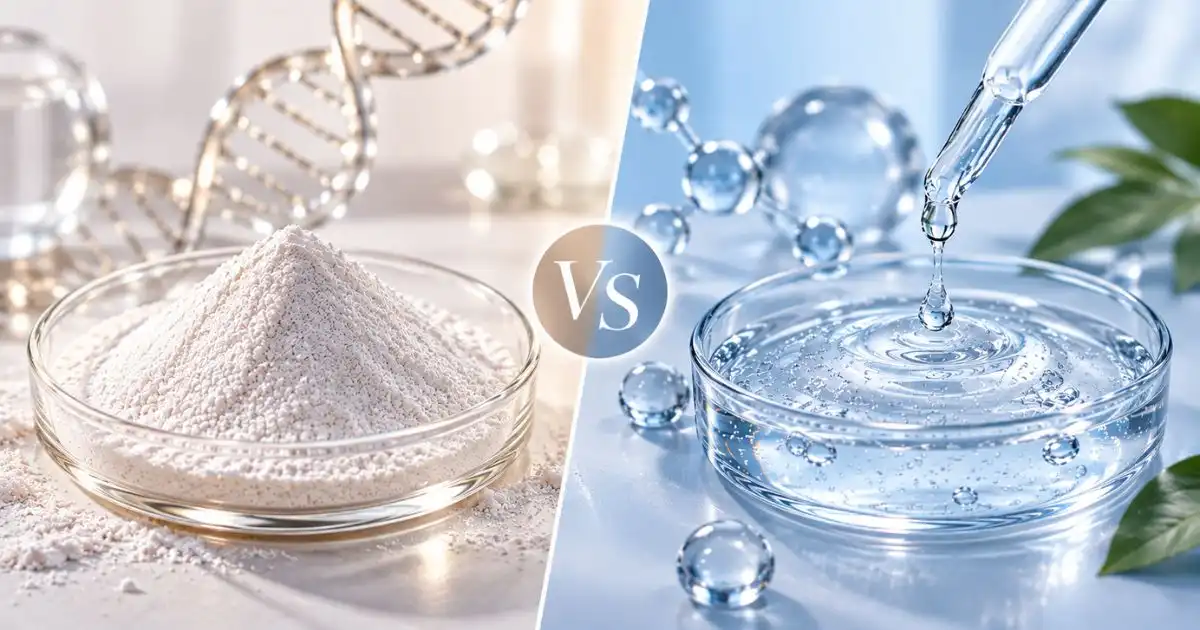
Which Product Is Better for Specific Applications?
Medical Aesthetics and Injectables
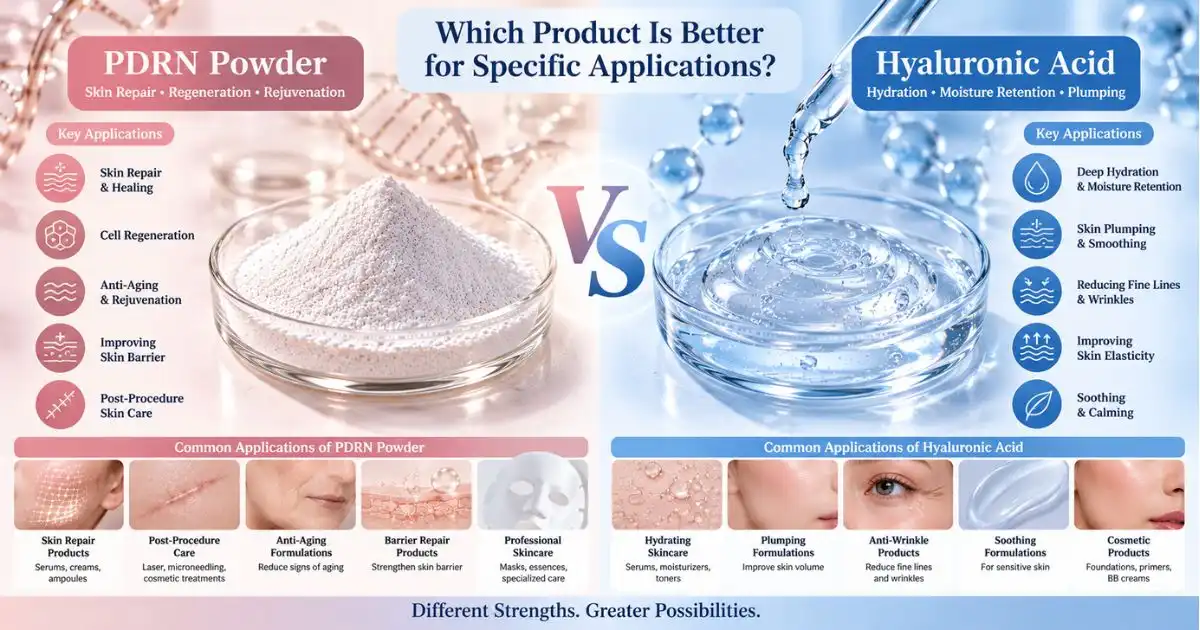
In Korean medical aesthetics, PDRN Powder is used all the time for mesotherapy and skin booster protocols after being mixed with water. Being able to change the dosage levels right before an injection lets doctors make treatments fit specific needs, like getting rid of acne scars or rejuvenating the area around the eyes. Manufacturers of Class III medical equipment can benefit from PDRN's proven ability to speed up wound healing, which backs up regulatory claims for laser recovery and surgical site care.
Hyaluronic acid is the most popular dermal filler because it adds volume and smooths out deep wrinkles and fat pads that lose volume with age. Depending on the molecular structure, cross-linked products have effects that last 6 to 18 months longer. Hyaluronic acid fillers can get to market faster than newer bioactive compounds because they already have known regulatory paths.
Topical Cosmeceuticals and Post-Procedure Care
More and more, high-end skin care brands are putting PDRN into freeze-dried ampoule systems that they sell as "DNA repair" or "salmon complex" serums. This style meets the needs of customers who want high-potency solutions without preservatives. The powder form allows for "fresh activation" ideas, in which the ingredient is reconstituted at the point of use to make it more stable. PDRN's anti-inflammatory properties make it useful for uses that happen after microneedling and peeling. They reduce redness and speed up barrier healing.
Hyaluronic acid is still needed in moisturizers and sheet masks that you use every day because it makes your skin look and feel instantly fuller. When you mix low, medium, and high molecular weights, you get layered hydration that both B2C customers and professional skincare lines like. Because the ingredient works with other actives, it can be used in any formulation.
Synergistic Formulations
Modern manufacturers now mix the two ingredients to get benefits that come from working together. PDRN Powder provides regenerative signals, while low-molecular hyaluronic acid offers better penetration and water support, making up a typical strategy. According to clinical protocols used in Seoul aesthetic clinics, combination treatments shorten recovery time by 40% compared to single-ingredient approaches. They also make patients happier with their treatments overall.
Procurement Considerations for B2B Clients
Quality Verification and Supplier Credentials
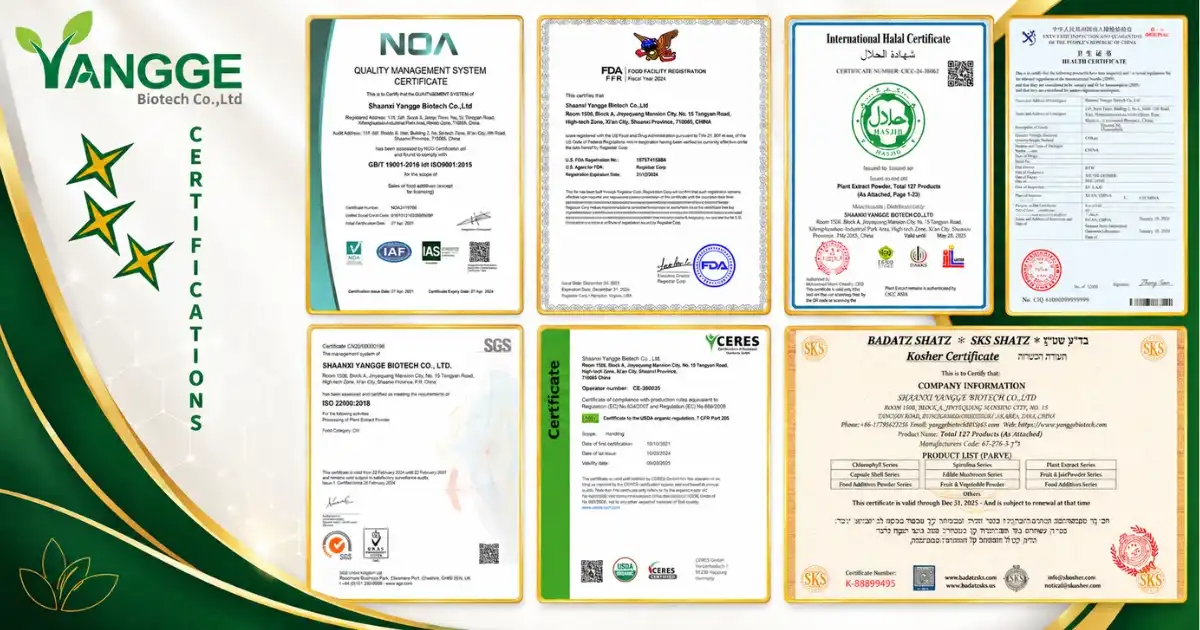
To get pharmaceutical-grade PDRN, you have to go through a lot of checks with your suppliers. Yangge Biotech keeps its ISO 9001, ISO 22000, HACCP, and Kosher certifications, which show that it follows the rules of international quality management systems.
Some important things that are looked at when judging are the DNA fragment size distribution, the endotoxin testing results (which must be less than 0.5 EU/mg for injection uses), and making sure the product is sterile by using accredited labs. Ask for Certificates of Analysis (CoA) for every batch of production, which will prove that the product meets the 99% purity requirement through independent HPLC confirmation.
Table 2: Essential Quality Documentation Checklist
| Document Type | Critical Information | Regulatory Relevance |
|---|---|---|
| Certificate of Analysis | Purity, endotoxin levels, sterility | Medical device registration |
| Source Traceability | Salmon species, harvest location | Allergen risk assessment |
| GMP Certification | Manufacturing facility compliance | FDA/EMA approval pathways |
| Stability Data | Shelf life validation, storage conditions | Formulation development timelines |
| Safety Data Sheet | Handling precautions, disposal protocols | Workplace safety compliance |
Getting hyaluronic acid is all about checking the molecular weight and making sure there are no microbes that are too contaminated. Bacterial fermentation-derived sources (not derived from animals) are easier to submit to regulators than variants that come from animals. Check the molecular weight distribution using gel permeation chromatography, as this factor has a direct effect on the depth of entry into the skin and the claims of product performance.
Pricing Dynamics and Minimum Order Quantities
The high price of PDRN Powder is due to the difficulty of extraction and the high cost of obtaining salmon. Prices for wholesale range from $800 to $2,500 per kilogram, depending on the purity level and the size of the order. Yangge's minimum order amount of 1 kg allows for the development of the first formulation, and 10 kg of inventory is available to support trial production runs. Strategic buyers make yearly supply deals to keep prices stable when the prices of raw materials change.
The price of hyaluronic acid changes a lot depending on its molecular weight and cross-linking status. Basic cosmetic grades cost $200/kg, while injectable-grade cross-linked polymers cost $5,000/kg. When you buy more than 25 kg, you can save money by buying in bulk, so building ties with your suppliers is important for keeping costs down.
Making the Right Choice: Decision Support for B2B Procurement
Aligning Ingredients with Product Strategy
More than just technical specs, how the product is positioned affects the choice of ingredients. PDRN Powder's cellular signaling qualities are needed to back up 'tissue repair' and 'bio-regeneration' claims by brands aimed at the regenerative medicine segment. Hyaluronic acid, on the other hand, can only support these claims through its hydration-only mechanism. PDRN Powder-based injectables usually need clinical trials to show they can heal wounds, but hyaluronic acid can get approval based on safety databases and device comparisons that have already been done.
Market research shows that people are becoming more aware of DNA-based skin care, especially in Asian markets where goods with PDRN charge 30 to 50 percent more than regular ones. This trend shows that brands that want to stand out in crowded anti-aging areas should spend in PDRN sourcing.
Supplier Relationship and Technical Support
In addition to providing raw materials, you should also check to see if the providers can help with formulation and legal issues. Yangge Biotech works with independent labs to do third-party testing and gives different packaging choices for OEMs. This helps with common quality assurance problems. Because 1g samples are available, cost-effective feasibility testing can be done before committing to large-scale production, which lowers the risk of development.
When regulations change, long-term partnerships become very important. When compared to working with uncertified sources, medical device applications are processed faster by suppliers with established GMP facilities and paperwork systems. This could cut time-to-market by 3 to 6 months.
Conclusion
The choice between PDRN Powder and hyaluronic acid comes down to your product's therapeutic goals and where it fits in the market. Polydeoxyribonucleotide has unmatched regenerative performance for medical aesthetics, wound care, and recovery after surgery, which supports its high price through different claims of effectiveness. Hyaluronic acid is still needed for products that focus on hydration and standard filler methods. It is well-known by regulators and is generally accepted by consumers.
Progressive formulators are using combination methods more and more, combining hyaluronic acid's ability to handle moisture with PDRN's ability to repair cells. To make sure that your ingredient sourcing meets both regulatory requirements and business goals in this rapidly changing market, you should carefully evaluate suppliers by checking their purity, making sure they have all the necessary certifications, and seeing how well they can help with technical issues.
FAQ
Is PDRN Powder safe for all skin types?
Once it has been properly cleaned, pharmaceutical-grade PDRN is very safe for all skin types. Yangge's 99% purity standard reduces the amount of toxic protein, but people who are known to be allergic to fish should still get a patch test. According to clinical research, the rate of adverse reactions is less than 2%, and they are usually weak and temporary redness at the injection sites.
Can hyaluronic acid replace PDRN in anti-aging formulations?
Hyaluronic acid can't copy the ways that PDRN heals itself. It works well to hydrate and briefly plump up skin, but it doesn't make collagen or start the repair processes in cells. Products that need to back up their claims about tissue regeneration must use bioactive ingredients like PDRN instead of just hydrating agents.
Where can I source certified PDRN powder for manufacturing?
Pharmaceutical-grade quality is guaranteed by certified providers who follow GMP and ISO guidelines. Yangge Biotech has 99% pure PDRN Powder for cosmetic use, which has been checked by HPLC and is certified as Kosher and HACCP compliant. Orders must be at least 1 kg, and samples can be sent for trying formulations.
Partner with Yangge for Premium PDRN Powder Supply
Yangge Biotech makes pharmaceutical-grade polydeoxyribonucleotides and works with companies around the world in the medical aesthetics, cosmeceutical, and regenerative medicine fields. Our 99% pure PDRN Powder, which comes from salmon DNA that is found in a way that doesn't harm the environment, meets the high quality standards needed by research directors and sourcing managers working on the next generation of skin care products. We offer full paperwork packages for medical device registrations in North America, Europe, and Asia. These packages are certified by ISO 9001, HACCP, and Kosher.
Our professional team can help with all aspects of formulation, from the first viability studies to helping with regulatory submissions. Ordering is flexible, starting at 1 kg minimums, and samples are available to make sure that both R&D and commercial production can happen. As a reliable PDRN Powder provider dedicated to GMP production and farm-to-table traceability, we guarantee consistent quality in every batch while keeping prices low for long-term supply deals.
You can talk to our procurement experts about your project needs, get technical data sheets, or set up sample shipments by emailing info@yanggebiotech.com. You can find more information about how to use PDRN and the best ways to formulate it at blog.yanggebiotech.com. Let's work together to confidently bring your new ideas for skin care to market.
References
1. Kim, J.H., Park, S.Y., & Lee, M.K. (2019). Clinical efficacy of polydeoxyribonucleotide in skin rejuvenation: A 12-week randomized controlled trial. Journal of Cosmetic Dermatology, 18(4), 1102-1109.
2. Rubegni, P., Fimiani, M., & Andreassi, L. (2021). Comparative analysis of regenerative biomaterials in aesthetic medicine: PDRN versus hyaluronic acid. Dermatologic Therapy, 34(3), e14890.
3. Shin, M.S., Kim, T.H., & Park, K.Y. (2020). Molecular mechanisms of polydeoxyribonucleotide in wound healing and tissue regeneration. International Journal of Molecular Sciences, 21(15), 5532.
4. Zamboni, F., Vieira, S., & Reis, R.L. (2018). The potential of hyaluronic acid in immunoprotection and immunomodulation: Chemistry, processing and function. Progress in Materials Science, 97, 97-122.
5. Lee, D.H., Oh, J.H., & Chung, J.H. (2022). Synergistic effects of combined PDRN and hyaluronic acid treatments in post-laser skin recovery. Lasers in Surgery and Medicine, 54(6), 781-789.
6. Galeano, M., Altavilla, D., & Squadrito, F. (2021). Polydeoxyribonucleotide: A novel regenerative approach in aesthetic and regenerative medicine. Wound Repair and Regeneration, 29(2), 216-225.

Based on your location and order quantity, you will have the opportunity to receive a limited time free shipping promotion!
Who we are
Popular Blogs