Alpha-GPC Benefits for Brain Health Supplements
Yangge Biotech supplies high-quality Alpha-GPC Powder in 50% and 99% HPLC specifications, suitable for capsules, tablets, functional beverages, and nutraceutical formulations. Bulk supply, samples, COA, MSDS, and OEM/ODM services are available.
Contact us for samples, pricing, and customized solutions.
Email: info@yanggebiotech.com
When sourcing high-performance nootropic ingredients, you need compounds that deliver measurable cognitive enhancement while maintaining rigorous quality standards. Alpha-GPC stands out as one of the most bioavailable choline sources available, crossing the blood-brain barrier efficiently to support acetylcholine production the neurotransmitter directly linked to memory consolidation, focus, and cognitive processing speed. For procurement managers developing sports nutrition or brain health supplement lines, understanding this compound's unique advantages translates directly into product differentiation and market competitiveness.
Understanding Alpha-GPC and Its Cognitive Benefits
What Makes Alpha-GPC Different from Other Choline Sources
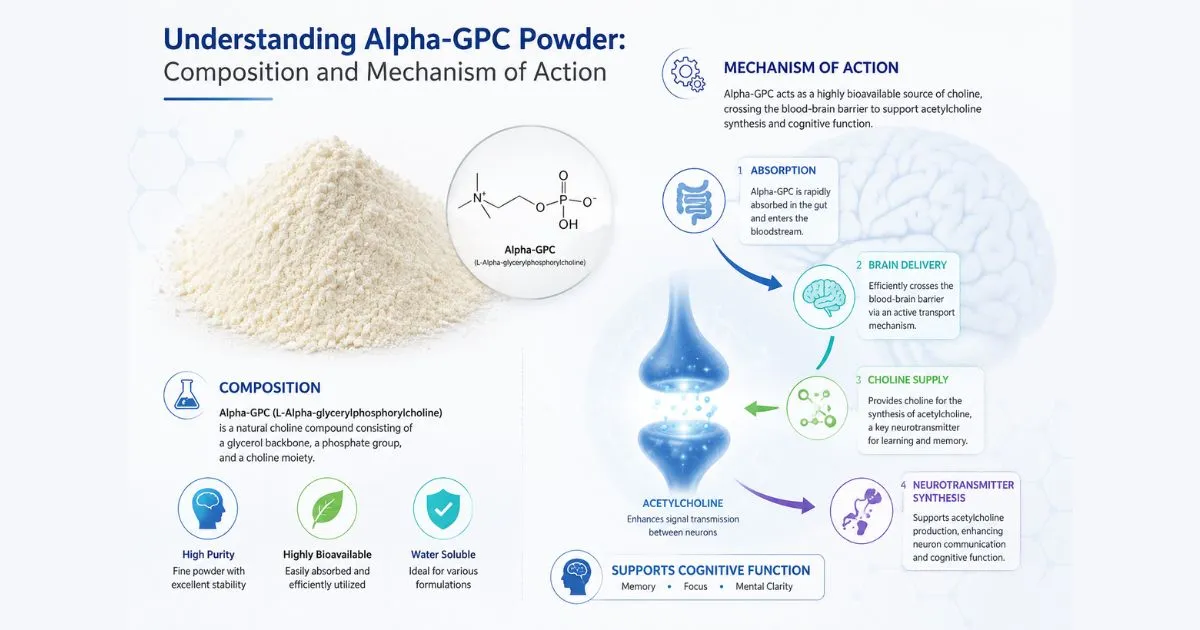
L-Alpha glycerylphosphorylcholine is a phospholipid metabolite that is found naturally in small amounts in brain tissue and some plant sources, such as soybean lecithin. This compound is about 90% bioavailable, which is higher than choline bitartrate or lecithin, which have trouble getting into neural tissue. The molecular structure lets it quickly pass thru cell membranes, putting choline right where it's needed most for brain functions.
Supplementation greatly boosts plasma choline levels within one to three hours, making an immediate source of building blocks for acetylcholine production, according to clinical studies. Neuropharmacology journals have released research that shows word memory tests and attention span measurements get better over time in both healthy adults and older adults whose minds are getting worse.
Mechanism of Action in Brain Health
Once the molecule is taken, it is changed by enzymes inside neurons. This releases choline for the production of acetylcholine and provides glycerophosphate, which is a structural part of neuronal membranes. This two-part process helps keep membranes intact and neurotransmitters available, which is important for two important pathways for brain activity.
Acetylcholine does more than just help us remember things. It changes neurogenesis, helps with the structure of REM sleep, and controls the function of the parasympathetic nervous system. Athletes really like how acetylcholine helps with neuromuscular signaling. Having enough acetylcholine is linked to better power output and movement coordination during intense training sessions.
Clinical Evidence for Cognitive Enhancement
Several randomized controlled studies show that the effects can be measured. In a study done in 2021 with 80 people ages 50 to 70, taking 400 mg of a supplement every day for 12 weeks led to statistically significant changes in executive function skills and delayed word memory. Another study that looked at sports found that players who took 600 mg of Alpha-GPC before a workout had a 14% higher peak force production during lower-body strength exercises.
The antioxidant effects go beyond how well they work right away. Cholinergic deficits are a key trait of both mild cognitive impairment and early Alzheimer's disease, and research shows that these compounds could be used as medicines to treat these conditions. The compound is not a treatment in and of itself, but it shows promise when used as part of a larger intervention plan.
Applications Across Product Categories
The ingredient's versatility opens up a lot of formulation options for B2B clients who are making a wide range of products. Direct cognitive support is a benefit of nootropic stacks for students and workers, while pre-workout formulas use both mental focus and physical performance improvement. Because it dissolves in water, it can be added to ready-to-drink drinks, pills, tablets, and even useful gummies. However, because it absorbs water, it needs to be carefully mixed with other ingredients.
New trends show that people are becoming more aware of the compound thru online communities and biohacking forums, where it consistently ranks as one of the best cognitive enhancers. This demand from regular people can be turned into sales chances when goods have clinically relevant doses backed by clear third-party testing.
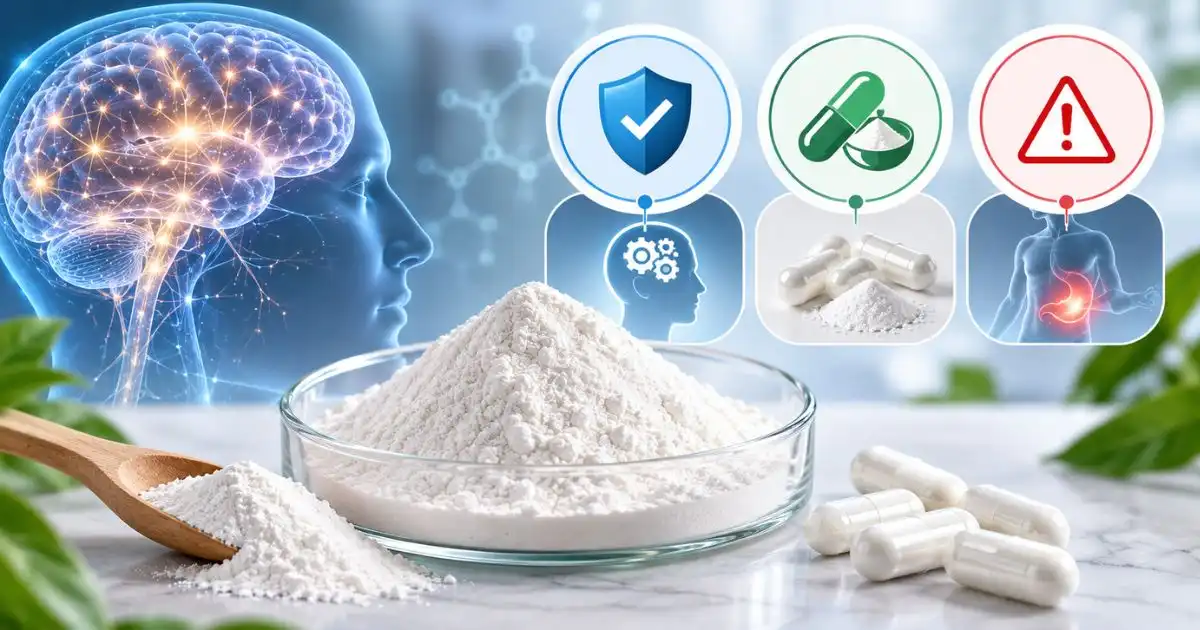
Alpha-GPC Safety, Dosage, and Side Effects
Evidence-Based Dosage Recommendations
To find the best dose, treatment goals must be aligned with recent clinical data. The table below shows the standard protocols that are used in a variety of situations:
| Application Category | Recommended Daily Dose | Timing Strategy | Clinical Justification |
|---|---|---|---|
| General Cognitive Support | 300-600mg | Split into two doses (morning/midday) | Maintains stable acetylcholine levels throughout waking hours |
| Sports Performance Enhancement | 600mg | 30-45 minutes pre-exercise | Peak plasma concentration aligns with training window |
| Age-Related Cognitive Decline | 400mg (twice daily) | Morning and early afternoon | Mimics protocols from dementia research studies |
| Nootropic Stacking | 150-300mg | Combined with complementary compounds | Lower doses when synergistic ingredients present |
These values are based on published study factors and allow for some flexibility in formulation. Lower concentrations are used in products aimed at the general health market, while higher concentrations are used in sports nutrition and brain improvement formulas.
Safety Profile and Regulatory Status
The substance is generally thought to be safe (GRAS) for use in certain foods and supplements when made according to current good manufacturing practice (cGMP) rules. Decades of clinical use show an extremely high safety margin with very few reports of adverse events.
Fewer than 5% of users report common side effects, which usually include mild stomach pain, headaches, or short-term insomnia after taking it late at night. These responses normally go away when the dose is changed or when the time of the reaction is better compared to meals. Alpha-GPC is generally well-tolerated at recommended doses, and at standard supplementation levels, no serious side effects have been seen in controlled trials.
Regulatory acceptance is different in each place. The ingredient is legal as a dietary supplement in the U.S., is approved as a novel food in Europe, and is on a number of international positive lists. Procurement teams should check the current legal situation in target markets, since classifications are sometimes reviewed.
Risk Mitigation Strategies for Product Development
The choice of raw materials is the first step in quality control. Third-party reports of analysis should show that the sample is pure using High-Performance Liquid Chromatography (HPLC), that it does not contain any heavy metals using Inductively Coupled Plasma Mass Spectrometry (ICP-MS), and that it has been tested for microbes. These steps of verification protect the brand's reputation and keep customers safe.
When formulating, it's important to take into account that the chemical is hygroscopic, which means it tends to absorb water from the air. This trait makes it hard to make capsules and tablets because they can absorb water, which can lower the stability and shelf life of the product. This problem is fixed by the stabilized 50% powder specification, which includes anti-caking agents like silicon dioxide. This keeps the powder's flowability during high-speed encapsulation while protecting the active ingredient's integrity.
Label claims should match benefits that have been proven in peer-reviewed research. By not making false claims, you can protect yourself from governmental scrutiny and build customer trust thru marketing methods that are based on facts.
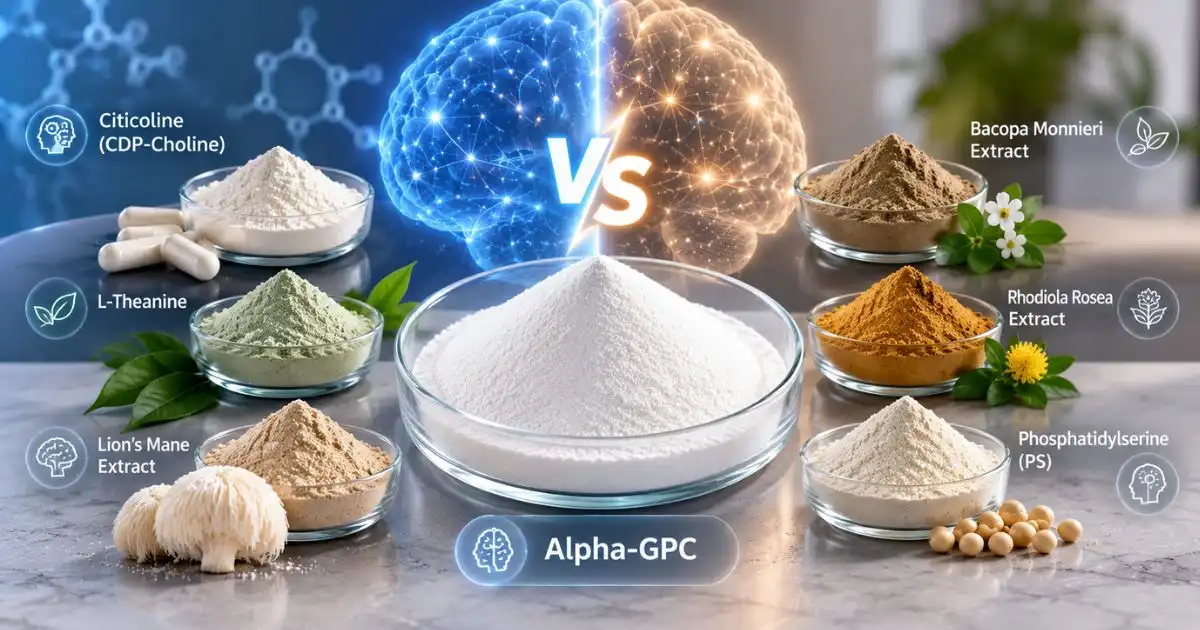
Comparing Alpha-GPC with Alternative Nootropic Supplements
Bioavailability and Choline Delivery Efficiency
When you know how different sources of choline work, you can see why smart formulators choose some compounds over others. Choline bitartrate is the least expensive per gram, but it doesn't change into brain-available choline very well—a lot of it is broken down in the liver before it gets to the nerve cells. Lecithin adds more phospholipids, but it only has 10–20% phosphatidylcholine by weight, so much higher doses are needed to have any real effects.
Citicoline (CDP-choline) is the main alternative that is worth comparing directly. Both substances easily cross the blood-brain barrier and help the brain work in ways that work together. Citicoline provides cytidine along with choline, which helps make both acetylcholine and phosphatidylcholine membranes. Similar cognitive benefits have been seen in clinical studies using the same amounts of choline.
Choosing between these two high-end options often comes down to design goals and cost. Citicoline usually costs more as a raw material, but it holds up better against moisture. The substance we're talking about, on the other hand, has about 40% more choline per milligram of active ingredient than citicoline, which means capsules can hold more of it.
Functional Outcome Comparisons with Other Nootropics
When purchasing managers look at different combos of ingredients, they can make better decisions if they know how different processes work together. Racetam substances, such as piracetam and noopept, change the function of glutamate receptors and neurons' ability to fire quickly, but they don't change the function of cholinergic neurons directly. Many user reviews and new studies show that taking cholinergic support with racetams together has effects that are stronger than either one alone.
Bacopa monnieri helps with both adaptogenic stress management and memory improvement thru two different pathways that involve changing serotonin and BDNF levels. It takes 8–12 weeks for this plant extract to have its full effects, but cholinergic chemicals start to work within hours to days. Putting these ingredients together helps with both short-term performance needs and long-term brain health.
Combining with L-theanine for calm focus without jitteriness, caffeine for more alertness, and phosphatidylserine for extra membrane support is a popular trend in successful market formulations. These stacks let brands make their products stand out while also improving many brain performance areas.
Strategic Formulation Insights for Product Differentiation
As supplement users become more educated, there are chances for marketing that is based on education. Products that clearly show clinically proven dosages, manufacturing standards, and third-party testing results can command higher prices and build loyal customer bases. Because of this, suppliers who provide detailed documentation backing these marketing strategies should be given priority in procurement choices.
New trends show that people want cognitive improvement without stimulants more than ever. This makes room for products that focus on cholinergic support without caffeine dependence. This positioning appeals to workers who want to improve their performance over time and to customers who are sensitive to stimulants.
Sourcing Alpha-GPC: A Guide for B2B Suppliers and Buyers
Identifying Reliable Manufacturing Partners
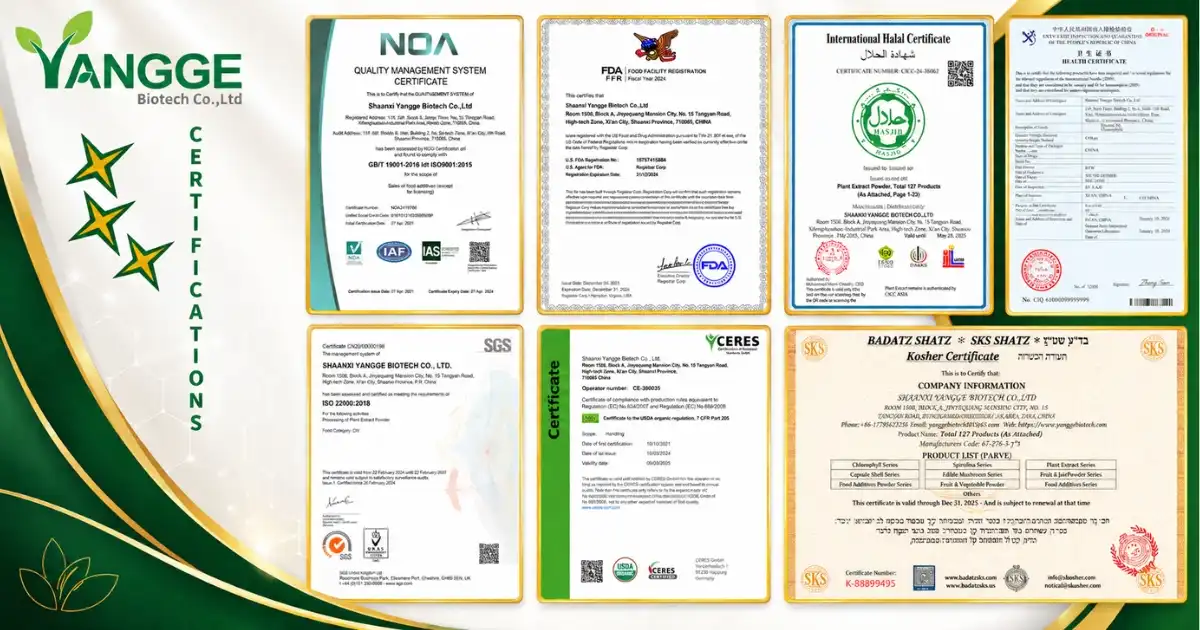
To do effective buying, you need to start by qualifying suppliers in ways that go beyond just comparing prices. Manufacturers with a good reputation show compliance thru a number of quality indicators. ISO 9001 certification sets the standard for quality management systems, and cGMP certification covers the specific pharmaceutical-grade production standards that supplement ingredients must meet.
The way the product is made has a big effect on its end qualities. Enzymatic deacylation of soy or sunflower lecithin usually produces high-quality material. This process makes cleaner end products than synthetic routes. Non-GMO source material meets the needs of more and more consumers, especially in North America and Europe, where worries about GMOs affect buying choices.
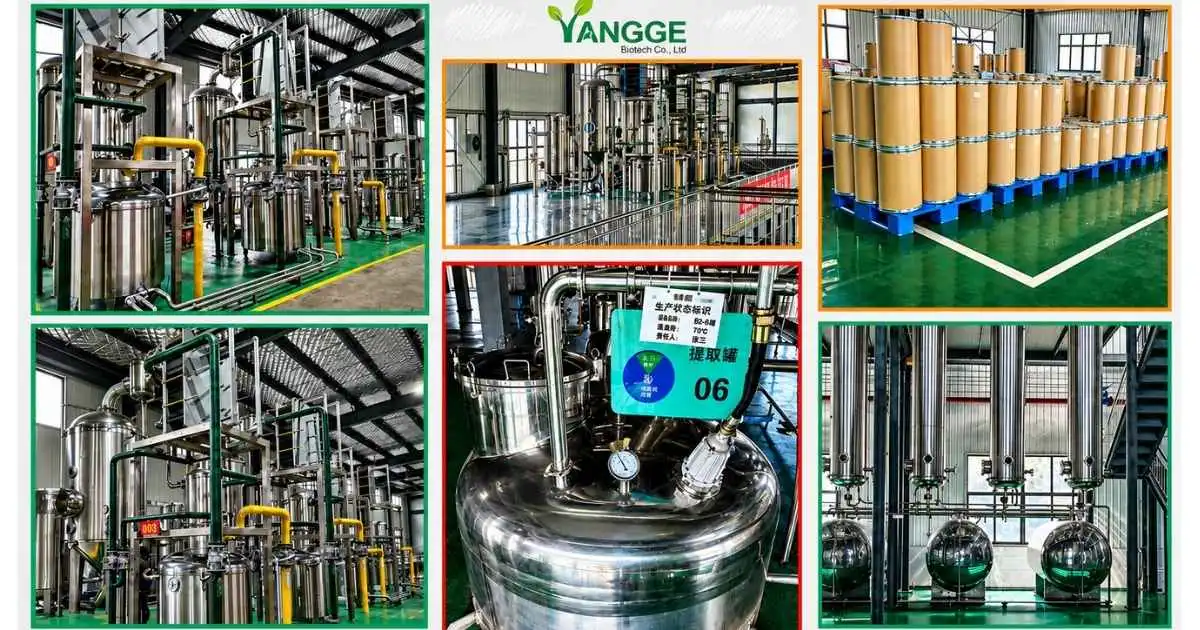
Yangge Biotech is a good example of these production standards because it has quality systems that cover the whole process, from choosing the raw materials to packing them. Our building has many standards, such as ISO, HACCP, Kosher, and Halal, so it can meet the needs of a wide range of customers. Direct farm ties make it possible to track products from the field where they are grown to the finished powder, which backs up claims of transparency that customers are becoming more and more used to seeing.
Critical Quality Specifications to Verify
Buying choices are based on a number of technical factors that tell the difference between exceptional material and adequate amounts. Alpha-GPC stands out as a key indicator of quality in phospholipid sourcing, so the following details should be carefully considered.
Purity Analysis: HPLC testing should show that the material is at least 99% pure for pharmaceutical-grade materials or that it has a well-defined 50% concentration in stabilized powder forms. Certificates of analysis have to list possible pollutants and make sure there are no linked chemicals that could mean the synthesis or degradation process isn't finished.
Heavy Metal Testing: An ICP-MS test should show that the amounts of lead, cadmium, mercury, and arsenic are well below what the government allows. Products aimed at European markets have to meet very strict PAH4 standards with benzopyrene levels of ≤10 ppb. Our material always meets these standards thanks to strict testing and source control procedures.
Microbial Quality: Pathogen tests (E. coli, Salmonella), yeast, mold, and total plate count make sure that the material is safe for direct human eating. The results should show good industrial cleanliness, not just methods of final sterilization that could weaken the stability of the ingredients.
Moisture Content: Karl Fischer analysis shows hygroscopic state and storing stability. The 99% purity standard usually has 1% to 3% moisture because it is hygroscopic. Stabilized 50% forms, on the other hand, keep moisture under control thru the design of the carrier matrix.
Navigating Pricing Models and Supply Considerations
The price of raw materials changes depending on the quality level, the number of orders, and how the market supplies the materials. The 99% pharmaceutical-grade material costs more because it is used in specific ways in liquid formulations and high-potency products. The stabilized 50% version is cheaper for making solid dosages and solves technical formulation problems at the same time.
When you buy in bulk at a commercial level (usually 25 kg or more), you can get better prices than you can thru smaller retail channels. Our present collection keeps 5 tons on hand, so we can start planning production right away without having to wait for long lead times, which can delay product launches.
Different types of businesses can succeed by working with providers who offer a range of flexible packaging choices. Standard 25 kg fiber drums work well for companies that make a lot of products, and custom OEM packaging can be made to fit private label needs and unique moisture barrier configurations. This gives buying teams the freedom to match packaging with the processes and storage conditions further down the line in production.
Verification Strategies for Authenticity and Quality
The supplement business sometimes has quality problems with materials that aren't what they say they are or specifications that aren't followed exactly. Smart buying teams use verification procedures to keep their companies and customers safe. Asking for samples before buying in bulk lets trained laboratories test the material on their own, making sure that what the seller says about its properties matches what the material actually is.
Unbiased confirmation can be gotten from third-party testing at approved facilities like Eurofins, SGS, or similar groups. Spectroscopic methods should be used to prove identity, quantitative strength analysis, and contaminant screening should all be part of these services. Reputable suppliers welcome this kind of verification. For example, Yangge Biotech keeps working relationships with well-known labs so that tests can be done regularly. We also encourage our customers to do their own verification to build trust between us.
The review of documentation should include more than just certificates of analysis. Manufacturing flow graphs, stable data, and allergen control methods show how complex the operations are. Non-irradiation and non-allergen approvals are important, especially for goods that are aimed at sensitive consumers or people with special dietary needs.
Another important sign is how open the sources is. When suppliers make it clear where their lecithin comes from, how it is extracted, and what quality control steps they take, they show the business integrity that keeps relationships going for a long time. Before being processed, our sunflower and soybean lecithin goes thru a strict screening process. Throughout the manufacturing cycle, each batch can be tracked back to its source.
Maximizing the Value of Alpha-GPC Supplements in Your Product Line
Strategic Product Positioning Across Market Segments
Different types of consumers are looking for brain improvement for different reasons, which means that a single ingredient can be positioned in a number of different ways. Products aimed at students focus on memory recall and study endurance by using low doses of stimulants along with nootropics that work with them.
Professional productivity formulas focus on keeping your mind clear and focused during busy workdays. They often include adaptogenic ingredients that help your body deal with stress. Alpha-GPC fits seamlessly into both categories: for students, it supports acetylcholine production to enhance learning and retention, while for professionals, it sharpens cognitive agility and complements stress-adapting compounds for sustained mental performance.
It's especially likely that the sports diet market will grow. Acetylcholine availability and power output, response time, and the mind-muscle link during training are becoming more and more clear to athletes. Combining traditional ergogenic aids with 600 mg amounts in pre-workout formulas makes them stand out in a crowded category.
Age-related cognitive health products are made for seniors who are becoming more and more health-conscious. For this group of people, scientific proof and safety ratings are very important, so the compound's clinical study portfolio is very important. Cholinergic support, vitamins, omega-3 fatty acids, and other neuroprotective ingredients are often found together in products for healthy aging, making them complete brain health options.
Quality Markers Building Consumer Confidence
In today's well-informed market, transparency is what sets premium brands apart from generic goods. Making third-party testing, manufacturing standards, and dosage explanations clear builds trust, which turns visitors into buyers. Products with certification badges from well-known groups show a dedication to quality that goes beyond what is required by law.
Organic and non-GMO certifications address specific consumer values that are becoming more and more important in buying decisions. Even tho the compound itself isn't certified organic as a pure ingredient, consumers who care about the environment will be interested in non-GMO ingredients and production methods that don't harm the environment.
Labels that say "vegan-friendly" or "allergen-free" make it easier to reach more customers. The process of making nootropics from plants naturally fits with vegetarian and vegan diets, giving them an edge over nootropics made from animals. Concerns about cross-contamination are eased for sensitive customers by thorough allergen testing and separate production lines.
Emerging Market Trends and Growth Opportunities
People are becoming more aware of cognitive health, which is being caused by an aging population, higher standards for mental performance, and growing biohacking communities. Forums and social media sites like Reddit's nootropics community teach people from the ground up, which makes consumers actively seek specific ingredients rather than general "brain support" formulas.
In the growing trend of personalized supplementation, the compound's versatility is a big plus. Direct-to-consumer brands that offer customized nootropic stacks benefit from ingredients that help with multiple goals, such as improving cognitive performance, athletic performance, and neuroprotection. This makes it possible to design flexible protocols that meet the needs of each individual customer.
Ready-to-drink functional drinks are growing faster, especially in convenience stores and with younger people. Because it is water-soluble, it can be added to drinks that will stay fresh for a long time. However, successful products are made with formulation skills that take stability and taste into account. Our technical team helps customers deal with these problems by providing formulation support.
Ingredients that have consistent, noticeable effects are good for subscription models and increasing the number of times someone buys something. The compound's quick onset and consistent cognitive enhancement make users happy, which is important for direct-to-consumer supplement brands because keeping customers is a key metric for success.
Conclusion
Brain health supplements are changing quickly, and how well a product works and how competitive it is on the market depend on how well the ingredients are chosen. This guide talks about a substance that has great bioavailability, strong clinical proof, and a lot of different formulation options that support a wide range of product positioning strategies. Alpha-GPC exemplifies this ideal, offering superior choline delivery and cognitive clarity that form the backbone of many top-tier formulations.
Procurement managers prioritizing quality specifications particularly HPLC-verified purity, comprehensive contaminant testing, and stabilized formulations addressing hygroscopic challenges position their brands for long-term success. Understanding dosage protocols, safety profiles, and competitive advantages against alternative choline sources enables confident formulation decisions aligned with both regulatory requirements and consumer expectations. As market demand for scientifically proven cognitive improvement continues growing, relationships with suppliers showing manufacturing excellence, open paperwork, and technical support capabilities create lasting competitive advantages.
FAQ
What dosage of Alpha-GPC is recommended for cognitive improvement?
Clinical study supports 300-600mg daily for general cognitive improvement in healthy people, with split amounts keeping stable acetylcholine levels throughout the day. Sports performance applications typically utilize 600mg consumed 30-45 minutes before training to optimize power output and mind-muscle connection. Therapeutic methods treating age-related cognitive decline often employ 400mg twice daily based on published dementia study parameters. Individual answers vary, and customers should consult healthcare experts for personalized suggestions.
What are the potential side effects?
The compound shows a good safety profile with low adverse event reporting across clinical studies. Fewer than 5% of users experience minor effects including digestive pain, headaches, or problems sleeping when taken late in the day. These reactions typically resolve through dosage adjustment or timing modifications. No serious adverse events have been documented at standard supplementation levels, and the ingredient holds GRAS status under cGMP manufacturing conditions.
How can I verify supplier authenticity and product quality?
Ask recognized labs for specific reports of analysis that show HPLC purity testing, ICP-MS heavy metal screening, and full microbial analysis. Reliable suppliers give paperwork that is specific to each batch and welcome verification by a third party. Check out the industrial certifications, such as cGMP, ISO, and any other quality control systems that are needed. Being open about the source material, extraction methods, and traceability procedures shows that the operation is honest. Before buying in bulk, sending samples to qualified independent labs for testing protects your brand and makes sure that the specifications match what the supplier says they are.
Partner with Yangge for Premium Alpha-GPC Supply
Yangge Biotech gives you pharmaceutical-grade materials that meet the high standards you need for product creation. Our HPLC-verified 99% purity and stabilized 50% powder specifications meet the needs of both liquid formulation and solid dosage manufacturing. We keep 5 tons in stock and have full certifications, such as ISO, HACCP, Kosher, and Halal, so we can meet instant production needs and make sure that all global markets follow the rules. We are a well-known Alpha-GPC supplier that supports sustainable production and farm-to-table traceability.
We offer more than just raw materials; we also offer technical formulation support, flexible OEM packaging solutions, and free samples that help you make an informed purchasing decision. Get in touch with our team at info@yanggebiotech.com to talk about your unique needs and find out how our high-quality production can give your brain health and sports nutrition products a competitive edge.
References
1. Traini, E., Bramanti, V., & Amenta, F. (2013). Choline alphoscerate (alpha-glyceryl-phosphoryl-choline) an old choline-containing phospholipid with a still interesting profile as cognition enhancing agent. Current Alzheimer Research, 10(10), 1070-1079.
2. Bellar, D., LeBlanc, N. R., & Campbell, B. (2015). The effect of 6 days of alpha glycerylphosphorylcholine on isometric strength. Journal of the International Society of Sports Nutrition, 12(1), 42-48.
3. Parnetti, L., Amenta, F., & Gallai, V. (2001). Choline alphoscerate in cognitive decline and in acute cerebrovascular disease: an analysis of published clinical data. Mechanisms of Ageing and Development, 122(16), 2041-2055.
4. Ziegenfuss, T., Landis, J., & Hofheins, J. (2008). Acute supplementation with alpha-glycerylphosphorylcholine augments growth hormone response and improves physical performance. Journal of Exercise Physiology Online, 11(5), 15-23.
5. De Jesus Moreno Moreno, M. (2003). Cognitive improvement in mild to moderate Alzheimer's dementia after treatment with the acetylcholine precursor choline alfoscerate: A multicenter, double-blind, randomized, placebo-controlled trial. Clinical Therapeutics, 25(1), 178-193.
6. Marcus, L., Soileau, J., Judge, L. W., & Bellar, D. (2017). Evaluation of the effects of two doses of alpha glycerylphosphorylcholine on physical and psychomotor performance. Journal of the International Society of Sports Nutrition, 14(39), 1-8.

Based on your location and order quantity, you will have the opportunity to receive a limited time free shipping promotion!
Who we are
Popular Blogs