Yeast Beta Glucan vs Mushroom Beta Glucan Comparison
When sourcing bioactive polysaccharides for immune health products, procurement managers often ask: which performs better yeast beta-glucan or mushroom beta-glucan? The answer depends on your product goals and target market. Yeast beta-glucan, particularly the β-1,3/1,6 structure derived from Saccharomyces cerevisiae, offers superior molecular uniformity, higher purity levels (≥70%), and exceptional stability across diverse manufacturing processes.
Mushroom-derived variants vary significantly by species shiitake, reishi, or maitake each presenting different bioactive profiles. Understanding these distinctions ensures you select the right ingredient for dietary supplements, pet nutrition formulations, or functional foods while meeting regulatory standards and optimizing cost-efficiency.
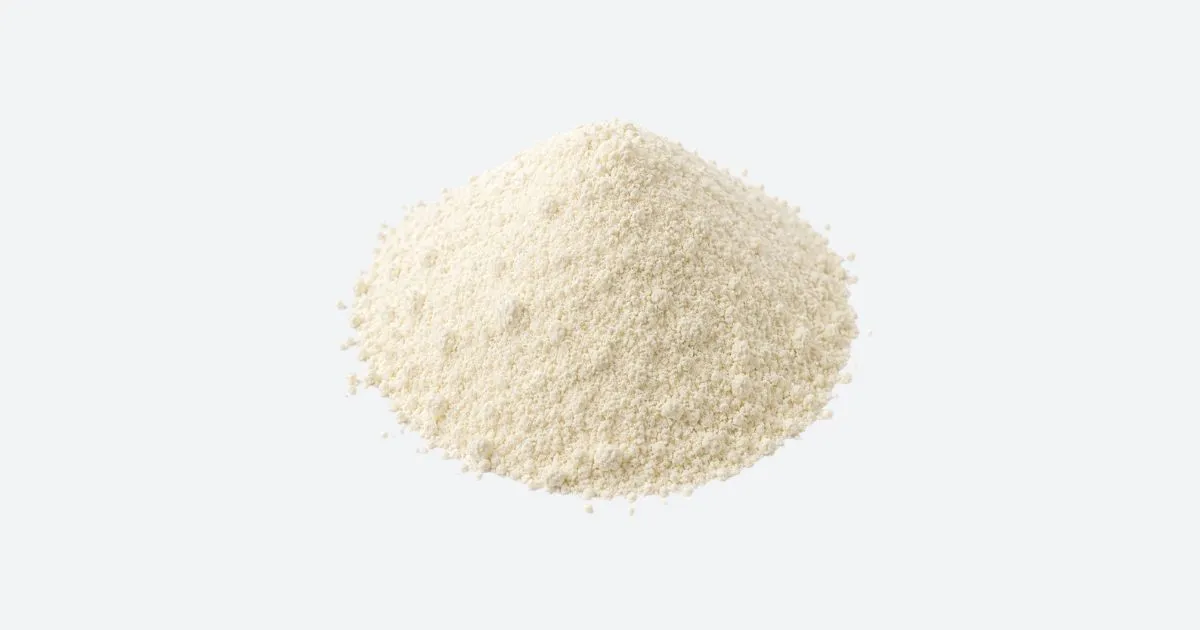
Understanding Beta Glucans General Overview
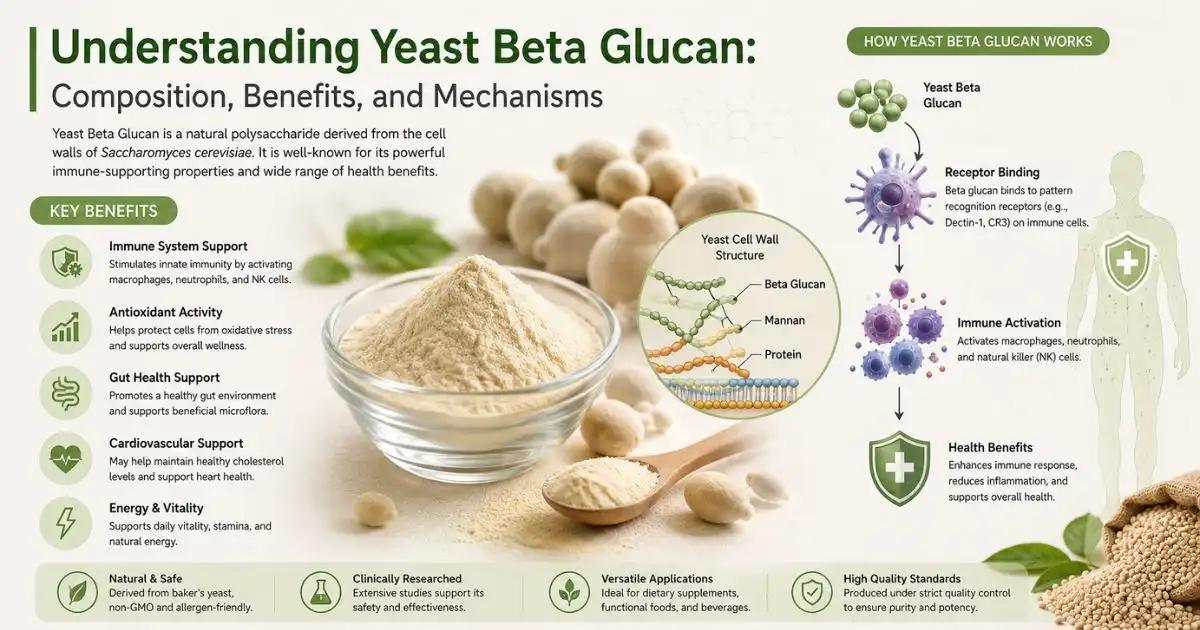
Beta glucans are a group of different carbohydrates that are found naturally in barley, oats, yeast cell walls, and mushroom growing bodies. Even tho they share the beta-glycosidic bond, their chemical structures are very different, which affects their bioactivity and commercial uses. Yeast and mushrooms are the two main places to get immune-boosting ingredients, and each has its own benefits for B2B buyers.
What Defines Beta Glucan Structure
Beta glucans have biological activity because of the specific glycosidic links in them. Different types that come from yeast have a β-1,3/1,6-D-glucan backbone, which is a bent structure with β-1,3 links in the main chain and β-1,6 side chains. This arrangement lets Dectin-1 receptors on immune cells recognize it, which starts specific immune reactions without causing inflammation. Depending on the species, mushroom beta glucans usually have β-1,3/1,4 or β-1,3/1,6 structures, and their branching patterns change, which affects how well they bind to receptors.
Industrial Sources and Extraction Methods
By breaking down Saccharomyces cerevisiae's cell wall with enzymes, treating them with alkaline water, and purifying them, Yeast Beta-glucan can be extracted. This carefully planned process makes molecular weight distributions that are always the same and powders that are very pure. The way Yangge Biotech makes their products gets rid of extra cellular impurities while keeping the full β-1,3/1,6 structure.
This makes sure that the products are reliable from batch to batch, which is important for following the rules. The different ways that mushrooms are extracted—using hot water, alcohol precipitation, or chemical processes—lead to glucan contents that are all over the place, ranging from 10% to 50% based on the quality of the raw materials and how well they are processed.
Common Benefits Across Applications
Both types can change the immune system by activating macrophages, but clinical evidence shows that Yeast Beta-glucan has more consistent dose-response relationships. Purified Yeast Beta-glucan at doses of 250–500 mg per day has been shown to boost innate immunity markers in human trials, according to research published in nutrition journals.
There needs to be a higher dose of mushroom extract because it is less bioavailable and contains other polysaccharides that might make absorption harder. Yeast Beta-glucan is a popular ingredient in pet food because it can be used instead of antibiotics in aquaculture and livestock production to increase feed conversion rates and lower mortality rates in high-stress farming conditions.
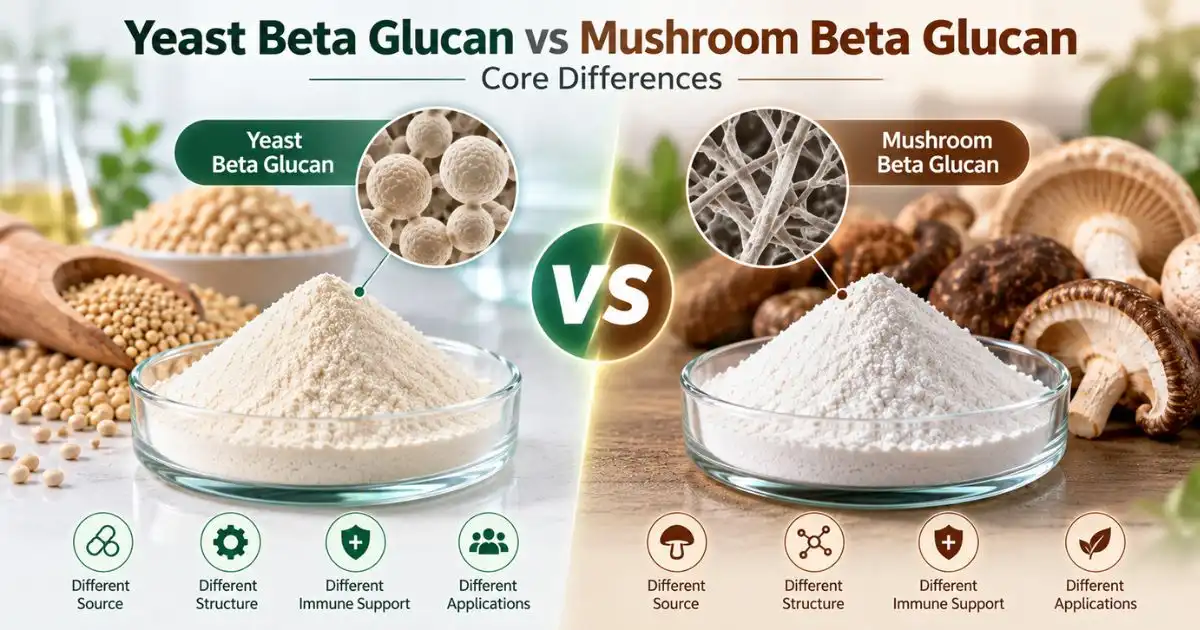
Yeast Beta Glucan vs Mushroom Beta Glucan Core Differences
To tell the difference between these two sources, you have to look at chemical structure, quality control during production, and how well finished goods work. These things have a direct effect on how supplement brands and OEM makers who want reliable, certified ingredients choose which ingredients to buy.
Molecular Structure and Immune Activation Pathways
The β-1,3/1,6 bond in Yeast Beta-glucan makes a triple-helix shape that fits Dectin-1 receptors on dendritic cells and macrophages perfectly. This exact recognition sets off a chain of immune responses that include better phagocytosis, the production of cytokines, and the activation of natural killer cells, all without causing cytokine storms. Laboratory tests using the Megazyme enzymatic method show that high-quality Yeast Beta-glucan has very little alpha-glucan contamination (<2-3%). This means that the reported beta-glucan content is the real bioactive material.
Mushroom beta glucans have different structures, which makes standards harder. Maitake (Grifola frondosa) has β-1,6 branching, while reishi (Ganoderma lucidum) has mostly β-1,3-glucans with fewer branches. Because of this variety in structure, mushroom extracts often show total polysaccharide content instead of verified beta-glucan content. This makes it hard to make sure that all of the ingredients are the same.
Purity and Quality Control Standards
Yangge Biotech's Yeast Beta-glucan meets strict European standards, such as PAH4 compliance with benzopyrene levels ≤10 ppb, which is a very important thing to think about when exporting dietary supplements. Our product is retested by a third-party lab to make sure it meets the requirements for pure (>70%), non-GMO status, and not having been irradiated. The certificate of analysis uses either the USP or Megazyme GOPOD method, which separates the real beta-glucan content from total glucan measurements that include inactive starch fractions.
Suppliers of mushroom extract often report "polysaccharide content" instead of specific beta-glucan amounts. This makes it harder for supplement labels to accurately list the ingredients. Another worry is the buildup of heavy metals. For example, mushrooms take in lead, cadmium, and mercury from the soil, which means they need strict testing methods that aren't always present in lower-tier supply lines.
Processing Stability and Formulation Compatibility
Yeast Beta-glucan is very stable at high temperatures; it can withstand UHT pasteurization temperatures (135°C) and keeps its bioactivity at pH levels between 3.0 and 9.0. Because it is so strong, it works great for making drinks, protein shakes, and pet food processing processes where ingredients have to deal with high temperatures and mechanical pressure. Because the fibers are water-soluble, they are easy to mix into liquid matrices without changing their sensory properties.
| Property | Yeast Beta-glucan (Yangge) | Mushroom Beta-Glucan |
|---|---|---|
| Purity Range | ≥70% (enzymatic test confirmed) | 10 to 50% (varies with extraction) |
| Thermal Stability | Up to 135°C stable | Breaks down above 100°C (for some species) |
| Heavy Metal Risk | Low (fermentation under control) | Moderate to high (bioaccumulation in the soil) |
| Batch Consistency | High (normal fermentation) | Variable (changes with the farming season) |
| Allergen Status | Not allergenic and not GMO | Possible allergy (proteins found in mushrooms) |
Mushroom extracts often have leftover proteins and chitin that can cause allergic reactions. This makes them harder to use in hypoallergenic products. Because they absorb water easily, they are hard to package and need special materials that keep wetness out so they don't clump together while they're being stored.
Market & Procurement Insights: Selecting the Right Beta Glucan for Your Business
Making strategic buying choices means weighing the performance of the ingredients, the need to follow rules, the dependability of the supply chain, and the overall cost of ownership. Knowing how the market works helps procurement pros get good deals while making sure the quality of the products meets company standards.
Supply Chain and Quality Certifications
Certified suppliers keep their ISO 9001, HACCP, and GMP certifications up to date. These are the basic standards for safety and tracking of ingredients. Yangge Biotech has both Kosher and Halal approvals, which make it easier for brands that want to reach certain types of customers to do business with them. Our farm-to-table traceability model makes sure that the raw materials come from controlled yeast fermentation facilities instead of being collected in the wild, where the composition of the materials is hard to predict.
When looking at mushroom beta-glucan providers, make sure they have proof of the growing conditions, the solvent leftovers (especially acetone or ethanol), and mycotoxins like aflatoxins that have been tested by a third party. Where the goods come from is important. Asian suppliers may offer lower prices, but you need to do more research on pesticide residues and processing standards before buying from them.
Pricing Analysis and ROI Considerations
Depending on the quantity ordered and the type of packing needed, Yeast Beta-glucan usually costs between $45 and $85 per kilogram for pharmaceutical-grade material with 70% purity. Yangge has low prices and a low minimum order number of just 1 kg, so they can handle both small R&D runs and large business production runs. Our inventory always has 50–100 kg ready to ship, which cuts down on wait times that can slow product launches.
At $25 to $50 per kilogram, mushroom extracts look like a better deal, but they need to be included at higher rates to make the same immune support claims. It is more cost-effective to use yeast-derived ingredients per dose because a 500mg Yeast Beta-glucan capsule has more bioactivity that can be proven than a 1,000mg mushroom extract capsule with only 20% true beta-glucan content.
OEM and Private Label Opportunities
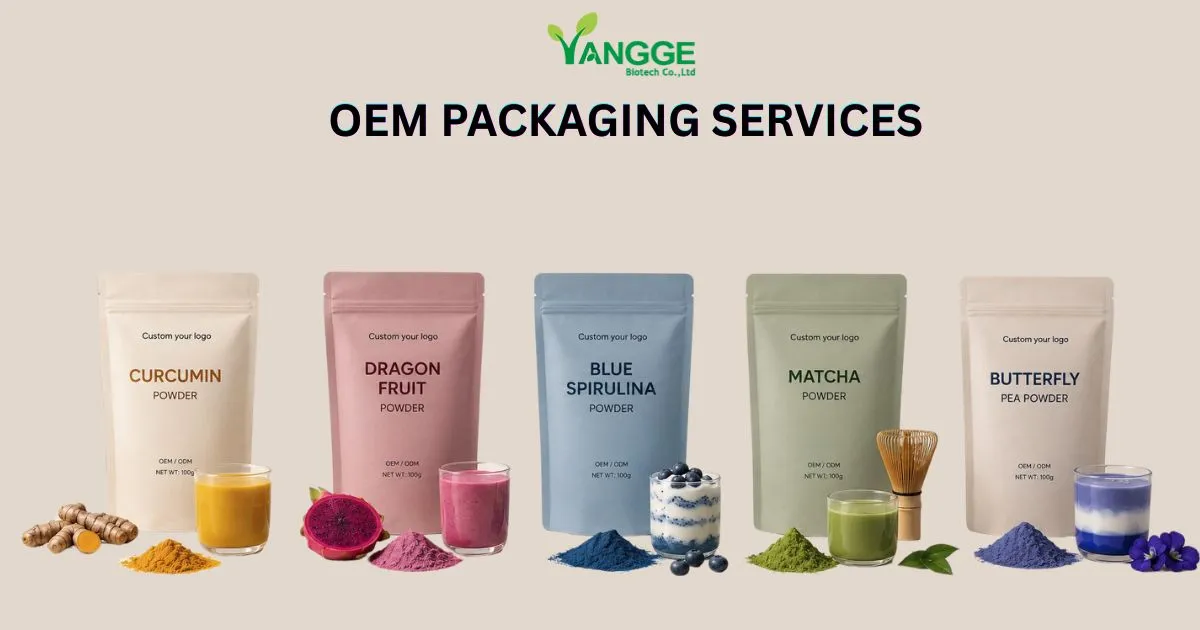
From 1 kg aluminum foil bags to bulk 25 kg fiber drums, our OEM packaging services let brands make their own. Your supply chain will run more smoothly if you use custom labels, include a proof of analysis, and ship directly to the center. Pet food makers can use our beta-glucan premixes that can survive high temperatures during extrusion while still tasting good. This is because mushroom extracts often add earthy flavors that make foods taste bad.
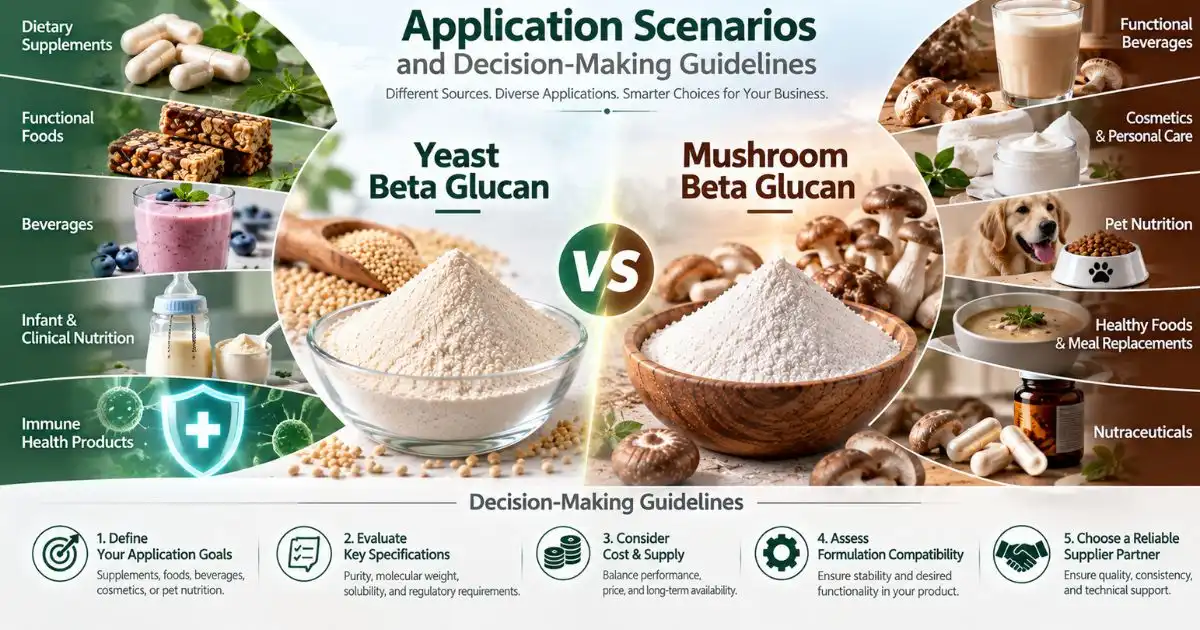
Application Scenarios and Decision-Making Guidelines
Product performance and customer happiness are both improved by matching the specs of ingredients to their final uses. Different markets put more value on different qualities, so buying methods need to be customized.
Dietary Supplement Formulations
The biggest application group is immune support pills and tablets. For significant immune marker benefits, clinical research supports daily doses of 250–500 mg Yeast Beta-glucan. Formulation issues to think about include:
- Capsule compatibility: Yeast Beta-glucan's fine powder texture (off-white to yellowish color) lets it flow easily thru equipment for encapsulation without sticking or bridging. Because it doesn't absorb water, the capsule shell doesn't become weak over time.
- Synergistic combinations: Combinations that work synergistically include bacteria, vitamin C (ascorbic acid), and zinc gluconate. Unlike some plant products, Yeast Beta-glucan doesn't react badly with common supplement ingredients. This makes the testing procedures for stability easier.
- Label claim substantiation: The ²-1,3/1,6 structure designation on certificates of analysis backs up specific structure-function claims that are allowed by FDA rules. However, marketing terms like "mushroom extract" may need to be more cautious.
Pet Nutrition and Aquaculture Applications
Yeast Beta-glucan is being used more and more in animal feeding because medicines that help with growth are being limited by government rules. The amount that is added usually falls between 0.05% and 0.2% in finished feed formulations. When pig farmers add 100–200 ppm Yeast Beta-glucan to their pigs' diets during times of high stress, they say that the pigs are easier to wean and get fewer respiratory diseases.
Ingredients that stay bioactive in water and don't leach when feed pellets are submerged are needed for aquaculture applications. Yangge's Yeast Beta-glucan keeps its shape in water, while some mushroom polysaccharides break down quickly, making it harder for fish and shrimp to absorb. Customers who grow salmon in Norway and shrimp in Asia say that adding our material at 0.1% inclusion rates makes their crops more resistant to bacterial pathogens.
Functional Food and Beverage Integration
Protein mixes, ready-to-drink shakes, and recovery drinks made by sports nutrition brands are increasingly made with ingredients that help the immune system. Clean label formulations without thickening agents or stabilizers benefit from the soluble fiber content of Yeast Beta-glucan. Its bland taste profile keeps the taste of the product, which is important for getting people to buy it again in competitive customer markets.
Yeast Beta-glucan is stable during fermentation and UHT preparation, which is good for dairy uses. It can be used to replace fat in low-fat yogurt recipes and provide other useful properties, meeting the needs of customers who want treats that are also good for them. The earthy taste of mushroom extracts makes it hard to use them in these situations without covering agents that make the recipe more complicated.
Procurement Decision Framework
When you're looking at suppliers and materials, make sure these important factors are in line with your business goals:
- Regulations: Make sure that the certifications you have fit the people you want to sell to. For some beta-glucan sources to be sold as dietary supplements in the EU, they need to be approved as new foods. Yangge's compliance paperwork speeds up reports to regulators.
- Testing methodology transparency: Request COAs that list enzymatic assay methods that can tell the difference between total polysaccharides and beta-glucan. It's best to stay away from suppliers who only report "total glucan" or "total carbohydrate" values.
- Supply continuity: Look at how much a supplier can produce, how they handle inventory, and how they handle backup sourcing. More than fermentation-derived yeast products, mushroom extracts are affected by seasonal supply.
- Technical support: Having access to formulation scientists who know how ingredients behave in different processing situations speeds up the development process. Yangge offers expert support 24 hours a day, 7 days a week to help your R&D teams with formulation problems.
Conclusion
When deciding between Yeast Beta-glucan and Mushroom Beta-Glucan, you need to weigh the pros and cons of each, as well as the scientific proof, production quality, government regulations, and cost. β-1,3/1,6-glucan from Saccharomyces cerevisiae yeast has better molecular consistency, higher purity standards, and better processing stability, which makes it easier to make new products and follow the rules.
Mushroom extracts may work well in some traditional medicine uses, but they are hard to standardize and can't be used for precise dosing needs in pet food and dietary supplements. Purchasing managers who care about bioactivity that can be proven, supply chain reliability, and label claims that can be defended will find that Yeast Beta-glucan from certified manufacturers like Yangge provides the best value at all stages of a product's life, from formulation to delivery to customers.
FAQ
What distinguishes yeast beta-glucan from oat beta-glucan?
Differences in function are set by structural links. Yeast Beta-glucan has β-1,3/1,6 links that turn on immunity receptors, which makes it a good immunomodulator. Oat beta-glucan has β-1,3/1,4 links that have been studied mainly for their metabolic benefits thru lowering cholesterol. They are used for different but related health reasons, so it's important to be clear about this in how you market and position your products.
Does yeast beta-glucan cause allergic reactions or contain gluten?
The yeast proteins that cause allergic reactions are removed from high-purity Yeast Beta-glucan during thorough processing. Yangge's product is confirmed to be gluten- and allergen-free, so it's good for people who are sensitive. Our product is different from live yeast supplements because it only contains pure cell wall polysaccharides that can't cause yeast infections or candida overgrowth.
How should procurement managers verify beta-glucan content accuracy?
Ask for reports of analysis that use the Megazyme enzymatic method or the USP glucan test. These methods measure specific β-1,3/1,6 structures instead of total polysaccharides. Watch out for tests that report "total glucan" levels that include starch and other inactive alpha-glucans. Third-party laboratory verification thru SGS, Eurofins, or similar accredited facilities gives claims made by suppliers independent confirmation.
What minimum order quantities and lead times should buyers expect?
Yangge can meet the needs of research and development by shipping orders of at least 1 kg within 48 hours from stock. For commercial purchases, shipments usually weigh between 25 kg and 500 kg, and custom packaging takes 7 to 14 days to make. Setting up framework deals with quarterly volume promises guaranties better prices and faster distribution during times of high demand.
Partner with a Trusted Yeast Beta-Glucan Supplier
Yangge Biotech makes pharmaceutical-grade Yeast Beta-glucan (²-1,3/1,6-glucan) that is certified by ISO, HACCP, Kosher, and Halal. This makes sure that your goods meet the strictest standards around the world. Our non-GMO, non-irradiated ingredient is ≥70% pure and can be tracked all the way from brewing to final packing. Whether you're making functional drinks, improving pet food recipes, or making supplements to boost the immune system, our expert team can help you with the formulation and legal aspects that are specific to your market.
We make it easier for procurement managers to find reliable Yeast Beta-glucan manufacturers by allowing flexible 1 kg minimum orders, offering competitive bulk pricing, and providing 24-hour customer service. You can email us at info@yanggebiotech.com to ask for samples, look over scientific information, or talk about special OEM solutions. You can find more formulation tips and industry news at blog.yanggebiotech.com, which will help you with your product development efforts.
References
1. Murphy, E.A., et al. (2010). "Immunomodulatory Effects of β-1,3/1,6-Glucan from Yeast: Mechanisms and Clinical Applications." Journal of Nutritional Biochemistry, 21(8), 652-660.
2. Vetvicka, V., & Vetvickova, J. (2014). "Comparison of Immunological Effects of Commercially Available β-Glucans: Results from in vitro and in vivo Studies." Food and Agricultural Immunology, 25(2), 179-192.
3. Chan, G.C., et al. (2009). "The Effects of Beta-Glucan on Human Immune and Cancer Cells." Journal of Hematology & Oncology, 2(1), 25-34.
4. Volman, J.J., et al. (2008). "Dietary Modulation of Immune Function by β-Glucans." Physiology & Behavior, 94(2), 276-284.
5. Kogan, G., & Kocher, A. (2007). "Role of Yeast Cell Wall Polysaccharides in Pig Nutrition and Health Protection." Livestock Science, 109(1-3), 161-165.
6. Mantovani, M.S., et al. (2008). "β-Glucans in Promoting Health: Prevention Against Mutation and Cancer." Mutation Research, 658(3), 154-161.

Based on your location and order quantity, you will have the opportunity to receive a limited time free shipping promotion!
Who we are
Popular Blogs