Lutein absorption tips with fats or supplements
To make the carotenoid molecules in food supplements as bioavailable as possible, they need to be carefully put together. When lutein is eaten with the right fats, like monounsaturated fatty acids from avocado or omega-3s from fish oil, the rate at which these fat-soluble nutrients are absorbed can go up by 200 to 400%. This improvement happens because these chemicals need to be mixed into micelles during processing in the intestines, which depends on lipids being present. Product makers and procurement workers can make better health formulations that give end users measured results if they understand how this process works.
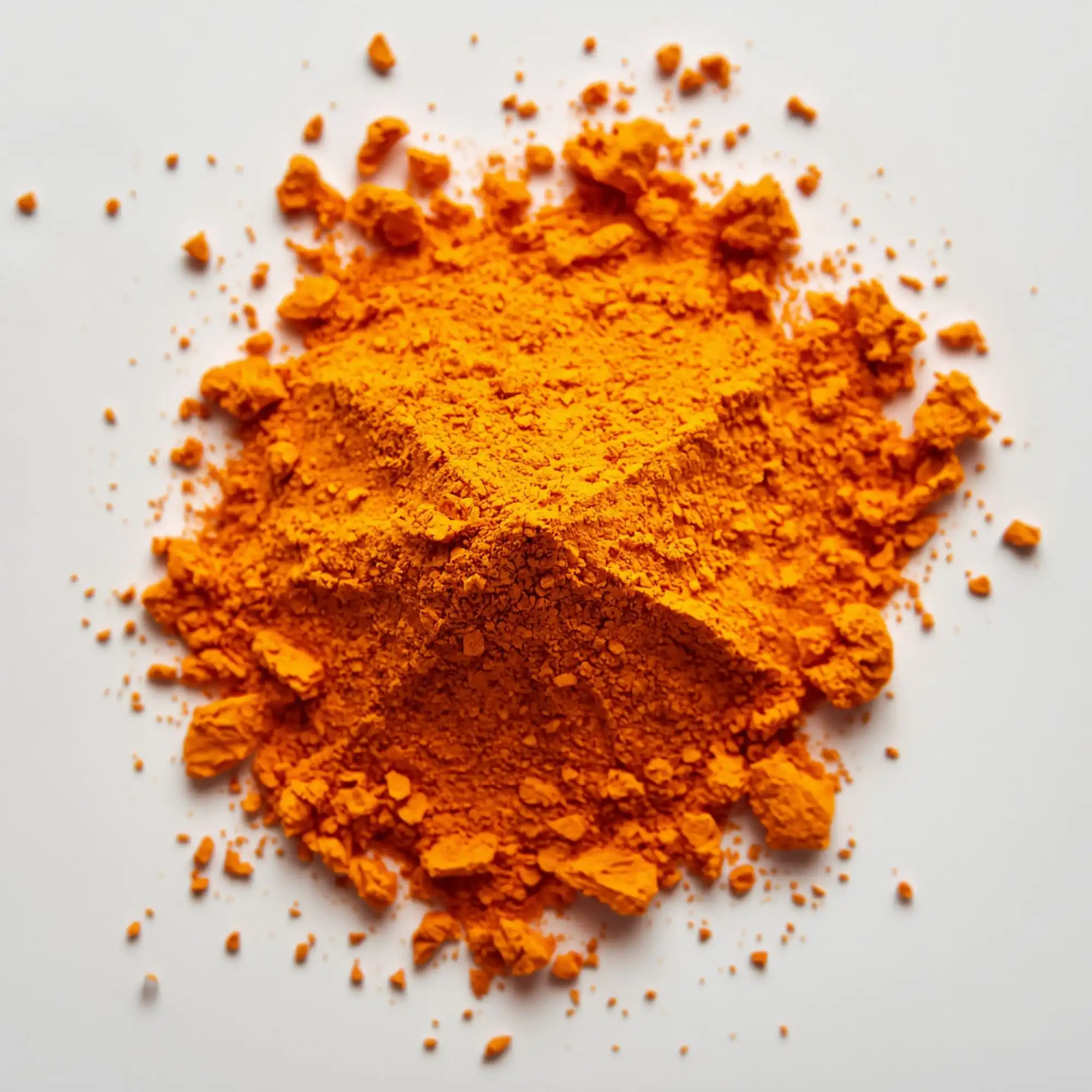
Understanding Lutein Absorption and Its Importance
Understanding how lutein is absorbed and why it's important. Marigold extract is one of nature's best sources of carotenoids, which are good for your eyes. This yellow-orange xanthophyll carotenoid is very important for protecting eye cells from dangerous blue light and neutralizing reactive oxygen species. Because the body can't make this chemical itself, the only way to keep tissue amounts at a healthy level is to eat foods that contain it or take supplements.
The Biological Significance of Carotenoid Accumulation
Certain carotenoids are specifically accumulated in the macular area of the retina. This makes a natural defense against photochemical damage. Research shows that regular eating is linked to a lower chance of cataracts and age-related macular degeneration. In addition to protecting eyes, these antioxidants make skin stronger by shielding dermal structures from UV rays and other external stresses. Regular use has been shown in clinical tests to improve skin hydration, suppleness, and photoprotection markers.
Absorption Challenges in Supplement Formulation
Even though it is good for you, bad bioavailability is still a big problem when it comes to preparation. As a lipophilic molecule, it doesn't dissolve well in water and needs lipid transporters to be absorbed in the intestines. Different people's digestive efficiency is very different depending on how much bile acid they produce, how active their pancreatic enzymes are, and how healthy their digestive system is. Other fat-soluble nutrients, such as beta-carotene and vitamin E, can make uptake even less efficient. When making effective transport systems, product makers need to take these bodily limits into account.
Dispelling Common Misconceptions
A lot of people are wrong when they think that bigger doses immediately mean better health. But after a certain amount of intake, absorption capacity stops growing. This means that strategy design is more important than just quantity. Another common myth is that all types of supplements have the same health effects. In fact, the chemical form—whether it is free or esterified—has a big effect on how bioavailable it is and how the body processes it. Manufacturers of good products make clear descriptions of how they remove molecules and what forms they take in the end.
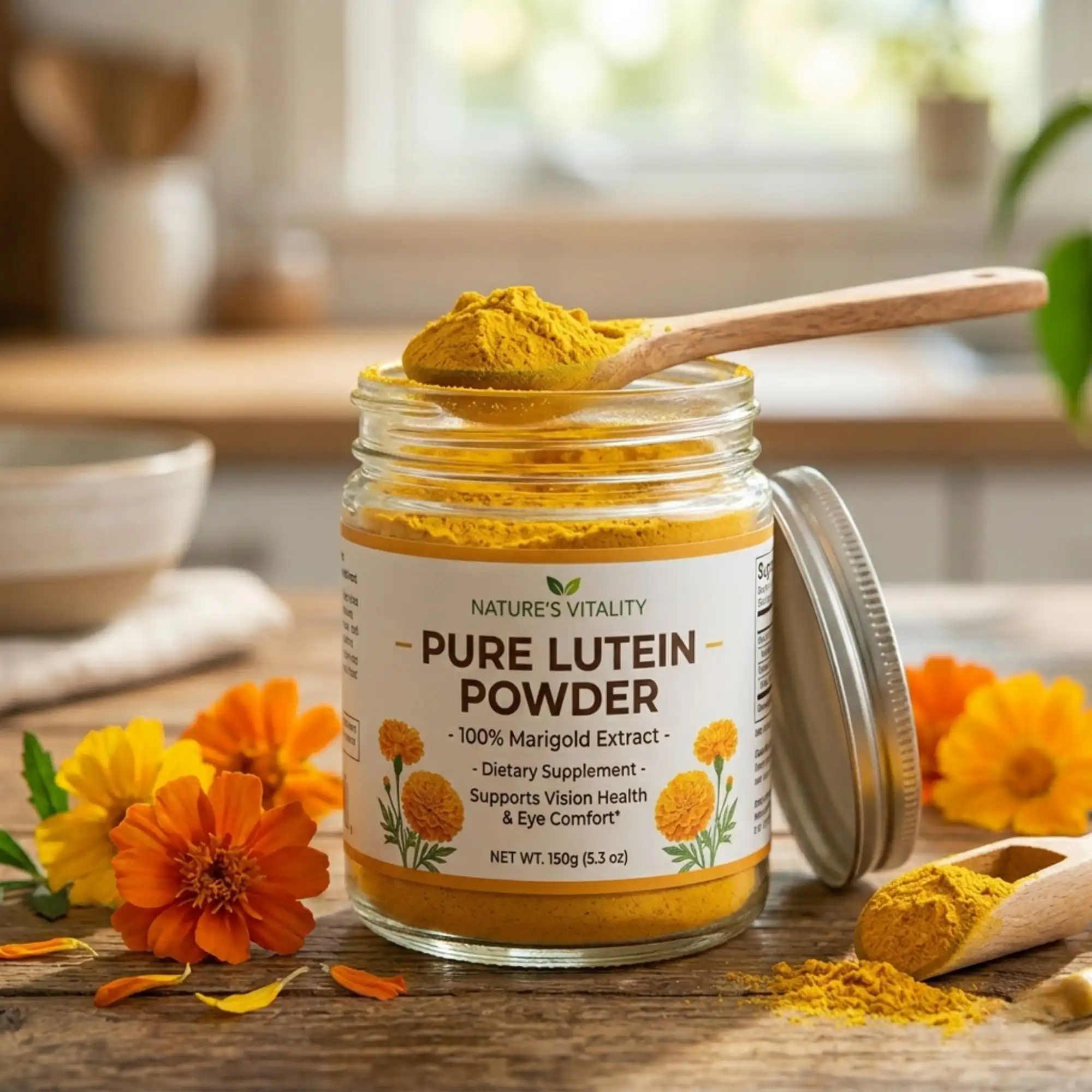
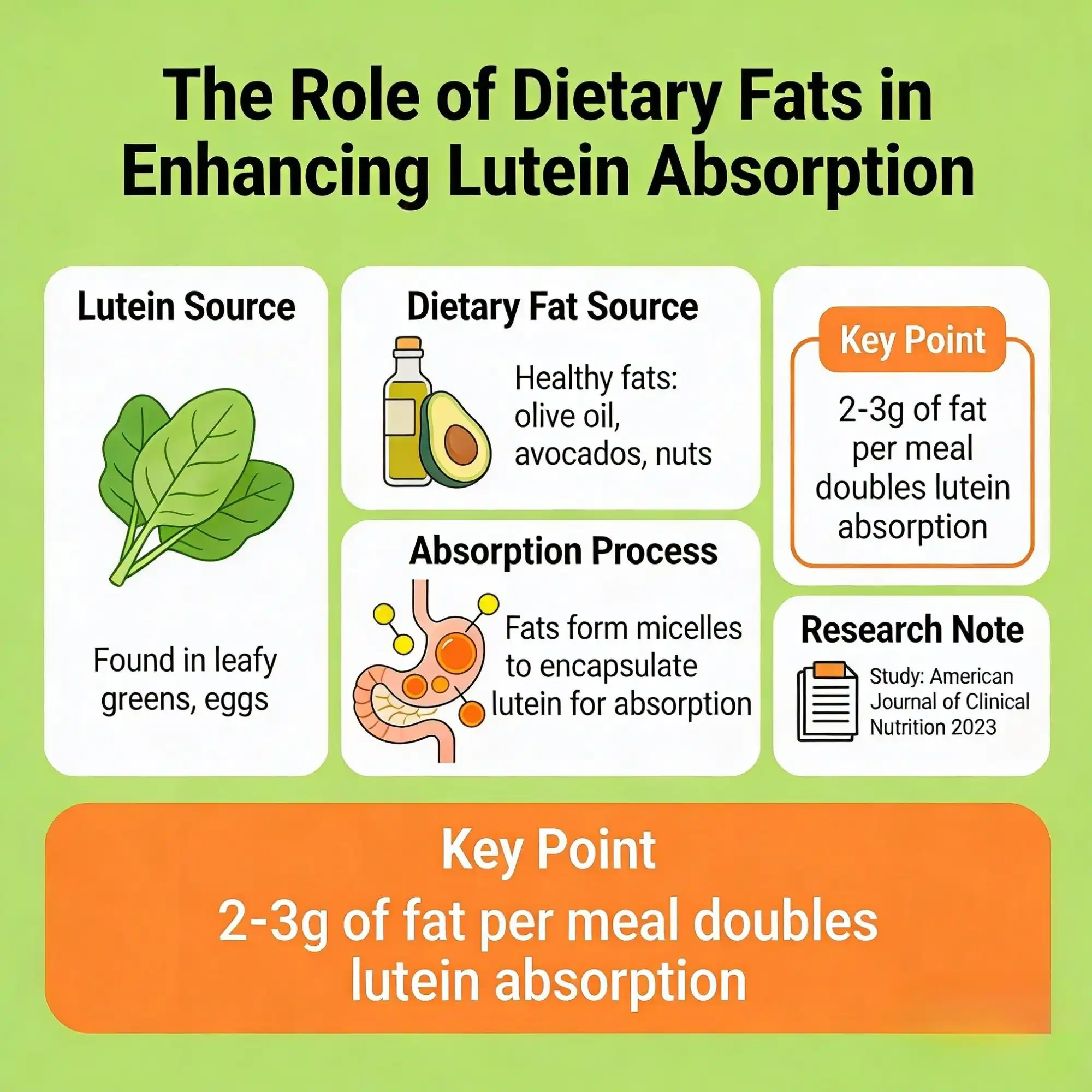
The Role of Dietary Fats in Enhancing Lutein Absorption
What part dietary fats play in making lutein absorption better. Because carotenoids are lipophilic, they need to be eaten with food fats for the best absorption. During digestion, fats cause the release of bile and lipase from the pancreas. This makes an emulsion environment where these water-repellent molecules can join together to form mixed micelles. The chemicals are moved across intestinal epithelial cells by these tiny structures. They then enter the lymphatic system and make their way to target organs.
Scientific Basis of Fat-Assisted Bioavailability
Studies that look at how carotenoid are absorbed show that even small amounts of fat make intake much better. According to research published in nutritional science journals, taking supplements with 3–5 grams of fat can raise plasma levels three to five times more than taking supplements without fat. The process involves mixing solid carotenoid particles together, which makes them bigger so that enzymes can work on them and micellar components can be added. Because of this science knowledge, supplement companies have changed how they make their products.
Optimal Fat Types for Enhanced Absorption
Bioavailability is improved by some fats more than others. monounsaturated fatty acids, which can be found in olive oil and avocado, are better at helping the body absorb nutrients than saturated fats. polyunsaturated omega-3 fatty acids have two benefits: they improve the uptake of carotenoids and also have benefits for the heart and reduce inflammation. Another good choice is medium-chain triglycerides, which are broken down with less bile acid and absorbed faster than long-chain options. With these insights, product makers can make synergistic formulas that get more nutrients to the body.
Practical Formulation Considerations
For B2B clients making softgel or emulsion-based goods, adding 200 to 300 mg of the right carrier oils per dose usually makes sure there is enough fat to help the body absorb it better. Microencapsulation technologies that mix the active ingredient with lipid matrices help powder products stay stable and make sure they are bioavailable. When formulating food enhancers or functional drinks, makers should suggest that they be eaten with meals that contain healthy fats or include emulsifiers that work like stomach enzymes. These strategy methods close the gap between the potential of raw materials and the results that consumers want.
Comparative Analysis of Lutein Supplement Forms and Their Absorption Efficiency
A look at the different kinds of lutein supplements and how well they work to absorb. There are many different ways to give supplements on the market, and each has its own benefits for bioavailability, stability, and production scalability. When buying managers know about these differences, they can choose raw materials and finished forms that meet the needs and quality standards of their target market.
Lutein Esters Versus Free Form
There are different forms of lutein dipalmitate and other esterified forms in marigold flowers. These need to be broken down by enzymes during digestion to release the beneficial free form. Even though this adds a biochemical step, esterified forms are more stable during storage and processing because they don't break down when exposed to heat or oxygen. Free forms are better because they can be absorbed directly without being changed by enzymes. This could help people whose pancreas doesn't work well. Yangge Biotech makes both types in concentrations ranging from 5% to 80%, so formulators can pick the one that works best for their needs and the people they want to reach.
Delivery System Impact on Bioavailability
When the substance is pre-dissolved in oil matrices, softgel pills are the best way to give it because they eliminate the need for dietary fat co-consumption and ensure regular absorption. This style became popular in the eye health vitamin market because it is easy to use and has been shown to work. When making powders, you can add them to a lot of different things, like drinks, foods, and custom-blended vitamins. But you need to be very careful about the amount of fat that is in the finished product. Microencapsulated powders are a new and improved way to protect sensitive carotenoids while keeping the powder's ability to disperse and making it more stable over time.
Synergistic Component Integration
Adding additional nutrients in a planned way can boost both absorption and physiological benefits. zeaxanthin is another macular antioxidant that works better when mixed in certain amounts that are similar to what is found in the human retina. Antioxidant vitamins C and E keep carotenoids from breaking down during processing and make them work better at the muscle level. omega-3 fatty acids not only help the body absorb nutrients better, but they also protect the eyes and heart. These design principles help R&D teams make unique goods that give customers more value for their money.
Optimizing Lutein Dosage for Different Client Categories and Use Cases
Finding the Best lutein Dosage for Each Type of Client and Use. Effective nutrition plans strike a mix between safety, effectiveness, and following the rules. Evidence-based dosage suggestions change based on the product's standing in the market, the type of people who will be using it, and the health results that are wanted.
Evidence-Based Dosage Guidelines
Clinical studies that looked into the benefits of taking carotenoids for eye health usually used amounts of 6 to 20 mg per day. The important AREDS II study used 10 mg along with zeaxanthin and showed a measurable decrease in the chance of age-related eye problems. Skin health apps often use similar levels, and taking 10 to 15 mg every day has been shown to be helpful. For children, smaller doses that are based on their body weight are needed. Depending on their age, these doses are usually between 2 and 6 mg. These ranges are based on data and help product development teams make formulations that are legal and work well.
Timing and Frequency Optimization
When you eat carotenoid vitamins with your biggest meal of the day, your body releases more fat and bile acid, which makes digestion better. Due to the compound's relatively long tissue holding time, a single daily dose is sufficient, making it easier for consumers to follow the instructions. Divided doses over several meals has no proven benefit for digestibility and may make people less likely to stick to their treatment plan. Product designers should give clear directions on how to use their products that are in line with these natural facts. This will make customers happier and the products work better.
Safety Profile and Regulatory Considerations
Supplementing with carotenoids has a very good safety record, and there are no known top dose limits. High doses may cause carotenodermia, a brief yellowing of the skin that goes away when the amount is lowered and doesn't have any health effects. To make sure their products are free of contaminants like polycyclic aromatic hydrocarbons and pesticide leftovers, good makers put them through strict testing methods. Yangge Biotech's marigold extract meets European PAH4 standards. It does this by controlling the growing and extraction processes to keep benzopyrene levels below 10 ppb. Certifications like GMP, ISO, HACCP, Kosher, and Halal give you extra peace of mind for global delivery and meeting the needs of a wide range of customers.
Strategic Procurement Considerations for Lutein Supplements
Strategic Things to Think About When Buying lutein Supplements. When making B2B purchasing choices in the plant extract business, you need to look at more than just price. Quality control, the dependability of the supply chain, technical help, and following the rules all affect how well a relationship works in the long run and how well a product does in the market.
Supplier Evaluation Criteria
Reliable providers of raw materials show clear tracking from growing the plants to extracting them and testing them at the end. Farm-to-table access makes sure that the raw materials are real and lets you quickly address any quality issues. Manufacturing certificates show that processes are uniform so that there is stability from batch to batch. This is very important for supplement brands to keep up with label claims and customer trust.
Technical skills are also important; sellers who give different concentration specs, custom formulations, and application help are more valuable than those who just sell goods. Yangge Biotech's specialized research and development (R&D) team works with clients to improve formulations, test for stability, and create regulatory paperwork. They do this by adding to the development resources that clients already have.
Quality Specifications That Matter
There are several quality indicators that set premium marigold extract apart. The real amount of carotenoids in the food fits what is written on the label, as shown by purity levels checked by HPLC analysis. Non-GMO and non-irradiated labels meet the needs of consumers who want products that are good for them. Being allergen-free opens up more recipe options for a wide range of products.
The presence of fine, uniform orange powder is a sign of good processing and milling, which affects both how well it mixes in formulas and how stable it stays over time. The compound is sensitive to oxidation, so it needs to be stored in sealed cases away from light and moisture. These standards help make sure that the compound is handled correctly throughout the supply chain.
Market Trends Influencing Procurement
Marigold-derived goods are growing because more and more people want ingredients that come from nature instead of manmade ones. As the population ages and more people use digital devices, more people are becoming aware of the need to protect their eyes. Clean beauty groups use these antioxidants in skin care products, which gives ingredient makers chances in other categories. The fastest-growing section is combination products with multiple carotenoids, omega-3s, and nutrients that support vision. These products need sellers who can offer full ingredient portfolios or help them form relationships. Procurement pros can predict what the market will need and build strategic ties with suppliers who are thinking ahead by understanding these trends.
Conclusion
To make carotenoid supplements work, you need to know about and fix the problems with fat solubility that stop them from being bioavailable. Using the right lipid carriers, choosing the best delivery forms, and following dosing guidelines based on evidence can turn the promise of raw materials like lutein into measured health results. Partnering with sellers who offer high-quality raw materials, technical know-how, and a wide range of certifications gives buyers and product creators a competitive edge in the health supplement market, which is growing quickly. Putting together technologies that improve absorption with strict quality standards makes goods that offer real value to customers while also meeting stricter regulations in global markets.
FAQ
Q1: Can carotenoids be absorbed without consuming fats?
A: Bioavailability is still very low when food fats are not present, even though only a small amount of absorption happens. Research shows that eating without fat leads to less than 10% of the absorption that happens when you eat enough fat. Even eating 3–5 grams of good fats along with supplements greatly increases uptake. This problem is not a problem with softgel products that contain oil matrices because they have built-in lipid carriers.
Q2: Which fat types optimize absorption most effectively?
A: Monounsaturated fats, like those found in olive oil and avocado, and polyunsaturated omega-3 fatty acids, like those found in fish oil, are better at helping the body absorb nutrients than saturated fats. medium-chain triglycerides are good because they are quickly absorbed. Product designers should pick carrier oils based on how stable they need to be, how they taste, and how well they work with other health benefits to fit the product's messaging.
Q3: Are there medication interactions to consider?
A: Lutein pills usually don't mix much with other drugs. People who are taking drugs to lower their cholesterol or stop their bodies from absorbing fat may have lower uptake and should talk to their doctors about time tactics. High-dose supplements don't interact with blood thinners, blood pressure medicines, or diabetes treatments. However, people who take a lot of different medicines should still talk to a doctor.
Partner with Yangge Biotech for Premium Marigold Extract Solutions
Our company specializes in high-purity marigold extract powder that comes in amounts ranging from 5% to 80%. This gives formulators a lot of choices for making different kinds of products. As a seasoned provider that works with companies around the world that make health supplements, useful foods, and new skin care products, we keep a close eye on quality during the growing, extracting, and testing stages. Our goods are Non-GMO and have not been irradiated.
They also meet European PAH4 guidelines and are certified as ISO, HACCP, Kosher, and Halal. In addition to providing high-quality raw materials, our expert team also helps with formulation, stability tests, and regulatory paperwork. You can email us at info@yanggebiotech.com to talk about your specific needs, ask for samples for formulation trials, or look into OEM business options that take advantage of our farm-to-table traceability and environmentally friendly production methods.
References
1. Bone, R.A., Landrum, J.T., and Tarsis, S.L. "Preliminary Identification of the Human Macular Pigment." Vision Research, vol. 25, 1985, pp. 1531-1535.
2. Seddon, J.M., et al. "Dietary Carotenoids, Vitamins A, C, and E, and Advanced Age-Related Macular Degeneration." Journal of the American Medical Association, vol. 272, 1994, pp. 1413-1420.
3. Age-Related Eye Disease Study 2 Research Group. "Lutein + Zeaxanthin and Omega-3 Fatty Acids for Age-Related Macular Degeneration." Journal of the American Medical Association, vol. 309, 2013, pp. 2005-2015.
4. Reboul, E., and Borel, P. "Proteins Involved in Uptake, Intracellular Transport and Basolateral Secretion of Fat-Soluble Vitamins and Carotenoids by Mammalian Enterocytes." Progress in Lipid Research, vol. 50, 2011, pp. 388-402.
5. Roberts, R.L., Green, J., and Lewis, B. "Lutein and Zeaxanthin in Eye and Skin Health." Clinics in Dermatology, vol. 27, 2009, pp. 195-201.
6. Buscemi, S., et al. "The Effect of Lutein on Eye and Extra-Eye Health." Nutrients, vol. 10, 2018, pp. 1321-1339.

Based on your location and order quantity, you will have the opportunity to receive a limited time free shipping promotion!
Who we are
Popular Blogs