Is PDRN Powder Suitable for OEM Skincare Products?
Yes, PDRN Powder is highly suitable for OEM skincare products due to its proven regenerative properties and versatile formulation compatibility. As a bioactive ingredient derived from salmon DNA, polydeoxyribonucleotide demonstrates exceptional tissue repair capabilities that address the growing market demand for science-backed anti-aging solutions. Its cosmetic-grade purity at 99%, combined with excellent stability in powder form, allows manufacturers to customize concentrations for various applications—from luxury serums to professional aesthetic treatments while maintaining product efficacy throughout extended shelf life.
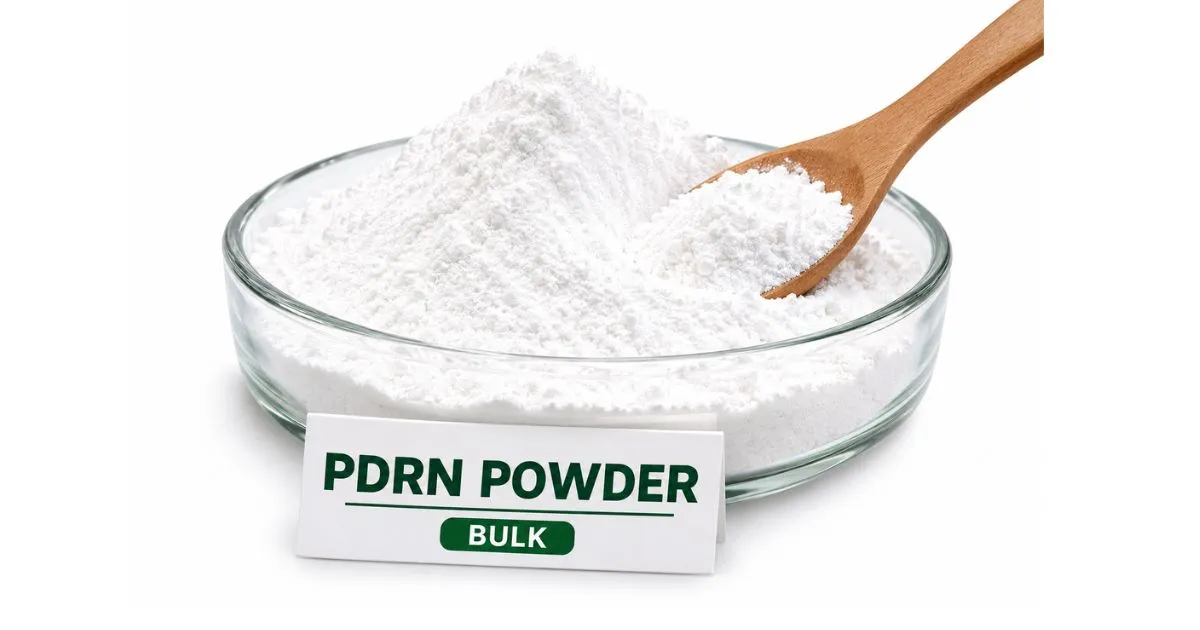
Understanding PDRN Powder and Its Benefits for Skincare
What Makes Polydeoxyribonucleotide a Revolutionary Ingredient
Polydeoxyribonucleotide is a big step forward in the field of healing skin care. This bioactive substance was taken from salmon sperm cells using advanced HPLC techniques. It is made up of DNA pieces with molecular weights that are usually between 50 and 1,500 kDa. Its biological action depends on its role as an adenosine A2A receptor agonist, which turns on the cell processes needed for tissue repair. This molecular action speeds up the production of collagen type I, activates fibroblasts, and encourages the growth of new blood vessels in damaged or aging skin.
Core Regenerative Benefits for Skincare Applications
The healing benefits of this ingredient cover a wide range of skin problems that OEM clients often want to address in new products. Clinical study shows that it can speed up the healing of wounds by encouraging cell growth and lowering inflammation markers like IL-1β and TNF-α at the same time. When added to skin care products, the ingredient goes deep into the dermal layer to help restore barrier function. This makes it especially useful for people with sensitive skin. The anti-aging benefits show up as more elastin being made and better skin structure. This addresses photoaging issues without the risk of irritation that comes with other retinoid options.
Safety Profile and Quality Assurance Standards
Safety is a good thing for manufacturers who are thinking about using this ingredient in OEM production. The affinity to human DNA about 95% structural similarity lowers the chance of immune rejection. Yangge Biotech's cosmetic-grade recipe goes through strict testing procedures, such as endotoxin detection via HPLC/UV analysis, to make sure that the specs meet international standards. The product is still free of irradiation, GMO changes, and common toxins, which meets the needs of regulators in many markets. If you store the PDRN Powder properly in containers that keep out light, it will stay stable for 24 months. This gives you more options for planning production and keeping track of your inventory.
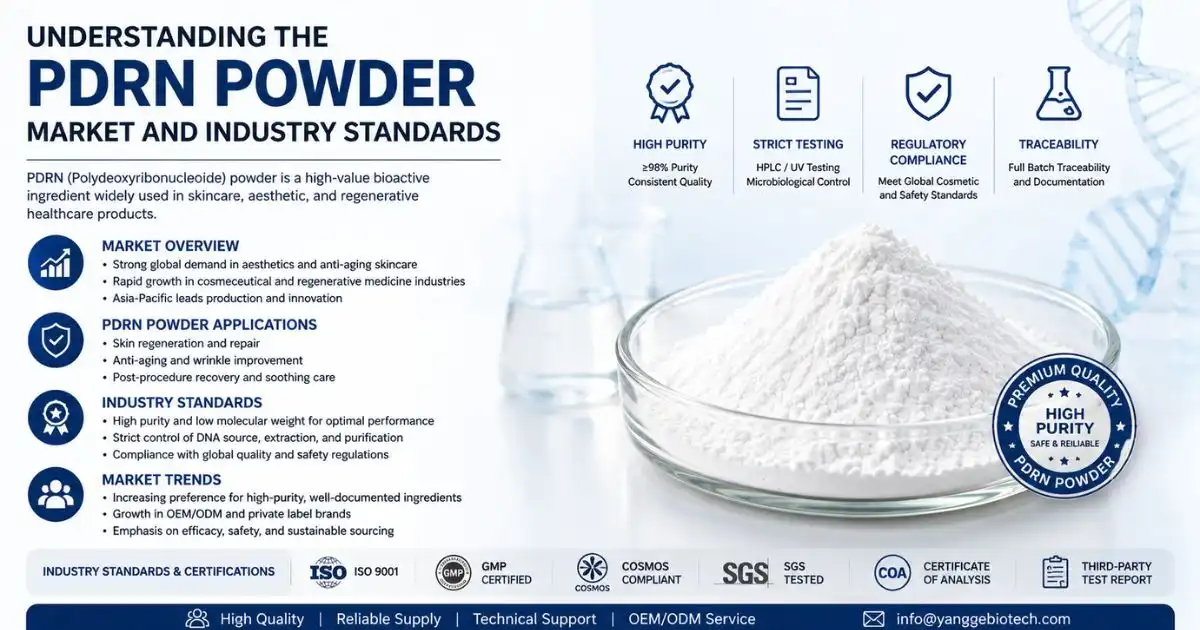
Why PDRN Powder is a Strategic Ingredient for OEM Skincare Products
Market Demand and Regenerative Skincare Trends
The world's skin care business has moved away from marketing claims and toward products backed by scientific proof. Ideas from regenerative medicine, which were once only used in medical beauty, now affect what people expect from high-end cosmetics. This DNA-based ingredient takes advantage of this trend and gives OEM makers an edge when positioning their goods in the fast-growing anti-aging market. People in the Korean beauty market have already shown that they are willing to spend money on formulations that contain this bioactive compound. Similar patterns of adoption are starting to show up in North America and Europe.
Purity and Grade Considerations for OEM Clients
When getting raw materials for branded skin care lines, it's important to be able to tell the difference in quality. Yangge Biotech offers 99% pure cosmetic-grade material, such as PDRN Powder, that has been checked by both HPLC and UV methods. This level of specification makes sure that all production batches are the same, which is a must for companies making their own formulations.
The difference between cosmetic and medical grades affects not only how the product is regulated, but also how stable it is and how safe it is for end users. When research leaders look at suppliers, they should make sure that sellers are clear about how DNA fragments are distributed and where the salmon comes from, because these things have a direct effect on biological activity and allergen risk profiles.
Formulation Versatility Across Product Categories
The fact that the ingredient works with a variety of delivery systems is a strategic advantage. The PDRN Powder can be used by OEM companies to make water-based serums, oil-in-water emulsions, hydrogel masks, and even freeze-dried ampoules. Formulators can get the right concentrations without having to worry about precipitation because of the small water solubility property. However, when creating alcohol-based goods, the insolubility in ethanol needs to be carefully thought out. It has been shown to work well with complementary actives like niacinamide, vitamin C derivatives, and non-crosslinked hyaluronic acid. This makes it possible to make products that do more than one thing at once to fight age.
Comparing PDRN Powder with Other Popular Skincare Ingredients for OEMs
Performance Analysis Against Established Actives
When buying managers choose ingredients for anti-aging products, they have to think about both how well they work and how easy it would be to make them. Hyaluronic acid keeps the skin's surface moist by retaining water, and polydeoxyribonucleotide works at a deeper cellular level to activate the body's own repair systems. Alternatives to peptides can help with specific signals, but they often need complicated stabilization systems that make the cost of preparation higher. The DNA-based ingredient stimulates collagen in a way that is similar to growth factor complexes, but it stays stable at higher temperatures during production.
| Ingredient Type | Primary Mechanism | Formulation Complexity | Relative Cost Efficiency |
|---|---|---|---|
| PDRN Powder | A2A receptor activation, tissue regeneration | Moderate | High for regenerative effects |
| Hyaluronic Acid | Surface hydration, moisture binding | Low | High for hydration only |
| Peptides | Cellular signaling | High (stability challenges) | Moderate |
| Growth Factors | Direct cellular stimulation | Very High (cold chain required) | Low |
Sourcing Considerations: Natural vs. Synthetic Options
Bioactive ingredients that come from nature and those that are made in a lab have very different quality control standards. Material from salmon is treated with enzymes to separate DNA pieces with specific molecular weights. This requires careful testing for heavy metal poisoning and bacterial endotoxins. Synthetic options might be better for batch accuracy, but they don't have the biocompatibility characteristics that naturally occurring nucleotide sequences do. OEMs have to weigh these factors against the certification needs of their target markets. For example, European rules are favoring natural ingredients with full documentation of their origin.
Procurement Insights: Buying and Sourcing PDRN Powder for OEM Production
Supplier Verification and Quality Benchmarks
To build trusting supply chains, manufacturing skills and quality methods need to be carefully checked. Yangge Biotech has ISO9001, ISO22000, HACCP, and Kosher certifications, which show that they follow international standards for making pharmaceuticals. For cosmetic use, B2B buyers should ask for Certificate of Analysis paperwork for each batch that specifically verifies the DNA fragment size distribution and endotoxin levels below 0.25 EU/mg for active ingredients like PDRN Powder. Third-party laboratory retesting through partnerships with well-known institutions gives procurement departments that are afraid of taking risks even more peace of mind.
Pricing Structures and Minimum Order Considerations
Understanding cost patterns in relation to finished product placement is important for making a business work. With minimum order amounts starting at 1 kg and an inventory capacity of 10 kg at the moment, makers can do initial formulation trials without having to spend a lot of money. Higher quantities show the benefits of buying in bulk, but storage needs, like keeping things out of the light and at the right temperature, must be taken into account when figuring out the total cost. The 24-month shelf life gives companies enough time to develop new products and make sure they have enough stock before seasonal launches without worrying about spoilage.
Regulatory Compliance for International Markets
When you buy ingredients from other countries, it makes paperwork and labeling rules more complicated. The cosmetic-grade label makes the registration process easier in most places. However, for injectable or medical device uses, higher standards and sterility certifications are needed. Different areas have different rules about what can be imported. For example, the US FDA has different rules for topical cosmetic ingredients compared to therapeutic claims products. In the EU, REACH registration may be needed depending on the amount of imports. Yangge Biotech's certification collection meets basic needs, but OEM clients need to do regulatory assessments for each state during the planning stages of buying.
Integrating PDRN Powder into OEM Skincare Lines: Best Practices and Recommendations
Optimal Dosage and Formulation Parameters
Finding effective concentration ranges that balance effectiveness with cost-effectiveness is key to making a successful product. For topical formulations, clinical studies on regenerative skin care usually use amounts between 0.5% and 3%. Higher numbers are only used for professional treatment products. For accurate batch preparation, the powder form allows for exact weighing, but for full dissolution, enough hydration time is needed, which is usually 30 to 45 minutes with gentle stirring in water. Formulators should keep pH levels between 5.5 and 7.0 to keep nucleotides stable and stop them from breaking down through hydrolysis.
Stability Optimization and Compatibility Testing
If they aren't properly looked at during creation, ingredient combinations can make a product less effective. Compatibility tests should check how the substance might break down when mixed with strong acids, oxidizing agents, or AHAs/BHAs in high concentrations. For instance, PDRN Powder requires particular attention in such tests due to its bioactive nature. The nutrient works well with antioxidants like vitamin E and ferulic acid. This may help the food last longer by protecting DNA pieces from oxidative damage. ICH-recommended accelerated stability testing, which involves introducing formulations to high temperatures and humidity, helps predict how they will work in the real world before they are committed to industrial production.
Quality Control Protocols and Clinical Validation
Manufacturers who want to be seen as high-end should use testing protocols that go beyond basic microbiological checks. In-vitro fibroblast proliferation tests can measure how much biological activity is retained over time, giving marketers concrete data for their claims. Studies on how people feel about a product and skin patch tests on specific groups of people help build trust with retailers and government reviewers. Putting money into clinical validation, even if it's just small studies that measure changes in elasticity or hydration, helps products stand out in crowded markets where ingredient lists alone aren't enough to get people's attention.
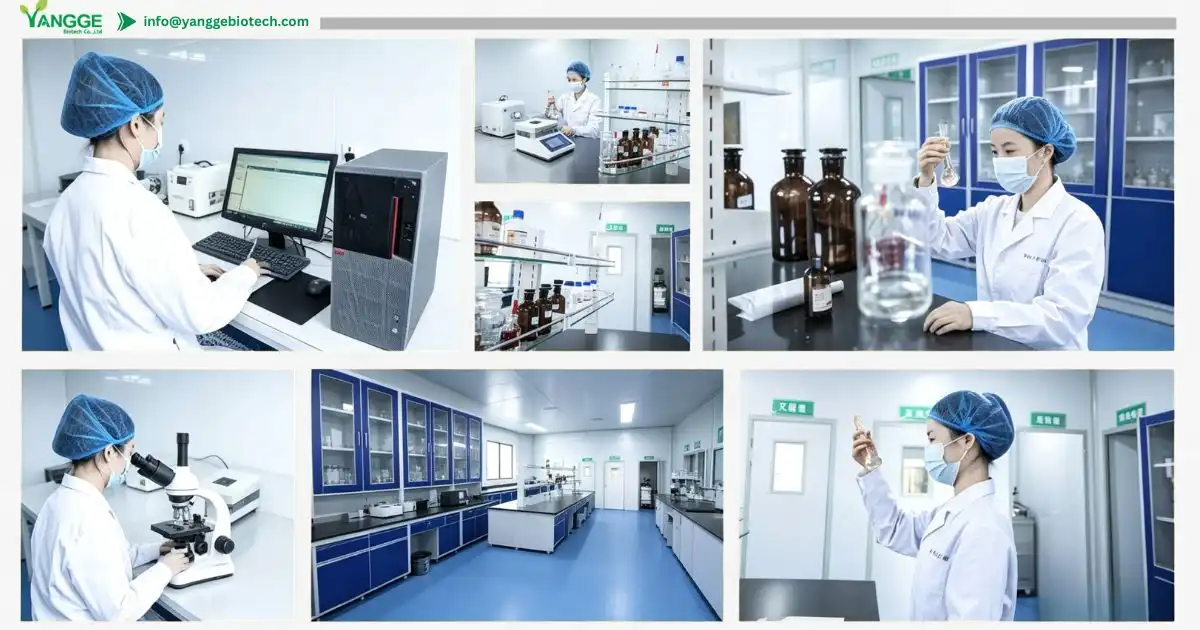
Product Specification Overview:
| Parameter | Specification | Testing Method |
|---|---|---|
| Purity | 99% | HPLC/UV |
| Grade | Cosmetic Grade | Industry Standard |
| Appearance | White Powder | Visual Inspection |
| Solubility | Slightly soluble in water | Laboratory Testing |
| Shelf Life | 24 months | Stability Studies |
| Storage | Light-protected, tightly closed container | Standard Protocol |
Conclusion
Polydeoxyribonucleotide is a scientifically proven way for OEM makers to use renewable technology to make their skincare lines stand out. The PDRN Powder form for cosmetics is versatile, stable over time, and has been shown to have biological activity that addresses important consumer concerns about aging and skin repair. For integration to go well, suppliers' quality systems must be respected, regulations must be followed for target markets, and formulations must be optimized to get the most out of the ingredients. As the market continues to favor ingredients that have been proven to work in clinical studies, this bioactive compound from salmon puts manufacturers at the forefront of regenerative skincare innovation while keeping the business viable through reasonable pricing and reliable supply chains.
FAQ
Is PDRN Powder okay for all skin types?
The ingredient works well with a wide range of skin conditions because its structure is very similar to human DNA. According to clinical studies, there aren't many bad effects, and the rate of allergies is lower than with most makeup stabilizers. Its anti-inflammatory features make it great for products for sensitive skin because they reduce redness without needing corticosteroids. People who are known to be allergic to fish proteins should be careful, though, because purification processes greatly reduce the amount of allergenic protein contamination compared to raw salmon extracts.
How does the price of PDRN compare to that of growth factors or peptides?
When you look at cost-effectiveness, you need to think about both how much the raw materials cost and how much of them are needed for them to work. For this DNA-based element to work, formulation levels of 0.5 to 3% are usually needed, while 5 to 10 percent concentrations are needed for some peptide complexes. Compared to pre-diluted solutions, the powder format cuts down on waste by allowing for precise dosing. The stability profile has a lower total cost of ownership for managing inventory and distributing it than growth factor options that need cold chain operations and shorter shelf lives.
Is it possible to mix PDRN Powder with vitamin C or retinol?
Testing for compatibility with stabilized vitamin C derivatives like ascorbyl glucoside and tetrahexyldecyl ascorbate shows that the formulation works well with them. The suggested method uses separate phase inclusion, which means dissolving the nucleotide powder in water while keeping the antioxidants in the right liquid systems. Combinations of retinol need to be watched for changes in pH so that neither of the active ingredients breaks down too quickly. Encapsulation technologies can help with simultaneous release without having to worry about interactions.
Partner with Yangge for Premium PDRN Powder Supply
Yangge Biotech is a reliable company that makes PDRN Powder and sells pharmaceutical-grade raw materials to the medical beauty and skincare businesses around the world. Our cosmetic-grade polydeoxyribonucleotide is 99% pure thanks to modern HPLC extraction. It comes with a lot of approvals, such as ISO9001, HACCP, and Kosher compliance. We make it easy for both new brands and known OEM partners to work with us by lowering the minimum order size to just 1 kg and offering free 1g samples for recipe testing.
Get in touch with our technical team at info@yanggebiotech.com to talk about your specific product development needs, get access to detailed COA documentation, and make sure you have a steady supply of your next innovative skin care line.
References
1. Kim TH, et al. "Polydeoxyribonucleotide Promotes Skin Wound Healing Through Adenosine A2A Receptor Activation." Journal of Dermatological Science, 2018; 92(3): 214-221.
2. Galeano M, et al. "Therapeutic Efficacy of PDRN in Tissue Repair: Clinical Applications in Regenerative Medicine." Wound Repair and Regeneration, 2020; 28(2): 167-178.
3. Lee JH, Park SY. "Comparative Analysis of Bioactive Ingredients in Anti-Aging Cosmeceuticals: PDRN versus Conventional Actives." International Journal of Cosmetic Science, 2021; 43(5): 542-551.
4. Rubegni P, et al. "Safety and Efficacy Profile of Polydeoxyribonucleotide in Dermatological Applications." Clinical, Cosmetic and Investigational Dermatology, 2019; 12: 745-753.
5. Squadrito F, et al. "Pharmacological Activity of Polydeoxyribonucleotide: Molecular Mechanisms and Therapeutic Applications." Pharmacological Research, 2017; 125(Pt B): 156-168.
6. Zhang Y, Wang L. "Quality Control Standards for DNA-Derived Bioactive Ingredients in Cosmetic Manufacturing." Journal of Pharmaceutical and Biomedical Analysis, 2022; 208: 114459.

Based on your location and order quantity, you will have the opportunity to receive a limited time free shipping promotion!
Who we are
Popular Blogs