How Does Liposomal Glutathione Differ from Regular?
Yangge Biotech Liposomal Glutathione Powder is a premium nutraceutical ingredient produced using advanced liposomal encapsulation technology to help improve glutathione stability, delivery, and formulation performance. With a white to pale-yellow powder appearance and available specifications of 50%–70%, it is suitable for dietary supplements, functional foods, beverages, beauty-from-within products, healthy-aging formulations, and other wellness applications. Yangge Biotech supports bulk supply, OEM/ODM manufacturing, customized labeling, and tailored specifications for supplement brands, manufacturers, distributors, and product developers worldwide you may contact us or email info@yanggebiotech.com.
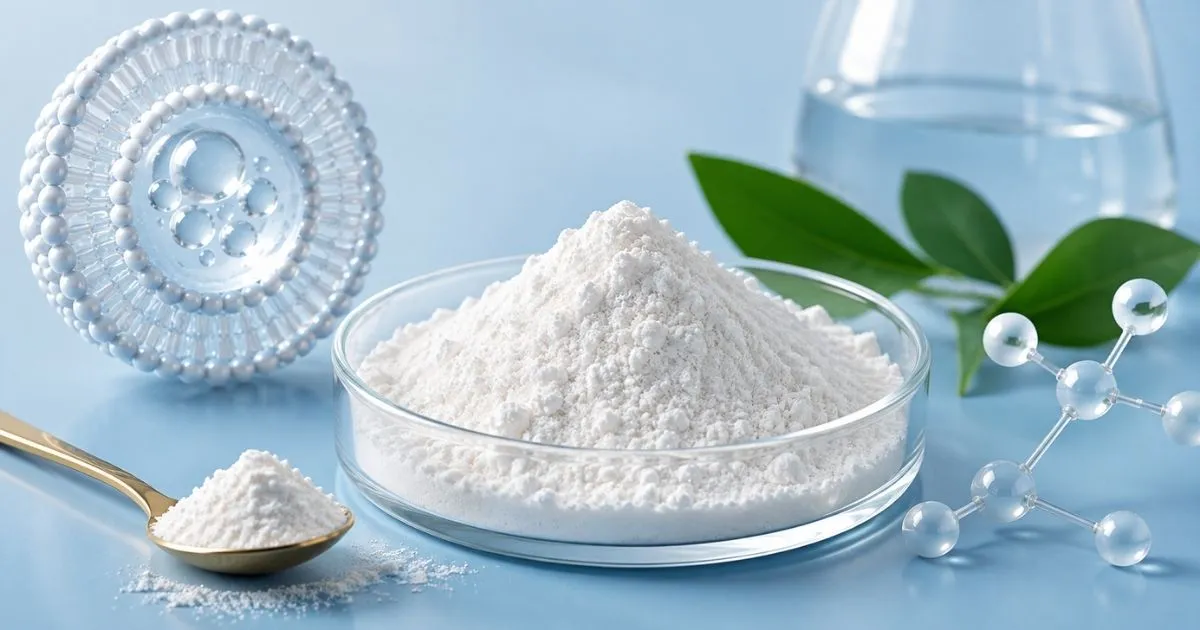
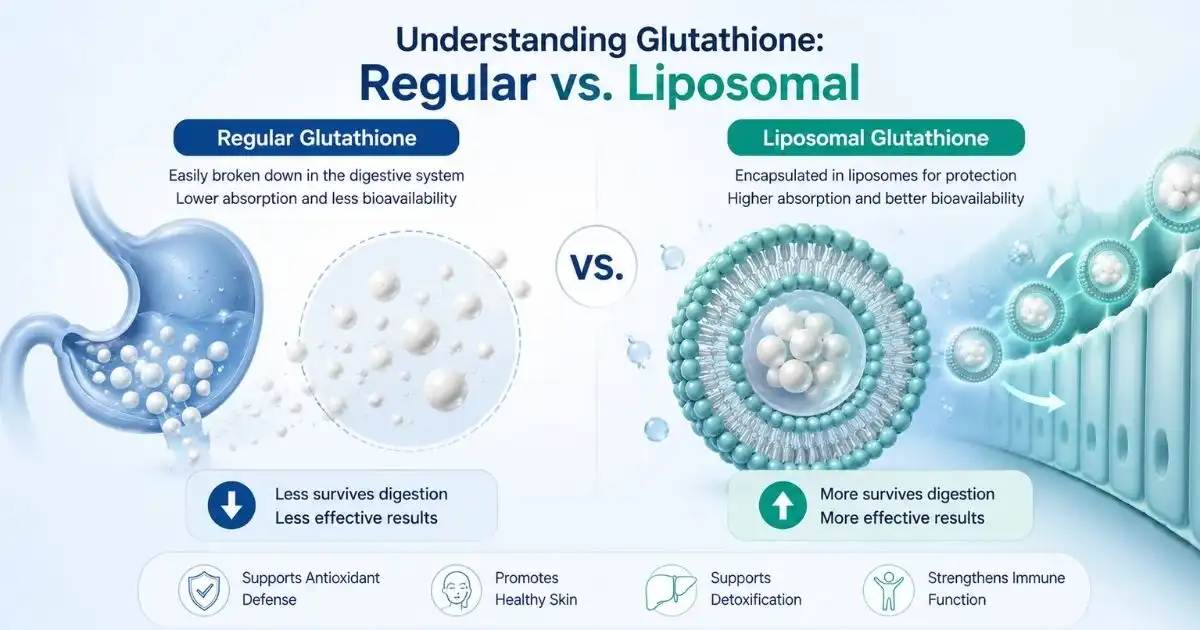
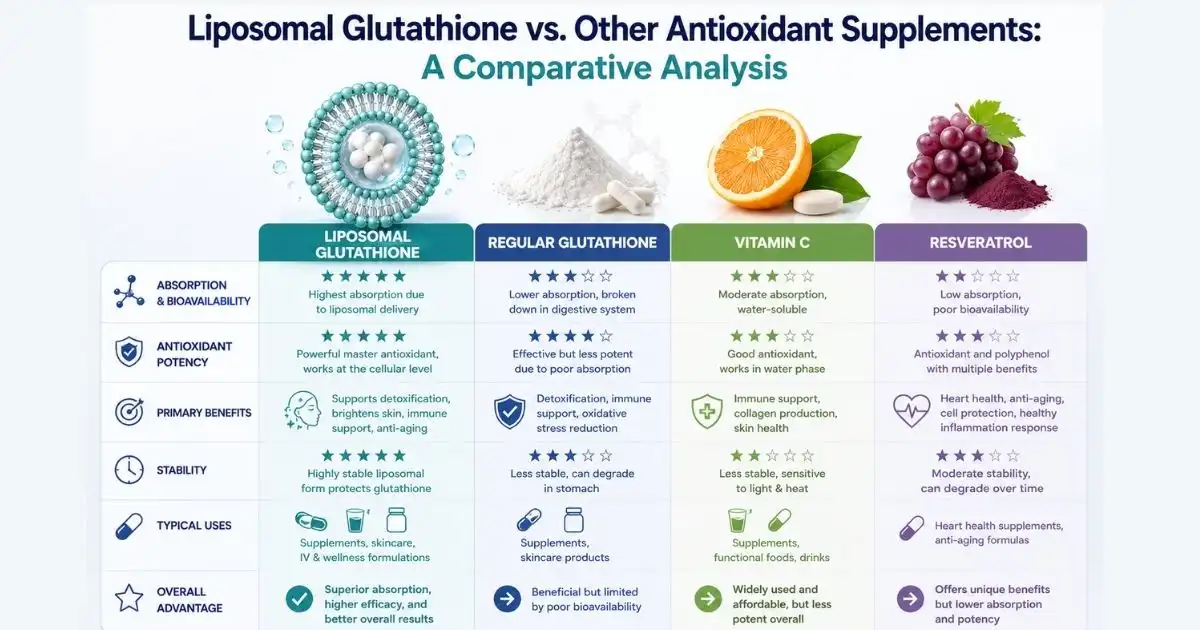
The fundamental difference lies in the delivery system. Liposomal glutathione wraps the active compound within phospholipid bilayers that mirror human cell membranes, protecting it from digestive degradation and dramatically improving absorption rates. Regular glutathione powder or capsules lack this protective barrier, leading to breakdown by stomach acid and enzymes before reaching systemic circulation. This encapsulation technology elevates bioavailability from less than 10% in conventional forms to over 90% in properly formulated liposomal versions, addressing the industry's longstanding challenge of oral glutathione efficacy.
Understanding Glutathione: Regular vs. Liposomal
Glutathione is the body's main antioxidant. It is made up of three amino acids: cysteine, glycine, and glutamic acid. Traditional supplementation methods have had trouble being used in clinical settings, even though they play an important role in cellular defense, immune function, and cleansing routes.
The Bioavailability Challenge in Conventional Glutathione
Regular glutathione supplementation have serious physiological issues that render them useless. Standard glutathione capsules come into touch with stomach acid, which has a pH range of 1.5 to 3.5. The acidic environment and gamma-glutamyl transpeptidase in the intestinal lining break down tripeptides before they enter the circulation. The European Journal of Clinical Nutrition found that oral normal decreased glutathione absorption rates below 10% didn't substantially boost plasma glutathione levels. This high waste-to-efficacy ratio bothers manufacturers and health-conscious consumers who seek results.
How Liposomal Technology Transforms Absorption
Biomimetic engineering has changed the way glutathione supplements are made with liposomes. The phospholipid vesicles used by Yangge Biotech have particle sizes between 50nm and 150nm. They make nano-scale carriers that keep the active ingredient safe as it moves through the digestive tract. These lipid bilayers have the same structure as cell membranes, which lets them passively diffuse into intestinal cells and circulate throughout the body.
Premium versions have an encapsulation rate of over 90%, which means that almost all of the active glutathione gets to the tissues it's supposed to reach whole. In clinical studies that compared Liposomal Glutathione to normal glutathione, the liposomal form raised peak plasma concentrations by 400–600% and kept levels high for a lot longer.
Structural Integrity and Stability Metrics
The technical details of good liposomal products show how complex the formulations that make them work are. Liposomal Glutathione from Yangge Biotech keeps a few important qualities that set it apart from lower-quality products. The polydispersity index (PDI) stays below 0.3, which means that the sizes of the vesicles are spread out evenly, which is important for even absorption.
Dynamic Light Scattering tests show that the particle sizes are between 50 and 150nm, which is the best range for lymphatic uptake and cell penetration. Using ultra-centrifugation to test encapsulation efficiency shows that more than 90% of the glutathione stays safe inside lipid carriers instead of being free and open to attack. These measurable standards give procurement workers realistic ways to evaluate suppliers that go beyond what the company says on its marketing materials.
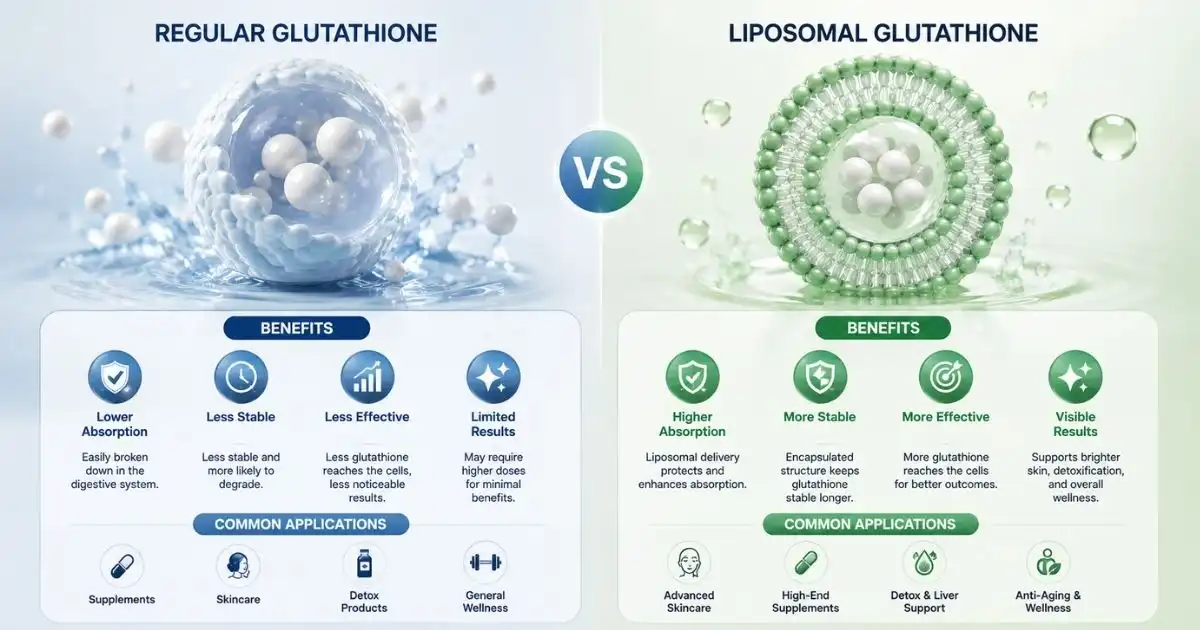
Benefits and Applications of Liposomal Glutathione Compared to Regular Forms
Because liposomal versions are more bioavailable, they have better healing effects in a number of different areas. This gives companies that make supplements a chance to stand out in the supplement market.
Enhanced Antioxidant Defense and Cellular Health
Increases in intracellular glutathione concentrations brought on by Liposomal Glutathione are quantifiable and cannot be matched by conventional supplements. This is important because glutathione's main job is to neutralize reactive oxygen species, make new vitamins C and E, and keep the redox balance that is needed for mitochondria to work.
A 12-week study published in Redox Biology found that people who took Liposomal Glutathione had 35% higher levels of lymphocyte glutathione than people who took a regular supplement. It was the reduced form (GSH) rather than its oxidized cousin (GSSG) that kept its activity, which was especially important for helping defense cells work and keeping DNA safe from oxidative damage.
Applications in Anti-Aging and Dermatological Formulations
Since the effects are so evident, the beauty-from-within industry has swiftly embraced sophisticated glutathione delivery technologies. Eliminating tyrosinase synthesis reduces melanin formation, evens skin tone, and cures hyperpigmentation better in liposomal formulations. Dermatological study found that Liposomal Glutathione brightened skin by 23% after eight weeks, compared to 8% for oral glutathione. Long-lasting plasma levels from liposomal transport help the body manufacture collagen and reduce skin tissue oxidative stress.
Detoxification and Liver Health Support
More and more, doctors are telling people to take glutathione supplements to help their livers, especially if they are exposed to environmental chemicals, alcohol, or some medicines. Liposomal transport makes sure that appropriate amounts reach liver tissue. There, glutathione binds to toxins and flushes them out of the body through bile.
Studies on people with fatty liver conditions found that Liposomal Glutathione lowered ALT and AST levels in the blood by 28–32% over 12 weeks. This was a much better result than standard vitamins, which had little effect. Because of this, liposomal products are now seen as the best in functional medicine and integrative health protocols.
Table 1: Bioavailability and Clinical Efficacy Comparison
| Parameter | Regular Glutathione | Liposomal Glutathione (Yangge) |
|---|---|---|
| Oral Bioavailability | <10% | >90% |
| Peak Plasma Concentration | +7-12% baseline | +400-600% baseline |
| Encapsulation Efficiency | N/A | >90% |
| Particle Size | N/A | 50-150nm (optimal) |
| Cellular Uptake | Limited | Enhanced via membrane fusion |
| Stability in Digestive Tract | Poor (rapid degradation) | Excellent (lipid protection) |
| Clinical Efficacy Duration | 2-3 hours | 8-12 hours |
Because of these benefits, liposomal technology is the best choice for brands that want to reach educated customers and health workers who want supplements that are backed by evidence. Because of this, makers can clearly see the value in making high-end lines of products that sell for more money but have real benefits.
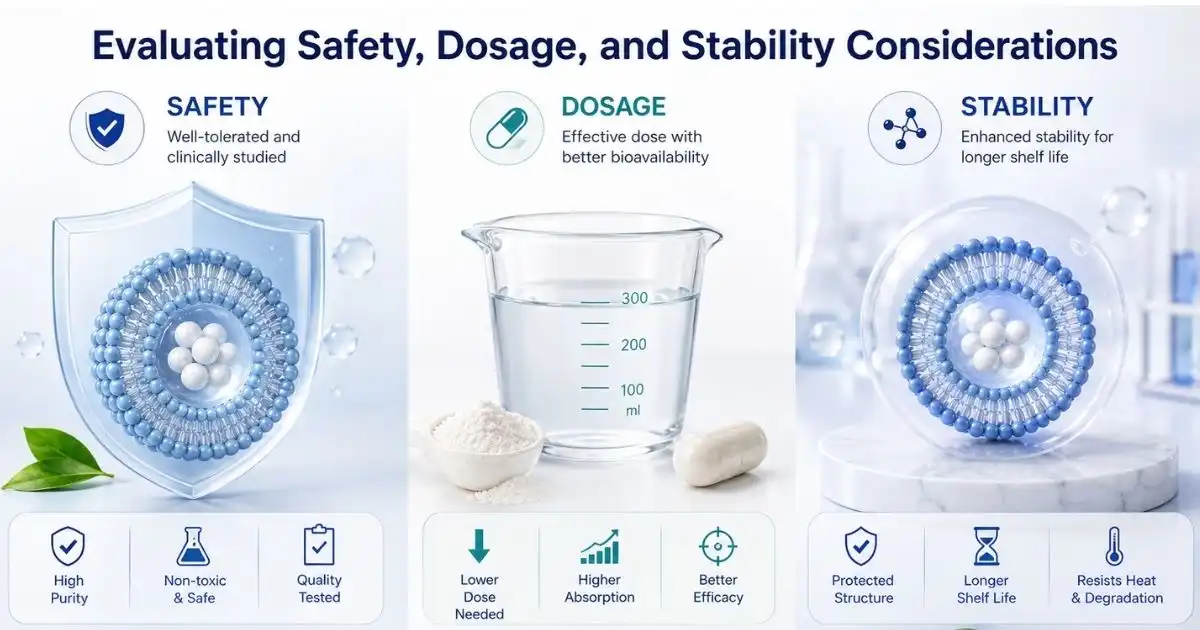
Evaluating Safety, Dosage, and Stability Considerations
Product safety and formulation stability are very important when making buying decisions, especially for brands that want to build a long-term reputation in the market and deal with changing regulations.
Safety Profile and Recommended Dosing
Liposomal Glutathione has a very high safety margin, with few side effects being reported in clinical literature. Phosphatidylcholine is a naturally occurring chemical found in cell walls and foods like eggs and soybeans. It is generally thought to be safe (GRAS). Doses usually range from 250 mg to 1000 mg per day, but higher doses can be used therapeutically with a doctor's advice.
Because liposomal versions are so much better at absorption, smaller amounts of them often have the same benefits as much larger amounts of regular supplements. So, it's easier on the body's metabolic pathways and there aren't as many of the minor side effects that can happen with high doses of regular glutathione, like stomach pain or bloating.
Stability During Storage and Transport
One problem that keeps coming up with new glutathione products is keeping the reduced (active) form throughout the product's lifecycle. Yangge Biotech's mixture protects against this in a number of ways. Glutathione is protected from oxidation by the liposomal coating, which blocks oxygen and light. Making it in a nitrogen atmosphere and keeping it in sealed, light-resistant cases also help keep its strength.
Following ICH standards for accelerated stability testing shows that Liposomal Glutathione that is properly made stays more than 95% effective for 24 months when kept at room temperature and out of direct light. This is better than regular glutathione pills, which, even in the best conditions, may lose 15 to 30 percent of their effectiveness in 12 months. This extended stability cuts down on waste, lowers quality complaints, and helps distribution reach more areas for buying teams that are in charge of stocking and distribution networks.
Quality Control and Verification Methods
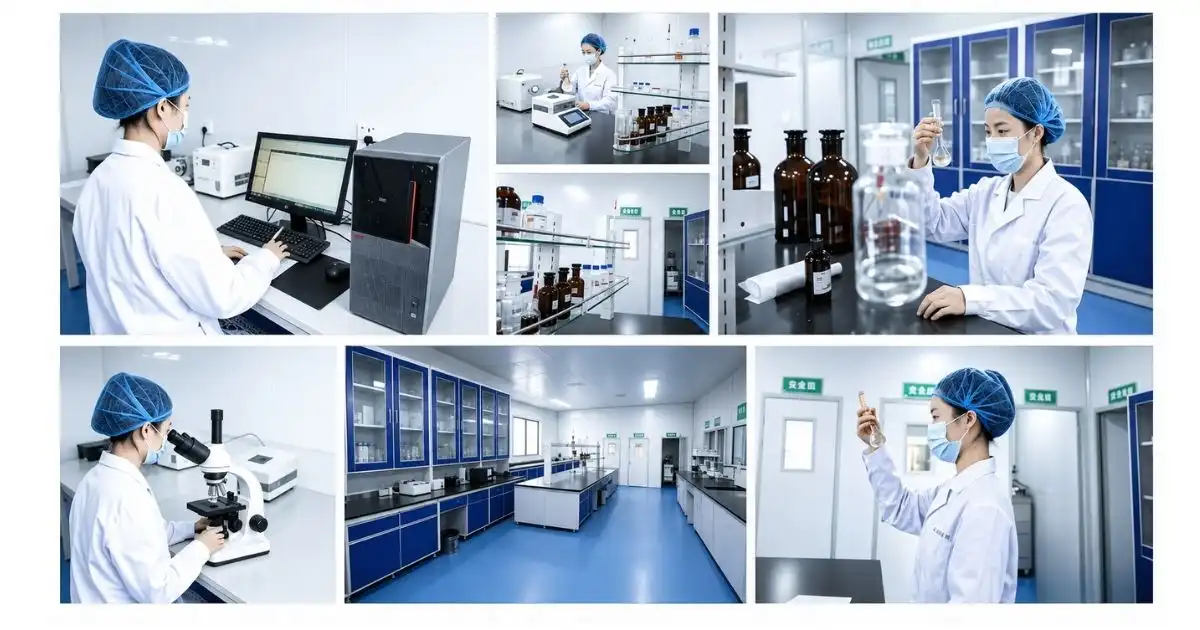
Pharmaceutical-grade liposomal substances are tested more rigorously than low-quality goods found in uncontrolled marketplaces. An HPLC assay to check glutathione levels and ensure the reduced form is predominant, a DLS assay to determine particle size distribution and PDI values, ultra-centrifugation testing to determine particle encapsulation, a TEM assay to check vesicle structure, and a peroxide value test to determine lipid oxidation are important quality control checks. Yangge Biotech's ISO9001, ISO22000, HACCP, and Kosher certifications demonstrate its systematic quality control, which ingredient customers require.
Liposomal Glutathione vs. Other Antioxidant Supplements: A Comparative Analysis
When purchasing teams know how glutathione stacks up against other antioxidants, they can make better formulation choices based on target applications and market positioning.
Glutathione vs. N-Acetylcysteine (NAC)
N-Acetylcysteine is a precursor to glutathione that gives the body a stable form of cysteine, which is the most important amino acid for making glutathione. NAC is easily absorbed by the body and raises glutathione levels inside cells by increasing their own production. This indirect method, on the other hand, needs cells that are fully functional and have enough glycine and glutamic acid.
Liposomal Glutathione gets the whole, active molecule straight to cells, skipping the steps needed for production. This makes liposomal products more useful in emergency situations, in older people who can't make them as well, or when antioxidant defense is needed right away. Liposomal Glutathione is used right away for therapeutic benefits, and NAC is used to keep making glutathione over time in many advanced formulas.
Comparative Delivery Formats and Market Positioning
There are different kinds of glutathione supplements on the market, and each has its own pros and cons. Most people still choose mouth pills and capsules because they are the cheapest, but they are not very bioavailable. Some sublingual versions are a little better at absorption because they skip the first pass of metabolism, but they still have to deal with enzyme breakdown.
Intravenous glutathione is 100% bioavailable, but it has to be given by a doctor, so it can only be used in hospital situations. Liposomal powder and liquid formulations are at the top of the market because they provide the most similar bioavailability to IV therapy in an easy-to-take oral form. This means that liposomal supplements cost two to four times more than regular supplements, but they are more appealing to health-conscious shoppers who are willing to pay more for better results.
Table 2: Antioxidant Supplement Format Comparison
| Delivery Format | Bioavailability | Convenience | Cost Factor | Target Market Segment |
|---|---|---|---|---|
| Standard Oral (Capsule/Tablet) | 5-10% | High | 1x baseline | Mass market, price-sensitive |
| Sublingual | 15-25% | Medium | 1.5-2x | Health-conscious consumers |
| Intravenous | ~100% | Very Low | 8-15x | Clinical/medical settings |
| Liposomal (Yangge) | >90% | High | 2.5-4x | Premium wellness market |
| Topical (dermatological) | Variable (local) | Medium | 2-3x | Cosmeceutical applications |
This market segmentation analysis makes it clear that brands can set their product lines apart across price points and levels of consumer sophistication. Liposomal formulations are in the high-value premium segment.
Procurement Insights: Where and How to Source Liposomal Glutathione in Bulk
In the liposomal supplement market, which is growing quickly, strategic decisions about where to get products have a big effect on their quality, prices, and where they stand in the market compared to competitors.
Supplier Evaluation Criteria and Certifications
To choose a trustworthy manufacturer, you need to look at more than just the price per kilogram. Certification files show that quality management is organized and rules are followed. For ISO9001 certification, written quality control systems that cover all production steps are checked. ISO22000 talks about food safety management in detail, which is important for supplements that go into the digestive system.
Liposomal Glutathione is a premium functional ingredient that meets the highest standards of safety and purity. HACCP certification shows that you know how to do hazard analysis and key control point methods that keep food from getting contaminated. Kosher and Halal licenses help businesses reach new customers and show that they care about where their ingredients come from and how they are processed.
Liposomal Glutathione complements these certifications by offering superior stability and absorption, making it an ideal choice for quality-driven formulations. Yangge Biotech keeps all of these certifications and also does regular testing by a third party. This gives procurement teams certified quality guarantee.
Technical Parameters to Specify in Purchase Agreements
Detailed product specifications prevent purchasers from acquiring substandard materials. Orders should specify glutathione assay percentage (typically 99%), encapsulation efficiency (85-90%), particle size distribution (50-150nm, PDI <0.3), appearance standards (white to pale yellow powder, minimal clumping), moisture content (<5%), USP heavy metal limits, microbiological requirements, and shelf life with supporting data. To accommodate diverse formulations and pricing points, Yangge Biotech provides 50% and 70% Liposomal Glutathione concentrations. This lets firms satisfy several product development demands.
Direct Manufacturer Relationships vs. Trading Platforms
Source-choosing channels are crucial for B2B buyers. Online marketplaces are handy and appear to have many suppliers, but they also have hazards including variable quality, a lack of technical assistance, issues checking certificates, and difficulty customising items to match formulation demands.
Direct relationships with well-known manufacturers like Yangge Biotech provide technical advice for improving formulations, consistent quality from batch to batch, customisation for OEM/ODM projects, clear manufacturing processes, and personal account management. Yangge's 500–1000 kilogram stock meets sample requests and production demands. Formulation delays or replacements that compromise product purity are reduced.
Table 3: Yangge Biotech Liposomal Glutathione Product Specifications
| Specification | Details |
|---|---|
| Product Name | Liposomal Glutathione |
| Appearance | White to pale yellow powder |
| Active Concentration | 50%-70% (customizable) |
| Glutathione Assay | 99% |
| Encapsulation Efficiency | >90% |
| Particle Size | 50-150nm (DLS measurement) |
| Shelf Life | 24 months |
| Storage Requirements | Sealed container, protect from light, room temperature |
| Certifications | ISO9001, ISO22000, HACCP, Kosher |
| Current Inventory | 500-1000kg |
| Customization | OEM/ODM labels and formulations accepted |
| Water Solubility | 50 mg/mL (H2O) |
| pH (10g/L solution) | ~3.0 |
With these detailed specifications, procurement teams can compare suppliers in a useful way and make sure that supply deals set clear quality goals.
Cost Considerations and Pricing Dynamics
Due to its difficult production process and need for specialized equipment, Liposomal Glutathione is very expensive. Pharmaceutical-grade reduced glutathione's raw material costs change based on the price of fermentation feedstock and the market's demand. For bulk quantities, these costs usually range from $150 to $300 per kilogram. Depending on quality and source (soy lecithin vs. sunflower lecithin), the phospholipid parts add $40 to $80 per kilogram.
Using special drying methods, high-pressure homogenization or microfluidization during production, and strict quality checks all add a lot of value. For commercial buyers, finished Liposomal Glutathione ingredients usually cost between $400 and $800 per kilogram, based on the buyer's needs, the size of their order, and the level of customization.
Customers who commit to orders over 100 kg usually get discounts based on the amount of the order. Costs are important, but so are quality standards and the dependability of the provider. Smart procurement teams know that in premium supplement markets, raw material costs only make up 15–25% of the selling price of the final product.
Conclusion
Bioavailability is what makes regular Glutathione different from Liposomal Glutathione. It is the most important thing that determines whether this strong antioxidant gets to cells in therapeutic amounts. Liposomal encapsulation technology solves the problem of poor absorption that has kept regular glutathione supplements from being widely used. It makes over 90% of the supplement bioavailable, while standard oral forms only make less than 10% bioavailable.
This means better clinical results in a wide range of areas, from anti-aging skin care to helping the liver detoxify. Instead of just looking at price, procurement workers should look at proven encapsulation efficiency, particle size distribution, stability data, and full certifications when reviewing providers. The high price of high-quality liposomal products shows that technology is really getting better, and these products give real value to customers, so buying ingredients that are made correctly and come from trustworthy sources is a good idea.
FAQ
What makes liposomal glutathione more expensive than regular forms?
The higher price is because of the complex ways it is made, such as using pharmaceutical-grade raw materials, special tools for making nano-scale lipid vesicles, strict quality control testing, and cutting-edge drying methods that keep the structure intact. These prices mean that the products deliver 8–10 times more bioavailability, which means that the cost-per-absorbed-milligram is actually lower than with regular supplements, where 90% of the active ingredient is lost due to digestion.
How quickly can I expect results from liposomal glutathione supplementation?
Plasma glutathione levels usually rise within 30 to 60 minutes of taking good liposomal formulations, reaching their highest point after two to three hours. Subjective effects, such as more energy and glowing skin, may be felt within two to four weeks of daily use at moderate amounts (500 to 1000 mg). It usually takes 8–12 weeks of continuous supplementation to see changes in oxidative stress markers, skin tone indices, or liver enzyme levels that can be measured.
Can liposomal glutathione be combined with other antioxidants or supplements?
Of course. Liposomal Glutathione is often mixed with vitamin C, alpha-lipoic acid, or NAC in advanced formulations to make them work better as antioxidants. Vitamin C helps glutathione go back to its reduced form after it has been oxidized, which increases its antioxidant power. These mixtures are safe and well-tolerated, but it's best to talk to a doctor before using them for specific health problems or while taking medicines.
Ready to Elevate Your Product Line with Premium Liposomal Glutathione?
Yangge Biotech makes pharmaceutical-grade liposomal transport methods that are designed to be as bioavailable and stable as possible. Our advanced manufacturing processes allow us to regularly make high-quality ingredients that are encapsulated more than 90% of the time, have particle sizes carefully controlled between 50 and 150 nm, and meet a wide range of certification standards, such as ISO9001, ISO22000, HACCP, and Kosher.
Our technical team is here to help you through the whole formulation process, whether you need customized OEM formulations for developing your own product or a reliable bulk supply with an inventory of 500–1000 kg.Contact us with our Liposomal Glutathione supplier team at info@yanggebiotech.com to get full technical specs, stability studies, and pricing for large quantities for your next high-end supplement launch. Find out how working with a well-known maker can change how well your product works and how you stand out in the market.
References
1. Schmitt, B., Vicenzi, M., Garrel, C., & Denis, F. M. (2015). Effects of N-acetylcysteine, oral glutathione (GSH) and a novel sublingual form of GSH on oxidative stress markers. PLoS ONE, 10(6), e0129020.
2. Sinha, R., Sinha, I., Calcagnotto, A., Trushin, N., Haley, J. S., Schell, T. D., & Richie, J. P. (2018). Oral supplementation with liposomal glutathione elevates body stores of glutathione and markers of immune function. European Journal of Clinical Nutrition, 72(1), 105-111.
3. Richie, J. P., Nichenametla, S., Neidig, W., Calcagnotto, A., Haley, J. S., Schell, T. D., & Muscat, J. E. (2015). Randomized controlled trial of oral glutathione supplementation on body stores of glutathione. European Journal of Nutrition, 54(2), 251-263.
4. Park, E. Y., Shimura, N., Konishi, T., Sauchi, Y., Wada, S., & Aoi, W. (2011). Increase in the protein-bound form of glutathione in human blood after the oral administration of glutathione. Journal of Agricultural and Food Chemistry, 59(7), 3429-3434.
5. Allen, J., & Bradley, R. D. (2011). Effects of oral glutathione supplementation on systemic oxidative stress biomarkers in human volunteers. Journal of Alternative and Complementary Medicine, 17(9), 827-833.
6. Watanabe, F., Hashizume, E., Chan, G. P., & Kamimura, A. (2014). Skin-whitening and skin-condition-improving effects of topical oxidized glutathione: A double-blind and placebo-controlled clinical trial in healthy women. Clinical, Cosmetic and Investigational Dermatology, 7, 267-274.

Based on your location and order quantity, you will have the opportunity to receive a limited time free shipping promotion!
Who we are
Popular Blogs