Berberine HCl vs Berberine: Which Should You Choose?
When evaluating berberine for supplement formulation, the hydrochloride salt commonly known as Berberine HCl stands out as the superior choice for most commercial applications. This form delivers enhanced chemical stability, consistent bioavailability, and pharmaceutical-grade purity levels reaching 97-99%, making it the preferred raw material for procurement managers developing metabolic health products.
While both compounds originate from the same botanical alkaloid, the hydrochloride modification addresses critical manufacturing challenges including moisture sensitivity, shelf-life extension, and regulatory compliance requirements that directly impact production costs and market viability.
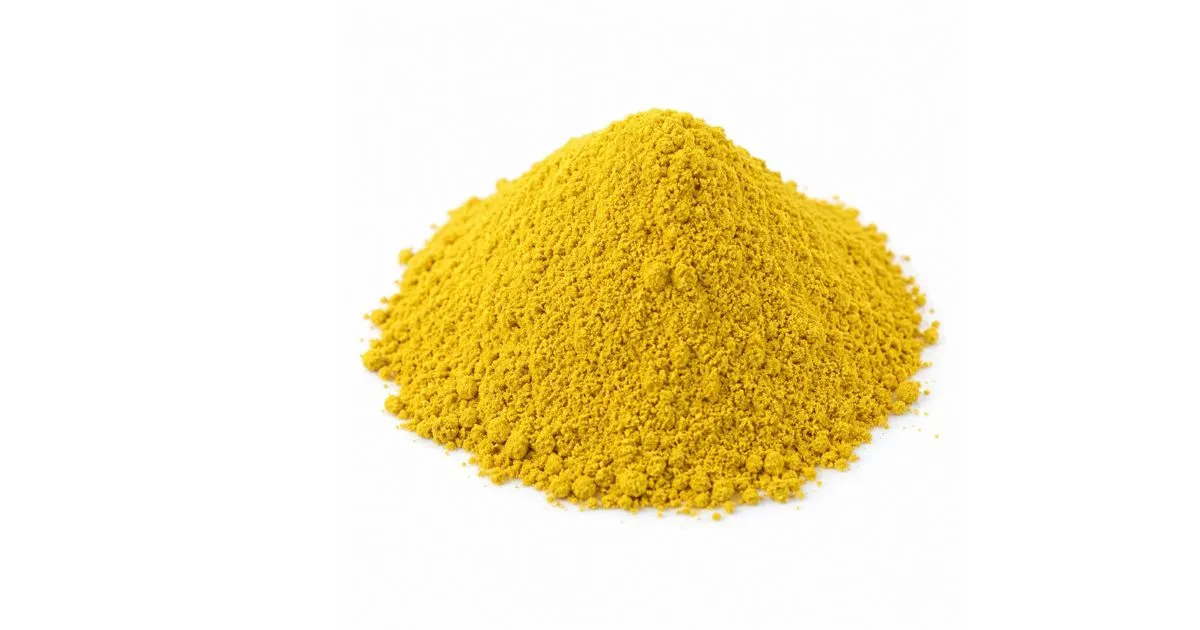
Understanding Berberine and Berberine HCl
Natural Origins and Chemical Structure
Berberine is a naturally occurring quaternary ammonium salt that is in the isoquinoline alkaloid family and can be found in a number of therapeutic plants. Berberis aristata (Indian barberry), Coptis chinensis (Chinese goldthread), Hydrastis canadensis (goldenseal), and Phellodendron amurense (Amur cork tree) are some of these plants. The compound is mostly found in the roots, stems, and bark of plants, which is what gives them their characteristic bitter taste and bright yellow color.
In plant matter, the base alkaloid can be found in different salt forms, mostly as sulfates and chlorides. Manufacturers usually change the mixed alkaloid salts into a standard hydrochloride form when they are extracted and cleaned for commercial use. This process of changing things uses acid-base reactions to make a solid powder whose chemical and physical qualities can be predicted.
From Plant Extract to Pharmaceutical-Grade Material
Different amounts of berberine, as well as other alkaloids, tannins, and plant compounds, can be found in raw botanical extracts. Manufacturers separate the desired alkaloid and change it to a hydrochloride salt using specific extraction and purification protocols based on HPLC (High-Performance Liquid Chromatography) technology. This pharmaceutical-grade change fixes three major problems in the industry: making sure that the strength is always the same, making it easier to dissolve, and making it more stable over time in normal storage conditions.
The solid structure of the hydrochloride form is better than that of the sulfate or base forms. This means that it flows more easily during the packaging process. Standardizing particle sizes, usually between 80 and 100 mesh, makes sure that high-speed manufacturing equipment works the same way every time. This cuts down on production downtime and makes batches more regular.
Bioavailability and Stability Comparison
One important difference is how these chemicals act in biological settings. The hydrochloride salt dissolves more quickly in stomach acid, which makes it easier for the body to absorb it in the upper digestive tract. The base form of berberine doesn't dissolve well in water (about 2 mg/mL in cold water), but the HCl form does better when mixed with the right ingredients.
Testing for stability shows that Berberine HCl stays active longer than sulfate or base forms even when they are aged more quickly. The hydrochloride salt doesn't break down much over 24 months at room temperature when kept in controlled humidity tanks. Other forms, on the other hand, may experience alkaloid oxidation and color changes that show compound breakdown. This shelf-life benefit has a direct effect on when products are made and when they go bad.
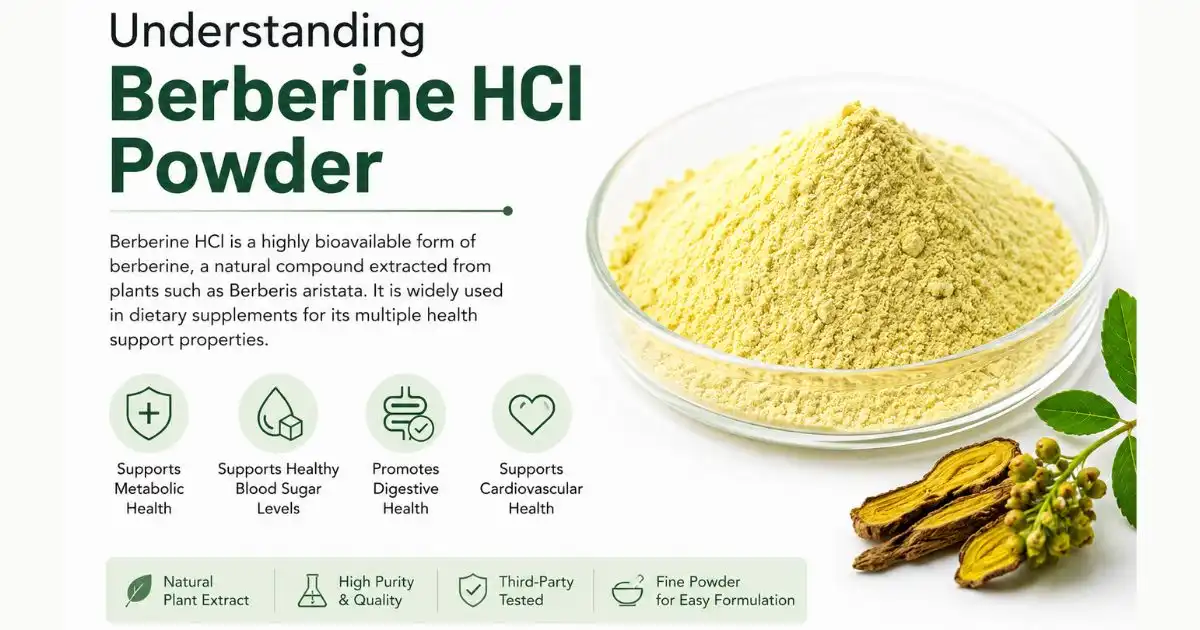
Comparative Analysis: Berberine vs Berberine HCl
Pharmacological Mechanisms and Metabolic Health Applications
The Adenosine Monophosphate-activated Protein Kinase (AMPK) pathway is turned on by both types. This pathway is often called the metabolic master switch in cells. This action sets off a chain of positive effects, such as better insulin sensitivity, better glucose uptake in skeletal muscle, less glucose production in the liver, and changes in the pathways that break down fats. Studies in humans show that daily doses between 900 mg and 1500 mg help keep blood sugar levels healthy when they are already within the normal range and improve heart health.
Because its purity standards are more consistent, the hydrochloride form gives these benefits more often. When purchasing managers get materials that have been certified as having a minimum purity of 97% through HPLC analysis, they know that each batch will have the same amount of active alkaloid. This is because crude botanical extracts or lower-grade preparations can vary.
Dosage Guidelines and Safety Profiles
Standard treatment guidelines say to take 500 mg three times a day with meals, for a total of 1500 mg per day. This way of giving the drug works with its short half-life and takes advantage of the way glucose levels are controlled after a meal. Clinical trials have shown that this range of doses works well and is well tolerated by a wide range of people.
Safety concerns are the same for all types of salt, including Berberine HCl. The most common reported effects are mild changes in the digestive system during the first few weeks of supplementation. These short-term reactions usually go away in the first few weeks as the gut microbiome gets used to the compound's germ-killing properties. Some situations where this medicine shouldn't be used are while pregnant, breastfeeding, or taking certain prescription drugs at the same time. This is why proper labeling and healthcare practitioner advice comments are so important for following the rules.
| Comparison Factor | Base Berberine | Berberine HCl |
|---|---|---|
| Purity Standardization | Variable (70-90%) | Consistent (97-99%) |
| Water Solubility | ~2mg/mL | Enhanced with excipients |
| Shelf Life Stability | 12-18 months | 24+ months |
| Manufacturing Flowability | Moderate | Excellent (80-100 mesh) |
| Regulatory Acceptance | Limited documentation | Widely recognized USP/EP |
Product Format Considerations
The hydrochloride form works well in a number of different dosage methods, such as vegetarian capsules, tablets, and powder mixes. Its even particle size distribution keeps mixtures of ingredients from separating, which can happen when you mix ingredients with different physical properties. When using automated equipment calibrated for pharmaceutical-grade powders, encapsulation efficiency rates are often higher than 95%.
To get the right hardness without slowing down breakdown times, carefully choosing the excipients for tablet compression is important. Because berberine powder is very bright yellow, it needs opaque capsule shells or tablet coatings in finished products that are sold to people who are sensitive to color differences. These manufacturing factors affect the total cost of production and should be taken into account when negotiating with suppliers.
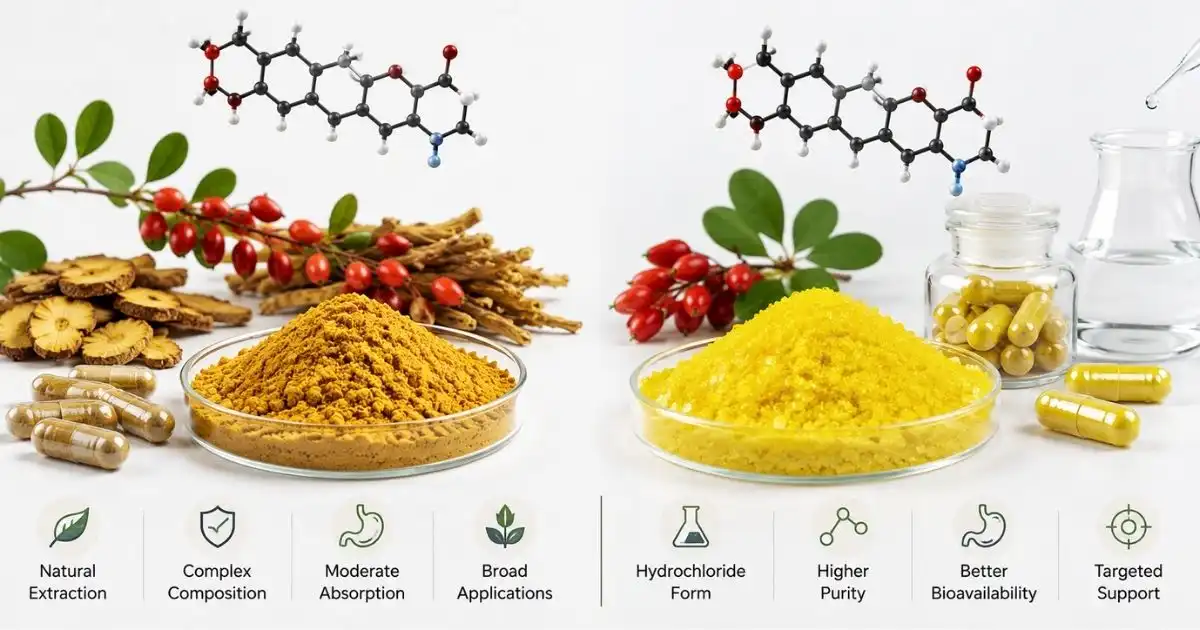
How to Choose Between Berberine and Berberine HCl for Your Business Needs
Regulatory Landscapes and Compliance Requirements
For pill brands that want to sell in North America and Europe, figuring out the rules and regulations is their biggest worry. In the US, dietary supplements with berberine must follow the rules set out in 21 CFR Part 111. These rules include current good manufacturing practices (cGMP), correct structure-function claims, and the right statements on the package. The hydrochloride form has a lot of regulatory history, with many products being sold successfully under current rules.
Novel Food Regulations and country-specific limits on alkaloid-containing products make European markets even more complicated. When preparing to enter a new market, it is important to carefully look over Germany's BfR views and France's DGCCRF plant lists. Regulatory approval times are cut down by a large amount when suppliers offer complete documentation packages that include Certificates of Analysis (CoA), testing for residual solvents, heavy metal screening, and microbiological reports.
The pharmaceutical-grade status of the hydrochloride form makes regulatory submissions easier than with botanical extracts that are not clearly defined. Procurement teams should give more weight to suppliers with KOSHER, Halal, and USP-grade certifications that show they follow international quality standards when they are looking for ingredients for metabolic health formulations.
Strategic Procurement Criteria
The first step in quality assurance is to qualify suppliers by checking their ability to make things, their testing methods, and their systems for keeping track of products. During the initial screening, ask for paperwork that covers:
The analytical testing capabilities include HPLC chromatograms that show 97%+ purity, C14 isotope analysis that shows botanical origin instead of synthetic production, and particle size distribution reports that meet the needs of encapsulation.
Regulatory documentation includes up-to-date GMP certifications, facility inspection records, and allergy management practices that make sure the label claims that the product is gluten-free, non-GMO, and allergen-free are true.
Supply Chain Transparency: Farm-to-facility traceability that shows ethical harvesting protocols, sustainable sourcing practices, and long-term availability projections that support product launches that happen over a number of years.
A cost-effectiveness analysis should look at more than just the price per kilogram. It should also look at the total cost of ownership, which includes freight, customs duties, testing costs, and the cost of keeping inventory. Brands that need unique blends, custom potencies, or white-label finished goods can benefit from building relationships with makers that offer OEM customization services.
OEM Partnership Benefits
Original Equipment Manufacturer (OEM) relationships turn buying raw materials into full-on partnerships for product creation. OEM sources with a lot of experience can help with formulation, stability testing, and legal issues, all of which speed up the time it takes for new supplements to hit the market. When making complicated formulas with many ingredients, these pairings are especially helpful because they let you use Berberine HCl as a key ingredient for metabolic health along with other compounds that work well together, such as alpha-lipoic acid, chromium picolinate, or Ceylon cinnamon extract.
When looking at an OEM's skills, you should look at how well they've done with similar products in the past, how well their minimum order numbers match your market testing steps, and how well their intellectual property protections keep your secret recipes safe. Suppliers with flexible production schedules understand that product development is an iterative process. They let brands make changes to formulations based on results from stability tests or customer feedback before committing to large-scale production runs.
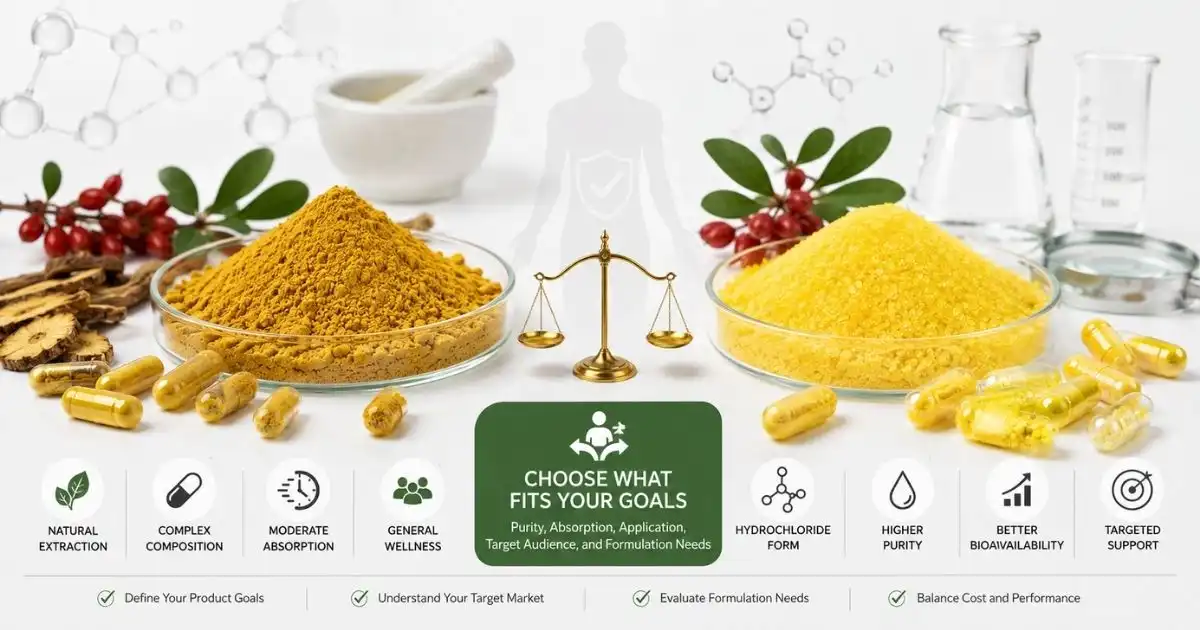
Case Studies: Success Stories and Practical Applications
Metabolic Health Product Innovation
A medium-sized North American supplement company that makes products to help with blood sugar recently switched from using generic berberine sulfate to using pharmaceutical-grade Berberine HCl from a licensed producer. This strategic material change was made because customers kept complaining that the capsules would clump together and the color would change from batch to batch. By using 97% pure HCl powder with managed 80-mesh particle size, the brand made a number of changes that could be seen and measured.
The flow through encapsulation equipment got better, which increased production efficiency by 18%. This was made possible by less machine downtime and lower labor costs related to cleaning out clogged hoppers. Post-purchase polls showed that consumers were 23% happier, with changes seen in how well they thought the product worked and how consistent it was. The brand's third-party testing program proved that there were no failed batches in the year after the change in materials, compared to three failed batches the year before when lower-grade materials were used.
Performance Differential Analysis
An independent lab was hired by another European supplement company to compare the rates of dissolution between their original base berberine formulation and a new formulation that used hydrochloride salt. The test followed USP [711] dissolution guidelines and used artificial stomach fluid with a pH of 1.2. The results showed that the HCl form dissolved 85% of the way within 30 minutes, while the base form only dissolved 62% of the way under the same conditions.
This difference in performance led to better customer feedback about when they felt the benefits of the product. People have different experiences with these products, and they don't treat disease; instead, they support metabolic function that is already healthy. However, the consistency of positive feedback increased after the formulation change. These changes were written about in the company's marketing tools, which made them more competitive in a crowded market.
| Performance Metric | Before (Base Form) | After (HCl Form) | Improvement |
|---|---|---|---|
| Production Efficiency | Baseline | +18% throughput | Reduced downtime |
| Dissolution Rate (30 min) | 62% | 85% | +23 percentage points |
| Failed QC Batches (annual) | 3 batches | 0 batches | 100% reduction |
| Consumer Satisfaction Score | Baseline | +23% | Improved consistency perception |
Supplier Credibility Validation
These case studies show how important it is to choose a supplier based on more than just price. In both cases, the manufacturers wanted suppliers to show a number of signs of trustworthiness. These included proof of consistency from batch to batch over at least 20 consecutive production runs, independent labs verifying purity claims, and clear communication about any problems sourcing raw materials that might affect delivery times.
Procurement teams should make official seller scorecards that rate performance based on quality, on-time delivery, full paperwork, and ability to answer technical questions. These measures let you make choices based on data when evaluating alternative sources or negotiating the terms of long-term supply deals.
Procurement Guide: Where and How to Buy Berberine HCl and Berberine
Bulk Purchasing Strategies
When buying botanical extracts, volume commitments have a big effect on unit economics. Different amounts of pricing are common among manufacturers, with price breaks at 50 kg, 100 kg, 500 kg, and 1000 kg. Brands that use more than 500 kg of product a year—especially those incorporating key active ingredients like Berberine HCl should make yearly supply deals that lock in good prices while still allowing for flexible quarterly delivery. This way, the brands can keep their working capital from being locked up in inventory.
Payment terms are another area where you can negotiate. In this business, it is common to require a 30% deposit when the order is confirmed and the remaining 70% amount before the shipment. If a buyer and a seller already have a relationship, the buyer may be able to get longer terms or consignment arrangements that make managing cash flow easier during the launch phase of a product when sales volumes aren't known.
Authenticating Pharmaceutical-Grade Material
Multiple levels of proof are needed to make sure that materials are real and that they aren't switched out for lower-quality or fake ones. In addition to reviewing Certificates of Analysis provided by suppliers, good procurement practices include:
Samples from each incoming lot should be sent to qualified third-party laboratories for identity confirmation using HPLC fingerprinting, purity quantification, and screening for common adulterants such as synthetic berberine markers that can be found using isotope ratio mass spectrometry.
Physical Inspection: Make sure that the material looks like it does in the specs, including having a bright yellow color, a characteristic slightly bitter taste, and particles that are all the same size. Big differences could mean that there were problems with the processes or that the wrong material was used.
Documentation Audit: Make sure that the batch numbers on the shipping documents match the numbers on the COA paperwork and the supplier's records. This will make it easy to track your products from the manufacturing lot all the way through to the batches that are finished.
| Quality Verification Step | Method | Acceptance Criteria |
|---|---|---|
| Identity Confirmation | HPLC Fingerprint | Matches reference standard |
| Purity Quantification | HPLC Assay | ≥97.0% berberine hydrochloride |
| Heavy Metals Screening | ICP-MS | Pb <1.0ppm, As <0.5ppm, Cd <0.3ppm, Hg <0.1ppm |
| Microbial Testing | USP <2021><2022> | TPC <1000 CFU/g, Yeast/Mold <100 CFU/g |
| Particle Size Distribution | Sieve Analysis | 100% pass 80 mesh |
| Moisture Content | Karl Fischer | ≤5.0% |
| Residual Solvents | GC Headspace | Ethanol <5000ppm, Methanol <3000ppm |
Trusted Supplier Identification
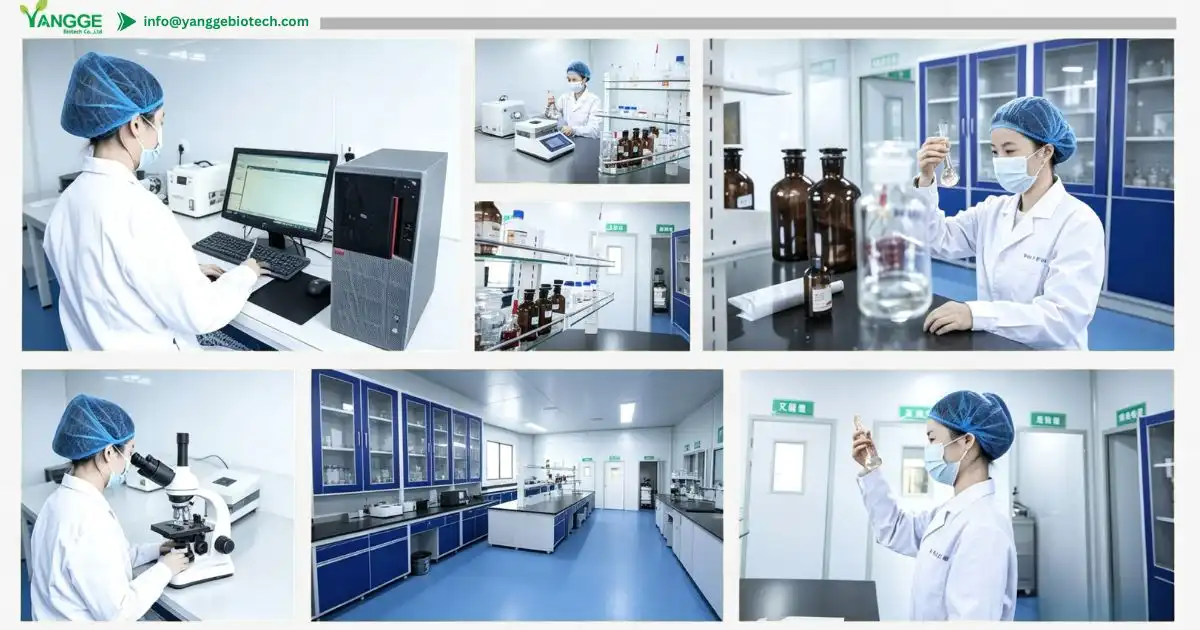
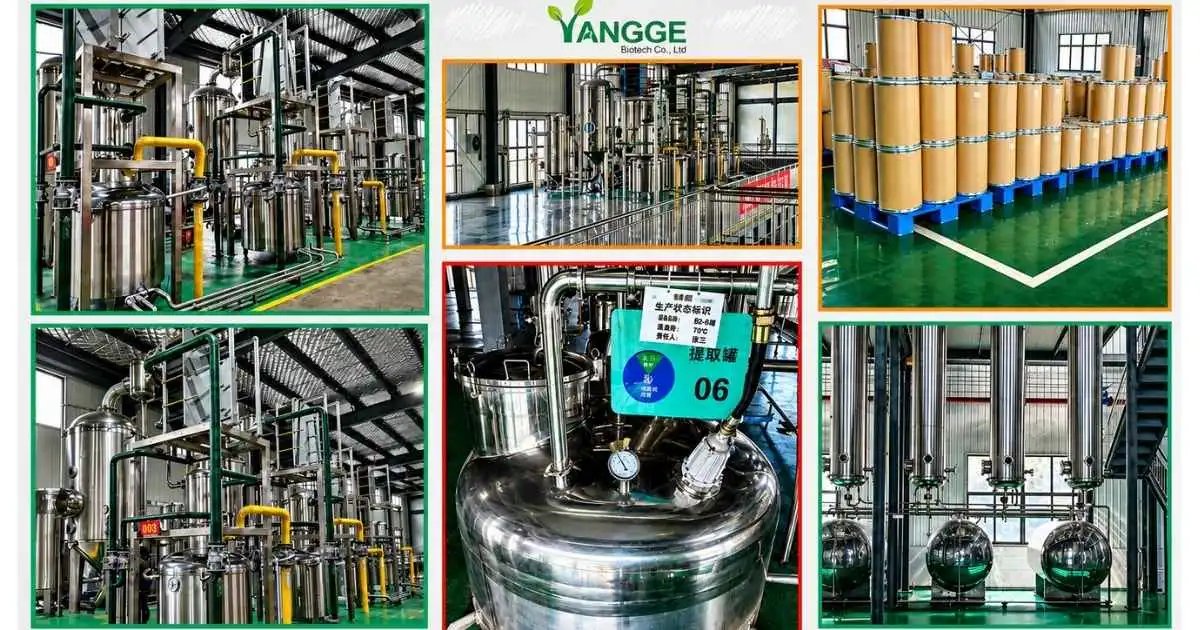
Direct ties with manufacturers give you the most control over the supply chain compared to trading companies or traders, whose job is to make money without adding value. When looking into possible suppliers, give more weight to companies that have vertically integrated operations that handle the whole process of botanical sourcing, extraction, purification, and analytical testing under one quality management system. This integration cuts down on handoff points where quality can drop or documentation can become missing.
SupplySide West, Vitafoods Europe, and Fi Europe are just a few of the industry trade shows where you can meet supplier reps, look at samples of materials, and have face-to-face technical conversations that help you build relationships. After making initial contacts at the trade show, set up virtual or in-person facility audits to make sure that the manufacturing capabilities match what the marketing claims.
Online platforms like Alibaba offer basic tools for finding suppliers, but it's still important to do your research to tell the difference between qualified manufacturers and unchecked middlemen. Before spending time on specific talks, look at the profiles of potential suppliers to see if they have verification badges, transaction histories, and a history of answering technical questions.
Market Trend Forecasting
The metabolic health supplement area is still growing quickly. This is because metabolic syndrome is becoming more common and people want natural health options. Analysts predict that the North American and European markets will grow at rates higher than 8% per year until 2028. Products that contain berberine will continue to gain market share from manmade options.
Combination formulas that pair berberine with chemicals that work well together to target multiple metabolic pathways at the same time are becoming more popular. In markets that are getting more and more competitive, brands that put money into clinical research to show that their specific formulations work will stand out. Purchasing plans should plan for rising demand by building relationships with suppliers that can grow with the business while keeping quality high.
Sustainability is changing how brands choose suppliers because they know that how they treat the environment affects the long-term supply of botanicals. Suppliers who use green farming methods, clean energy, and community development programs in the areas where they do business become the first choice for brands that stress corporate social responsibility in their marketing.
Conclusion
Choosing between base berberine and Berberine HCl has a big effect on the quality of the product, how well it is made, and how well it does in the market. The hydrochloride form has clear benefits when it comes to standardizing purity, keeping supplements fresh for a long time, and being accepted by regulators. These benefits make it the standard for serious supplement brands.
When making purchasing decisions, companies should give more weight to suppliers that can show they can make pharmaceutical-grade products, have complete quality documentation, and have open supply chain practices. When brands work with qualified manufacturers that offer 97%+ pure materials backed by thorough testing and government approvals, they can make sure that their products are always the same and work well. This builds trust with customers and helps the business grow in the growing metabolic health market.
FAQ
What distinguishes Berberine HCl from Berberine Sulfate in supplement applications?
Berberine HCl is more stable in solid dosage forms and has a better crystalline structure for manufacturing. On the other hand, sulfate forms dissolve more easily in water but are less stable when stored in humid conditions. Because it has been used in pharmaceuticals before and has a lot of safety data, the hydrochloride salt is the best choice for most commercial formulations.
How does purity level affect therapeutic effectiveness?
Standardized 97–99% purity makes sure that all batches deliver the same amount of alkaloids, eliminating the variation that comes with lower-quality extracts. This consistency is very important for keeping the structure-function claim true and meeting customer standards for how well the product works.
What testing protocols verify material authenticity?
HPLC testing confirms identity and measures purity, while C14 isotope ratio testing tells the difference between natural and synthetic materials. Heavy metal screening, microbiological tests, and residue solvent analysis are the last parts of the quality checks that are needed for pharmaceutical-grade approval.
Which certifications matter most for international markets?
With KOSHER and Halal certifications, you can reach a wider range of customers, and with USP-grade certification, you know that the product meets high standards for medicinal quality. ISO, HACCP, and GMP certificates show that the production process is controlled in a way that meets the rules in North American and European markets.
Partner with Yangge for Premium Berberine HCl Solutions
Yangge Biotech Co., Ltd. specializes in pharmaceutical-grade Berberine HCl powder that is made to USP standards, is certified KOSHER, and is in stock in 1-ton quantities that can be shipped right away. Our 97% purity standard, which was confirmed using HPLC, meets the strict needs of supplement companies making metabolic health products for the North American and European markets.
As an experienced producer of Berberine HCl, we offer complete documentation packages that include Certificates of Analysis for each batch, heavy metal testing, microbiological screening, and reports on residual solvents. These reports make it easier for you to follow the rules set by regulators. Our OEM customization services help brands that need their own formulas, specific strengths, or final dosage forms like pills and tablets.
We have ISO, HACCP, and GMP-certified facilities that keep a close eye on quality. We also put a lot of effort into sustainable buying methods that make sure botanicals will be available for a long time. Contact us or you can email our technical team at info@yanggebiotech.com to ask for samples, talk about your specific formulation needs, and find out how our farm-to-facility traceability and 24-hour support services can help you get your products to market faster. You can find more technical information and thoughts about the business at blog.yanggebiotech.com.
References
1. Yin J, Xing H, Ye J. "Efficacy of berberine in patients with type 2 diabetes mellitus." Metabolism: Clinical and Experimental, 2008; 57(5): 712-717.
2. Kong W, Wei J, Abidi P, et al. "Berberine is a novel cholesterol-lowering drug working through a unique mechanism distinct from statins." Nature Medicine, 2004; 10(12): 1344-1351.
3. Pirillo A, Catapano AL. "Berberine, a plant alkaloid with lipid- and glucose-lowering properties: From in vitro evidence to clinical studies." Atherosclerosis, 2015; 243(2): 449-461.
4. United States Pharmacopeia Convention. "Berberine Hydrochloride Monograph." USP-NF 2023, Official Monographs.
5. European Food Safety Authority. "Scientific Opinion on the safety of berberine-containing botanical preparations." EFSA Journal, 2016; 14(4): 4395.
6. Neag MA, Mocan A, Echeverría J, et al. "Berberine: Botanical Occurrence, Traditional Uses, Extraction Methods, and Relevance in Cardiovascular, Metabolic, Hepatic, and Renal Disorders." Frontiers in Pharmacology, 2018; 9: 557.

Based on your location and order quantity, you will have the opportunity to receive a limited time free shipping promotion!
Who we are
Popular Blogs