Is chaga safe to consume daily?
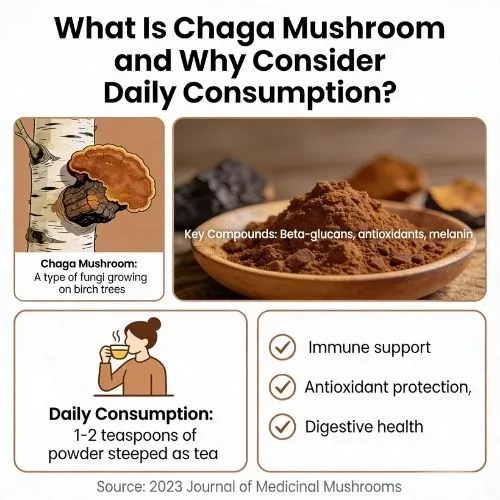
Most healthy people can eat chaga mushrooms (Inonotus obliquus) every day as long as they don't eat too much. A normal daily dose is between 1 and 3 grams. Concentrated medicinal substances, mostly polysaccharides and triterpenes, found in high-quality chaga extract help keep your immune system healthy and protect it from free radicals. Taking chaga every day doesn't pose much of a risk as long as you get it from a reputable seller that follows strict quality standards, such as tests for low pesticide residue and EU safety compliance. People with certain health conditions should talk to their doctors before adding chaga to their daily fitness habits. This is especially important for people who take anticoagulant drugs or deal with autoimmune diseases.
What Is Chaga Mushroom and Why Consider Daily Consumption?
Origins and Key Bioactive Compounds
The chaga mushroom mostly grows on birch trees in Siberia, Alaska, and Northern Canada, where it is cold. This parasite fungus grows over 10 to 20 years, putting together a wide range of beneficial substances, such as beta-glucan polysaccharides, betulinic acid from birch bark, melanin pigments, and superoxide dismutase (SOD) enzymes. These chemicals work together to make a strong antioxidant. For example, chaga has oxygen radical absorbance capacity (ORAC) numbers that are higher than those of many other common superfoods.
Popular Formats and Market Trends
The market for useful mushrooms around the world has grown a lot, and now chaga goods come in a lot of different forms to suit different tastes. Traditional chaga tea made from bits that were found in the wild is still popular with people who are interested in health. Manufacturers now put standardized chaga extract into useful foods, pills, tinctures, and quick drink mixes. The extract format solves a major solubility problem: the tough chitinous cell walls of raw chaga are hard for humans to stomach, which makes it harder for nutrients to be absorbed. Modern hot water and dual solvent extraction methods get rid of these problems, turning medicinal chemicals into powders that are easily absorbed and have a polysaccharide content that is uniform between 10% and 40%.
B2B Procurement Considerations
As more people learn about natural ways to boost their immune systems, there is a lot of demand in the vitamin, health supplement, and functional beverage industries. People who work in procurement know that adding chaga to products meets the needs of consumers who want clean-label ingredients that have been shown to be good for you. When buying managers and research and development teams know about the functional properties of chaga and how it is being used, they can make smart sourcing decisions that meet strict quality standards and meet changing buyer expectations.
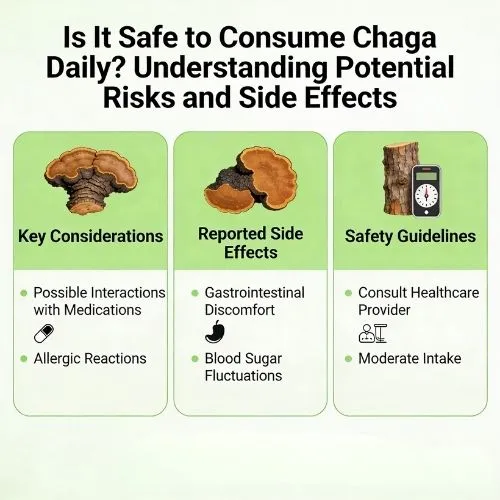
Is It Safe to Consume Chaga Daily? Understanding Potential Risks and Side Effects
Documented Safety Profile
Based on clinical findings and traditional use patterns, eating chaga probably doesn't pose many health risks for most people as long as they stick to the suggested dosages. Most people who take standardized extracts having 1 to 3 grams daily say they don't have any bad affects. Unlike pharmaceutical treatments, chaga's adaptogenic traits help keep the body in balance instead of forcing specific biochemical reactions. This is one reason why it is generally considered safe.
Known Side Effects and Contraindications
People who have problems with bleeding or who are going to have surgery should stay away from chaga because it may stop blood from clotting properly. People who already have kidney disease or are more likely to get kidney stones should be careful with chaga because it contains oxalate. Individuals who are dealing with autoimmune diseases like lupus, rheumatoid arthritis, or multiple sclerosis should talk to their doctors because chaga may make autoimmune reactions worse.
Medication Interactions
Some popular medicines may not work well with chaga, so you should talk to a doctor before taking it. The antiplatelet effect of the mushroom can make blood-thinning drugs like warfarin, aspirin, or clopidogrel less effective, which raises the chance of bleeding. Because it might lower blood sugar, people who are taking diabetes medicines need to be closely watched. People who are taking immunosuppressant drugs should stay away from chaga because it may make the treatment less effective.
Dosage Considerations and Extract Quality
When people buy chaga extract that has been properly made and standardized to specific polysaccharide ratios, they are much safer. Raw chaga bits have a wide range of active chemical contents. Standardized extracts, on the other hand, make sure that doses are always the same and lower the risk of overdosing. Third-party testing by approved labs like Eurofins is used by quality makers to make sure the product is pure, checks for heavy metals and microbial contamination, and makes sure it meets international safety standards, such as EU rules on polycyclic aromatic hydrocarbons (PAHs).
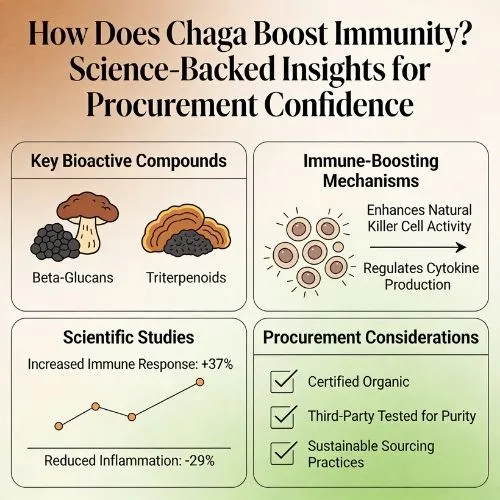
How Does Chaga Boost Immunity? Science-Backed Insights for Procurement Confidence
Polysaccharides and Immune Modulation
Beta-glucan polysaccharides make up 10% to 40% of high-quality products and are chaga's main immunoactive components. These complicated sugars work with recognition pattern receptors on immune cells, mostly natural killer cells and macrophages. Researchers have found that beta-glucans turn on complement receptor 3 (CR3) and toll-like receptors (TLR), which leads to more phagocytic activity and the production of cytokines. This process makes the body's natural defenses stronger without overstimulating them. This balanced method is what sets adaptogens apart from other immunity boosters.
Betulinic Acid and Antioxidant Defense
Betulinic acid is a pentacyclic triterpene that is mostly found in chaga from birch trees. It has powerful antibacterial and anti-inflammatory effects. Studies show that this chemical stops viruses from copying themselves and helps damaged cells die. When combined with chaga's very high melanin content and SOD enzyme activity, these antioxidants fight free radicals that damage cells and the nervous system. The therapeutic benefits of various bioactive compounds are greater when they work together than when they are used alone.
Comparative Advantage Among Medicinal Mushrooms
While ganoderic acids in reishi mushrooms (Ganoderma lucidum) have been shown to help the immune system, chaga's special chemicals derived from birch and its high antioxidant capacity make it stand out as a medicine. Chaga is better at protecting against toxic stress and keeping the immune system strong over time, while reishi is better at making you sleepy and helping your body deal with stress. Because of this, formulators can choose mushroom types based on how they want to place their products and what medicinal goals they want to reach.
Clinical Evidence Supporting Efficacy
Chaga has immune-boosting benefits that have been reported in reputable journals like Mycobiology and International Journal of Medicinal Mushrooms. Studies on animals show that giving them chaga polysaccharide significantly increases the number of lymphocytes and the production of cytokines. Even though there haven't been as many human clinical studies as there have been for drugs, early data supports claims that traditional uses can help the immune system and reduce inflammation. These science bases give buying teams a good reason to make decisions about product development and make sure that marketing claims are true.
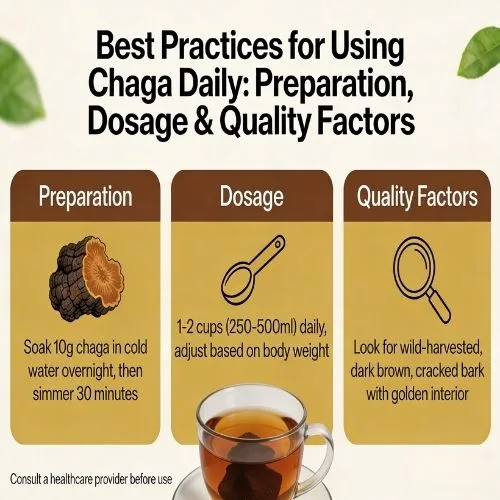
Best Practices for Using Chaga Daily Preparation, Dosage & Quality Factors
Extraction Methods and Bioavailability
The way chaga extract is made has a big effect on its healing value. It is possible to separate water-soluble polysaccharides with hot water extraction, while triterpenes and other lipophilic chemicals can be captured with ethanol extraction. Using both ways together in a dual extraction process makes the bioactive profiles more complete than using a single liquid or raw powder. We use advanced extraction methods that keep the purity of the compounds while increasing their bioavailability. This way, we make sure that end users get therapeutic amounts instead of plant material that their bodies can't handle.
Optimal Dosage Guidelines
Based on evidence, experts say that you should take 1 to 3 grams of standardized extract every day, with the amount changed depending on the polysaccharide concentration. To get the same amount of active compounds, 30% polysaccharides products need smaller dose sizes than 10% concentrations. Taking daily doses in the morning and evening may help the body absorb them better and keep blood levels of active ingredients steady all day.
Quality Differentiators for Procurement
Premium chaga is different from lesser goods in a number of ways. Chaga that was collected in the wild from live birch trees has higher amounts of betulinic acid than chaga that was grown in a lab on different substrates. Organic approval proves that synthetic chemicals and pesticides have not been used. Responsible sellers offer full batch tracking from the forest source to production, along with records of analysis that show the heavy metal content, microbial safety, and active chemical concentrations. Eurofins testing showed that our chaga extract meets strict EU standards, such as PAH4 limits and benzopyrene levels below 10 ppb.
Storage and Shelf Life Management
If you store chaga extract properly, it will stay effective for two years. Light, water, and oxidation can break down sensitive chemicals, mainly antioxidants and carbohydrates. Putting things in sealed aluminum foil bags keeps them safe from the surroundings. Stability is maintained by storing in cool, dry places out of direct sunlight. These things affect tactics for buying in bulk because inventory management has to think about the best way to store items and how often they should be rotated.
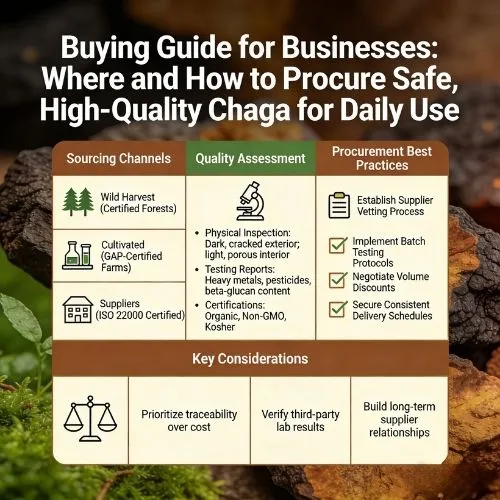
Buying Guide for Businesses: Where and How to Procure Safe, High-Quality Chaga for Daily Use
Essential Supplier Selection Criteria
To build ties with trustworthy chaga extract providers, you need to do a lot of research in a lot of different areas. Certifications like ISO, HACCP, Kosher, and Halal show that the business follows foreign quality management standards. GMP approval makes it clear that production standards for pharmaceuticals are being followed. Traceability paperwork should confirm sustainable ways of gathering food from the wild or growing plants organically. Technically skilled makers can tell the difference between commodity traders and others by being open about extraction methods, solvent residue tests, and standardization methods.
Navigating Pricing Models and Specifications
The price of chaga extract depends on a number of factors, such as the amount of polysaccharides present, the extraction ratio, whether the product is organically certified, and the size of the order. The concentration levels of standardized extracts run from 10:1 to 40% polysaccharide standards, which are very highly concentrated. Higher concentrations cost more, but they have better cost-per-dose economics in end goods. Our flexible minimum order amount of 1 kg allows for initial formulation testing, and our kept inventory of 50 to 100 kg ensures that production plans are always met. Custom package choices, such as standard aluminum foil bags and labeled containers, make it easier to use a variety of delivery methods.
Supply Chain Logistics and Delivery Assurance
Delivery on time is important for planning production, and reliable global transport networks make that possible. Suppliers that have been around for a while keep smart store gaps that keep supplies from going down when harvesting times change. Shipping that is controlled by temperature keeps the integrity of the extract safe during foreign travel. We've made production and transportation more efficient so that we can ensure consistent product availability and delivery reliability across foreign markets. This solves the problem that procurement professionals often have with sellers who aren't reliable.
Building Strategic Supplier Relationships
Long-term relationships offer more value than just buying things one time. Product development times are sped up with technical support such as recipe advice, help with regulatory paperwork, and application suggestions. Customer service teams that are responsive and understand the needs of business-to-business contact make working together easier. We offer online help 24 hours a day, 7 days a week, and we have specialized research and development teams that can make extract specifications that are specific to each formulation's needs. This way of working together turns relationships with suppliers into smart agreements that give businesses an edge over their competitors.
Here are the core differentiators we provide to procurement professionals:
- Verified Quality Standards: Our wild-harvested chaga goes through strict testing by third parties in approved labs. We have full records, including Eurofins reports that say it meets EU safety standards for PAH4, heavy metals, and bacteria contamination. Specifications like non-GMO, non-irradiated, and allergen-free meet different legal needs in global markets.
- Standardized Potency Assurance: All production batches have the same amount of polysaccharides and triterpenes, so formulations can't be predicted incorrectly. Through TLC and UV tests, our quality control procedures make sure that every package meets the stated requirements.
- Sustainable Sourcing Commitment: We work closely with communities that gather trees and use sustainable farming methods that protect birch tree populations. Tracking food from farm to table and using green energy in processing are both good examples of corporate social responsibility goals that are becoming more and more important to a brand's image.
- Flexible Customization Capabilities: We don't just stick to standard specs; we also make extract formulas that are specific to therapeutic goals, sensory profiles, or regulatory requirements. OEM packing services help new products fit in with current lines more easily.
These benefits help procurement pros with some of the worst problems they face, like inconsistent quality, not knowing if they're following the rules, a weak supply chain, and limited technical support. They also help products stand out in busy markets.
Conclusion
When you consume chaga extract daily, it can be good for your health as long as you know about quality factors, the right dose, and your own health needs. The mushroom is becoming more popular in the functional food and supplement markets because it is very safe and has been shown to help the immune system and fight free radicals. Partnering with providers who show technical know-how, uphold strict quality standards, and offer full support throughout product development stages is key to successful procurement. As more people look for natural ways to boost their immune systems, manufacturers can take advantage of this health trend by strategically finding premium chaga extract. This way, they can make sure that their products are safe and effective, which builds trust in their brand over time.
Partner with Yangge for Premium Chaga Extract Solutions
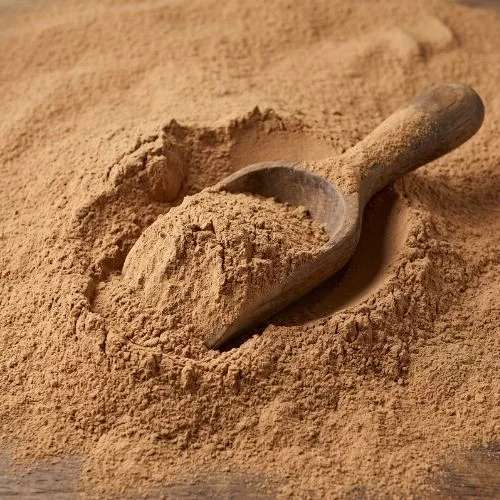
Yangge Biotech Co., Ltd. specializes in delivering pharmaceutical-grade chaga extract that meets the exacting standards of health supplement manufacturers, functional beverage formulators, and nutraceutical brands worldwide. Our brown fine powder, standardized to polysaccharide concentrations from 10% to 40% and available in 5:1 and 10:1 extraction ratios, provides consistent potency backed by comprehensive Eurofins testing documentation.
As an ISO, HACCP, Kosher, and Halal certified chaga extract manufacturer, we maintain transparent farm-to-table traceability and renewable energy operations that align with sustainability commitments. Whether you require 1 kg for formulation development or consistent bulk supply supported by our 50 to 100 kg maintained inventory, our dedicated technical team delivers customized solutions with reliable logistics. Contact us at info@yanggebiotech.com to discuss your specific requirements and access detailed product specifications that support your competitive advantage.
FAQ
Q: Can we get some samples to test before purchasing?
A: Of course, we can provide free samples of 20 to 100 grams, but the shipping cost is at the customer's expense. The shipping cost can be deducted from the next order, or the samples can be sent through your courier account.
Q: Do your products have relevant certifications?
A: Yes, our products are certified for HALAL, ISO, HACCP, Kosher, and other certifications.
Q: What is the minimum order quantity (MOQ)?
A: Small batches of samples can be customized according to your requirements.
Q: Do you offer OEM and ODM services? Can the formula be customized based on our own?
A: Of course, we provide ODM and OEM services to many customers. Our product range includes softgels, capsules, tablets, sachets, granules, and private label services. Simply contact us and let us know your requirements. Our experienced R&D team can also develop new products with specific formulas.
Please contact us to design your own branded products.
Q: How do you handle quality complaints?
A: First, we have a comprehensive quality control SOP. We provide authoritative third-party inspection reports for almost all products before shipment to minimize the possibility of quality issues. Second, we have a comprehensive return and exchange procedure. If there is a genuine quality dispute, we will strictly follow the SOP.
Q: How do you ship? How long does delivery take?
A: For small orders, we typically use DHL, UPS, EMS, FedEx, or TNT. Delivery typically takes 3-7 days. We also offer air and sea freight services. We have a strong freight forwarding team and can provide you with a one-stop service, including DDP and DDU.
Q: What are your payment terms?
A: 100% prepayment, payable by T/T, Western Union, MoneyGram, or PayPal.
Q: What is the shelf life of your products?
A: 2 years with proper storage.
Q: Is the packaging environmentally friendly?
A: We attach great importance to environmental protection and are constantly improving our product packaging. Some products are packaged in recyclable paper. Packaging materials are carefully selected to ensure product safety during transportation and storage, and to minimize environmental impact. We are committed to achieving a balance between environmental friendliness and practicality in our product packaging, and to contributing to sustainable development.
References
1. Balandaykin, ME, & Zmitrovich, IV (2015). Review on Chaga Medicinal Mushroom, Inonotus obliquus (Higher Basidiomycetes): Realm of Medicinal Applications and Approaches on Estimating its Resource Potential. International Journal of Medicinal Mushrooms, 17(2), 95-104.
2. Géry, A., Dubreule, C., André, V., Rioult, JP, Bouchart, V., Heutte, N., ... & Garon, D. (2018). Chaga (Inonotus obliquus), a Future Potential Medicinal Fungus in Oncology? A Chemical Study and a Comparison of the Cytotoxicity Against Human Lung Adenocarcinoma Cells (A549) and Human Bronchial Epithelial Cells (BEAS-2B). Integrative Cancer Therapies, 17(3), 832-843.
3. Lee, SH, Hwang, HS, & Yun, JW (2009). Antitumor Activity of Water Extract of a Mushroom, Inonotus obliquus, Against HT-29 Human Colon Cancer Cells. Phytotherapy Research, 23(12), 1784-1789.
4. Mishra, SK, PKang, JH, Kim, DK, Oh, SH, & Kim, MK (2012). Orally Administered Aqueous Extract of Inonotus obliquus Ameliorates Acute Inflammation in Dextran Sulfate Sodium (DSS)-Induced Colitis in Mice. Journal of Ethnopharmacology, 143(2), 524-532.
5. Shashkina, MY, Shashkin, PN, & Sergeev, AV (2006). Chemical and Medicobiological Properties of Chaga (Review). Pharmaceutical Chemistry Journal, 40(10), 560-568.
6. Wasser, SP (2002). Medicinal Mushrooms as a Source of Antitumor and Immunomodulating Polysaccharides. Applied Microbiology and Biotechnology, 60(3), 258-274.

Based on your location and order quantity, you will have the opportunity to receive a limited time free shipping promotion!
Who we are
Popular Blogs