What are the best food sources of lutein?
If you want to get this important carotenoid from food, dark leafy greens are the best choice. Kale is the best natural source of lutein because it has 48 mg of it per 100 grams. One hundred grams of spinach has around twenty milligrams of lutein. Some other great sources are Swiss chard (16 mg), parsley, and collard greens (16 mg). When it comes to fruits, kiwis and avocados have about the same amount. They are better for you than plant-based sources because they are both more concentrated and easier for your body to use. This is because eggs have a fat matrix that helps the body absorb them better.
Understanding Lutein and Its Benefits
You need to know about the science behind this xanthophyll carotenoid if you are a buyer in the nutraceutical or functional food industries. This will help you choose new products. This naturally occurring compound is different from the other phytonutrients you use because it selectively blocks blue light and is also a strong antioxidant.
The Biological Mechanism Behind Lutein's Efficacy
Since the compound is made up of molecules, it is easy for them to blend into cell membranes. It is mostly found in the macula of the eye, which makes this even more true. It can neutralize reactive oxygen species and take in high-energy blue light wavelengths between 400 and 500 nanometers at the same time, they found. In the AREDS2 study, giving 10 mg of lutein and zeaxanthin every day slowed the progression of age-related macular degeneration in people who were at a high risk by about 25%. This foundation is based on evidence, which lets formulation engineers put products' claims and dosage suggestions to the test.
Lutein Esters Versus Free Form: Critical Considerations for Procurement
To make good formulations, you need to know the difference between free form and lutein esters. In marigold flowers, lutein esters are found naturally. It is made up of carotenoids that are linked to fatty acid molecules like myristic or palmitic acid. These esters are changed into free lutein during processing and extraction. This is the main form that is found in food and most clinical studies. Both types are bioactive, but regulators put them in different groups, and they have different stability profiles and solubility traits. When it comes to choosing between drinks and capsules, procurement teams need to know which form works best with their production methods and the products they want to make.
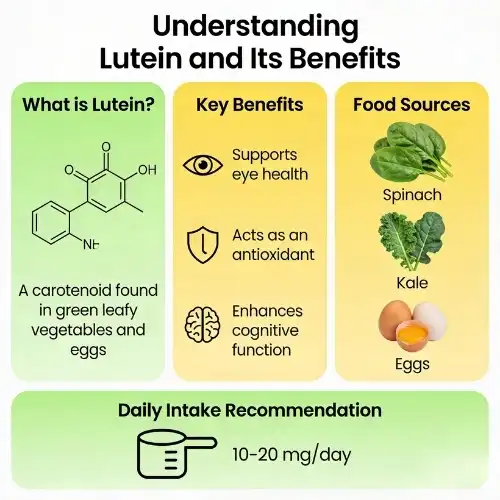
Top Food Sources Rich in Lutein — Dimensional Analysis Approach
If you want to do strategic sourcing, you need to know a lot about how lutein is spread out in different kinds of food and how to choose ingredients and run the supply chain.
Plant-Based Sources: Concentration and Commercial Viability
Dark leafy vegetables are the best place to get this carotenoid. Kale has a high concentration because of the pigments in its chloroplasts. These pigments protect the plant's photosynthesis machinery from oxygen damage. Spinach is very close behind, but the amount of lutein it has varies a lot depending on the type of plant, how it was grown, and when it was picked. There are about the same amounts of collard greens, Swiss chard, and mustard greens, but you can get them in a few different ways.
Leafy greens aren't the only vegetables that can be used instead of food. Every 100 grams of peas has about 2.5 mg of lutein and every 100 grams of corn has about 1.5 mg. They have lower concentrations, but a lot of them are grown, and supply chains are already set up. Some peppers, like orange and yellow, add a moderate amount. Pumpkin is available at certain times of the year and keeps its nutrients stable when stored properly.
Fruit Sources and Bioavailability Considerations
When it comes to fruits, avocados are different. They have about 0.3 to 0.4 mg of lutein per 100 grams, but the high fat content makes it easier for the body to take in the carotenoids. This is why avocado extracts are great for formulas that want to get the most bioavailability. The carotenoids in kiwi fruit don't break down during processing and storage because of vitamin C and other nutrients. Each 100 grams of kiwi fruit has about 0.15 mg of carotenoids.
Animal-Derived Sources: The Egg Yolk Advantage
An egg yolk has only about 0.3 mg of bioavailable substances, which is a small amount compared to how bioavailable they are. Micelles are made by the phospholipid matrix in egg yolks. These micelles help the body absorb carotenoids in the small intestine. This means that the amount of carotenoids in the blood is a lot higher than when the same amount comes from vegetables. Researchers have found that eggs are about 300% more bioavailable than spinach. Egg lutein extracts are great for high-end products because they work so well that the higher cost of the ingredients is worth it.
Marigold Flowers: The Commercial Gold Standard
Marigold flowers (Tagetes erecta) are the main source of standardized extracts for business use. There are 10,000 to 20,000 parts per million of lutein esters in the dried petals of these flowers. This is a lot more than what is in food. Industrial extraction can be used to make standardized powders with purity levels between 5% and 80%. This makes it possible to precisely control the formulation. Many countries in Asia, China, and some in Latin America grow marigolds. This gives you a number of places to buy them, each with its own quality and price range.
Evaluating Lutein Food Sources for B2B Procurement — Rational Choice Approach
There are more things to think about than just the amount of nutrients in an item. You should also think about how reliable the supply chain is, how well it follows the rules, and how well it works with other ingredients.
Fresh Versus Extracted: Strategic Sourcing Framework
Fresh food has a lot of good health benefits, but it can be hard to find. It is harder to keep track of inventory and make sure that dosages are always the same when products go bad, are seasonal, or have a high water content. Because of these issues, fresh sources can't be used for most manufacturing tasks. The only thing they can be used for is niche products like fresh-pressed juices.
They stay stable longer and ship for less money when they are dried, but they still have a lot of the original food matrix. When spray-dried spinach powder or freeze-dried kale is processed correctly, the carotenoids stay intact. This gives brands that are sold to consumers a "clean label" appeal. Microbes must not be able to grow too many on the food, and carotenoids must not break down while it is being stored.
You can use solvent-extracted concentrates in a lot of different ways. They are the purest. With standardized marigold extract at certain percentages, dosing is always correct, no matter what the finished product looks like. Supercritical CO2 or ethanol are used in advanced extraction methods to make ingredients that are safe for food and meet FDA, EU, and other international standards.
Natural Versus Synthetic: Regulatory and Marketing Implications
There is synthetic lutein on the market, but people and the government both prefer the natural product, which is why it is more popular. In the health and wellness business, claims like "derived from natural sources" work well, and natural extracts can be used to make these claims. In some places, regulators keep a close eye on synthetic alternatives, and people don't like them, even though their molecular structures are the same.
Quality Control Parameters for Supplier Assessment
You should be tough on your suppliers to protect your brand's reputation and make sure you follow the rules. Checking for heavy metals, checking for pesticide residue, checking for purity using HPLC, and checking for microbiological safety are all important quality parameters. The European safety standards for polycyclic aromatic hydrocarbons (PAH4 compliance with benzopyrene ≤10 ppb) are the safest standards that can be used everywhere in the world.
One important way to lower risk is to get supplier certifications. Certified under ISO 9001 means that there is a quality management system in place, and certified under HACCP means that rules for food safety are being followed. GMP compliance shows that drug factories follow the rules for making medicines. Organic certifications (USDA and EU Organic) and Non-GMO verification help consumers who are worried about GMOs make better decisions about what to buy.
How to Incorporate Lutein-Rich Foods into Your Product Line — Value Elaboration Approach
If you want to successfully add a product, you need to know how the market works right now and how to use formulation science to get the most out of each ingredient while also taking into account the limits of manufacturing.
Aligning with Consumer Health Trends
Long-term screen use has made people more aware than ever of how important it is to take care of their eyes. People who care about more than just their age are interested in lutein products for this purpose. These people include millennials and tech professionals. Market research shows that people want to find ways to stay healthy and avoid getting sick. This opens the door for functional foods and drinks that give people the right amounts of something while making them enjoy eating or drinking it.
Formulation Strategies for Enhanced Stability and Absorption
The stability of carotenoids makes formulation difficult, which needs to be taken into account in the requirements for buying. Light, oxygen, heat, and changes in pH all make the process go faster. Encapsulation technologies, like microencapsulation, liposomal delivery, and emulsion systems, make the compound safer while it is being processed and stored and also help the body use it better. When you add healthy fats like oils and lecithin to a supplement, it's easier for the body to absorb. This is because the supplement dissolves in fat and the body needs fat to absorb it in the gut.
When two or more things work well together, the benefits and marketing appeal are greater. Zeaxanthin and lutein are both found in macular tissue. They protect the eyes by working together. Zinc, vitamin E, and vitamin C are all parts of the AREDS2 process. Scientists and doctors have shown that they work together in ways that are true. Omega-3 fatty acids are good for your eyes and help your body absorb carotenoids.
Industry Applications and Case Studies
Standardized marigold extracts have been put into softgels and tablets by some of the biggest supplement companies. They are different from other brands on the market because they use high-dose formulas (20–40 mg per serving) that are backed by clinical research. Companies that make functional drinks have more trouble with formulation because they have to deal with issues with water and taste. But some brands do well because they use microencapsulated forms that don't move around and can't be seen in finished goods.
There are more ways that food companies want to add nutrients to their goods. Egg producers show off naturally occurring content by giving hens diets that have more marigold meal. This gives goods more value, so they sell for more money. Dairy companies have tried to add vitamins and minerals to milk and yogurt, but it takes a lot of work to change the colors and hide the taste.
Procurement Tips: Where and How to Buy High-Quality Lutein Food Sources
To do good procurement, you need to find the right suppliers, do your research, and manage your relationships in a smart way. This keeps the prices low while keeping the quality of the ingredients high.
Identifying Qualified Suppliers and Manufacturers
There are specialized manufacturers all over the world that make marigold extract. Most of them are in places where growing and extracting marigolds is already common. The best suppliers keep vertical integration going by getting the crops, standardizing them, and then extracting them. This helps keep track of and check the quality. When a business has more than one international certification, it means they care about quality systems that go beyond the needs of a single market.
You should get all the technical information you need about possible suppliers before you look at them. This includes Certificates of Analysis from recent production lots, statements about allergens and Non-GMO status, and stability data to back up claims about how long something will last on the shelf. Reputable manufacturers offer proof of testing from a third party and keep communication about how they get their materials open and honest.
Supplier Evaluation Checklist for Risk Mitigation
A thorough evaluation protocol keeps the integrity of your supply chain safe:
When you look at your manufacturing capabilities, you should make sure that the amount of work you can do meets your needs and leaves room for growth. GMP rules are followed and the right handling methods are used when the site is audited, including for ingredients such as lutein. This can be done by the company itself or by outside auditors. Systems for managing quality, ways to keep changes under control, and ways to handle complaints must all be part of the review of the documentation.
From where it is picked up in the field to where it is packed, everything should be able to be tracked. Bugs in the quality can be fixed quickly if batch codes let you do this. To make the supply chain strong, suppliers need to keep a safety stock, know how to get raw materials in other ways, and show that they have thought about how to keep their business running.
Understanding Pricing Dynamics and Negotiation Strategies
A lot of things affect the price of an ingredient, like how much the raw materials cost, how hard they are to extract, how pure they need to be, and how many orders there are. Marigold crop yields change a lot based on the weather and how much it costs to grow the plants. The price of marigold extract changes a lot because of this. It costs more for specifications with higher purity levels (60–80% vs. 5–20%) because they need more work and make less.
You can usually get better prices when you commit to a certain amount of volume. Budgets stay stable with annual supply agreements that set delivery dates every three months. This also encourages suppliers to put money into relationship management. You can talk about more than just the unit price. You can also talk about payment terms, quality assurance protocols, and technical support services.
Procurement Channels: Platforms Versus Direct Relationships
Marketplaces for specific ingredients and business-to-business sites like Alibaba make it easier to find suppliers and start talking to them. This is very useful when researching the market or looking for new sources. These sites let you compare prices and see how trustworthy suppliers are, but because they act as a go-between, they make it harder to manage your relationships with suppliers.
When it comes to important ingredients for your line of products, it can be helpful to work directly with manufacturers. When you talk to someone directly, you can solve problems faster, make your own requirements, and usually get better prices for large orders. There are more technical ways to work together when you work directly with manufacturers who know a lot about formulation and analysis.
Trade shows are a great way to meet suppliers of plant extracts, nutraceutical ingredients, and functional food components and get a feel for them in person. Lots of people in the business come together at events like SupplySide West, Vitafoods Europe, and Fi Asia. This makes it easier to compare suppliers and make connections.
Conclusion
Find the best food sources of this important carotenoid, lutein, by balancing the amount of nutrients, how well they work in the body, how reliable the supply chain is, and following the rules. Dark leafy greens naturally have the most, but marigold extract is strong and consistent enough to be used in commercial products. To make sure that the quality of the ingredients stays the same, people who work in procurement have to carefully look over the suppliers' certifications, testing protocols, and systems for keeping track of goods. Using strategic formulation methods to make products more stable and absorbable makes them work better, and making sure they follow health trends will help them do well on the market. The eye health and functional food markets are both growing, and when people who know a lot about science and how to buy things work together, they create competitive advantages.
FAQ
Which natural food source provides the highest concentration?
When it comes to lutein, kale has the most. About 48 mg of lutein are found in 100 grams of fresh leaves. With 20 mg per 100 grams, spinach comes in second. Collard greens, with 16 mg per 100 grams, come in third. The highest concentrations can be found in marigold flowers, which can be used for commercial purposes. The ppm level of the dried petals is between 10,000 and 20,000, which is why they are the most common raw material for making supplements.
How does bioavailability differ between plant and animal sources?
It is true that egg yolks have lower absolute concentrations, but they are much more bioavailable. Blood levels are about three times higher after eating eggs than after eating spinach of the same dose. This is because eggs have a phospholipid matrix that makes them easier to absorb. It's different because the carotenoid breaks down in fat and needs lipid micelles to be absorbed in the gut. Because of how they are made, egg yolks naturally make this process work best.
What safety considerations apply to high-intake formulations?
A lot of people can take in this carotene without getting sick, and no one knows how much is safe. When up to 40 mg was taken every day for a long time in clinical studies, no bad effects were seen. The compound is found naturally in a lot of foods. Its byproducts that dissolve in water keep it from building up and becoming harmful. Instead of worrying about the active ingredient itself, the specifications for procurement should make sure there are no other things that could be harmful.
Partner with Yangge for Premium Marigold Extract Lutein
The people at Yangge Biotech know a lot about making standard marigold extract that follows Good Manufacturing Practices (GMP) and has been approved by ISO, HACCP, Kosher, and Halal groups. Between 5% and 80% of the sample is pure. Our fine orange powder is still Non-GMO, non-irradiated, and non-allergenic. It also meets European PAH4 standards, which say that it has no more than 10 parts per billion of benzopyrene. As a supplier of lutein with a lot of experience, we can fully trace our products from the farm to the table because we have long-term partnerships with farming communities.
This makes sure that companies that make dietary supplements, functional foods, and nutraceutical products have a steady supply of high-quality ingredients. Our dedicated research and development team helps with technical issues related to extraction methods, formulation suggestions, and making things more stable. You can email our customer service team at info@yanggebiotech.com at any time to get samples of our products to test on your own or to talk about making specific guidelines that will help you make the best product possible.
References
1. Sommerburg O, Keunen JE, Bird AC, van Kuijk FJ. Fruits and vegetables that are sources for lutein and zeaxanthin: the macular pigment in human eyes. British Journal of Ophthalmology. 1998;82(8):907-910.
2. Age-Related Eye Disease Study 2 Research Group. Lutein + zeaxanthin and omega-3 fatty acids for age-related macular degeneration: the Age-Related Eye Disease Study 2 (AREDS2) randomized clinical trial. Journal of the American Medical Association. 2013;309(19):2005-2015.
3. Khachik F, Beecher GR, Smith JC. Lutein, lycopene, and their oxidative metabolites in chemoprevention of cancer. Journal of Cellular Biochemistry. 1995;59(S22):236-246.
4. Perry A, Rasmussen H, Johnson EJ. Xanthophyll (lutein, zeaxanthin) content in fruits, vegetables and corn and egg products. Journal of Food Composition and Analysis. 2009;22(1):9-15.
5. Granado F, Olmedilla B, Blanco I. Nutritional and clinical relevance of lutein in human health. British Journal of Nutrition. 2003;90(3):487-502.
6. Breithaupt DE, Bamedi A. Carotenoid esters in vegetables and fruits: a screening with emphasis on beta-cryptoxanthin esters. Journal of Agricultural and Food Chemistry. 2001;49(4):2064-2070.

Based on your location and order quantity, you will have the opportunity to receive a limited time free shipping promotion!
Who we are
Popular Blogs