Is chaga good for your heart?
Chaga has been used for a long time and new tests show that it may be good for your heart. Beta-glucans, triterpenes, and melanin are some of the bioactive substances found in chaga extract. They may help the heart work better because they are antioxidants and lower inflammation. Researchers have found that these parts may help keep cholesterol levels in check, lower blood pressure, and protect blood vessels from damage. As more clinical data comes in, chaga's polysaccharide-rich profile looks like it might help protect the heart. Supplement companies can use this information to make heart-healthy goods.
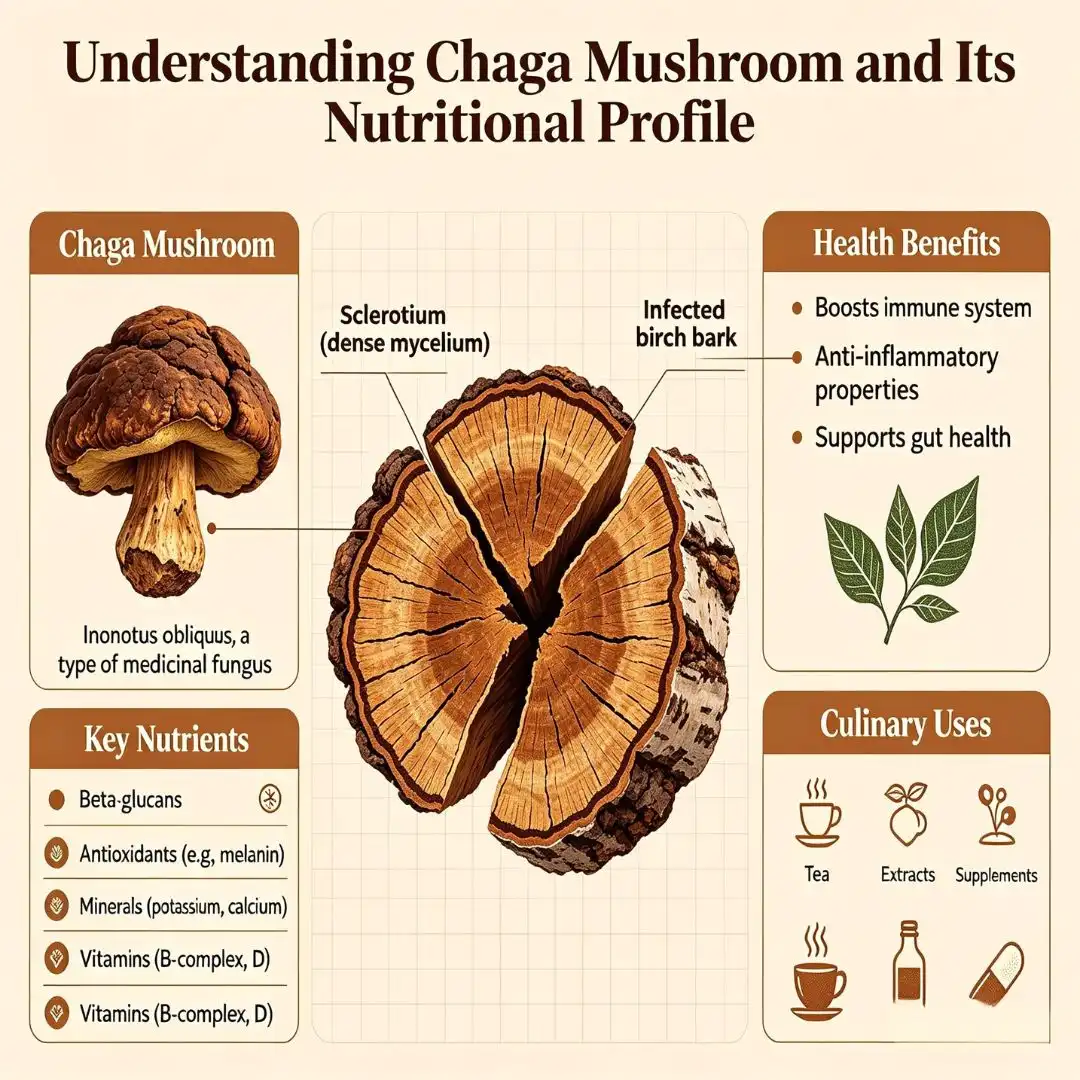
Understanding Chaga Mushroom and Its Nutritional Profile
Find out what Chaga mushrooms can do for you and how to get them.
You can find the chaga mushroom (Inonotus obliquus) on birch trees in Siberia, Alaska, Northern Canada, and some parts of Northern Europe. These places are cold and northern. The outside of this parasite fungus is dark and crusty, but it is full of chemicals that help living things. When you buy chaga, it's important to know the difference between chaga that was collected in the wild and chaga that was grown in a farm. This is because wild chaga has more of the substance betulinic acid from birch bark, which has been linked to many health benefits.
Wild vs. Cultivated Sourcing Considerations
For 10 to 20 years, wild chaga grows on living birch trees. It gets nutrients from the trees that improve the kinds of phytochemicals it has. Beta-glucans, antioxidants, and triterpenes can build up because the plant grows for a longer time. The supply is more steady and lasts longer when chaga is grown, but it often has lower amounts of some chemical markers. Procurement managers have to think about these differences when making heart products. They also have to consider the need for approval, the need for batch stability, and the fact that some customers like ingredients that come from wild sources.
Key Bioactive Compounds Supporting Heart Health
Many different kinds of compounds in chaga give it its nutritional value. These compounds have direct effects on heart health. The main part of the polysaccharide fraction is beta-(1,3)-(1,6)-D-glucans. These help the immune system work better and lower inflammation throughout the body, which is a major cause of atherosclerosis. Some triterpenes, like inotodiol and betulinic acid, help keep cholesterol levels in check by stopping the breakdown of fats. The melanin is a strong antioxidant that keeps artery vascular cells from getting hurt by free radicals.
The amounts of polysaccharides in standardized chaga extract are generally given as 10% to 40%. This helps the people who make medicines figure out the right doses for heart problems. They can be used by quality control teams to make sure that every batch is the same and that the label's claims about the amount of active ingredient are correct.
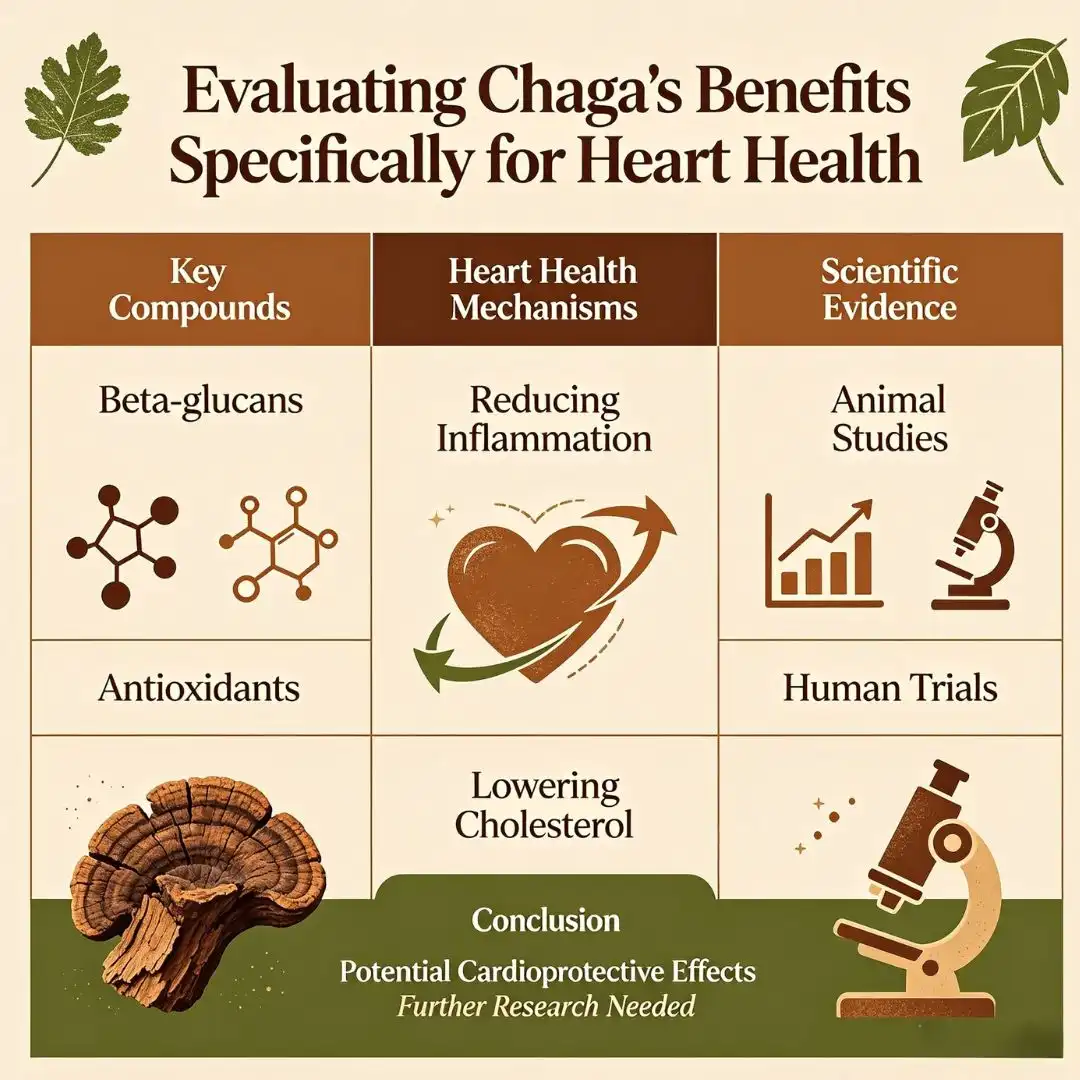
Evaluating Chaga's Benefits Specifically for Heart Health
Researchers who have looked into how chaga affects the heart have found that it has many good effects on living things. It was written in the journal Mycobiology that people who ate chaga products had a lot less LDL cholesterol. This was because triterpenes messed up the steps needed to make cholesterol. C-reactive protein levels seem to go down because carbohydrates start processes that reduce inflammation. This is a measure that is highly linked to the risk of heart disease. The use of chaga extract has been particularly noted for its role in reducing these harmful markers, making it a valuable natural supplement for heart health.
Cholesterol Management and Lipid Profile Optimization
A lot of different things happen to lipid metabolism when chaga is present. It has been shown that betulinic acid can stop HMG-CoA reductase from working. This is the same enzyme that statin drugs stop working, but not as strongly. A natural control like this one helps keep cholesterol levels in a healthy range and doesn't have the muscle-damaging side effects that drugs can have. Taking uniform mushroom products every day has been shown in lab tests to help raise HDL levels and lower the buildup of fats in liver tissues.
Blood Pressure Regulation Through Vascular Support
When you eat chaga, it has vitamins that protect the cells that line your blood arteries from oxidative stress. High blood pressure is often caused by this stress. These good chemicals help keep nitric oxide available, which helps blood vessels open up and move normally. Research shows that the polyphenolic part works directly to lower the activity of the angiotensin-converting enzyme. This means it can be used with changes to your living to help keep your blood pressure in check.
Comparing Cardiovascular Benefits with Other Adaptogenic Mushrooms
Ganoderma lucidum (Reishi) has been the most well-known heart-healthy mushroom product for a long time, but chaga is also very good for you because it has a lot of different triterpenes and antioxidants. Turkey tail (Trametes versicolor) is good for your immune system, but it doesn't have as many cholesterol-lowering triterpenes as chaga does. Cordyceps doesn't directly protect the heart; it's more interested in how energy is used and how well the body works. Chaga is unique, so companies can sell it as a special ingredient for heart health. They can also mix it with other heart-healthy mushrooms to make more complete mixes.
Safety Profile and Considerations for Heart Patients
Most of the time, chaga is safe, and it doesn't cause many side effects. Chaga may have mild effects on blood thinners, so people who take those drugs should be careful when they use it. If you have an autoimmune disease, you should talk to your doctor before taking supplements, as the immunomodulatory benefits may change how active your illness is. When you're looking for things to use in circulatory use, rules for quality control become very important. Products that are contaminated with heavy metals or don't meet the same extraction standards could be less safe and less efficient. Heart health goods need to be safe for sensitive uses, so suppliers must follow EU rules for PAH4 and keep benzopyrene amounts below 10 ppb.
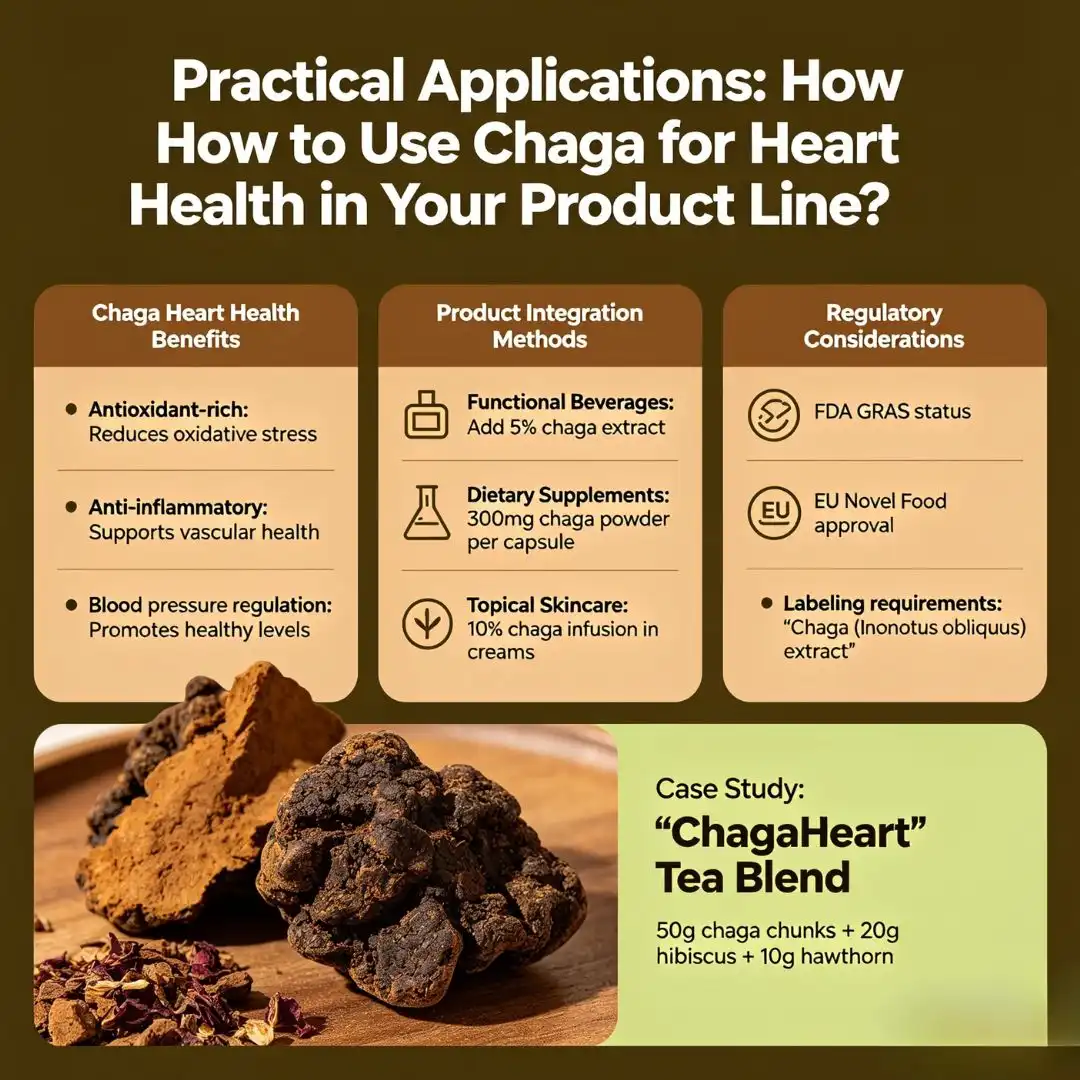
Practical Applications: How to Use Chaga for Heart Health in Your Product Line?
When you add chaga to heart-healthy products, you need to think carefully about how the structure, standards, and recipe fit together. It is possible for companies that make health supplements to pick from different extract amounts, and each one is better for certain uses.
Extract Formats and Their Manufacturing Advantages
Standardized powders of mushroom extract are the safest way to make a lot of mushrooms. Concentrates are made after hot water extraction and spray drying. These concentrates usually have a carbohydrate content of 20% to 40%, but this can be higher or lower depending on how they were processed.
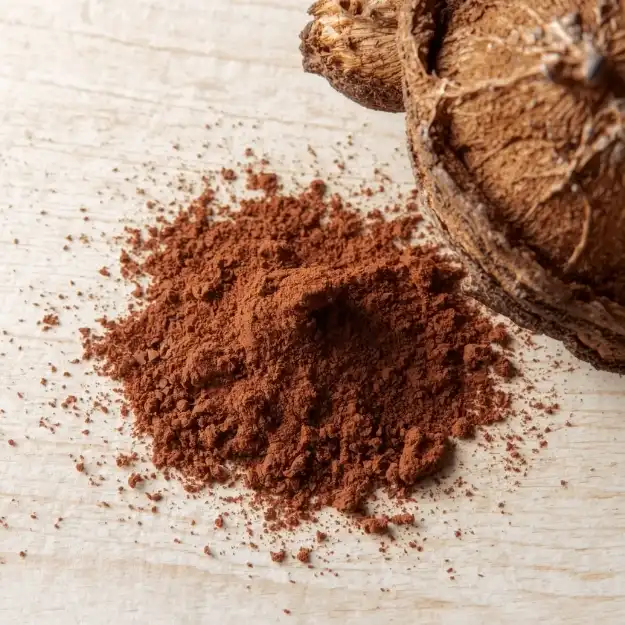
To get both water-soluble polysaccharides and alcohol-soluble triterpenes, you need to use two different extraction methods: one with water and one with ethanol. This will give you a full list of ingredients. The tough chitinous cell walls of raw chaga powder make it hard for gut enzymes to work. These concentrated forms get around that problem. Extracts that are good have the look of brown fine powder, which means they were handled properly. This keeps the melanin content while getting the particle size distribution needed for packaging or tableting.
Dosage Considerations and Formulation Strategies
Daily amounts of 500 mg to 2000 mg of a standardized chaga extract that has at least 20% polysaccharides have been shown to be good for the heart. Formulators have to pick fillers and containers for medicines that take into account the fact that polysaccharide-rich ingredients soak up water. Products for the heart work better when chaga is mixed with other ingredients that go well with it. Together with Coenzyme Q10, it fights free radicals and turns food into energy in the mitochondria of heart muscle. Adding omega-3 fatty acids to chaga lowers cholesterol and makes lipid control better generally. The blood vessels get even more help from hawthorn extract, which works with chaga's capillary defense systems.
Quality Specifications Critical for Cardiovascular Applications
When choosing providers, you should give the most weight to those who offer full testing paperwork. The lab tests at Eurofins make sure that the product doesn't have any heavy metals, pesticide residues, or bacteria that could make it less safe. In all foreign markets, laws require proof that the product is non-GMO, free of allergens, and has not been irradiated.
Since the shelf life is two years, it's easy to keep track of sources and keep the ingredients fixed. Storage rules that say containers must be closed and kept out of light keep carbohydrates intact and stop the reactive breakdown of triterpene parts that are sensitive. Minimum order amounts starting at 1 kg make it possible to start developing and trying new products and formulations. Stock levels between 50 kg and 100 kg make it possible to increase production numbers to commercial levels.
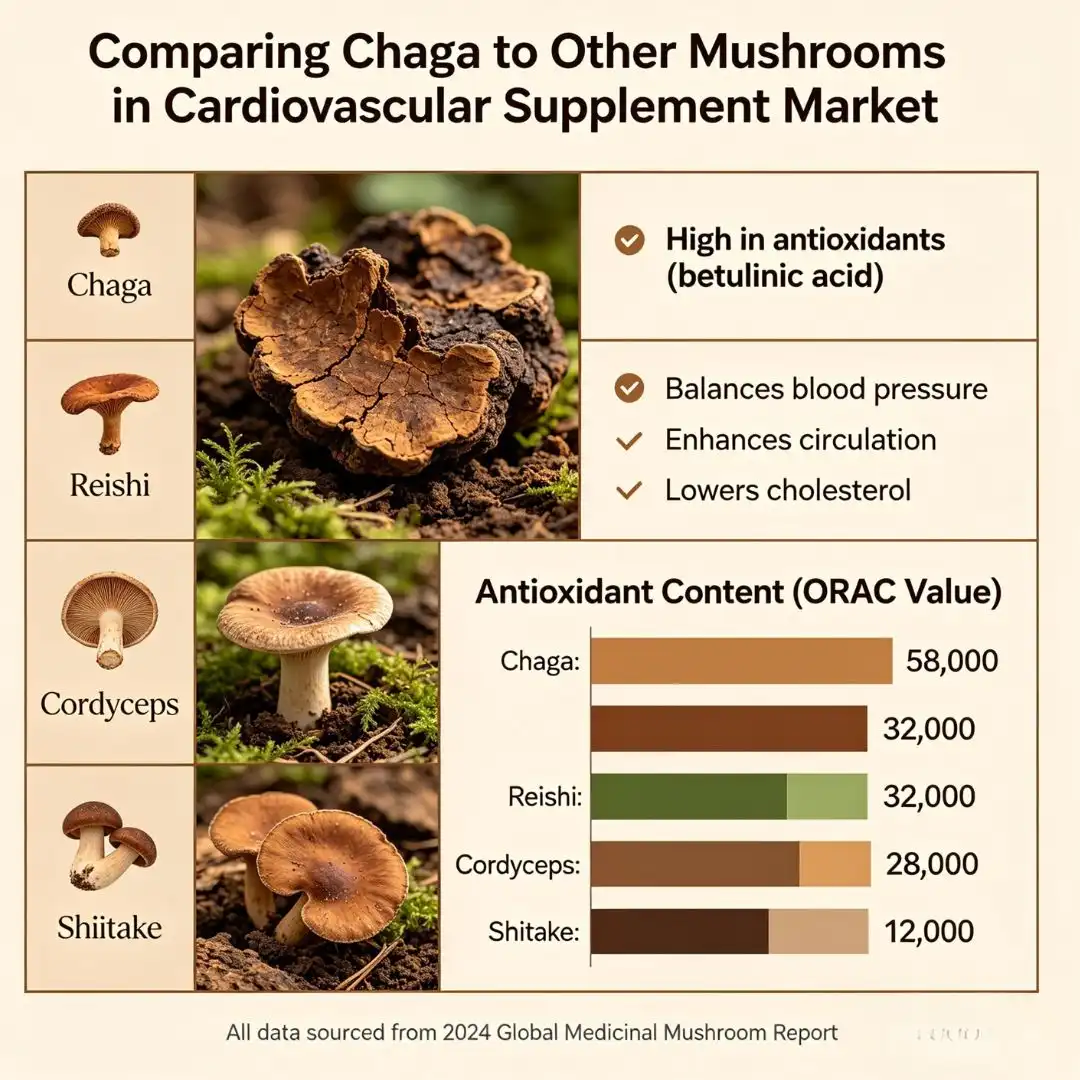
Comparing Chaga to Other Mushrooms in Cardiovascular Supplement Market
In the functional fungus group, there are a lot of different heart health products. Each one has its own chemical profile and place in the market. You can choose products that meet the needs of your target customers and your health goals if you know these differences.
Bioactive Compound Profiles Across Mushroom Species
The triterpene chemicals in reishi mushrooms are called ganoderic acids, and they work as ACE inhibitors to help the blood flow. The immune-boosting effects of the polysaccharide part of chaga are more important than the powerful antioxidant effects of its melanin-rich parts. There are protein-bound sugars in turkey tail that help the immune system, but they don't do much to protect the heart directly.
Adenosine and cordycepin are chemicals found in cordyceps that help cells use energy better and make it easier to work out. This makes it more of a nutrient that improves performance than one that protects the blood vessels. A lot of different triterpenes and vitamins are found in chaga, which makes it unique. It is very good at fighting oxidative stress and inflammation in arterial tissues because of this.
Market Positioning and Consumer Perception
People know that reishi is good for your health as an adaptogen. Its benefits for the heart are just one part of what it has to offer. This strong place in the market brings both opportunities and problems. Chewy chaga makes brands look for new ingredients stand out, while well-known reishi makes people more likely to believe it. As the number of people interested in useful foods and vitamins grows, it's good that chaga is one of them. Scientists who work on products can use information about chaga's unique processes to gain the trust of health-conscious customers who want to know how well chemicals work.
Complementary vs. Competitive Usage Strategies
Instead of seeing mushroom ingredients as fighting with each other, current formulas mix different species to make whole systems that help the heart. Chaga and reishi can help with worry and high blood pressure, and cordyceps can help the heart make more energy. All of these ingredients could be used together to make a smart mix. This method with many mushrooms is good for heart health in many ways, which makes it appealing to people who want to take supplements in a more full way. When procurement teams look at these kinds of recipes, they should make sure that the sellers can always get a variety of materials and match production batches so that the formula stays the same from one run to the next.
Procurement Guidance: Sourcing High-Quality Chaga for Bulk Purchase
You have to figure out difficult supply chains and check a lot of quality factors to get high-quality chaga extract that you can trust. Costs must be weighed against the needs for cleanliness, strength, and legal compliance that can't be changed.
Essential Certifications and Quality Verifications
If a company has ISO approval, it means they will use standard quality control methods during the whole production process. HACCP approval makes sure that rules about food safety are followed during production to keep the food from getting contaminated. Goods that are meant for certain groups of people can reach more customers with the help of Kosher and Halal certification.
You can be sure that the food you buy was grown or gathered without pesticides and in a way that doesn't hurt the earth if it has organic certification, even though it costs more. Sustainability standards are becoming more important as more people learn about the effects of gathering too much wild chaga on populations. The standards set by Europe for PAH4 and benzopyrene are very strict and go beyond many regional limits. This builds trust among formulators who want to sell their goods in other countries.
Evaluating Supplier Capabilities and Technical Support
When picking a provider, you should think about more than just high standards. It should also look at work skills and how to help people. When makers offer different extract ratios, such as 5:1, 10:1, or normal carbohydrate amounts from 10% to 40%, it's easier to fine-tune the formula. It's easier to handle the supply chain when brands can use their own logos and make packing arrangements that fit their needs thanks to OEM package features. Suppliers who keep 50 kg to 100 kg of ready-to-ship things show that they can make goods and are always available, which helps makers stick to their plans. Technical documents that describe in detail how to separate chemicals, what solvents are used, and how to measure active chemicals help R&D teams guess how ingredients will react in different formulations.
Pricing Dynamics and Cost-Quality Optimization
Chaga that has been picked in the wild costs more because it is harder to find, grows longer, and has more beneficial substances. Cultivated choices are less expensive and more constant from batch to batch, but they might need higher amounts of inclusion to have the same health benefits. Plans for buying things should not look at the prices of each item separately, but at how much the whole mixture costs. One example is that an extract that is more concentrated and needs fewer doses might be less expensive than other extracts that are less concentrated.
When you work with the same providers for a long time, you can often get discounts for buying in bulk and special treatment when stocks are low. You don't have to pay the markups that come from middlemen when you buy directly from a maker. You can also see how the goods you buy are found and checked for quality. You can compare prices on sites where you can buy and sell big goods, but you need to do more work to make sure the seller and product are real.
Regulatory Compliance and Traceability Requirements
Brands that care about being open and environmentally friendly should keep records of how their products got from the forest to the finished product. Documents called "chains of custody" show exactly where wild-harvesting took place. This makes sure that the rules that are meant to protect rare species and forests are followed. Some of the things that should be done during testing are identifying the sample using TLC or UV spectroscopy, counting the number of active markers, and looking for any kind of contamination.
Validation by a third-party lab, like a well-known testing center like Eurofins, is proof that the quality claims are true. Regulatory settings change based on the market that is being targeted. For instance, to follow FDA rules for sales in the U.S., you need different paperwork than to follow EU Novel Food rules or Health Canada natural product standards. When suppliers know how to comply with multiple markets, they make it easier for organizations that buy from them to follow the rules. They do this by saving paperwork packages that meet the needs of different states.
Conclusion
That being said, bioactive chemicals found in chaga extract help keep cholesterol levels in check, lower blood pressure, and keep cells from getting hurt. This makes it a great thing to use in heart-healthy goods. Because it has a unique mix of triterpenes and carbohydrates, the nutrient stands out in the functional mushroom field and gives formulators more ways to make different kinds of goods. It's important for providers to be able to provide high-quality products that meet tight standards for consistency and make sure that every batch works the same way. A person in charge of buying things should look for suppliers that offer full testing, regulatory compliance paperwork, and technical help during the whole process of making a product with chaga in it.
Partner with Yangge for Premium Chaga Extract Supply
Yangge Biotech is an expert in offering pharmaceutical-grade chaga extract that meets the strict needs of businesses that make supplements for heart health. Inonotus obliquus that we get from the wild goes through advanced dual-extraction processing that gives us consistent amounts of polysaccharides ranging from 10% to 40%, as well as triterpene content that we know for sure. Eurofins checks each batch very carefully to make sure it fits EU PAH4 standards, isn't GMO, and doesn't have any pesticide residue levels that are higher than what is allowed by international law.
Our ISO, HACCP, Kosher, and Halal standards are always up to date, which lets us serve people all over the world. Our expert team can help you come up with a recipe, give you specifics on the concentration, and find OEM packaging choices that are right for your line of cardiovascular products. There is a lot of stock on hand, and orders as small as 1 kg are welcome. This means that we can help with both small-scale product development projects and large-scale business production. Contact us or you can email our team at info@yanggebiotech.com to let us know what kind of chaga extract you need and to ask for samples to try out in different recipes.
FAQ
Q: Can we get some samples to test before purchasing?
A: Of course, we can provide free samples of 20 to 100 grams, but the shipping cost is at the customer's expense. The shipping cost can be deducted from the next order, or the samples can be sent through your courier account.
Q: Do your products have relevant certifications?
A: Yes, our products are certified for HALAL, ISO, HACCP, Kosher, and other certifications.
Q: What is the minimum order quantity (MOQ)?
A: Small batches of samples can be customized according to your requirements.
Q: Do you offer OEM and ODM services? Can the formula be customized based on our own?
A: Of course, we provide ODM and OEM services to many customers. Our product range includes softgels, capsules, tablets, sachets, granules, and private label services. Simply contact us and let us know your requirements. Our experienced R&D team can also develop new products with specific formulas.
Please contact us to design your own branded products.
Q: How do you handle quality complaints?
A: First, we have a comprehensive quality control SOP. We provide authoritative third-party inspection reports for almost all products before shipment to minimize the possibility of quality issues. Second, we have a comprehensive return and exchange procedure. If there is a genuine quality dispute, we will strictly follow the SOP.
Q: How do you ship? How long does delivery take?
A: For small orders, we typically use DHL, UPS, EMS, FedEx, or TNT. Delivery typically takes 3-7 days. We also offer air and sea freight services. We have a strong freight forwarding team and can provide you with a one-stop service, including DDP and DDU.
Q: What are your payment terms?
A: 100% prepayment, payable by T/T, Western Union, MoneyGram, or PayPal.
Q: What is the shelf life of your products?
A: 2 years with proper storage.
References
1. Glamočlija J, Ćirić A, Nikolić M, Fernandes Â, Barros L, Calhelha RC, Ferreira IC, Soković M, van Griensven LJ. Chemical characterization and biological activity of Chaga (Inonotus obliquus), a medicinal "mushroom". Journal of Ethnopharmacology. 2015;162:323-332.
2. Najafzadeh M, Reynolds PD, Baumgartner A, Jerwood D, Anderson D. Chaga mushroom extract inhibits oxidative DNA damage in lymphocytes of patients with inflammatory bowel disease. BioFactors. 2007;31(3-4):191-200.
3. Park YK, Lee HB, Jeon EJ, Jung HS, Kang MH. Chaga mushroom extract inhibits oxidative DNA damage in human lymphocytes as assessed by comet assay. BioFactors. 2004;21(1-4):109-112.
4. Géry A, Dubreule C, André V, Rioult JP, Bouchart V, Heutte N, Eldin de Pécoulas P, Krivomaz T, Garon D. Chaga (Inonotus obliquus), a future potential medicinal fungus in oncology? A chemical study and a comparison of the cytotoxicity against human lung adenocarcinoma cells (A549) and human bronchial epithelial cells (BEAS-2B). Integrative Cancer Therapies. 2018;17(3):832-843.
5. Hu Y, Teng C, Yu S, Wang X, Liang J, Bai X, Dong L, Song T, Yu M, Qu J. Inonotus obliquus polysaccharide regulates gut microbiota of chronic pancreatitis in mice. AMB Express. 2017;7(1):39.
6. Mishra SK, Kang JH, Kim DK, Oh SH, Kim MK. Orally administered aqueous extract of Inonotus obliquus ameliorates acute inflammation in dextran sulfate sodium (DSS)-induced colitis in mice. Journal of Ethnopharmacology. 2012;143(2):524-532.

Based on your location and order quantity, you will have the opportunity to receive a limited time free shipping promotion!
Who we are
Popular Blogs