Do I need to take fish oil if I take astaxanthin?
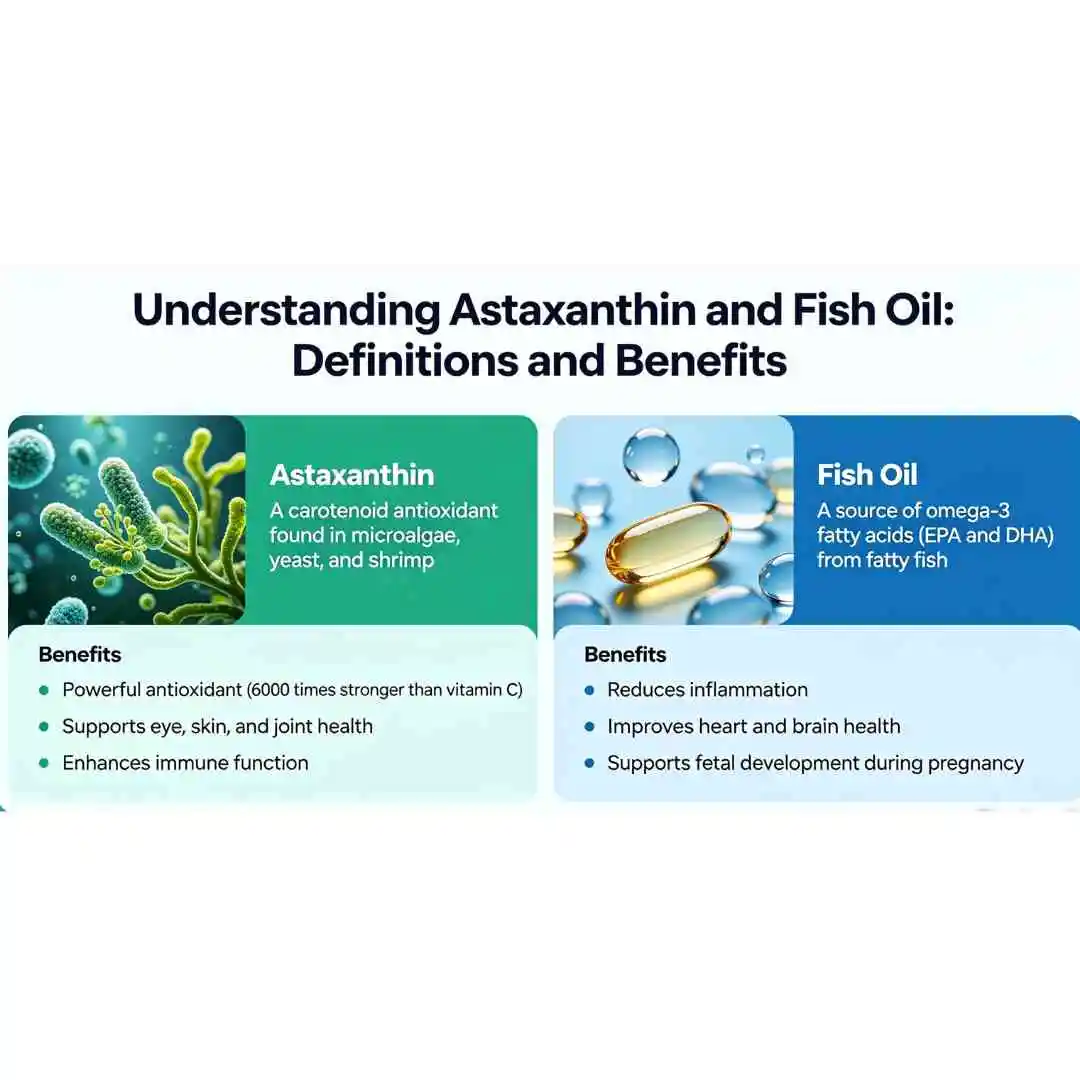
When making functional foods or dietary supplements, procurement managers often check to see if adding astaxanthin powder to fish oil helps or if astaxanthin powder alone is enough to make the food healthy. The short answer is that it depends on how you market your product and what the customer wants to achieve with their health. Astaxanthin powder is a strong antioxidant that helps protect cells from reactive stress and makes your skin, eyes, and heart healthier. Fish oil is the only thing that has EPA and DHA, two important omega-3 fatty acids. Astaxanthin powder does not have them. They both help with inflammation and heart health, but they do so in different ways at the molecular level. This means that you can choose between them depending on the circumstances and they don't contradict each other.
Understanding Astaxanthin and Fish Oil: Definitions and Benefits
What Is Astaxanthin Powder?
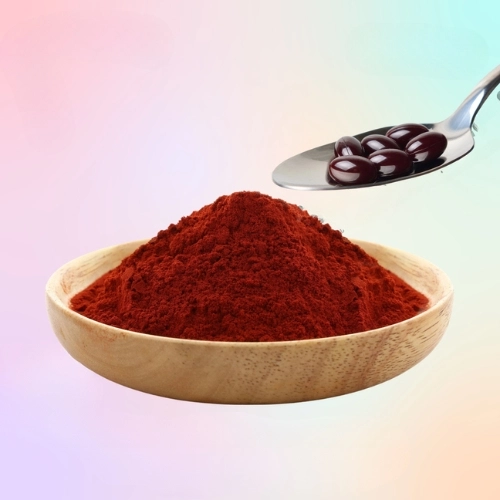
The form of this pigment that dissolves best and has the most power is astaxanthin powder, which is made from Haematococcus pluvialis. The astaxanthin powder standard from Yangge has a 10% concentration and comes in the form of a dark red powder. This powder was taken out using HPLC to make sure it was pure and solid. It comes from plants and is in the xanthophyll family. It is physically connected to lutein and beta-carotene. Testing in the lab showed that it was up to 6,000 times better than vitamin C at getting rid of free radicals. The form made from microalgae fixes problems in the business that synthetic choices caused. It meets the legal requirements in North America and Europe and is non-GMO and non-irradiated, so it's good for people who want clean labels.
Core Benefits of Astaxanthin
Astaxanthin powder is an antioxidant that works across membranes by lining up between the lipid bilayers of cells to lower reactive oxygen species. This happens whether the cells are rejecting or pulling water. It keeps skin from getting UV damage by reducing the swelling that UV light causes and making the skin better at keeping water. People who work out use astaxanthin powder to reduce the reaction stress that comes from working out and to speed up the mending process. Because it can get through the blood-retinal barrier, it is good for eye health. It makes the macula work better and lessens eye pain from computers. Because of its unique form, the molecule can stop singlet oxygen and get rid of free radicals at the same time. Not many antioxidants can do this.
What Is Fish Oil and Its Role?
There are omega-3 polyunsaturated fatty acids in fish oil extracts. The main ones are eicosapentaenoic acid (EPA) and docosahexaenoic acid (DHA). Fish that are high in fat, like anchovies, sardines, and mackerel, give these acids off. These important fatty acids help keep cell membranes together and are the building blocks of useful lipid molecules called protectins and resolvins. EPA is great for heart health because it lowers cholesterol and changes the processes that cause inflammation by stopping COX and LOX enzymes. DHA is mostly found in nerve tissue and helps the brain grow, think clearly, and keep the eyes healthy. Omega-3s, on the other hand, can't be made by the body; you have to eat them or take supplements.
Biochemical Mechanisms Compared
The biggest difference is how the minerals are now grouped. Astaxanthin powder is an antioxidant that keeps cells healthy. It doesn't directly help make energy or build cells. Cell walls and chemicals that help us talk to each other need fish oil to work. Omega-3s and astaxanthin powder can both lower inflammation, but they do so in various ways. Inflammation is caused by oxidative harm, which is stopped by astaxanthin powder. Omega-3s stop inflammation from happening in the first place. You can find these two chemicals in a lot of high-end formulas. They are often used together to treat oxidative stress and an important fatty acid shortage at the same time.
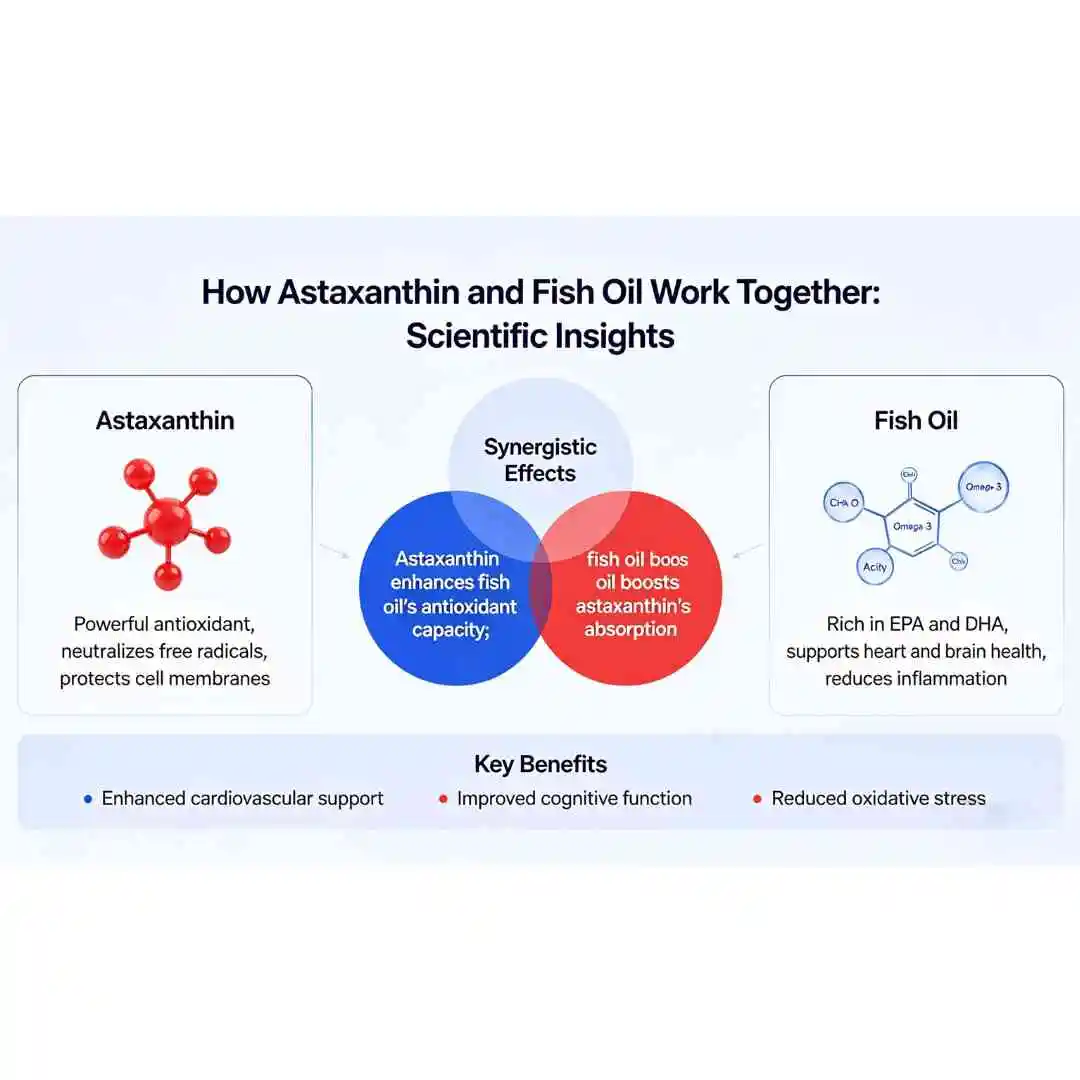
How Astaxanthin and Fish Oil Work Together: Scientific Insights?
Synergistic Oxidation Protection
Getting these things together is a great idea because they make things more stable. Polyunsaturated fatty acids in fish oil are easily oxidized when the oil is processed, stored, or digested. This makes the oil taste sour and lowers its nutritional value. Omega-3 molecules don't break down because of oxidation because astaxanthin powder is a strong antioxidant. This keeps the product strong and makes it last longer. Malondialdehyde is a measure of lipid breakdown, and adding astaxanthin powder to fish oil products drops its levels by a large amount. This was found in marine lipid studies. Companies that make omega-3 products no longer have to worry about quality control issues thanks to this relationship.
Dosage Recommendations for Product Formulation
Formulations for sports performance usually have between 8 and 12 mg of astaxanthin powder and 1 to 2 grams of EPA and DHA mixed together every day. A lot of exercise products that claim to be good for your heart and brain say they have 4-6 mg of astaxanthin powder and 500–1000 mg of omega-3s. For medical uses in inflammation situations while under medical care, higher limits may be needed. You can use these numbers to figure out the minimum order for OEM production and make sure that every batch meets the standards for regularity. Yangge's 10% astaxanthin powder standard lets you give the right amount—100 mg of powder gives you 10 mg of the active ingredient. This helps with planning and lowers the number of mistakes made during production.
Bioavailability Considerations
Being lipophilic means that they need to be given in a certain way in order to be fully taken. Using microencapsulation technologies on astaxanthin powder makes it easier for water to breakdown, but taking fats like fish oil naturally raises the amount that is taken in. Astaxanthin powder amounts in the blood were checked, and it was found to be 1.5 to 2 times more soluble when eaten with omega-3-rich foods than when eaten by itself. This metabolic benefit backs up mix goods from an efficiency point of view. Procurement teams should think about this absorption combination when they compare separate formulations to mixed formulations based on cost-per-serving.
Safety Profile and Regulatory Compliance
Both drugs are Generally Recognized as Safe (GRAS) in the US. This means that they are thought to be safe up to a certain point as set by clinical literature. Astaxanthin powder doesn't hurt people when taken in amounts up to 40 mg per day. Most of the worries about fish oil's safety come from tests for heavy metals, dioxins, and PCBs. These tests must be approved by a third party like the Global Organization for EPA and DHA Omega-3s. This need is met by Yangge's partnerships with Eurofins and SGS for batch retesting, which ensures steadiness from lot to lot. This is important for FDA additive rules and EU Novel Foods laws. The astaxanthin powder from Yangge is confirmed as non-GMO and non-allergen, which makes the process for some markets even easier.
Is Fish Oil Still Necessary If I Take Astaxanthin? A Decision Support Approach
Ev
aluatng Health Outcomes and Product Positioning
The bodily effects that are wanted are what matter for the necessity question. It fights oxidative stress very well, keeps eye cells safe, improves skin health, and speeds up recovery after exercise. Structured omega-3 fatty acids, on the other hand, are needed to keep retinal photoreceptors healthy and to make prostaglandins. astaxanthin powder might work well as the main ingredient in a skin care and vitamin product. Omega-3s are needed in goods that aim to lower the chance of heart disease, dementia, or poor nutrition during pregnancy, even if antioxidants are also present.
Cost-Efficiency Analysis for Procurement
The budget affects the formulation approach, especially in areas where prices are important. It costs more for high-quality astaxanthin powder than for standard fish oil, but you need a lot more of the powder. A 6 mg dose of astaxanthin powder from 10% powder (60 mg of raw material) can cost anywhere from $0.15 to $0.25. A 1 gram dose of omega-3 from fish oil concentrate can cost anywhere from $0.10 to $0.18. For each item that you make, the cost goes up, but you get more unique things that you can sell for more money. Procurement managers should find out how much their target market is ready to pay for options that use two ingredients instead of just one. This way, they can compare claims of effectiveness to real costs.
User Segmentation and Product Strategy
Blended foods are good for sports nutrition brands because astaxanthin powder helps the body heal and omega-3s lower inflammation, two things that can be stressful while training. Even if they also have antioxidants, all vitamins for older people that are good for brain health need DHA. According to beauty-from-within products, astaxanthin powder is good for your skin, but you might not need fish oil unless your skin problem is really bothersome. When used in the lab to treat metabolic syndrome or autoimmune diseases, therapeutic amounts of omega-3 are generally needed. Astaxanthin powder is added to help with this. Users can be profiled to find out if fish oil is still needed or if it's just a chance to make things better.
Practical Procurement Strategies
The groups that are in charge of getting things should think about three different ways to make them. Some people want to buy astaxanthin powder supplements by themselves because they don't contain any marine chemicals and are good for them. Vegetarians like these goods when they come from algae. Fish oil, which is easy to find and doesn't cost much, can help with an essential fatty acid deficiency. You can charge more for combination goods that make claims about how they work together and have clinical proof that they do protect against oxidation and make the drug more bioavailable. Methods for sourcing should find reliable sources for both materials so that formulas can be changed in response to what the market says and how the rules change.
Selecting Quality Astaxanthin Powder and Fish Oil Suppliers: Procurement Insights
Essential Certifications and Quality Markers
Checking the credentials of providers is the first step in quality protection. In order to get astaxanthin powder, you must first make sure that it is GMP-certified, follow ISO 22000 for food safety, and use HPLC to check its quality. Yangge has many certifications, including ISO, HACCP, Kosher, and Halal. These help them meet the needs of many clients, from health food stores in North America to drug companies in the Middle East. Fish oil sellers need to be GOED certified, USP verified, or have a similar third-party test that proves the omega-3 amount and contaminant limits. Five stars, which mean the oil is the cleanest, is how the International Fish Oil Standards (IFOS) rate its quality.
Bulk Purchasing Dynamics
When you're planning how to buy things, minimum order amounts are very important. Yangge's astaxanthin powder minimum of 1 kg makes it possible to develop new products and make small batches. This is helpful for R&D teams that need to test recipes before they are made bigger. With a stock range of 50–100 kg, medium-sized production runs that don't need long lead times can get what they need right away. Filtering fish oil costs a lot, so the minimum order size is usually between 100 and 500 kg. Lead times change based on how hard the request is. For standard 10% astaxanthin powder, it ships one to three days after payment is accepted. However, delays may happen for special concentrations or mixes. When sending a lot of different ingredients at once to meet production plans, it's very important to coordinate procedures.
Organic Versus Synthetic Sourcing
Astaxanthin powder that comes from Haematococcus pluvialis is more expensive than astaxanthin powder that is made from petrochemicals, but it is better for your body and looks better on the label. Yangge's plant source is in line with what people want in natural materials, especially for organic lines of goods. You have to pick the type of fish (wild-caught vs. farmed) and use molecular distillation to get rid of impurities and boost omega-3s before you can get fish oil. As people care more about the environment, eco-friendly labels like Friend of the Sea or MSC (Marine Stewardship Council) become more important when choosing what to buy.
Building Supplier Relationships
When you work with skilled sellers for a long time, you get advantages over the competition that go beyond price. Yangge offers customization services that make production more efficient and cut down on time to market. These services include adding astaxanthin powder with other ingredients that work well together, changing specs, and making branded packages. By giving Certificate of Analysis (CoA) forms, options for third-party lab retesting, and technical help for extraction methods, rules are followed and formulation issues are solved. There are rules about how to talk to the sales and R&D teams at providers' places. These rules help solve problems quickly and keep an eye on quality all the time.
Practical Applications and Case Studies: Successful Integration of Astaxanthin and Fish Oil
Sports Nutrition Formulations
Companies that make popular sports supplements have successfully put out goods that have 8 mg of astaxanthin powder and 1.5 grams of omega-3s. These items are made to help endurance players heal more quickly. Studies that looked at exercise-induced oxidative stress found that taking a mix of vitamins instead of just omega-3s led to a 23% drop in malondialdehyde levels after a run. Tests of time to tiredness were 14% better for trained riders who used the mix for four weeks. Marketers are right when they say that high prices lead to more sales. These facts prove it. When procurement teams buy ingredients for sports nutrition lines, they should look for sources that offer both ingredients and organized partnerships that make it easier to keep track of supplies.
General Wellness Product Lines
Omega-3 softgels with 4-6 mg of astaxanthin powder have been added by mass-market wellness brands that care about heart health and healthy aging to make them stand out in a market that is already very competitive. Adding vitamins makes people less worried about fish oil going bad, and they also make the anti-inflammatory benefits better. A study of the market shows that people are 18% more willing to pay for goods that come in pairs and teach you how they work together to make things better. OEM manufacturers can use Yangge's technical know-how to improve capsule recipes when they work with ingredient sources like Yangge. This can help with stability problems and make sure that the products last as long as they say they will without using too many preservatives.
OEM and Private Label Opportunities
Contract manufacturers are being asked by private label clients to come up with new recipes that make their goods stand out from generic ones more and more. Adding astaxanthin powder to fish oil can make it more valuable, and the production line doesn't have to be changed much—standard softgel equipment can handle both ingredients as long as the temperature is kept at the right level. The approval process is still easy. In the US, DSHEA says that both ingredients are dietary, so they need to be labeled the same way as other vitamins and don't need to be told about any new dietary ingredients. A rule in Europe called Novel Foods law EC 258/97 makes astaxanthin powder legal. It has been used properly in the past. People who work in procurement should make sure that the seller has the right paperwork to sell to the places they want to. This includes comments about allergens and GMOs.
Regional Compliance Considerations
In North America, it's very important to get tests done by a third party and follow FDA Good Manufacturing Practices. States are also making the rules tighter. For example, California's Proposition 65 sets limits on heavy metals. When Yangge makes things with more than one ingredient, their non-irradiation and non-GMO marks meet the requirements of both the USDA and Canada. EC rules say that goods sold in Europe need to have batch-specific COAs that show how much heavy metals, chemical leftovers, and microbes are present. Labeling rules are easier to follow in different places when companies offer customizable packaging. This makes it easier for brands that do business all over the world to keep track of their goods.
Conclusion
Does astaxanthin powder still need to be mixed with fish oil? That depends on the product's goals, the needs of its customers, and the health benefits that are sought. Astaxanthin powder is a great vitamin that helps your face, eyes, and body recover from exercise. Fats called omega-3s are very important for the health of your heart, brain, and inflammation. It keeps fish oil from going bad, and astaxanthin powder helps it do that. Both of these ingredients support pathways that work with each other. This lets a product stand out. Business people in charge of buying things need to think about how much each one costs, how it divides users into groups, and what their providers can do before they choose one. The best way to stay ahead in the fast-paced global markets is to work with skilled ingredient sources that offer pure materials, full certifications, and easy customization.
FAQ
Q: Can we get some samples to test before purchasing?
A: Of course, we can provide free samples of 20 to 100 grams, but the shipping cost is at the customer's expense. The shipping cost can be deducted from the next order, or the samples can be sent through your courier account.
Q: Do your products have relevant certifications?
A: Yes, our products are certified for HALAL, ISO, HACCP, Kosher, and other certifications.
Q: What is the minimum order quantity (MOQ)?
A: Small batches of samples can be customized according to your requirements.
Q: Do you offer OEM and ODM services? Can the formula be customized based on our own?
A: Of course, we provide ODM and OEM services to many customers. Our product range includes softgels, capsules, tablets, sachets, granules, and private label services. Simply contact us and let us know your requirements. Our experienced R&D team can also develop new products with specific formulas.
Please contact us to design your own branded products.
Q: How do you handle quality complaints?
A: First, we have a comprehensive quality control SOP. We provide authoritative third-party inspection reports for almost all products before shipment to minimize the possibility of quality issues. Second, we have a comprehensive return and exchange procedure. If there is a genuine quality dispute, we will strictly follow the SOP.
Q: How do you ship? How long does delivery take?
A: For small orders, we typically use DHL, UPS, EMS, FedEx, or TNT. Delivery typically takes 3-7 days. We also offer air and sea freight services. We have a strong freight forwarding team and can provide you with a one-stop service, including DDP and DDU.
Q: What are your payment terms?
A: 100% prepayment, payable by T/T, Western Union, MoneyGram, or PayPal.
Q: What is the shelf life of your products?
A: 2 years with proper storage.
.
Partner with Yangge for Premium Astaxanthin Powder Supply
Yangge Biotech makes the purest astaxanthin powder from Haematococcus pluvialis. Their 10% of astaxanthin powder is non-GMO and not sterilized. Our GMP-certified plant always has 50–100 kg of stock on hand, so we can quickly meet routine orders. Lead times are between one and three days. Along with Eurofins and SGS, we do third-party batch retesting and provide legal paperwork to help with following the rules in the EU, the FDA, and other markets.
A customization service can help you make things faster by changing the specs, creating unique packaging, and mixing the ingredients. We are a trustworthy company that offers astaxanthin powder and has ISO 22000, HACCP, Kosher, and Halal certifications. We help OEM partners and private label makers make supplement recipes that compete in the market. You can email our technical team at info@yanggebiotech.com to get samples, talk about bulk prices for your production needs, or look into co-development options that use our research and development (R&D) and long-term partnerships for buying.
References
1. Ambati RR, Phang SM, Ravi S, Aswathanarayana RG. Astaxanthin: sources, extraction, stability, biological activities and its commercial applications—a review. Marine Drugs. 2014;12(1):128-152.
2. Barros MP, Poppe SC, Bondan EF. Neuroprotective properties of the marine carotenoid astaxanthin and omega-3 fatty acids, and perspectives for the natural combination of both in krill oil. Nutrients. 2014;6(3):1293-1317.
3. Calder PC. Omega-3 fatty acids and inflammatory processes: from molecules to man. Biochemical Society Transactions. 2017;45(5):1105-1115.
4. Fassett RG, Coombes JS. Astaxanthin in cardiovascular health and disease. Molecules. 2012;17(2):2030-2048.
5. Iwamoto T, Hosoda K, Hirano R, Kurata K, Matsumoto A, Miki W, Kamiyama M, Itakura H, Yamamoto S, Kondo K. Inhibition of low-density lipoprotein oxidation by astaxanthin. Journal of Atherosclerosis and Thrombosis. 2000;7(4):216-222.
6. Mozaffarian D, Wu JH. Omega-3 fatty acids and cardiovascular disease: effects on risk factors, molecular pathways, and clinical events. Journal of the American College of Cardiology. 2011;58(20):2047-2067.

Based on your location and order quantity, you will have the opportunity to receive a limited time free shipping promotion!
Who we are
Popular Blogs