Is Blue Spirulina better than artificial blue colors?
When comparing phycocyanin-rich natural colorants to synthetic alternatives, the answer leans decisively toward natural options for procurement directors seeking clean-label solutions. Blue spirulina, extracted from Arthrospira platensis, delivers a vivid cyan hue while offering antioxidant benefits and meeting Halal, Kosher, and organic certifications critical for distributors serving health-conscious markets. Unlike FD&C Blue No. 1, which faces regulatory scrutiny and consumer rejection, phycocyanin provides both color and functional nutrition, positioning it as the preferred choice for forward-thinking food and beverage manufacturers.
Contact us or get in touch with our technical team at info@yanggebiotech.com to talk about how we can match your specifications, offer discounts for large orders, and create custom solutions that will help you stand out in the markets for high-end natural ingredients.
Understanding Blue Spirulina and Artificial Blue Colors
There is a debate between natural and synthetic colorants because they come from different places, are made of different things, and are seen differently by the market. Blue Spirulina is a pure extract of phycocyanin, which is the blue pigment-protein complex that is taken from spirulina algae. This process of extraction gets rid of the fishy smell and green chlorophyll that are normally found in whole spirulina powder. What's left is a highly colored, water-soluble ingredient that can be used in high-end products.
What Makes Blue Spirulina Unique?
The technology used to extract phycocyanin has changed a lot over the years. Modern companies like Yangge Biotech use HPLC (High-Performance Liquid Chromatography) to get exact color values like E10, E18, and E25, which each represent a different concentration of phycocyanin. E18 is the most common specification. It has a protein content of 60% to 70% and about 25% phycocyanin. By standardizing things, quality managers can correctly guess how intense the color will be during formulation trials.
You can't say enough good things about how well it dissolves in water. Phycocyanin dissolves quickly in water, unlike oil-based colorants that need to be emulsified. This makes it easier to make drinks, sweets, and dairy products. This feature makes production simpler and cuts down on the amount of cleaning that needs to be done on equipment, which is important for mid-sized producers who make more than one product line.
Synthetic Blue Dyes: Industry Standards Under Pressure
Brilliant Blue FCF (Blue No. 1) and Indigotine (Blue No. 2) are the most popular man-made colors because they are cheap and have a very strong tint. These dyes come from petroleum and keep their color even when heated or processed at different pH levels. Because they have been around for a long time and have governmental approvals for decades, they are the go-to companies for candy, frozen treats, and mass-market drinks.
Things are changing with regulations, though. Multinational brands have had to change their recipes because of European Union rules that say goods with synthetic dyes must have warning signs. Even though there is mixed scientific evidence, consumer advocacy groups are linking artificial colorants to hyperactivity in kids more and more. This risk to how people see the product leads buying managers to look for natural options that don't have labeling problems and fit with "free-from" product positioning strategies.
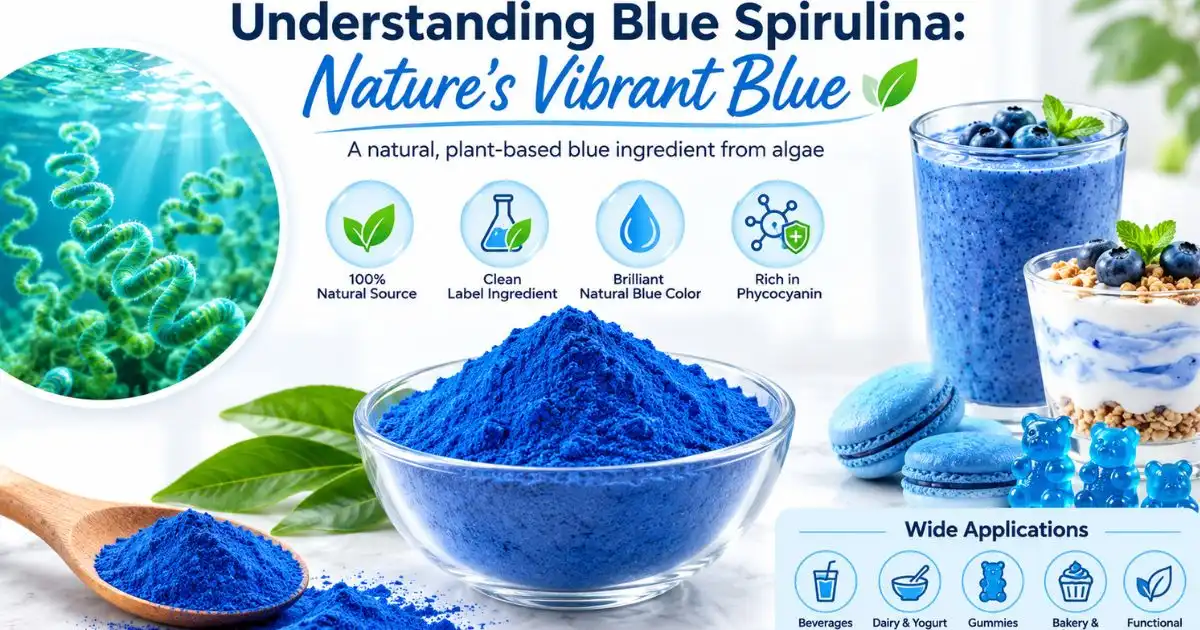
Health and Safety Comparison Blue Spirulina vs Artificial Blue Colors
Phycocyanin's Biological Activity Profile
Clinical research shows that phycocyanin can reduce inflammation by selectively blocking COX-2. This works in a way that is similar to non-steroidal anti-inflammatory drugs but doesn't have any negative effects on the digestive system. Studies in nutrition journals show that doses between 500 mg and 2g daily can change the immune system. These doses cause natural killer cells to become more active. For companies that make dietary supplements, these two benefits color and bioactivity make for compelling marketing stories that justify high prices.
Using ORAC (Oxygen Radical Absorbance Capacity) ways to measure antioxidant capacity shows that phycocyanin is better at neutralizing free radicals than manmade antioxidants like BHT. This trait naturally extends the shelf life of a product and adds to the health benefits of the ingredient. This property is used by cosmetic formulators to make anti-aging serums and UV-protective skin care lines, where Blue Spirulina serves both cosmetic and functional purposes.
Synthetic Dye Safety Concerns in Procurement Context
An ADI (Acceptable Daily Intake) of 6 mg per kilogram of body weight has been set by the Joint FAO/WHO Expert Committee on Food Additives for Brilliant Blue FCF. Toxicological tests show low immediate toxicity, but people who are allergic to aspirin or have asthma can have hypersensitivity reactions. This means that allergen information has to be put on the packaging, which makes it harder for distributors who serve multiple markets with different labeling rules to keep track of their paperwork.
Changes in the purity of synthetic dyes from batch to batch hide risks. When exposed over and over, unapproved subsidiary dyes from manufacturing impurities can build up. Testing by a third party for heavy metal contamination, mostly lead and arsenic, raises the cost of quality control. When distributors compare COA (Certificate of Analysis) documents from artificial dye suppliers to those from certified organic phycocyanin sources, they usually find that the latter's testing protocols are more thorough, covering things like allergen cross-contamination, pesticide residues, and microbial limits.
Certification Advantages for Market Access
Kosher and Halal licenses are must-haves for companies that want to sell to people in the Middle East. Blue Spirulina, which comes from algae, is naturally plant-based and pareve, which makes the approval process easier for rabbis. On the other hand, synthetic dyes may use processing aids that come from animals during purification, which needs a lot of paperwork to make sure it's legal. When distributors work with food manufacturers in Saudi Arabia and the UAE that have to follow strict religious diet rules, this certification gap has a direct effect on their profit margins.
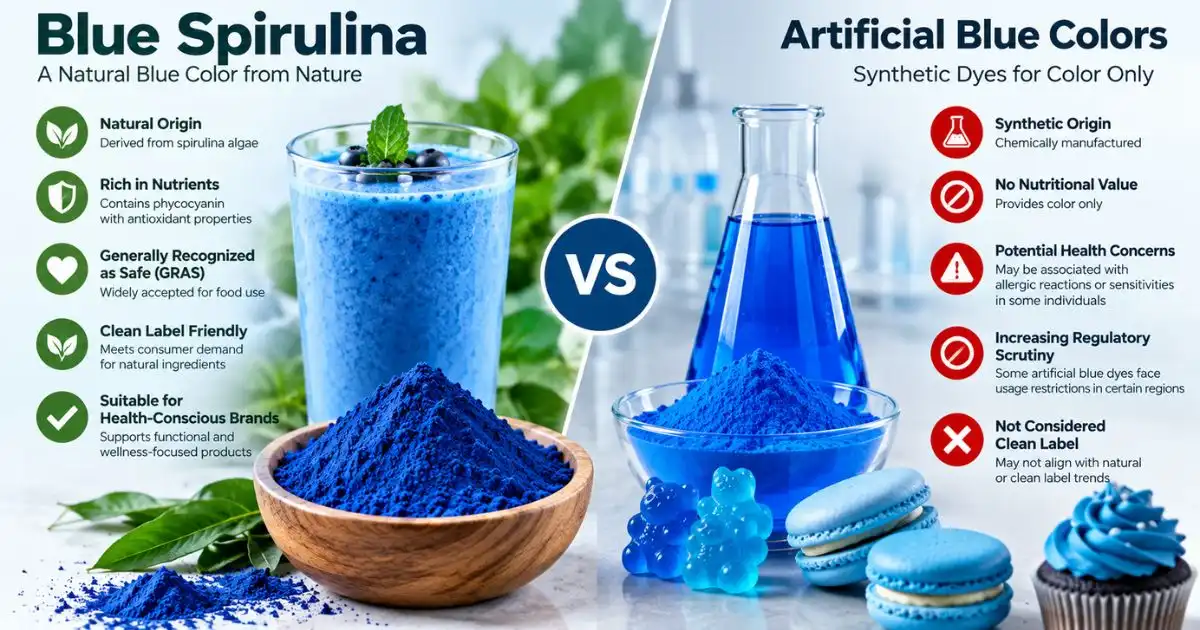
Functional and Application Advantages of Blue Spirulina Over Artificial Colors
Color Performance Across Product Categories
| Product Application | Blue Spirulina (E18) | Brilliant Blue FCF | Key Differentiator |
|---|---|---|---|
| Protein Shakes | A stable pH of 6-7, it adds 15g of protein to every 100g of ingredient | Stable between 3 and 9 pH, no feeding | Clean-label appeal for fitness crowd |
| Gummy Confections | Heat-resistant up to 70°C; needs citric acid to buffer | It can handle heat up to 180°C and any amount of acid | A 20–30% price premium is reasonable for natural positioning |
| Ice Cream | Very stable when frozen and thawed, sensitive to light | Better resistance to UV light | Needs clear packaging but lets "superfood" claims be made |
| Instant Drink Mixes | Dissolves right away, no settling | Superior tinctorial strength and instant breakdown | Nutritional dual-function cuts down on ingredient count |
Yangge Biotech's E25 specification has the highest concentration of phycocyanin that is currently available. This lets formulators make bright turquoise colors with lower dosage rates. Compared to E10 versions, this lowers the cost-in-use while having the least possible effect on taste profiles. Manufacturers of drinks say that doses of 0.02% to 0.05% are enough for sports drinks, but 0.08 to 0.15% are needed for lower-grade phycocyanin tablets.
Overcoming Technical Limitations Through Formulation Science
Light sensitivity is still phycocyanin's biggest technical problem. The chromophore breaks down in UV light, which changes the color from cyan to yellow-green within weeks when lit in a store. When combined with amber glass or UV-blocking PET packaging, encapsulation technologies like liposomal delivery systems and alginate beads can extend the shelf life to 18 months. Quality-conscious suppliers give procurement teams important data for figuring out the total cost of ownership, like stability testing data across temperature and light exposure variables.
To avoid pH problems, you need to choose your buffers carefully. Phycocyanin is most stable between pH 5.5 and 7.0. Below pH 4, it breaks down quickly. Products that are fairly acidic, like yogurt and soft drinks, need citric acid-phosphate buffer devices to keep the color. When using malic acid or tartaric acid in candy, higher dosage rates are needed to make up for faster color loss. This is something to think about when planning ingredient costs during product development.
Sustainability Credentials Driving Procurement Decisions
Spirulina can be grown in open raceway ponds or closed-loop photobioreactors. All it needs is sunlight, CO2, and nutrient media. Corporate environmental officers who keep track of Scope 3 emissions like this low-impact production approach. Phycocyanin production produces 60% less carbon emissions than manufactured dyes made from petroleum, when extraction, purification, and shipping are all taken into account.
Metrics for water use help to further separate natural options. In ideal conditions, spirulina biomass doubles every two to five days, and it can produce ten times more protein per hectare than soy farming. This use of resources efficiently fits with the ESG (Environmental, Social, and Governance) reporting standards that big investors are pushing for more and more. When bringing on new suppliers, distributors that serve European markets find sustainability paperwork just as important as food safety certificates.
Procurement Considerations for B2B Clients: Choosing Between Blue Spirulina and Artificial Colors
Things that business-to-business clients should think about when buying: picking between Blue Spirulina and artificial colors.
Evaluating Supplier Credibility and Supply Chain Reliability
Yangge Biotech keeps 1-ton stocks of products that meet the specifications for E10, E18, and E25. This meets the concerns that distributors often have about supply continuity. This level of stock means that 25–50 kg trial orders can be filled right away, without having to wait for production lead times. This speeds up the process of qualifying suppliers. When you compare this to custom synthesis processes, which need 8–12 weeks to make batches of phycocyanin, which delays product launches and uses up working capital.
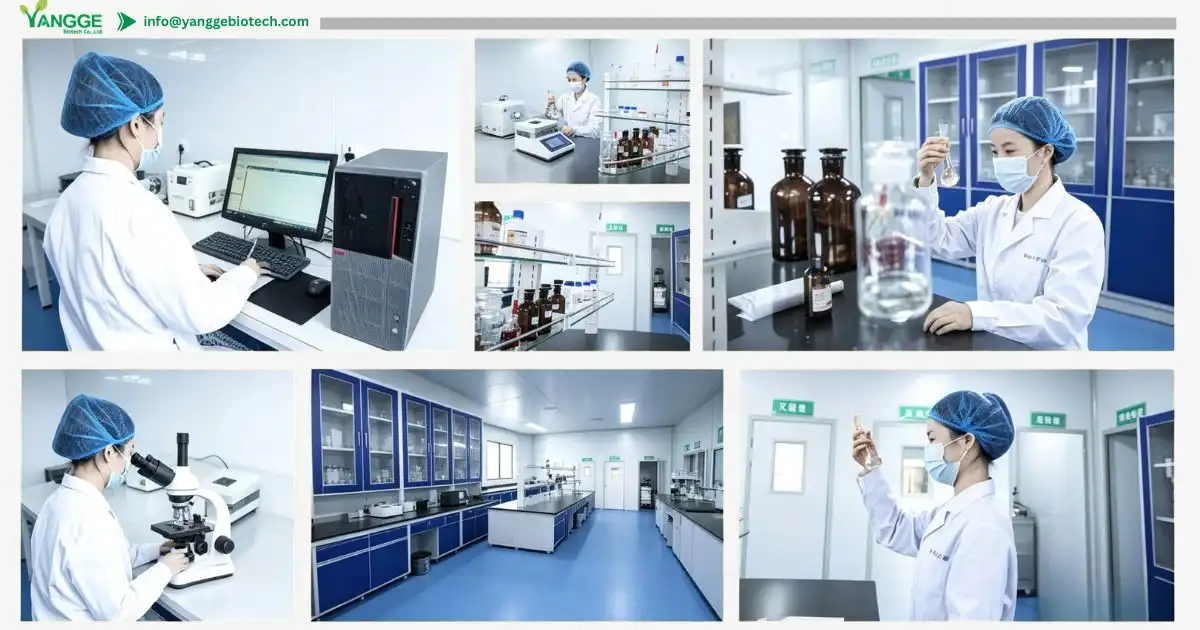
Professional suppliers can be told apart from commodity brokers by how complete and high-quality their documentation is. Every package should come with a full MSDS (Material Safety Data Sheet), a COA report with testing results specific to the batch, and an allergy statement. Yangge's HPLC extraction method makes sure that the amount of phycocyanin stays the same between batches, with variations of less than 2%. This is very important for color matching in branded product lines, where customers expect exact looks.
Pricing Dynamics and Margin Analysis
| Cost Factor | Blue Spirulina (E18) | Synthetic Blue No. 1 |
|---|---|---|
| Raw Material (per kg) | $180 to $280 FOB | $15 to $25 FOB |
| Minimum Order Quantity | 25 kg | 100 kg |
| Dosage Rate (gummies) | 0.3% to 5% | 0.02% to 0.05% |
| Cost-In-Use (per kg finished product) | $0.54 to $1.40 | $0.003 to $0.01 |
| Achievable Retail Premium | 25–40% | Beginning |
Phycocyanin seems to have much higher raw material prices, but the possible sale premium makes it worth the investment for brands that want to sell in health food stores, organic stores, and online. When distributors sell natural colorants to high-end customers who are willing to pay more for the ingredients, their profit margins are higher than when they sell cheap synthetic dyes, where price competition hurts their profits.
Total landed costs are greatly affected by volume contract models. Yangge offers tiered pricing, with discounts of 10–15% on quarterly framework deals for orders over 500 kg. This makes it easier for suppliers to work with distributors on how they handle their inventory. As part of these agreements, established partners can choose to consign goods, which lowers the need for working capital and ensures just-in-time availability during busy production times.
Regulatory Compliance Documentation Requirements
The fact that phycocyanin is GRAS (Generally Recognized As Safe) makes it easier for U.S. importers who use it in food uses to follow FDA rules. The ingredient has been used for a long time in Japanese and European markets, which gives regulators a safety net that new synthetic dyes don't have. When you import mucilages and thickeners made from algae, which are classified under HS Code 1302.32, the process is easier than when you import manmade colorants, which need more toxicity paperwork in some places.
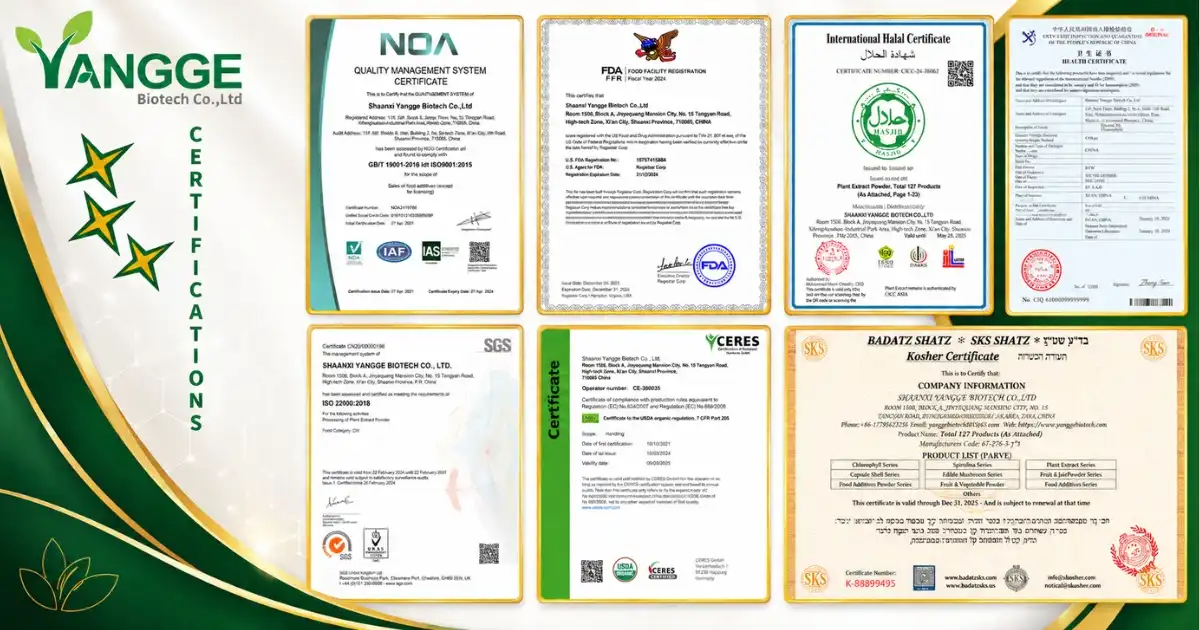
Kosher certification from a recognized organization, like OU, OK Kosher, or Star-K, is very helpful for distributors who work with a wide range of customers from both religious and nonreligious Jewish groups. Yangge's USP-grade label means that it meets the standards set by the United States Pharmacopeia monograph. This meets the needs of nutraceutical makers who need pharmaceutical-grade raw materials for 21 CFR Part 111-regulated dietary supplement uses.
Making the Right Choice: Is Blue Spirulina the Preferred Natural Alternative?
A guide for procurement managers to make decisions to choose between phycocyanin and synthetic dyes, you need to make sure that the properties of the ingredients match the brand's positioning, its target audience, and its distribution channels. Even though they cost more, natural colorants are necessary for high-end brands that care about clean labels, clear sourcing, and nutritional density. Mass-market goods that compete mainly on price may be able to use synthetic dyes if the risks are still doable for the people in that group.
Risk-Benefit Assessment Matrix:
• Low Color Stability Needs (shelf life <6 months, refrigerated): Blue Spirulina gives you the most options with the least amount of work.
• High-Temperature Processing (>85°C for long periods of time): Synthetic dyes work better; only use phycocyanin for cold-process applications.
• Halal/Kosher Certification Is Required: Phycocyanin simplifies certification and speeds up time-to-market.
• Extreme pH Environments (pH 8): Synthetic options keep the color better unless buffering systems can be used.
• Sustainability Reporting Required: Natural alternatives directly help with ESG metrics and corporate responsibility goals.
Product Innovation Opportunities Through Natural Colorants
Yangge Biotech can do more than just offer bulk powder. They can also make finished products like superfood mixes, pressed tablets, veggie capsules, and pectin-based gummies. Because of this vertical integration, distributors can test ideas in the market without having to spend a lot of money on manufacturing infrastructure. Private label programs with minimum order quantities (MOQs) starting at 5,000 units make it easier for new brands to get started and test the product-market fit before going big.
When you mix phycocyanin with other superfoods that work well together, like spirulina, chlorella, wheatgrass, or acai, you can make marketing stories that are more convincing. These bundled goods have higher profit margins than single-ingredient ones, and they make it easier for wholesalers who carry a wide range of superfoods to keep track of their stock. Through white-label arrangements and co-branding opportunities, established distributors can use Yangge's manufacturing skills while protecting their own brand equity.
Conclusion
When you look at phycocyanin next to artificial blue colorants, you can see that we are moving toward natural alternatives. This is because people want them, the government wants them, and we need to be environmentally friendly. In common uses, synthetic colors are still cheaper, but Blue Spirulina is the best choice for distributors and makers who want to reach high-end customers because it has a unique mix of bright color, nutritional value, and clean label appeal.
Technical issues with pH and light stability can be dealt with by using the right mixture science and packing methods. Yangge Biotech's detailed specifications, which include E10, E18, and E25 color values, along with their certified quality standards and reliable inventory depth, address the most important issues in purchasing: batch consistency and supply continuity. These are the things that determine long-term supplier partnerships.
FAQ
Can blue spirulina completely replace synthetic blue dyes in all applications?
Phycocyanin can be used instead of fake blues in about 70–80% of food and drink uses. This is especially true in cases where the pH is neutral, the processing temperature is mild, and the packing is opaque or UV-protective. Products that need to be very stable at high temperatures, like citrus sodas or baked goods that go over 180°C, may still benefit from synthetic alternatives or need special encapsulation technologies to keep the color safe. In this context, Blue Spirulina represents a versatile but technically specific alternative.
What certifications should I verify when qualifying a phycocyanin supplier?
Set as minimum standards ISO 22000 (for food safety management), HACCP (for risk analysis), and organic certifications (USDA Organic, EU Organic). Kosher and Halal certifications are necessary for distributors who want to sell to religious groups or Middle Eastern markets. A USP grade label means that the vitamin meets pharmaceutical quality standards. To make sure the quality is complete, ask for proof that heavy metals, microbial contamination, and allergen cross-contact were tested by a third party.
How does color value specification (E10, E18, E25) affect my procurement decision?
The e-value tells you how pure the phycocyanin is and how strong the tincture is. E18 is the standard specification for the industry because it strikes a good balance between cost and performance for most uses. Even though it costs more per kilogram, E25 gives the strongest color, which means less of it is needed and possibly lower cost-in-use. E10 works well in low-cost formulas or situations where a light blue tint is enough. To get the best cost-performance ratios for certain product lines, procurement chiefs should ask for color trials across all specs.
Partner With a Trusted Blue Spirulina Supplier
With E10, E18, and E25 phycocyanin standards and Kosher and USP-grade certifications, Yangge Biotech is ready to help you switch to natural blue colorants. Our 1-ton standing inventory means that sample orders starting at 25 kg can be filled right away, removing the supply continuity risks that procurement directors worry about. As a Blue Spirulina manufacturer with a lot of experience, we offer full documentation packages that include COA, MSDS, and allergen statements. We also offer flexible packaging options that range from 1 kg aluminum foil pouches to 25 kg fiber drums.
Our OEM/ODM services include finished superfood blends, capsules, tablets, and gummies. This lets distributors release unique products without having to make big investments in manufacturing. Contact us or get in touch with our technical team at info@yanggebiotech.com to talk about how we can match your specifications, offer discounts for large orders, and create custom solutions that will help you stand out in the markets for high-end natural ingredients.
References
1. Chakdar, H., & Pabbi, S. (2017). Cyanobacterial phycobilins: Production, purification, and regulation. Journal of Applied Phycology, 29(6), 3021-3032.
2. Romay, C., González, R., Ledón, N., Remirez, D., & Rimbau, V. (2003). C-phycocyanin: A biliprotein with antioxidant, anti-inflammatory and neuroprotective effects. Current Protein and Peptide Science, 4(3), 207-216.
3. Batista, A. P., Niccolai, A., Fradinho, P., Fragoso, S., Bursic, I., Rodolfi, L., ... & Tredici, M. R. (2017). Microalgae biomass as an alternative ingredient in cookies: Sensory, physical and chemical properties, antioxidant activity and in vitro digestibility. Algal Research, 26, 161-171.
4. Sigurdsson, S., & Tilgar, V. (2014). Natural food colorants: Chemical and technological aspects. Annual Review of Food Science and Technology, 5, 463-490.
5. McCann, D., Barrett, A., Cooper, A., Crumpler, D., Dalen, L., Grimshaw, K., ... & Stevenson, J. (2007). Food additives and hyperactive behaviour in 3-year-old and 8/9-year-old children in the community. The Lancet, 370(9598), 1560-1567.
6. Eriksen, N. T. (2008). Production of phycocyanin—a pigment with applications in biology, biotechnology, foods and medicine. Applied Microbiology and Biotechnology, 80(1), 1-14.

Based on your location and order quantity, you will have the opportunity to receive a limited time free shipping promotion!
Who we are
Popular Blogs