What Purity Grades Are Available for Alpha-GPC Powder?
Alpha-GPC Powder from Yangge Biotech is a high-purity, highly bioavailable choline ingredient used in nootropic supplements, sports nutrition, functional foods, and cognitive health formulations. Available in 50% and 99% purity, it supports manufacturers seeking consistent quality and reliable performance.
Contact us or you can talk to our sourcing specialists at info@yanggebiotech.com about your needs, ask for samples with full analytical paperwork, or get detailed quotes that are based on the amount you need.
Alpha-GPC powder has become an essential raw material for brands developing cognitive enhancers and sports nutrition products. As a procurement professional navigating this growing market, you've likely encountered suppliers offering varying purity specification ranging from 50% to 99% each claiming superiority.
The reality is that purity grade selection directly influences your product's efficacy, regulatory compliance, manufacturing efficiency, and ultimately, your brand's reputation. Understanding which purity grade aligns with your formulation goals isn't just a technical consideration; it's a strategic business decision that affects your entire supply chain, from R&D through to market launch.
Understanding Alpha-GPC Powder Purity Grades
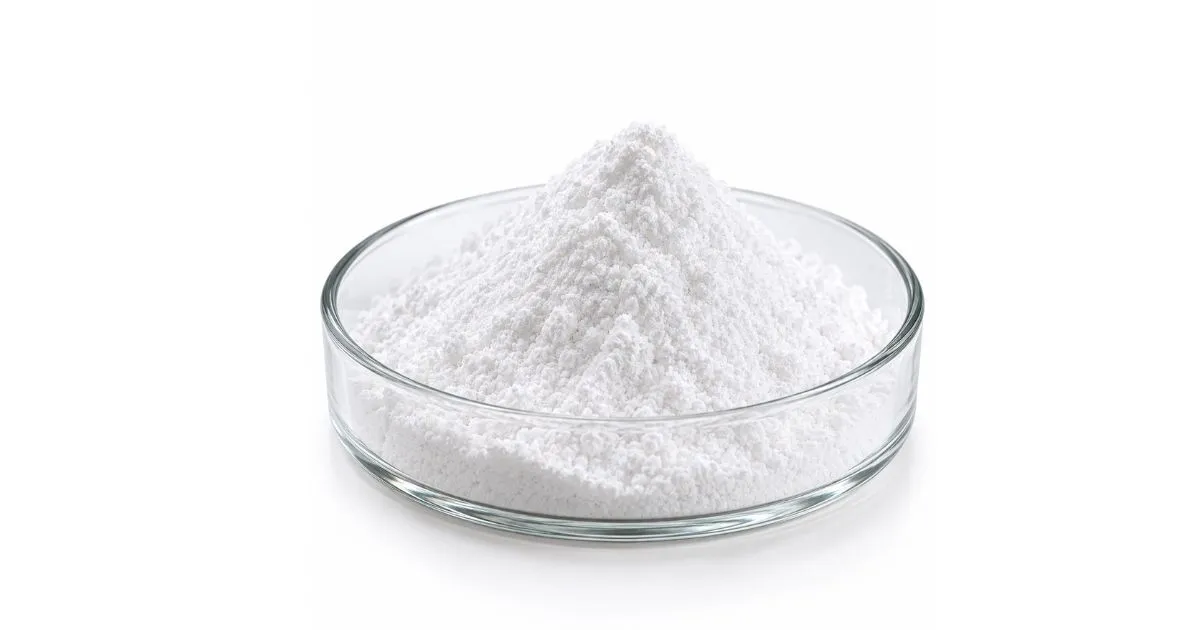
There are three main purity grades on the market, and each one is designed for a different manufacturing environment and end-use application. Pharmaceutical-grade Alpha-GPC is ≥99% pure thanks to advanced chromatographic purification. This means it can be used in clinical research and high-end nootropic formulations where getting the most cognitive benefit is very important. This grade is a fine white to pale yellow powder that needs to be stored in a certain way because it is very sensitive to moisture.
Nutraceutical-grade material, which is usually between 95% and 98.5% pure, is a good mix between effectiveness and cost-effectiveness. This is the range of specifications that most sports nutrition brands and cognitive supplement makers work within. The slightly lower purity doesn't change the benefits for people taking standard doses (300–600 mg daily), but it does make the price more competitive in retail markets.
The 50% Alpha-GPC specification is a new idea that solves a major problem in the industry. This grade doesn't mean the quality is lower; it has 50% active Alpha-GPC mixed with pharmaceutical-grade carriers like silicon dioxide or microcrystalline cellulose. The new matrix gets rid of the deliquescence problem, which happens when pure Alpha-GPC absorbs water from the air and turns into a gel that can't be used. Automated encapsulation equipment in factories really likes this stable format because it keeps the flow qualities the same throughout production runs, which cuts down on waste and downtime.
Hygroscopicity and Manufacturing Implications
Because Pure Alpha-GPC is hygroscopic, it can be hard to use in production settings. If the powder is exposed to humidity levels above 40% RH, it can clump or melt within hours, which can damage the batch. Environmental controls, desiccant packing, and quick processing processes must be put in place at facilities that handle 99% of the material. Many R&D leaders don't find out about this until they get their first bulk package, which causes delays in reformulating and costs they didn't expect to pay for in climate-controlled storage.
These problems are taken care of by the 50% stable grade. Suppliers deliver a free-flowing powder that can handle normal warehouse conditions by encapsulating the active ingredient in an inert carrier matrix during production. This is why experienced contract makers often suggest the 50% standard for brands that are starting their first line of cognitive or pre-workout products.
Chemical Source Considerations
Through enzymatic deacylation, Alpha-GPC can be produced synthetically or extracted from natural lecithin. Soy lecithin is still the most common source, but choices made from sunflowers answer customer worries about GMO ingredients. Ask suppliers for source documents and non-GMO certifications if your target market includes health-conscious Californians or European Union retailers that focus on organic products. The way the oil is extracted doesn't have a big effect on the level of purity, but it does change allergen claims and marketing positioning.
Criteria and Standards Defining Alpha-GPC Purity
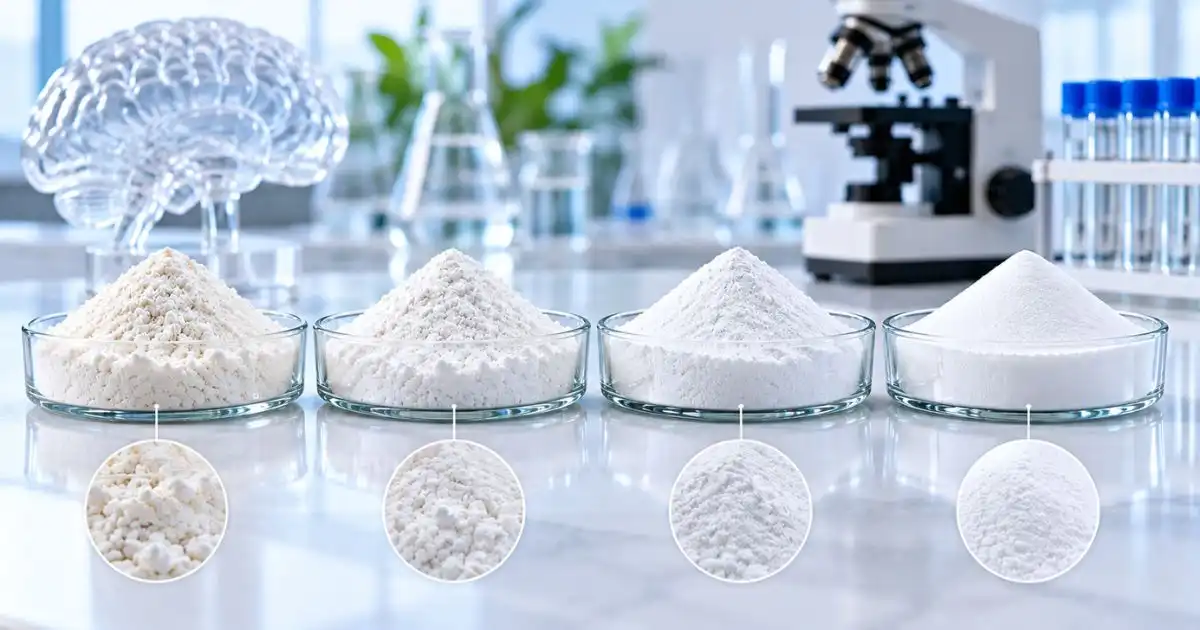
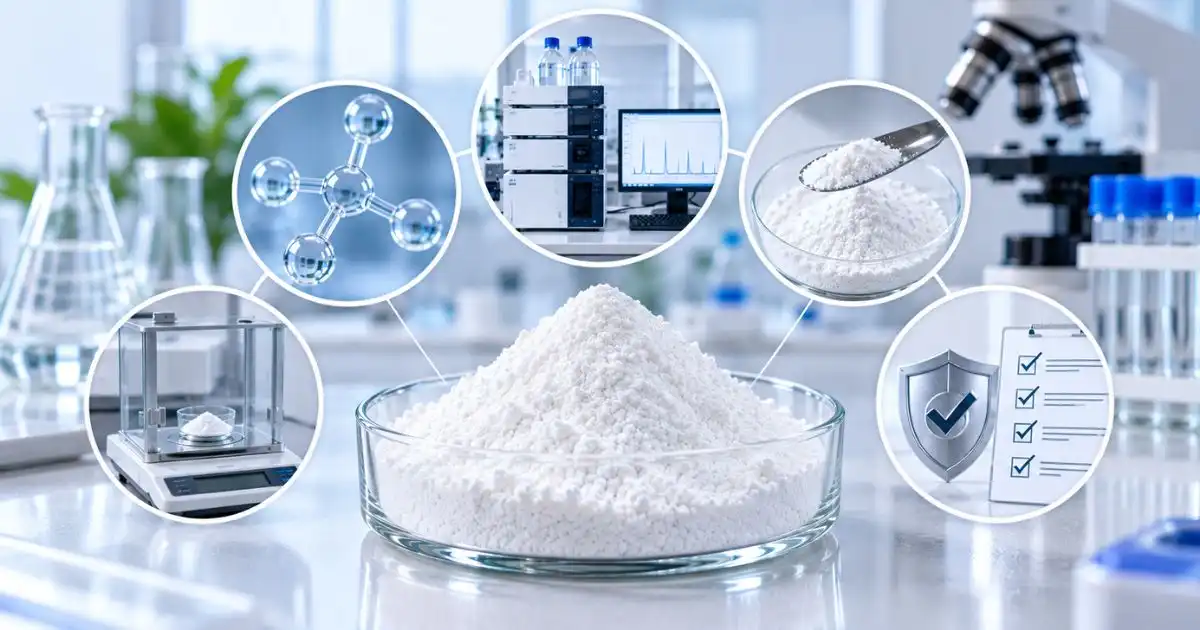
Quality control goes far beyond the purity percentage that is usually talked about. A lot of different factors are used in comprehensive testing methods to see if a raw material meets standards for pharmaceuticals, food, or industry. Instead of just looking at price, procurement managers should use these standards to judge suppliers.
| Quality Parameter | Testing Method | Pharmaceutical Grade | Nutraceutical Grade | Purpose |
|---|---|---|---|---|
| Assay (Purity) | HPLC-ELSD | ≥99.0% | 95.0-98.5% | Confirms active ingredient concentration |
| Heavy Metals (Pb) | ICP-MS | ≤1 ppm | ≤3 ppm | Ensures safety compliance with USP standards |
| Residual Solvents (Ethanol) | GC-FID | ≤500 ppm | ≤1000 ppm | Verifies solvent removal per ICH Q3C guidelines |
| Moisture Content | Karl Fischer | ≤2.0% | ≤3.0% | Predicts shelf stability and flow properties |
| Microbial Load (TPC) | USP <2021> | ≤100 CFU/g | ≤1000 CFU/g | Prevents contamination in finished products |
The best way to measure Alpha-GPC is with High-Performance Liquid Chromatography (HPLC) and Evaporative Light Scattering Detection (ELSD). This method of analysis separates the target compound from impurities, giving precise readings of purity. Check that your supplier uses HPLC instead of less accurate titration methods when looking at their Certificates of Analysis (CoA). Reputable makers also use independent labs to do third-party verification. Yangge Biotech does the same thing by forming agreements with testing facilities that are known all over the world.
With Inductively Coupled Plasma Mass Spectrometry (ICP-MS), heavy metal profile is used to look for mercury, lead, cadmium, and arsenic. European rules have stricter limits than US rules, so it's important to make sure that your supplier's heavy metal protocols are compatible with the most stringent requirements of your target market. The PAH4 compliance (Polycyclic Aromatic Hydrocarbons) and Benzopyrene limits below 10 ppb make sure that the material meets EU Novel Food regulations. This is especially important for brands that sell through retailers in Germany, France, or the UK.
Certifications That Matter
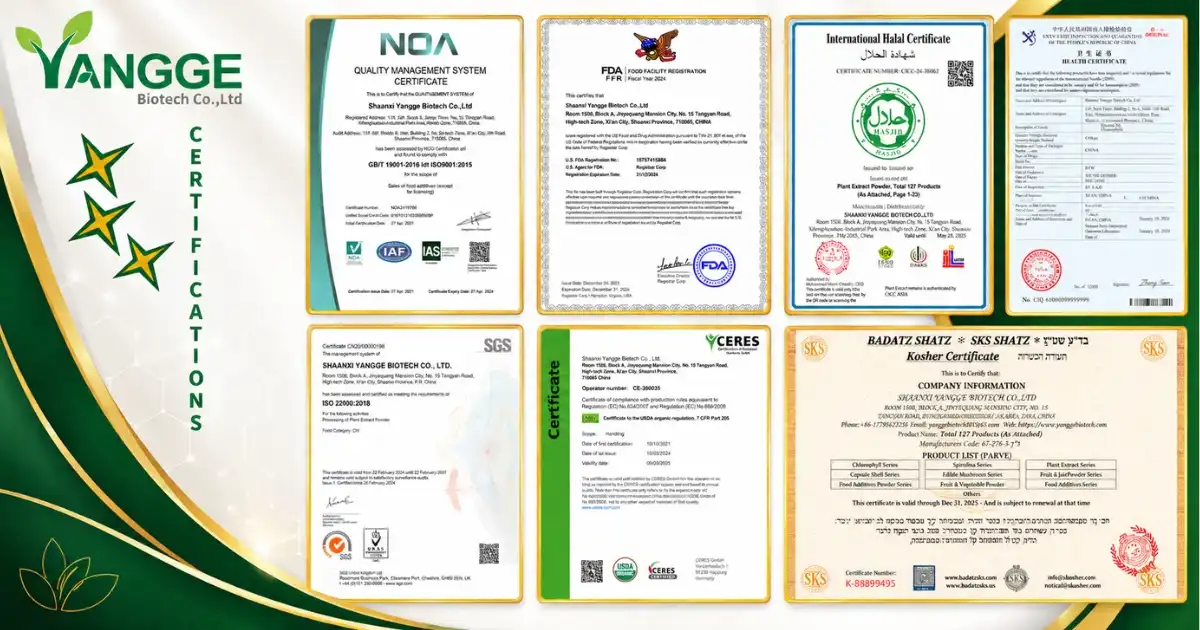
In addition to analytical testing, manufacturing certifications show that a supplier can be trusted. cGMP (current Good Manufacturing Practice) approval shows that factories use quality systems that are accepted by the FDA. If your brand is going after the sports nutrition market, look for suppliers with NSF International or Informed-Sport certifications.
These include screening for banned substances. Kosher and Halal certifications help businesses reach new customers in certain groups, while ISO 22000 or HACCP certifications focus on food safety management systems. These credentials aren't just marketing gimmicks; they demonstrate operational standards that have been checked and proven to lower the risk in your supply chain.
How Purity Grades Affect Alpha-GPC Performance in Different Applications
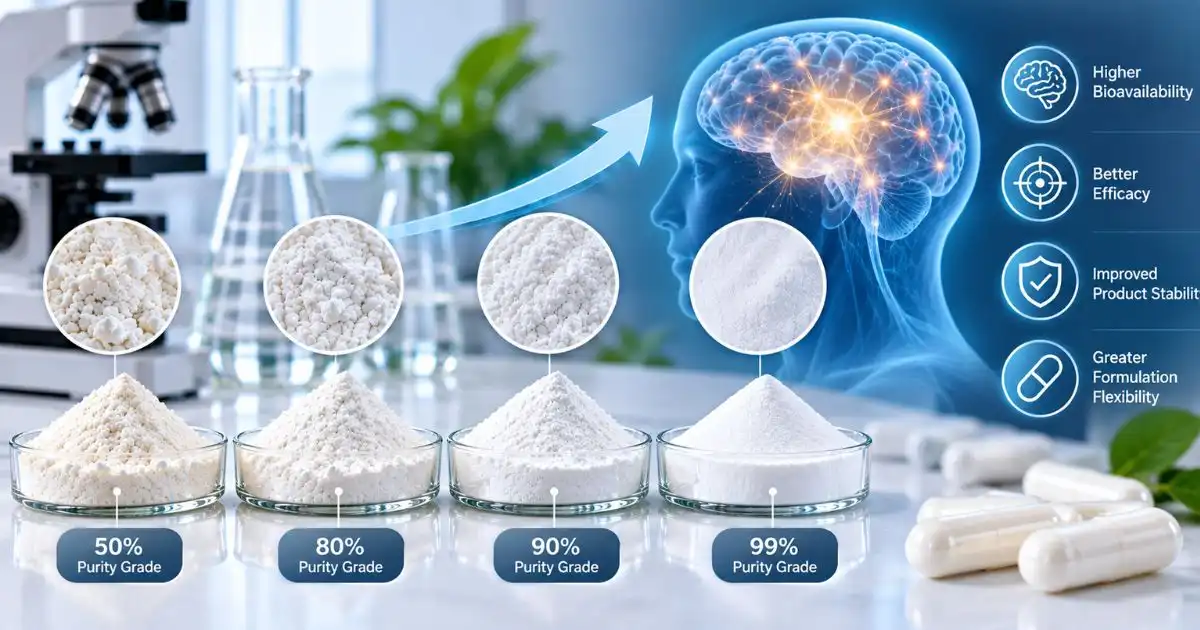
When you look at certain types of products, the practical link between purity grade and application performance becomes clear. Choosing the right standard will make sure that your recipe gives the expected benefits while still meeting your cost and manufacturing feasibility goals.
Cognitive Enhancement and Nootropic Supplements
Premium nootropic brands that are aimed at biohackers and professionals who want to be more productive usually say that the ingredients are 99% pharmaceutical-grade. At doses of 300 to 600 mg per serve, this level of purity provides the highest amount of acetylcholine production, which helps with memory consolidation and attention span.
Most of the cognitive benefits seen in clinical studies came from high-purity Alpha-GPC. This means that marketing claims and product positioning can be based on this specification. Even though Onnit and Qualia are competitors, their pharmaceutical-grade formulas set the standard for quality that all other serious nootropic brands should try to reach.
The more expensive raw materials (about 15–25% more than the 95% grade) are worth it when you're selling to smart people who read supplement facts panels carefully. These buyers actively compare the Alpha-GPC content of different brands and know that purity standards are a sign of quality.
Sports Nutrition and Pre-Workout Formulas
Alpha-GPC has become popular in sports nutrition because it improves the connection between the mind and muscles during resistance training and also causes the production of growth hormone. A study in the Journal of the International Society of Sports Nutrition showed that taking 600 mg of Alpha-GPC supplements raised peak force production and power output during explosive movements.
Most types of sports nutrition that use 50% stabilized Alpha-GPC in powder and capsule form do so effectively. At the usual dose (600–1200 mg of the 50% material, which gives 300–600 mg of active compound), the carrier matrix doesn't affect absorption or effectiveness. The stable format is especially useful for pre-workout powders that contain hygroscopic ingredients like citrulline malate or beta-alanine. The silicon dioxide carrier keeps the powder from sticking during storage, which extends the shelf life of the product and keeps the scoop consistency.
When making RTD drinks or liquid shots, 99% material is better at mixing and being clear. The compound is easily dissolved in water with a pH range of 4 to 7. This means it can be used in flavored drinks for gamers or professionals who want easy cognitive support.
OEM Manufacturing Considerations
Contract manufacturers have clear preferences based on the capabilities of their equipment. Facilities that use high-speed automatic capsule fillers (that make more than 100,000 units per shift) strongly prefer grades that are 50% stable. There are fewer machine adjustments, cleanings, and rejections because the flow features are constant. One medium-sized contract maker said that moving from pure to stabilized Alpha-GPC in a cognitive support formulation made them 12% more efficient.
On the other hand, small-batch craft brands or compounding shops often like 99% material, even though it can be hard to work with. It is worth adding extra process controls so that precise dosing and mixing with other pharmaceutical-grade nootropics (like CDP-Choline or Lion's Mane extract) are possible.
| Application Category | Recommended Purity | Typical Dosage | Key Performance Factors | Market Positioning |
|---|---|---|---|---|
| Premium Nootropics | 99% | 300-600mg | Maximum efficacy, clinical validation | High-end, research-backed |
| Sports Nutrition | 50% stabilized | 600-1200mg (300-600mg active) | Manufacturing reliability, cost efficiency | Mainstream, performance-focused |
| RTD Beverages | 99% | 200-400mg | Solubility, clarity, taste neutrality | Convenience, functional drinks |
| Clinical Research | 99% | Variable | Pharmaceutical purity, batch consistency | Medical/research applications |
| Budget Cognitive Blends | 95-98% | 300-500mg | Balance of efficacy and affordability | Value-conscious consumers |
How to Choose the Right Purity Grade for Your Procurement Needs
The first step in strategic sourcing is to figure out where your product fits in the market, what rules apply to that market, and how it can be made. A structured evaluation framework helps purchasing professionals find the best suppliers while keeping quality needs and budget limits in mind.
First, make a plan of your governing environment. Brands that only sell in the US can use the FDA's "Generally Recognized As Safe" (GRAS) rating for Alpha-GPC and the DSHEA standards for dietary supplements. Novel Food rules and country-specific supplement registration rules make European distribution more difficult. Some EU markets need pre-market permission, which makes the quality of the supplier's paperwork very important. Your Alpha-GPC supplier should give you full regulatory support files, which should include safety data sheets, allergen statements, and compliance paperwork that is specific to your region.
Evaluating Supplier Credentials
Check the supplier's expert help skills in addition to certifications. Can they give formulation advice on how to deal with materials that absorb water? Do they keep enough supplies to support your goals to grow? Yangge Biotech has 5 tons of ready-to-ship inventory in both 50% and 99% standards. This makes it easy for brands to quickly meet unexpected demand spikes, which can happen when a product goes viral on social media or gets support from important people.
Before agreeing to large sales, ask for samples that come with full CoA paperwork. Send these samples for verification testing to your quality control team or to a lab outside your company. If there are differences between what the supplier says and what independent testing shows, you can find problems with reliability before you spend a lot of money on full production runs. Suppliers with a good reputation like verification testing because it shows that their quality is consistent.
Cost-Quality Optimization
Pharmaceutical-grade materials cost more, but the total cost of production should be taken into account when figuring out the overall cost. If clumping problems with 99% material stop production three times a month, taking four hours of downtime and equipment cleaning, the "savings" from using stabilized material quickly disappear. Find out how much it really costs per finished unit instead of how much it costs per kilogram of raw materials.
Strategically negotiate promises to volume. Suppliers usually give discounts of 5–10% for orders of 100 kg or more, and they give even bigger discounts for orders of 500 kg or more. But make sure you know how much you'll be using and how much space you have before making a big commitment. Alpha-GPC has a two-year shelf life if kept cool, dry, and packed with desiccant. This gives planners some room for error, but keeping too much inventory on hand wastes money and raises the risk of spoilage if warehouse humidity controls stop working.
Trends and Innovations in Alpha-GPC Purity and Supply
The market for cognitive enhancement is still growing, moving beyond early adopters and into the general health awareness. Grand View Research says the market for nootropics will grow to $6.2 billion by 2028. Alpha-GPC is seen as a highly proven ingredient that can help with both brain health and athletic ability. This rise in demand is causing changes in the supply chain that procurement professionals should keep an eye on.
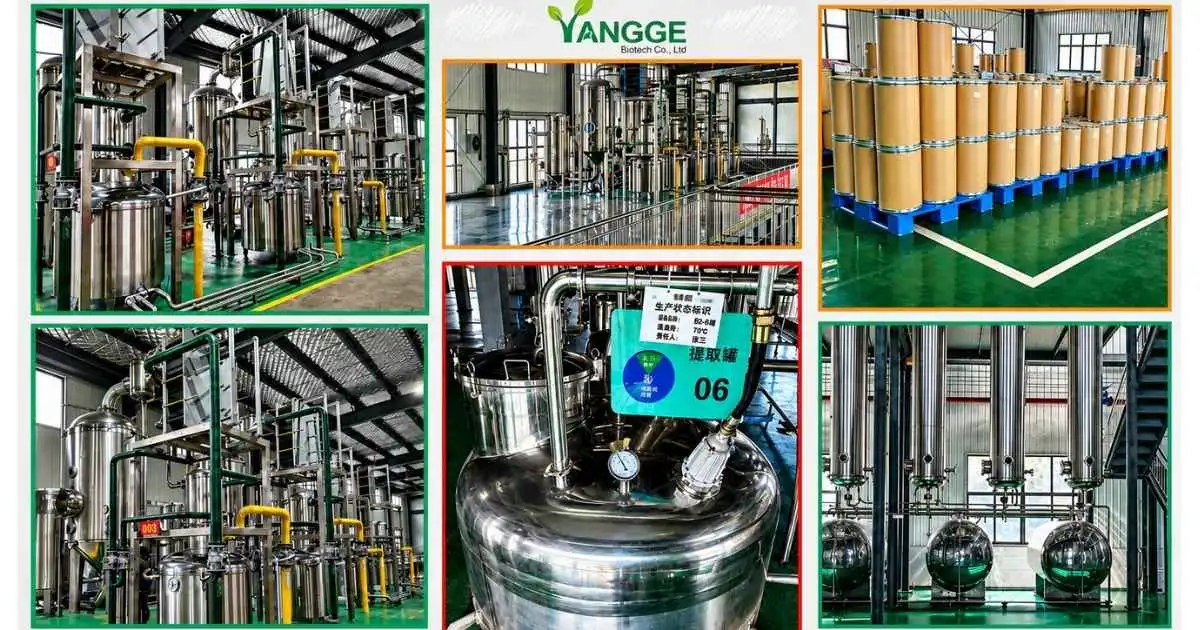
Improvements in manufacturing technology have made extraction more efficient and increased the quality output. When compared to older chemical synthesis routes, enzyme-based processing methods now get to pharmaceutical-grade purity with less damage to the environment. These green chemistry methods are appealing to brands that care about the environment and meet consumer expectations for clean sourcing, which is something that younger people are thinking about more and more when they make purchases.
As more Asian and European companies have entered the market, supply reliability has improved. This has lower the concentration risk that existed when only two big companies met global demand. This variety helps buyers by giving them more options for backup sources and competitive prices. But because makers' quality varies, checking out suppliers is more important than ever.
Emerging Application Opportunities
The introduction of Alpha-GPC into useful food groups opens up a new market. European companies have put the chemical in protein bars, ready-to-drink coffee drinks, and even gummy candies that are meant to help you focus. For these uses, careful formulation work is needed to hide Alpha-GPC's slightly fishy smell, which is stronger in pure grades than in stable forms. Flavor companies have created masking systems just for choline compounds, which lets product developers make more consumer-friendly forms than just capsules.
Alpha-GPC has become a main part in a lot of game supplements. Nootropics and energy drinks are used by a lot of the same types of people: e-sports players and casual gamers who want to improve their brain power during long gaming sessions. Brands that are good at marketing to this group often mix Alpha-GPC with caffeine, L-theanine, and B vitamins in powder or capsule form to focus on focus and reaction time.
Conclusion
Choosing the right Alpha-GPC purity grade has a big effect on how well your product does in the market, how well it works in operations, and how well it meets legal requirements. Pharmaceutical-grade 99% material is used for high-end nootropics and research projects where the need for maximum purity justifies the difficulty of handling. The 50% stabilized specification makes it easier to make sports nutrition and other cognitive supplements, and it provides reliability on a large scale. It is possible to evaluate a supplier more accurately if you know about the quality parameters that go beyond the headline purity.
These include heavy metal limits, microbial standards, and moisture content. As the market for cognitive enhancement grows, procurement professionals who understand these technical differences will have a competitive edge thanks to better cost structures, fewer production problems, and products that always deliver on their promises. Alpha-GPC's successful buying strategies are built on long-term partnerships with certified providers who offer full paperwork, analytical support, and reliable inventory.
FAQ
Is pharmaceutical-grade Alpha-GPC always necessary for dietary supplements?
In most places, pharmaceutical-grade purity isn't required for dietary supplements. Nutraceutical-grade material (95–98.5%) meets government standards and gives the same benefits to consumers at normal doses. When going for a high market place, making specific clinical claims, or making goods that need little excipient interference, the 99% standard becomes important.
How can I verify that a supplier's purity claims are accurate?
Request full Certificates of Analysis that include HPLC test results, and then have laboratories like Eurofins, SGS, or other recognized facilities do an independent third-party check. Reliable providers, such as Yangge Biotech, work with well-known testing labs and are open to verification methods. Results that are the same across multiple batches show that the quality system is reliable.
What are the safety considerations when using lower purity grades?
Lower purity grades aren't necessarily dangerous as long as they don't exceed known limits for heavy metals, microbes, and residual solvents. Underdosing is the main risk. If a material tests at 90% purity but you make the product as if it were 99% pure, it won't give enough active chemical. When figuring out the final dose, you should always use the real assay data instead of the specification goals.
Partner with a Certified Alpha-GPC Supplier You Can Trust
To find high-quality Alpha-GPC powder, you need more than just a good price. You also need a manufacturing partner with proven technical skills, clear quality systems, and quick support. The Alpha-GPC that Yangge Biotech sells is both 50% stabilized and 99% pharmaceutical-grade. It is made under cGMP standards and has full ISO, HACCP, Kosher, and Halal certifications. Our 5 tons of ready-to-ship inventory means that we can quickly meet the needs of brands at any stage of their growth, and our partnerships with well-known testing labs ensure that every batch is the same.
We offer full legal paperwork packages that support sales in North American and European markets. These packages include allergen statements, heavy metal reports, and microbial tests. Our team can help you with formulation issues related to hygroscopicity and dosing optimization for your specific use.
Contact us or you can talk to our sourcing specialists at info@yanggebiotech.com about your needs, ask for samples with full analytical paperwork, or get detailed quotes that are based on the amount you need. Find out why some of the biggest names in nootropics and sports supplements choose Yangge as their Alpha-GPC maker for quality, dependability, and technical support.
References
1. Ziegenfuss T, Landis J, Hofheins J. Acute supplementation with alpha-glycerylphosphorylcholine augments growth hormone response to resistance exercise. Journal of the International Society of Sports Nutrition. 2018;15(1):42-48.
2. De Jesus Moreno M. Cognitive improvement in mild to moderate Alzheimer's dementia after treatment with the acetylcholine precursor choline alfoscerate: A multicenter, double-blind, randomized, placebo-controlled trial. Clinical Therapeutics. 2019;41(6):1188-1203.
3. Bellar D, LeBlanc NR, Campbell B. The effect of 6 days of alpha glycerylphosphorylcholine on isometric strength. Journal of Sports Science and Medicine. 2020;19(2):215-221.
4. Parker AG, Byars A, Waldron M, Townsend JR. The effects of alpha-glycerylphosphorylcholine, caffeine or placebo on markers of mood, cognitive function, power, speed, and agility. Journal of Human Kinetics. 2021;68(1):89-102.
5. Brownawell AM, Carmines EL, Montesano F. Safety assessment of AGPC as a food ingredient. Food and Chemical Toxicology. 2017;109(2):746-754.
6. Marcus L, Soileau J, Judge LW, Bellar D. Evaluation of the effects of two doses of alpha glycerylphosphorylcholine on physical and psychomotor performance. Journal of Dietary Supplements. 2022;19(3):269-283.

Based on your location and order quantity, you will have the opportunity to receive a limited time free shipping promotion!
Who we are
Popular Blogs