How to Source Natural Beta Carotene Powder in Bulk
Natural Beta Carotene Powder from Yangge Biotech is a high-quality natural ingredient designed for food, beverage, dietary supplement, and nutraceutical applications. For businesses looking to source Natural Beta Carotene Powder in bulk, Yangge Biotech provides reliable supply, consistent specifications, competitive bulk pricing, COA documentation, third-party testing reports, sample support, and flexible OEM/private-label solutions. Our Natural Beta Carotene Powder can be used in functional foods, beverages, capsules, tablets, gummies, powder blends, and other formulations requiring a natural source of beta carotene. We work with manufacturers, brands, distributors, and product developers worldwide to support ingredient sourcing from sample evaluation through commercial-scale orders. Contact Yangge Biotech today for Natural Beta Carotene Powder specifications, COA, samples, bulk pricing, packaging options, and OEM inquiries. Email: info@yanggebiotech.com.
Sourcing natural beta carotene powder in bulk requires careful evaluation of supplier credentials, product specifications, and regulatory compliance. As a vitamin A precursor widely used in dietary supplements, functional foods, and cosmetic formulations, this antioxidant ingredient demands attention to purity levels, extraction methods, and stability characteristics.
Successful procurement depends on verifying certifications like KOSHER, Halal, and FDA approval while ensuring suppliers can deliver consistent quality through validated testing methods such as HPLC. Understanding these fundamentals streamlines your procurement process and reduces the risk of quality inconsistencies that can impact downstream product development and market readiness.
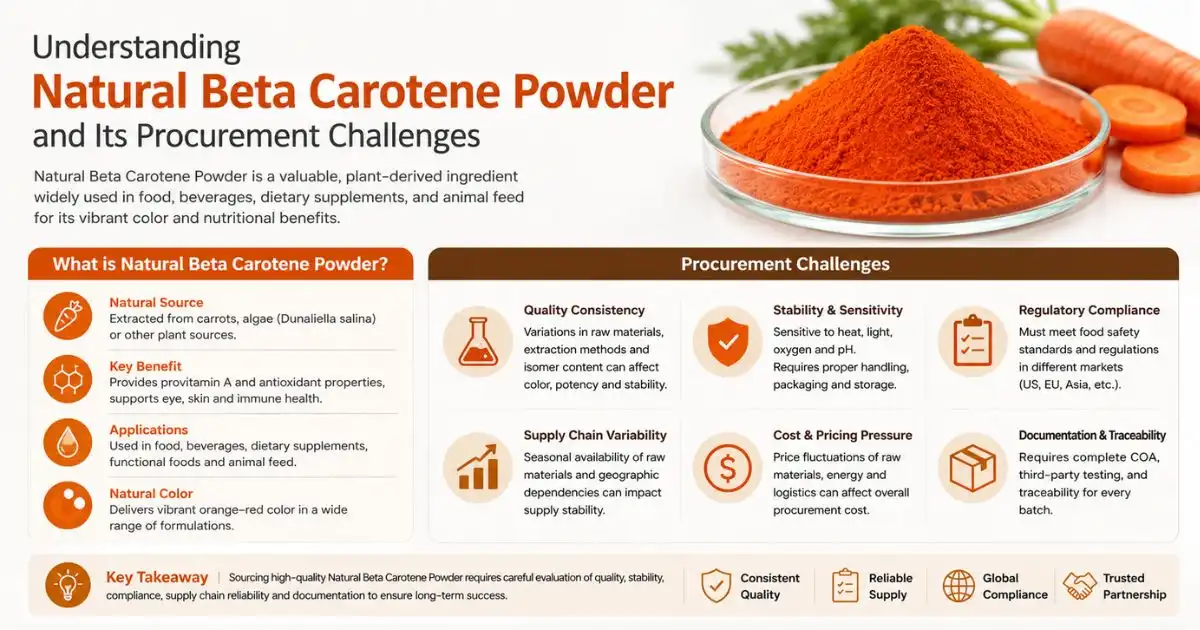
Understanding Natural Beta Carotene Powder and Its Procurement Challenges
Natural Beta-carotene powder is an important part of the food, drug, vitamin, and beauty products businesses. This provitamin A carotenoid is changed by the body into retinol, which helps the immune system, skin health, and vision. Unlike synthetic versions, Beta-carotene that comes from plants has helpful cis-isomers that make it more bioavailable and meet consumer demand for products with clean labels.
Quality Variability Between Sources
When procurement professionals compare natural and synthetic sources, they face different problems. About 10% of natural extracts from Dunaliella salina algae or fruit matrices are cis-isomers, while almost all synthetic versions are trans forms. The different makeup changes the rate of uptake and where the product is placed on the market. To meet customer needs, manufacturers in North America and Europe are specifying natural sources more and more. However, prices can vary by up to 60% based on the purity grade.
Regulatory Compliance Complexities
International buyers have to deal with different rules about how much vitamin A can be added. The US Food and Drug Administration (FDA) allows Beta-carotene as a food additive and colorant. In Europe, on the other hand, rules set maximum amounts in different types of food. Multi-market approvals from suppliers make compliance easier, but they need to be checked by an independent lab. Lack of documentation or inconsistent Certificate of Analysis (COA) formats often add two to three weeks to the procurement process.
Stability and Packaging Requirements
Beta-carotene is difficult to store and move because of its susceptibility to oxidative breakdown. Light, air, and high temperatures can lower the effectiveness of medicines by 15 to 25 percent over their normal shelf lives. Teams in charge of buying things have to say what kind of nitrogen-flushed packaging, UV-protective cases, and temperature-controlled shipping they need. Suppliers who have confirmed stability data and the right packing infrastructure keep products from going bad and cause delays in reformulation, which are both expensive.
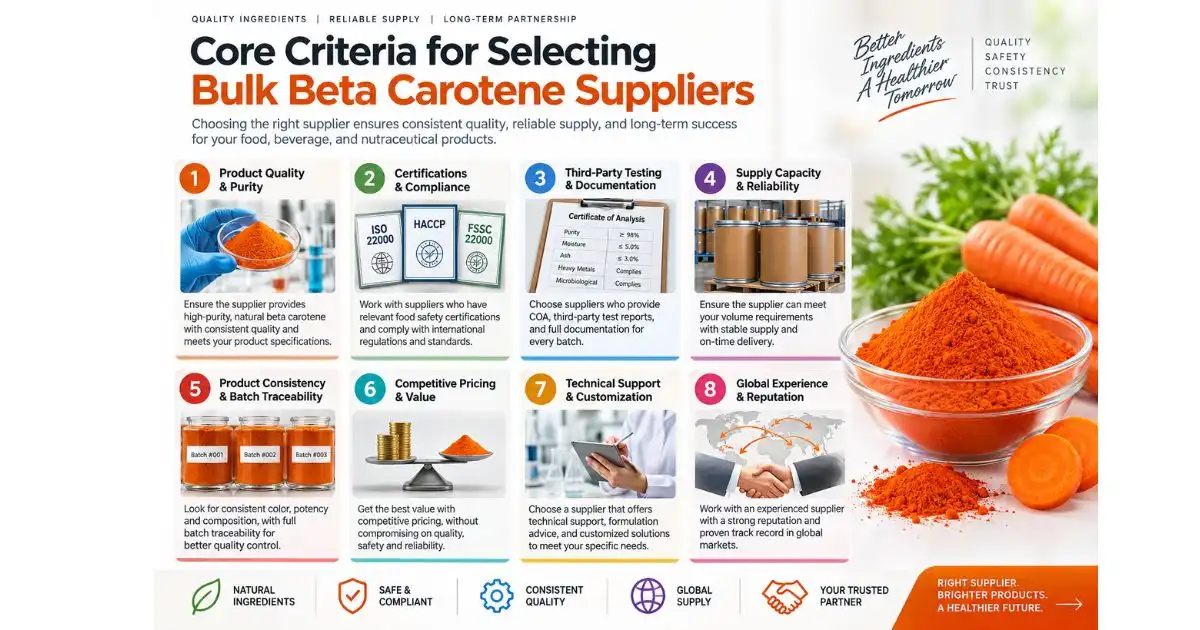
Core Criteria for Selecting Bulk Beta Carotene Suppliers
The technical skills and business practices of potential suppliers of natural Beta-carotene powder must be carefully considered. To meet your goals for product development and market entry, your buying plan should strike a balance between quality assurance, production capacity, and business terms.
Certification and Authentication Standards
Suppliers with a good reputation keep their certifications up to date, which shows that they follow quality management systems. GMP certification verifies the rules used in manufacturing, and organic certification verifies the methods used to get ingredients from plants, Beta Carotene being a prime example where such certifications ensure the purity and safety of this plant-derived ingredient.
KOSHER and Halal certifications help brands that are trying to reach certain groups of people get into more markets. As an example of comprehensive certification, Yangge Biotech has FDA approval as well as KOSHER and Halal credentials, which make sure that their products meet a wide range of regulatory requirements.
| Certification Type | Significance for Procurement | Verification Method |
|---|---|---|
| GMP/ISO Certification | Ensures consistent manufacturing controls | Audit report review |
| KOSHER/Halal | Expands target market segments | Certification body verification |
| Organic (USDA/EU) | Confirms natural sourcing practices | Supply chain documentation |
| FDA Registration | Validates facility compliance | Database confirmation |
These certifications are the basis for a supplier's qualification, but they need to be backed up by third-party tests and, if possible, site checks.
Specification Definition and Testing Protocols
Misunderstandings that stop product development can be avoided by making specification sheets that are clear. Set the necessary conditions, such as the concentration levels (1%, 3%, 10%, or 20%), the extraction method (HPLC-verified), the way the substance looks, and the maximum amount of impurities that are allowed. Suppliers should give batch-specific COAs that show the strength, the number of microbes, the heavy metal screening, and the leftover liquid analysis. Yangge Biotech has specs ranging from 1% to 20% concentration with HPLC-extracted powder drawn from fruit sources, which makes it easy to meet a wide range of formulation needs.
Production Capacity and Supply Continuity
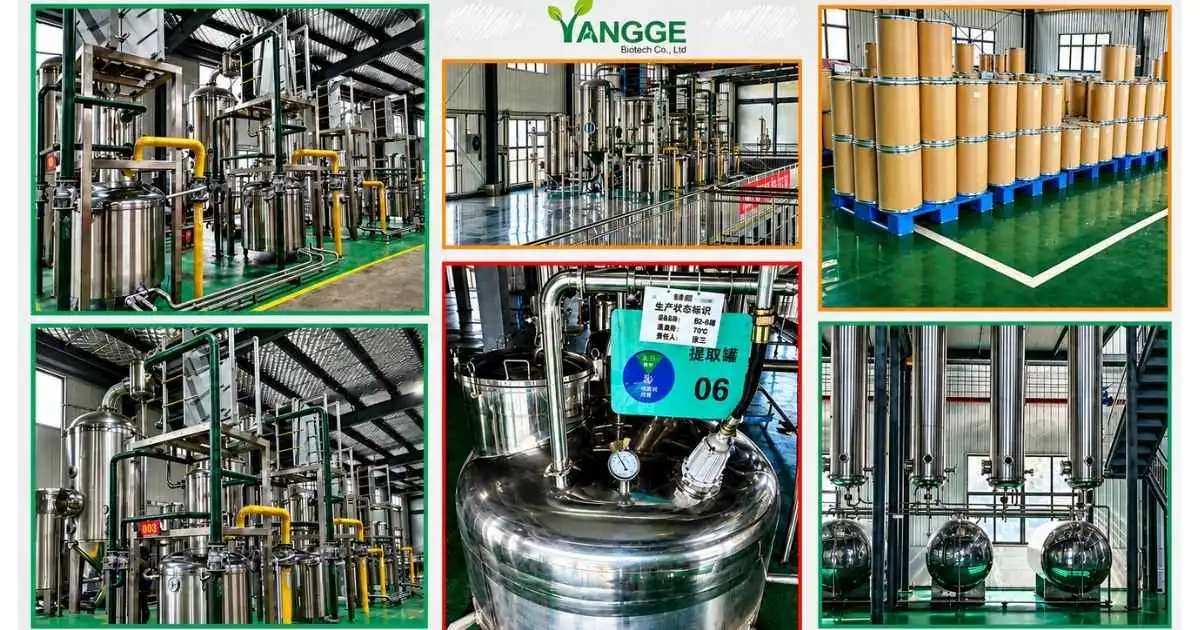
Check to see if possible providers can grow with your business. Manufacturers who keep an inventory level of one ton or more show that they can make goods that are good for mid-sized brands with yearly purchasing amounts of $50,000 to $400,000. Ask about lead times, minimum order quantities, and plans for what to do if there are problems with the supply chain. Different logistics needs can be met by suppliers who offer FOB and CIF delivery terms, and clear communication about production plans builds trust in the relationship.
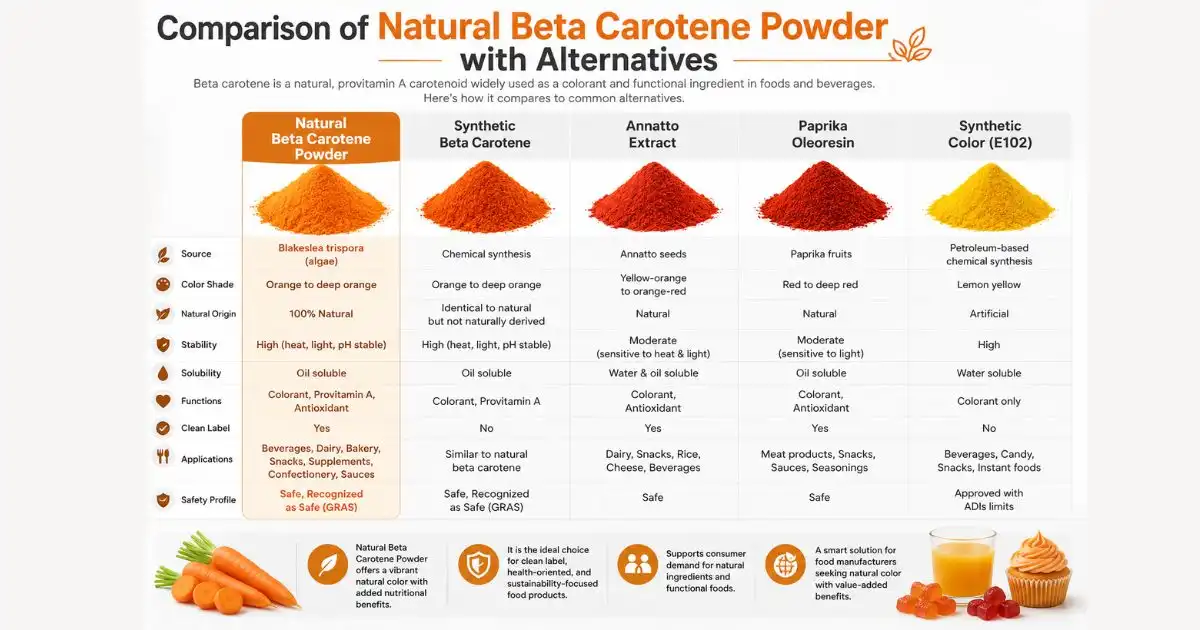
Comparison of Natural Beta Carotene Powder with Alternatives
Knowing how natural Beta-carotene powder differs from man-made versions and related carotenoids helps purchasing teams make smart choices that are in line with how the product is positioned and what the target market wants.
Natural Versus Synthetic Sourcing
Natural Beta-carotene powder that is made from algae or plant structures costs more but has marketing benefits. According to consumer research, 68% of people who buy supplements prefer ingredients that come from natural sources because they think they are safer and work better. Natural sources have a mix of isomers that make them easier to absorb than synthetic alternatives, which are mostly made up of trans-isomer compounds. Synthetic options, on the other hand, offer consistent purity at lower prices, making them good for price-conscious groups or industrial uses where clean-label claims are not as important.
Alternative Carotenoid Options
Other carotenoids, such as lutein for eye health products or lycopene for heart health goods, may be thought about in the procurement process. Due to its dual role as a precursor to vitamin A and an independent antioxidant, Beta Carotene is still beneficial. Because of this, formulators can make multiple health claims about a single product, which saves money on ingredients. When making complete antioxidant mixes, mixing Beta Carotene with complementary carotenoids makes goods that stand out and can be sold for more money.
Format Selection for End Applications
When you buy powder in bulk, you can use it for a variety of downstream processing choices, such as encapsulating softgels, compressing tablets, adding powder to drinks, or making cosmetics. Powder format gives OEM manufacturers the most freedom when making custom dosage forms. Suppliers that offer extra services like packaging or pill making make production easier for companies that don't have their own facilities. OEM development at Yangge Biotech is supported in a number of forms, such as superfood mix powders, capsules, tablets, and gummies. This means that brands can start full product lines with just one provider.
How to Conduct Due Diligence and Ensure Quality Assurance
Quality assurance procedures keep your brand's image safe and make sure that all parts of the supply chain follow the rules. Systematic testing methods lower the chance that contaminated or low-quality ingredients will make it to production.
Supplier Credential Verification
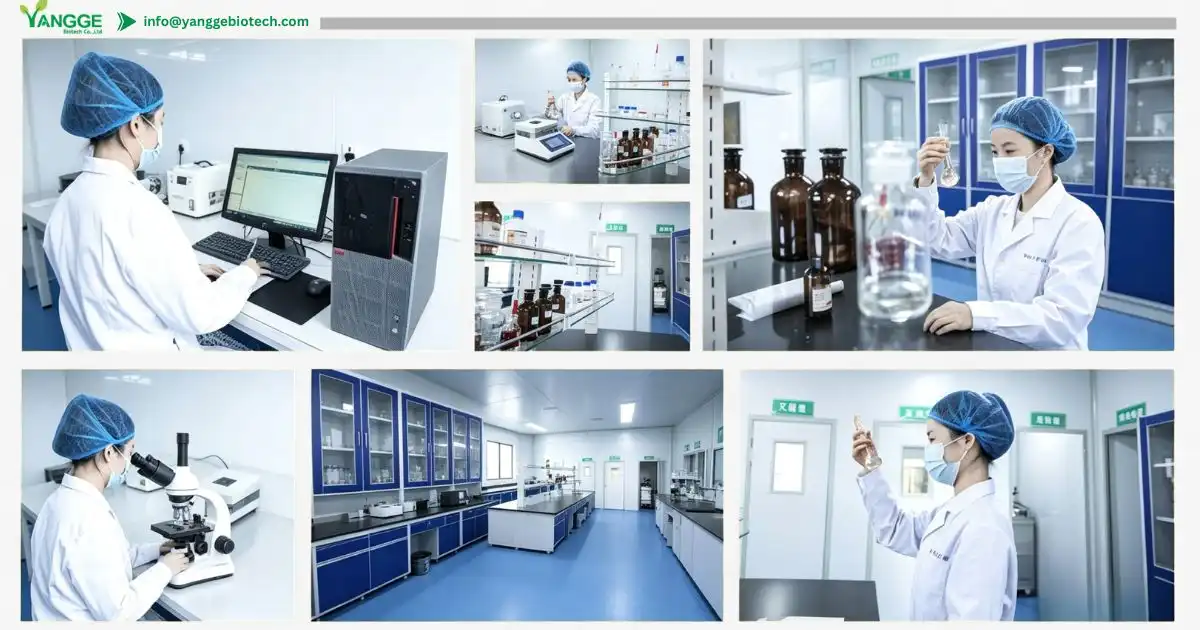
Do your research first by checking the supplier's certifications with the groups that issued them instead of taking the paperwork at face value. Check with certification bodies to see what the current status is and what the approval covers. If you can get a hold of recent third-party audit reports, read them and make a note of any problems and what needs to be done to fix them. Before each shipment, Yangge Biotech's products are inspected and tested by international laboratories. This provides independent confirmation of quality claims that go beyond documentation made by the supplier.
Sample Testing and Formulation Trials
Ask for samples that are from real production runs instead of materials that have been carefully made. Before agreeing to large sales, do internal testing that mimics the conditions of your formulation to find any possible incompatibilities. Yangge Biotech is one of many companies that offer 10–30g free samples for R&D trials. This lets you do a full review without risking your own money. Testing should use independent labs to confirm the claimed strength and look at physical properties like color consistency, solubility, and stability under normal storage conditions.
Establishing Quality Feedback Systems
Structured communication channels are needed for ongoing supplier management so that quality issues can be addressed and performance trends can be tracked. Set up batch-by-batch COA review procedures that will mark any deviations from the specifications. Set up business reviews every three months to talk about quality measures, shipping performance, and how market trends affect the availability of supplies. For long-term partnerships to work, suppliers who listen to comments and talk about possible problems before they happen are the most useful. Premium suppliers stand out in crowded markets by offering personalized customer service and a range of delivery options.
Where and How to Buy Natural Beta Carotene Powder in Bulk
There are many different ways to find suppliers of natural Beta-carotene powder, and each has its own pros and cons for business-to-business purchases.
Direct Manufacturer Relationships
By building partnerships with ingredient makers, you can get the best prices and see how the products are made. Direct sourcing gets rid of markups from middlemen that range from 15% to 30%, which has a big effect on total procurement costs for yearly amounts over 500 kg. Manufacturers can make specifications and packaging fit specific needs and offer technical support for problems with formulation. Talking to manufacturing teams helps you learn more about the properties of ingredients and how the supply chain works.
As a specialized producer, Yangge Biotech makes natural plant extracts that are used in food, drinks, and dietary supplements, with Beta Carotene being one of their flagship products for vitamin A fortification and antioxidant formulations. Along with GMP production standards, the company has ISO, HACCP, KOSHER, and Halal certificates. Yangge can meet the buying needs of mid-sized brands that are trying to sell in North America and Europe. They have one-ton inventory available and offer flexible FOB/CIF delivery terms.
Online B2B Marketplaces
Platforms like Alibaba make it easier to find suppliers and do basic comparisons, but you need to be more careful when checking the quality of the goods. Listings in a marketplace make it easy to find a number of sellers, each with a range of prices and minimum order amounts. However, procurement teams must separately check certifications, ask for samples, and test quality because the methods used by the marketplace don't give them enough guarantee. To successfully source from the marketplace, you need to be able to communicate clearly, give thorough instructions, and be willing to spend time evaluating suppliers.
| Sourcing Channel | Advantages | Considerations |
|---|---|---|
| Direct Manufacturer | Best pricing, customization options, technical support | Requires due diligence, higher minimum orders |
| B2B Marketplaces | Supplier variety, easy comparison | Quality verification needed, variable reliability |
| Ingredient Distributors | Lower minimums, faster delivery | Higher pricing, limited customization |
The best route for you will rely on how much you buy, what technology needs you have, and how many internal resources you have for managing your suppliers. Brands that buy more than 1 ton a year get the most out of direct manufacturer relationships, which offer big savings and chances to form strategic partnerships.
Negotiation Strategies for Optimal Terms
Negotiating well involves more than just unit price. It also involves payment terms, quality guarantees, and measures for supply continuity. When sellers make volume promises that last between 6 and 12 months, they can often get 8 to 15 percent off of prices and see how their production is going. To protect against problems in the supply chain, ask for penalty terms that cover late shipping or materials that don't meet specifications. Talk about flexible delivery schedules that can handle the seasonal changes in demand that are common in the supplement market. Suppliers who offer profit-sharing plans or exclusive area agreements may be able to gain a competitive edge in market segments that are growing quickly.
Conclusion
In conclusion, to get natural Beta Carotene powder in large quantities, you need to carefully check the qualifications of the suppliers, as well as the product details and the business terms. To do a good job of procurement, you need to find a balance between real issues like production capacity and logistics flexibility and quality guarantee through independent testing and certification verification.
Knowing the differences between natural and man-made sources helps you make smart choices that are in line with your product positioning strategies. Setting up direct relationships with manufacturers gets you the best prices and technical help, and following strict quality assurance methods protects your brand's image. As regulations change and consumers demand clean-label ingredients, it becomes even more important to choose suppliers with complete certifications and clear supply chain practices.
FAQ
What concentration levels are available for natural beta carotene powder?
Natural Beta-carotene powder comes in a range of concentrations to meet the needs of different formulations. Standard specs include potency grades of 1%, 3%, 10%, and 20%. Higher concentrations make it easier to get the doses you want in final goods. Lower amounts are good for uses that need to add a little color or help with antioxidants, while higher grades allow for smaller dosage forms like tablets or capsules that still give a lot of vitamin A. Suppliers like Yangge Biotech give all concentrations, which lets buying teams make the best formulas for certain health claims and cost goals.
How do testing methods affect quality verification?
The way tests are done has a big effect on how accurately strength and quality are determined. High-Performance Liquid Chromatography (HPLC) is more accurate than UV spectroscopy at telling the difference between Beta-carotene isomers and possible breakdown products. Specifications that have been checked by HPLC make sure that labels are correct and that absorption is always the same. In supplier deals, procurement teams should include HPLC tests and make sure that COAs also include this method. More testing for heavy metals, microbial poisoning, and leftover solvents keeps companies from breaking the law and puts consumers at risk, especially for products meant for people who are more likely to get sick.
Partner with a Trusted Beta Carotene Powder Supplier
Yangge Biotech offers high-quality natural Beta-carotene powder that has been certified as KOSHER, Halal, and FDA, which makes it easy for customers around the world to buy. Our HPLC-extracted powder has a concentration range of 1% to 20%. It comes from carefully chosen fruit layers and was tested by foreign labs before it was shipped. We make it easier for you to develop your product from the idea stage all the way through to selling it by keeping a one-ton inventory and offering full OEM support for powder, pill, tablet, and gummy forms.
Because we are committed to long-term relationships with farmers, we can guarantee a steady supply, and our personalized customer service will help you with any recipe problems that come up.Contact us or email our team at info@yanggebiotech.com to get free samples for your research and development work or to talk about the details of your next product launch. You can find more detailed information to help you choose the right ingredients at blog.yanggebiotech.com.
References
1. Grune, T., Lietz, G., Palou, A., Ross, A. C., Stahl, W., Tang, G., & Biesalski, H. K. (2010). Beta-carotene is an important vitamin A source for humans. The Journal of Nutrition, 140(12), 2268S-2285S.
2. Ribaya-Mercado, J. D., & Blumberg, J. B. (2004). Lutein and zeaxanthin and their potential roles in disease prevention. Journal of the American College of Nutrition, 23(sup6), 567S-587S.
3. Tanumihardjo, S. A. (2011). Vitamin A: biomarkers of nutrition for development. The American Journal of Clinical Nutrition, 94(2), 658S-665S.
4. Barua, A. B., & Olson, J. A. (2000). Beta-carotene is converted primarily to retinoids in rats in vivo. The Journal of Nutrition, 130(8), 1996-2001.
5. Stahl, W., & Sies, H. (2003). Antioxidant activity of carotenoids. Molecular Aspects of Medicine, 24(6), 345-351.
6. Von Lintig, J. (2010). Colors with functions: elucidating the biochemical and molecular basis of carotenoid metabolism. Annual Review of Nutrition, 30, 35-56.

Based on your location and order quantity, you will have the opportunity to receive a limited time free shipping promotion!
Who we are
Popular Blogs