How to Evaluate Ergothioneine Powder Suppliers?
Ergothioneine Powder from Yangge Biotech is a premium, high-purity ingredient designed for nutraceutical, functional food, beverage, pharmaceutical, and cosmetic formulations. Yangge Biotech supplies Ergothioneine Powder with ≥99.9% purity, an off-white to white appearance, and HPLC-tested quality, making it suitable for dietary supplements, capsules, tablets, gummies, functional beverages, nutrition blends, skincare serums, creams, healthy-aging products, and beauty-from-within formulations. The company provides reliable bulk supply, customized specifications, OEM/ODM manufacturing, private-label solutions, and technical documentation such as COA, MSDS, specification sheets, and third-party testing. For free samples, bulk pricing, COA, product specifications, OEM/ODM services, or customized requirements, please Contact or email info@yanggebiotech.com for assistance and a quotation.
Evaluating ergothioneine powder suppliers requires a systematic approach focusing on purity verification, regulatory compliance, and manufacturing transparency. Premium-grade ergothioneine a rare "longevity vitamin" and mitochondrial protectant—demands suppliers who can consistently deliver ≥99% purity alongside comprehensive certifications.
The selection process centers on verifying HPLC test methods, auditing biosynthesis or fermentation production processes, and confirming EU standards compliance through third-party documentation like Eurofins reports. Quality suppliers provide full traceability from microbial fermentation through final powder processing, ensuring the L-Ergothioneine isomer maintains cellular bioavailability essential for high-end anti-aging and cytoprotective formulations.
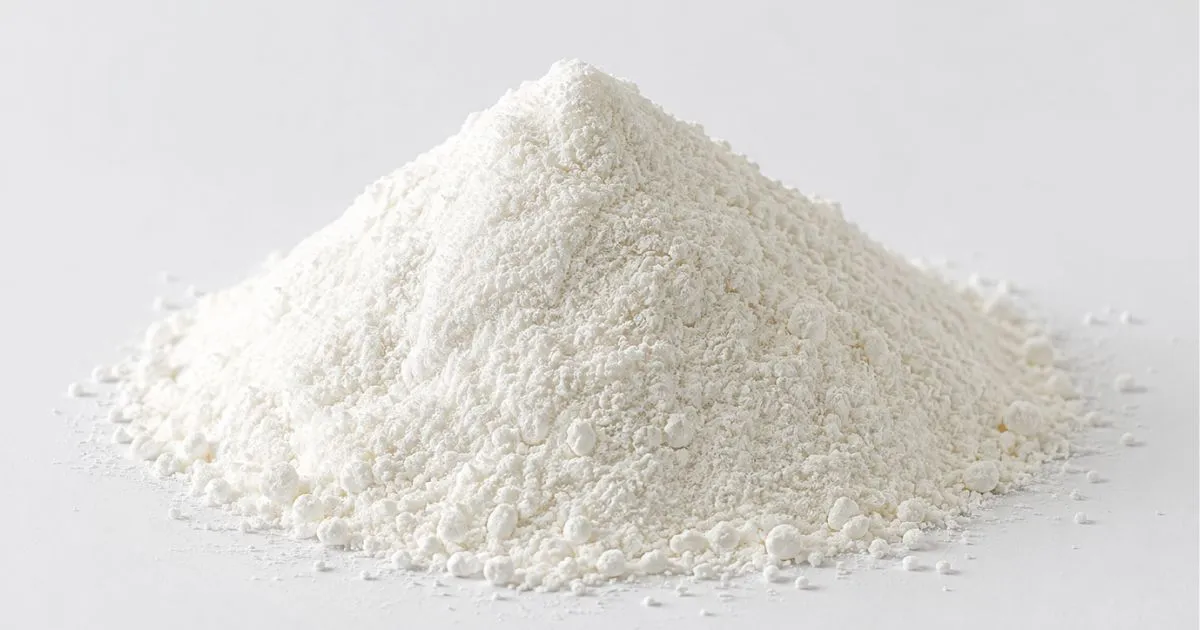
Understanding Ergothioneine and Its Market DemandThe Science Behind Cellular Protection
Through its tailored delivery method to cells, L-Ergothioneine is a big step forward in managing oxidative stress. This molecule actively builds up in organs with high metabolic demand, such as the liver, eyes, skin, and brain tissue. This is different from passive antioxidants, which work by simply donating electrons. It is called a conditional vitamin instead of just a dietary antioxidant because the body's unique transporter protein shows that nature has recognized how important it is.
Studies in biogerontology journals show that it can protect DNA from damage caused by UV light and stop mitochondrial failure that comes with cells getting older. This mechanism works on two levels: photoaging in topical applications and systemic oxidative stress in oral supplements. This is why it's useful in a lot of different types of products.
Regulatory Landscape and Compliance Requirements
The rules about Ergothioneine are very different in different markets, which makes it harder to plan how to buy things internationally. In the US, companies have tried to get GRAS (Generally Recognized as Safe) status for dietary supplements. In Europe, on the other hand, Novel Food authorization is needed according to EFSA rules. Japan has its own system for evaluating things, which is run by the Ministry of Health, Labor, and Welfare.
Because of these different paths, suppliers need to keep paperwork packages that are specific to each state. Certificates of Analysis are no longer enough to get into the market; full dossiers with toxicological studies, stability data, and proof of the manufacturing process are now required. Procurement teams need to make sure that potential suppliers not only have the right certifications but also the right technology to keep up with changing rules.
Market Segments and Application Trends
The fastest-growing market group is premium dietary supplements that aim to improve brain health and life. Brands market Ergothioneine as a key anti-aging nutrient. It is mostly used in anti-aging serums and protective moisturizers in cosmetics, where its better stability than ascorbic acid is especially useful. Functional beverages and fortified foods are new business opportunities, but suppliers need to help with formulation problems that have to do with taste and stability.
For medium-sized names, the amount they buy each year is usually between 50 kg and several hundred kg, and the price per kg shows how complicated fermentation-based production is. Because of the way prices are set, even for small orders, the total amount spent each year can reach $50,000 to $400,000. This makes choosing a supplier a very important choice that has big financial effects.
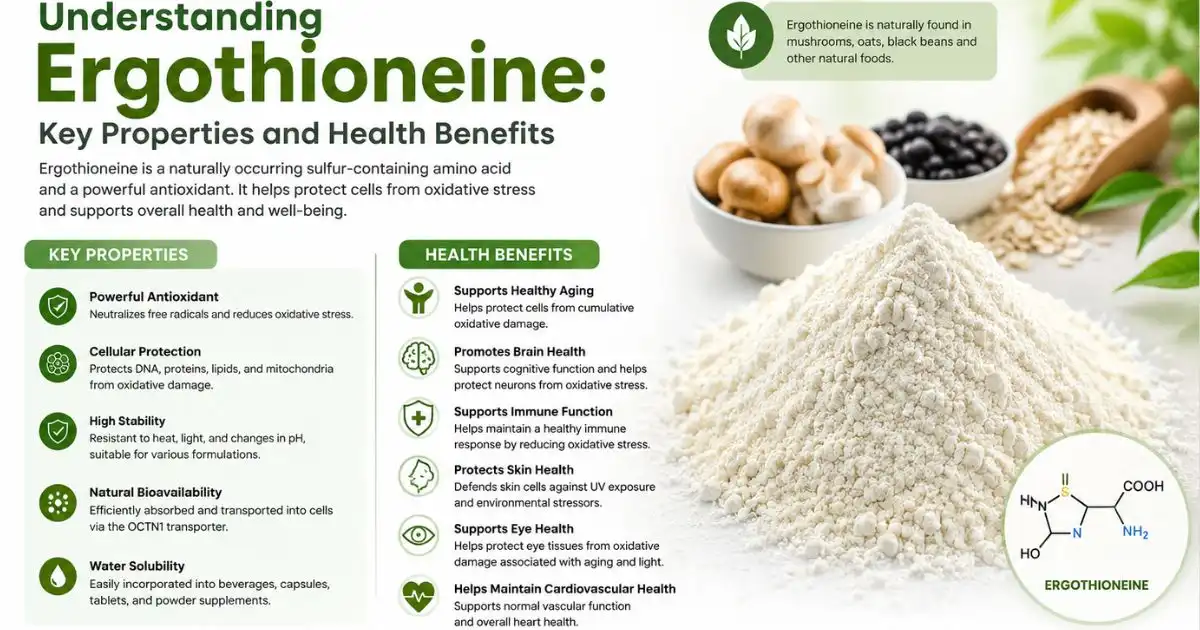
Key Criteria to Evaluate Ergothioneine Powder Suppliers
Purity Specifications and Analytical Verification
Purity testing using approved HPLC methods is the first step in judging quality. Premium providers always meet standards of ≥99.9%, which can be checked using high-performance liquid chromatography and UV detection at 257nm. This level of purity makes sure that there aren't many production intermediates or breakdown products that could make the end formulas less stable or add contaminants.
You should ask for full analytical data packages that include more than just test results. These should also include heavy metals screening (for example, lead, arsenic, mercury, and cadmium), microbial limits testing, residual solvent analysis, and pesticide residue screening when natural fermentation substrates are involved. Suppliers who work to EU standards often give Eurofins laboratory reports. These reports are recognized around the world and show that the supplier is committed to third-party verification instead of relying only on in-house testing.
Table 1: Essential Quality Parameters for Pharmaceutical-Grade Ergothioneine Powder
| Parameter | Specification | Test Method | Acceptance Criteria |
|---|---|---|---|
| Assay (L-Ergothioneine) | ≥99.9% | HPLC-UV | Confirms molecular purity |
| Appearance | Off-white to white powder | Visual inspection | Indicates proper processing |
| Heavy Metals (Total) | ≤10 ppm | ICP-MS | EU/USP compliance |
| Lead (Pb) | ≤3 ppm | ICP-MS | Safety threshold |
| Arsenic (As) | ≤2 ppm | ICP-MS | Toxicity prevention |
| Microbiological Total Plate Count | ≤1000 CFU/g | USP/EP | Hygiene standard |
| Yeast & Mold | ≤100 CFU/g | USP/EP | Shelf-life protection |
| Residual Solvents | Meets ICH Q3C | GC-FID/MS | Manufacturing quality |
If you want to be sure of someone's name using mass spectrometry, you can use the molecular formula C9H15N3O2S and the molecular weight 229.3, and you can also specifically monitor for ergothioneine as a confirmatory marker. Suppliers should send spectral data (NMR, MS) that confirms the L-isomer configuration, since stereochemistry has a direct effect on the biological activity that is mediated by OCTN1 transport.
Manufacturing Process and Source Verification
Knowing how things are made is what sets truly qualified manufacturers apart from distributors or brokers. There are two main ways to make it: precision fermentation using microorganisms that have been genetically modified to work better, and extraction from mushroom biomass. Fermentation-based methods are more consistent and can be used on a larger scale. They also avoid the problems of agricultural variability and pesticides that come with plant-based extraction.
Critical operational skills can be found by visiting production sites or having third-party audits done. For powder processing, look for closed fermentation systems with proven cleaning methods, cleanrooms that are Class 100,000 or higher, and complete batch record systems. GMP certification (preferable for pharmaceutical-grade products) shows that quality management is systematic, while ISO 9001 shows that processes are consistent. Extra certifications like Halal, Kosher, and NON-GMO meet the needs of certain markets and meet customer standards.
Most producers protect the makeup of the fermentation substrate and the type of organism. But, sellers should be open about how they keep products from getting contaminated, how they clean them afterward (which usually includes hardening and spray-drying), and how they test for stability to back up their shelf-life claims.
Supply Chain Reliability and Scalability
Fermentation-based Ergothioneine usually takes 8 to 12 weeks to make from the time an order is placed until it is delivered. This is because of the biological growth cycles and multiple steps that need to be taken to make it pure. Reliable providers keep extra stock on hand in case of sudden increases in demand. This way, they can handle these situations and keep customers on just-in-time manufacturing plans from having to stop production.
Check your annual consumption patterns to see if the minimum order quantities make sense. For example, suppliers who want 50 kg minimums may not be able to help brands that are just starting to develop their markets. It's just as important that the packing is flexible. Standard 1 kg aluminum foil bags work well for most uses, but custom packaging choices (5 kg, 10 kg, or large containers with inert gas flushing) show that the seller can respond to the needs of each customer.
Both the cost of logistics and the complexity of regulations are affected by where they are. Suppliers who have exported to Japan, the EU, and North America know what paperwork is needed, such as Certificates of Origin, Health Certificates, and how to classify goods in customs. This knowledge keeps delays at borders from being expensive and makes sure that import regulations are followed smoothly.
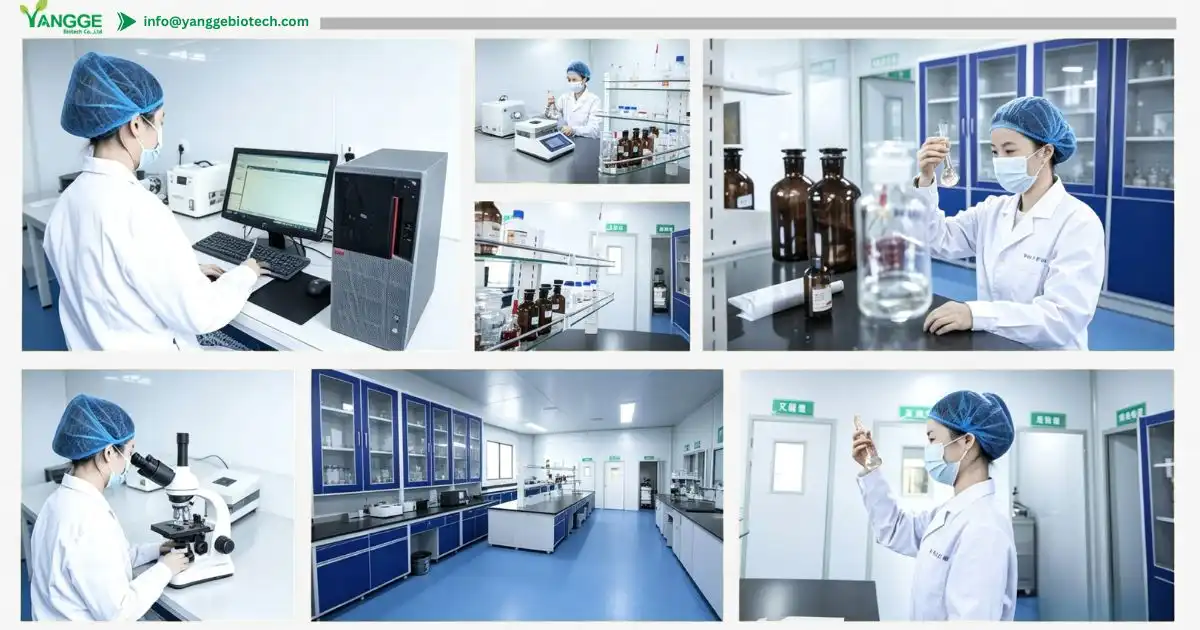
Comparing Ergothioneine Suppliers What to Look for in the Market
Price-Quality Relationship Analysis
Ultra-pure Ergothioneine prices vary a lot on the market. Quotes range from $800 to over $2,500 per kilogram, depending on the size of the order, the purity grade, and the level of certification. If you try to save money by accepting lower specs, you are taking a big risk. If the purity isn't high enough, it can affect how accurately formulations are dosed, and if testing isn't done properly, contamination problems might not be found until after production runs are over.
When suppliers charge more, it's usually because they invest in pharmaceutical-grade manufacturing infrastructure, keep their technical support teams large, and offer formulation advice. When making new delivery systems or fixing stability problems in certain grids, these value-added services become very useful. When figuring out the real cost, you have to take into account how quickly technical help is given, the availability of samples for formula development, and the reduction of risk that comes from strong quality systems.
When price based on volume, the first 10 kg are usually the biggest drops, and the biggest drops happen at 50 kg and 100 kg. By negotiating annual contracts with deliveries every three months, you can get better prices and keep your cash flow in check.
Manufacturer Versus Distributor Dynamics
Having direct relationships with manufacturers is helpful for sharing technical knowledge, making changes, and seeing what's going on in the supply chain. Manufacturing partners can change the specs to fit specific uses, like changing the particle size distribution for tableting vs. capsule filling or finding the best moisture content for a certain type of packing. Having direct access to production teams also speeds up the process of answering quality questions and allows supplier checks that confirm real capabilities.
Distributors and trading companies add value by combining shipping, keeping inventory close to home to cut down on lead times, and making payment terms easier. Local distributors who know how to handle imports in the countries you want to reach can handle the necessary paperwork and help with the local language. The trade-off is less information about how things are actually made and longer wait times for contact when technical problems need maker input.
There are hybrid models where manufacturers work with regional partners to distribute their goods. These deals combine manufacturing know-how with service for the local market. However, procurement teams need to make it clear which party is ultimately responsible for quality issues and following the rules.
Technical Support and Formulation Assistance
Better suppliers work with you as a technical partner instead of just selling you ingredients. Formulation experts can look at stability studies that show how Ergothioneine acts in different pH levels, temperatures, and when mixed with other common ingredients. Finding incompatibility data that is, ingredients that speed up breakdown or lower bioavailability—avoids expensive cycles of reformulation.
The choice of main container is based on packaging suggestions based on how sensitive the item is to light and how it reacts to moisture. Product development processes can be sped up when suppliers offer pilot-scale samples for quick stability testing. Responding to technical questions in hours instead of days shows which sellers care about their customers' success and which ones only care about making sales.
Another thing that sets us apart is that we offer documentation support for regulatory submissions. Suppliers with regulatory affairs teams can offer pre-made data packages that answer common questions from authorities. This speeds up the approval process for new goods.
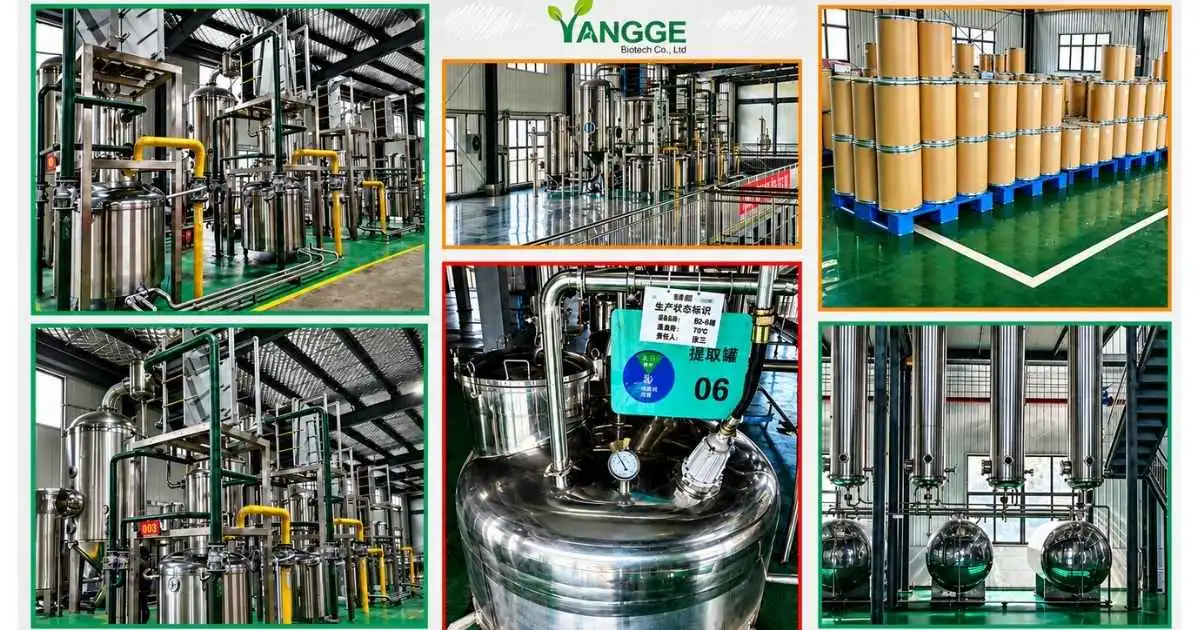
Practical Steps to Verify Ergothioneine Powder Suppliers Before Purchase
Sample Evaluation Protocol
Asking for 50–100g samples lets you do a full evaluation before committing to bulk orders. Send samples to independent labs for testing that confirms the Certificates of Analysis that the seller gives you. Differences between independent testing and supplier documentation are instant red flags reliable suppliers always deliver specifications that match what they say they will deliver.
Put samples through rapid stability tests by leaving them in a room with high humidity (75% RH) and temperature (40°C) for two to four weeks. If you compare the purity values after stress to the values before stress, you can see that there was either a big drop in quality or not enough stability during production. This testing is especially important for suppliers that are new to your list of approved vendors.
Check the particle size distribution, mass density, and flowability, among other physical properties. These traits affect how easy it is to process when making capsules or tablets. Color uniformity across several sample batches means that the processing conditions were the same, while color variation could mean that the production wasn't done the same way every time.
Factory Audit Considerations
On-site facility inspections are the best way to compare marketing claims with actual operational capabilities. Checklists for audits should include things like environmental monitoring programs, equipment calibration procedures, documentation of staff training, and systems for controlling fermentation. Watch real batch production when your schedule allows it. Seeing the whole process, from fermentation to final packaging, shows details that can't be found by just reading the paperwork.
Third-party audit services are an option when it's not possible to do a direct visit because of time or distance issues. Pharmaceutical and nutraceutical source auditing companies use standard evaluation models that let you compare different possible suppliers in an unbiased way. Both findings about compliance and suggestions from risk assessments should be included in audit reports.
Before actual audits, the paperwork for the quality management system is looked over. Ask for batch records, deviation reports, and proof of corrective actions from the most recent production runs. More than capability statements or certifications, how suppliers handle quality problems how deeply they investigate, what they figure out as the root cause, and how they put preventative measures into place—shows how mature an organization is.
Contractual Protections and Quality Agreements
A full supply deal must include a lot more than just the price and the terms of shipping. Quality agreements should spell out the standards that must be met for each important quality attribute, who is responsible for testing (the supplier or the customer), and what to do when results don't meet the standards. Having clear rules about how long to keep samples and when they can be retested stops arguments if there are quality issues months after delivery.
You need to carefully read force majeure clauses to know what situations allow delivery failures and what kinds of compensation or other supply mechanisms apply. If there are problems with the quality of a product that cause customers to return it, the liability clause should include ways for customers to get their money back.
When suppliers give formulation advice or create custom specifications, intellectual property issues must be taken into account. Agreements should make it clear who owns the technical knowledge that was developed together and stop suppliers from giving competitors the same customized specifications.
Table 2: Comparison Framework for Ergothioneine Powder Supplier Evaluation
| Evaluation Category | Tier 1 Supplier Characteristics | Tier 2 Supplier Characteristics | Risk Indicators |
|---|---|---|---|
| Purity Consistency | ≥99.9%, batch-to-batch CV <0.5% | 99.0-99.5%, moderate variation | <99%, significant batch variation |
| Analytical Capabilities | In-house HPLC, MS, ICP-MS; third-party verification | HPLC capability, outsourced advanced testing | Limited analytical infrastructure |
| Certifications | GMP, ISO 9001, FSSC 22000, Halal, Kosher, NON-GMO | ISO 9001, basic food safety | Minimal or unverified certifications |
| Production Capacity | >500kg annual, demonstrated scalability | 100-500kg annual capacity | <100kg or unclear capacity |
| Technical Support | Dedicated formulation scientists, <24hr response | General technical support available | Limited technical resources |
| Regulatory Documentation | Complete dossiers for FDA, EFSA, MHLW | Basic regulatory support | Incomplete regulatory documentation |
| Supply Chain Transparency | Direct manufacturer, full traceability | Authorized distributor with manufacturer access | Unclear sourcing or multiple intermediaries |
| Lead Time Reliability | 8-10 weeks with buffer stock | 10-12 weeks standard | >12 weeks or inconsistent delivery |
This framework makes it easy to compare different possible suppliers in a structured way. Tier 1 suppliers meet the needs of high-end anti-aging brands that cater to picky customers, and they often provide ergothioneine as a premium bioactive ingredient, while Tier 2 suppliers may be better for less demanding uses or as backups.
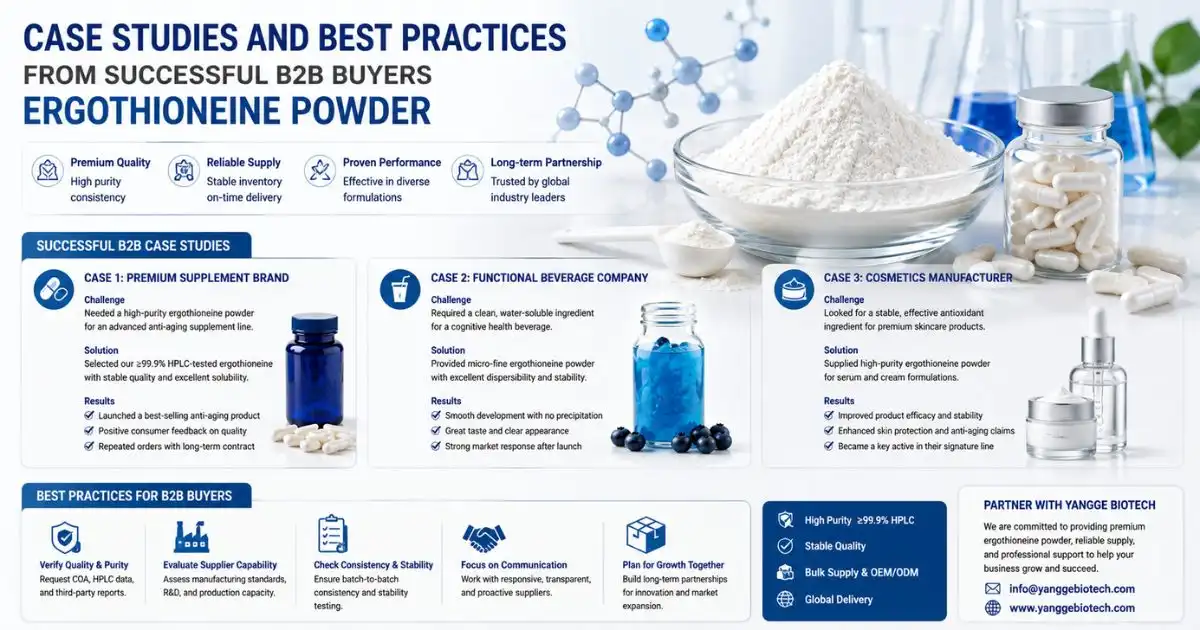
Case Studies and Best Practices from Successful B2B Buyers
Premium Supplement Brand Development Journey
Over the course of four months, a North American nutraceutical business making a line of "longevity vitamins" looked at seven possible Ergothioneine sources. The buying team put an emphasis on making sure the product was pure through independent testing, making sure all the necessary paperwork was in order to meet FDA requirements, and providing technical support for the creation of liposomal delivery systems.
Samples from three sources met the requirements for being ≥99% pure. An independent lab test showed that one supplier's material had unexpected impurities that weren't listed on the Certificate of Analysis. This meant that the supplier was immediately disqualified, even though they had competitive prices. The last two suppliers were looked at more closely, with studies of formulation stability and audits of the manufacturing sites.
The chosen supplier showed better technical collaboration by providing stability data that showed the best pH ranges and antioxidant synergists that made the shelf life longer than expected. This partnership made it easier to get into the market faster with a unique product that was backed up by strong claims of stability. The choice put the value of the technical partnership ahead of a 15% price premium over the lowest qualified bidder. This choice was proven by the fact that it was easy to scale up and go into commercialization.
Cosmeceutical Application Challenges
A European skin care brand that was making an anti-aging serum had problems with stability with their first Ergothioneine supplier while they were formulating the product. The ingredient broke down quickly in water, even though research papers said it should be pretty stable. An investigation showed that the given material still had parts of the fermentation media that made it oxidize faster when common cosmetic stabilizers were present.
The stability problem was fixed by switching to a provider with pharmaceutical-grade cleaning methods. The new supplier's technical team found specific problems with the protection systems and suggested options that kept working well and staying stable through studies that sped up the aging process. This experience made me realize how important it is to know more about downstream cleaning than just the top purity requirements.
Risk Mitigation Through Dual Sourcing
A Japanese company that makes functional drinks switched to two sources of Ergothioneine after their main provider had problems with unplanned fermentation pollution that caused production delays. It took six months of testing and reviewing regulatory documents in parallel to qualify a second seller. However, this investment kept production going when the main supplier ran out of space during a market demand surge.
The two-source approach made purchasing more difficult, but it protected against supply problems that could have cost the company market opportunities and hurt its relationships with retailers. By keeping technical relationships with both suppliers, it was possible to keep checking to see how the quality standards and prices were doing.
Conclusion
To choose the best Ergothioneine powder provider, you need to do a lot more than just compare prices. Independent testing for purity, detailed regulatory documentation, open manufacturing, and the ability to work with other companies technically are what set qualified suppliers apart from those who can't support the development of premium products. This decision-making framework, which focuses on workplace checks, systematic sample evaluation, and contractual rights, lowers the risks that come with getting this unique ingredient.
Successful purchasing plans know that Ergothioneine's high price in the market calls for suppliers who work with the company as technical partners instead of just selling things. Thoroughly qualifying suppliers takes more work up front than quickly buying something, but it pays off in the long run with consistent quality, trust in regulatory compliance, and formulation support that speeds up time-to-market. Ergothioneine's life benefits are being supported by a growing amount of scientific data, which opens up big business possibilities for companies that can find reliable, high-quality supply lines that can help them grow.
FAQ
What purity level should I specify for dietary supplement applications?
For pharmaceutical uses, the quality must be at least 99.9%, which can be proven by HPLC measurement. This specification makes sure that there aren't too many production intermediates or breakdown products and that the right doses are used for clinical effectiveness. Lower purity grades might work for less demanding uses, but they make formulations less predictable and increase regulatory risk. Instead of depending only on Certificates of Analysis from the manufacturer, you should always check what the seller says by having it tested by a different lab.
How do I verify a supplier's fermentation process claims?
Ask for detailed process flow diagrams that show the conditions of fermentation, the characteristics of the organism strain (without needing confidential information), and the steps that come after to clean the product. Validated manufacturing processes are shown by GMP certification, and site audits make sure that actual capabilities match documented procedures. If a supplier is sure of their processes, they will gladly comply with requests for transparency. On the other hand, evasive answers about manufacturing details are a sign of possible quality issues that need further investigation.
What regulatory documentation should suppliers provide for US market entry?
Full packages should have proof that the product is GRAS or a recognition of notice from the FDA, full specs with tested methods, stability studies to back up shelf life claims, and allergen statements. Suppliers who know what the US market needs keep these papers in forms that are easy to find. Early on in the evaluation process, regulatory affairs managers should make sure that all the necessary paperwork is in order to avoid delays during the product registration phases.
Partner with Yangge for Premium Ergothioneine Powder Supply
Yangge Biotech makes ultra-pure Ergothioneine powder using advanced microbial fermentation technology. Their products are always ≥99.9% pure, which is proven by HPLC and Eurofins testing. Our pharmaceutical-grade factories keep a lot of certificates, like ISO 9001, Halal, Kosher, FDA registration, and NON-GMO proof, to make sure they follow all the rules around the world. We have been a supplier of Ergothioneine to high-end nutraceutical and cosmetic brands for a long time, and we offer full technical support from formula development to commercialization.
Our natural, organic Ergothioneine powder is very stable and bioavailable, and it doesn't break down like other ingredients do when they are exposed to antioxidants. We offer a range of flexible packing choices, from 1 kg aluminum foil bags to custom bulk configurations. Our scalable supply solutions help both new names and well-known makers. Our expert team offers complete paperwork packages that include stability data, regulatory dossiers, and formulation advice. These packages cut down on the time it takes to develop your product.
Contact us or email our purchasing agents at info@yanggebiotech.com to talk about your specific needs and to ask for samples that come with full analytical documentation. You can find more technical information and application tips at blog.yanggebiotech.com to help you with the development of your Ergothioneine formulation.
References
1. Chen, J., Wang, L., & Zhang, H. (2022). Ergothioneine: A comprehensive review of its biosynthesis, biological activities, and industrial applications. Journal of Agricultural and Food Chemistry, 70(8), 2347-2365.
2. Halliwell, B., Cheah, I. K., & Tang, R. M. (2021). Ergothioneine and its role in oxidative stress protection: Emerging evidence for its status as a longevity vitamin. Free Radical Biology and Medicine, 176, 197-211.
3. Servillo, L., D'Onofrio, N., & Balestrieri, M. L. (2020). Ergothioneine antioxidant function: From chemistry to cardiovascular therapeutic potential. Journal of Cardiovascular Pharmacology, 75(4), 325-337.
4. Cheah, I. K., & Halliwell, B. (2021). Cellular accumulation of ergothioneine and its therapeutic potential in neurological disorders. Neurochemistry International, 143, 104940.
5. Marone, P. A., Trampota, J., & Weisman, S. (2019). Safety assessment of ergothioneine as a dietary supplement ingredient. Regulatory Toxicology and Pharmacology, 106, 183-191.
6. Tang, R. M., Cheah, I. K., & Halliwell, B. (2023). Ergothioneine in cosmetic applications: Mechanisms of photoprotection and anti-aging benefits. International Journal of Cosmetic Science, 45(2), 156-172.

Based on your location and order quantity, you will have the opportunity to receive a limited time free shipping promotion!
Who we are
Popular Blogs