Blue Spirulina Powder Uses in Food and Supplements
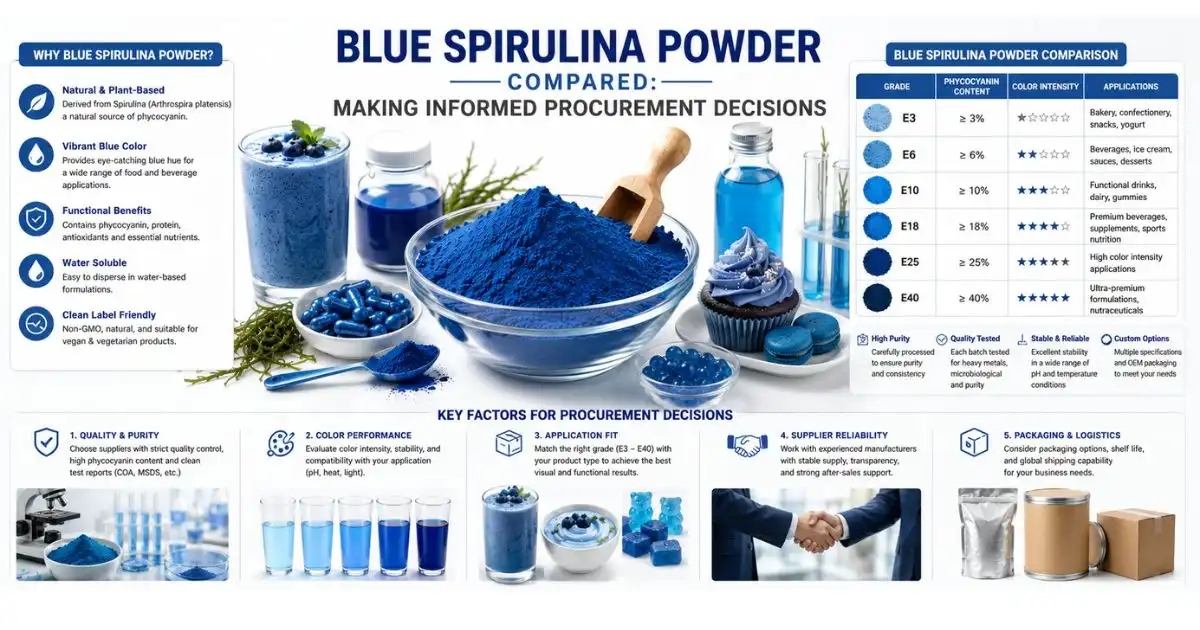
Blue Spirulina Powder from Yangge Biotech is a premium natural blue ingredient derived from Spirulina (Arthrospira platensis) and standardized for its naturally vibrant phycocyanin content. With its brilliant blue appearance and good water solubility, Blue Spirulina Powder is ideal for use in functional beverages, smoothies, gummies, confectionery, yogurt, ice cream, bakery products, capsules, tablets, protein powders, dietary supplements, and other clean-label formulations. Yangge Biotech supplies multiple phycocyanin specifications, including E3, E6, E10, E18, E25, and E40, with bulk supply and OEM packaging options available. Every batch is produced under strict quality-control procedures, with supporting COA and product specifications available for B2B customers. For free samples, wholesale pricing, COA, technical documentation, or customized requirements, please Contact Us or email info@yanggebiotech.com for professional assistance and a quotation.
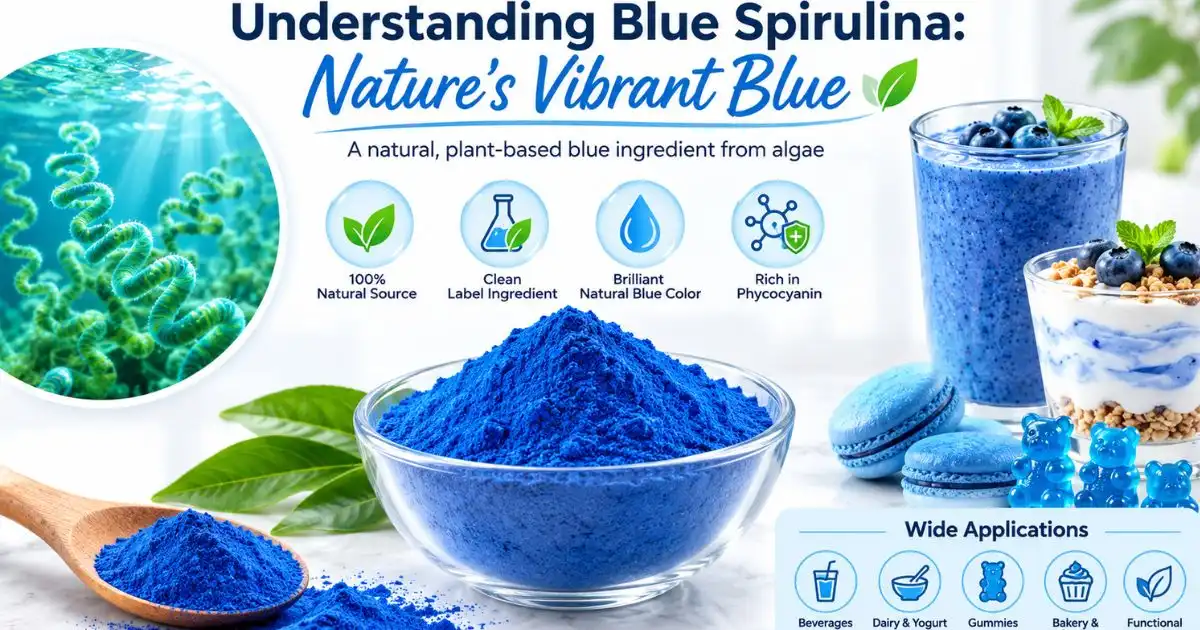
Blue Spirulina has emerged as a transformative natural ingredient for food manufacturers and supplement brands seeking clean-label alternatives to synthetic colorants. Extracted from Arthrospira platensis algae, this vibrant phycocyanin-rich powder delivers an intense cyan-blue hue without the earthy taste associated with conventional green spirulina.
Beyond its visual appeal, it provides functional benefits including antioxidant activity and protein content, making it valuable for both coloring and nutritional enhancement. For procurement directors and quality managers evaluating natural color solutions, understanding its composition, applications, and sourcing considerations is essential to successful product development and market differentiation.
Understanding Blue Spirulina Powder: Composition and Benefits
What Makes Blue Spirulina Different from Green Spirulina
Blue Spirulina is a pure extract of phycocyanin, which is the blue pigment-protein complex that is found naturally in spirulina algae. Blue Spirulina is selectively extracted to isolate phycocyanin, while whole green spirulina keeps chlorophyll and other pigments. This makes a powder that is pure blue without the fishy or swampy notes that make green spirulina less appealing for consumer products. This method of extraction is what makes Blue Spirulina so expensive—you're buying a concentrated bioactive part instead of the whole algae biomass.
For formulation chemists, the difference in composition is very important. Green spirulina is mostly made up of chlorophyll, carotenoids, and different pigments that give it an olive-green to dark green color. Blue Spirulina is mostly made up of phycocyanin, which is a chromophore. Depending on the concentration and pH level, formulators can make blues that are turquoise, sky blue, or bright cyan. This wide range of colors fills in a major hole in the natural colorant market. Until now, stable blues could only be made with synthetic FD&C Blue No. 1.
Nutritional Profile and Bioactive Components
The main element in Blue Spirulina is phycocyanin, which is both a colorant and a functional ingredient with known antioxidant qualities. According to research, phycocyanin can remove free radicals and help with anti-inflammatory processes. However, these benefits are more noticeable when the chemical is consumed in therapeutic doses rather than the small amounts used for coloring. For supplement companies that market their products around superfood stories, the dual functionality has marketing benefits that go beyond how it looks.
Quality Blue Spirulina powder contains all the essential amino acids and has a protein content of 60 to 70%. This amino acid profile backs up claims that a product is high in protein. It's especially useful in the sports nutrition and functional beverage categories, where customers look closely at ingredient lists to see if they can help them perform better. Trace elements and vitamins, like B-complex vitamins, are found naturally, but the amounts change depending on how the plant is grown and how it is extracted.
Market Drivers for Natural Blue Colorants
Consumers' dislike of artificial colors has grown a lot since 2015. This is because of movements for clean labels and governmental forces in North America and Europe. Big food companies have changed the recipes of thousands of products to get rid of synthetic blues, which has made a strong demand for natural alternatives. In comparison to alternatives like butterfly pea flower extract, which has pH sensitivity and fading problems, Blue Spirulina meets this need while providing superior color stability.
Blue Spirulina is becoming more popular because it has to be confirmed as Halal and Kosher in the Middle East and around the world. This is because certified phycocyanin meets religious food standards that don't allow certain synthetic additives. For distributors that serve these groups, certification documentation is an important buying requirement that has a direct effect on getting into new markets and keeping customers.
How to Use Blue Spirulina Powder in Food and Supplements
Food and Beverage Applications
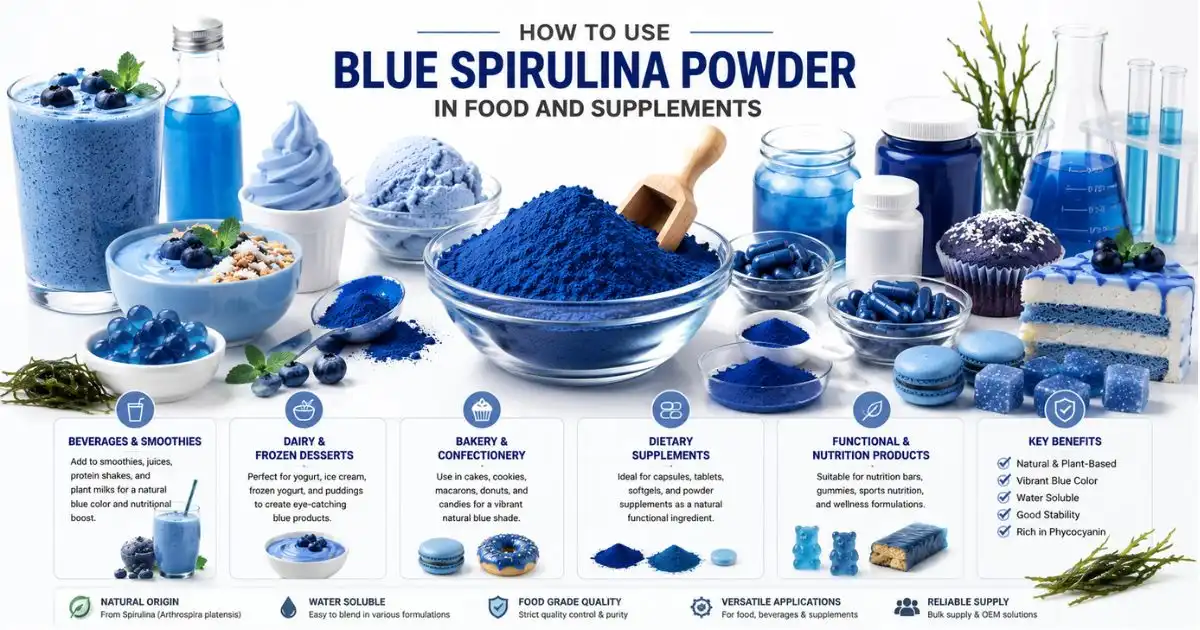
Understanding how Blue Spirulina dissolves in water and how stable it is is necessary for adding it to food recipes. The powder is great for drinks, frozen desserts, dairy products, and sweets because it dissolves easily in water. Depending on the color strength that is wanted, the usual range of usage rates is from 0.1% to 0.5%. However, higher amounts up to 2% may be used for functional supplements.
Blue Spirulina is often added to protein shakes, smoothies, functional waters, and energy drinks by beverage companies. The bright blue color makes the drinks stand out on store shelves. The color stays the same at a normal pH (6-7), but it turns green when the pH is very high, and it can fade if it is exposed to heat for a long time above 70°C. Formulation chemists should test a product's stability in all of the conditions it will be stored in, especially for products that are going to be pasteurized or retorted.
Applications in confectionery and baking come with their own set of problems and chances. Blue Spirulina works well in things that aren't baked, like frostings, hard candies, gummies, and marshmallows. When it comes to baked goods, keeping them away from high temperatures helps keep the color. Putting color on the outside, like in glazes and icings, works better than mixing it into dough that will be baked for a long time. Ice cream, yogurt, and frozen treats are great places to use phycocyanin because cold processing keeps it stable and adds eye-catching blue and green colors.
Supplement Formats and Formulation Considerations
Dietary supplement companies use Blue Spirulina in a number of different ways. Powder blends are good for health-conscious people who want to customize their nutrition because they can be mixed directly into smoothies or drinks. When making capsules and tablets, it's important to keep moisture levels low because phycocyanin is hygroscopic and can change how well they flow and compress. Products with targeted bioavailability claims may be more stable if they have an enteric coating.
Blue Spirulina works great in gummy supplements, which are a quickly growing type of supplement. It adds natural color to formulas for kids and people who like chewables. The aqueous gummy matrix works well with water-soluble phycocyanin, but manufacturers should watch how much light gets to the product while it's being stored because phycocyanin is sensitive to light. Packaging that is amber or dark reduces worries about degradation while still meeting shelf life standards.
Quality Control and Regulatory Compliance
Best practices for making Blue Spirulina products require that all raw materials be tested very carefully before they are used. The phycocyanin level should be checked on certificates of analysis (COAs) using a spectrophotometer to measure the absorbance at 618nm, and the E-value should be clearly written down. Yangge Biotech offers Blue Spirulina in E10, E18, and E25 color values, so formulators can choose the right specifications for their intended uses without buying too much color strength.
Microbiological tests must show that bacteria like Salmonella, E. E. coli and Staphylococcus aureus, and the total number of plates met food-grade standards. Screening for heavy metals like lead, arsenic, cadmium, and mercury makes sure that the limits set by Proposition 65 are met, as well as international standards. MSDS sheets support safe handling guidelines by talking about breathing protection while powder is being dispensed and storing needs to stop the powder from absorbing water and breaking down photochemically.
Blue Spirulina Powder Compared: Making Informed Procurement Decisions
Comparative Analysis with Alternative Ingredients
When looking for natural blue colorants, procurement teams should compare Blue Spirulina to other botanical extracts and ingredients that come from algae. The following table shows the main differences:
| Ingredient | Color Profile | Stability | Taste Impact | Typical Application |
|---|---|---|---|---|
| Blue Spirulina | Vibrant cyan-blue | Moderate (pH and heat sensitive) | Neutral to slightly earthy | Beverages, confections, supplements |
| Green Spirulina | Olive to dark green | High | Strong fishy/seaweed flavor | Supplements, savory products |
| Chlorella | Bright to dark green | High | Mild grassy notes | Supplements, smoothies |
| Matcha Powder | Yellow-green | Moderate | Distinct tea flavor | Beverages, desserts, ceremonial use |
| Butterfly Pea Flower | pH-reactive blue-purple | Low (highly pH dependent) | Mild floral | Teas, color-changing beverages |
In consumer-facing applications where palatability drives repurchase behavior, Blue Spirulina's neutral flavor profile offers unique benefits over green spirulina. Both chlorella and matcha are good for you, but neither has the blue color spectrum that brands need to make their products stand out in crowded categories. Because butterfly pea flower is sensitive to pH, it can't be used in recipes that need consistent color across batches.
Organic Certification Considerations
Organic Blue Spirulina costs 30–50% more than regular grades. This is because it is grown without using synthetic fertilizers or pesticides, which is certified by a third party. Organic approval is a must for brands that want to sell to natural food stores and approved organic product lines, even though it costs more. The return on investment is shown by being able to use premium distribution channels and reach groups of customers who are willing to pay higher prices at retail.
When you buy conventional Blue Spirulina from a reputable company that uses good farming methods, you get the same amount of phycocyanin and the same benefits for less money. Distributors who sell to price-conscious customers or companies that make private label goods for regular stores often get the best margins by choosing standard grades and making sure quality is maintained through supplier audits and batch testing protocols.
Format Selection: Powder Versus Finished Dosage Forms
Whether to buy bulk powder or finished dosage forms depends on how the company makes things and how it wants to run its business. Manufacturers with mixing and encapsulation equipment can buy powder in bulk (usually 25 kg at a time), which gives them the most recipe options and the lowest per-unit ingredient costs. This method needs warehouse facilities for proper keeping, which includes cool, dry, dark conditions that keep phycocyanin's stability for the normal 24-month shelf life.
Contract manufacturers and brands that don't have their own production facilities can benefit from OEM deals in which suppliers provide finished capsules, tablets, or powder sachets. Yangge Biotech helps other companies make superfood mix powders, capsules, tablets, and gummies, so brands can get their products on the market without having to spend a lot of money on manufacturing equipment. This plan shortens the time it takes to get a product to market while giving quality control duties to experienced makers who are GMP certified.
Blue Spirulina Powder Procurement: Best Practices and Market Insights
Supplier Evaluation Criteria
To find trustworthy Blue Spirulina suppliers, you need to carefully look at a lot of different factors. Instead of relying on self-certification claims, ISO, HACCP, Kosher, and Halal credentials should be checked by independent audit bodies. Suppliers that work with regulated markets keep their registrations up to date. For example, for US exports, they register as an FDA facility and make sure they follow EU Novel Food regulations when they apply.
Supply chain robustness is directly affected by how much can be produced and how much stock is available. If a supplier keeps a lot of stock on hand, like Yangge Biotech does with 1 ton of USP-grade material, they can meet pressing requests and adjust for changes in volume without having to wait longer for lead times. This inventory depth is important for distributors who deal with yearly demand spikes or multiple customer accounts whose order habits are different.
Traceability paperwork should show tracking from the farm to the finished product. This should include information about where the plants were grown, records of harvest batches, and processing conditions. Because of this, questions about quality can be answered quickly, and companies with GFSI-benchmarked food safety management systems can meet audit standards. Suppliers who put money into traceability infrastructure show that they care about quality more than just following the rules.
Pricing Dynamics and Negotiation Strategies
Phycocyanin content (E-value), certification status, and order volume all have a significant impact on Blue Spirulina pricing. Knowing the standards of the market helps you negotiate and plan your budget more effectively.
| Specification | Typical Price Range (USD/kg) | Key Price Factors |
|---|---|---|
| E10 (Conventional) | $180-$250 | Lower phycocyanin concentration, suitable for cost-sensitive applications |
| E18 (Standard, Conventional) | $280-$380 | Most common specification, balances cost and color strength |
| E25 (Premium, Conventional) | $420-$550 | Higher phycocyanin content, enables lower usage rates |
| E18 (Organic Certified) | $400-$520 | Premium for organic certification, access to certified organic products |
| E25 (Organic Certified) | $580-$720 | Highest specification, targets premium natural products market |
When you make a volume commitment, you can get better pricing. When purchasing managers negotiate yearly framework deals for 500 kg to 2000 kg volumes, they usually get 8 to 15 percent discounts compared to the spot buy price. Final costs are also affected by the terms of payment. For example, LC at sight, TT advance, and credit arrangements all involve different amounts of risk, which is reflected in the prices that suppliers charge.
Strategic Supplier Partnerships
Long-term relationships with well-known providers give you more than just lower business costs. Product development cycles are sped up by technical support like formulation advice, stability testing data, and regulatory documentation. Suppliers with their own research and development (R&D) teams can work together on unique requirements or new uses, making private ingredients that set your products apart.
Yangge Biotech is a great example of a company that values partnerships because they help customers with everything from samples to business scale-up. Our technical team helps improve formulations, gives shelf-life study protocols, and provides marketing support materials like white papers and consumer education materials. This way of working together turns suppliers from suppliers into strategic partners who want the success of both parties.
Being open about planning output capacity makes inventory management more effective. Customers can plan advertising activities around guarantyd supply windows when suppliers share cultivation dates and production calendars. This lets customers know when the goods will be available. This message lowers the chance of running out of stock, which can hurt the brand's image and relationships with customers.
Conclusion
For food companies and supplement brands making the switch from synthetic to natural colorants, Blue Spirulina powder represents an investment in a strategic ingredient. The bright cyan-blue color, useful phycocyanin content, and clean-label placement of this product make it stand out and meet the needs of consumers and regulators around the world. To make implementation work, you need to know the factors for formulation, carefully evaluate suppliers, and form partnerships with makers who can provide regular quality and a steady supply.
Yangge Biotech's wide range of Blue Spirulina products, which include E10, E18, and E25 specs and are certified Kosher and USP, gives purchasing workers a lot of choices that can be tailored to specific needs and budgets. Our dedication to quality, shown by our ISO/HACCP certification and environmentally friendly farming methods, helps you reach your goals for new products while also making sure that we follow all the rules and are clear in the supply chain.
FAQ
What health benefits does blue spirulina provide?
Phycocyanin, the main bioactive component of Blue Spirulina, has antioxidant properties that help protect cells from oxidative stress. Research suggests that it might have anti-inflammatory effects, but there isn't enough clinical evidence yet to say for sure how it can be used in therapy. The high protein content (60–70%) helps you get enough protein every day, which makes it useful in nutritional supplement formulations. These properties help brands that sell wellness products position themselves as superfoods, but formulators need to make sure that the amounts used are in line with the standards for substantiation for certain health claims.
Are there safety concerns or allergen risks with blue spirulina?
Blue Spirulina that comes from controlled farming usually doesn't pose many safety issues as long as it comes from a reliable producer. Spirulina is not considered a major allergen by the FDA or the EU, but some people who are sensitive to fish do have responses to it. Heavy metals and microtoxin-producing cyanobacteria are two types of contamination that can happen in poorly controlled production. This shows how important it is to check the suppliers and look over the COA. These risks can be successfully reduced with good manufacturing controls and batch tests.
How should blue spirulina powder be stored to maintain quality?
Cool temperatures (below 25°C), low humidity (below 60% RH), and shelter from light are the best conditions for keeping. Under the right conditions, sealed packaging in cases that keep out moisture and air can last for up to 24 months. Phycocyanin breaks down in UV light and high temperatures, so it is important to store it in a climate-controlled space. Regular testing of the color value during storage lets you keep an eye on quality.
Partner with Yangge: Your Trusted Blue Spirulina Supplier
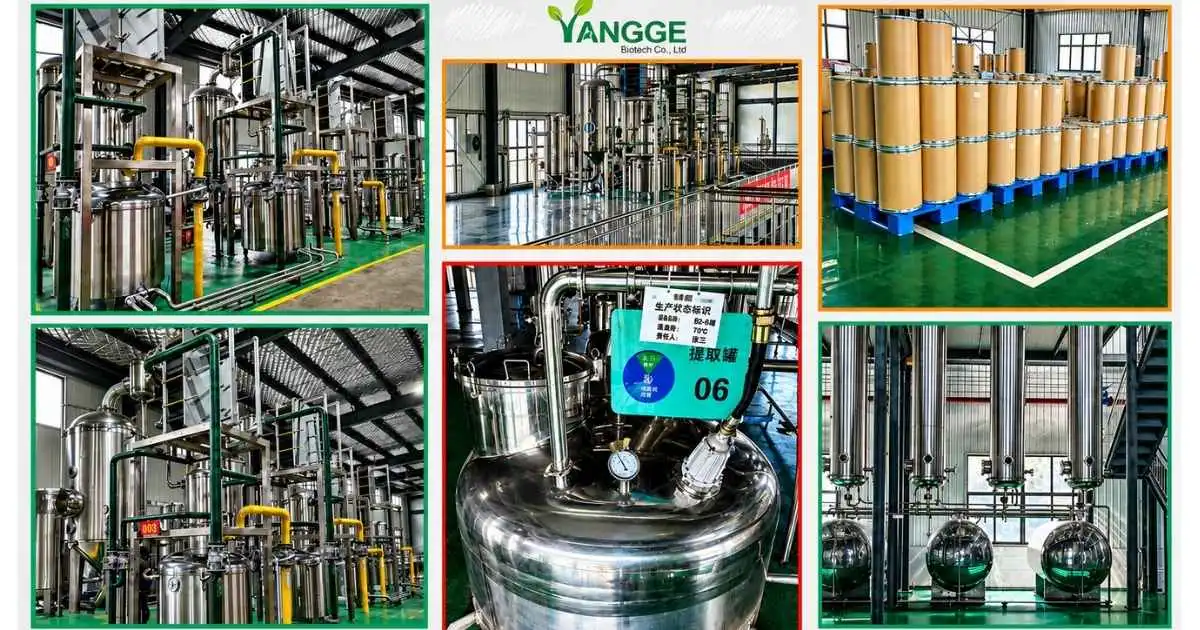
Yangge Biotech can help you find natural ingredients because they sell high-quality Blue Spirulina powder in E10, E18, and E25 specs. Our USP-grade material is kept in stock at a level of 1 ton, which allows for quick fulfillment of tight production schedules. As a recognized manufacturer with ISO, HACCP, Kosher, and Halal credentials, we provide the strict quality control and paperwork that procurement workers need.
Our flexible packaging options, ranging from 1 kg foil bags to 25 kg drums, can handle a wide range of order sizes. Additionally, our OEM capabilities allow us to make superfood blends, capsules, tablets, and gummies that are exactly what your brand needs. Contact us or you can email our technical team at info@yanggebiotech.com to ask for samples, talk about recipe needs, or look into private label options that could help you speed up the development of your product.
References
1. Eriksen NT. Production of phycocyanin—a pigment with applications in biology, biotechnology, foods and medicine. Applied Microbiology and Biotechnology. 2008;80(1):1-14.
2. Romay C, González R, Ledón N, Remirez D, Rimbau V. C-phycocyanin: a biliprotein with antioxidant, anti-inflammatory and neuroprotective effects. Current Protein and Peptide Science. 2003;4(3):207-216.
3. Lupatini AL, Colla LM, Canan C, Colla E. Potential application of microalga Spirulina platensis as a protein source. Journal of the Science of Food and Agriculture. 2017;97(3):724-732.
4. Sigurdson GT, Tang P, Giusti MM. Natural colorants: food colorants from natural sources. Annual Review of Food Science and Technology. 2017;8:261-280.
5. Downham A, Collins P. Colouring our foods in the last and next millennium. International Journal of Food Science and Technology. 2000;35(1):5-22.
6. Batista AP, Gouveia L, Bandarra NM, Franco JM, Raymundo A. Comparison of microalgal biomass profiles as novel functional ingredient for food products. Algal Research. 2013;2(2):164-173.

Based on your location and order quantity, you will have the opportunity to receive a limited time free shipping promotion!
Who we are
Popular Blogs