How to Choose an Oat Beta Glucan Supplement for Cholesterol Support
Choosing the right oat beta glucan supplement requires distinguishing between useful ingredients and basic fiber powders. The active ingredient, a water-soluble (1,3/4,4) polysaccharide from oat cell wall, must meet concentration, certification, and formulation requirements. Correcting this details for B2B buyers purchasing ingredients for nutritional meals, food supplements, or OEM manufacturing affects product performance, adherence to laws, and consumer trust.
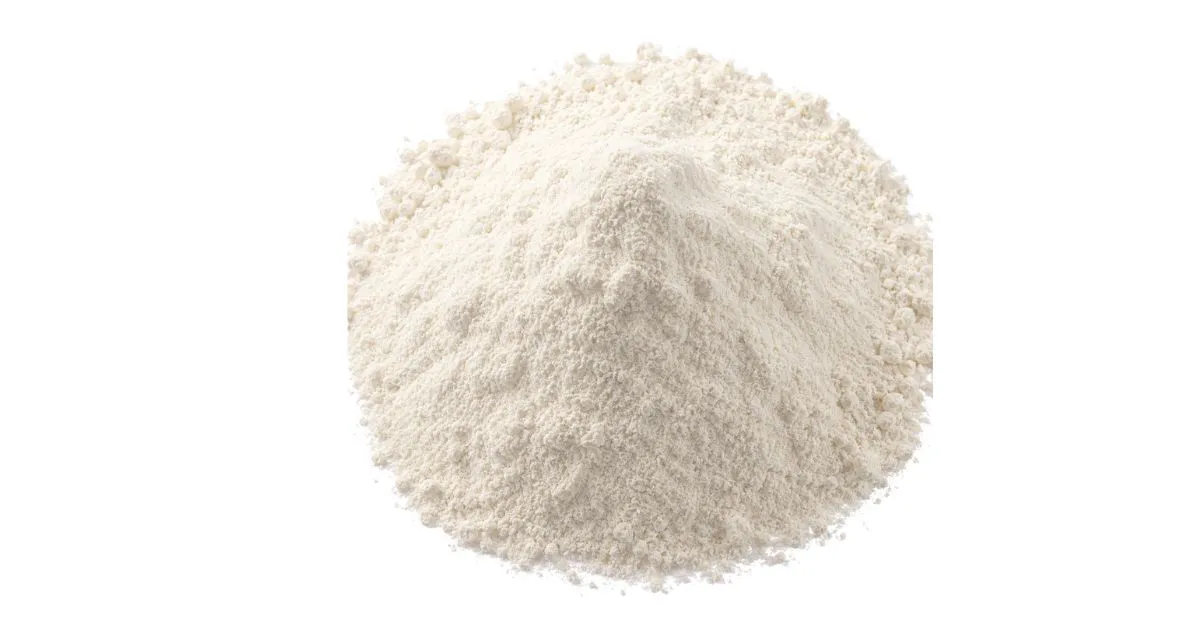
Understanding Oat Beta Glucan and Its Role in Cholesterol Support
What Is Oat Beta Glucan?
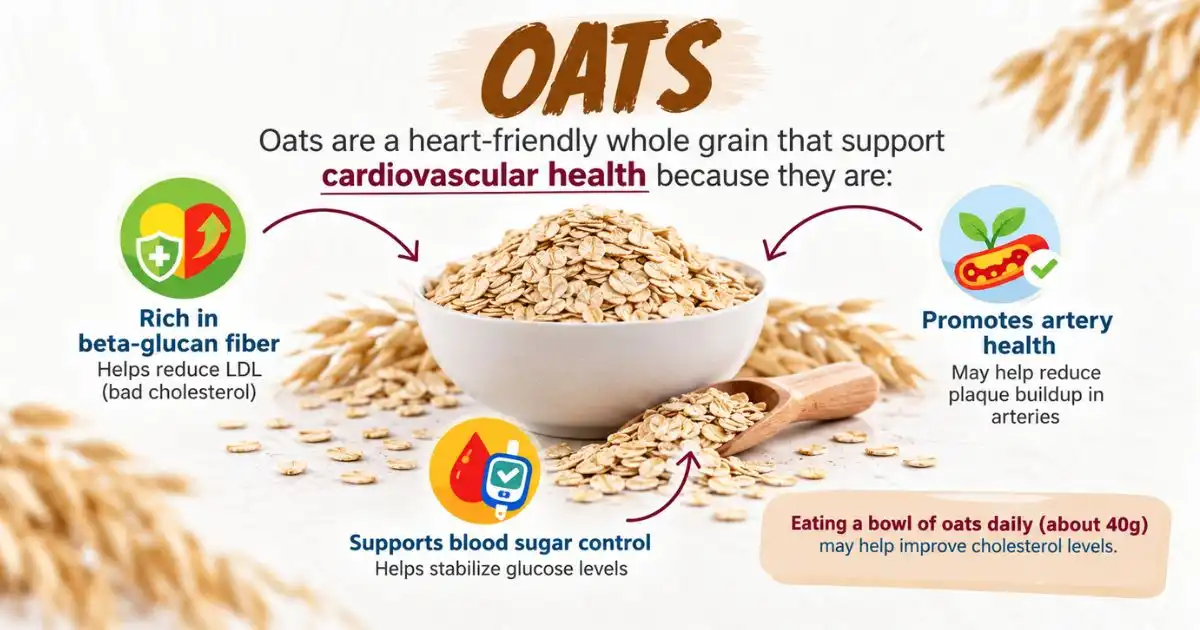
Oat endosperm & bran contain beta-glucan. It is a linear polysaccharides chain made up of glucose units connected by β-(1→3) и β-(1→4) glycosidic connections. Its unique structure makes it water-viscous, lowering cholesterol. Oat-derived beta glucan has the strongest clinical evidence for heart perks, unlike yeast or fungus glucans, which have similar names but distinct structures and actions.
How It Lowers Cholesterol
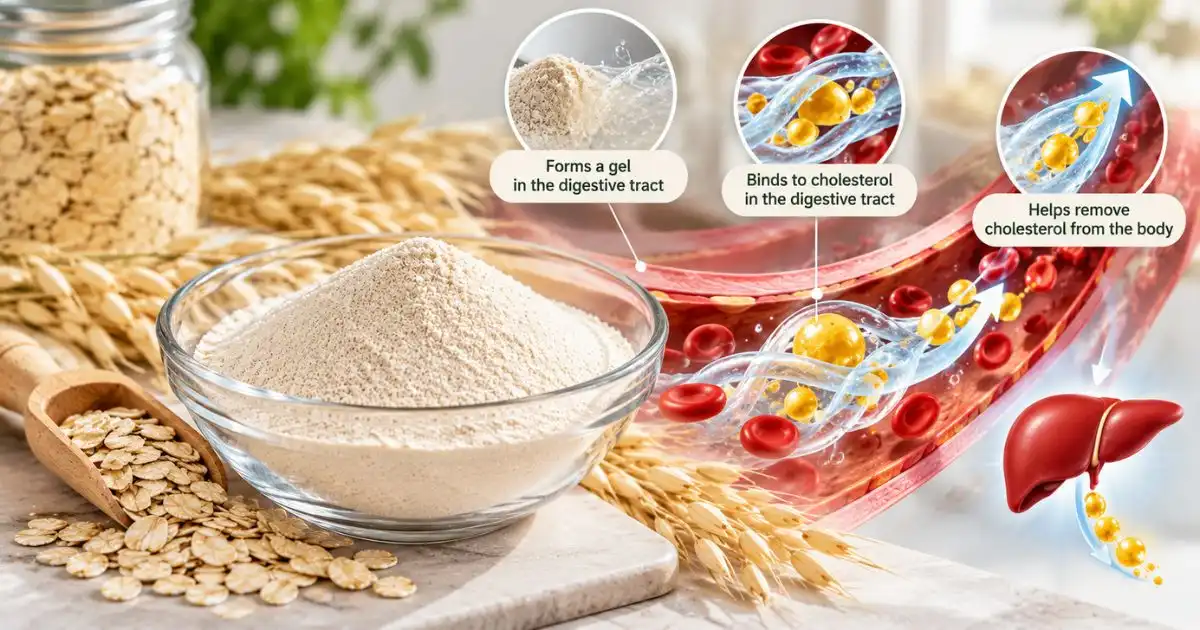
When ingested, oat beta glucan coats the small intestine in gel. Bile acids, cholesterol-derived digestion chemicals, leave the body via this viscous matrix. The liver absorbs cholesterol from circulation to replenish bile acids, reducing LDL. HMG reductase inhibition via brief-chain fatty acid fermentation, bile acid sealing, and slower gut wall lipid absorption help.
Regulatory Recognition
Oat beta glucan, in a low-fat diet, may lower heart disease risk at 3 grams per day, according to a 1997 FDA qualified health claim. In 2011, EFSA recommended 3g daily to reduce blood cholesterol significantly. Oat-sourced beta glucan at verified purity and molecular weight is the focus of these claims, not all soluble fibers.
Key Criteria for Selecting an Oat Beta Glucan Supplement for Cholesterol Support
Beta Glucan Concentration and Molecular Weight
Oat beta glucan powders vary in active load. A product must contain 70–80% beta glucan by dry weight to support health claims and enable practical serving amounts. Molecular weight (>1,000 kDa) increases viscosity and cholesterol-lowering effects. Always seek a COA for both parameters.
| Parameter | Recommended Range | Impact |
|---|---|---|
| Beta glucan concentration | ≥70% (dry weight) | Efficacy and health claim support |
| Molecular weight | >1,000 kDa | Viscosity, cholesterol-binding capacity |
| Moisture content | ≤8% | Shelf stability and flowability |
| Benzopyrene (PAH4) | ≤10 ppb | Food safety compliance (EU standard) |
Solubility, Viscosity, and Formulation Fit
Viscosity aids and hampers food and beverage processing. High-viscosity powders improve function but affect baking, yogurt, and beverage quality. Purchase numerous viscosity grades for their applications. Clear liquids and capsules use lower-viscosity classes, whereas meal replacement powders and fortified porridges use higher-viscosity grades. Your matrix must be tested before grading.
Certifications and Allergen Status
US, European, or Asia-Pacific commodities of oat beta glucan supplement need certifications. ISO manufacturing standards, Osha food safety, & third-party Kosher, Jewish, and Non-GMO certification matter. If your product addresses gluten-sensitive clients, use gluten-free oats standard oats may be cross-contaminated.
Comparing Leading Oat Beta Glucan Supplements on the Market
Buyers frequently compare oat beta glucan against barley beta glucan and psyllium husk for cholesterol support. Each has distinct trade-offs worth understanding before finalizing a formulation strategy.
| Ingredient | Beta Glucan Type | FDA/EFSA Health Claim | Typical Dosage | Texture Impact |
|---|---|---|---|---|
| Oat beta glucan | (1,3/1,4) soluble fiber | Yes (both) | 3g/day | Moderate viscosity |
| Barley beta glucan | (1,3/1,4) soluble fiber | Yes (EFSA) | 3g/day | Similar viscosity |
| Psyllium husk | Arabinoxylan | Yes (FDA only) | 7g/day | High gel formation |
| Fish oil (omega-3) | Lipid-based | Yes (triglycerides) | 2–4g/day | No fiber matrix |
Oat beta glucan stands out because it carries both FDA and EFSA recognition, works at a relatively low daily dose, and integrates cleanly into dry-format products like capsules, sachets, and baked goods. Barley beta glucan is a legitimate alternative but has a narrower supplier base and less consumer recognition.
Specialty Variants: Gluten-Free and Organic
Consumer demand for safe-label and allergen-free goods is driving businesses to declare gluten-free oat beta glucan. This needs dedicated processing line and third-party testing. Organic certification complicates supply chains but may support premium natural health retail positioning.
Price-Performance Balance
Since less powder of oat beta glucan supplement is needed per serving to attain 3g daily, beta glucan concentration frequently justifies higher per-kilogram cost. A 70% concentration at an affordable rate generally beats a 40% extract per effective dose. Remember active beta glucan cost every gram, not raw powder per kilogram.
Procurement Strategies for Bulk Purchasing Oat Beta Glucan Supplements
Sourcing Channels and MOQ Considerations
Direct manufacturer sourcing saves markups and simplifies spec modification. While Alibaba is important for supplier discovery, direct factory involvement is needed for compliance documents and OEM packaging talks. Yangge's oat beta glucan powder begins at 1kg, making pilot testing and small-batch product development easier before expanding to commercial numbers.
Quality Assurance Before Purchase
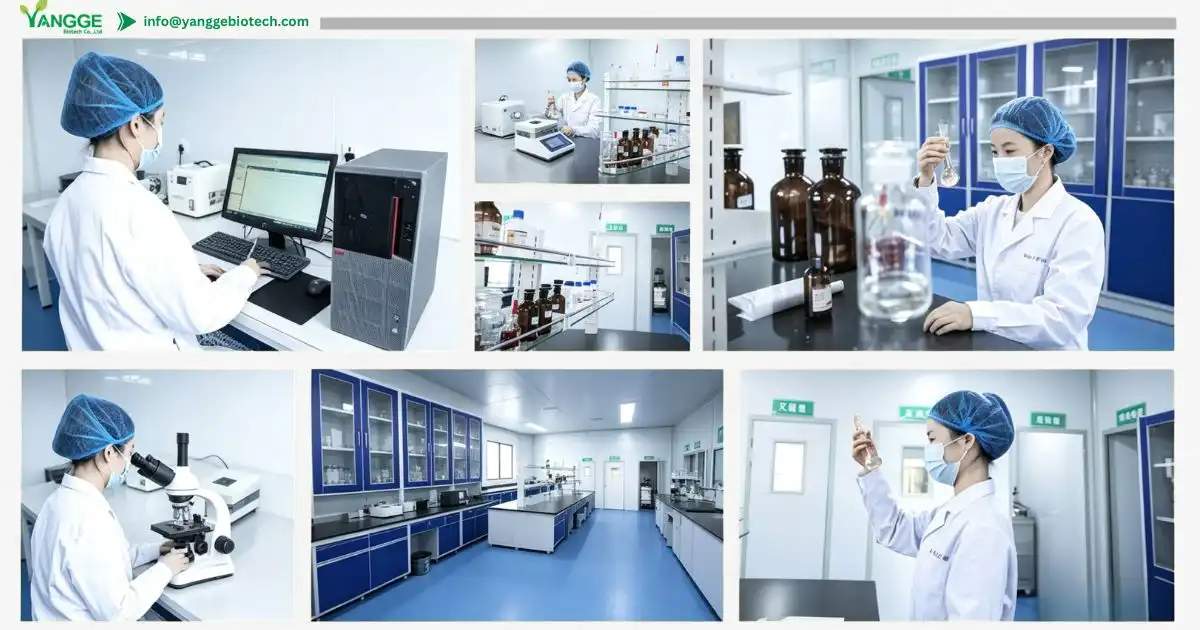
Request a complete COA from a recognized third-party laboratory before bulk ordering. Enzymatic beta glucan, moisture, heavy metals, microbial counts, and PAH4 safety indicators are important assays. Yangge's oat beta glucan powder meets European PAH4 requirements, and is retested by external labs for benzopyrene levels below 10 ppb.
Here are the core documentation checkpoints before committing to a supplier:
- COA from third-party lab: Confirms active content, purity, and food safety compliance
- Regulatory certifications: ISO, HACCP, Kosher, Halal, Non-GMO verification documents
- PAH4 compliance report: Mandatory for EU market entry; validates benzopyrene ≤10 ppb
- OEM packaging specs: Confirm labeling flexibility, minimum print runs, and lead times
- Sample availability: A 1kg sample order enables real formulation testing before volume commitment
These checkpoints help procurement teams avoid costly reformulation delays and protect brand integrity when products reach retail or clinical channels.
Making the Final Decision: Matching Solutions to Your Business Needs
Aligning Product Specs to Your Application
The proper oat beta glucan supplement powder matches your product matrix. A meal replacement brand needs good solubility and neutral taste, a bakery needs heat stability and constant water absorption, and a capsule needs low moisture and tiny particle size. Match supplier specs to process needs, not vise versa.
OEM and Private Label Flexibility
OEM packaging support saves time and money when creating private label or white-label supplements. Yangge custom packages 1kg+ aluminum foil bags with US and EU regulatory labeling. This flexibility lets mid-size firms join the market quicker without in-house packaging.
Long-Term Supplier Relationships
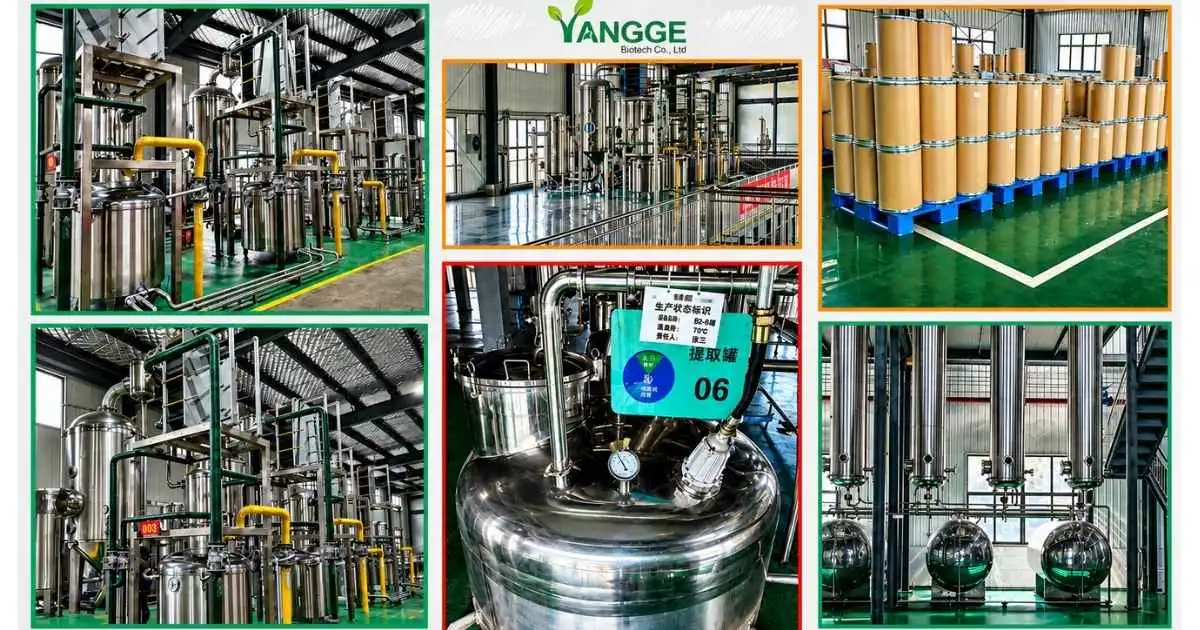
Batch-to-batch consistency is one of the most common concerns among formulators. Viscosity variation across production runs can affect product texture and label accuracy for fiber content claims. A supplier with standardized extraction processes and documented batch records gives your QA team the data needed to maintain product consistency over time.
Conclusion
More than price comparison is needed to find cholesterol-boosting oat beta glucan supplement powder. A raw material's beta glucan concentration, molecular weight, fluidity grade, certification, and PAH4 safety compliance impact health claim believability and regulatory acceptance. This strategy lets B2B buyers make decisions that endure through formulation, manufacture, and market launch from constituent chemistry to procurement documentation.
FAQ
What daily dose of oat beta glucan supports cholesterol reduction?
The FDA and EFSA recommend 3 grams of oat beta glucan per day for cholesterol support in a low-fat diet. Some research show that 5 grams daily reduces LDL more, especially in those with high baseline cholesterol.
Does beta glucan concentration affect health claim eligibility?
Yes. To support FDA or EFSA cholesterol-related health claims, the beta glucan must come specifically from oats or barley and meet purity thresholds. A lower-concentration powder requires a larger serving size to reach 3g of active beta glucan, which can affect product formulation and label compliance.
How do I verify that a supplier's oat beta glucan is gluten-free?
Request a certificate from a recognized gluten-free testing program and confirm that the oats were grown and processed on dedicated equipment. Standard oats carry a high cross-contamination risk. Gluten-free-certified oat processing requires separation from wheat, barley, and rye throughout the supply chain.
What causes viscosity variation between batches?
Viscosity in oat beta glucan powder depends on molecular weight, which can shift slightly between harvests or extraction batches. Buyers should request viscosity data alongside the COA for every lot and set acceptable specification ranges in their purchase agreements.
Partner with Yangge for Your Oat Beta Glucan Ingredient Needs
Yangge Biotech offers a verified oat beta glucan supplement manufacturer solution backed by ISO, HACCP, Kosher, and Halal certifications. Our off-white fine powder is Non-GMO, non-irradiated, and PAH4-compliant, with OEM packaging available from 1kg. Request a sample or discuss formulation requirements directly at info@yanggebiotech.com or visit blog.yanggebiotech.com to learn more about our full ingredient portfolio.
References
1. Whitehead et al. (2014) in British Journal of Nutrition.
2. Oat Beta Glucan and Coronary Heart Disease Risk Reduction, FDA, 1997.
3. 2011 EFSA Journal: Panel on Dietetic Products.
4. El Khoury D., Cuda, D., Luhovyy, B. R., & Anderson, G. H. (2012).
5. S. M. Tosh, Food Hydrocolloids, 2013.
6. Önning et al., Annals of Nutrition et Metabolism, 1999.

Based on your location and order quantity, you will have the opportunity to receive a limited time free shipping promotion!
Who we are
Popular Blogs