Gardenia Yellow vs. Beta-Carotene: Which Color Is Best for Foods?
When choosing a natural yellow colorant for your food product, two names come up most often gardenia yellow food color and beta-carotene. Both are plant-derived, clean-label options, but they perform differently across food matrices, processing conditions, and regulatory markets. Gardenia Yellow particularly Yangge's E60-grade powder offers water-soluble, heat-stable yellow color with no flavor interference. Beta-carotene provides a warm orange-yellow tone with added nutritional value. The right choice depends on your specific application, target market, and label requirements. This guide breaks down both options so you can make a confident procurement decision. Contact us at info@yanggebiotech.com or visit blog.yanggebiotech.com to request your sample today.
Understanding Gardenia Yellow and Beta-Carotene: Composition and Origins
What Is Gardenia Yellow?
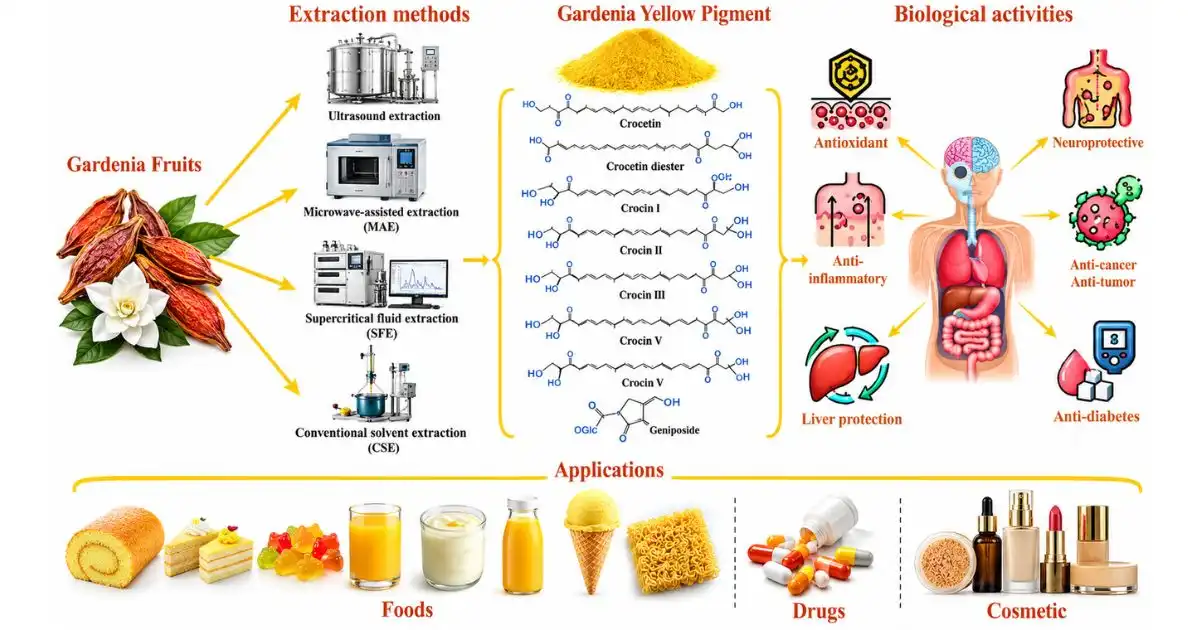
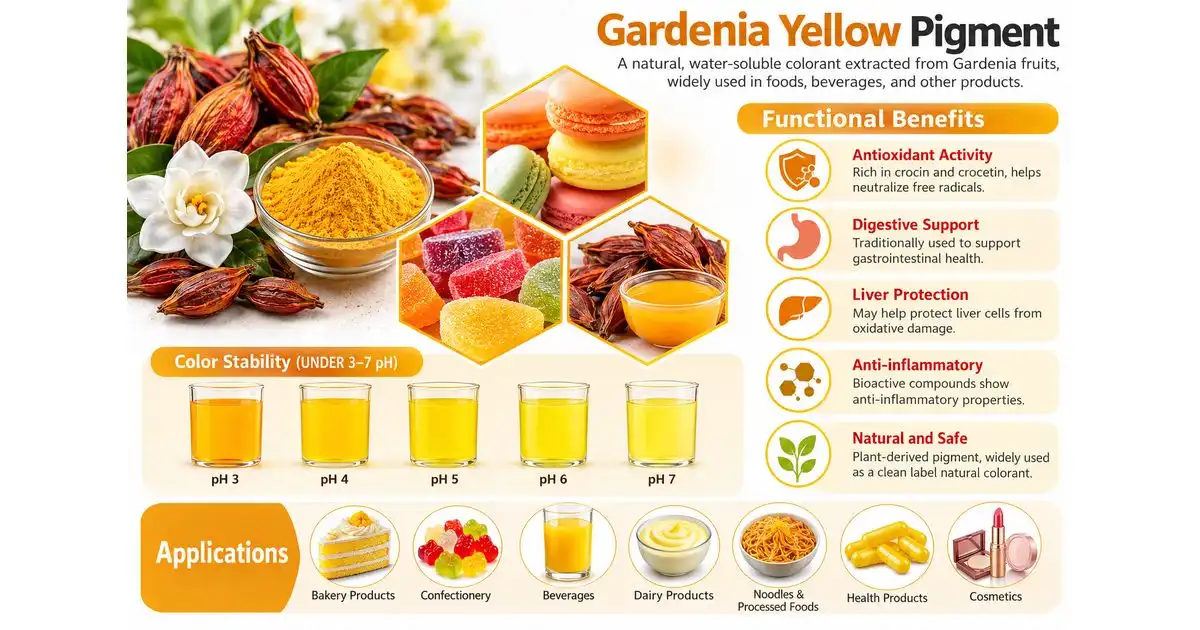
Gardenia Yellow is extracted from the dried fruit of Gardenia jasminoides Ellis. Its primary coloring compounds are crocin and crocetin esters water-soluble carotenoid glycosides that produce a clear, bright yellow hue. To produce Yangge's Gardenia Yellow Powder E60, the fruit's extract is spray-dried, with purity verified by HPLC. The product is available in specifications E60, E300, and E500, appearing as an orange-yellow powder with maximum UV absorption at 440 nm.
What Is Beta-Carotene?
Carrots, algae ("Dunaliella salina), and palm oil contain fat-soluble beta-carotene. The body transforms this symmetrical tetraterpene into vitamin A in natural-extract nor fermentation-derived forms. Emulsification is needed to function in water-based agricultural systems since it is lipophilic, adding expense and complication for formulators.
Regulatory Standing of Both Colorants
Both pigments hold broad global approval, though details differ across markets.
| Attribute | Gardenia Yellow | Beta-Carotene |
|---|---|---|
| EU Status | Not listed as E-number for direct food use in EU | E160a, broadly permitted |
| FDA (USA) | Listed under 21 CFR 73.615 (gardenia blue; yellow is category-exempt) | GRAS / 21 CFR 73.95 |
| China GB Standard | GB 2760 permitted colorant | GB 2760 permitted |
| Halal / Kosher | Yes (Yangge certified) | Depends on source |
Understanding these distinctions is essential before committing to a formulation change, especially for products exported to multiple regions.
Functional Benefits and Applications in Food Products
Where Gardenia Yellow Performs Best
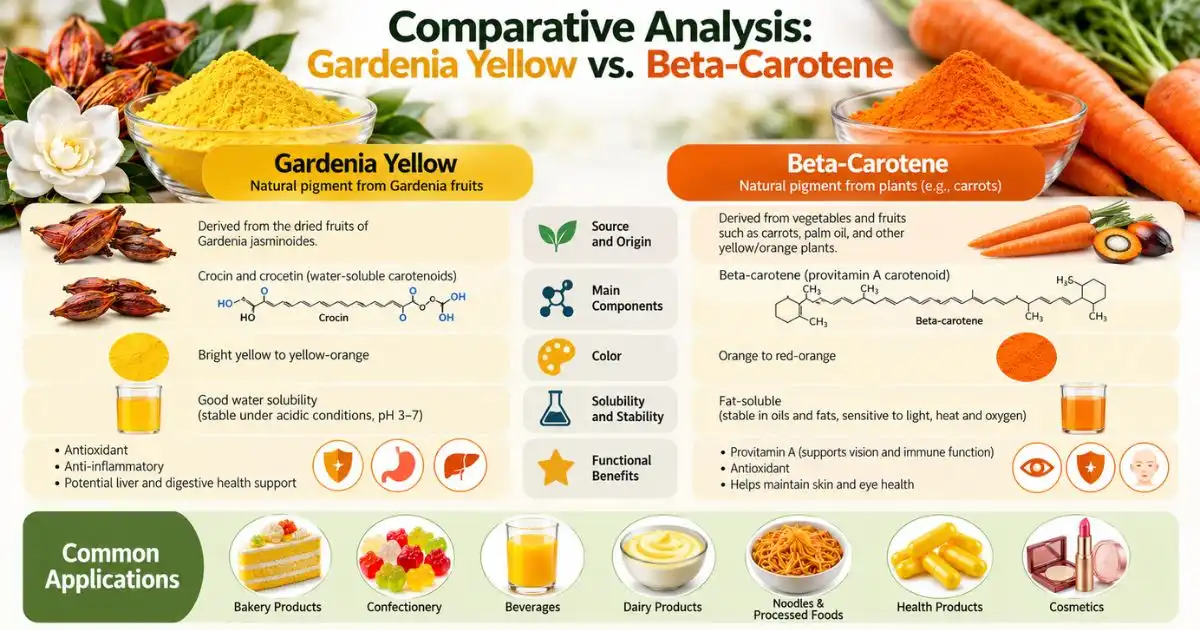
Gardenia yellow food color mixed with water makes a clear yellow liquid without emulsifiers. This makes it ideal for clear drinks, flavored waters, jellos, noodles, confectionery coverings, and dairy desserts. Beverage formulators admire its flavorless nature. It retains color integrity at pH 4.0–8.0, which covers most soft drinks and dairy pH ranges.
Where Beta-Carotene Adds Value
Oil-in-water emulsions, butter, cheese analogs, margarine, and fat-matrix baked products benefit from beta-carotene's fat-soluble nature. It also supplies provitamin A activity, with 12 µg of beta-carotene equaling 1 µg of retinol activity. Beta-carotene lets companies mix natural color with nutritious claims.
Application Matrix Comparison
| Food Category | Gardenia Yellow E60 | Beta-Carotene |
|---|---|---|
| Clear beverages | Excellent (water-soluble, no turbidity) | Needs emulsification |
| Noodles / pasta | Excellent (heat-stable to 80°C/60 min) | Moderate |
| Dairy desserts | Good | Good |
| Baked goods | Good | Excellent (fat matrix) |
| Confectionery coatings | Excellent | Moderate |
| Functional foods | Good | Excellent (vitamin A claim) |
These functional differences should guide your matrix selection before you request samples.
Comparative Analysis: Gardenia Yellow vs. Beta-Carotene
Color Hue and Visual Performance
Gardenia yellow food color produces a pure, clean yellow with no orange cast at standard dosages. In contrast, beta-carotene skews orange-yellow, which works well for cheese or snack seasonings but can look artificial at high loadings in a pale beverage. For products where hue precision matters think lemon-flavored drinks or pale-yellow confectionery — gardenia yellow gives formulators tighter control over the final shade.
Stability Under Processing Conditions
Gardenia Yellow is thermally stable at 80°C for 60 minutes, making it suitable for pasteurized beverages and boiled noodles. However, it degrades under direct UV exposure and reacts with iron ions (Fe³⁺), which can cause darkening; stainless steel (304/316) equipment and UV-protective packaging are required. Beta-carotene is photosensitive and oxidizes readily in the presence of oxygen, so it needs antioxidant stabilizers (e.g., tocopherols) and oxygen-barrier packaging for shelf-life protection.
Cost and Procurement Factors
Beta-carotene from natural sources carries a higher raw material cost than synthetic versions. Gardenia Yellow at E60 grade is positioned as a cost-accessible entry point, while E300 and E500 grades offer higher tinting strength for applications needing lower usage rates. Both pigments cost more than synthetic alternatives like tartrazine, but the clean-label premium is increasingly justified by retailer and export requirements.
Procurement Guide for Gardenia Yellow and Beta-Carotene Food Colors
Evaluating Supplier Credentials
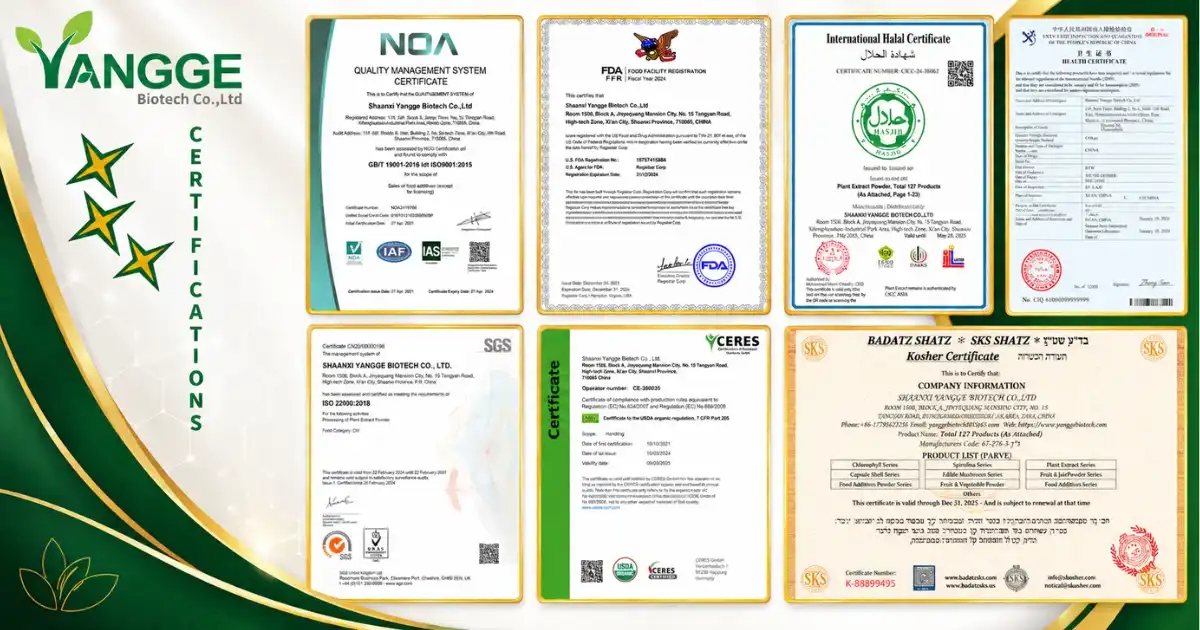
Before placing an order, request documentation confirming ISO, HACCP, Kosher, and Halal certification. For export compliance, you need Certificates of Analysis with HPLC-verified color values, heavy metal test reports, and a specification sheet aligned to the destination country's permitted additive list. Yangge Biotech holds all four certifications mentioned above and provides full traceability from gardenia fruit sourcing to final powder production.
Key Procurement Parameters for Gardenia Yellow E60
Here are the core specification parameters buyers should confirm when sourcing Yangge's Gardenia Yellow Powder E60:
- Color Value: E60 (standard grade); E300 and E500 available for high-tinting applications
- Solubility: Fully water-soluble; produces a transparent yellow solution
- Appearance: Orange-yellow free-flowing powder
- pH Stability Range: 4.0–8.0
- Thermal Stability: Color retained after 60 minutes at 80°C
- Iron Sensitivity: Use stainless steel equipment and low-hardness water or EDTA chelation
These parameters help quality teams set incoming inspection criteria and reduce the risk of reformulation after sampling. Confirming them upfront shortens your 3–8 week procurement cycle.
Minimum Order and Application Support
One common pain point for mid-size food manufacturers is that suppliers require large minimum orders before offering technical support. Yangge offers low MOQ options alongside formulation assistance — including dosage recommendations for specific matrices — so you can complete stability testing and trial production without overcommitting on inventory.
Making the Right Choice: Which Natural Yellow Color Fits Your Food Product?
Decision Framework by Application
If your product is a clear beverage, jelly, or noodle where water solubility and neutral flavor are non-negotiable, gardenia yellow food color is the stronger match. If you produce fat-containing products like baked goods or dairy spreads and want to add a vitamin A positioning, beta-carotene is more appropriate. Many manufacturers source both to cover their full SKU range a strategy Yangge can support across a single supplier relationship.
Clean-Label and Export Compliance
Growing retailer requirements particularly in the US, EU, and Gulf markets are accelerating the shift away from synthetic azo dyes. Gardenia Yellow carries no warning label obligations under current US and Chinese regulations. Formulators targeting multiple export destinations should verify the permitted status of gardenia-derived pigments in each specific market and request full regulatory documentation from their supplier before committing to a formulation.
Sustainability Alignment
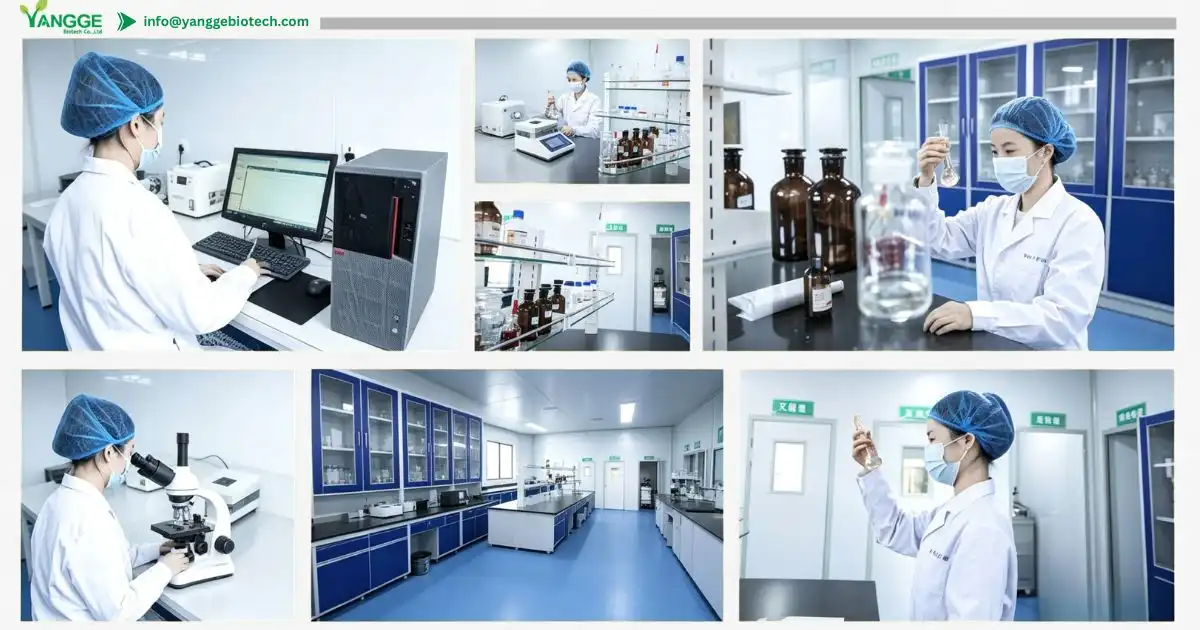
Yangge sources gardenia fruit through a traceable farm-to-factory model, with recognized environmental practices and renewable energy integration at the production facility. For food brands that report on supply chain sustainability or carry eco-label certifications, documented sourcing transparency is increasingly a vendor qualification criterion, not just a preference.
Conclusion
Beta-carotene and gardenia yellow food color are natural food colorings. For water-based, transparent, and neutral-pH applications, Gardenia Yellow E60 is more adaptable. In fat-rich matrices and vitamin A claims, beta-carotene wins. Final considerations should include matrix compatibility, processing security, export compliance, and formulation cost. Requesting samples from a qualified supplier with relevant data is the fastest method to get from assessment to production.
FAQ
Is Gardenia Yellow safe to consume?
Yes. Gardenia Yellow derived from Gardenia jasminoides has an established safety profile. It is permitted under China's GB 2760 standard and recognized as safe in several export markets. Yangge's E60 powder passes HPLC purity verification and heavy metal testing.
Why does my product turn greenish when I use gardenia yellow food color?
This happens when residual iridoid glycosides (geniposide) react with proteins or amino acids under heat or enzymatic activity. Switching to a higher-purity grade with a lower geniposide content verified by an OD ratio above 0.4 resolves this issue.
Can Gardenia Yellow be used in acidic beverages below pH 3.0?
It performs well between pH 4.0 and 8.0, but hue shifts or precipitation may occur below pH 3.0. Stability testing is mandatory for highly acidic formulations before scale-up.
How does Gardenia Yellow compare to turmeric (curcumin) in beverages?
Gardenia Yellow is naturally water-soluble and produces a clear solution without polysorbate emulsifiers. Curcumin frequently causes turbidity in clear beverages, making gardenia yellow the cleaner option for transparent liquid applications.
Does Yangge supply Gardenia Yellow in small trial quantities?
Yes. Yangge supports low MOQ sampling to allow application testing and stability evaluation before full production orders.
Request Samples from Yangge Gardenia Yellow Food Color Supplier
Yangge Biotech supplies ISO, HACCP, Kosher, and Halal certified Gardenia Yellow Powder E60 with full regulatory documentation, low MOQ sampling, and formulation support for beverages, confectionery, dairy, and bakery applications. As a trusted gardenia yellow food color manufacturer, we provide in-stock availability and dedicated technical assistance to shorten your replacement cycle. Contact us at info@yanggebiotech.com or visit blog.yanggebiotech.com to request your sample today.
References
1. Buchweitz (2016). Blue or Green Food Colorants: Natural Options. Handbook of Natural Food and Beverage Pigments. Publisher Woodhead.
2. Mortensen (2006). Natural colorants: carotenoids and pigments. P&AC, 78(8), 1477–1491.
3. S. A. S. Mapari, A. S. Meyer, & U. Thrane (2009). Natural food colorant photostability. Agricultural and Food chemistry. 57(15), 6648–6656.
4. X.J. Shi et al. (2014). Food processing stability of Gardenia jasminoides crocin pigments. Food Chemical Sciences, 146, 1–8.
5. EFSA Commission on food additives. and Nutrient Sources. (2012). Scientific opinion on beta-carotene re-evaluation (E 160a). EFSA Journal 10(3):2593.
6. Downham, B., & Collins, and P. (2000). Food coloring in the previous and future millennium. Food Technology and Science International, 35(1), 5–22.

Based on your location and order quantity, you will have the opportunity to receive a limited time free shipping promotion!
Who we are
Popular Blogs