Choosing Natural Gardenia Extract by Color, Grade and Food Use
If your brand is moving away from synthetic dyes, natural gardenia extract offers a plant-based blue colorant derived from the fruit of Gardenia jasminoides. Available in specifications from E30 to E200, it delivers stable, water-soluble blue pigmentation suited to food, beverage, and cosmetic applications. This guide walks through how color grade, processing method, and intended food use should shape your sourcing decision so you choose the right specification the first time. Contact us an email at info@yanggebiotech.com or visit our blog at blog.yanggebiotech.com to get a sample of our product or more information for your project.
Understanding Natural Gardenia Extract: Color, Grade, and Properties
Botanical Origin and Extraction Process
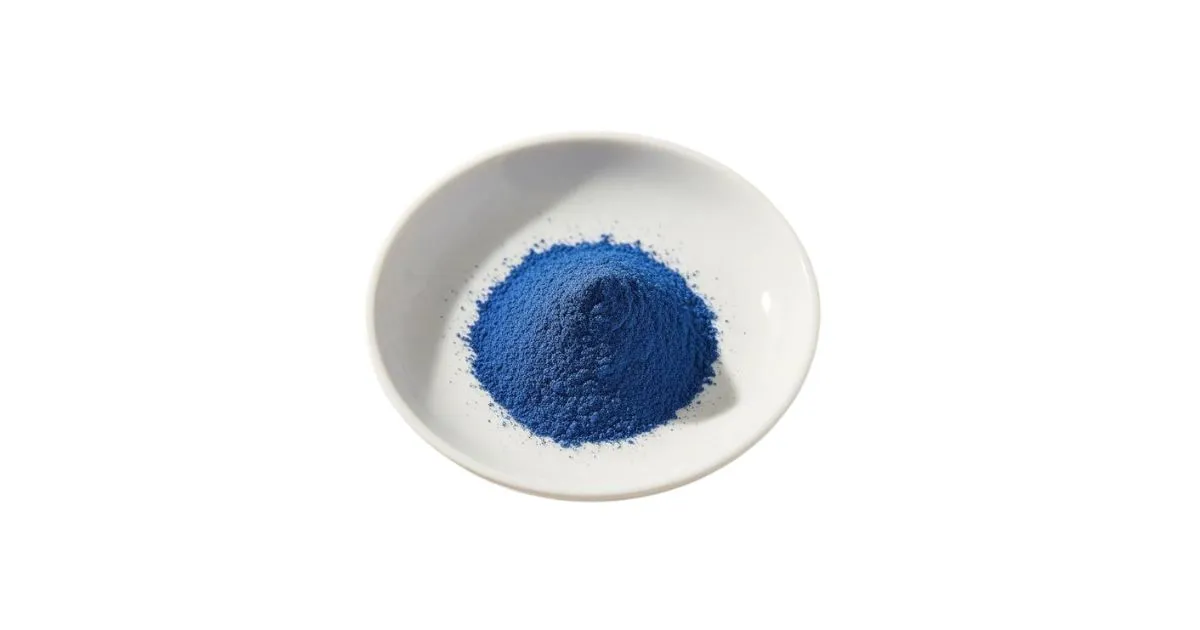
Gardenia jasminoides Ellis is a plant in the Rubiaceae family that grows fruit that is used to make gardenia blue powder. In East Asian cooking, this plant has been used for more than 2,000 years. The fruit isn't blue when it's still raw. Geniposide is a chemical that is found in fruit. It mixes with an amino acid using enzymes in a way that is similar to how spontaneous fermentation works. HPLC checks Yangge's gardenia blue powder to make sure that each batch has the right amount of color.
What Color Tells You About Quality
It is easy to tell how dense the pigments are and how well the powder was made by how deep the color is in gardenia blue powder. You can choose between the E30, E60, E80, E100, and E200 from Yangge. Each one has a number that tells you the value of the color. The color is more concentrated when the E value is high, so less of it is needed per unit of product. The powder can look light blue-gray (E30) or deep blue (E200). A good sign of good production control is color that stays the same from batch to batch.
Grade Classifications and Their Standards
| Grade Type | Primary Use | Key Standards |
|---|---|---|
| Food-Grade | Beverages, confectionery, desserts | GMO-free, gluten-free, Kosher, Halal |
| Cosmetic-Grade | Skincare, lip color, personal care | Dermatological safety testing required |
| Pharmaceutical-Grade | Nutraceutical capsules, tinctures | Higher purity, stricter residue limits |
Yangge's gardenia blue powder is safe for food and has been approved by ISO, HACCP, Kosher, and Halal. The fact that it doesn't have any extra chemicals, stabilizers, or chemical agents means that it is clean.
Criteria for Choosing Natural Gardenia Extract for Food and Beverage Applications
Define Your Application Scenario First
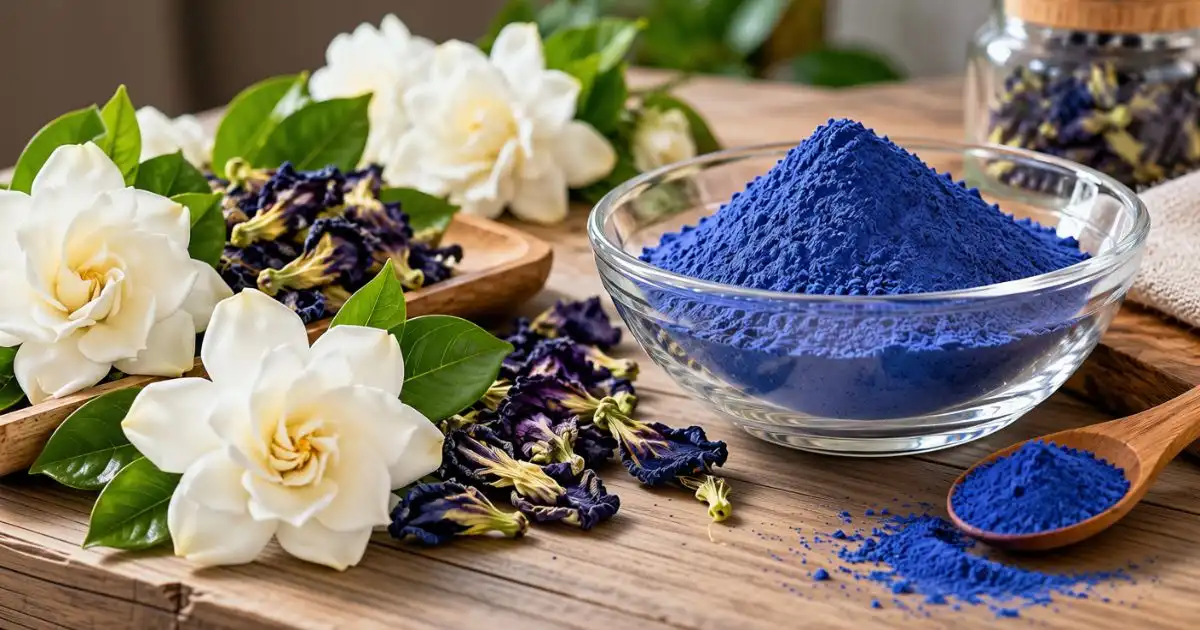
Before you choose a standard for natural gardenia extract, you should know where the colorant will be used. It is important for clear drinks and gels to be able to mix well with water and keep their pH level fixed. Things that are baked need to be able to handle heat. Desserts and candy need a low dose of color that stays the same. Gardenia blue powder is easy to dissolve in water and ethanol-water solutions, and it stays the same color across a wide pH range. Another thing that makes it different from other plant-based blue dyes is this.
Core Quality Metrics to Evaluate
• Color value (E unit): The strength of the dose is shown by the color number (E unit). Most of the time, E80 is the specification used for normal food uses. E200 works well when it's best to add a small amount of powder.
• Purity and residual solvents: Get a Certificate of Analysis (CoA) and compare the data on residual solvents to the pigment level that was checked by HPLC.
• pH and heat stability: The color of gardenia blue stays the same in both acidic and alkaline environments, and it can handle normal food processing temperatures. This makes it better than options like spirulina, which turns brown when cooked.
You can get a good idea of how the colorant will work in your mix before you even test it by putting these three things together.
Supplier Assessment Checklist
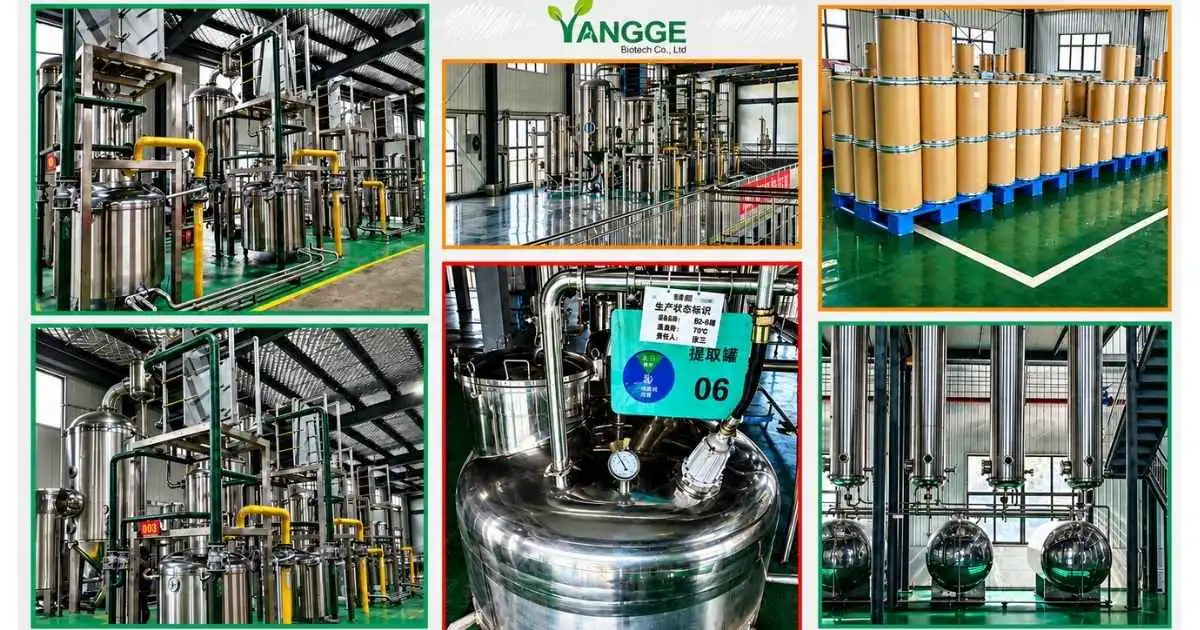
For a clean-label product, you need to have certification papers, records of traceability, and batch testing reports when you look for a colorant. Because Yangge works directly with farming groups in an eco-friendly way, it is possible to track food from the farm to the table. The consistency of how the food is made is shown by certifications like ISO and HACCP. Foods that have Kosher or Halal certification can be used in different places.
Comparing Natural Gardenia Extract: Color, Grade, and Origin
Five Color Grade Specifications at a Glance
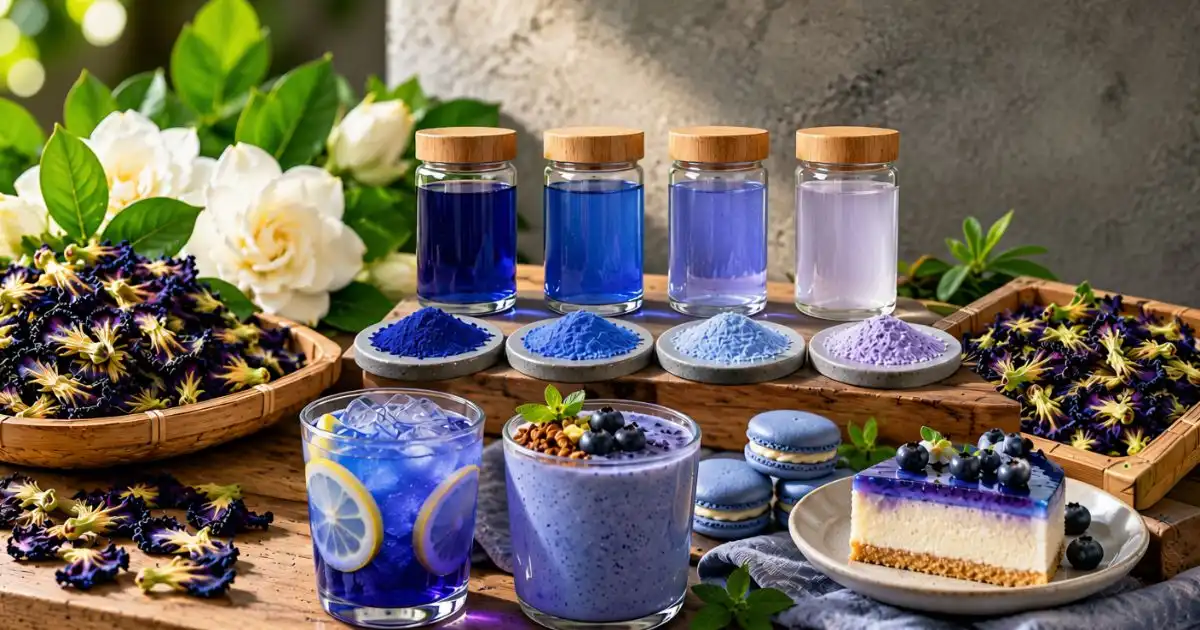
• E30 is a light blue-gray color that is used for soft drinks and mild-flavored sweets;
• E60 is a medium blue color that is used for desserts, ice cream, and flavored water;
• E80 is a standard blue color that is used for a wide range of food and drinks;
• E100 is a deep blue color that is used for syrups, jams, and spirits;
• E200 is an intense deep blue color that is used for drugs and high-end goods;
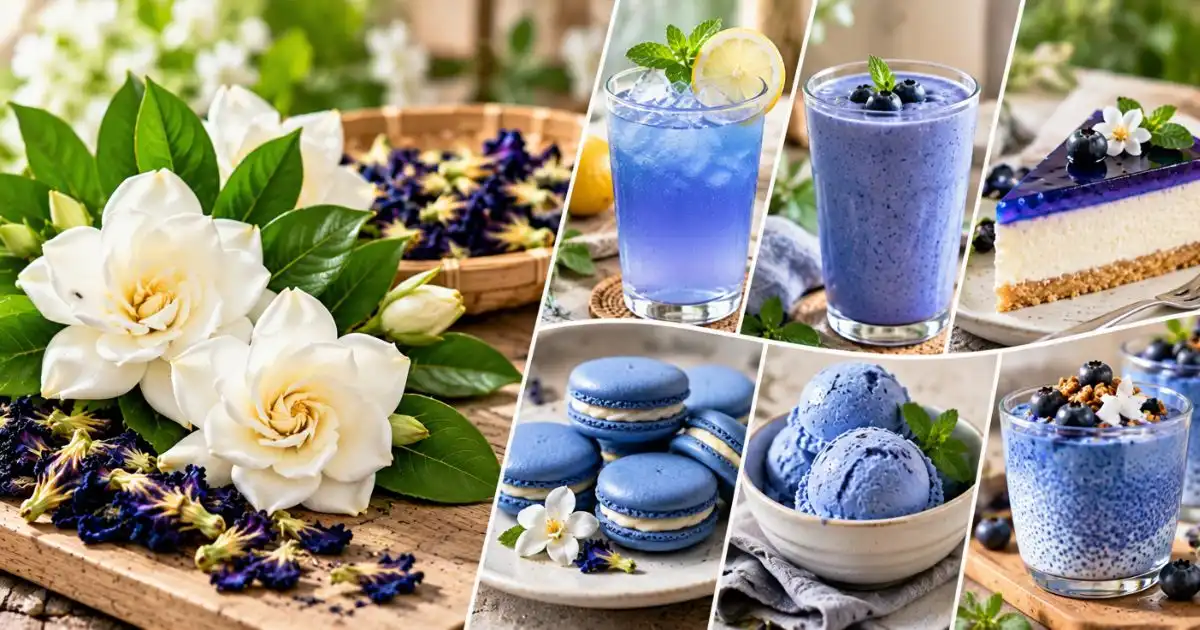
The most common grade of natural gardenia extract is E80 because it's a good compromise between price, how well the dose works, and how it looks. When brands make high-end spirits or candy by hand, they often switch to E100 or E200 to cut down on the amount of colorant they need.
Natural vs. Synthetic Blue Colorants
Synthetic Blue No. 1 (Brilliant Blue FCF) needs to have a sign that says it is dangerous for people with allergies because of Regulation (EC) No. 1333/2008. In some stores, gardenia blue doesn't need to be labeled because it comes from fruit and has been shaped with enzymes. For the clean-label positioning, this makes sense. It also doesn't have a strong effect on taste or smell, which is called a neutral sensory profile. Not all synthetic choices are the same as these.
Organic vs. Standard Sourcing
Gardenia blue that has been approved organic costs more and comes in smaller amounts. Finally, this is the only way for brands to get finished goods that are certified as USDA Organic or EU Organic. The food-grade gardenia blue from Yangge is standard, not organic, but it still meets GMO and clean-label standards. It's a good choice for brands that don't say on the sticker that they are organic.
How to Use Natural Gardenia Extract in Food Products
Common Formulation Challenges
The problem that R&D teams talk about most often is color change during processing. Gardenia blue doesn't change when the pH level changes and works well when it's hot, but strong oxidation agents can damage it. When used without systems based on ascorbic acid or peroxide, the color stays the same. First, try an amount that is between 0.01% and 0.05% of the finished product's weight. The amount should be changed based on the target E value for the chosen specification.
Integration Into Food Matrices
Gardenia blue is simple to dissolve in water and water solutions with ethanol in them. In other words, it can be used with gel systems, drink bases, and sweet fillings that are made with water. For fat-based mixes like chocolate or compound sauces, it's best to have a form that breaks down in water first, before they are mixed together. Powders are easy to measure and mix before they are used on a large scale or in a pilot project.
Application Reference by Product Type
• Still and sparkling beverages: Still or fizzy drinks (E60–E80) because they dissolve in water before being blended.
• Confectionery and gummies: Candies and gummies (E80–E100) because they are added to the glucose syrup phase.
• Desserts and ice cream: Desserts and ice cream (E60–E80) because they work with dairy and plant-based bases.
• Spirits and liqueurs: Spirits and liqueurs (E100–E200) because they don't need a lot of food. They are stable in alcohol.
• Jams and fruit preparations: Stable under high-temperature filling (E80).
Procurement Insights: Where and How to Buy Natural Gardenia Extract
Matching Volume to Supply Strategy
It is good for small and medium-sized names to work with a straight maker that lets them place smaller minimum orders for natural gardenia extract. Yangge can handle both small orders and large ones. This makes it less likely that you'll commit too much while a new product is being made. When R&D teams start with E80, they can test how well it works before going up to higher E-value grades.
Why Direct Manufacturer Sourcing Matters
There is an extra step between your team and the production data when you buy in bulk. When looking for a clean-label colorant, it is important to have direct access to batch COAs, traceability paperwork, and production records. This is true for both internal and external checks. The online support team for Yangge is open 24 hours a day, seven days a week. They give paperwork within the normal time for a business to respond, and they offer OEM package options for brands that need custom forms.
Preparing for US and EU Market Entry
In the US market, gardenia blue is used in some beauty and food items. Before you launch, you should always talk to a qualified regulatory consultant to find out what the rules are for your type of product right now. In the EU, Regulation (EC) No. 1333/2008 lists the natural colorants that can be used and how they can be colored. The R&D team at Yangge can help with the legal review process by giving you detailed files.
Conclusion
Based on what you want to use natural gardenia extract for, the color depth you need, and the approval standards, you can choose the best specification. Most everyday foods and drinks can be made with E80. E100 and E200, on the other hand, are better for more condensed or high-end uses. It is one of the more steady blue plant colors on the market because it doesn't change much with pH or heat. When your team works with a certified supplier that can be tracked, they can be sure that their claims of clean labels are true.
FAQ
What is gardenia blue powder made from?
Gardenia blue powder is made from the fruit of the Gardenia jasminoides plant. The Geniposide compound in the fruit reacts with an amino acid to make the blue color when a food-grade enzyme is present. Something that looks a lot like spontaneous fermenting is going on here. No man-made colors are used.
How does gardenia blue compare to spirulina for food coloring?
Heat hurts spirulina, and when it's processed at high temperatures, its colors can fade. If you heat something up or change the pH, gardenia blue doesn't change. This makes it a better choice for foods that have been cooked, processed, or treated with UHT.
What certifications should I request from a supplier?
In the beginning, you should ask for ISO, HACCP, Kosher, and Halal certificates. A recent COA with HPLC data on the pigment content, a report on the solvent that was used up, and a Non-GMO statement are also things you should ask for. For shipping to the EU, make sure that your paperwork follows Regulation (EC) No. 1333/2008.
Is gardenia blue suitable for vegan products?
Yes. Vegans can use gardenia blue powder because it comes from plants. It doesn't have any animal-based products or helpers in the production process.
What is the shelf life of gardenia blue powder?
Once gardenia blue powder is packed well and kept in a cool, dry place away from direct light, it should stay the same color for 24 months. Check the COA paperwork from your source to find out the exact shelf life.
Request a Sample of Yangge Gardenia Blue Extract
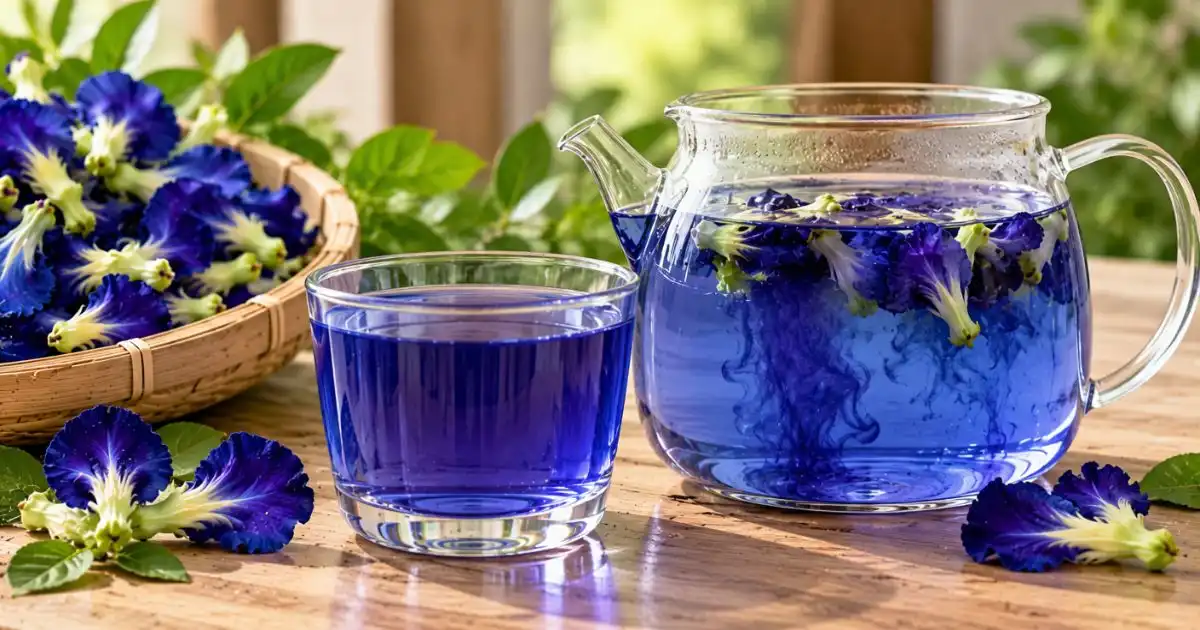
Butterfly blue powder from Yangge Biotech is certified by ISO, HACCP, Kosher, and Halal. There are different sizes, from E30 to E200. It is possible for Yangge to track natural gardenia extract from the farm to the table, where it is made. With OEM packaging options, they can handle everything from small samples to big orders. Send us an email at info@yanggebiotech.com or visit our blog at blog.yanggebiotech.com to get a sample of our product or more information for your project.
References
1. Downham, A., & Collins, P. (2000). Colouring our foods in the last and next millennium. International Journal of Food Science & Technology, 35(1), 5–22.
2. Jiang, W., & Zhang, Y. (2015). Gardenia jasminoides Ellis: Ethnopharmacology, phytochemistry, and pharmacological activities. Journal of Ethnopharmacology, 164, 158–169.
3. European Parliament. (2008). Regulation (EC) No. 1333/2008 on food additives. Official Journal of the European Union.
4. Schwartz, S. J., Cooperstone, J. L., Cichon, M. J., von Elbe, J. H., & Giusti, M. M. (2017). Colorants. In Fennema's Food Chemistry (5th ed.). CRC Press.
5. Mortensen, A. (2006). Carotenoids and other pigments as natural colorants. Pure and Applied Chemistry, 78(8), 1477–1491.
6. Xu, J., Zhou, F., Ji, B. P., Pei, R. S., & Xu, N. (2008). The antibacterial mechanism of carvacrol and thymol against Escherichia coli. Letters in Applied Microbiology, 47(3), 174–179.

Based on your location and order quantity, you will have the opportunity to receive a limited time free shipping promotion!
Who we are
Popular Blogs