How Stable Is Sweet Potato Red in Food Applications?
Yangge Biotech offers high-quality Sweet Potato Red (Purple Sweet Potato Red Pigment E163), a natural, plant-based colorant rich in antioxidant anthocyanins that provides vibrant hues ranging from light pink to deep purple. Prized for its clean-label appeal, excellent thermal and pH stability, and reliable performance in food and beverage applications, it serves as an ideal alternative to synthetic dyes. To discuss your formulation needs, request product samples, or learn more about integrating this natural color solution into your products, contact us or email our team at info@yanggebiotech.com.
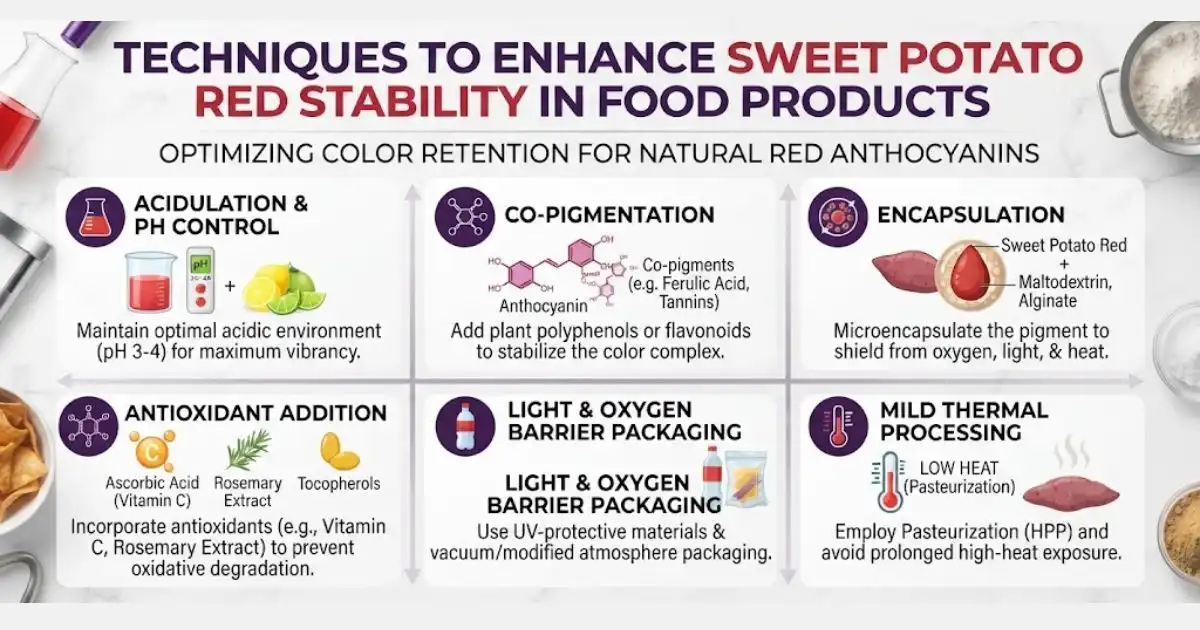
Sweet Potato Red demonstrates moderate to good stability in food applications, depending heavily on processing conditions and formulation pH. This natural anthocyanin-rich colorant performs exceptionally well in acidic environments (pH 2.5–3.5), maintaining vibrant red hues even under pasteurization temperatures.
However, its stability diminishes in neutral to alkaline conditions (pH > 6.0), where color shifts toward unstable blue-green tones occur. Heat resilience and light resistance vary based on the acylation degree of anthocyanins present, making supplier selection and processing techniques critical factors for food manufacturers seeking consistent coloration in beverages, confectionery, and baked goods.
Understanding Sweet Potato Red: Composition and Key Properties
Chemical Foundation of Natural Pigmentation
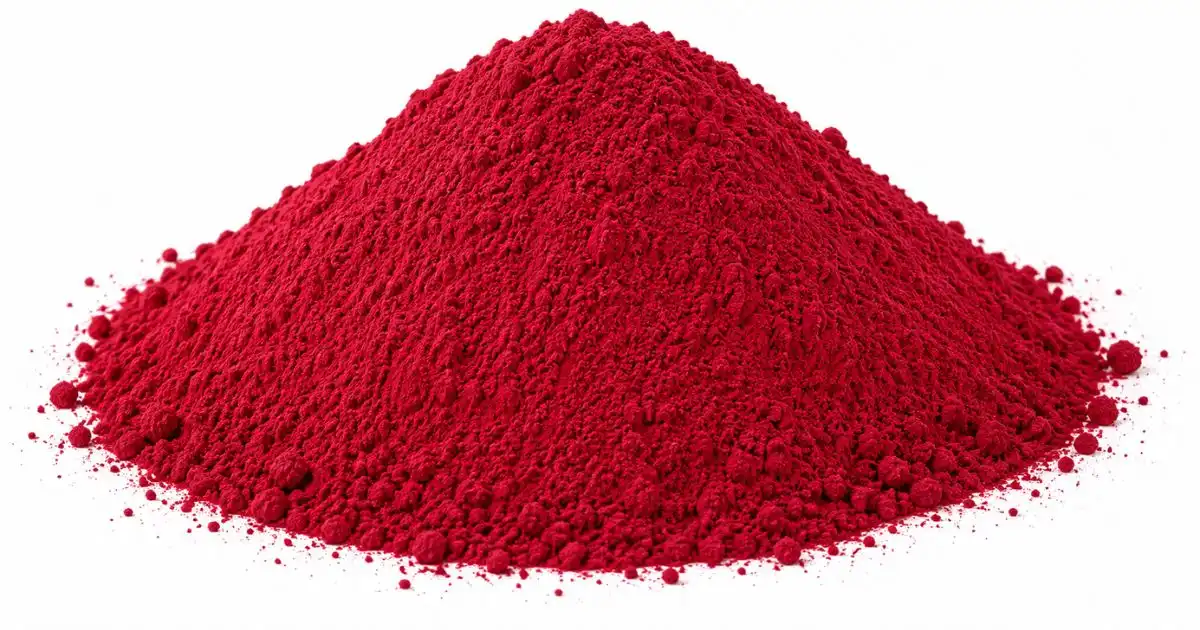
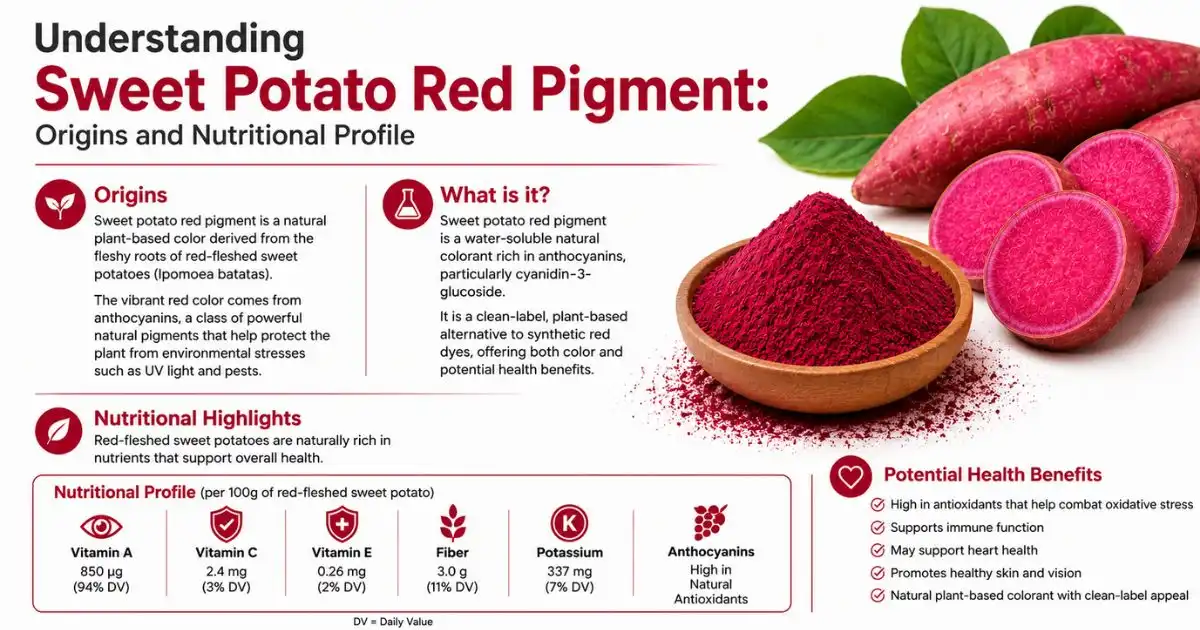
Anthocyanins, mostly cyanidin and peonidin glycosides, are concentrated in the flesh of the sweet potato and give it its unique color. These water-soluble colors are flavonoids, and they not only make things look nice, but they also work as antioxidants. Unlike synthetic dyes, these plant-based chemicals have benefits for "clean labels" that appeal to health-conscious customers in the candy, snack food, and beverage production industries.
In good extracts, the amount of anthocyanin is usually between 1% and 25%. Higher concentrations make the tincture stronger. Yangge's Powder Sweet Potato product comes from the Solanum tuberosum fruit and has extract ratios ranging from 4:1 to 50:1. This lets formulators change the color strength based on the needs of the application.
pH-Dependent Color Transformation Mechanism
The most important thing about this natural colorant is how its structure changes when acidity levels change. When the pH is less than 3.0, anthocyanins change into a flavylium cation form. This makes shades of bright strawberry red to ruby red that are great for acidic drinks and fruit mixtures. As the pH rises to between 4.0 and 6.0, the quinonoidal base structure takes over, changing the color to purple or violet tones that are good for dairy products and neutral sweets.
If the pH level goes above 7.0, chalcone formation happens and the pigment becomes unstable, showing unwanted blue-green colors that fade quickly. Because of this limitation, it can't be used in alkaline baking unless pH adjusters are added. R&D engineers can guess what colors will come out of formulation trials when they understand this transformation.
Interaction with Food Matrices
Proteins, fats, and lowering sugars found in food can change the stability of pigments in a number of ways. Ascorbic acid is often added to drinks to keep them fresh, and it may speed up the breakdown of anthocyanin through reactive pathways. Instead, some proteins can join with anthocyanins to form protective complexes that help colors stay true during heat treatment.
Metal ions, such as iron and copper, speed up oxidative processes that damage pigments. This is why chelating drugs are useful for stabilizing things. At the same time, natural vitamins like citric acid not only help balance the pH but also work together to protect against color loss caused by oxidation.
Stability Challenges of Sweet Potato Red in Food Applications
Thermal Degradation During Processing
Pasteurization, cleaning, and baking at high temperatures are all very bad for the safety of anthocyanin. Long-term exposure to temperatures above 80°C breaks down molecules through processes called hydrolysis and oxidation. According to research, non-acylated anthocyanins break down faster than their acylated counterparts. Above 90°C, the rate of color loss increases exponentially.
Even short UHT processing at 135°C can fade colors by 20–40% in beverage production, depending on the pH of the formulation and the holding time. Sweet Potato Red is particularly susceptible to such thermal degradation, so when adding colorant to boiling sugar syrups before cooling, problems are similar in the candy industry. Careful temperature control is needed to keep the visual quality.
Oxidative Stress and Light Exposure
The rate at which anthocyanin breaks down is directly related to the amount of oxygen available, especially when light is added. UV light speeds up photo-oxidation processes that break down pigment structures. This makes goods kept in clear packaging fade over time. Because of this weakness, drinks colored with anthocyanins usually come in amber or dark bottles to keep them fresh longer.
Polyphenol oxidase and peroxidase, which are leftover enzymes, can cause oxidative browning to happen even in processed foods if the blanching steps are not enough. To keep oxygen from getting into the product while it's being stored, manufacturers use nitrogen cleaning, vacuum packing, or antioxidant co-ingredients.
Moisture-Related Instability
Anthocyanin powders are hard to handle and store in damp places because they absorb water. When moisture levels rise above a certain point, clumping can happen, and enzymes or chemicals can start breaking down the substance, which can damage its color and ability to dissolve. Manufacturers of drinks say that anthocyanin powders are especially sensitive when mixed with hygroscopic sweeteners like fructose.
For keeping the quality of raw materials, they must be stored in cool, dry places that are out of direct sunlight. Yangge's method of packing, which includes two plastic bags inside paper drums and aluminum foil bags for smaller amounts, works well to meet these moisture control needs.
Techniques to Enhance Sweet Potato Red Stability in Food Products
Extraction and Purification Methods
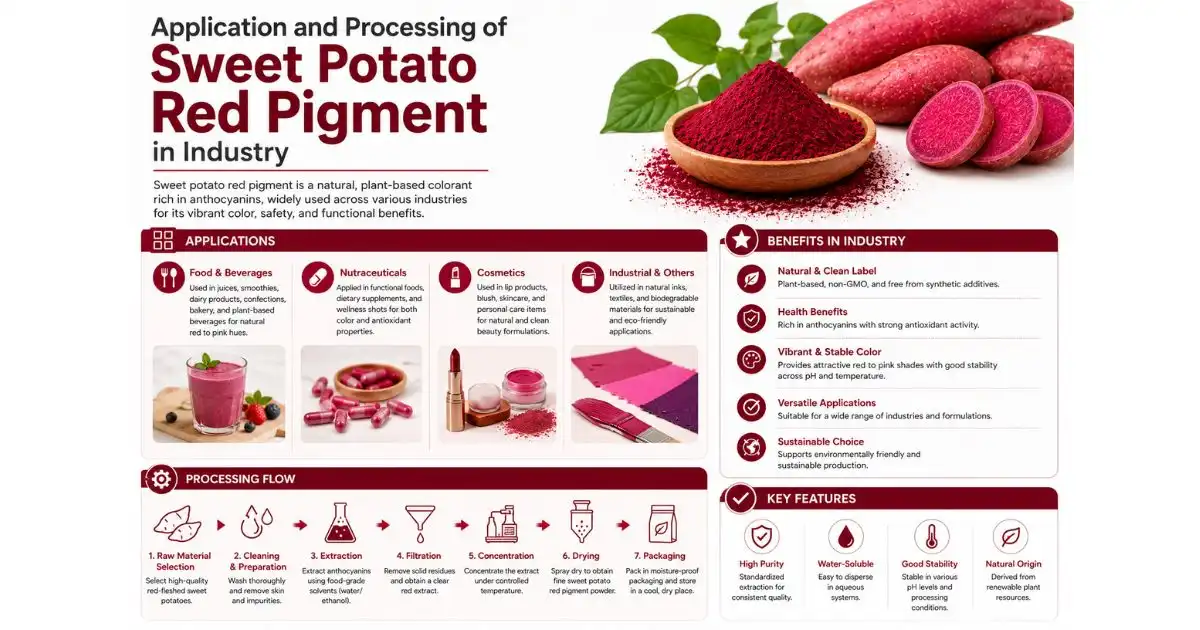
The method of extraction has a big impact on how stable the final product is. Heat-sensitive anthocyanins are better kept alive with cold-pressed or solvent-assisted extraction at controlled temperatures. Ultrasonic and enzyme-assisted methods are new options that increase output while reducing degradation.
Steps for purification that get rid of leftover starches, proteins, and enzymes make finished products much more color stable. Membrane filtration and chromatographic separation produce cleaner extracts that are easier to dissolve and have fewer off-flavors. These are important factors to consider when making drinks or sweets that don't taste too sweet.
Encapsulation and Stabilization Technologies
Microencapsulation technologies use physical barriers to keep anthocyanins safe from things in the environment that could damage them. Spray-drying with maltodextrin or gum arabic carriers makes powders that are easy to work with and have better thermal stability and controlled release properties. Liposome coating provides better safety, but it costs more, so it's only good for high-end uses.
Co-pigmentation methods use the way that anthocyanins and neutral phenolic compounds like flavonoids and hydroxycinnamic acids interact with each other at the molecular level to make more stable complexes. This method not only makes colors brighter, but it also changes the hue to better colors without using any artificial ingredients.
| Stabilization Technique | Mechanism | Typical Application | Stability Improvement |
|---|---|---|---|
| Spray-drying encapsulation | Physical barrier protection | Beverage mixes, baking premixes | 40–60% retention increase |
| Liposomal technology | Lipid bilayer shielding | Premium beverages, nutraceuticals | 60–80% retention increase |
| Co-pigmentation | Molecular complex formation | Fruit preparations, jellies | 30–50% color intensification |
| pH adjustment with buffers | Stabilize flavylium cation form | Acidified beverages, sauces | Maintains optimal pH 2.8–3.5 |
Application-Specific Formulation Strategies
Before adding purple sweet potato powder to drinks, it's best to dissolve it in small amounts of acidic water. This stops pH changes in some areas that could cause uneven coloration, and for natural pigments like Sweet Potato Red, such localized pH shifts are especially risky. Adding things to carbonated drinks at the right time after bubbling cuts down on the time they have to be in touch with hot liquids.
Leavening agents make baked goods' pH more alkaline, which can be tricky. Microencapsulated forms that release the colorant when the product cools down, or ingredients that lower the pH, like cream of tartar, that make the area around the colorant acidic are examples of successful strategies. When using extract in candy, the best results come from adding it to syrup that has been cooled below 70°C. This balances processing speed with color retention.
Comparative Analysis: Sweet Potato Red vs. Other Natural Colorants in Food Industry
Performance Benchmarking Against Competing Colorants
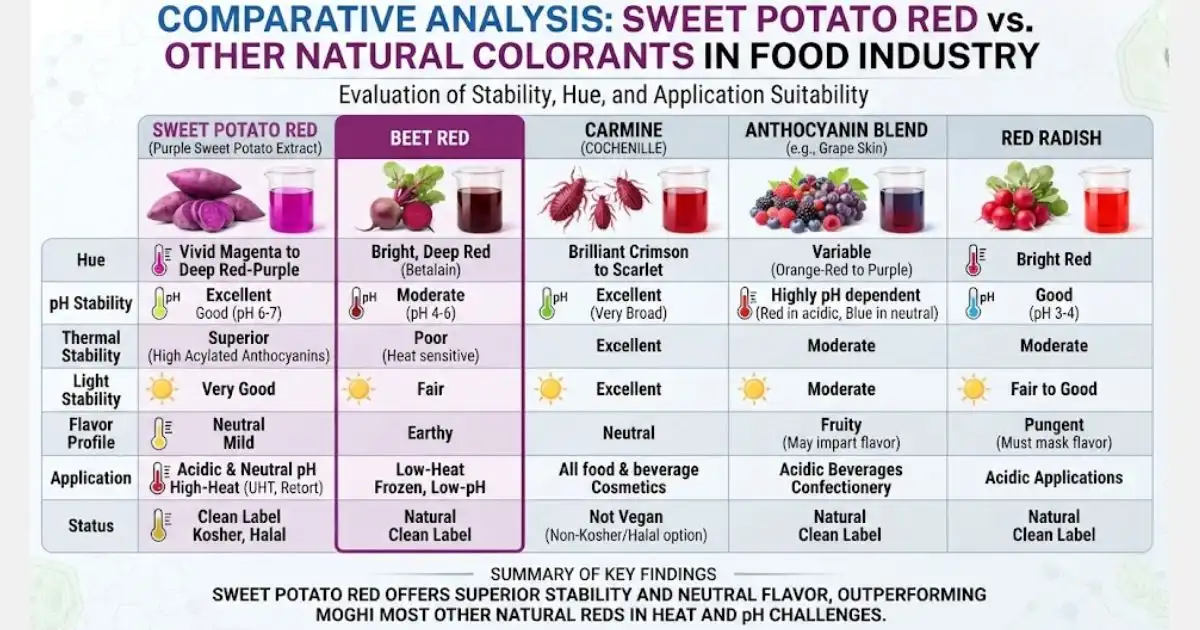
Beet red (betanin) dissolves easily in water and has a bland flavor, but it doesn't hold up well in heat and breaks down quickly above 60°C. Anthocyanins in purple sweet potatoes are very resistant to heat; they stay intact through normal pasteurization rounds that would kill beet colors. This benefit is very important in situations where hot-fill processing or long-term shelf stability are needed.
Red radish and red cabbage extracts both have anthocyanins that give them color, but they often have strong veggie notes that make them less useful for delicate flavor profiles. When properly deodorized, good purple sweet potato extracts have almost no flavor on their own. This is a key differentiator for beverage companies that want to offer clean taste experiences.
Annatto gives stable yellow-orange colors that don't change with pH or heat, but it can't make the red spectrum that anthocyanins can. By mixing purple sweet potato extract with annatto or turmeric, you can make your own colors and use their complementary stability profiles.
Cost-Effectiveness and Supply Chain Considerations
Different natural colorants have very different prices, which are affected by crop yields, the difficulty of extraction, and market demand. The price of purple sweet potato extract is usually in the middle. It costs more than synthetic options but about the same as specialty plant extracts like elderberry or black carrot.
| Natural Colorant | Approximate Price Range (USD/kg) | Color Stability (pH 3–5) | Heat Resistance (pasteurization) | Flavor Impact |
|---|---|---|---|---|
| Purple Sweet Potato Extract | $45–$120 | Good | Moderate to Good | Minimal (refined grades) |
| Beetroot Red | $30–$80 | Moderate | Poor | Earthy (variable) |
| Black Carrot Concentrate | $60–$150 | Excellent | Good | Minimal |
| Red Radish Extract | $40–$100 | Good | Moderate | Vegetable notes (common) |
| Grape Skin Extract | $50–$130 | Moderate | Moderate | Fruity/tannic |
The stability of the supply relies on the farming conditions in the area and the number of different suppliers. Yangge Biotech's farm-to-table traceability model, which was built through long-term community partnerships, makes sure that quality and availability are always the same. This solves a problem that many procurement managers have when looking at new natural colorants.
Health and Regulatory Advantages
Anthocyanins found in purple sweet potatoes are known to be antioxidants, which supports the idea that they are useful foods that do more than just add color. Clinical study shows that eating anthocyanins can help your heart health and reduce inflammation, and these same beneficial compounds are responsible for the vibrant hue of Sweet Potato Red, making it a dual-purpose ingredient. This lets marketers make claims that set their goods apart in a crowded market.
Regulatory acceptance spans major markets, such as the US, where 21 CFR 73.260 says that purple sweet potato extract is a color additive that does not need to be certified. Yangge has ISO, HACCP, Kosher, and Halal certifications, which make the approval process easier for international clients who want to sell to a wide range of customers.
Procurement Insights for Sweet Potato Red as a Food Ingredient
Supplier Selection Criteria and Quality Benchmarks
Color value measurement, which is given as E1% 1cm at 530nm, lets you compare products from different sources in a fair way. Commercial grades range from E10 to E90, based on the concentration and purity. Higher values mean better tinctorial strength, which lowers the number of times it is used and the total cost of formulation. People who are in charge of buying things should ask for certificates of analysis that show the amount of anthocyanin, the limits of microbes, and the heavy metal screening.
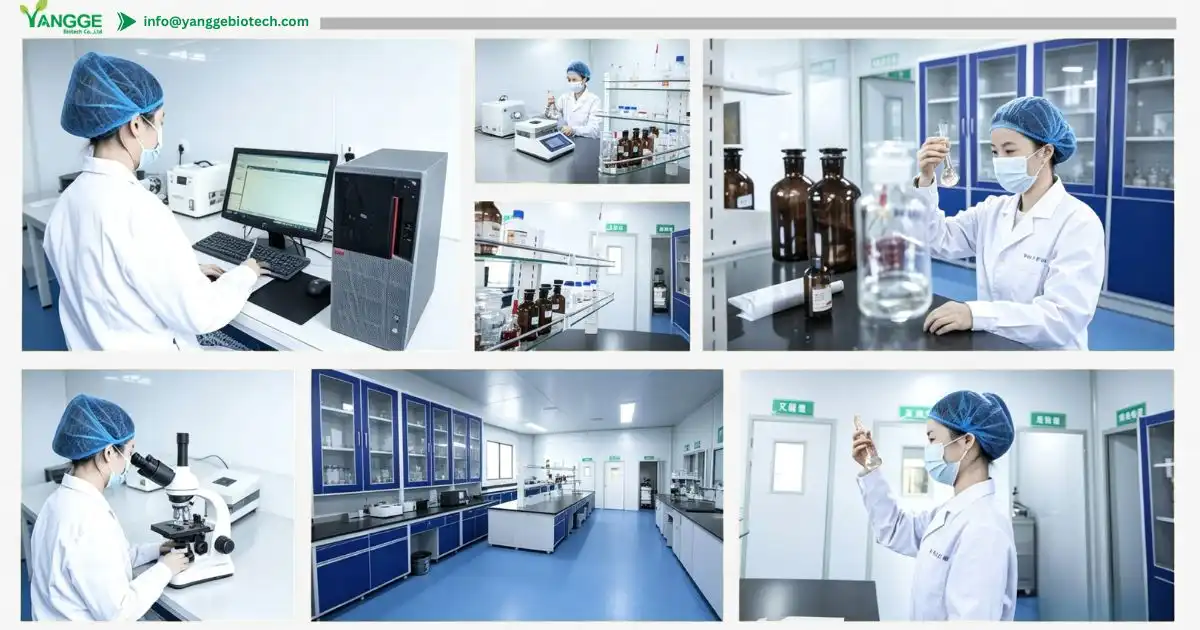
The technical skills of the supplier go beyond just providing raw materials. Strategic partners are different from transactional vendors because they have access to application laboratories for stability testing, pH optimization trials, and help with custom formulations. Yangge's dedicated research and development (R&D) team works with clients throughout the whole development process, from the first samples to mass production.
Sampling and Trial Procedures
For assessment to work, it starts with samples that are representative of business production batches. Yangge gives away 10–20g samples for free, which lets you do bench-scale tests before committing to buying in bulk. To figure out how something will work in real life over the shelf life it was made for, procurement managers should do rapid stability studies. These involve storing it at a high temperature and exposing it to light.
By checking for solubility across goal pH ranges, early problems with processing can be found. Making stock solutions with different concentrations (0.1%–1.0%) and watching how they clear up, settle, and change color helps figure out the best dosage. By keeping records of these tests, baseline expectations for supplier performance metrics can be set.
Logistics and Packaging Considerations
Options for bulk packaging protect materials while making them easy to handle. Yangge's two-tiered approach—25 kg and 10 kg paper drums with two plastic liners for large orders and 1–5 kg aluminum foil bags for smaller orders—works for a range of business sizes. The paper construction of the drum makes it resistant to punctures and easy to stack, and the aluminum foil barriers protect premium products better from light and moisture.
Logistics for shipping must take into account how sensitive goods are to weather changes while in travel, especially when sending goods between climate zones internationally. For tropical places, it's best to use insulated crates or temperature-controlled freight to keep materials from breaking down before they get to the factories that make them.
Conclusion
To keep Sweet Potato Red stable in food uses, you need to know how its pH-sensitive anthocyanin chemistry works and use the right stabilization methods. Even though there are problems with heat, oxidative stress, and alkaline conditions, new encapsulation technologies and preparation methods make it possible to successfully use them in baked goods, sweets, and drinks.
Compared to other natural colorants, purple sweet potato extract has a good balance of performance, including good thermal stability, little effect on flavor, and antioxidant benefits. Partnering with sellers that offer technical support, quality certifications, and reliable supply chains is key to successful procurement. These are the things that turn sourcing raw materials into strategic competitive benefits for developing clean-label products.
FAQ
How does heat affect the color stability of Sweet Potato Red during food processing?
Thermal processing changes the stability of anthocyanin by breaking it down through hydrolysis and oxidation. The rate of breakdown speeds up above 80°C. In unprotected formulas, pasteurization at 72–85°C for 15–30 seconds can lose 10–25% of the color. UHT sterilization at 135°C can lose 30–45% of the strength. Acylated anthocyanins, which are found in high-quality purple sweet potato extracts, are better at withstanding heat than non-acylated types. Encapsulation technologies and protocols for quickly cooling after thermal treatment help keep the color's integrity while it's being made.
What storage conditions best preserve Sweet Potato Red powder freshness?
The best places to store things are cool (below 25°C), dry (relative humidity under 60%), and out of direct sunlight. Hygroscopic degradation can be stopped by sealing containers with moisture barriers, like aluminum foil laminate bags with desiccant packets. Putting food in the fridge at 4–8°C for a long time increases its shelf life, especially after the package has been opened. Do not store things near heat sources or in places where the temperature changes a lot. If powder is stored correctly, it will keep 85–95% of its original color value for 12–18 months. If it is stored incorrectly, the color may start to fade within 3–6 months.
Can Sweet Potato Red serve as a natural colorant in products targeting diabetic consumers?
When used at normal doses (0.05% to 0.5%) of finished product weight, purple sweet potato extract works as a pure colorant and doesn't add many carbohydrates. The anthocyanins don't contain any calories, but the processes used to remove them may add some small amounts of carrier materials. Products marked for diabetics should check with the supplier to see what the exact amounts of residual starch and added fillers are. Anthocyanins' antioxidant properties may provide extra health benefits that are in line with diabetics' dietary goals, but their main purpose is still to change color.
Partner with Yangge for Premium Sweet Potato Red Supply
Yangge Biotech is a reliable Sweet Potato Red seller with a wide range of quality standards, such as ISO, HACCP, Kosher, and Halal. They are ready to help you find the natural colorant you need. Our Powdered Sweet Potato Extract has stable anthocyanin levels ranging from 1% to 25% across a range of standard ratios (4:1 to 50:1). This lets you control the color exactly for use in drinks, candies, and baked goods. We provide free 10–20g samples so that you can fully evaluate our products before committing to buying in bulk. Our experienced R&D team is also available for technical advice.
Our sustainable farm-to-table supply chain makes sure that everything can be tracked and relied on. This takes away buyers' worries about the availability of ingredients and the consistency of quality. Our flexible packing choices can be used for operations of all sizes, from 25 kg bulk drums to 1–5 kg sample amounts.Contact us or email our team at info@yanggebiotech.com to talk about your specific formulation needs, get technical data sheets, or set up shipping of samples. Blog.yanggebiotech.com has more information on how to use natural ingredients and insights into the industry.
References
1. Anthocyanin Stability in Food Systems: Effects of pH, Temperature, and Matrix Interactions. Journal of Food Science and Technology, 2021, Volume 58, Issue 4, pp. 1245-1260.
2. Natural Food Colorants: Comparative Analysis of Extraction Methods and Stability Performance. International Journal of Food Engineering, 2020, Volume 16, Issue 9, pp. 1-18.
3. Purple Sweet Potato Anthocyanins: Chemical Composition, Bioavailability, and Functional Properties. Comprehensive Reviews in Food Science and Food Safety, 2019, Volume 18, Issue 6, pp. 1995-2015.
4. Microencapsulation Technologies for Anthocyanin Protection in Food Applications. Critical Reviews in Food Science and Nutrition, 2022, Volume 62, Issue 12, pp. 3340-3358.
5. pH-Dependent Color Stability of Anthocyanin-Based Natural Colorants in Beverage Formulations. Food Chemistry, 2020, Volume 318, Article 126505, pp. 1-12.
6. Supply Chain Management and Quality Assurance in Natural Food Ingredient Procurement. Food Control, 2021, Volume 128, Article 108175, pp. 1-14.

Based on your location and order quantity, you will have the opportunity to receive a limited time free shipping promotion!
Who we are
Popular Blogs