How Should You Choose Red Beet Extract Dosage and Product Quality?
Choosing the right red beet extract starts with understanding what you actually need from it. If your goal is sports performance, nitrate content matters most. If you're replacing synthetic dyes, betalain concentration takes priority. Quality red beet extract should carry verified active markers typically 0.3%–10% Betanin for coloration or 1%–3% nitrates for vasodilation support along with third-party lab testing, GMP certification, and a clean Certificate of Analysis. Getting both dosage and quality right from the start saves reformulation time and protects your product's market claims.Contact our technical team at info@yanggebiotech.com or visit blog.yanggebiotech.com to request your sample today.
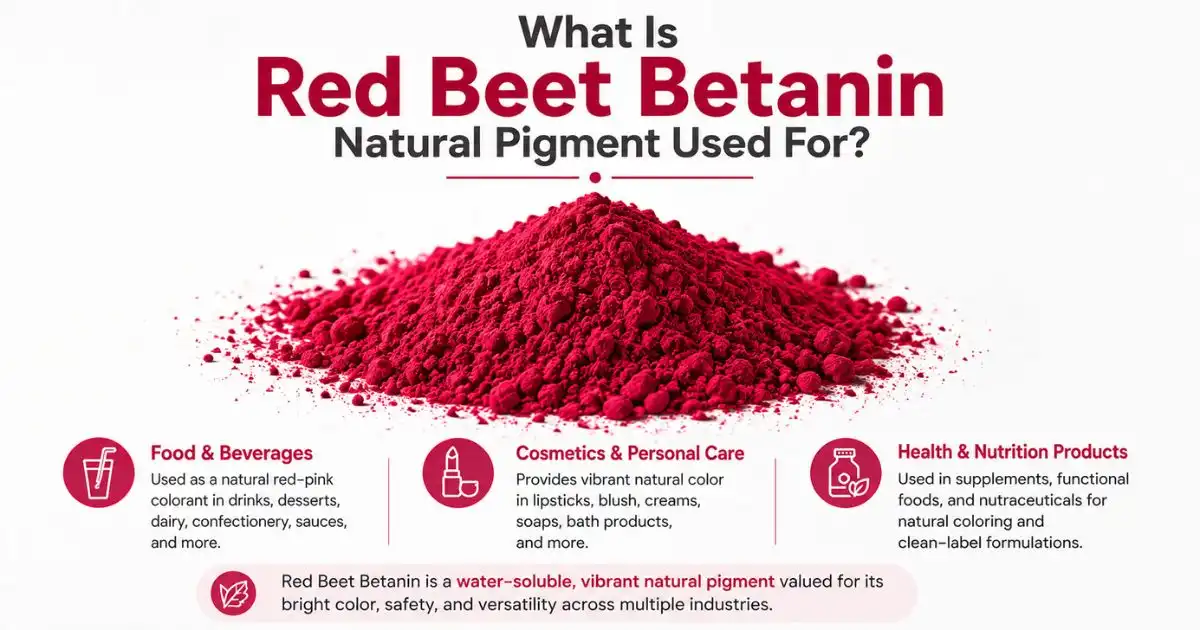
Understanding Red Beet Extract: Composition and Health Benefits
Beta vulgaris L. taproot contains processed red beet extract with its primary bioactive constituents. Unlike simple beet powder, a thoroughly extracted product standardizes active markers to provide consistent functional effects.
Key Bioactive Compounds
This ingredient's value is based on three main groups of compounds:
- Betalains, which (betacyanins + betaxanthins): Water-soluble compounds that provide rich red-to-purple hue. E162, the most prevalent betacyanin, is the predominant natural colorant and stable between pH 3.0 and 7.0.
- The nitrate-nitrite-NO pathway converts inorganic dietary nitrates into nitric oxide, which widens arteries and enhances oxygen efficiency during exercise. A 2010 Journal and Applied Physiology research found that dietary nitrates supplementation improved oxygen utilization during exercise.
- Betaine (trimethylglycine): Sports pre-workout labels cite it as supporting osmotic cell function and methylation.
Nutritional Profile and Safety
In red beet extract, folic acid, and manganese are abundant. Extracts concentrate these and other beneficial chemicals without the sugar burden of raw beet juice concentrate. Healthy people may safely consume natural vegetable nitrates in conventional serving quantities, according to safety data. Check with your doctor before using blood pressure medicine.

Determining the Right Red Beet Extract Dosage for Different Applications
Choosing the right dose depends directly on your target application—and getting this wrong can affect both product efficacy and label compliance. Here is a quick reference range for typical use across different product categories:
| Application | Target Compound | Typical Dose per Serving |
|---|---|---|
| Pre-workout / endurance drink | Dietary nitrates | 300–500 mg nitrates (from ~5–6 g extract) |
| Natural food coloring | Betanin (E162) | 0.3%–1% of formulation weight |
| Cardiovascular supplement | Betalains + nitrates | 500 mg–1 g extract (4:1 or 10:1 ratio) |
| Functional beverage | Combined bioactives | 1–2 g standardized extract |
Clinical research and industrial standards inform these ranges. A 2013 Hypertension research demonstrated that 250 mL of beet juice—equivalent to 500 mg of a pure nitrate-standardized red beet extract—lowered systolic blood pressure within hours.
Dosage for Sports Nutrition
The optimal pre-workout and endurance nitrate dose is 300–500 mg per serving. Based on existing scientific data, surpassing 800 mg per meal does not seem to increase performance.
Dosage for Natural Coloring
When substituting synthetic options like Red 40, the required usage level depends on the desired color intensity and the pH of the finished product. Because betanin degrades more quickly above 80°C, it should be added at the final processing stage to preserve color vibrancy.
Dosage for Cardiovascular and Wellness Products
For supplement formats targeting blood pressure support, red beet extract with a 4:1 or 10:1 extraction ratio allows therapeutic dosing in a single capsule, avoiding the high sugar content associated with raw juice concentrates.
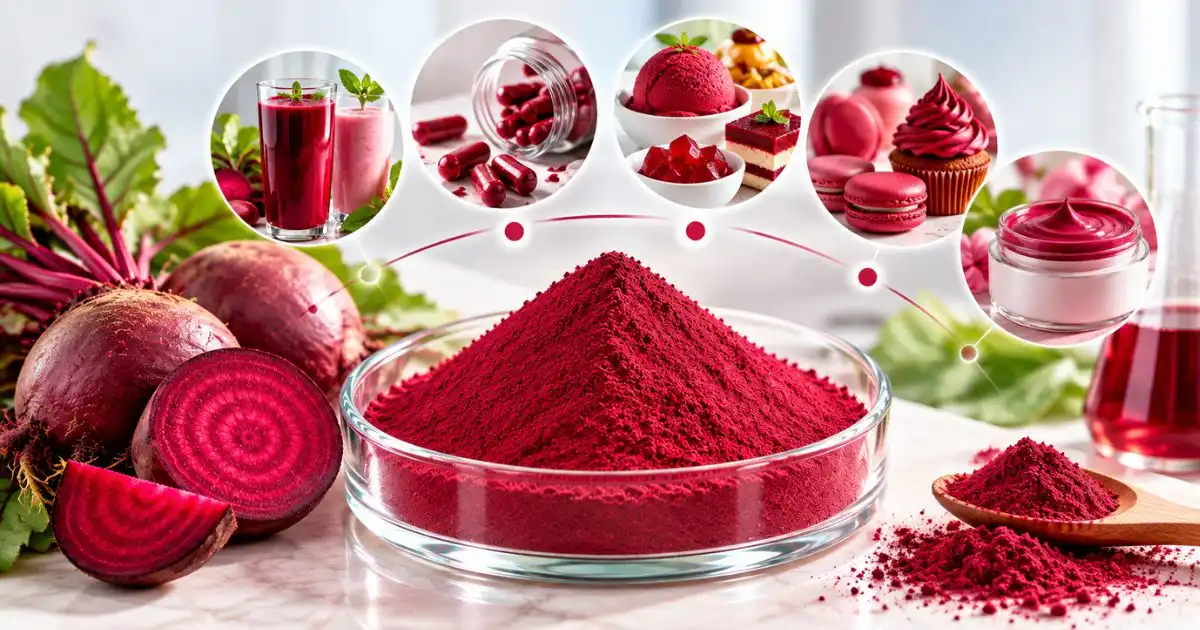
Evaluating Red Beet Extract Product Quality: Key Criteria for Procurement
Not all beetroot extracts deliver the same performance. Quality differences are usually determined by the extraction method, standardization accuracy, and independent third-party verification. These are the core quality criteria procurement teams should evaluate:
- Betanin integrity is better preserved by aqueous extraction and spray-drying than solvent-based procedures. HPLC-verified requirements ensure active content, not color appearance.
- To ensure standardization, products should explicitly state their betanin or nitrate percentage, such as "Betanin ≥0.3% through HPLC" or "Nitrates 2%"." A vague description like "beet stem powder" without standards indicates poor quality.
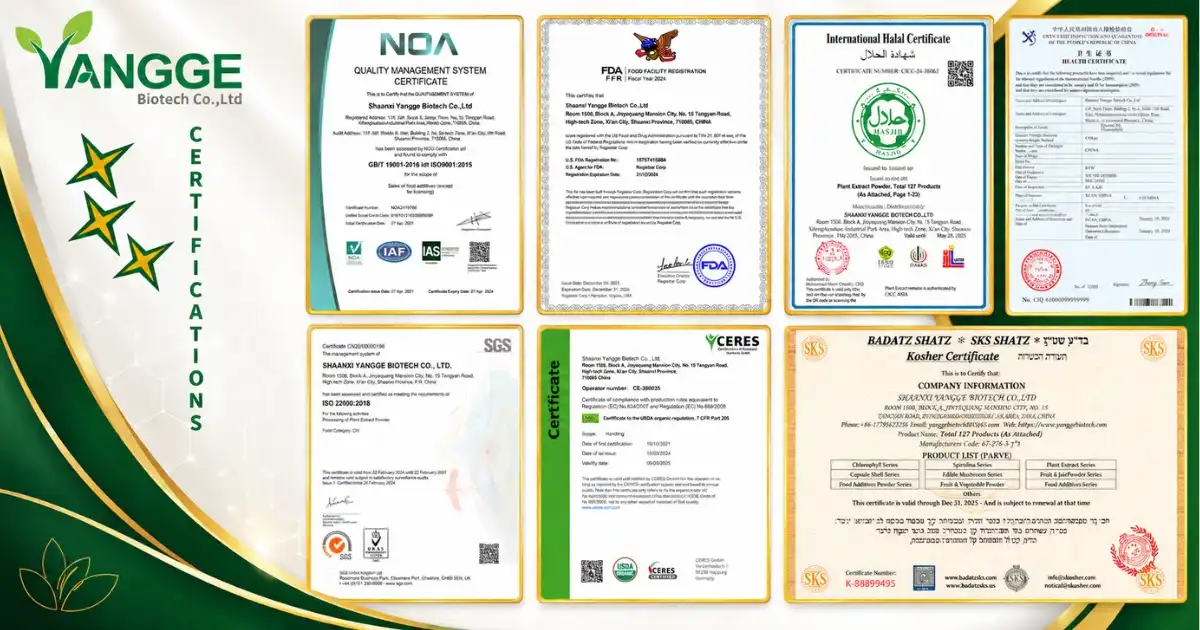
- Check ISO, GMP, Kosher, & Halal certifications. European food safety rules mandate PAH4 conformance (Benzopyrene ≤10 ppb) for market items.
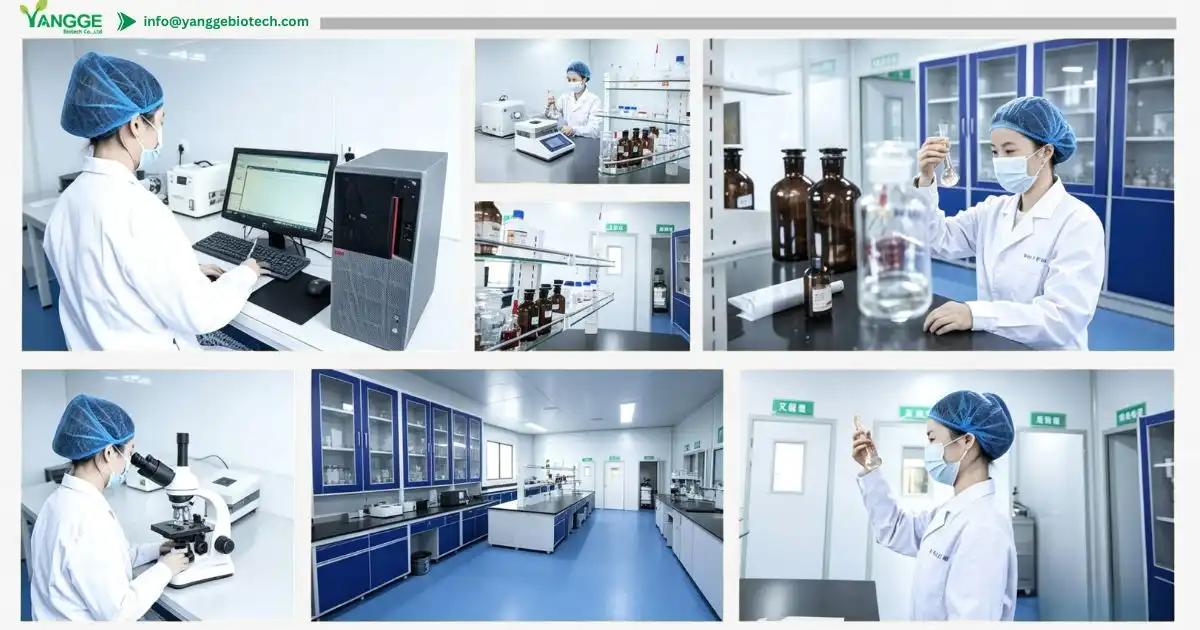
- Third-party laboratory retesting: A trusted supplier works with independent labs to retest products and provide a CoA that fits the standard.
- North American or European brand owners increasingly need non-GMO, non-irradiated, non-allergen certification for premium market positioning.
These factors directly influence your product's regulatory standing and consumer trust. Checking all of them before finalizing a supplier protects your formulation from batch inconsistencies down the line.
Market Comparison and Procurement Strategies for Red Beet Extract
Once quality criteria are established, comparing suppliers becomes a structured process rather than a guessing game. The table below outlines common specification tiers to guide your sourcing decisions:
| Grade | Primary Use | Active Marker | Typical Form |
|---|---|---|---|
| Colorant grade | Natural food coloring (E162) | Betanin 0.3%–1% | Deep red powder |
| Functional grade | Sports nutrition, supplements | Nitrates 1%–3% | Fine dark red powder |
| High-concentration grade | Nutraceutical / clinical | Betanin ≥5% or nitrates ≥5% | Encapsulated or bulk powder |
Understanding which grade of red beet extract matches your product category prevents overpaying for potency you do not need, or undersourcing the functional content that matters to your label claims.
Evaluating Supplier Reliability
Supplier history matters beyond basic specs. Detailed farm-to-table traceability, consistent Certificate of Analyzing (CoA) data across batches, and quick technical support are key markers. Raw beet supply is seasonal, thus providers with year-round stock and buffer stock have better supply chain discipline.
Pricing and Order Structure
Bulk pricing models vary by grade and format. For early-stage product development, a low minimum order quantity (MOQ of 1 kg) allows formulation testing without large capital commitments. Negotiating long-term pricing based on annual volume forecasts generally yields better cost-per-kilogram terms once your formulation is locked.
Traceability and Regulatory Compliance
US, EU, and Australian brands must disclose their supply chains. Request complete raw material, processing, and batch-level testing records. This defends your brand during regulatory reviews and supports product label structure/function claims.
Making an Informed Purchase: A Decision Framework for Red Beet Extract Dosage and Quality
A realistic purchase choice involves confirming the functional aim, selecting the appropriate extract grade, verifying supplier documents, requesting a sample, testing the formulation, and scaling production. Skipping this phase increases reformulation risk and delays product introduction.
Define Your Application First
Identify whether your primary need is functional (nitrate/betaine content) or aesthetic (natural red coloring), or both. This single decision determines which specification to source and what CoA parameters to prioritize.
Conduct a Trial Order
Request a free sample before committing to a bulk purchase. Test the extract for solubility, color stability at your target pH, flavor integration, and active content verification against the supplied Certificate of Analysis (CoA). This 4–10 week evaluation window is standard for pre-workout and functional beverage development.
Monitor Batch Consistency
Once production begins, implement incoming quality checks on every batch. Track the betanin or nitrate content per CoA, compare it against your internal specification limits, and flag deviations early. Consistent batch performance is what separates a dependable supplier from a high-risk liability in your supply chain.
Conclusion
Your product's effectiveness, regulatory stance, and long-term market reputation depend on red beet extract quality, dose, and source. Matching the details to the application eliminates expensive reformulations, whether you require betanin E162 for non-toxic coloring or the nitrate-standardized extract or sports performance. Compare providers based on HPLC-verified active written material, impartial lab testing, and established production standards. Start with a sample, confirm your formulation, and establish a traceable supply chain. These phases provide a solid, evidence-based product development methodology.
FAQ
Does red beet extract equal beet juice powder?
Dehydrated beet juice powder has no standardized active ingredients. Aqueous extract and HPLC verification of red beet extract confirm betanin or nitrate content, providing a constant active dosage instead of dried juice solids.
How long does beet extract powder last?
Beet extract powder placed in a sealed, light-safe container at ambient temperature has a 2-year shelf life. Betanin degradation is accelerated by heat, light, and moisture, therefore storage conditions are as important as extraction quality.
Can food items use beet extract instead of synthetic Red 40?
Yes, with restrictions. Betanin performs well in acidic and neutral-pH situations with its red-to-purple tint. It must be added late in hot procedures since it degrades over 80°C. It works well as a natural colorant in cold drinks, dairy, and plant-based meats.
Does red beet extract boost nitric oxide?
Yes. The oral nitrate-nitrite-NO pathway converts beet extract nitrates. Pre-workout and endurance products employ nitrate-rich beets because clinical research demonstrates they increase plasma nitrite and vasodilation.
Partner with Yangge for Trusted Red Beet Extract Supply
Yangge Biotech offers factory-direct red beet extract (Betanin E162, HPLC-verified) with a minimum order of just 1 kg — ideal for formulation trials. As an ISO, HACCP, Kosher, and Halal certified red beet extract supplier, we provide full CoA documentation, PAH4-compliant specifications, and free samples to support your product development. Contact our technical team at info@yanggebiotech.com or visit blog.yanggebiotech.com to request your sample today.
References
1. Larsen et al., "Effects of Eating Nitrate on Carbon Cost Throughout Exercise." Acta Biology, 2007.
2. Lundberg et al., "The Nitrate-Nitrite-Nitric Oxide Pathways in Physiology and Therapeutics." Scientific Reviews Drug Discovery, 2008.
3. Hobbs, D. A. "Blood Weight-Reduction Effects of Beet Juice and New Beetroot-Enriched Bread Goods in Normal / Male Subjects." British Nutrition Journal, 2012.
4. Clifford et al. "The The Potential Rewards of Red Beet Supplementation in Disease and Sickness." Nutrients, 2015.
5. Cermak et al. "Nitrate Supplement's Improvement of 10-Miler Time-Trial Performances in Trained Cycling." International Journal of Athletic Nutrition and Exercise Metabolism,, 2012.
6. European the Safety of Food Authority. "Re-evaluation of Beet Red (E 161) as a Food Ingredient." EFSA Journal, 2015.

Based on your location and order quantity, you will have the opportunity to receive a limited time free shipping promotion!
Who we are
Popular Blogs