How is natural Blue Spirulina color extracted?
Yangge Biotech Blue Spirulina is a premium natural blue color ingredient derived from spirulina and valued for its vibrant blue phycocyanin pigment. It is ideal for use in beverages, confectionery, dairy products, bakery items, smoothies, nutritional products, and other clean-label food applications. Yangge Biotech supplies Blue Spirulina Powder in bulk with a focus on consistent color, reliable quality, and professional support for food and beverage manufacturers worldwide. For bulk pricing, specifications, samples, MOQ, or customized requirements, contact Yangge Biotech today at info@yanggebiotech.com.
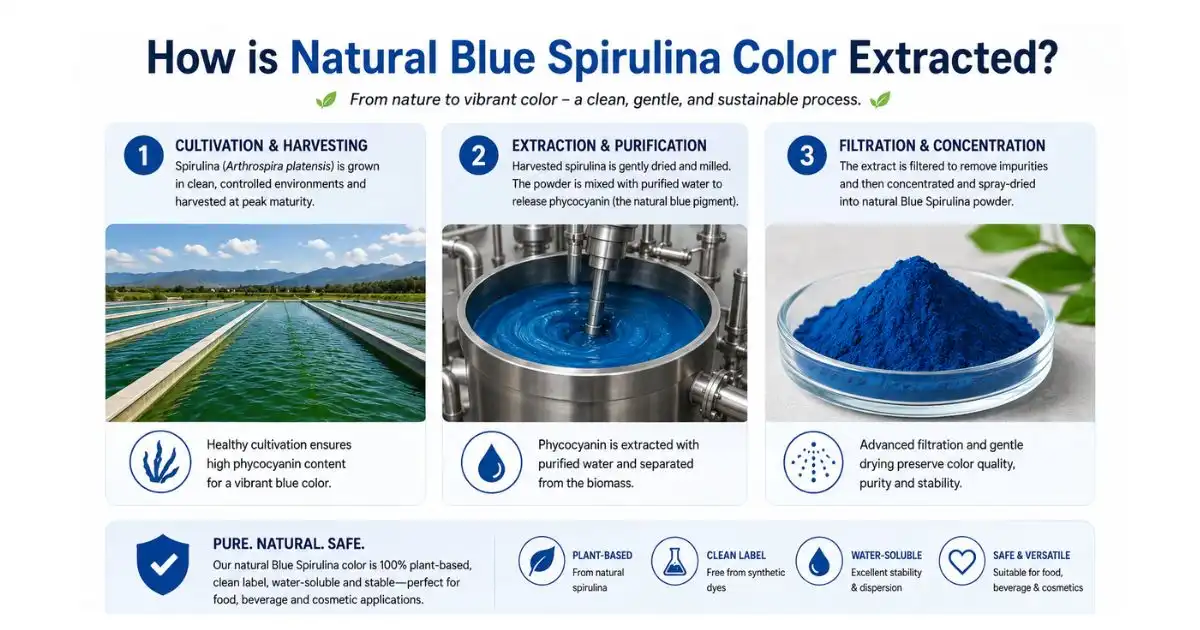
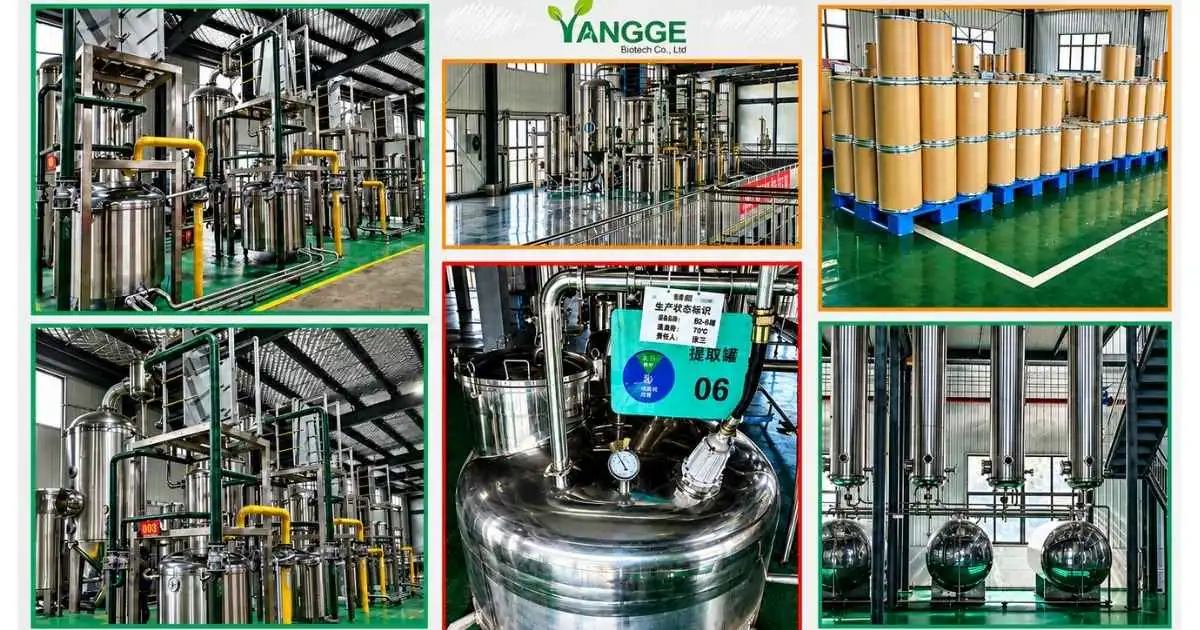
Natural Blue Spirulina color is extracted through advanced water-based purification methods that isolate phycocyanin from Arthrospira platensis algae. The process begins with controlled cultivation and biomass harvesting, followed by cell wall disruption using freeze-thaw cycles or mechanical techniques. Phycocyanin pigment-protein complexes are then separated through ultrafiltration and membrane filtration technologies. Temperature and pH control throughout extraction preserve the pigment's bioactivity and vibrant blue hue, ensuring optimal color value specifications ranging from E10 to E25 suitable for commercial food and beverage applications.
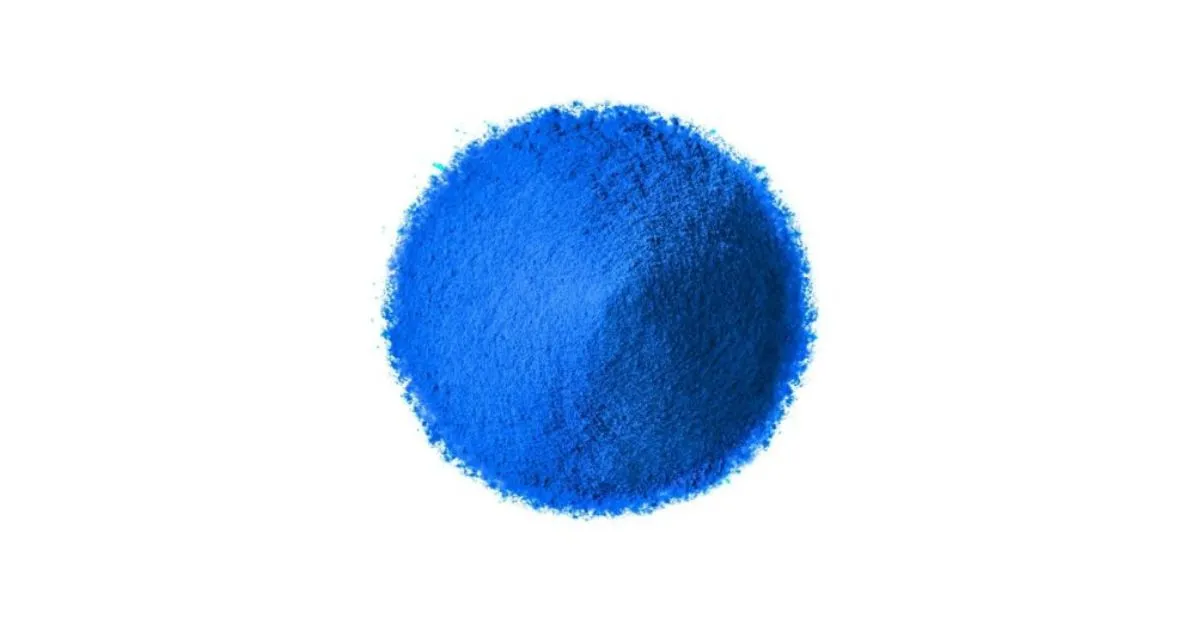
Understanding Blue Spirulina and Its Unique Color
The beautiful blue color in Blue Spirulina comes from phycocyanin, a protein-pigment complex that is found in large amounts in Arthrospira platensis cyanobacteria. When compared to its green cousin, which doesn't need much processing and still has chlorophyll, Blue Spirulina goes through selective extraction to concentrate phycocyanin while removing chlorophyll components. This process of isolating the pigment gives it a unique blue color that has caught the attention of people in the food making, beverage preparation, and nutraceutical industries.
The Biochemical Basis of Phycocyanin
Phycocyanin is a color that helps plants use light to make food. It does this by absorbing orange-red light and sending it to chlorophyll. The molecules that make it up are made up of chromophores that are covalently attached to protein subunits. This gives it stability that synthetic colorants can't copy.
This natural structure has two uses: it gives off a bright blue color and has biological qualities, such as the ability to remove free radicals. According to research, phycocyanin can reduce inflammation by selectively blocking COX-2 pathways. This makes it a good choice as both a colorant and a useful ingredient for health-conscious products with a clean label.
Industry Relevance and Clean-Label Demands
Regulatory environments in the EU and the US are making it harder to use manufactured color agents, especially in kids' goods. The FDA's close attention to FD&C Blue No. 1 and other colors made from petroleum has made companies more interested in natural options.
Phycocyanin-based colorants meet the requirements for clean labels and have the same level of color intensity as synthetic options. This regulatory alignment lowers the risk of noncompliance for procurement professionals who manage networks of distributors that serve food manufacturers. It also helps premium positioning in markets where consumers carefully look at ingredient panels.
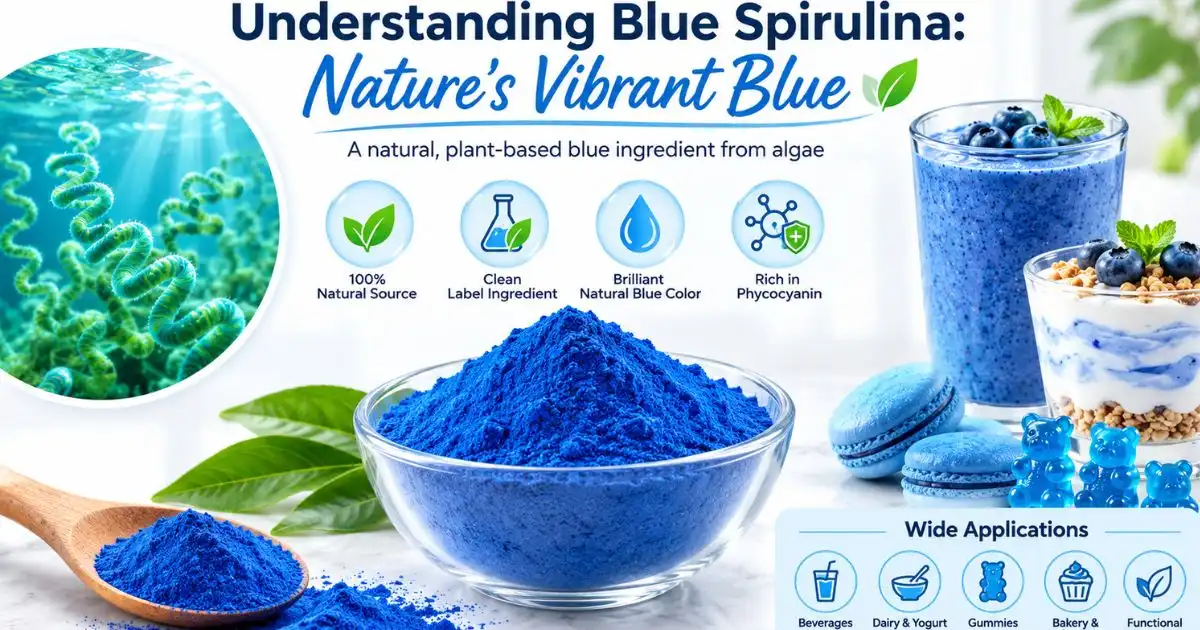
How Is Natural Blue Spirulina Color Extracted?
How the phycocyanin is extracted affects its yield, color value requirements, and ability to be sold in business-to-business settings. Modern methods find a balance between speed and the purity of the color by treating it in stages that keep the bioactive parts.
Cultivation and Biomass Production
Arthrospira platensis is grown under controlled conditions in photobioreactors or open racing ponds as the first step in commercial phycocyanin production. Light strength, temperature ranges between 30 and 35°C, and the types of nutrients used in cultivation all have a direct effect on how much phycocyanin builds up in algae cells.
Having the right amount of nitrogen during the growth phase boosts protein production, which raises the phycocyanin content to 15–20% of the dry biomass weight. During the exponential growth phase, when pigment content is highest, algae are harvested. This is usually done by centrifugation or flocculation, which separate the algae from the culture medium without contaminating it with chemicals.
Cell Disruption Techniques
To get to the phycocyanin inside the cell, the peptidoglycan cell wall structure has to be broken. Freeze-thaw cycling is the gentlest method. Biomass quickly freezes to -20°C and then thaws under controlled conditions, making ice crystals that break cell membranes mechanically. This method keeps colors that are sensitive to heat while breaking up cells 70–80% of the time. Instead, high-pressure homogenization puts an algal slurry under 500 to 1500 bar of pressure, which pushes the material through narrow passageways that use hydraulic forces to tear cell walls.
Ultrasonic cavitation uses waves with frequencies between 20 and 40 kHz to create tiny bubbles. When these bubbles pop, they create pressure differences in certain areas that are strong enough to break up cell structures without damaging them thermally.
Aqueous Extraction and pH Management
After breaking up the cell, aqueous separation removes the phycocyanin from the broken cells. For best stability, the process uses balanced water solutions with a pH of 6.0 to 7.0, which is the same as phycocyanin's isoelectric point. Keeping the temperature below 15°C during the extraction process stops the color from fading and the proteins from becoming less stable.
The extraction process usually lasts between 12 and 24 hours, and gentle stirring is used to help the mass transfer process along with protecting the color molecules from mechanical stress. The rough extract that was made has phycocyanin in it along with leftover proteins, polysaccharides, and pieces of cells that need to be cleaned up further.
Purification Through Membrane Filtration
Multiple stages of sifting turn crude extract into phycocyanin that is good enough for sale. As the first step in clarification, microfiltration (pore size: 0.1–10 μm) gets rid of particulate matter and cell debris. Ultrafiltration with molecular weight cutoff membranes between 100 and 300 kDa collects phycocyanin while letting contaminants with lower molecular weights pass through the permeate stream.
This selective separation makes the pigment pure enough to meet food-grade standards. Some manufacturers use diafiltration, which involves adding new buffer solution all the time while removing permeate. This makes it possible to get purity ratios (A620/A280) above 4.0, which is needed for pharmaceutical uses.
Quality Control and Standardization
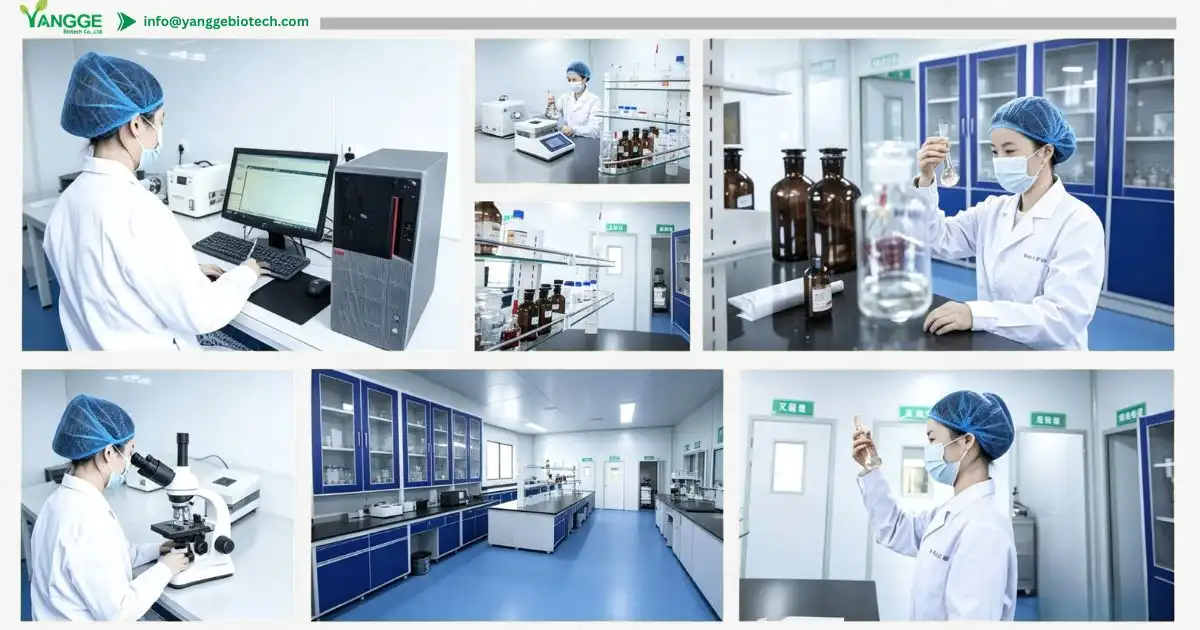
The most important quality measure for industrial phycocyanin is the color value standard. The E-value method checks how much light is absorbed at a wavelength of 618nm for each % concentration. This makes sure that the strength of the pigment is the same from batch to batch.
Yangge Biotech makes three main types: E10, which is good for pastel uses; E18, which is the normal type that balances intensity and cost-effectiveness; and E25, which is the top grade for bright coloration in small amounts. According to USP standards, batch testing protocols make sure that the product has a protein content of 60–70%, a moisture level below 8%, and is safe for microbiology. Each package comes with a Certificate of Analysis that lists heavy metal screening, pesticide residue testing, and stability data that backs up the stated shelf life under certain storage conditions.
Comparison of Blue Spirulina Extraction Methods and Their Impact on Quality
Blue Spirulina is a primary commercial source of phycocyanin, and how the phycocyanin is extracted has a big effect on its yield, the cost of processing, and the properties of the final product. When procurement managers know about these connections, they can judge the skills of suppliers and make sure that specifications match the needs of applications that come after.
Traditional solvent-based extraction employs organic chemicals like acetone or ethanol are used to break down cell walls and dissolve colors. Even though these methods give higher starting outputs, they raise worries about residual solvents because they need long evaporation steps that put phycocyanin under heat stress.
Testing for leftover solvents is required by law, which makes compliance more difficult, especially for goods going to Halal or Kosher-certified markets. The antioxidant potency tests show that the products are 15–25% less effective at scavenging DPPH radicals than aqueous extraction products, limiting value proposition for functional food applications emphasizing bioactive properties.
Modern cold-water extraction protocols prioritize the integrity of the pigment ahead of getting the most yield. Bioactive compounds that are easily damaged by heat can stay intact as long as the process temperatures stay below 15°C during the disruption and extraction phases. Studies that compare the two methods show that cold-extracted phycocyanin keeps 95% of its natural antioxidant power, while heat-assisted methods only keep 70–75%.
The downsides are longer processing times and less efficient extraction, which usually results in 12–15% less pigment per unit biomass. For business-to-business buyers who work with expensive beverage brands or supplement makers, this difference in quality explains the marginal cost increase through better formulation performance and the truthfulness of marketing claims.
Membrane filtration technology has revolutionized phycocyanin purification by letting molecules be separated selectively without using phase changes or chemicals. Cross-flow ultrafiltration keeps the flow rate of fluids steady across membrane surfaces, which stops the fouling that happened with older dead-end filtration methods. This ability to process things continuously works well at both lab and industry output levels.
For pharmaceutical-grade phycocyanin production, extra filtration steps are needed, but for food-grade uses, improved membrane selection is enough to get the purity needed. The cost of capital equipment for membrane systems runs from $150,000 to $500,000, based on the throughput capacity, representing a significant barrier for smaller producers but enabling consistent quality output for established manufacturers maintaining 1-ton inventory levels.
Table 1: Extraction Method Comparison
| Method | Efficiency of Yield | Holding on to Antioxidants | Time to Process | Concerns That Remain | What it Costs |
|---|---|---|---|---|---|
| Based on solvents | 85 to 90% | 70–75% | 8 to 12 hours | Organic solvents | Moderate |
| Extraction with cold water | 65-75% | 95% or more | 18 to 24 hours | Not at all | Better |
| Help from enzymes | 80 to 85% | 90–92% | 12 to 16 hours | How enzymes work | The best |
| Ultrafiltration | 75–80% | 93–96% | 10 to 14 hours | Not much | Moderate to High |
Blue Spirulina in the B2B Market: Procurement Considerations
To make good purchasing plans for phycocyanin-based colorants, you need to look at more than just price per kilogram. Blue Spirulina fits directly into this evaluation—as a natural phycocyanin source, its quality and stability affect formulation outcomes—while certification portfolios, consistent supply, and expert support skills set basic sellers apart from strategic partners who can help with product development.
Certification Requirements and Compliance
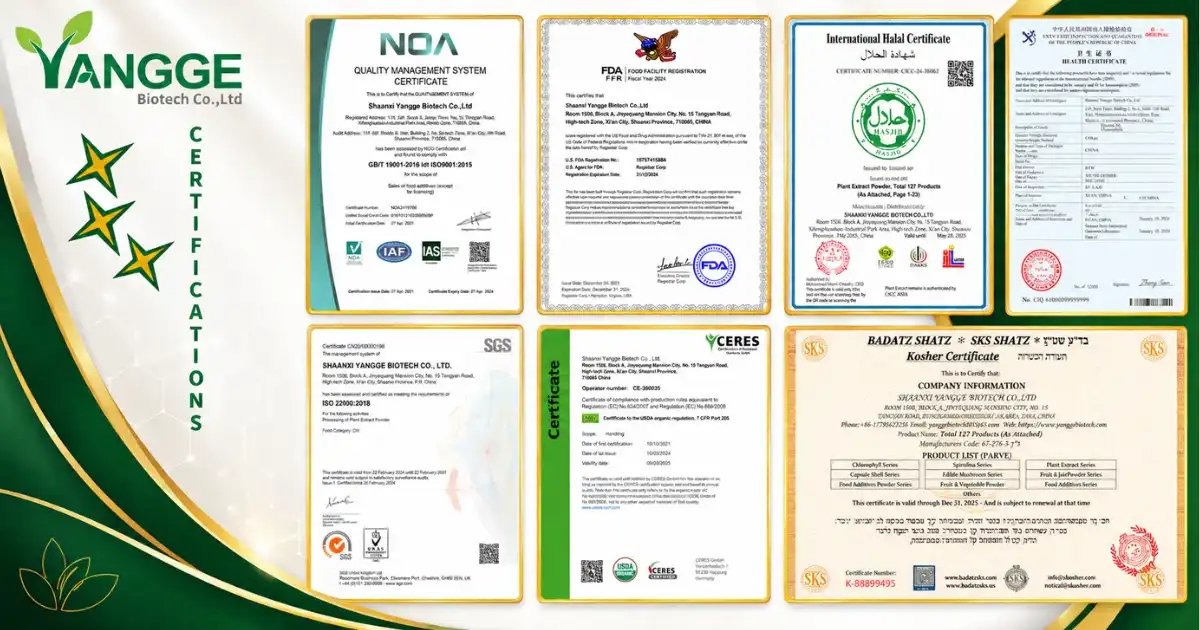
Access to markets and the risk of not following the rules are directly affected by how real a certification is. Organic approval from the USDA or a similar body in the EU confirms that synthetic herbicides and genetically modified strains are not used in the growing process. Kosher certification from a known organization like OU or OK makes sure that processing equipment is kept separate and that rabbis oversee the process. This is very important for goods that are aimed at religious Jewish consumers. Halal certification meets the requirements of Islamic dietary law.
This allows products to be sold in markets in the Middle East and in countries where Muslims are the majority, like Europe and North America. GMP approval shows that a company follows Good Manufacturing Practices, which include rules for building facilities, keeping equipment in good shape, and teaching employees. Yangge Biotech keeps both ISO 22000 and HACCP validation for food safety management, providing comprehensive documentation supporting customer due diligence processes during supplier audits.
Pricing Dynamics and Specification Selection
The price of phycocyanin depends on the color value specification, the order number, and the preferred package style. E10 specifications usually cost between $280 and $350 per kilogram in 25-kilogram drums. They are good for uses that need light blue tints in mixtures with a lot of water. The volume standard for E18 is between $420 and $520 per kilogram, which is a good balance between chromatic strength and cost-effectiveness for most food and drink uses.
Premium E25 grades cost between $650 and $800 per kilogram, and they deserve to be priced higher because they are used less in finished goods. Volume discounts become important for orders of 100 kg or more, and price cuts of 12 to 18% are available for quarterly framework agreements that make sure demand is stable. Distributors can choose from different types of packaging, such as 1 kg aluminum foil pouches with nitrogen flushing or 25 kg fiber drums, supporting risk-managed buying strategies.
Supply Stability and Inventory Management
Phycocyanin production changes with the seasons because of changes in cultivation cycles and environmental factors that affect how fast algae grow. Manufacturers who keep 1-ton inventories on hand protect their customers from supply problems during times when production is ramping up or when demand suddenly rises. Lead times for normal requirements run from 10 to 15 business days for material that is already in stock, and can go up to 4 to 6 weeks for custom color requests or unique packaging arrangements.
Distributors who serve multiple downstream customers can benefit from consignment inventory arrangements, where makers keep dedicated stock at regional stores and move ownership when a customer ships an order. This model lowers the amount of working capital that distributors need while still ensuring fast order fulfillment to support just-in-time manufacturing.
Table 2: Yangge Biotech Phycocyanin Specifications
| Specification | Value of Color (E-value) | Phycocyanin Amount | Protein Amount | Useful Applications | Price Range for Bulk (per kg) |
|---|---|---|---|---|---|
| E10 | 100 to 120 | 15% to 18% | 60–65% | Yogurt and pastel drinks | $280 to $350 |
| E18 | 180–200 | 22–28% | 65-70% | Sports nutrition and sweets | $420 to $520 |
| E25 | 250–280 | 35 to 40 percent | 65-72% | High-end supplements and cosmetics | $650 to $800 |
Leveraging Blue Spirulina's Unique Properties for Product Differentiation
Natural colorants can be used to set your products apart in the market in more ways than just replacing manufactured dyes. Because phycocyanin has useful properties—and Blue Spirulina serves as a prime example of this functional pigment—it can be used in marketing stories that combine appealing looks with health benefits, which helps it command higher prices in competitive categories.
Health Benefits and Functional Positioning
Phycocyanin's antioxidant activity has been studied in humans using a number of different test methods. With ORAC values between 16,000 and 24,000 μmol TE/g, phycocyanin is one of the most powerful natural antioxidants that can be used in food. This free radical scavenging activity converts to cellular protection claims backed by peer-reviewed literature, separating goods from commodity rivals offering only aesthetic value.
Anti-inflammatory effects that work through NF-κB pathway modulation are supported by science for sports nutrition items that focus on healing. Immune support positioning uses phycocyanin's ability to boost the activity of natural killer cells in animal tests. These functional properties allow for two-in-one formulations where the colorant simultaneously contributes to product efficacy claims, maximizing ingredient investment return.
Application Versatility Across Product Categories
Phycocyanin is different from lipophilic natural blues like indigo because it dissolves in water. This makes it easy to add to water-based systems without any emulsification problems. Beverage uses benefit from great clarity in acidic pH environments that are common in fruit-flavored drinks. The color stays stable throughout the outdoor shelf life. If you change the dosage rate, dairy products like yogurt and ice cream can turn a soft blue color to a bright blue color.
The heat stability supports pasteurization processes up to 72°C for short periods of time. Candy makers use phycocyanin in gummy candies, hard candies, and coating systems because people like ingredient names more than E-numbers. Sports nutrition is an area of application that is growing quickly, where blue coloration signals functional benefits in protein powders and pre-workout formulations targeting performance-oriented demographics.
Transparency and Trust Building
Transparency about ingredients has gone from being a marketing benefit to something that informed customers expect. Sharing information about the extraction method, such as how to avoid using chemical agents and keep bioactive components safe, gives seller promises more trustworthiness with procurement professionals who are reviewing them. Formulators can find the best dosage rates and guess how long a product will last by using technical data sheets that show how stable a substance is across a range of pH levels, temperature exposures, and light conditions.
Traceability is helped by certificates of analysis that are specific to each batch and show heavy metal screening, microbiological testing, and color value verification. Yangge Biotech's dedication to farm-to-table tracking includes working with farming partners to make sure that environmentally friendly harvesting methods and environmental management are in line with their clients' corporate responsibility goals.
Conclusion
The process of natural phycocyanin extraction brings together advances in science, changes in regulations, and customer demands for clear food ingredients. When buyers are in this market, they need to look at different extraction methods and think about how they might affect the quality of the color, the cost of processing, and its usefulness. When you combine cold-water extraction methods with membrane filtration technology, you get better antioxidant retention and bioactivity preservation, which is why these products deserve to be at the top of the list in health-related applications.
Certification packages that include Kosher, Halal, and organic labels help businesses reach more customers while lowering the risk of not following the rules. Blue Spirulina exemplifies how certified ingredients can simultaneously meet regulatory standards and consumer expectations for natural origins.
Supply chain considerations emphasizing inventory stability, packaging flexibility, and technical support capabilities differentiate strategic suppliers from commodity vendors. As clean label laws get stricter in North America and Europe, phycocyanin-based colorants will continue to gain market share over synthetic options, rewarding early adopters with competitive advantages in premium product categories.
FAQ
Are natural extraction methods safe for food and cosmetic applications?
Methods for extracting phycocyanin that use water meet strict food safety standards set by the FDA and EFSA. Since there are no organic solvents, there are no worries about residual chemicals. Also, GMP-certified processing facilities make sure that microbiological safety through proven cleaning routines. Dermatological tests have shown that hypoallergenic ingredients are good for cosmetic use. This supports the need for ingredient safety data files for personal care product registration.
How do extraction techniques affect antioxidant potency?
The most important factor that affects antioxidant preservation is the temperature of the extraction. When temperatures stay below 15°C, cold-water protocols keep 95% of the antioxidant capacity that is naturally present. On the other hand, heat-assisted protocols that work at 45–60°C lower strength by 20–30%. Bioactive compounds break down when they come into contact with oxygen during processing. This is why nitrogen blanketing during extraction and storage is so important for keeping the product's functional properties throughout its shelf life.
What certifications should I prioritize when sourcing bulk phycocyanin?
Priorities for certification rely on what the target market needs. Kosher and Halal certifications are necessary for products to sell in the Middle East or to people who follow strict religious rules. Organic approval brings higher prices and lets marketers make claims about clean labels. Food safety management systems that are certified by ISO 22000 and HACCP are generally thought to be good. In order to follow the rules for pharmaceutical or nutraceutical uses, USP-grade standards and GMP approval are needed.
Partner with a Trusted Blue Spirulina Manufacturer
Yangge Biotech keeps a large stock of products that meet the requirements of E10, E18, and E25, as well as Kosher and USP standards. This means that food manufacturers and distributors who need reliable natural colorant sources can get their orders filled right away. Our 1-ton stock position guarantees a steady supply, and our range of flexible packing choices, from 1 kg aluminum bags to 25 kg drums, can meet the needs of a wide range of operations.
As an established Blue Spirulina supplier, we offer full technical documentation that includes stability studies, application guidance, and formulation support to help you get your product to market faster. Contact our team at info@yanggebiotech.com to request samples, discuss custom requirements, or set up framework deals that ensure consistent price and priority assignment. Visit blog.yanggebiotech.com for additional resources on natural ingredient innovation and clean-label preparation methods.
References
1. Chen, F., & Zhang, Y. (2021). Phycocyanin: Molecular Structure, Production, and Applications in Food Industry. Journal of Applied Phycology, 33(4), 2145-2162.
2. Martínez, J.M., Delso, C., Álvarez, I., & Raso, J. (2020). Pulsed Electric Field-Assisted Extraction of Phycocyanin from Arthrospira platensis. Food Research International, 137, 109052.
3. Pagels, F., Guedes, A.C., Amaro, H.M., Kijjoa, A., & Vasconcelos, V. (2019). Phycobiliproteins from Cyanobacteria: Chemistry and Biotechnological Applications. Biotechnology Advances, 37(3), 422-443.
4. Rizzo, R.F., dos Santos, B.N.C., & de Castro, G.F.P.S. (2020). Extraction Methods for Obtaining C-phycocyanin from Spirulina platensis: A Comparative Study. Algal Research, 48, 101912.
5. Sonani, R.R., Rastogi, R.P., & Madamwar, D. (2022). Natural Food Colorants: Production, Characterization, and Applications of Phycobiliproteins. Comprehensive Reviews in Food Science and Food Safety, 21(2), 1738-1763.
6. Wu, H.L., Wang, G.H., Xiang, W.Z., Li, T., & He, H. (2023). Stability and Application of Phycocyanin in Food Systems: Recent Advances and Future Perspectives. Critical Reviews in Food Science and Nutrition, 63(15), 2487-2505.

Based on your location and order quantity, you will have the opportunity to receive a limited time free shipping promotion!
Who we are
Popular Blogs