How Does Natural Gardenia Extract Benefit Modern Skin Care Products?
Natural gardenia extract, drawn from the fruit of Gardenia jasminoides, delivers measurable functional value across modern skin care formulations. It carries bioactive compounds including crocin, crocetin, and iridoid glycosides that work together to calm irritation, support antioxidant defense, and promote skin resilience.
Beyond cosmetic application, this plant-derived ingredient connects directly to the clean-label movement: it offers a traceable, non-GMO, plant-based origin that brand owners can communicate honestly to consumers. For product teams evaluating botanical colorants and actives, understanding what this ingredient actually does is the right place to start.
Understanding Natural Gardenia Extract and Its Botanical Profile
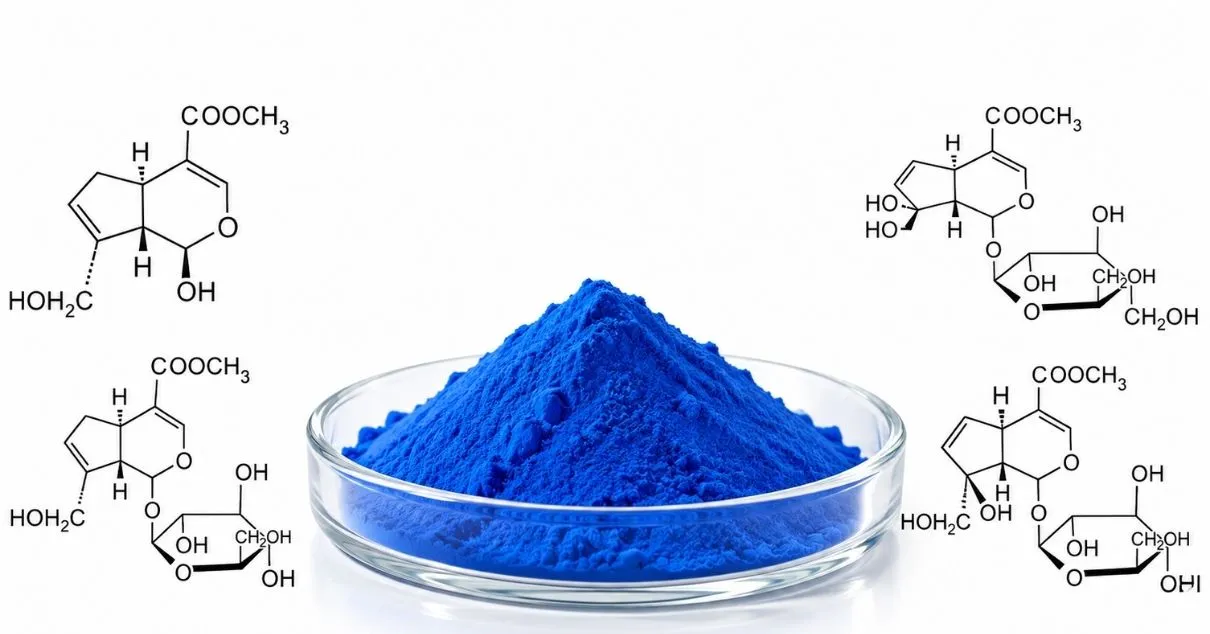
The plant Gardneria jasminoides is in the family Rubiaceae and has been used in traditional East Asian medicine for more than 2,000 years. Its fruit has three main types of beneficial substances: flavonoids, iridoid glycosides (geniposide), and carotenoid pigments (crocin and crocetin). Each group makes a different contribution to the success of skin care.
Where the Extract Comes From
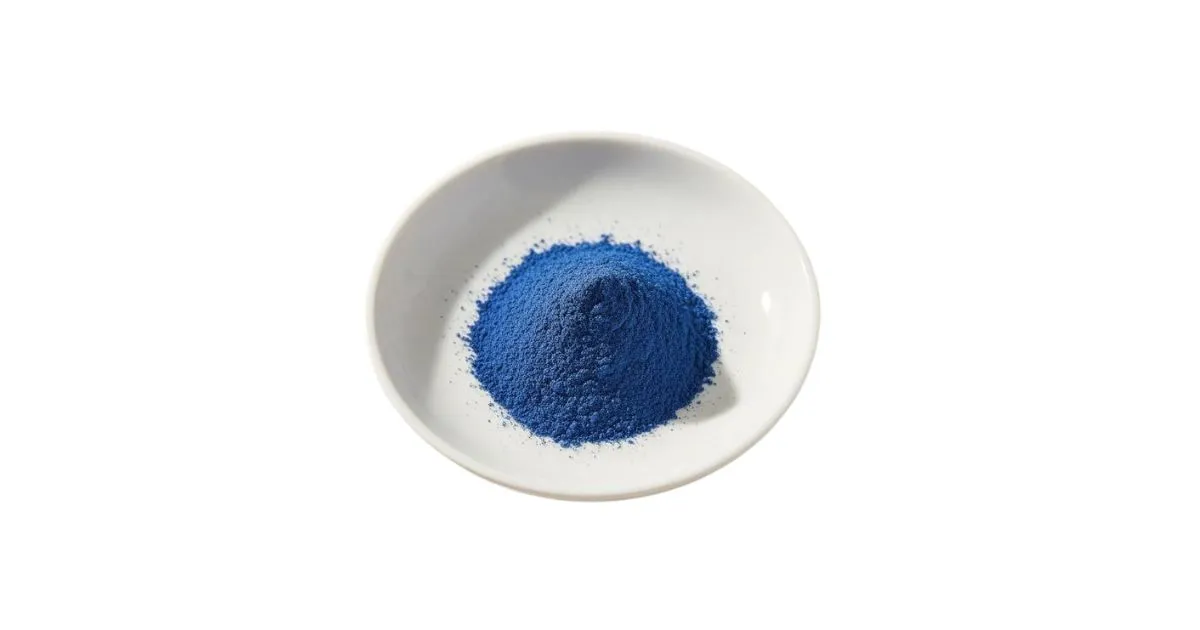
The fruit is picked, dried, and then extracted with water or ethanol. Standardization that is confirmed by HPLC makes sure that the amounts of active compounds are the same across runs. This is how Yangge's Gardenia Blue powder is made. It's a fine blue powder that comes in specs E30, E60, E80, E100, and E200. This gives formulators exact control over the pigment strength and application dosage.
Processing Methods That Preserve Purity
Extraction methods that use strong chemical liquids break down key pigments and glycosides, but extraction methods that use water and ethanol keep their structure. Because it dissolves easily in water and aqueous ethanol, the extract can be easily added to water-phase products without the need for emulsification tools. This processing profile works with ingredient claims that are natural or clean-label.
Certifications and Compliance
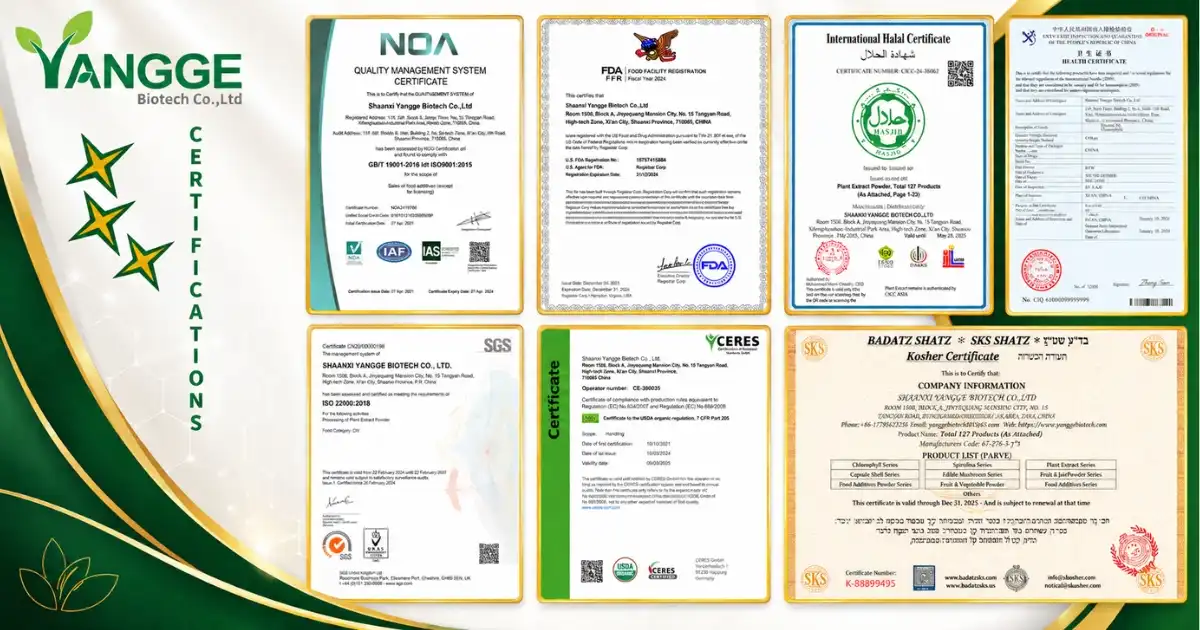
This is Yangge, supplier of natural gardenia extract. The company is certified in ISO, HACCP, Kosher, and Halal. All products are made in a way that follows good manufacturing practices (GMPs), and farm-to-facility traceability paperwork is provided to back up regulatory applications. Before making an order, brands in the US, EU, Australia, and Japan can ask for specification sheets and third-party test results to make sure they are in line with the rules.
Core Benefits of Natural Gardenia Extract in Skin Care Products
The bioactive profile of gardenia fruit extract has been linked to a number of known skin care benefits. In topical uses, research published in peer-reviewed journals shows that the three most constant effects are antioxidant activity, collagen-supporting effects, and anti-inflammatory properties.
Antioxidant and Anti-Aging Properties
Crocin and crocetin are water-soluble carotenoids that have been studied a lot for their ability to remove free radicals from cells. When put on the skin, they lower the oxidative stress that UV light and pollution cause. Studies have shown that crocin helps keep collagen in dermal fibroblasts and protects keratinocytes from damage caused by UV light. These are two results that are important for any brand that wants to make claims about protecting against aging or making skin more resilient.
Soothing and Anti-Inflammatory Function
Geniposide is the main iridoid found in gardenia fruit. It has been linked to lower levels of pro-inflammatory cytokines (IL-1β, TNF-α) in several in vitro tests. This gives skin care products for sensitive or reactive skin a scientific reason to use natural ingredients instead of the general "natural = gentle" argument. It gives formulators a real action to talk about when they talk about the product.
Color and Sensory Contribution
There are no artificial dyes in Gardenia Blue powder, so it gives a clean blue color. Its color tone stays the same across a wide pH range, and it doesn't change when heated, which is something that many plant pigments can't do. If you use wash-off products, masks, or bath products where the pH level changes a lot, this stability is very helpful.
| Property | Gardenia Blue Extract | Synthetic Blue #1 |
|---|---|---|
| Source | Gardenia jasminoides fruit | Petroleum-derived |
| pH Stability | High (stable across pH range) | Moderate |
| Label Declaration | Natural / plant-based | Synthetic dye |
| Non-GMO / Vegan | Yes | Not applicable |
| Regulatory (EU) | Permitted in specific applications | Restricted in some markets |
When a brand's whole story depends on clean labels, these differences in performance matter. Switching from Blue #1 to an option made from plants isn't just a marketing choice; it has real effects on customer confidence and the rules that govern it.
Practical Uses of Natural Gardenia Extract in Modern Skin Care Formulations
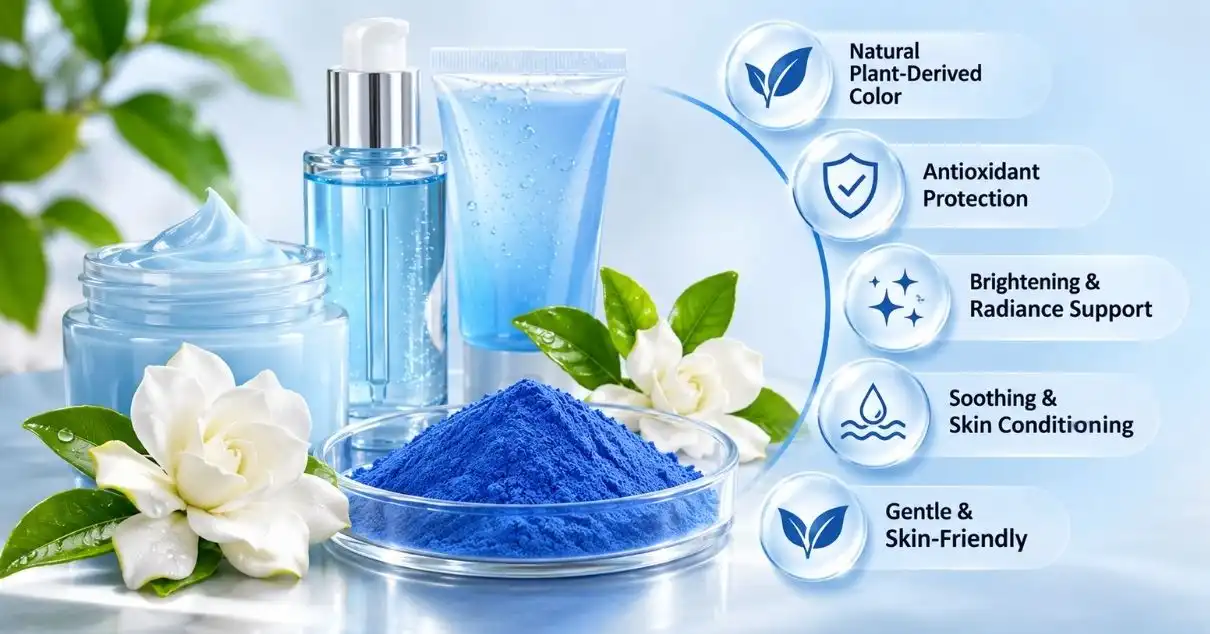
Gardenia extract can be used in a lot of different types of products. Because it dissolves in water, it can be used with serums, toners, gel masks, and emulsified creams without the need for extra solubilizers. Standard use rates in cosmetics are usually between 0.1% and 2.0%, but this can change based on the color strength and functional concentration that is wanted.
Gardenia-derived chemicals work well in the following main types of applications:
- Facial masks and wash-off treatments: The blue pigment delivers visible color appeal in packaging and at application. Its heat and pH stability means it retains color through manufacturing and in-use conditions.
- Serums and leave-on treatments: At low concentrations, geniposide and crocin contribute antioxidant activity without altering fragrance or texture profiles. The neutral organoleptic character of gardenia extract is a notable advantage over alternatives like curcumin, which carries a distinct odor.
- Bath and body products: Gardenia Blue creates differentiated color in bath soaks, body scrubs, and shower gels. It dissolves readily in aqueous systems and does not require high-shear mixing.
In the real world, these application formats show how natural colorants need to work in real manufacturing settings, not just in the lab. Gardenia Blue from natural gardenia extract has been shown to be stable under UHT-equivalent processing conditions, keeping about 90–95% of its color value. This gives formulators peace of mind before scaling up.
Dosage and Formulation Notes
How much to dose depends on the grade criteria. The color content per gram of E80 powder is higher than that of E30 powder, which lets you make more cost-effective mixtures with lower addition rates. Yangge has technical data sheets for each standard that can be used to plan the first tests.
Safety and Regulatory Positioning
China, Japan, and South Korea all accept colorants that come from gardenias as safe to use in food and beauty products. In the US and EU, rules about makeup use are specific to each country. Brands should check with their regulatory advisors to make sure application-specific compliance is met before going on sale. Yangge gives information to back up this method.
Procurement Considerations for B2B Clients: Sourcing Quality Natural Gardenia Extract
| Factor | What to Evaluate |
|---|---|
| Specification range | E30, E60, E80, E100, E200 available |
| Certifications | ISO, HACCP, Kosher, Halal, GMP |
| MOQ | Flexible for mid-size brands |
| Traceability | Farm-to-facility documentation available |
| Sampling | Available before bulk order commitment |
Specification range: E30, E60, E80, E100, and E200 are available; Certifications: ISO, HACCP, Kosher, Halal, and GMP; Minimum order quantity (MOQ): Not set in stone for mid-sized brands; Traceability: Farm-to-facility documentation is available; Samples: Can be ordered before a bulk order is made;
Evaluating Supplier Transparency
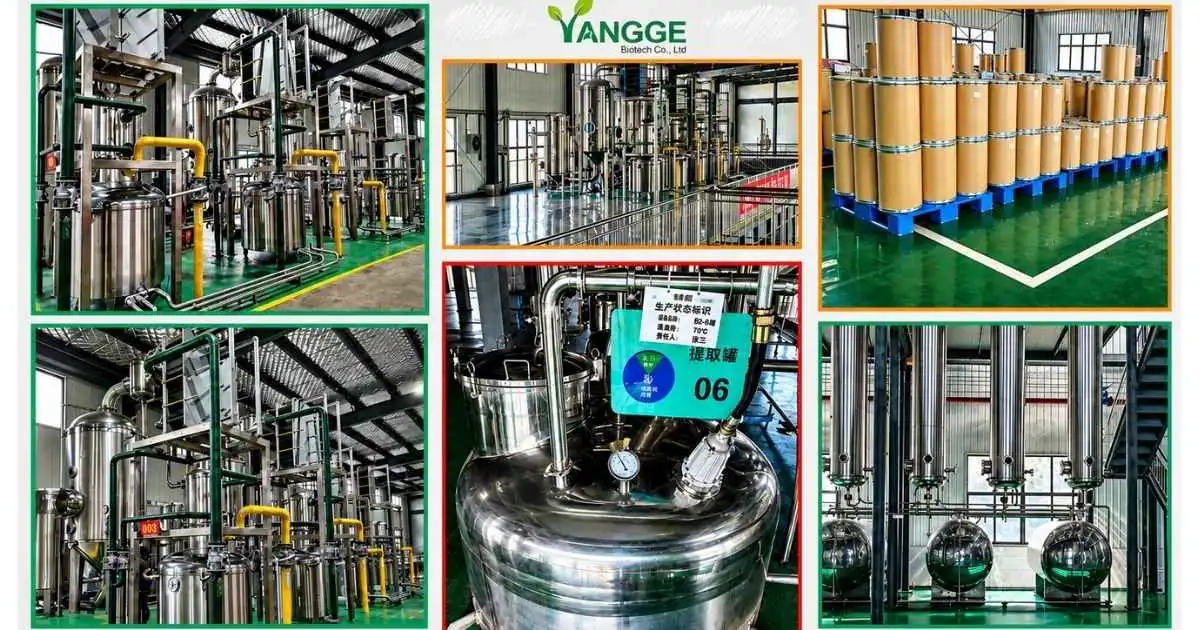
There's more to finding a plant-based colorant than just comparing prices per kilogram. If a supplier relationship works at production scale, it depends on how consistent the colors are from batch to batch, how much paperwork there is, and how responsive the seller is to small-volume buyers. Yangge supplies natural gardenia extract and has an R&D team that works full-time, online support that's available 24 hours a day, and a model for long-term farming partnerships that make it possible to track products from the field to the finished product.
Sampling Before Commitment
Brands that promote "clean labels" need providers who can give them origin documents, process descriptions, and test papers that can stand up to scrutiny from customers and retailers. "Natural" promises that are only based on marketing language and don't include approved extraction methods or traceable sources put companies at risk of not following the rules.
Future Trends and Market Outlook for Natural Gardenia Extract in Skin Care
It is expected that the clean beauty market in the US will grow at a rate of 12% CAGR until 2030 and was worth about $8.3 billion in 2023. This change is happening faster because more people are aware of worries about synthetic dyes, especially when it comes to openness and where the ingredients come from.
Rising Demand for Traceable Plant Pigments
More and more, retailers and certification bodies need proof of origin other than standard certificates of analysis. It is more likely that suppliers with established farm partnerships and chain-of-custody records will be able to meet this demand than those who buy from commodity brokers.
Clean Beauty and Multifunctional Actives
It is becoming more common for brands to use products that can do more than one thing. Gardenia extract is useful for product makers who are working with limited funds and complicated label requirements because it can be used for both color and active functionality.
Regulatory Alignment Across Markets
It is expected that more regulatory alignment between the US and EU around natural colorant definitions will make it easier for approved plant-derived pigments to be used in more ways. Brands that put money into systems for natural colorants now will be better able to change when the rules are finalized.
Conclusion
Natural gardenia extract really adds usefulness to skin care products because it has cooling effects, antioxidant activity, and stable plant-based color. It solves the problem for brands that want to build on a clean-label foundation of both looking good and being clear about what's in their products. Yangge's Gardenia Blue powder has full supply chain tracking, specs that have been checked, and compliance with multiple certifications. Gardenia-derived ingredients are something you should really think about whether you are changing the way old goods work or starting from scratch with a new line.
FAQ
What is natural gardenia extract used for in skin care?
It provides antioxidant protection, anti-inflammatory support, and plant-based color. The carotenoids crocin and crocetin protect against UV-induced oxidative stress, while geniposide offers calming properties for sensitive skin types.
Is Gardenia Blue powder truly natural?
Yes. Gardenia Blue is derived from the fruit of Gardenia jasminoides through enzyme-assisted processing of geniposide—a method that mimics natural fermentation. It contains no synthetic dyes, artificial preservatives, or artificial additives.
How stable is Gardenia Blue in formulations?
Gardenia Blue maintains color stability across a wide pH range and holds approximately 90–95% color value under high-temperature processing conditions, making it suitable for demanding cosmetic manufacturing environments.
What certifications does Yangge's gardenia extract carry?
Yangge holds ISO, HACCP, Kosher, and Halal certifications, with GMP-compliant production. Farm-to-facility traceability documentation is available on request.
Can small brands order in low quantities?
Yes. Yangge supports flexible minimum order quantities to accommodate mid-size and growing clean-label brands, with sampling available before bulk commitment.
Partner with Yangge for Clean-Label Natural Colorant Solutions
Getting the right natural gardenia extract provider is the first step in building your brand's ingredient story. Yangge Biotech has five different grades of Gardenia Blue powder that are all certified by ISO, HACCP, Kosher, and Halal. Because we are a reliable natural gardenia extract producer, we offer small-batch sampling, a variable minimum order quantity, and full traceability paperwork. This is everything a medium-sized clean-label brand needs. To get a sample or scientific data sheet right away, email our team at info@yanggebiotech.com or go to blog.yanggebiotech.com.
References
1. Akhondzadeh, S., & Abbasi, S. H. (2006). Herbal medicine in the treatment of Alzheimer's disease. American Journal of Alzheimer's Disease & Other Dementias, 21(2), 113–118.
2. Grand View Research. (2024). Clean Beauty Market Size, Share & Trends Analysis Report. Grand View Research.
3. Li, Y., et al. (2018). Crocin protects human dermal fibroblasts against UV-induced oxidative stress. Journal of Photochemistry and Photobiology B: Biology, 185, 100–108.
4. Morales, M., et al. (2020). Natural carotenoids in cosmetic formulations: Stability and skin bioavailability. International Journal of Cosmetic Science, 42(4), 337–348.
5. Park, S. J., et al. (2019). Geniposide suppresses inflammatory cytokine production in human keratinocytes. Phytomedicine, 56, 246–253.
6. Tao, L., et al. (2021). Gardenia jasminoides: Phytochemistry, pharmacology, and applications in food and cosmetics. Food Chemistry, 354, 129531.

Based on your location and order quantity, you will have the opportunity to receive a limited time free shipping promotion!
Who we are
Popular Blogs