How do macular carotenoids protect the retina from blue light damage
It is thought that macular carotenoids, mainly lutein, zeaxanthin, and meso-zeaxanthin, protect the retina from blue light damage by gathering in the macula and blocking high-energy visible light before it hits photoreceptor cells. Together, these pigments absorb blue light between 400 and 500 nm and get rid of reactive oxygen species that are made by photooxidative stress. Meso Zeaxanthin Powder, which is made from extracts of marigold flowers using controlled isomerization, focuses on the foveal center, which is where blue light exposure is most dangerous. This gives focused defense that regular dietary carotenoids can't do on their own. This mechanism is becoming more important for formulation scientists who are making eye health supplements to deal with the problems caused by current computer time.
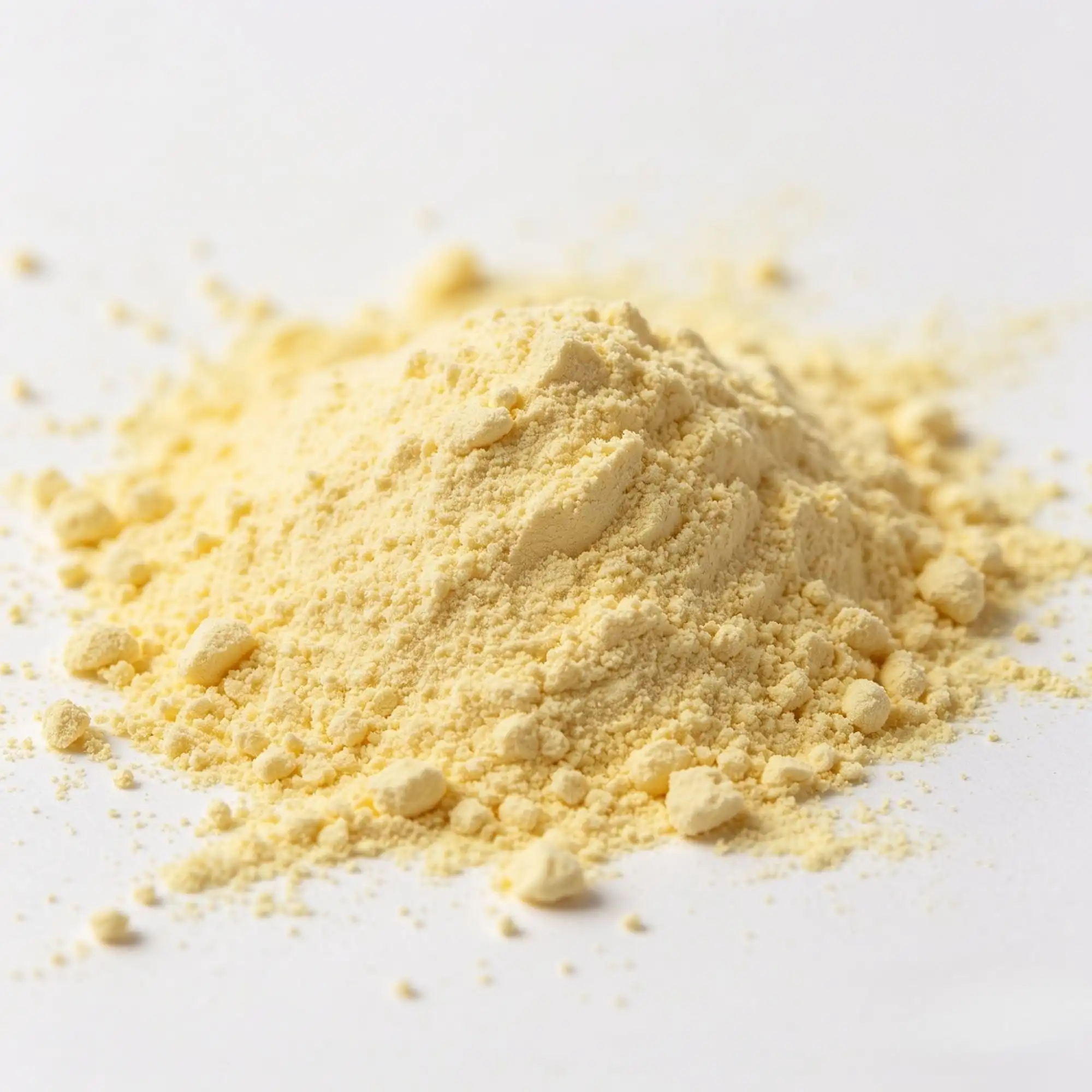
Understanding Blue Light and Retinal Damage
Blue light is in the visible range and has wavelengths between 380 and 500 nanometers. Compared to other visible light, blue light has shorter wavelengths and higher energy levels. A lot of this high-energy radiation comes from digital devices, LED lights, and natural sunlight. This means that people are constantly exposed to it in modern workplaces. The macula, which is in charge of central vision, receives this penetrating light. This sets off photochemical reactions that make reactive oxygen species that are harmful in retinal pigment epithelial cells and photoreceptors.
The Mechanism of Photo-Oxidative Stress
When photons of blue light hit the retina, they interact with photosensitive molecules like lipofuscin and retinal chromophores. This sets off a chain of reactive reactions. Reactive oxygen species, which include superoxide radicals, hydrogen peroxide, and singlet oxygen, are made by these processes. These ROS damage cell membranes, proteins, and mitochondrial DNA if antioxidants aren't present in sufficient amounts. This causes cells to gradually stop working properly. Long-lasting reactive stress leads to inflammation, the death of photoreceptor cells, and the buildup of metabolic waste products that gradually make it harder to see clearly.
Workplace Implications and Occupational Health Concerns
Workers in research labs, factories that use LED lighting, and quality control departments that need long periods of screen time are all exposed to higher amounts of blue light over time than has been normal in the past. More and more, R&D managers and production leaders are realizing that when workers are visually tired, they make mistakes during inspections, take longer to respond, and produce less overall. Managing blue light exposure through dietary changes has become a more cost-effective option than just using tech controls. This is especially true for companies that want to keep their workers' performance high while also improving their long-term health at work.
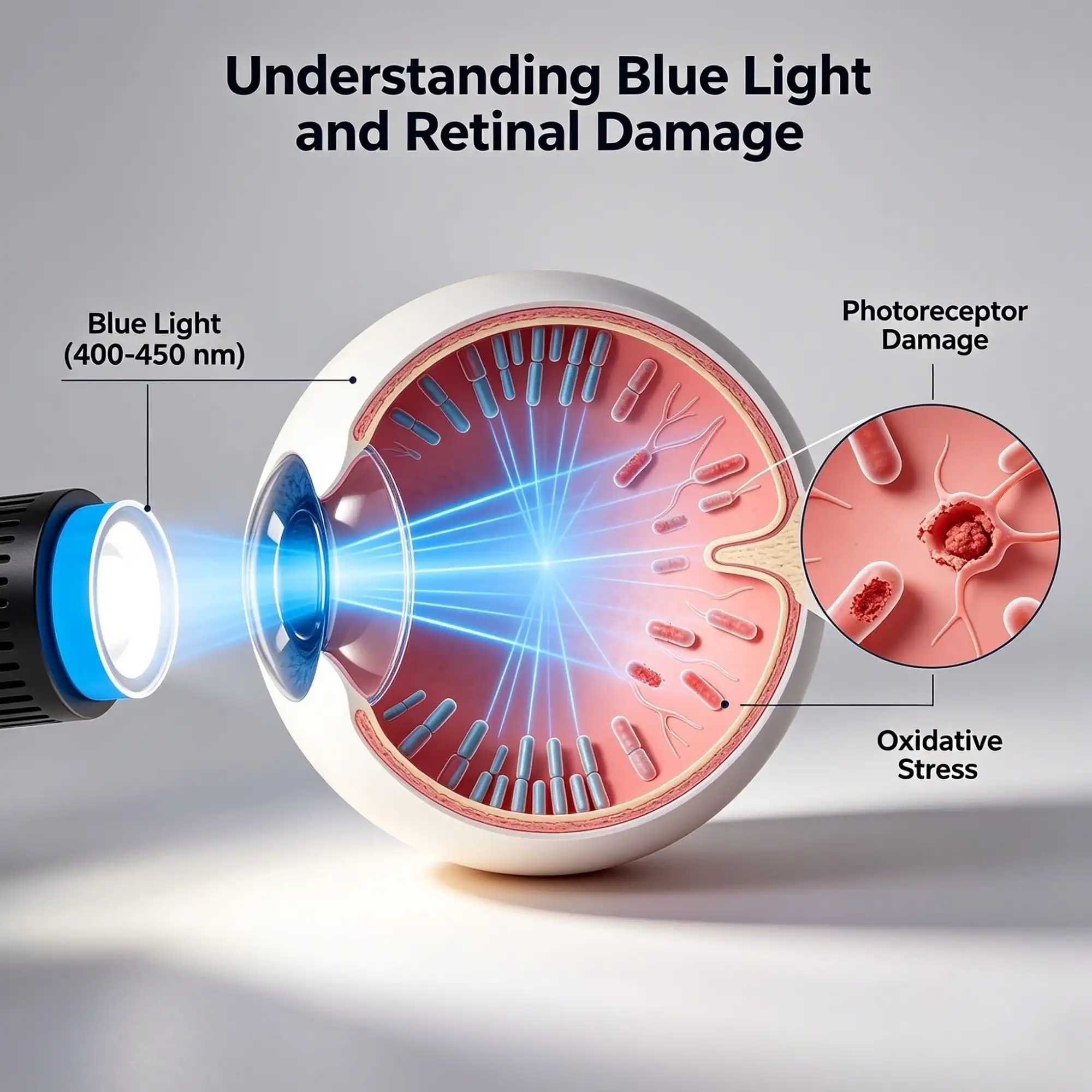
The Role of Macular Carotenoids in Eye Protection
Lutein, zeaxanthin, and Meso Zeaxanthin Powder are three carotenoids that only build up in the macula. This is because of special proteins that move and hold these molecules in place in the retinal tissue. Their special chemical structures have conjugated double-bond systems that effectively block blue light wavelengths while letting longer wavelengths through, which are needed for color vision. Depending on the amounts of macular pigment optical density, this selective filter lowers the photon load that reaches photoreceptor layers that are more likely to be damaged by 40 to 90%.
Molecular Distinctions and Retinal Distribution Patterns
Foods that contain lutein and zeaxanthin get into the body, but meso-zeaxanthin is mostly made in the macula through enzyme conversion or direct addition. The chemical structure of meso-zeaxanthin, especially its (3R,3'S)-stereoisomer structure, makes it more likely to build up in the foveal center, which is where the number of cone photoreceptors is highest. Standard zeaxanthin (3R,3'R-isomer) is spread out more evenly in the parafoveal area, whereas lutein is mostly found in the central zones around the edges. This pattern of spread makes a graded optical filter that protects the most, right where blue light damage is most dangerous for high-resolution center vision.
Antioxidant Mechanisms Beyond Light Filtration
In addition to blocking light, macular carotenoids are also very good at fighting free radicals. They do this by directly removing singlet oxygen and peroxyl radicals that are made when lipids peroxide. Because they are lipophilic, they can get into cell membrane bilayers and maintain the structure of the membranes while stopping reactive chain reactions before they cause too much damage. Clinical tests show that higher macular pigment optical density is linked to lower signs of oxidative stress in retinal tissue. This suggests that there are two separate protective processes at work that aren't dependent on light absorption.
Bioavailability Considerations for Formulation Scientists
Bioavailability factors that are managed during the extraction and preparation processes are very important for how well carotenoid supplements work as a medicine. When properly micronized and delivered in lipid-compatible matrices, meso-zeaxanthin from marigold flowers that is extracted using normal ways is more stable and absorbs better than manufactured options. It is important for formulation engineers to think about the particle size distribution, the solid vs. amorphous states, and the carrier systems that help the body absorb the substance in the intestines. Water-soluble beadlet technologies and cold-water-soluble preparations make it possible to add carotenoids to a wide range of products while keeping them stable during processing and storage.
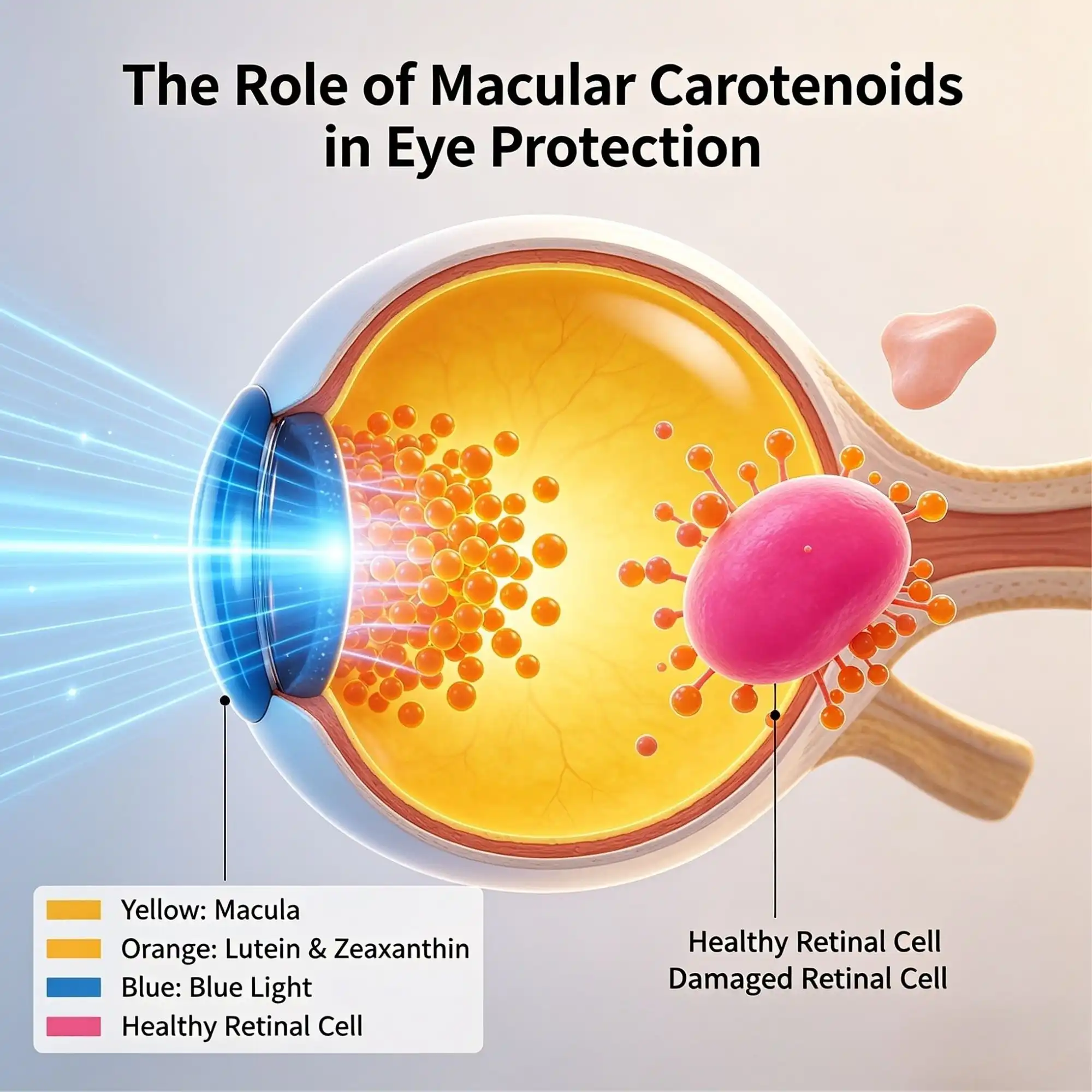
Benefits and Applications of Meso Zeaxanthin Powder for Eye Health
Studies in people have shown that taking meso-zeaxanthin supplements can raise measurements of macular pigment density within 8 to 12 weeks. This elevation lasts for a long time and is linked to better eye performance measures. Studies that looked at contrast sensitivity, glare recovery time, and photostress recovery found that boosted groups did better than sham controls in all three areas. These gains in functional vision directly lead to better quality of life for people whose eyesight is getting worse with age or whose jobs require them to see things clearly.
Evidence-Based Formulation Guidelines
To find out how well something works, researchers usually use mixtures that give 10 to 20 mg of total macular carotenoids every day, with meso-zeaxanthin making up 10 to 25 percent of the total carotenoid content. Product designers who want to stop age-related macular degeneration look at the AREDS2 modification studies and add meso-zeaxanthin to fill in the foveal gap that lutein and zeaxanthin alone leave. Dosage suggestions for people who spend a lot of time in front of a screen may range from 5 mg to 10 mg of total carotenoids per day, with changes made based on tests of initial macular pigment and dietary input.
Manufacturing Integration and Formulation Compatibility
Meso Zeaxanthin Powder has purity levels that range from 5% to 80%, which allows for a variety of preparation options that balance cost-effectiveness with medicinal dose needs. When mixed with the right ingredients, the reddish-orange powder mixes easily into softgels, tablet compressions, and powder drink forms. Encapsulation technologies hide the naturally bitter taste of the carotene while protecting it from oxygen breakdown during processing. Formulation scientists like how well it works with fat-soluble vitamins, omega-3 fatty acids, and other nutrients that help your eyesight that are often mixed together in complete eye health products.
Safety Profile and Regulatory Compliance
Extensive chemical studies show that meso-zeaxanthin is very safe at doses many times higher than what is recommended for medicinal use. Regulatory filings to the FDA for Generally Recognized as Safe (GRAS) status and novel food approvals from the European Food Safety Authority set a clear example for business uses. Products made under GMP conditions and tested by a third party for heavy metals, herbicide residues, and polycyclic aromatic hydrocarbons meet very high quality standards around the world. Following the rules that say benzopyrene levels must be less than 10 parts per billion (ppb) and the European PAH4 standards takes care of certain issues that come up with plant products that come from farming sources.
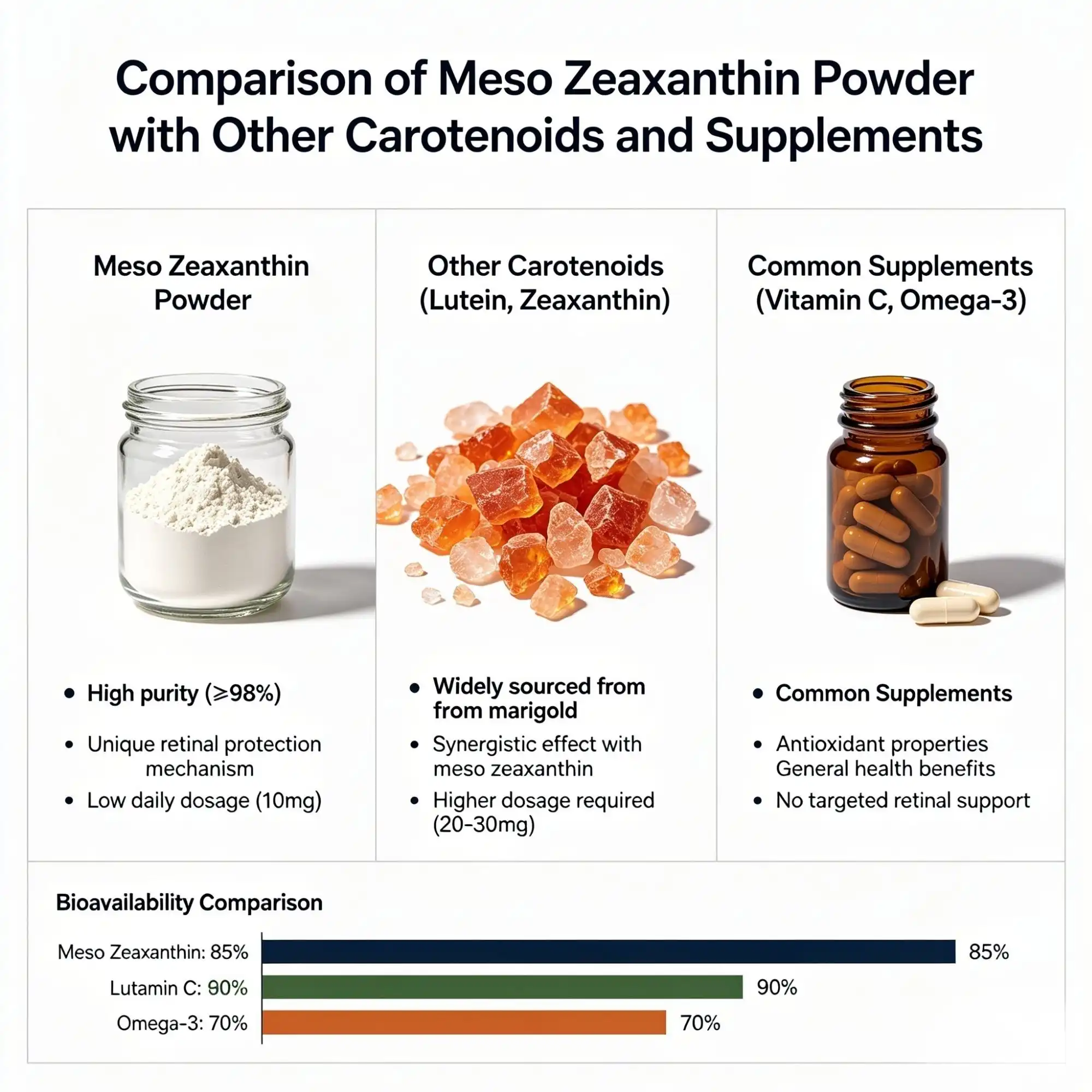
Comparing Meso Zeaxanthin Powder with Other Carotenoids and Supplements
When purchasing managers look at carotene ingredients, they need to compare their benefits across a number of performance areas. Meso-zeaxanthin is better at hitting the fovea than lutein alone. It fills in the anatomical distribution gap that makes traditional formulas inadequately protect the central macula. Zeaxanthin pills cover more of the macula, but they don't have the dense foveal deposition that the meso-isomer does. Using all three carotenoids together in synergistic ways improves both the visual density and the spatial distribution across the whole macular area.
Analytical Quality Parameters for Procurement Decisions
The chiral HPLC method accurately tells the difference between the stereoisomers of zeaxanthin, which is needed for accurate ingredient proof. Standard reverse-phase HPLC techniques can separate the total amount of carotenoids, but they can't tell the difference between the (3R,3'S)-meso form and the (3R,3'R)-dietary form. Buying managers should ask for analysis certificates that use chiral separation columns to make sure the purity of the isomers and stop substitutions from happening by accident. Other quality control measures include checking for residual solvents according to USP standards, heavy metal screening using ICP-MS to find lead, arsenic, cadmium, and mercury, and microbiological testing to make sure there are no pathogenic organisms present.
Superior sellers keep detailed records that show where the raw materials come from, from the areas where marigolds are grown, to the facilities where they are extracted, and finally to the batches of finished powder that are sold. When marigold flowers are picked in controlled farming settings, the risk of pesticide contamination is low, and the carotene profiles are always the same. To get the oil out of the plant, chlorophylls and other unwanted chemicals are removed through saponification. Next, the lutein crystallizes and is changed to meso-zeaxanthin through controlled isomerization. Quality inspection teams can check a supplier's technical skills and find possible quality problems before they start working with them on a long-term basis if they know about these process details.
Economic Considerations and Supply Chain Reliability
Meso Zeaxanthin Powder prices in the market vary a lot depending on how pure it is. Standardized extracts with a concentration of 5 to 20 percent are a cheap way to get into moderate-dose formulas, while concentrates with a concentration of 70 to 80 percent are best for high-potency products that don't need much excipient dilution. The benefits of buying in bulk usually show up when you buy more than 25 kg, and tiered price systems reward people who commit to buying a lot. Carotene powders are not considered dangerous by international shipping rules, which makes operations easier than liquid extracts that contain solvents. Reliable providers keep safety stock levels to avoid production delays during yearly changes in harvests and offer a range of flexible packaging options, from 1 kg sample packs to 25 kg fiber drums that can be used for large-scale production.
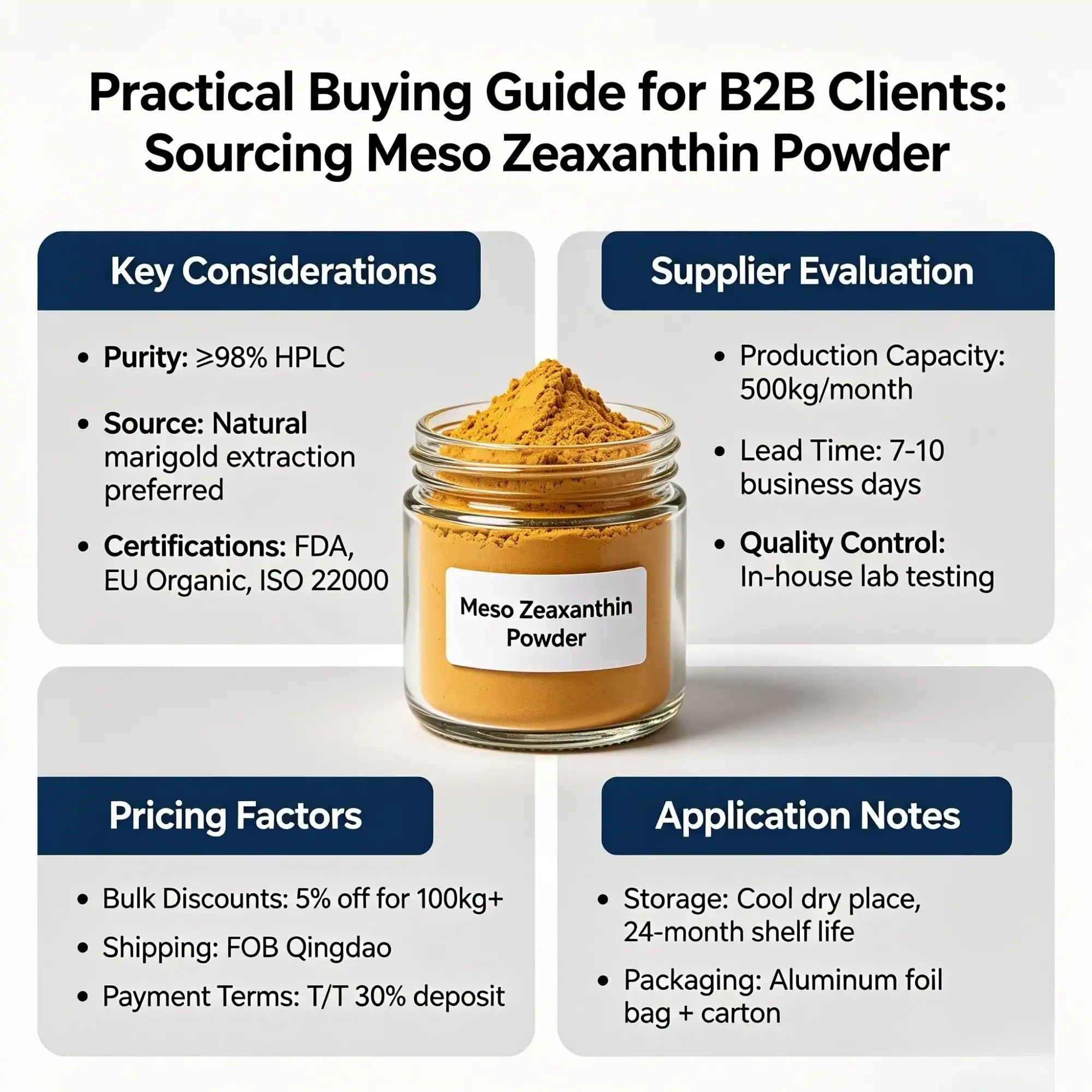
Practical Buying Guide for B2B Clients: Sourcing Meso Zeaxanthin Powder
To choose reliable providers, you need to carefully look at their certifications, analytical skills, and how open their supply chain is. The ISO 9001 quality management certification shows that a company is dedicated to process control. The HACCP and GMP certifications, on the other hand, focus on food safety and pharmaceutical-grade production standards, respectively. Kosher and Halal approvals make it easier for goods that are aimed at certain groups of people to reach more customers. Third-party testing agreements with separate labs provide fair confirmation of what the certificate of analysis says, which boosts trust in meeting specifications.
The following criteria establish a comprehensive supplier evaluation framework:
Certification and Compliance Verification includes checking registrar databases for up-to-date ISO, HACCP, and GMP certifications, reading audit reports that show compliance with international standards, and looking at specific certifications that are important to target markets, like FDA registration or EU novel food approval status.
Technical Support Capabilities include checking to see how much the supplier knows about extraction methods, solubility characteristics, and how to make the product more stable; getting formulation advice for specific application needs, such as suggested usage levels and compatibility issues; and making sure that technical documents like safety data sheets, stability studies, and bioavailability research summaries are available.
Quality Assurance Infrastructure requires examining the analytical testing scope that includes identity, purity, potency, and contaminant screening, understanding retesting protocols and dispute resolution procedures when specification deviations occur, and assessing batch-to-batch consistency through historical certificate of analysis review spanning multiple production lots.
Logistics and Commercial Terms involves clarifying minimum order quantities and evaluating their alignment with production planning cycles, negotiating pricing structures reflecting volume commitments and long-term partnership agreements, and understanding lead times from order placement through international shipping and customs clearance processes.
All of these evaluation factors work together to help you make buying choices that balance quality assurance, cost competitiveness, and operational reliability. Production managers benefit from establishing dual-source strategies for critical ingredients, maintaining qualified alternate suppliers to mitigate supply disruption risks while leveraging volume consolidation advantages with primary partners.
Integration Strategies for Product Development Teams
To add meso-zeaxanthin to current product lines, the R&D, quality assurance, and regulatory affairs teams need to work together. Formulation scientists have to make sure that the product is stable under different processing conditions, such as heat during encapsulation, compression forces during tableting, and changes in pH levels in drinking uses. Following ICH standards for accelerated stability testing sets shelf-life claims that can be used in regulatory submissions and on customer labels. Working with contract makers who know how to handle carotenoids can help you avoid problems like oxidative degradation, color shifting, and losing effectiveness during storing.
Custom mixing services from skilled providers let you make your product stand out by using special amounts of lutein, zeaxanthin, and meso-zeaxanthin that work best for certain groups of people. These relationships shorten the time it takes to develop new products by giving brand owners combinations that have already been tested and meet legal requirements. This lets them focus on positioning their products in the market and educating customers. Custom blends usually have higher minimum order sizes than regular ingredient purchases, but they make unique goods that support charging more in competitive markets.
Conclusion
Macular carotenoids are a healthy way to reduce the damage caused by blue light that works in two ways: they filter out light and protect cells from damage. Because it has a special concentration in the fovea, Meso Zeaxanthin Powder fills in the defensive gaps left by lutein and regular zeaxanthin supplements alone, making it an important part of all-around eye health products. When buying these ingredients for businesses, those in charge of procurement must look at sellers' quality certifications, analytical skills, supply chain openness, and technology support skills. More and more studies show that macular carotenoid supplements work, and people are becoming more aware of the risks of too much computer time. This makes these ingredients great chances for companies that make vision health supplements.
Partner with Yangge Biotech for Premium Meso Zeaxanthin Powder Supply
Yangge Biotech Co., Ltd. stands as your trusted Meso Zeaxanthin Powder manufacturer, delivering pharmaceutical-grade carotenoid ingredients backed by comprehensive certifications including ISO, HACCP, Kosher, and Halal accreditations. Our Meso Zeaxanthin Powder specifications span 5% to 99% purity grades, sourced exclusively from marigold flowers cultivated through sustainable farming partnerships ensuring complete farm-to-table traceability. Every production batch undergoes rigorous testing confirming non-GMO status, non-allergen compliance, and adherence to European PAH4 standards with benzopyrene levels consistently below 10 ppb. We maintain collaborative relationships with internationally recognized laboratories for independent verification, providing the quality assurance documentation your regulatory submissions demand.
Our technical team offers customized formulation support, helping R&D managers optimize carotenoid ratios, select appropriate specifications balancing potency requirements with cost considerations, and navigate stability challenges across diverse delivery formats. With minimum orders starting at just 1 kg and sample availability for preliminary testing, we accommodate both emerging brands and established supplement manufacturers. Our 24-hour customer service ensures responsive communication across time zones, while our GMP-certified production facility guarantees consistent supply meeting your production schedules. Contact our procurement specialists at info@yanggebiotech.com to discuss your specific requirements and discover how our meso zeaxanthin powder for sale can differentiate your eye health product line in competitive markets.
FAQ
Q: Can we get some samples to test before purchasing?
A: Of course, we can provide free samples of 20 to 100 grams, but the shipping cost is at the customer's expense. The shipping cost can be deducted from the next order, or the samples can be sent through your courier account.
Q: Do your products have relevant certifications?
A: Yes, our products are certified for HALAL, ISO, HACCP, Kosher, and other certifications.
Q: What is the minimum order quantity (MOQ)?
A: Small batches of samples can be customized according to your requirements.
Q: Do you offer OEM and ODM services? Can the formula be customized based on our own?
A: Of course, we provide ODM and OEM services to many customers. Our product range includes softgels, capsules, tablets, sachets, granules, and private label services. Simply contact us and let us know your requirements. Our experienced R&D team can also develop new products with specific formulas.
Please contact us to design your own branded products.
Q: How do you handle quality complaints?
A: First, we have a comprehensive quality control SOP. We provide authoritative third-party inspection reports for almost all products before shipment to minimize the possibility of quality issues. Second, we have a comprehensive return and exchange procedure. If there is a genuine quality dispute, we will strictly follow the SOP.
Q: How do you ship? How long does delivery take?
A: For small orders, we typically use DHL, UPS, EMS, FedEx, or TNT. Delivery typically takes 3-7 days. We also offer air and sea freight services. We have a strong freight forwarding team and can provide you with a one-stop service, including DDP and DDU.
Q: What are your payment terms?
A: 100% prepayment, payable by T/T, Western Union, MoneyGram, or PayPal.
Q: What is the shelf life of your products?
A: 2 years with proper storage.
References
1. Bone, R.A., Landrum, J.T., and Tarsis, S.L. (1985). "Preliminary Identification of the Human Macular Pigment." Vision Research, 25(11), 1531-1535.
2. Nolan, J.M., Meagher, K., Kashani, S., and Beatty, S. (2013). "What is Meso-zeaxanthin, and Where Does it Come From?" Eye, 27(8), 899-905.
3. Sabour-Pickett, S., Beatty, S., Connolly, E., Loughman, J., Stack, J., Howard, A., Klein, R., Klein, B.E., Meuer, S.M., Myers, C.E., Gehrs, K.M., Tinker, L., Wallace, R., Snodderly, D.M., and Nolan, J.M. (2014). "Supplementation with Three Different Macular Carotenoid Formulations in Patients with Early Age-Related Macular Degeneration." Retina, 34(9), 1757-1766.
4. Bernstein, P.S., Li, B., Vachali, P.P., Gorusupudi, A., Shyam, R., Henriksen, B.S., and Nolan, J.M. (2016). "Lutein, Zeaxanthin, and Meso-zeaxanthin: The Basic and Clinical Science Underlying Carotenoid-based Nutritional Interventions against Ocular Disease." Progress in Retinal and Eye Research, 50, 34-66.
5. Stringham, J.M., O'Brien, K.J., and Stringham, N.T. (2017). "Macular Carotenoid Supplementation Improves Visual Performance, Sleep Quality, and Adverse Physical Symptoms in Those with High Screen Time Exposure." Foods, 6(7), 47.
6. Akuffo, K.O., Beatty, S., Peto, T., Stack, J., Stringham, J., Kelly, D., Dennison, J., White, W., Howard, A., Connolly, E., Power, R., Corcoran, L., and Nolan, J.M. (2015). "The Impact of Supplemental Antioxidants on Visual Function in Nonadvanced Age-Related Macular Degeneration: A Head-to-Head Randomized Clinical Trial." Investigative Ophthalmology & Visual Science, 56(12), 7645-7653.

Based on your location and order quantity, you will have the opportunity to receive a limited time free shipping promotion!
Who we are
Popular Blogs