FDA Blue Spirulina: 2026 Compliance Guide for US Food Brands
FDA blue spirulina is a common search phrase, but it can mislead buyers. In the United States, "FDA approved" rarely describes a blue spirulina batch accurately. FDA lists spirulina extract as a color additive exempt from certification, and the permitted uses depend on food category. Facility registration, GRAS status, and supplement rules each cover a different issue. For 2026, US food brands should verify intended use, batch-level documents, manufacturing controls, contaminant testing, and labeling before ordering. I wrote this guide for regulatory, quality, and purchasing teams who want a clear path from supplier screening to a first shipment.
What US Buyers Need to Know About FDA Blue Spirulina
What Blue Spirulina Is and How Suppliers Make It
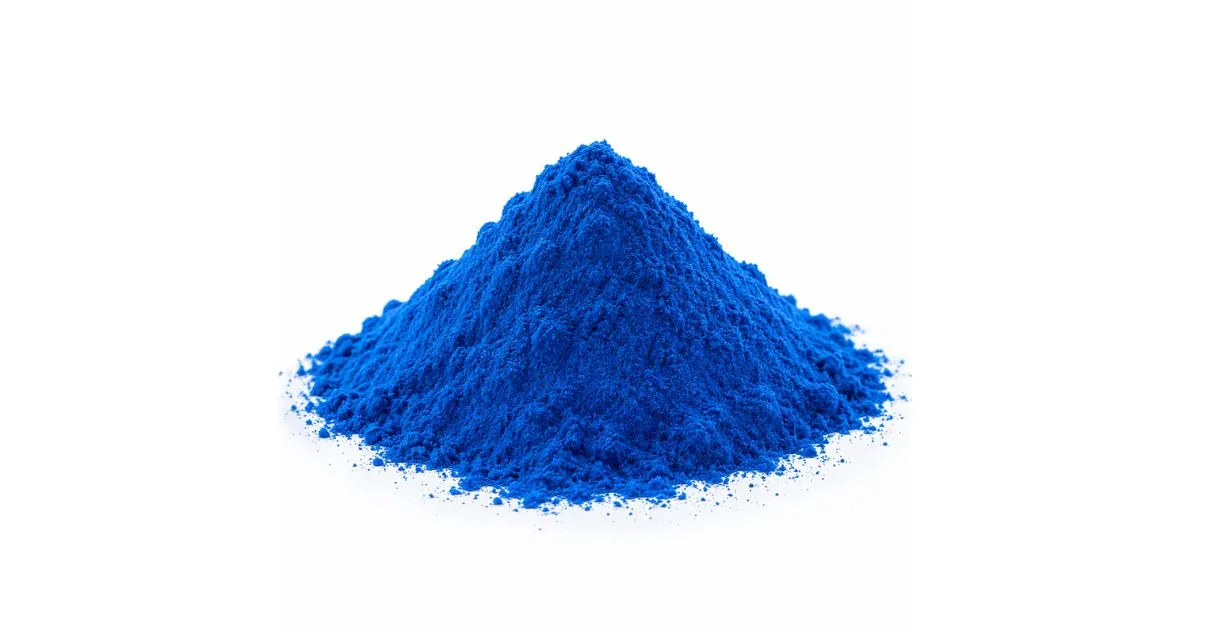
Blue spirulina is not a different kind of plant. This color comes from Arthrospira platensis, a cyanobacterium that is often sold as spirulina and has a lot of phycocyanin. Whole spirulina powder stays green because it still has all of the chlorophyll and biomass. The pigment-protein complex that dissolves in water is split up by blue spirulina. Growing, collecting, breaking down cells, taking water, filtering it, concentrating it, drying it, and packing it are all parts of production.
Each step changes the color, strength, taste, and ease of dissolving. When people buy sheets, I tell them to compare specs instead of brand names for this reason. You can also get Yangge Biotech's Pure Blue Spirulina Powder as a phycocyanin tablet. It is a fine blue powder. It does not mix with ethanol or fat, but it does mix with water. It says that between 60% and 70% of it is protein.
Is Blue Spirulina FDA Approved or FDA Compliant?
Four terms are commonly confused. As with medicines, the FDA does not pre-approve typical foods or dietary supplements. Not the same as: The FDA reviews a petition and names the medicine and its permitted uses in 21 CFR Part 73. Only the FDA's list of registered food plants gets updated. The FDA states that registration does not guarantee approval. GRAS is a food safety standard, not colour additives. The material, usage, and documentation must be "FDA compliant" for your product. Table 1 shows how I separated these terms.
Table 1: Common FDA Terms Compared
| Term | What it means | What it does not mean |
|---|---|---|
| FDA registered | The facility is on the FDA's list of products and facilities | Product or facility approval |
| Color additive listing | The FDA has given its approval for each batch of spirulina extract and each use for it | Approval of every batch or every use |
| GRAS | Experts have said that an ingredient is safe for certain uses and that it can be used as a color | Permission to use it as a color |
| FDA compliant | The government lays out rules for the product, how it is used, how it is labeled, and how the records are kept | A government certificate |
The most important row is the last one because following your formula is more important than getting a badge.
Where Spirulina Extract Fits in FDA Color Additive Rules
21 CFR 73.530 allows spirulina extract as a colour additive without approval, covering FDA blue spirulina. FDA listed it for the first time in 2013. Later revisions expanded food groupings. The extract must be filtered from dried Arthrospira platensis biomass in water. The regulation specifies ingredients and mixing methods. Read the latest text before making a judgement since categories have changed. Desserts, frostings, ice cream, drink mixes, and vitamin sauces are included. A rule-follower should approve your usage, such as producing confectionery or a ready-to-drink drink. Supplier brochures cannot address that question.
FDA Compliance Requirements and Risk Checks for Blue Spirulina Powder
Confirm Identity, Function, and Intended Use First
Before asking about rates, study the essentials. Write down the ingredient's name and function in your recipe, such as spirulina extract. Note the grade, finished product, dish size, and audience. Follow the packaging instructions to use the colour additive as a colour. The 1994 Dietary Supplement Health and Education Act governs vitamin usage. These diverse usage on one specifications page may create future issues. I think the purchasing, quality, and regulatory departments should sign the same written usage declaration. Then, every provider documents should match that.
Manufacturing Controls and Batch Testing
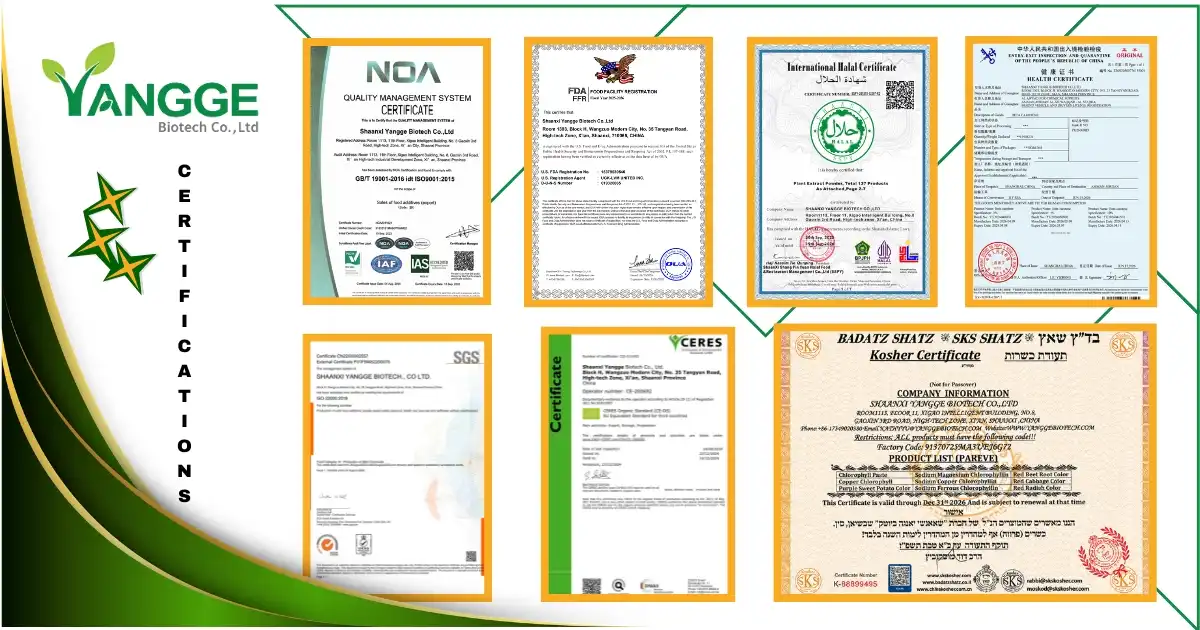
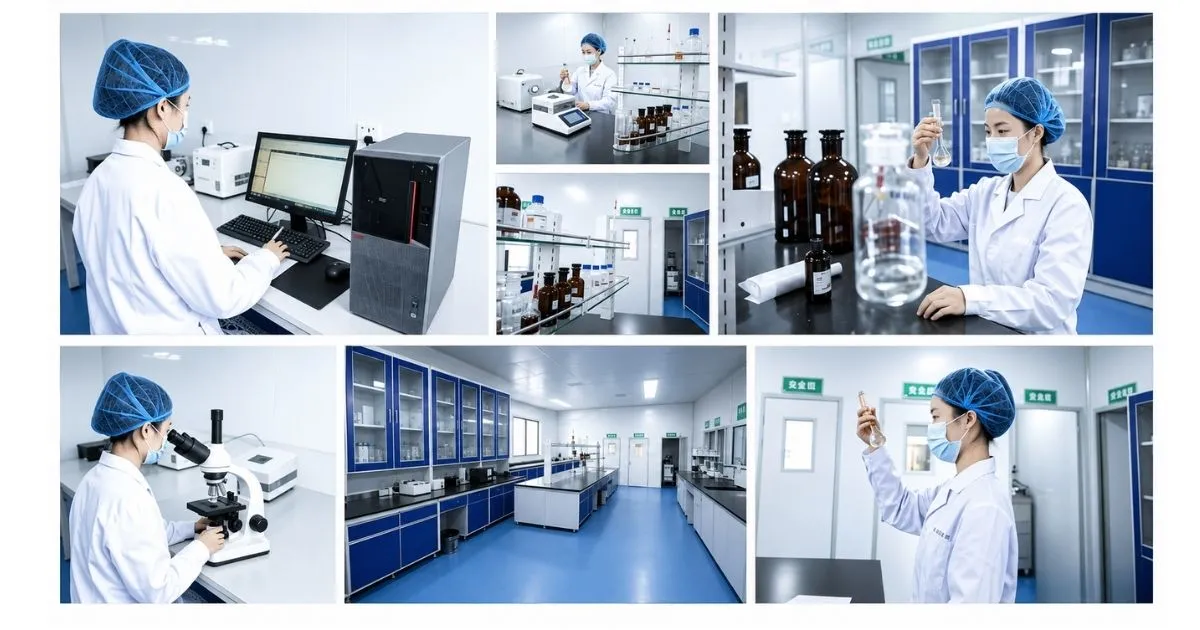
Next, look at how the source makes and checks each lot. Request proof of production based on GMP, HACCP, or preventive controls, as well as proof of cleanliness, tracking, and managing materials that aren't wanted. The company Yangge Biotech has ISO, HACCP, Kosher, and Halal certifications. We also follow GMP standards when we make things. A Certificate of Analysis that is unique to that batch should have the exact grade written on it, like E18.
The name, the amount of phycocyanin or color value, the moisture, bacteria, viruses, and heavy metals should all be on it. In USP General Chapter <2232>, it talks about elemental pollutants that can be found in food products. Lead in goods sold in California can also be affected by Proposition 65. A second check is made with results from a different lab on samples that were saved. For me, a COA is only proof if it has the date, lot number, and test method written on it.
Labeling, Claims, and Import Records
If you buy something, there is more work to be done after it leaves the plant. Supplement Facts panels should be put on the outside of supplement boxes. There must be the usual FDA disclaimer on structure-function claims, and the FDA must be told within 30 days of the product going on sale. Foods or supplements can't make disease claims. "Color added" or the name of the color additive (like spirulina extract) is what food labels say most of the time.
To bring goods into the US, the foreign facility must register with the FDA and choose a person to contact in the US. Also, each package needs to be planned ahead of time. This is for the Foreign Supplier Verification Program. The US buyer also needs to keep records. Keep records of each lot, the country where the goods came from, and how to store them all in one file so that questions about clearance can be answered quickly.
Spotting Non-Compliant Supplies Early
A lot of the time, documents from bad sources show who they are. Table 2 shows these signs most of the time when I see them.
Table 2: Warning Signs and Requests
| Warning sign | Why it matters | What to request |
|---|---|---|
| "FDA certified product" claim | Not a standard FDA status | The exact regulatory basis in writing |
| No batch COA | No lot-level proof | A COA tied to the lot number |
| Vague manufacturing site | Weak traceability | Facility name and address |
| Unverified organic or non-GMO claim | Label risk | Certificates matching the grade |
Recalls can happen, shipments can be held up, color can be off, shelf life can be cut short, and brand damage can happen, especially when sourcing specialty colorants such as FDA blue spirulina. The best way to approve suppliers is for the process to go on all the time. Before you sign the contract, make sure that all parties are aware of any changes that need to be made. You should also approve a written specification, test samples, and have independent testing done on high-risk parameters.
How to Choose and Buy FDA-Compliant Blue Spirulina in Bulk
Match the Grade to Your Application
Yangge has three different shades of blue spirulina: E10, E18, and E25. Most people use E18. In general, a higher E value means that the color per gram is stronger. This means that you might only need a smaller amount to get the same shade. Before you can compare grades, you need to know what pH, heat contact, light, packing, and amount per year all mean. As acid, heat, or light hit it, it doesn't hold up very well. It stays fixed between pH 4.5 and 8, which means it is weakly acidic to neutral. Strong acids and bases can change the color of it and make it crystallize. Table 3 shows a summary of the details that were given.
Table 3: Yangge Blue Spirulina Specifications
| Item | Detail |
|---|---|
| Color value | E10, E18 (common), E25 |
| Form | Fine blue powder; phycocyanin tablet |
| Phycocyanin (E18) | 25% |
| Protein | 60%–70% |
| Solubility | 100% in water; insoluble in ethanol and fat |
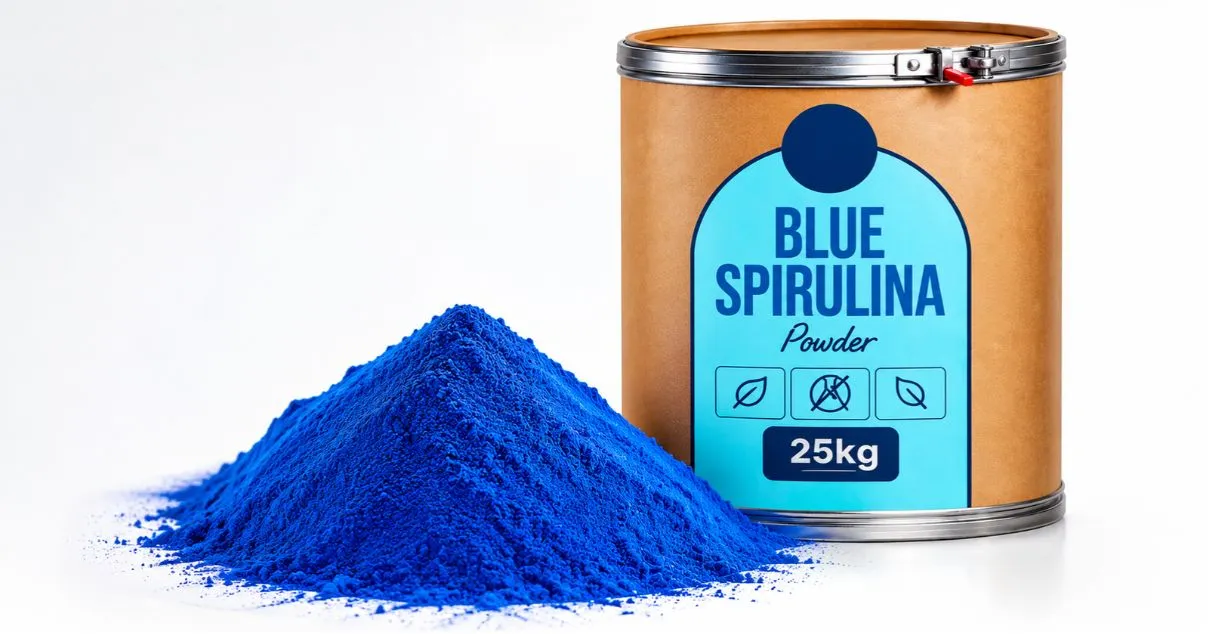
| MOQ | 25 KG |
| OEM bag | 60 G, 100 G, 8 OZ |
| Grade and stock | Kosher/USP grade; 1 ton in stock |
| Shipping | DHL, FedEx, EMS, sea, or air |
Check these numbers against the batch COA before you place a test order.
Compare Wholesale Offers Fairly
If the specs don't match, price per kilogram doesn't mean much. The quote changes based on the type of phycocyanin, the color, the method of purification, the range of tests, the packaging, the size of the order, the shipping terms, and the shelf life. You should ask each seller to send you the same set of papers. These should include an export document, a group COA, data on stability, allergy and non-GMO statements, certificates, and a specification sheet.
It's then important to follow a strict order for the sample, the pilot batch, the first bulk order, and the written acceptance criteria for FDA blue spirulina. Believe in yourself and think about what you will do if someone turns down your work. We ship by DHL, FedEx, EMS, sea, or air, and 25 kg is the least amount you can order. This lets teams buy a small amount at first and then more if they need to. Add Incoterms and the time you have to wait to the price.
How Blue Spirulina Performs in Food and Supplements
The recipe shows its efficacy. Check pH, heat, light, sedimentation, and bottle type in drinks and shakes. The colour fades under heat and harsh light, so store it in real life as a pilot test. Check the colour of sweets, candies, ice cream, yoghurt, protein powders, fast drink mixes and bars after creating and storing them. Make that the Supplement Facts screen, quantity uniformity, and contaminants are the same for powder, pill, tablet, and gummy supplements. Scientists are interested in phycocyanin, but that doesn't imply it can be utilised to create commercial claims. An FDA claim lawyer should review the ad language for compliance. With OEM, Yangge creates superfood mix powder, pills, tablets, and gummies.
Supplier Verification Checklist and a 2026 Procurement Workflow
Questions to Put in Every Supplier Review
Here is a list of the things that sellers ask me. They are now split into three groups. The identifying questions ask for the technical and official name, the reason for the application, and the application that will be made in the US. They also say what tests are done on each lot, who does them, and how the lot is connected to the raw material. If the company makes things, you can ask where it is located, if it has GMP or food safety certificates, who checks it out, and how it handles complaints, changes, and differences.
People who are interested in business want to know about things like minimum order quantity (MOQ), wait time, yearly capacity, private-label options, custom packaging, pilot-order support, Incoterms, experience working with people from other countries, and supply continuity. Question all of the prospects in the same way. Then, your development, quality, purchasing, and regulatory teams can all look at the same data and decide what to do.
A Five-Phase 2026 Workflow
Many teams estimate it will take six to twelve weeks to review papers, test samples, practise import, and gain approval. Start with the legal use case. This comprises the product, its usage, how much to serve, claims, and documentation. The second stage pre-screens vendors, discarding those without trackable technical and quality documents. Third, samples are tested for colour, taste, solubility, stability, and process fit. Do this in your own or a hired lab. Phase 4 involves quality and regulatory evaluation. Everyone approves it. This is phase five. It monitors company supply via audits, supplier changes, lot success, and legislation updates.
Contract Terms That Protect Supply
A good contract turns papers into debts. Include test techniques, lot monitoring, retention samples, and a guarantee to notify you of site, process, or raw material modifications. Give individuals time to criticise or report changes. Before starting private-label manufacturing, decide on packaging (60 G, 100 G, or 8 OZ OEM bags) and who will approve the artwork. Make a date to review. FDA food plant registrations must be renewed every other year, October 1–December 31. As an even number, 2026 is a restart year. At that time, several teams request extra paper from vendors. Check regulatory notifications since colour additive lists change.
Conclusion
The FDA says that FDA blue spirulina is better thought of as a spirulina powder. To use it in the US, it must be mentioned as a color ingredient, the facility must be registered, it must follow the rules for food or supplements, and the labels must be right. "FDA approved" doesn't always mean that a lot is safe, and "registered" does not mean "approved." First, make a written use statement. This is the first step in safe sourcing.
Then there are COAs for each lot, tests for contaminants, controls for manufacturing, and records of imports. It's risky when the reason isn't clear or when there isn't enough information about the lot. It's important to pick the right grade of phycocyanin because it changes with pH, heat, light, and color value. It's only fair to compare prices if the specs are the same. Because the process is staged and controlled by contracts, supply will stay the same until 2026.
FAQ
Is blue spirulina FDA approved?
Some uses of spirulina extract do not need to be approved by the FDA because it is only used to add color. That listing doesn't mean that every batch or application from a seller is fine, so talk to a lawyer to make sure you use it properly.
How does blue spirulina differ from whole spirulina?
Blue spirulina is an extract that tastes less strong and is blue. It has a lot of phycocyanin in it. You can tell full-spirulina powder is green because it has chlorophyll and more nutrients than the powdered form.
Which documents should I request?
Ask for the specification sheet, a COA that is unique to the lot, results for heavy metals and microbes, food safety certificates, and instructions on how to store the food.
What are the MOQ and packaging options?
We need at least 25 kg of an order to go through. OEM bags come in three sizes: 60 G, 100 G, and 8 OZ.
How should I store it?
Keep it closed, cool, dry, and out of the light if the specs sheet doesn't say otherwise.
Request FDA Blue Spirulina Samples and COAs from Yangge
You can get a sample of blue spirulina, a batch COA, and a price from Yangge Biotech that is made just for your next product project. An ISO, HACCP, Kosher, and Halal certificate has been given to us. GMP rules are followed when we make our goods, and we always have 1 ton of Kosher/USP grade stock on hand. Need to find a place to buy FDA blue spirulina? Write to info@yanggebiotech.com and tell them what you want to use it for, how much you want to order, and what kind of packaging you need. Visit blog.yanggebiotech.com for more guides.
References
1. Federal Register, "Listing of Color Additives Exempt From Certification; Spirulina Extract," 2013.
2. U.S. Food and Drug Administration, "Questions and Answers Regarding Food Facility Registration (Seventh Edition): Guidance for Industry," 2016.
3. Federal Register, "Foreign Supplier Verification Programs for Importers of Food for Humans and Animals," 2015.
4. Federal Register, "Current Good Manufacturing Practice in Manufacturing, Packaging, Labeling, or Holding Operations for Dietary Supplements," 2007.
5. Martelli G., et al., "Thermal Stability Improvement of Blue Colorant C-Phycocyanin from Spirulina platensis for Food Industry Applications," Process Biochemistry, 2014.
6. Sigurdson G. T., Tang P., Giusti M. M., "Natural Colorants: Food Colorants from Natural Sources," Annual Review of Food Science and Technology, 2017.

Based on your location and order quantity, you will have the opportunity to receive a limited time free shipping promotion!
Who we are
Popular Blogs