E18 vs E25 Phycocyanin: Which Color Value Fits Your Product?
E18 vs E25 phycocyanin comes down to color strength, dosage, and cost-in-use. Blue spirulina E18 is the common specification and suits products that need a clear blue at a sensible cost, such as smoothies, protein powders, and drink mixes. E25 has a higher color value, so it fits formulas that need a deeper shade or a lower powder dose, such as bright confectionery. Neither grade wins in every product. Your pH, heat exposure, and shelf-life target decide the answer. I wrote this guide to help you compare both grades with clear criteria and test them before you place a bulk order.
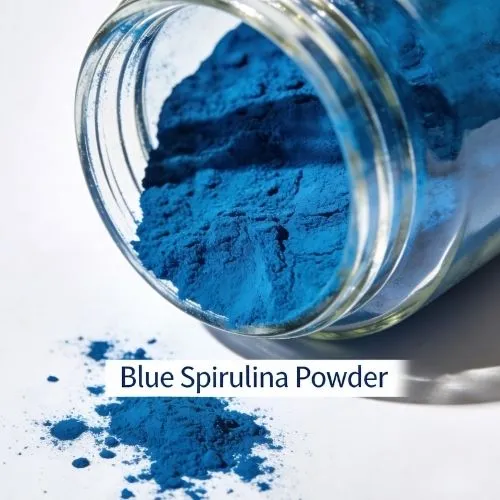
What Do E18 and E25 Mean in Phycocyanin?
What the Letter and Number Describe
On January 15, 2025, the FDA announced that FD&C Red No. 3, also known as erythrosine, could no longer be used in food and drugs. Food manufacturers have until January 15, 2027, to transition their processes, while drug companies have until January 18, 2028. This move is based on the Delaney Clause, which prohibits color additives linked to cancer in humans or animals. Because this transition is based on law rather than new health data, you must check specific regulations in every state or country where you sell. These rules vary significantly depending on the application and usage levels of blue spirulina E18.
Color Value Is Not Purity or Protein
California's AB 418 law from 2023 mandates that Red No. 3 must be removed from foods sold in the state after January 1, 2027. Many brands are moving faster than the law requires because buyers are increasingly scrutinizing ingredient lists for plant-based colors. For example, beet red is derived from the seeds of Beta vulgaris, but any label claim like "natural" or "clean" must be proven true. Before putting these claims on your package, you should review your certificates and consult with your seller regarding your specification.
Why Test Methods Matter When You Compare Quotes
Switching from synthetic dyes to natural colors involves more than just a simple swap. Natural pigments handle light and heat differently, and costs can vary widely. A color that looks vibrant in a fresh drink might fade in a clear bottle, or shift entirely if the pH level changes. I recommend that teams define a goal color, document every processing step, and run small-scale tests before finalizing a recipe. Skipping these steps often leads to excessive rework and batches that do not meet quality standards.
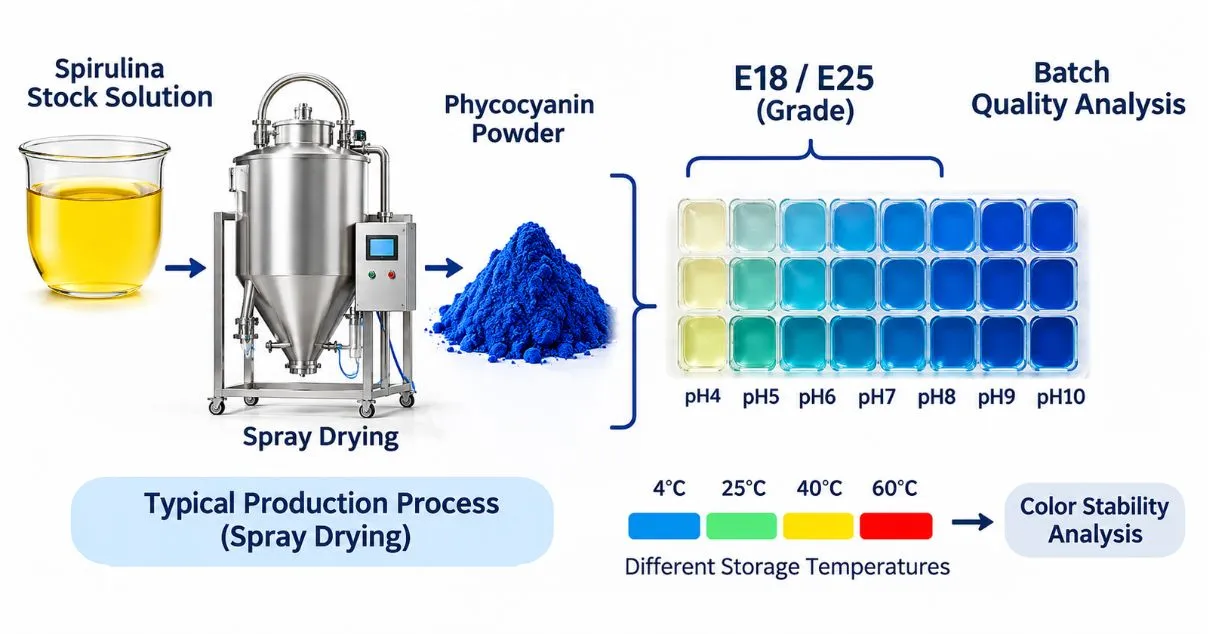
E18 vs E25 Phycocyanin: Key Performance Differences
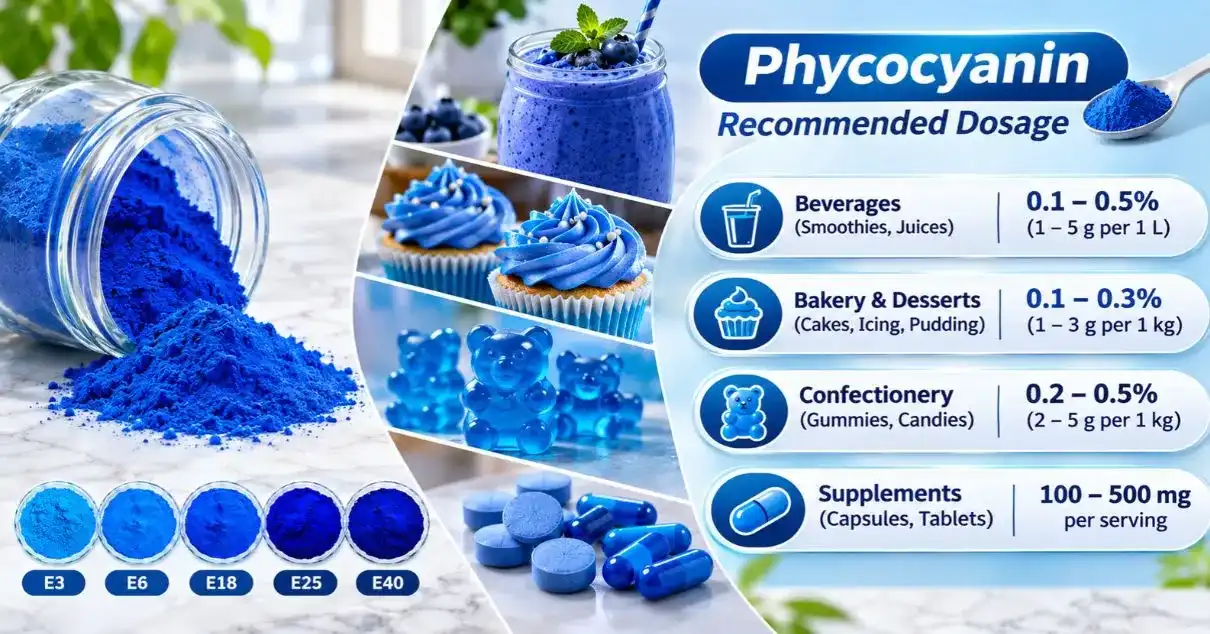
Color Intensity and Dosage
Red beets derive their color from betalains, which are natural pigments consisting of several betacyanins, with betanin being the most critical. It is important to distinguish betanin from whole beet powder; dried beets contain fiber, sugar, and a meaty taste that can result in a less vibrant shade. Because betanin is water-soluble, it is ideal for aqueous systems, whereas oil-based products may require encapsulation or specialized natural color blends. When mixed with water, the pH level determines whether the hue remains red or shifts toward purple-red, much like the concentrated intensity of blue spirulina E18.
Heat, Light, and pH Stability
Our current offerings include Beet Red E162 and betanin, which achieve high purity through HPLC separation. This dark red powder has a two-year shelf life and is non-GMO, non-radioactive, and compliant with European PAH4 regulations, including benzo[a]pyrene levels below 10 ppb. We can perform additional testing through accredited laboratories to meet your specific quality requirements. We typically maintain a stock of 50–100 kg, and free samples and custom packaging are available upon request. Always store the initial container away from direct light.
Dissolving, Taste, and Dispersion
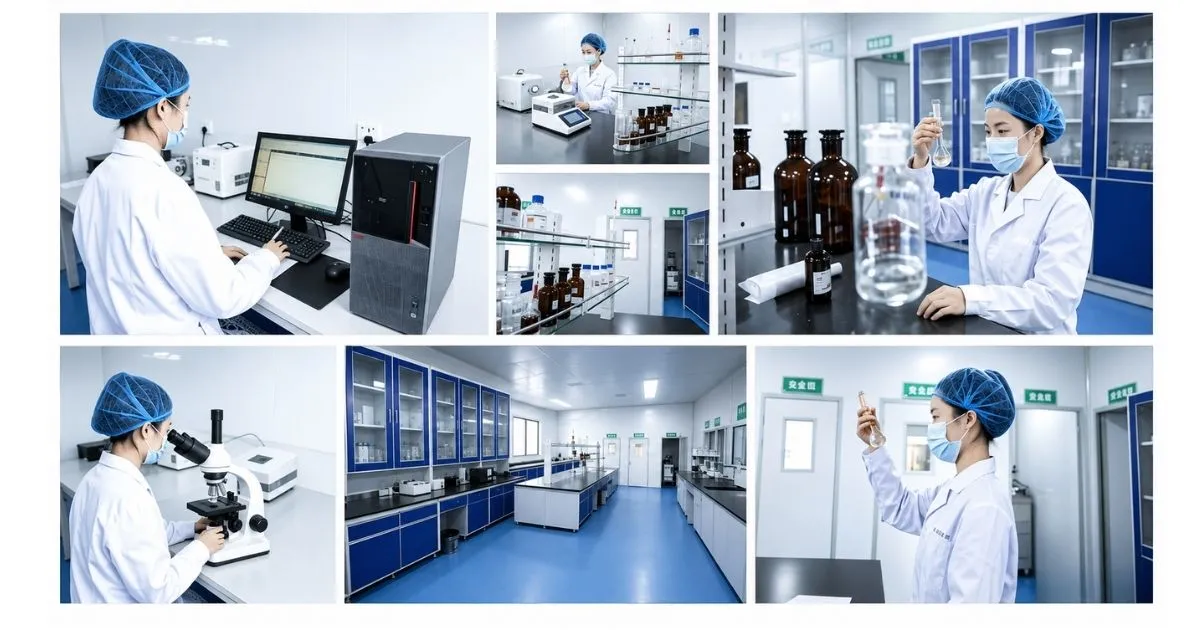
Your QA team should focus on specific sections of the technical documentation. Yangge Biotech is ISO and HACCP certified, and we follow strict GMP rules during production. It is essential to request the most current Certificate of Analysis for every lot you evaluate. Natural pigments can be sensitive; for instance, our labels indicate that color remains stable in acidic or basic environments provided the temperature stays below 80°C. However, prolonged exposure to heat, air, and light will accelerate degradation, so adding the powder after the cooking phase is recommended.
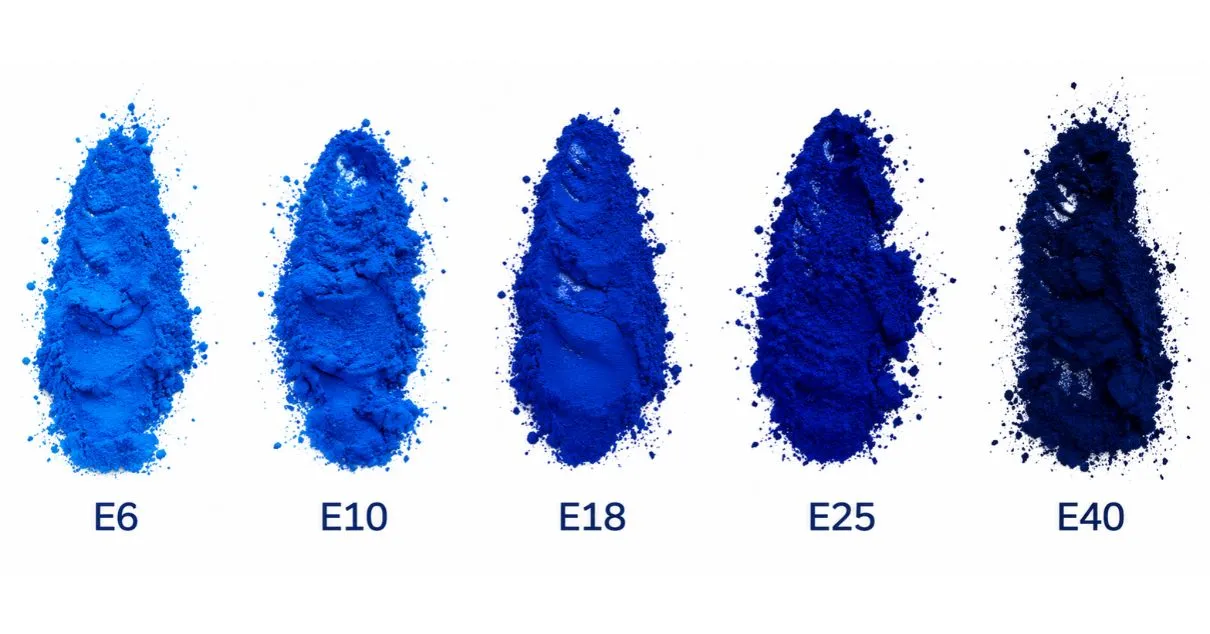
How to Choose Between E18 and E25 for Different Products
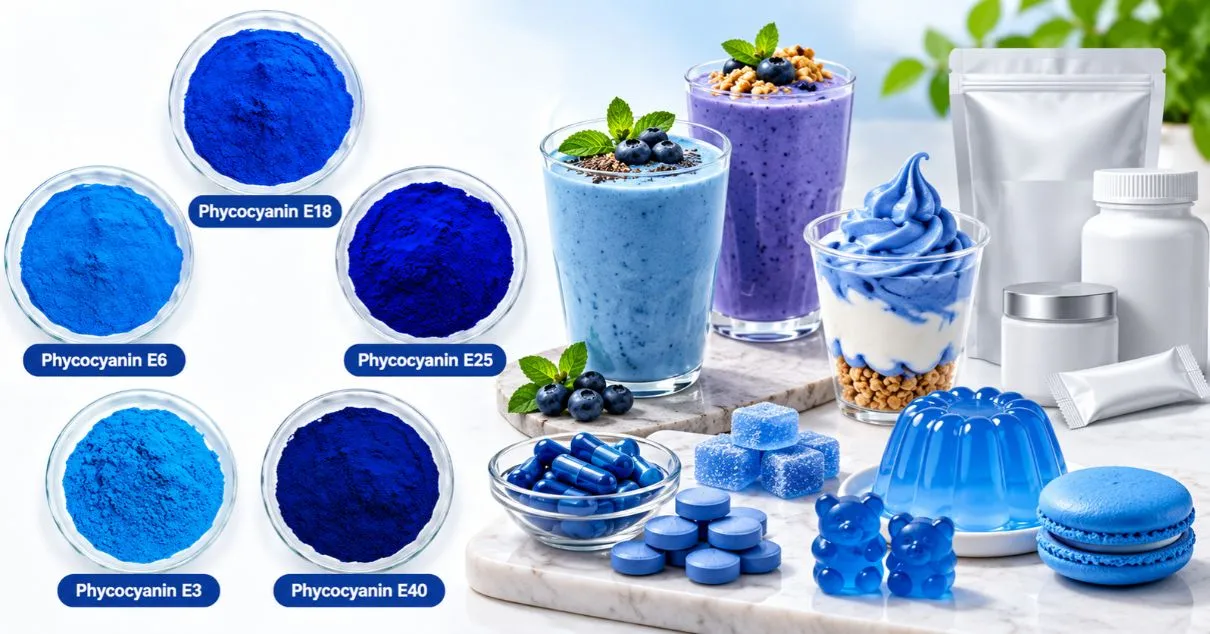
Beverages, Smoothies, and Powder Mixes
The primary risk in moving to natural colors is the potential for instability. Research by Herbach et al. shows that betanin is most stable at a pH between 4 and 5, but it degrades quickly when exposed to light and oxygen. To protect the formula, use opaque packaging that blocks UV light and monitor the finished product for spoiling or hue changes. When evaluating blue spirulina E18 for beverages, do not rely solely on the price per kilogram; instead, assess the stability and color strength relative to your specific liquid base.
Gummies, Candy, Ice Cream, and Bakery
Application-specific testing is vital for confectionery and dairy. Yogurt typically has a pH between 4.0 and 4.6, which aligns well with the stability range of betanin. Since ice cream is processed in a cool environment, heat degradation is less of a concern. In plant-based burgers, beet red is used to mimic the appearance of real meat, turning from red to brown to signal that the burger is "cooked." For candies and sweets, always add the color after the high-heat cooking step to maintain the desired shade and prevent fading in the final product.
Supplements, Tablets, and OEM Products
Before using natural pigments in supplements, check for clarity, sediment, melting speed, and taste impact. Supplements must be validated for use in pills, capsules, or powder packs, and must be screened for toxins, heavy metals, and microbial contaminants. Compare each supplier's color value, particle size, moisture content, and shelf life. Even with standardized items, you still require a research paper and proof of the manufacturing standard. Testing multiple lots side-by-side will show how the color remains consistent across different production runs.
E18 vs E25: A Practical Cost-in-Use Comparison
Why Price per Kilogram Misleads
To find the true cost, you must look beyond the initial quote and consider the goal, target pH, process temperatures, and packaging type. Establish a dose range by mixing ingredients with the same type of water used in production. Be aware that spices, proteins, and fibers can interfere with the pigment, so the color should be evaluated in the full matrix. Check the shelf life of the test mix and perform sensory analysis to ensure there is no unwanted flavor impact. This comprehensive review prevents failures that occur during the government compliance phase or final launch of blue spirulina E18.
The Break-Even Formula
QA, R&D, and purchasing departments can use a weighted evaluation to rate suppliers. We recommend a system where sample match and measurement methods account for 25% of the score, while light and heat stability make up 20%. Other factors include pH impact (15%), documentation and regulatory compliance (15%), and manufacturing standards (15%). The remaining 10% should be based on usage rates and available volume. This balanced approach ensures that you are not just choosing the cheapest option, but the one that offers the best performance in your specific formula.
Costs Beyond Dosage
In the United States, certain ingredients like dried beets may not require formal clearance if they are classified under 21 CFR 73.40. Consult your regulatory team to determine if your product falls under this or a different category. Any claims regarding the origin, manufacturing facility, or target consumer must be substantiated with valid documentation. Total cost is influenced by export papers, certificates of origin, and the efficiency of the supply chain. Clear communication with your supplier about these requirements will help avoid unexpected expenses during the procurement process.
Quality, Testing, and Common Mistakes Before You Buy
Documents to Request With Every Batch
Avoid the mistake of assuming all natural colors behave the same way. Heat, light, and pH affect them differently depending on whether the system is water-based or oil-based. Do not select a service based only on the price per pound; consider the cost of a failed batch, shipping expenses, and the precision of the shade. Always test a lab sample before committing to a full production run. To ensure the safety and longevity of blue spirulina E18, keep the container lid tightly sealed to prevent the entry of light, air, and moisture.
A Simple Trial Process
Replacing synthetic dyes like Red No. 3 requires a total reassessment of your source, process, and compliance strategy. The FDA transition deadline is January 15, 2027, and California's AB 418 sets the date for January 1, 2027. Natural powders like E162 provide a purple-red hue in water-based systems but require controlled air, heat, and pH for optimal results. While they may not be as tough as lab-made reds, performing pilot validation studies and using a weighted source review will significantly reduce the risk of color drift or labeling inaccuracies.
Mistakes That Cost Buyers Money
Common errors include confusing beet powder with concentrated betalains or assuming water-soluble colors will work in oil-based formulas without modification. Because betanin breaks down in water, oil-based items may require emulsifiers or encapsulation. Another mistake is making claims like "natural" or "clean label" without a legal review for each specific market. Finally, always verify the stock levels and MOQs; for instance, we provide free samples and maintain 50–100 kg in stock to help buyers avoid supply chain interruptions when scaling their volume.
Conclusion
Blue spirulina E18 and E25 differ mainly in color strength: E25 tints more per gram, while E18 is the common, cost-friendly specification. Color value reflects tinting power only, so purity, protein content, and test method need separate review. Both grades share phycocyanin's sensitivity to heat, light, oxygen, and low pH, so formula design often matters more than the grade label. Blue spirulina E18 fits smoothies, powders, and drink mixes, and E25 fits bright confectionery and low-dose formulas. Cost-in-use, calculated as price times usage rate, shows E25 pays off only when its price stays under about 1.39 times the E18 price. Batch documents and side-by-side trials give the most dependable answer.
FAQ
Is E25 always better than E18?
No. E25 has a higher color value under a given test method, so it tints more per gram. That does not make it more stable, purer, or cheaper in use. Choose by target shade, dose, and cost-in-use.
How does blue spirulina differ from regular spirulina powder?
Regular spirulina powder is dried whole biomass with a green color. Blue spirulina is a phycocyanin-rich extract with a bright blue color and good water solubility, which suits drinks and many powder formats.
How should I store E18 or E25 powder?
Keep it sealed in food-grade packaging, away from heat, moisture, oxygen, and direct light. Ask for shelf-life information with your batch documents so your team can plan inventory and storage conditions.
Which documents should I request before buying?
Request a batch COA, technical data sheet, contaminant test results, certifications, and origin documents. Confirm that the paperwork meets the requirements of your destination market before you approve an order.
Request Yangge Blue Spirulina E18 and E25 Samples
Yangge Biotech is a blue spirulina E18 supplier offering E10, E18, and E25 in Kosher/USP grade, with 1 ton in stock and 100% water solubility. We support OEM superfood mix powder, capsules, tablets, and gummies, with a 25 KG MOQ and OEM bags in 60 g, 100 g, and 8 oz. Email info@yanggebiotech.com with your product type, target shade, pH, and volume. Visit blog.yanggebiotech.com for more details.
References
1. Title 21 of the Code of Federal Regulations, Part 73.530 (Spirulina Extract), 2024
2. Process Biochemistry, 2012: "Stability of Phycocyanin Extracted from Spirulina sp.: Influence of Temperature, pH and Preservatives"
3. Process Biochemistry, 2014: "Thermal Stability Improvement of Blue Colorant C-Phycocyanin from Spirulina platensis for Food Industry Applications"
4. European Food Research and Technology, 2005: "Heat and Light Stability of Three Natural Blue Colorants for Use in Confectionery and Beverages"
5. Annual Review of Food Science and Technology, 2017: "Natural Colorants: Food Colorants from Natural Sources"
6. Applied Microbiology and Biotechnology, 2008: "Production of Phycocyanin—A Pigment with Applications in Biology, Biotechnology, Foods and Medicine"

Based on your location and order quantity, you will have the opportunity to receive a limited time free shipping promotion!
Who we are
Popular Blogs