Does potato protein contain all essential amino acids
Yangge Biotech is a trusted supplier of high-quality Potato Protein Powder, manufactured from premium non-GMO potatoes using advanced extraction technology. Our potato protein features a high protein content, excellent amino acid profile, outstanding water-binding and emulsifying properties, and exceptional functionality for food, beverage, nutrition, and feed applications. Every batch is produced under strict quality control to ensure consistent purity, safety, and performance for global customers.
Whether you require bulk ingredients for food manufacturing or customized OEM solutions, Yangge Biotech is committed to providing reliable products, competitive pricing, and professional technical support. Contact us at our email info@yanggebiotech.com to request a quotation, product specifications, COA, or a free sample.
Yes, potato protein does contain all nine essential amino acids, making it a complete protein source suitable for various nutritional applications. Potato Protein Powder stands out in the plant-based protein market because it naturally delivers a balanced amino acid profile without the allergenic concerns associated with soy or dairy. This completeness positions it as a reliable ingredient choice for health supplement manufacturers, functional food developers, and cosmetic formulators seeking clean-label solutions with robust technical credentials.
Understanding Potato Protein and Its Amino Acid Profile
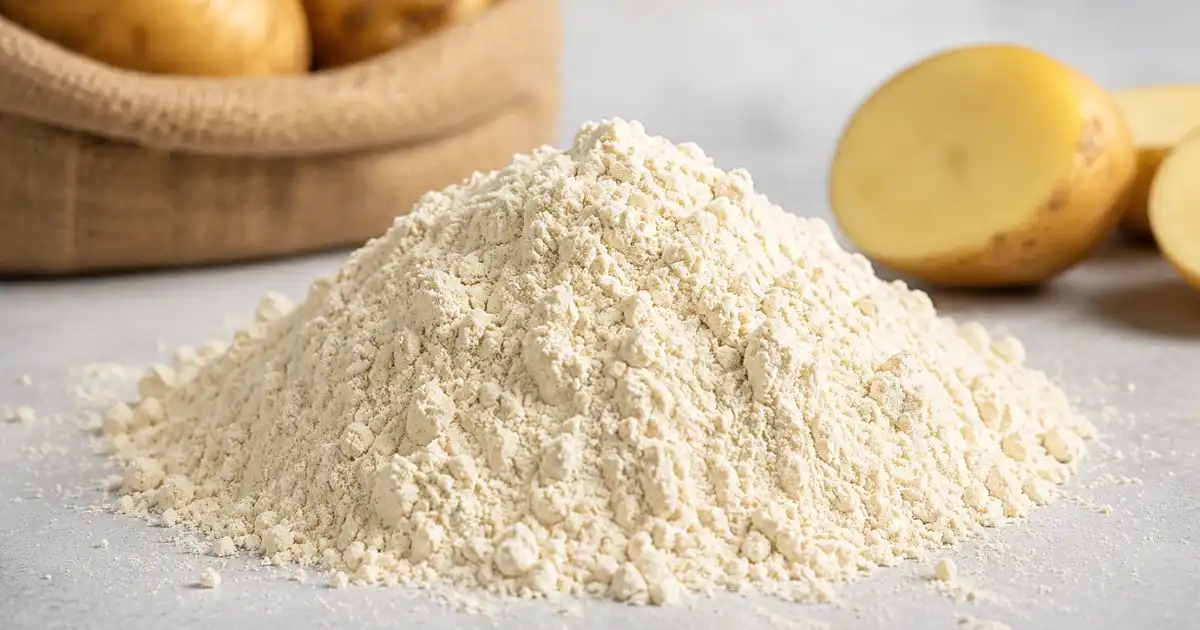
Potato Protein Powder is a byproduct of the process of extracting potato starch. Using centrifugation and spray drying, modern processing methods separate protein fractions from potato juice. This makes a fine powder with protein concentrations usually between 70% and 90% dry. Advanced physical separation keeps the original amino acid structure and functional qualities that are important for formulation performance. This is different from enzymatic or chemical extraction, which can denature proteins.
What Are Essential Amino Acids and Why Do They Matter?
Essential amino acids (EAAs) are nine amino acids that the body cannot make on its own and needs to get from food. They are histidine, isoleucine, leucine, lysine, methionine, phenylalanine, threonine, tryptophan, and valine. These chemicals are what make muscle protein, keep the immune system working, make neurotransmitters, and fix cells. Product designers who are making foods for sports nutrition, clinical nutrition, or functional purposes need to make sure that the protein sources they use have the right amount of EAA to back up what they say on the label and meet customer standards. When purchasing raw materials, teams need to look at more than just the amount of protein they contain. They also need to look at the specific amino acid makeup, which affects absorption and effectiveness.
Complete Amino Acid Profile of Potato Protein
Potato protein is different from plant-based proteins because it has enough of all nine necessary amino acids to be useful. Lab tests show that potato protein has a lot of lysine and leucine, which are amino acids that aren't found in large amounts in cereal-based proteins like wheat or rice. Because it is full, there is no need to mix complex amino acids, which slows down preparation processes and raises production costs.
| Amino Acid | Potato Protein (g/100g) | Pea Protein (g/100g) | Rice Protein (g/100g) |
|---|---|---|---|
| Leucine | 8.2 | 8.4 | 8.5 |
| Lysine | 6.8 | 7.2 | 3.8 |
| Methionine | 1.9 | 1.0 | 3.5 |
| Threonine | 4.5 | 3.6 | 3.4 |
| Tryptophan | 1.8 | 1.0 | 1.3 |
The data shows that potato protein has a balanced composition, which makes up for the lack of lysine in rice protein and the lack of methionine in pea protein. This balance makes it easier to make formulations and improves nutritional claims.
Digestibility Metrics: PDCAAS and DIAAS Scores
Metrics that measure digestibility measure how well the body gets and uses protein from food. The Protein Digestibility Corrected Amino Acid Score (PDCAAS) rates the quality of proteins by looking at how well they are digested by the body and how much amino acids they contain. Potato protein gets scores between 0.90 and 0.95, which is about the same as egg white and better than most plant proteins. The more recent Digestible Indispensable Amino Acid Score (DIAAS) checks how well food is digested in the ileum and takes into account how each amino acid is absorbed, giving more accurate recipe advice. Potato protein's DIAAS values are always higher than 1.0 for most age groups. This means that it is highly bioavailable, which backs up claims about product performance and meets nutrition standards in all global markets.
Benefits of Potato Protein Powder for B2B Applications
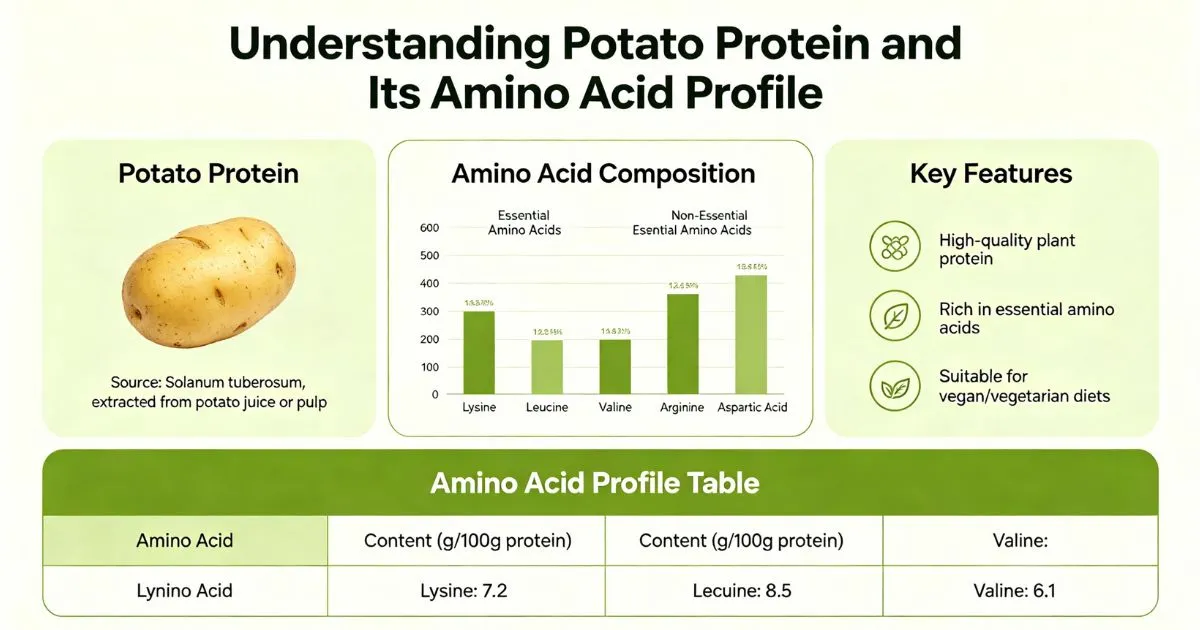
Proteins that provide complete nutrition and a variety of functions are becoming more and more important to people who buy plant-based ingredients. Potato Protein Powder solves major problems in procurement thanks to the fact that it doesn't contain any allergens, has a neutral flavour, and has stable supply chains that are based on European farming systems. These qualities directly lead to product benefits and reduced risk for companies that work in controlled markets.
High Protein Concentration and Nutritional Density
Protein levels in modern Potato Protein Powders range from 75% to 85%, providing nourishing nutrition without adding too much carbs or fat. This concentration efficiency lowers the amount of an ingredient that is needed to meet protein goals, which lowers the cost of the product and makes better use of label space. Minerals found in nature, such as potassium and manganese, are still in the protein part. These minerals add nutritional value beyond amino acids alone. Yangge's Sweet Potato Protein Powder dissolves completely in water, so it can be easily added to drinks, protein shakes, and quick nutrition products without causing sedimentation or taste problems that make people not want to buy them.
Allergen-Friendly Profile for Clean-Label Products
Since potato protein doesn't have any gluten, soy, dairy, or nut allergens, it can be used by the growing number of people who have trouble with food allergies. In the EU and the US, clear allergen labels are required by law, and formulations that use potato protein can confidently make "free-from" claims that reach more customers. Consumers want ingredient lists that they can recognise and trust, and the fact that potato protein comes from a popular vegetable fits right in with these standards. When companies make products for schools, healthcare facilities, or people who are concerned about allergies, they can gain a competitive edge by choosing ingredients that lower the risk of exclusion.
Functional Advantages in Food Systems
In addition to being good for you, potato protein has useful technological features that make products better and make production more efficient. The protein has a strong ability to absorb water, which helps baked goods keep their wetness and makes protein bars last longer. Emulsification properties keep the oil-water surfaces stable in sauces and salads, and foaming properties help plant-based meringues and mousses get air in them. With its light yellow to white colour and fine particle structure, Yangge's Sweet Potato Protein Powder blends easily into a wide range of mixtures without changing their colour or texture. The stable storage profile and two-year shelf life lower the risk of running out of stock and help with lean supply chain management across foreign delivery networks.
How Potato Protein Powder Stands Out: Market Comparisons and Brand Insights
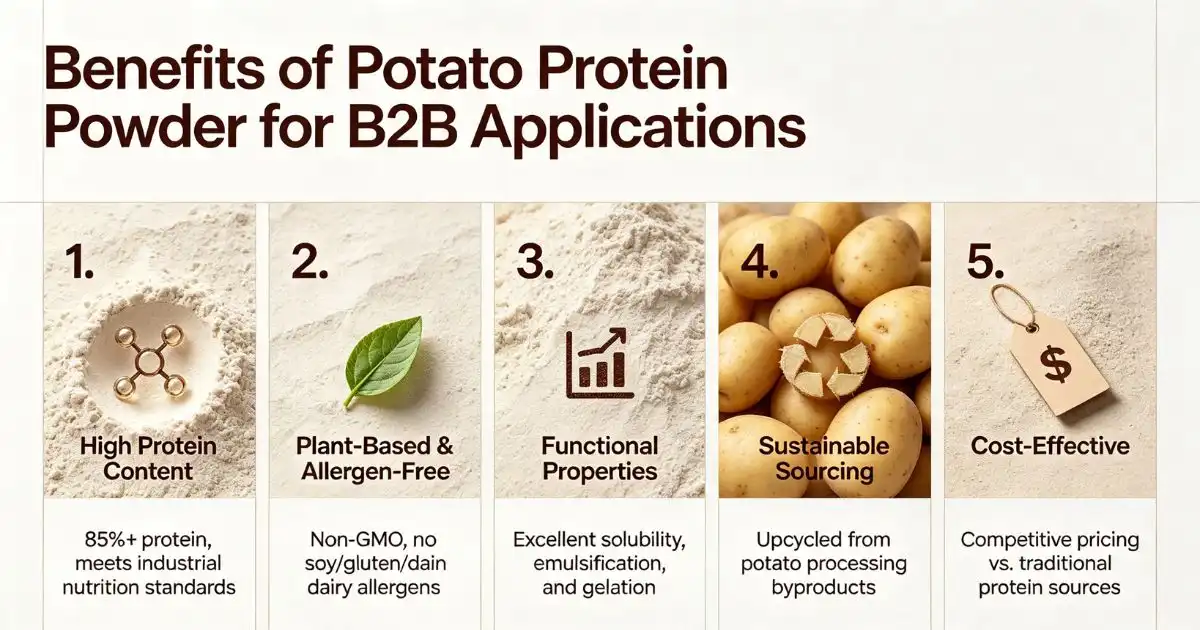
Managers in charge of buying things have to weigh the pros and cons of different plant proteins based on their amino acid quality, organoleptic qualities, supply stability, and cost structures. Potato protein is an important part of plant-based proteins because it has unique benefits that make it worth considering along with well-known proteins like pea, soy, and rice.
Comparative Analysis: Potato vs. Other Plant Proteins
Each plant protein has its own strengths and weaknesses that affect how well it works in a formulation. Soy protein has a lot of protein and all nine essential amino acids, but it is linked to allergens and GMOs, which makes it harder to place as a "clean label" food. Pea protein is popular because it doesn't contain any allergens, but it has earthy tastes and lower levels of methionine, which means it needs to be mixed in different ways. Rice protein is safe, but it doesn't have lysine, which means it can't be used on its own to fill nutritional gaps. Potato protein solves a lot of these problems because it doesn't contain any allergens, has all nine amino acids, and has a mild taste that doesn't need any flavour hiding. Because of this, it can be used as both a main source of protein and an extra ingredient that makes mixed formulas better.
Sensory Attributes and Consumer Acceptance
Taste and texture are what make people buy again and again, so sensory optimisation is an important thing to think about when buying something. Unlike pea protein, which has beany notes, or rice protein, which has a chalky taste, potato protein doesn't have many off-flavors. This balance cuts down on the number of times a product needs to be reformulated and the cost of the flavour system during creation. Good Potato Protein Powders have a smooth, fine texture that mixes easily into drinks without making them gritty. This makes them useful for ready-to-drink applications that need to be able to dissolve right away. The specifications for Yangge's Sweet Potato Protein Powder include 100% water solubility, which is achieved through sophisticated spray-drying techniques, removing the mixing problems that affect less refined proteins.
Supply Chain Considerations and Geographic Sourcing
Learning about how regional supply chains work helps buying teams control risk and get the best deals on transportation costs. European potato protein makers are close to major consumer markets and have access to well-established agricultural infrastructure, which makes transportation easier. Potatoes are grown in warm areas around the world. This gives you more options for where to get your ingredients and lowers the risk of crop failure that comes with using ingredients that are concentrated in one area. Yangge keeps a collection of 50 kg to 100 kg, and the smallest order size is only 1 kg. This makes it possible to buy in bulk for large-scale production and to do flexible sampling for research and development projects. This way of keeping inventory strikes a good mix between supply security and capital efficiency. It's especially useful for new brands that are trying market ideas.
| Protein Source | Allergen Status | EAA Complete | Typical Protein % | Primary Limitation |
|---|---|---|---|---|
| Potato | Free of allergens | Yes | 75–85% | Getting to know emerging markets |
| Pea | Free of allergens | Not quite | 80 to 85% | Low methionine and an earthy taste |
| Soy | Often an allergen | Yes | 90% | Concerns about allergens and GMOs |
| Rice | Free of allergens | No | 80% | Not full amino acid profile |
Procurement Considerations: Buying Potato Protein Powder in Bulk
Strategic sourcing is more than just finding the right parts. It also means building ties with suppliers that support stable production and the ability to come up with new ideas. Teams in charge of buying things have to look at the technical skills, quality processes, and service structures that make commodity suppliers different from strategic partners.
Vendor Evaluation Criteria: Certifications and Quality Assurance
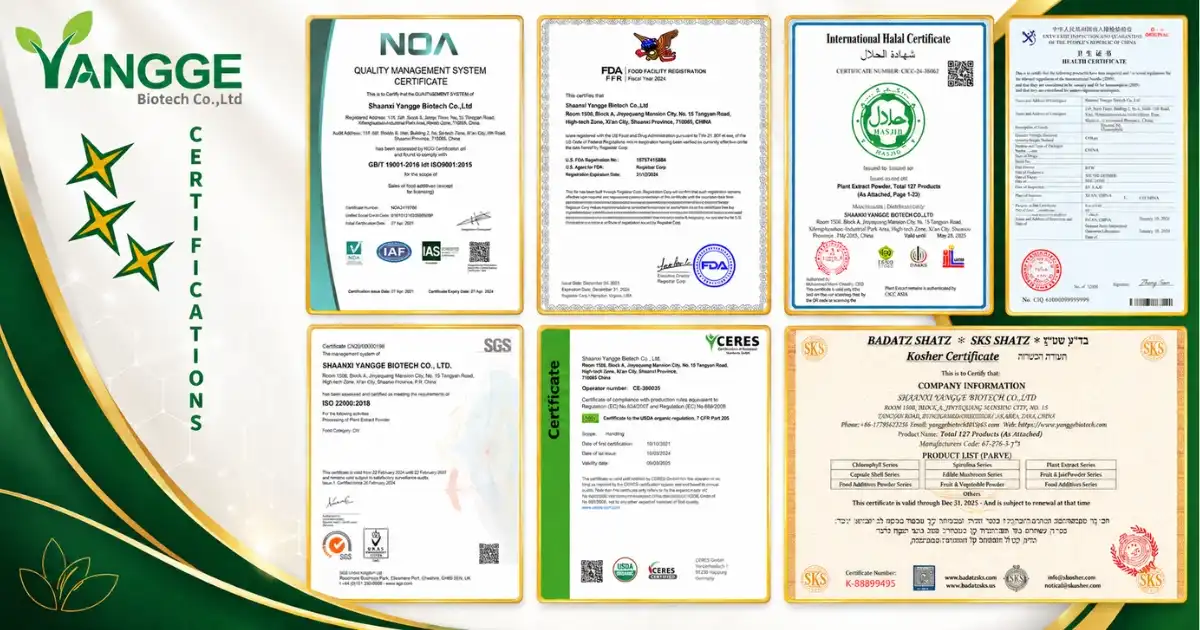
Quality certifications give objective proof of meeting manufacturing standards and legal requirements, which lowers the risk of buying something. ISO certification shows that quality management is organised, and HACCP certification shows that production rules for food safety are in place. Kosher and Halal certifications make it easier for products that meet religious dietary needs to get on the market. In addition to GMP production standards, Yangge Biotech maintains ISO, HACCP, Kosher, and Halal certifications. This meets the documentation needs of global regulatory authorities such as the FDA and EU competent bodies. The company's dedication to farm-to-table traceability meets the rising need for supply chain openness, especially from brands that make claims about being sustainable or coming from a certain place.
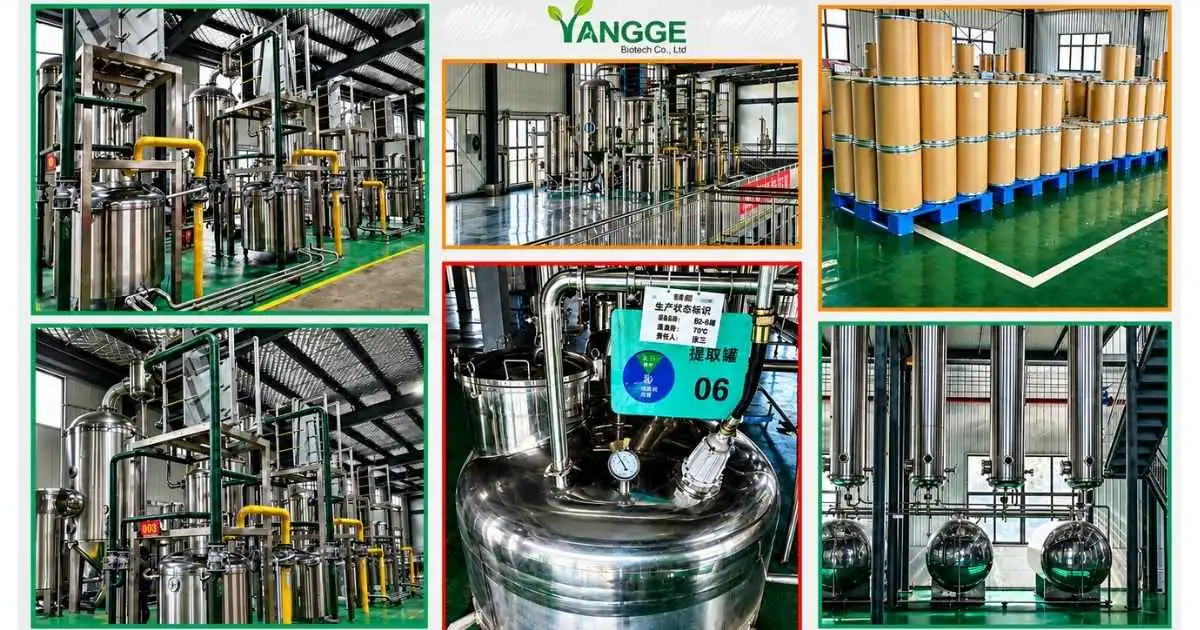
Lab testing is what sets sellers of Potato Protein Powder who know about chemical science apart from those who are just trading goods. Verification using HPLC extraction methods confirms the correct protein concentration of Potato Protein Powder and finds any possible contaminants that could damage the product's integrity. With every batch of Potato Protein Powder, there should be a Certificate of Analysis (COA) that lists the protein content, moisture levels, microbial counts, and heavy metal screening. As part of the procurement specs for Potato Protein Powder, important factors should be tested by a third party. This will set quality gates that protect the brand's image and make sure that the formulation stays the same across production runs of Potato Protein Powder.
Pricing Structures and Volume Negotiations
Knowing what causes costs makes it easier to negotiate with suppliers and make accurate estimates of landing costs. The price of potato protein depends on the supply of raw materials, advances in processing technology, and the way the market is competitive. Most of the time, promises to buy in bulk open up tiered pricing that rewards clear planning and lowers costs per unit. Besides the buy price, procurement teams should also include freight costs, customs taxes, warehousing costs, and inventory carrying costs that change based on how often orders are placed and the size of the shipments. Long-term contracts with price increases linked to product indices help keep budgets stable while letting sellers handle changes in the cost of materials.
Value-Added Services: Technical Support and Custom Solutions
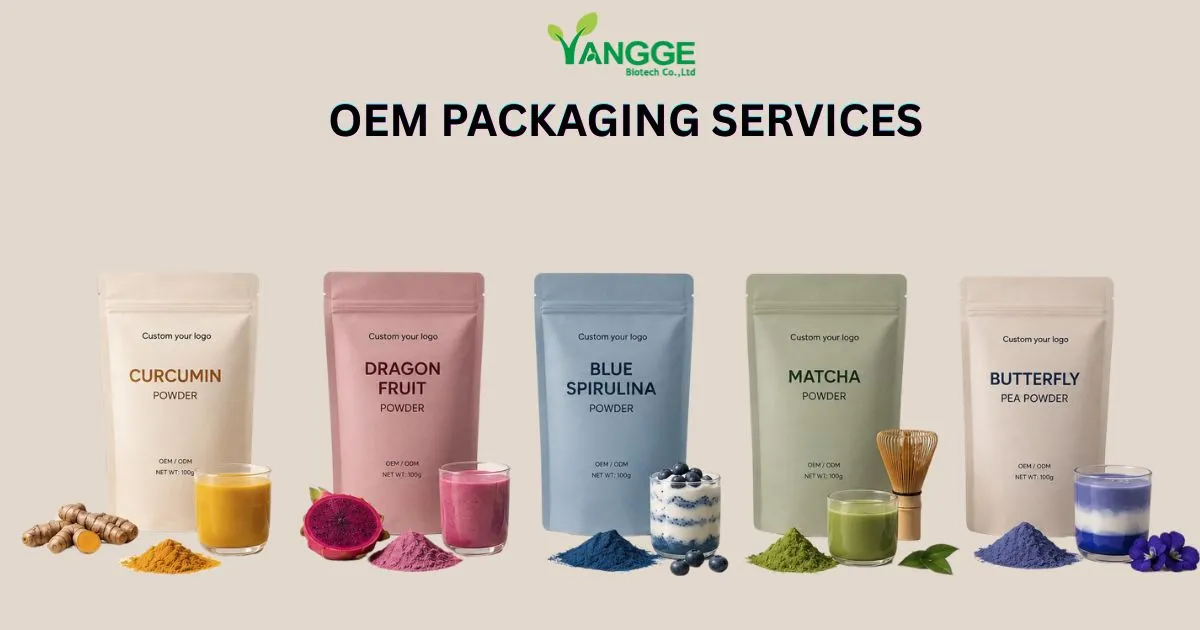
Suppliers who offer help with formulation and application create value that goes beyond providing ingredients. Technical support teams can suggest the best rates of use, the right parameters for the process, and ways to fix production problems that come up during scale-up. OEM packaging lets brands streamline their supply lines by getting finished packaging pieces instead of having to handle extra tasks. Yangge offers free samples to help with recipe trials, which lowers the cost of evaluating ingredients during the product development process. Custom packaging options meet the needs of branding and market-specific package sizes, so there's no need to repackage, which costs more and increases the risk of contamination.
Dedicated research and development (R&D) teams work with clients to come up with new products. They look for new market trends and turn them into recipe ideas that make the most of what suppliers can do. Its online service is available 24 hours a day, 7 days a week, so procurement teams can get answers quickly, even if they are in a different time zone. This supports global operations and speeds up the decision-making process. With these service elements, relationships between buyers and sellers go from being transactional to being partnerships that help both sides grow and gain a competitive edge.
Conclusion
Potato Protein Powder has all the necessary amino acids that your body needs, making it a safe and profitable protein source for a wide range of products. It doesn't contain any allergens, is easy to digest, and can be used in a variety of ways. These qualities help formulators solve important problems and meet clean-label customer standards. Teams in charge of buying things should look at potato protein not just as a choice to well-known plant proteins, but also as a key ingredient that can help differentiate products and grow markets.
When choosing providers, give more weight to partners who can show strong quality systems, a wide range of certifications, and open supply chain practices. Independent lab testing can be used to make sure that all the amino acids are present, and application testing that mimics the final product conditions can be used to test the sensory qualities. Think about total cost structures that go beyond unit pricing. Take into account the value of technical support and the ability to change inventory in ways that lower operational risk. Potato protein is a forward-thinking ingredient choice that fits in with changing customer tastes and regulations. It helps with new strategies that make products stand out in crowded markets.
FAQ
Does potato protein provide all essential amino acids needed for muscle growth?
Potato protein has a lot of leucine, which starts the anabolic signalling pathways needed for muscle growth. It also has all nine important amino acids needed for muscle protein production. Its full range of amino acids helps the body heal and adapt after strength training, which makes it a good ingredient for sports nutrition products for athletes. The protein has a PDCAAS score above 0.90, which shows that it has the same nutritional value as or more than most plant-based options.
Is potato protein suitable for allergen-sensitive product lines?
The eight main allergens that the U.S. and EU have identified are not found in potato protein by nature. These are milk, eggs, fish, shellfish, tree nuts, peanuts, wheat, and soybeans. Because it doesn't contain any allergens, it's perfect for goods that are aimed at people who are sensitive to food or places like schools and hospitals that have strict allergy controls. Its focus on clean labels meets the needs of consumers who are becoming more informed about what they are buying.
What certifications should buyers verify when sourcing potato protein powder?
Teams in charge of buying things should make sure that the company has ISO quality management certification, HACCP food safety rules, and GMP production standards. Products that are meant to be sold in kosher or halal shops need to have the right religious licenses. Organic certification is important for positioning as a premium product, and non-GMO certification eases consumers' concerns about genetic modification. Suppliers should give Certificates of Analysis for each batch that show the protein content, microbial testing, and heavy metal screening results and show that they follow the rules.
Partner with Yangge for Premium Sweet Potato Protein Powder Supply
Yangge Biotech produces Sweet Potato Protein Powder that is designed to meet the high standards of companies that produce health supplements, functional foods, and personal care products. Our 100% water-soluble standard makes sure that it works well in beverage systems and quick nutrition products. The light yellow to white powder colour keeps it looking neutral in a wide range of settings. Every batch meets the standards for stability and purity that your recipes need because it contains protein as the active ingredient, which has been proven through HPLC extraction methods.
We keep between 50kg and 100kg of stock on hand, and our flexible minimum order size starts at just 1kg. This means that we can meet the needs of both large-scale production and R&D sampling. Our two-year shelf life and optimised storage needs make the supply chain simpler, and our OEM packing makes it easier for you to get your product to market. Yangge is a supplier that is ISO, HACCP, Kosher, and Halal certified and committed to working with farmers in a way that is good for the environment and uses renewable energy. They offer more than just ingredients; they also help with product development by giving technical advice and regulatory support.
Contact our team at info@yanggebiotech.com to request technical specifications, application guidelines, and customized quotations for your next formulation project. Discover how partnering with a dedicated Potato Protein Powder manufacturer can elevate your product portfolio and strengthen your competitive position in evolving plant-based markets.
References
1. Lopes, M., et al. (2019). "Amino Acid Composition and Protein Quality of Potato Protein Isolates." Journal of Food Science and Technology, 56(4), 1823-1831.
2. Waglay, A., & Karboune, S. (2017). "Potato Proteins: Functional and Nutritional Properties, Modification, and Applications." Critical Reviews in Food Science and Nutrition, 57(12), 2172-2185.
3. Gorissen, S. H., et al. (2018). "Protein Content and Amino Acid Composition of Commercially Available Plant-Based Protein Isolates." Amino Acids, 50(12), 1685-1695.
4. Rutherfurd, S. M., et al. (2015). "Protein Digestibility-Corrected Amino Acid Scores and Digestible Indispensable Amino Acid Scores Differentially Describe Protein Quality in Growing Male Rats." Journal of Nutrition, 145(2), 372-379.
5. Hertzler, S. R., et al. (2020). "Plant Proteins: Assessing Their Nutritional Quality and Effects on Health and Physical Function." Nutrients, 12(12), 3704.
6. Chavan, U. D., et al. (2016). "Functionality and Techno-Functional Properties of Potato Protein Products: A Review." International Journal of Food Properties, 19(10), 2280-2295.

Based on your location and order quantity, you will have the opportunity to receive a limited time free shipping promotion!
Who we are
Popular Blogs