Does lutein help with cataracts or cognitive function?
Recent research demonstrates that lutein plays a meaningful role in both eye and brain health through its powerful antioxidant mechanisms. Evidence indicates this naturally occurring carotenoid may help slow cataract progression by protecting lens proteins from oxidative damage, though results vary across studies. Regarding cognitive function, multiple clinical trials show promising correlations between higher tissue levels and improved memory performance, processing speed, and neural efficiency in aging populations.
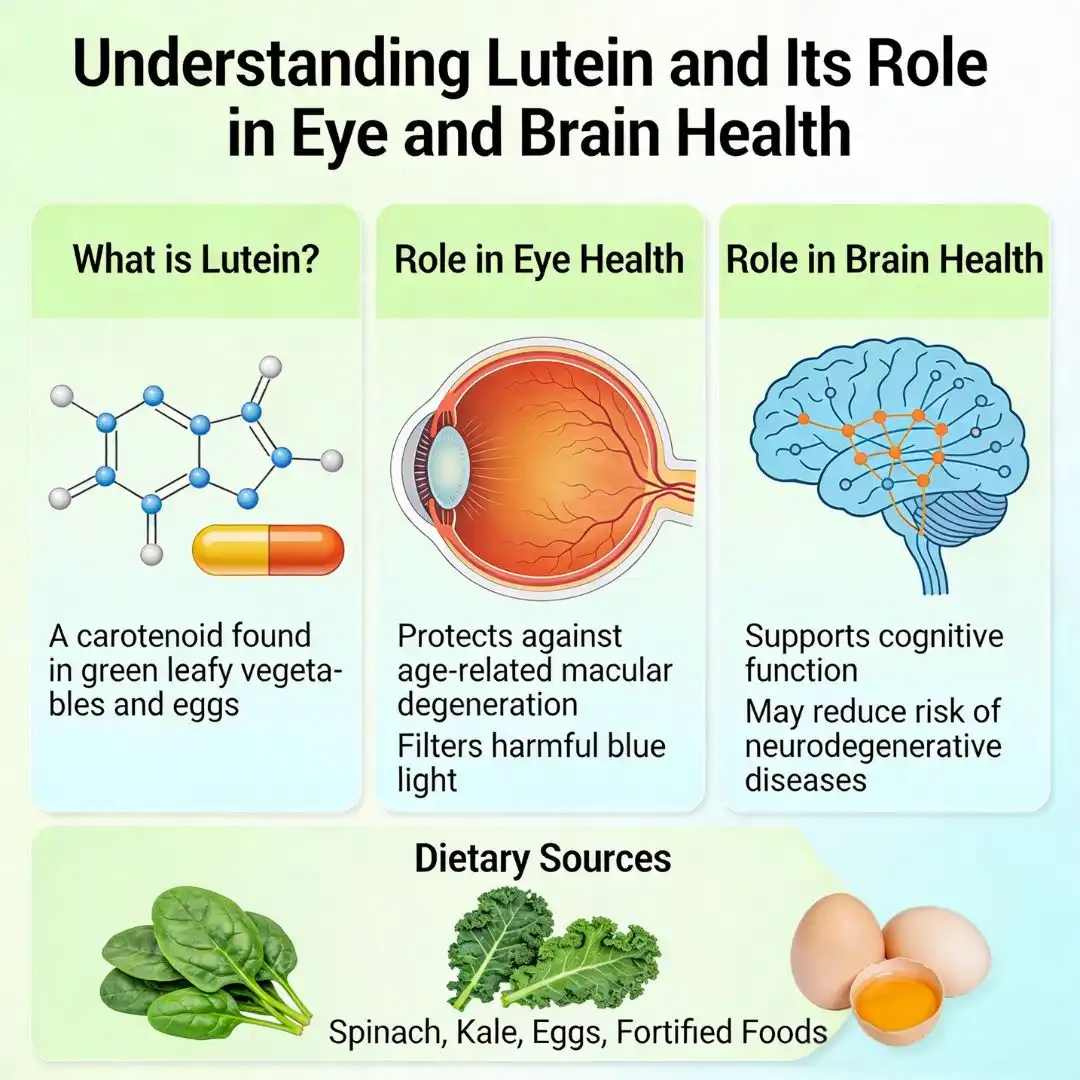
Understanding Lutein and Its Role in Eye and Brain Health
What is Marigold Extract Lutein Powder?
Lutein is a specific type of xanthophyll pigment that is mostly made by plants, with marigold flowers being the most common market source. This naturally occurring pigment gives things bright orange colors and is also a very strong antioxidant in living things. The chemical has a polyene chain structure and hydroxyl groups at the ends of the chains. This lets it easily attach to cell walls all over the body.
Marigold flowers have very high amounts of this valuable substance, which makes them the main ingredient used in extraction methods in the nutraceutical business. In addition to being good for you, the color that is taken from these flowers is also an environmentally friendly and natural option to manufactured colorants. In addition to being a natural color that can be used in food, this carotenoid has been shown to protect the eyes and is used in many food health products, functional drinks, and specialized nutritional formulas.
How Lutein Accumulates in Critical Tissues?
The body cannot make this pigment on its own, so it must come from food in order for tissues to build up. Once it's been eaten, it only stays in certain parts of the brain, like the frontal cortex and hippocampus, and the center of the retina. This preferred buildup happens because of the compound's special chemical structure, which lets it get through the blood-brain barrier and become part of the membranes of neural tissue.
According to research, macular pigment optical density is a good way to measure amounts in both the eyes and the brain. Higher dietary intake is regularly linked to higher tissue levels in people, which is mirrored in gains in cognition and visual function. It takes a few months of regular supplementation for the body to build up the necessary stores. The level of saturation in the tissues changes depending on how well they absorb the supplements, their starting state, and whether they are also eating fats that make them more bioavailable.
Biochemical Mechanisms of Antioxidant Protection
Additionally, this pigment works in a number of defensive ways inside cells. It effectively gets rid of singlet oxygen and peroxide free radicals before they damage cell parts thanks to its extended conjugated double-bond system. Because the molecule is amphipathic, it can cross cell membrane bilayers and put itself in a good position to stop reactive risks from both water and fat.
In eye tissues, it soaks up high-energy blue light waves before they reach photoreceptor cells, blocking radiation that could be harmful. Its chemical antioxidant action is complemented by this physical shielding process, giving it two layers of defense against oxidative stress. The carotenoid stabilizes the flexibility of membranes and helps neurotransmitters send signals effectively by keeping the right mix of lipids in synapse structures.
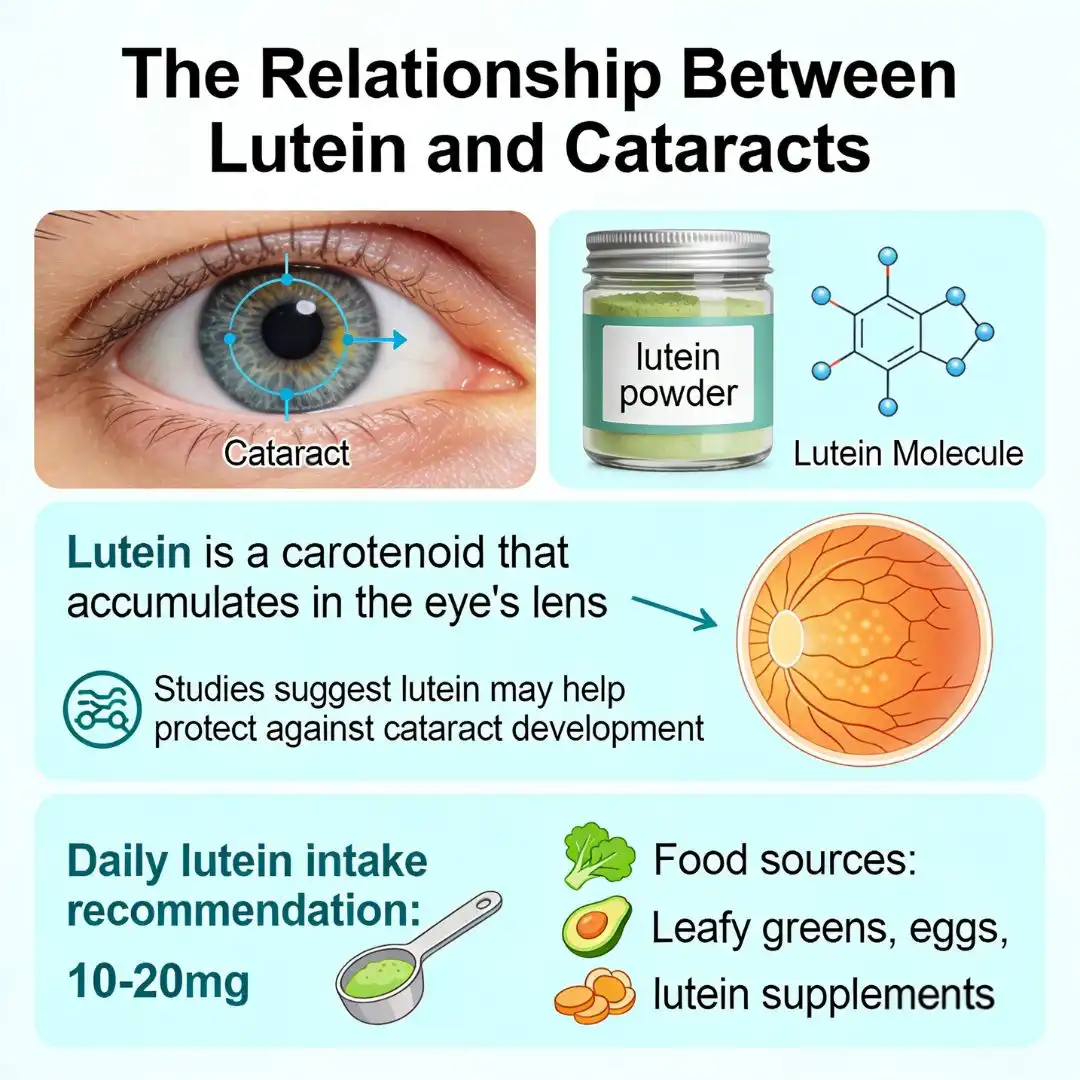
The Relationship Between Lutein and Cataracts
Current Scientific Evidence on Cataract Prevention
Cataracts happen when lens proteins go through reactive change and cross-linking, which makes them gradually cloudy and blurry. Cataracts affect more than 20 million adults in the United States alone. They are the most common cause of vision loss in the world, especially in older people. Since the lens doesn't get any direct blood flow, it is especially sensitive to damage that builds up over decades from UV light and cellular waste.
Epidemiological studies that look at food trends show interesting links between eating more carotenoids and a lower risk of getting cataracts. Over 4,000 people took part in the AREDS2 clinical study, which looked at whether taking 10 mg of supplementation every day along with zeaxanthin could slow the development of cataracts. There were some small benefits for some types of cataracts, but they weren't as big as expected. This suggests that methods for preventing cataracts work best when they are started early, before there is a lot of damage to the lens.
Comparing Lutein with Other Antioxidant Compounds
There are a lot of antioxidant products on the market that are advertised to be good for eye health. To make smart design decisions, it's important to compare how well they work, particularly for ingredients like lutein. Despite having some general antioxidant qualities, beta-carotene does not build up as much in the eye's tissues as xanthophyll carotenoids do, and it does not block blue light in the same way. There are chemicals in bilberry extract called anthocyanins that help blood flow, but they do so in a way that is different from how carotenoids work and works in addition to or instead of the same way.
Vitamins C and E are both antioxidants that protect against damage caused by lipids and water, but neither one focuses on eye or lens cells in particular. Because of the unique way that xanthophyll pigments build up, they protect specific parts of the eye that are exposed to bright light and biological activity. Formulation planners are becoming more and more aware that synergistic combinations are better for complete eye health goods than relying on single compounds.
Synergistic Benefits of Lutein and Zeaxanthin Combinations
These two closely related carotenoids are found together in natural foods and build up in retinal structures in ways that work well with each other. The former is more common in the macular's edges, while zeaxanthin is more common in the foveal center, which is where the highest number of photoreceptors is found. This pattern of spread across space suggests that different parts of the retina have developed to protect themselves from different kinds of oxidative stress.
Combining supplements always leads to better results than taking either chemical by itself, according to ongoing clinical study. A 5:1 ratio of these carotenoids is similar to the ratio found in a healthy diet, and it supports the best macular pigment density across the whole retina. This method works together to improve both structural protection and practical visual performance metrics, such as the ability to recover from glare, perceive contrast, and process information quickly for difficult visual tasks. Combining lutein and zeaxanthin always leads to better results than taking either chemical by itself, according to ongoing clinical study.
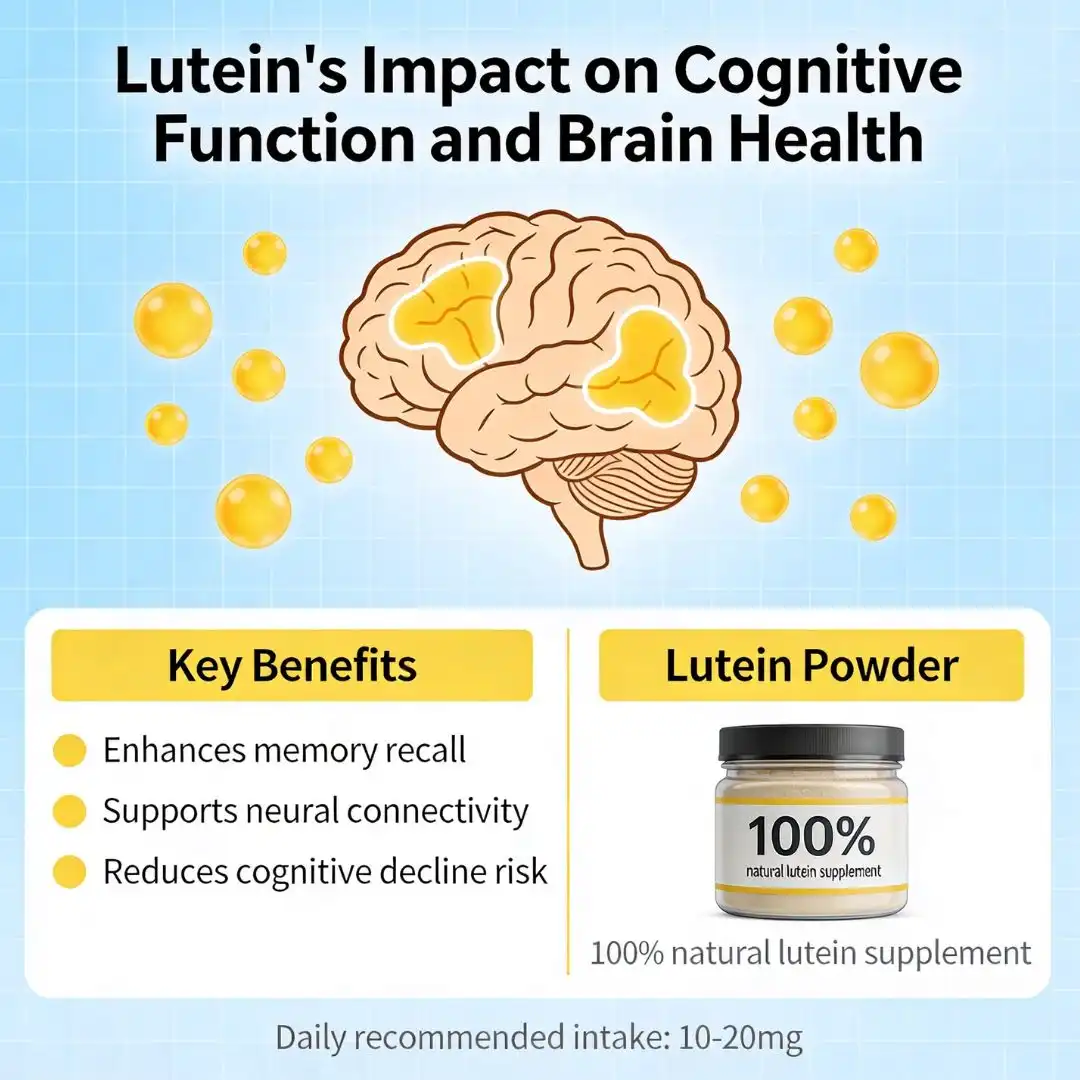
Lutein's Impact on Cognitive Function and Brain Health
Evidence from Clinical Trials on Memory and Processing Speed
New study in brain shows that this carotenoid may have cognitive benefits that go beyond its well-known eye benefits. In the Brain, Behavior, and Carotenoids study, healthy older people who took a daily supplement of 10 mg showed big changes in their ability to speak clearly, remember things, and process information quickly compared to groups that were given a placebo. Neuroimaging studies using functional MRI technology show that areas of the brain that have a lot of carotenoid deposits are more efficient neurally. This suggests that performance gains are due to better cell function.
Individual lifespan studies that follow people from middle age to old age provide especially strong proof. People who kept their tissue amounts high during this time showed slower rates of cognitive decline and a lower frequency of mild cognitive impairment. The protective links were still strong even after taking into account factors like schooling, physical exercise, and the quality of the food as a whole. This shows that adequate status is directly linked to cognitive benefits.
Mechanistic study that looks into these cognitive affects finds many pathways that play a role. The substance lowers neuroinflammation by changing the signaling pathways that cause inflammation. It also protects the health of neuronal membranes against lipid peroxidation and helps neurons use neurotransmitters properly. Brain tissue studies show that concentrations are linked to maintaining the amount of grey matter in memory-important parts of the hippocampus. Taking lutein and zeaxanthin supplements affected the brain function of older people who lived in the community.
Bioavailability Considerations for Cognitive Applications
To reach effective brain tissue concentrations, several problems with absorption and diffusion need to be solved. As a lipophilic substance, food or supplement forms need to be taken with fat for the body to absorb them properly. Formulations that include the carotene in fatty frameworks or micellized preparations are much more bioavailable than those that use crystalline powders.
Genetic differences in intestine transport proteins and digestive enzymes cause differences in how well different people absorb nutrients. Some people absorb and store carotenoids easily, while others need much bigger amounts to get the same levels in their tissues. This biological diversity shows how important it is to make goods that are strong enough to help a wide range of people, especially when trying to improve cognitive health results that depend on brain tissue building up over time.
The difference between free form and esterified versions is another thing to think about when formulating. Marigold extract naturally has fatty acid esters that need to be broken down by enzymes during digestion in order to be absorbed. Both types give the active compound in the end, but free-form preparations may be slightly better for people whose digestive system isn't working as well. Manufacturing methods can saponify esters to make free-form concentrates, but this makes the process more complicated and costs more, which are important to think about when buying in bulk.
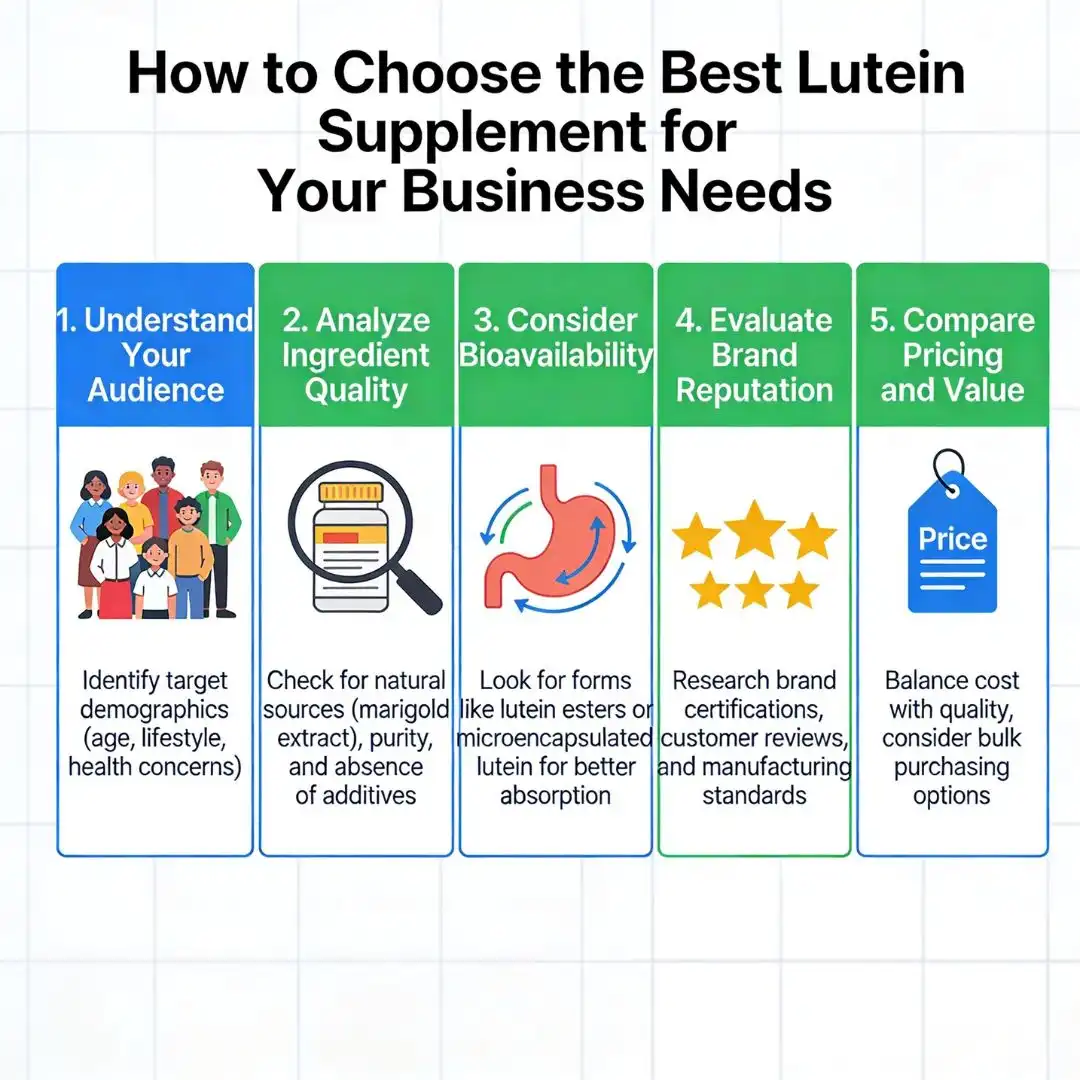
How to Choose the Best Lutein Supplement for Your Business Needs?
Evaluating Source Material and Extraction Quality
Premium ingredient finding starts with confirming the name and purity of the raw materials. When marigold flowers are picked at the best time, they have the highest amounts of carotenoids, and if they are handled properly after harvest, they won't break down before they are extracted. Reliable sellers keep written records of their partnerships with growers, which makes it possible to track the ingredients from the field to the finished product.
The way of extraction has a big effect on the end product's properties. liquid-based extraction is a good way to separate high-purity concentrates, but it needs to be tested for safety concerns using a lot of leftover liquid. Supercritical CO2 extraction is usually more expensive than other methods, but it has a better process profile. No matter what method was used to remove the ingredients, the final products should go through a lot of tests to make sure they are safe and effective. These tests should include HPLC to check the active ingredients, microbial screening, heavy metal analysis, and pesticide residue panels that meet international standards.
When procurement professionals look at possible providers, they should give more weight to partners with strong quality management systems that have ISO, GMP, and appropriate organic certifications. Premium-grade marigold extract must have powder amounts that range from 5% to 80% and be a fine orange powder that meets high purity standards. According to European PAH4 standards and benzopyrene levels below 10 ppb, these ingredients are safe for health-conscious consumers. They are also non-irradiated, non-GMO, and non-allergenic, which meets the growing demand for clean-label ingredients.
Formulation Strategies for Different Product Applications
There are a lot of different types of supplements containing lutein, from pills and tablets to softgels, gummies, and useful drinks. Each delivery method has its own benefits and technical difficulties that must be carefully thought through during product creation. The softgel encapsulating process is better at blocking oxygen, which keeps sensitive carotenoids from going bad and also improves their bioavailability by adding them to lipid-based fill structures.
Tablet forms allow for accurate doses and cost-effective mass production, but they need protective coatings or dark packing to keep them from breaking down in light during storage. For use in drinks, highly stable forms that are easily dispersed in water must be made using microencapsulation or emulsification technologies. These special mixtures keep biological activity high throughout the product's shelf life and in a variety of storage situations, even if the color fades or precipitates.
Combination products that include nutrients that work well together are becoming more and more popular in the market. Combining this carotene with omega-3 fatty acids makes it easier for the body to absorb it and helps with a number of health goals in different ways. Including vitamins C and E builds up networks of antioxidant defenses, and zinc and copper help the enzyme systems that keep eye tissue healthy. Thoughtful ingredient synergy improves how a supplement is positioned and how valuable it is seen to be in competition categories.
Supplier Selection and Partnership Considerations
Setting up solid supply partnerships guards against problems with the formulation and makes sure that the quality of the product is the same from batch to batch. Leading sellers keep a lot of inventory on hand and use a variety of buying networks to protect themselves against changes in agriculture and seasonal supply. Technical support is what sets great partners apart from sellers of ordinary ingredients. Responsive teams offer formulation advice, stability data, and regulation paperwork to help keep product development timelines on track.
Cost structures are very different between suppliers because of things like how efficiently they take resources, how much it costs to run their quality systems, and how they place themselves in the market. When making a procurement choice, unit pricing is a normal thing to think about. But total cost of ownership includes things like shipping reliability, minimum order flexibility, payment terms, and expert help after the sale. Setting up cooperative relationships with sellers who want your success as well as theirs often pays off in the long run more than simple spot-buying methods that only look for the lowest prices at the moment. Choosing a lutein supplier and think about forming a partnership is critical for long-term success.
Documentation of regulatory compliance is another important rating factor. Full Certificates of Analysis, allergy statements, GMO declarations, and other relevant certificates make it easier for customers to file with regulators and back up marketing claims. Suppliers who work with independent third-party testing labs offer extra proof guarantee that is valued by quality-conscious brands that serve health-conscious customers in advanced markets.
Conclusion
There is scientific proof that this naturally occurring carotenoid, lutein, plays important roles in maintaining both vision and mental health. Even though study shows that macular health has better mechanisms and effects than cataracts, the growing body of evidence supports including it in all-around wellness plans. Cognitive benefits open up new areas of use and are backed by more and more clinical evidence. This makes this ingredient a smart choice for health markets that serve an older population. When purchasing high-quality plant extracts, procurement professionals should look for providers with strict quality systems, a wide range of technical skills, and a dedication to environmentally friendly practices that guarantee the ingredient's availability in the future.
Partner with Yangge for Premium Lutein Raw Materials
Yangge Biotech specializes in high-quality marigold extract that meets the strict requirements of companies around the world that make health supplements and useful foods. Our supply chain is fully linked, so we can track products from the farm to the table. We offer concentrations ranging from 5% to 80% in non-GMO, non-irradiated formats that meet European PAH4 standards and keep benzopyrene levels below 10 ppb.
As a well-known lutein source with ISO, HACCP, Kosher, and Halal certifications, we offer full technical support, including stability data, formulation suggestions, and regulatory paperwork that speeds up the time it takes to make your product. Contact us or email our team at info@yanggebiotech.com to ask for samples, talk about custom specs, or look into OEM relationship opportunities that let you use our extraction skills and quality assurance skills for your next new formula.
FAQ
Q: Can we get some samples to test before purchasing?
A: Of course, we can provide free samples of 20 to 100 grams, but the shipping cost is at the customer's expense. The shipping cost can be deducted from the next order, or the samples can be sent through your courier account.
Q: Do your products have relevant certifications?
A: Yes, our products are certified for HALAL, ISO, HACCP, Kosher, and other certifications.
Q: What is the minimum order quantity (MOQ)?
A: Small batches of samples can be customized according to your requirements.
Q: Do you offer OEM and ODM services? Can the formula be customized based on our own?
A: Of course, we provide ODM and OEM services to many customers. Our product range includes softgels, capsules, tablets, sachets, granules, and private label services. Simply contact us and let us know your requirements. Our experienced R&D team can also develop new products with specific formulas.
Please contact us to design your own branded products.
Q: How do you handle quality complaints?
A: First, we have a comprehensive quality control SOP. We provide authoritative third-party inspection reports for almost all products before shipment to minimize the possibility of quality issues. Second, we have a comprehensive return and exchange procedure. If there is a genuine quality dispute, we will strictly follow the SOP.
Q: How do you ship? How long does delivery take?
A: For small orders, we typically use DHL, UPS, EMS, FedEx, or TNT. Delivery typically takes 3-7 days. We also offer air and sea freight services. We have a strong freight forwarding team and can provide you with a one-stop service, including DDP and DDU.
Q: What are your payment terms?
A: 100% prepayment, payable by T/T, Western Union, MoneyGram, or PayPal.
Q: What is the shelf life of your products?
A: 2 years with proper storage.
References
1. Seddon JM, Ajani UA, Sperduto RD, et al. Dietary carotenoids, vitamins A, C, and E, and advanced age-related macular degeneration. Journal of the American Medical Association, 1994; 272(18): 1413-1420.
2. Stringham JM, Hammond BR. Macular pigment and visual performance under glare conditions. Optometry and Vision Science, 2008; 85(2): 82-88.
3. Age-Related Eye Disease Study 2 Research Group. Lutein plus zeaxanthin and omega-3 fatty acids for age-related macular degeneration: the Age-Related Eye Disease Study 2 randomized clinical trial. Journal of the American Medical Association, 2013; 309(19): 2005-2015.
4. Johnson EJ, McDonald K, Caldarella SM, et al. Cognitive findings of an exploratory trial of docosahexaenoic acid and lutein supplementation in older women. Nutritional Neuroscience, 2008; 11(2): 75-83.
5. Hammond BR, Miller LS, Bello MO, et al. Effects of lutein/zeaxanthin supplementation on the cognitive function of community dwelling older adults: a randomized, double-masked, placebo-controlled trial. Frontiers in Aging Neuroscience, 2017; 9: 254.
6. Chew EY, Clemons TE, SanGiovanni JP, et al. Secondary analyses of the effects of lutein/zeaxanthin on age-related macular degeneration progression: AREDS2 report No. 3. Journal of the American Medical Association Ophthalmology, 2014; 132(2): 142-149.

Based on your location and order quantity, you will have the opportunity to receive a limited time free shipping promotion!
Who we are
Popular Blogs