Does lutein help dry eyes
Yangge Biotech supplies high-quality Lutein Powder derived from marigold flowers. This natural yellow-orange carotenoid ingredient is ideal for use in dietary supplements, capsules, tablets, gummies, functional foods, beverages, and eye-health formulations.
We provide reliable product quality, customized specifications, OEM/private-label packaging, and essential documents such as COA, MSDS, specification sheets, and third-party test reports.
Contact or email us today at info@yanggebiotech.com to request samples, product specifications, pricing, or customized solutions.
Dry eyes have become a widespread concern in modern workplaces, particularly among employees spending extended hours in front of digital screens. Research indicates that lutein, a xanthophyll carotenoid naturally concentrated in the macula and retina, offers promising support for eye comfort by reducing oxidative stress and supporting tear film stability. While not a standalone cure, studies suggest that supplementation with 6 to 20 mg daily may improve symptoms for individuals experiencing environmental or nutritional contributors to dry eye syndrome.
Understanding Dry Eyes and the Role of Lutein
What Causes Dry Eye Syndrome in Professional Environments?
Millions of workers around the world deal with Dry Eye Syndrome, which shows up as itching, redness, blurred vision, and constant pain. Long-term screen exposure cuts the number of blinks by almost 60%, which damages the tear film that protects the eye's surface. Environmental problems like air cooling, low humidity, and harsh lighting make these problems even worse, having big effects on worker health and output.
How Lutein Functions in Eye Health?
Along with zeaxanthin, lutein is an important macular pigment that is in the carotenoid family and specifically the oxygen-containing xanthophyll class. High-energy blue light bands are blocked by this naturally occurring yellow pigment, which also neutralises reactive oxygen species that hurt sensitive eye cells. Because the body can't make carotenoids on its own, they need to be taken in through food or supplements to keep amounts in eye tissues at a healthy level.
The flowers of the marigold plant have very high amounts of this helpful chemical, making them the main industrial source for extraction. The form that naturally occurs in marigold is ester-bound. Manufacturers change this to the free form through a process called saponification, which makes it more bioavailable while keeping the antioxidant properties.
Nutritional Synergy with Other Eye-Supporting Compounds
That's because this xanthophyll dissolves in fat, eating it with fats makes absorption much better. When combined with zeaxanthin, they protect different parts of the retina in a way that works well together. Vitamin E and omega-3 fatty acids also help keep the membranes stable. Combination formulations often give better results in practical uses than isolated chemicals because of this synergistic relationship.
Evaluating the Effectiveness of Lutein for Dry Eyes
Clinical Evidence Supporting Eye Comfort Improvement
The Age-Related Eye Disease Study (AREDS) series gave important information about the link between taking carotenoids and better eye health. AREDS II showed that in at-risk groups, formulations with 10 mg of this xanthophyll and 2 mg of zeaxanthin slowed the progression of advanced macular degeneration by 25% over five years. More specifically for people who have dry eyes, studies published in ophthalmology journals showed that constant dosage of lutein improved the stability of the tear film and decreased inflammation on the surface of the eye.
Clinical studies with workers who spend a lot of time in front of a screen showed that people who took daily doses had significantly less eye strain, better visual comfort during extended computer use, and less need for artificial tears. These results happened because antioxidant defences got stronger and lipid layers in the tear film became more stable.
Comparative Analysis with Alternative Nutrients
When looking at nutritional methods for managing dry eyes, B2B buying teams can make better formulation decisions when they know how different chemicals work:
| Nutrient | Primary Mechanism | Dry Eye Benefit | Typical Dosage Range |
|---|---|---|---|
| Lutein | Protection against blue light and free radicals | Stable tear layer and less pain | 6–20 mg every day |
| Zeaxanthin | Protecting the central retina and lowering oxidative stress | Adding to the benefits of lutein | 2-4 mg every day |
| Vitamin A | Help with making mucin | Important for tear composition | 700 to 900 mcg RAE |
| Omega-3 Fatty Acids | Anti-inflammatory, and the meibomian glands work | Better quality lipid layer | 1000–2000 mg EPA/DHA |
While many nutrients are good for your eyes, this comparison shows that the unique mix of blue light protection and antioxidant qualities makes this compound from marigolds especially helpful for people who suffer from digital eye strain.
Optimal Dosing Strategies for Different Populations
The majority of research shows that getting between 6.9 and 11.7 mg of vitamin D every day from food and supplements is good for most people. Researchers have used doses as high as 20 mg per day without any negative effects other than a harmless yellowing of the skin that goes away when the dose is lowered.
When setting up dosing guidelines, procurement workers who are planning employee health programs should think about demographic factors. Higher ranges (15–20 mg) may be better for people who work with screens a lot, while 10 mg might be a good starting point for programs for most people. When taken with fat-containing foods, supplements work better absorbed, and taking them with zeaxanthin makes them work even better overall.
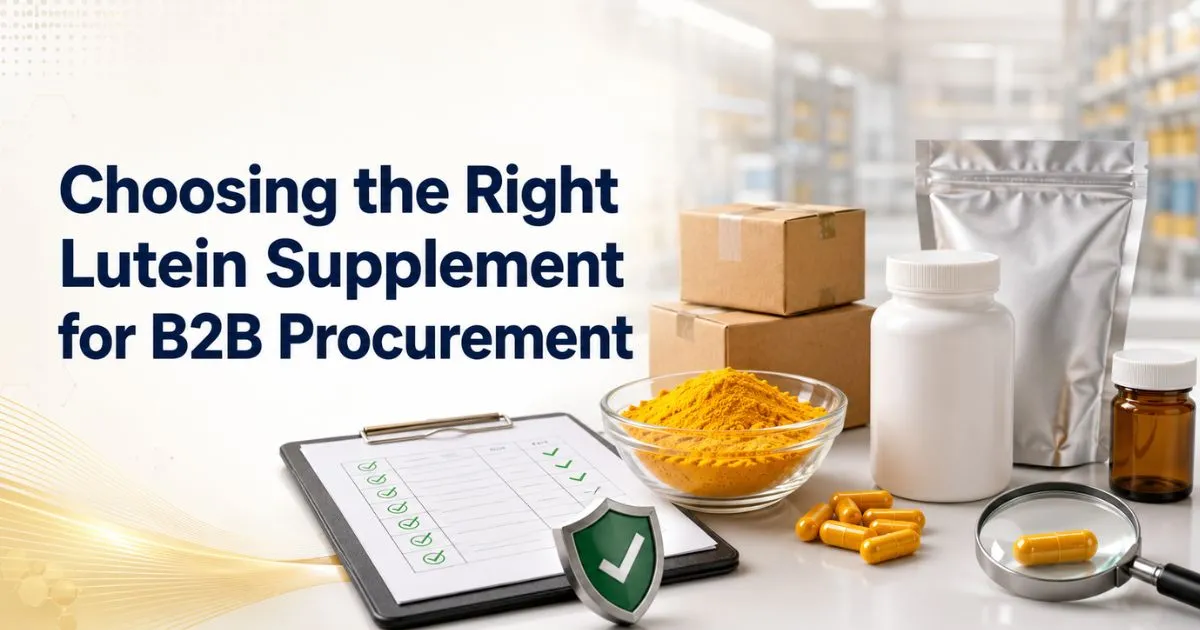
Choosing the Right Lutein Supplement for B2B Procurement
Product Forms and Specifications for Bulk Applications
Bioavailability, manufacturing compatibility, cost, and end-user preferences must all be taken into account when choosing the right product formats. For different types of delivery, each style has its own benefits:
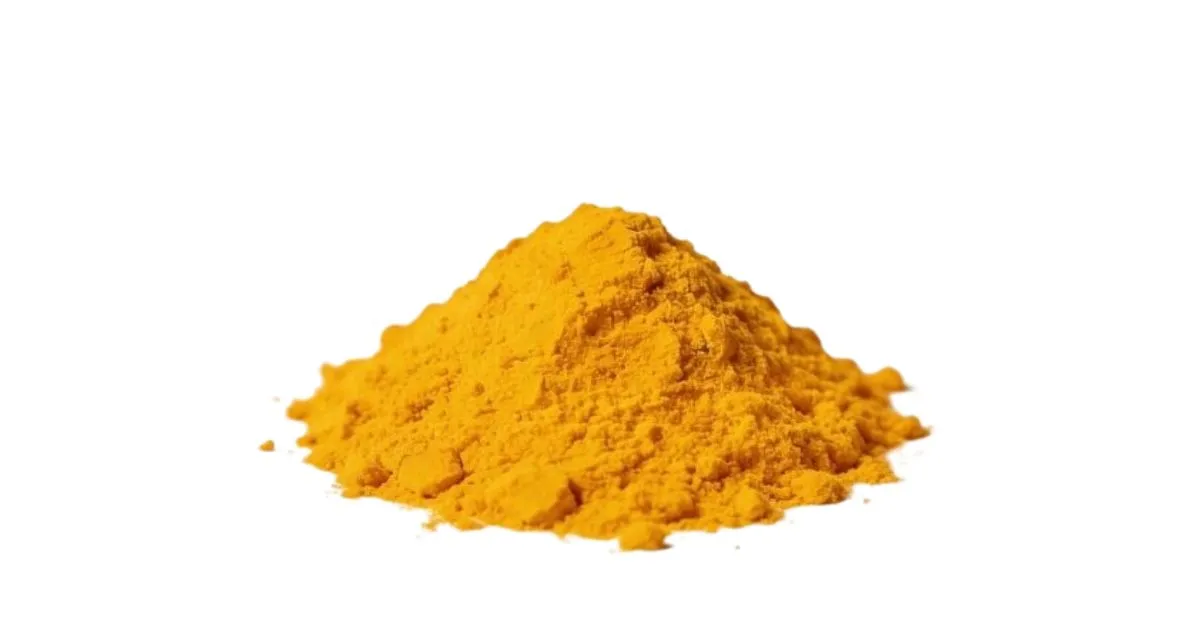
Bulk Powder Specifications: High-concentration powders with purity levels ranging from 5% to 80% give makers the most options when making unique supplements, useful foods, or drinks. The most common concentration requested is 20%, which strikes a good balance between low cost and ease of formulation. To keep their stability, these orange fine powders need to be stored carefully in cases that are sealed and keep light out.
Encapsulated Delivery Systems: Softgels and capsules come in easy-to-use forms with pre-measured doses, making them perfect for workplace wellness programs that give the products straight to workers. Oil-suspended softgels are better absorbed because they have lipid carriers built in, and vegetarian capsules are good for people with different dietary needs.
Water-Dispersible Formulations: CWS (cold water soluble) beadlet technology makes it possible to use lutein in drinks and supplements, and it solves the problem of fat solubility by enclosing the ingredients in tiny bubbles. This new idea opens up new market possibilities in types of functional drinks that are becoming more popular in office health settings.
Quality Assurance Parameters for Industrial Procurement
Setting high quality standards protects the safety of both the end user and the integrity of the product throughout the supply chain. Business-to-business buyers should make sure that sellers keep full records on these important factors:
Where the raw materials come from determines basic quality traits. Marigold extract from non-GMO, pesticide-free cultivation using Good Agricultural and Collection Practices (GACP) gives buyers who care about health the traceability assurance that they want more and more. Third-party lab testing shows that there are no allergens, radiation, or contamination within the limits of European PAH4 guidelines (benzopyrene ≤10 ppb).
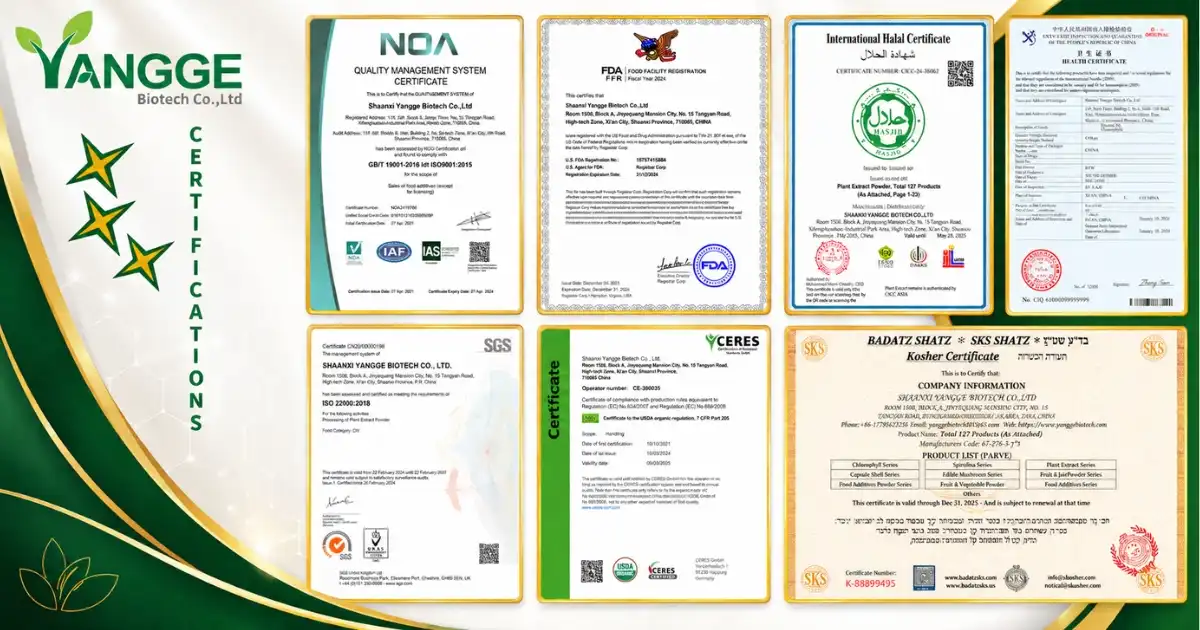
Manufacturing certificates like GMP, ISO 9001, ISO 22000, HACCP, and organic badges (USDA, EU) show that quality control is done in a planned way. These certifications make it easier for distributors who serve different international markets with different rules to follow the rules.
Testing for batch uniformity makes sure that the amounts of active compounds stay within certain levels from one production run to the next. The Certificate of Analysis (CoA) should prove the levels of purity, microbial limits, heavy metal screening, and residual solvent tests that were done by independent, recognised labs.
Understanding Free Form versus Ester-Bound Variants
When looking for this carotenoid, procurement workers come across two different chemical forms, each with its own benefits:
Free form is the functional structure that is directly used by human biology and doesn't need to be changed by enzymes. Leafy greens and egg yolks are two foods that naturally have this structure. Free form supplement products give instant bioavailability, which makes them better for study projects that need to be done quickly or for groups of people who don't have enough digestive enzymes.
When ester-bound versions are used, they connect fatty acid chains (usually palmitic, myristic, or lauric acid) to the hydroxyl groups. This makes the molecular structures more stable and less likely to oxidise during storage and processing. This esterified form is naturally made by marigold flowers. Normal digestive lipase enzymes quickly change it to an active free form that the body can use. Because they are more stable, ester types are good for using as bulk powders in food production and for making products that last a long time.
When made correctly and eaten with dietary fats, both forms have the same biological benefits. When choosing between them, manufacturing needs, stability needs, and cost should come before differences in how well they work.
Procurement Strategies for Lutein Supplements in B2B Markets
Supplier Evaluation Framework for Quality Partnership
The process of building trusting relationships with suppliers involves systematically evaluating many factors, not just price. Procurement managers who are good at their jobs use thorough review systems that cover these important areas:
Technical Capabilities and R&D Support: Suppliers who offer formulation advice, customised concentrations, and advice based on specific applications add a lot of value above and beyond providing basic goods. Your R&D teams can shorten the time it takes to make new products by having access to technical documentation about extraction methods, bioavailability enhancement strategies, and usage guidelines.
Certification Compliance and Regulatory Expertise: To deal with foreign regulations, providers must have shown they can follow the rules in all target areas. For distributors, regulatory risk is kept to a minimum by checking that current GMP, ISO, FDA registration, and market-specific certifications (Health Canada, EFSA, TGA) are still valid. Suppliers who keep up ties with certification groups can give advice on how to meet changing standards for formulation requirements.
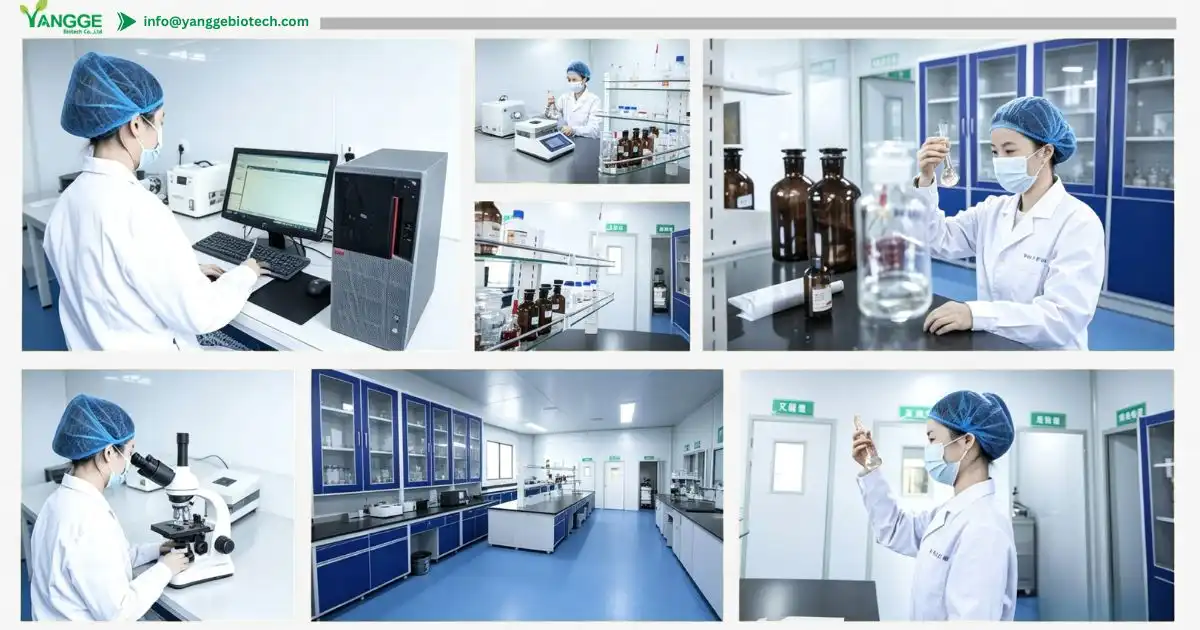
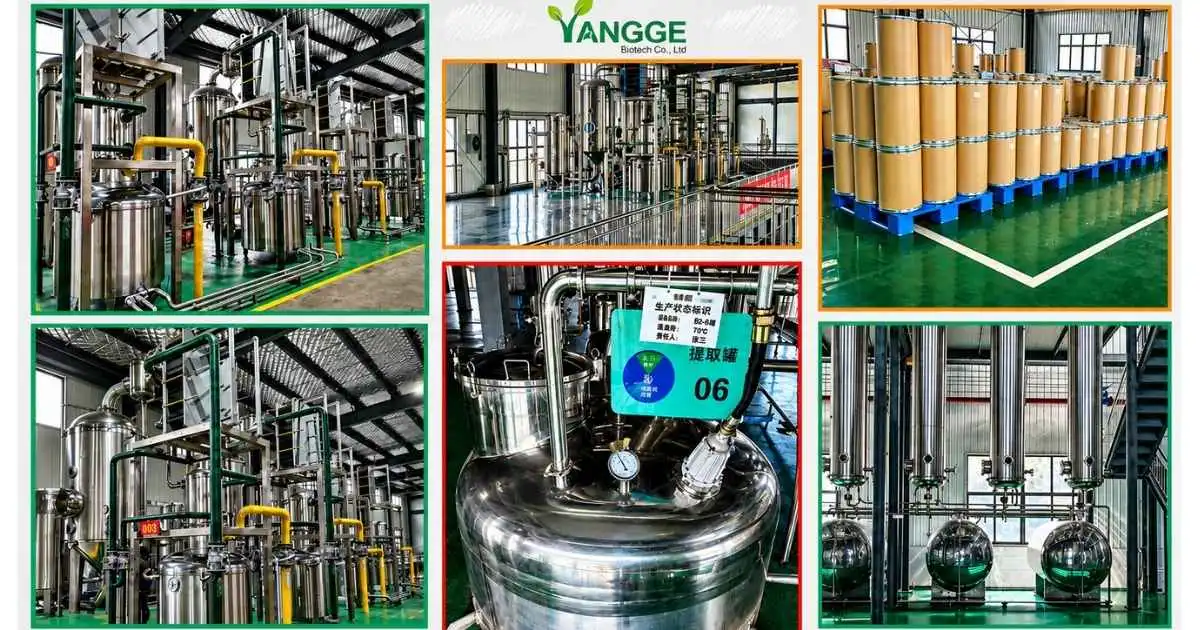
Production Capacity and Supply Chain Resilience: Looking at production scale makes sure that providers can handle both current order amounts and growth that is expected. Site trips or virtual walks of a facility show how complex the production process is, as well as the quality control infrastructure and how the inventory is managed. The fact that there are multiple places to get the raw materials for marigolds and backup production choices shows that the supply chain is resilient, which is important for keeping delivery promises.
Cost Optimization Through Strategic Purchasing
To get good prices while keeping quality standards, you need to use sophisticated negotiation strategies that are designed for bulk ingredient markets:
Volume-based pricing tiers typically offer significant reductions at threshold quantities. Many suppliers offer discounts of 5–15% on orders of 100 kg or more, and even bigger discounts at 500 kg and 1000 kg. A lot of the time, annual contracts with fixed purchase amounts can get you better prices than spot purchases.
Subscription or standing order models make buying things easier and make sure that prices stay the same even when the market changes. Quarterly delivery schedules that work with production planning cut down on the costs of keeping inventory and keep this light-sensitive compound from breaking down too much during storage.
Specification freedom can save a lot of money. For example, allowing concentration ranges wider (18–22%) instead of strictly 20% or different packaging setups can often lower per-unit costs without affecting functionality. These optimisation chances are found through collaborative talks with the technical teams of suppliers.
Logistics and After-Sales Service Considerations
Aside from price and quality of the product, practical relationship factors have a big effect on the total cost of ownership and the efficiency of the supply chain. When choosing a provider, business-to-business buyers should look at these service dimensions:
Delivery reliability directly affects production scheduling and inventory management. Suppliers who offer guaranteed lead times with penalties for being late show that they are committed to the success of the partnership. Shipping heat-sensitive marigold extracts in temperature-controlled containers and using the right light-blocking packaging keeps the product's integrity while it's in transit.
Support for documentation makes customs processing and following the rules easier for lutein shipments. Full shipping packages should have Certificates of Analysis, origin certificates, phytosanitary certificates, and letters of compliance with regulations that are right for the places they are going to. Electronic document platforms speed up international business and make administration easier for lutein imports and exports.
Responsive technical support takes care of these issues. Suppliers who offer specialised account management and lines of contact that are open 24 hours a day make it easier to solve problems and build stronger working relationships.
| Evaluation Criteria | Priority Level | Key Documentation | Red Flags |
|---|---|---|---|
| Quality Certifications | Critical | GMP, ISO 22000, HACCP, Organic | Expired certificates, limited scope |
| Supply Chain Traceability | Critical | GACP documentation, origin verification | Vague sourcing claims, no farm records |
| Technical Expertise | High | Application guides, formulation support | Generic product sheets only |
| Production Capacity | High | Facility certifications, capacity statements | Single-source raw materials |
| Pricing Competitiveness | Medium | Transparent pricing structure, volume discounts | Hidden fees, frequent price changes |
| Logistics Capabilities | Medium | Delivery guarantees, cold chain management | Unclear shipping terms |
Practical Applications and Case Studies
Corporate Wellness Program Implementation
A medium-sized tech company with 500 workers started a full eye health program in response to many complaints about pain caused by screens. Employees who took part in the program were given daily supplements with 10 mg of xanthophyll from marigolds, 2 mg of zeaxanthin, and omega-3 fatty acids.
Internal surveys showed that after six months, there were 42% fewer reports of eye strain symptoms, 35% fewer requests for changes to workstation lighting, and measurable gains in afternoon productivity. The number of people who missed work because of eye pain dropped by 28%, which saved the company an estimated $127,000 a year in lost productivity and medical bills.
The purchasing team worked with a source that sold bulk powder in 1 kg aluminium foil packages. This made it possible for a contract manufacturer to do custom packing at a low cost. With this method, the monthly costs per employee were $8.50, and quality standards were met, such as non-GMO certification and third-party testing verification.
Senior Care Facility Nutritional Enhancement
A senior living community with multiple locations that serves 1,200 residents added this carotenoid-rich marigold extract to their daily meal programs by adding it to drinks. Knowing that older people have more dry eyes because their bodies can't absorb as many carotenoids from their food, the nutrition team worked with food service suppliers to make tasty juice blends with 15 mg of lutein per serve.
Residents' responses to happiness surveys and clinical evaluations showed that they felt more comfortable reading and doing other fun things. Over the course of a year, the number of residents asking for artificial tears dropped from 67% to 41%. The nursing staff noticed fewer complaints about the eyes and more participation in activities that required good eyesight, like projects and games.
During talks for the purchase of goods and services, favourable prices were reached through yearly contracts that ensured a steady supply across multiple facilities. The seller gave me water-dispersible beadlet formulations that were made to be used in drinks, along with help with recipe development to make sure they would taste good and stay stable in different juices.
Emerging Market Trends Shaping B2B Demand
The current state of the market shows that companies are getting smarter about how they deal with staff health and product differentiation. Procurement professionals who are planning strategic sourcing projects should keep an eye on the following trends:
People are increasingly choosing natural and organic certifications because they want to buy products with clean labels. Suppliers who offer certified organic marigold extract charge more, but they can reach health-conscious customers and meet corporate sustainability goals, which are becoming more and more important for hiring and keeping employees.
When it comes to market performance, combination formulations that include multiple eye-health nutrients do better than single-ingredient approaches. Products that combine this xanthophyll with zeaxanthin, omega-3s, and bilberry extract work on mechanisms that work together. They also make it easier for customers to make decisions and improve compliance by giving them complete solutions in a single dose.
Microencapsulation, liposomal formulations, and sustained-release systems are some of the new delivery technologies that improve absorption and set quality products apart. Even though these new developments make ingredients more expensive, they allow marketers to make claims about better absorption that connect with smart B2B buyers looking for ways to get ahead of the competition.
Conclusion
Nutritional intervention to treat dry eye discomfort with lutein is a technique that is becoming more and more common in business wellness programs and customer health goods. Carotenoids from marigolds like lutein are good for keeping the tear film stable and making the eyes feel better, especially for people who spend a lot of time in front of screens. To do B2B procurement well for lutein extracts, you need to find a balance between quality assurance, following the rules, lowering costs, and criteria for building partnerships with suppliers. If you buy high-purity lutein extracts from certified suppliers with a history of technical success and clear traceability, your product line will be able to adapt to changing market needs and help real health outcomes for end users.
FAQ
Can lutein completely cure dry eye syndrome?
This carotenoid is good for your eyes because it protects them from damage and keeps the tear film stable. However, it should not be thought of as a fix in and of itself. Dry eye syndrome usually needs a combination of treatments, such as changes to the surroundings, drinking enough water, taking breaks from screens, and maybe even medical care for underlying conditions. Taking nutritional supplements can help these methods work better by reducing oxidative stress and inflammation that cause symptoms.
How long before noticing improvements in eye comfort?
Clinical studies show that changes in macular pigment density can be measured within 4 to 6 weeks of consistent supplementation. Within 8 to 12 weeks, people often report feeling more comfortable. How each person reacts depends on their current nutritional status, the amount they are taking, and how bad their dry eye symptoms are. When putting health programs into action, procurement managers should give people realistic timelines so that they know what to expect.
What considerations affect bulk order lead times?
Standard production and shipping times for bulk powder orders are between 3 and 5 weeks for established specifications and current stock levels. Custom orders for concentration or specific testing needs may make the wait time 6 to 8 weeks. International shipping comes with a lot of different factors, such as how to clear borders, how to prepare paperwork, and how to choose a mode of transportation. Orders should be placed by procurement teams well before important times of need, and safety stocks should be kept for goods that are consistently in high demand.
Partner with Yangge Biotech for Premium Marigold Extract Lutein
Yangge Biotech makes high-quality marigold extract lutein powder with concentrations ranging from 5% to 80%. This powder meets the strict needs of supplement makers, functional food developers, and business health buyers all over the United States. We get our orange fine powder from non-GMO marigold flowers using controlled extraction methods. This ensures that each batch is exactly the same and meets the strict European PAH4 standards (benzopyrene ≤10 ppb).
We are a reliable source of lutein, and our GMP manufacturing standards and ISO, HACCP, Kosher, and Halal certifications make it easier for your marketing routes to follow the rules. Our dedicated research and development team can help you with technical questions about how to improve your formulation, choose the right concentration, and come up with effective application strategies that are specific to your product development goals. Traceability paperwork shows how our products get from sustainable farming partnerships to being packed in 1 kg aluminium foil bags that keep out light or in any other way that fits your business needs.
Contact us or email at info@yanggebiotech.com to request samples, discuss volume pricing for bulk orders, or explore how our 24-hour support services can help your food supply chain. Work with a marigold extract maker that cares about quality, the environment, and the growth of your business.
References
1. Stringham, J.M., & Hammond, B.R. (2007). The glare hypothesis of macular pigment function. Optometry and Vision Science, 84(9), 859-864.
2. Richer, S., Stiles, W., & Statkute, L. (2004). Double-masked, placebo-controlled, randomized trial of lutein and antioxidant supplementation in the intervention of atrophic age-related macular degeneration. Journal of the American Optometric Association, 75(4), 216-229.
3. Seddon, J.M., Ajani, U.A., & Sperduto, R.D. (1994). Dietary carotenoids, vitamins A, C, and E, and advanced age-related macular degeneration. Journal of the American Medical Association, 272(18), 1413-1420.
4. Age-Related Eye Disease Study 2 Research Group. (2013). Lutein + zeaxanthin and omega-3 fatty acids for age-related macular degeneration. Journal of the American Medical Association, 309(19), 2005-2015.
5. Liu, R., Wang, T., & Zhang, B. (2015). Lutein and zeaxanthin supplementation and association with visual function in age-related macular degeneration. Investigative Ophthalmology & Visual Science, 56(1), 252-258.
6. Chew, E.Y., Clemons, T.E., & SanGiovanni, J.P. (2014). Secondary analyses of the effects of lutein/zeaxanthin on age-related macular degeneration progression. JAMA Ophthalmology, 132(2), 142-149.

Based on your location and order quantity, you will have the opportunity to receive a limited time free shipping promotion!
Who we are
Popular Blogs