Does CoQ10 Really Improve Energy, Heart Health, and Aging Naturally?
CoQ10, or coenzyme Q10, genuinely supports energy production, cardiovascular function, and cellular aging defense and the science backs this up. As a fat-soluble compound synthesized naturally in the body, it plays a non-negotiable role in mitochondrial ATP synthesis. Clinical research confirms measurable improvements in fatigue reduction, heart muscle efficiency, and oxidative stress markers. For supplement brands and functional food manufacturers, understanding CoQ10's validated mechanisms is the foundation of building credible, market-ready products that resonate with health-conscious consumers in 2025.
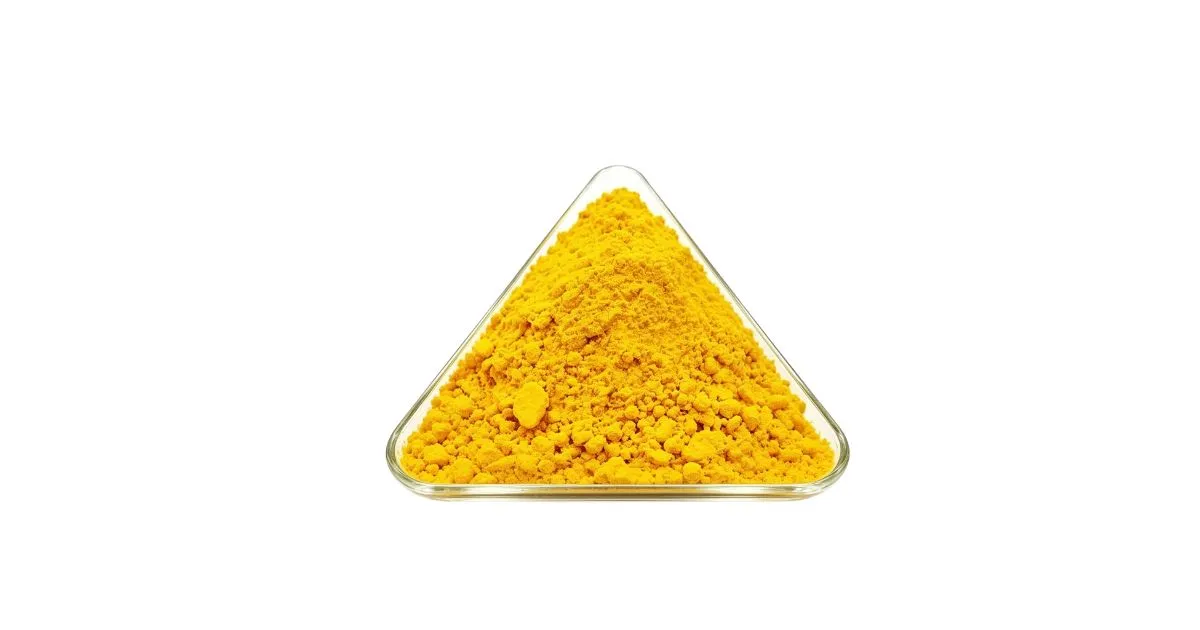
Understanding CoQ10 What It Is and Why It Matters
Coenzyme Q10, also known as ubiquinone, is a benzoquinone chemical that dissolves in fat and is found in almost all human cells. The formula for its molecules is C₅₉H₉₀O₄, and their weight is 863.36. The body makes it naturally, but after age 40, production drops off a lot. Statin drugs speed up this loss even more, affecting an estimated 35 million Americans who are currently taking cholesterol-lowering drugs.
CoQ10 is an important part of the mitochondrial electron transport chain that helps turn foods into ATP, which is the cell's main source of energy. In addition to making energy, it is a powerful free-radical scavenger. "Helps protect cells from damage and reducing inflammation," says registered dietitian Amy Brownstein of Coenzyme Q10. This makes it a versatile active ingredient that can be found in both supplements and functional foods.
People over 50, people who take statins, people with heart disease, and athletes who are under a lot of stress from training all have a higher chance of having low coenzyme Q10 levels. These are the main groups of people who buy heart health pills, energy functional drinks, and antioxidant-enhanced formulas. These are all high-growth product categories in the nutraceutical markets in North America and Europe.
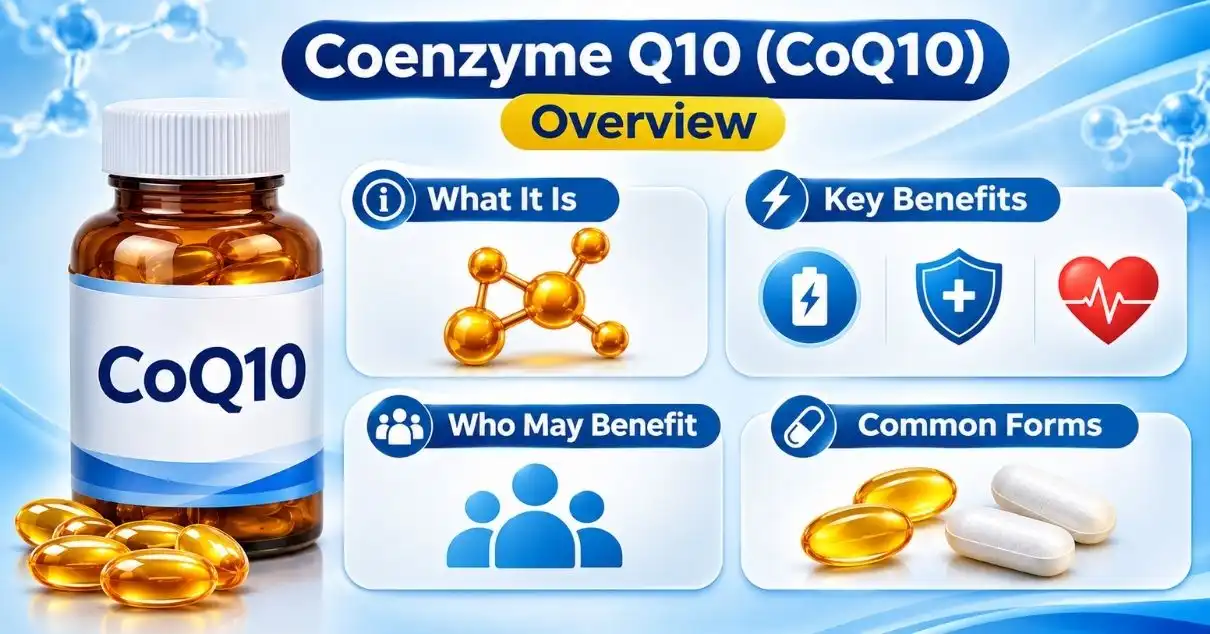
The Science Behind CoQ10's Impact on Energy, Heart Health, and Aging
There is strong proof that ubiquinone is useful in medicine. A review of 13 controlled studies confirmed that taking CoQ10 supplements significantly decreased how tired people felt compared to a placebo. In cardiovascular studies, clinical trials have shown that heart failure patients who take a daily Coenzyme Q10 pill have better ejection fraction and a lower rate of hospitalization.
Suppressing reactive oxygen species through antioxidants slows down the breakdown of mitochondrial DNA. This is a known way that oxidative stress leads to visible aging and neurodegeneration. These proven pathways give product developers strong scientific support for both their marketing claims and the science behind their formulations. These factors based on evidence are directly used by buying teams to make choices about what products to buy when they are making coenzyme Q10-containing softgels, energy bars, or functional water.
| Application Area | Key Mechanism | Supported Dosage Range |
|---|---|---|
| Energy & Fatigue Reduction | Mitochondrial ATP synthesis enhancement | 100–300 mg/day |
| Cardiovascular Support | Improved cardiac muscle efficiency | 200–400 mg/day |
| Anti-Aging / Antioxidant | Free-radical scavenging, cellular protection | 100–200 mg/day |
CoQ10 Supplementation: Forms, Dosage, and Safety Considerations
Ubiquinone vs. Ubiquinol What Procurement Teams Should Know
Ubiquinone is the oxidized form that is most commonly sold. It is made by microbial fermentation with strains like Rhodobacter sphaeroides. Ubiquinol is the shorter, more bioavailable form that is often used in products for older people. Fermentation-derived ubiquinone that is 98% or more pure is a safe and cost-effective raw material base for most B2B food and supplement uses. CoQ10 is much more bioavailable when it is given with lipid carriers (like MCT oil or soybean oil) or omega-3 fatty acids. Water-dispersible Coenzyme Q10 powder (CWD grade) is a useful ingredient for making functional drinks and dispersible powders because it can form a stable mixture even in cold water at 15°C.
Safety Profile and Regulatory Compliance
At proven therapeutic doses, Coenzyme Q10 has a very good safety record. Long-term tests at doses up to 1,200 mg/day have not shown any serious side effects. In the United States, it is considered GRAS-equivalent when used in dietary supplements. The people who are in charge of buying things should make sure that they follow the limits for PAH4 polycyclic aromatic hydrocarbons. This is especially important for companies that want to export, since the European standard says that benzopyrene levels must be less than 10 parts per billion.
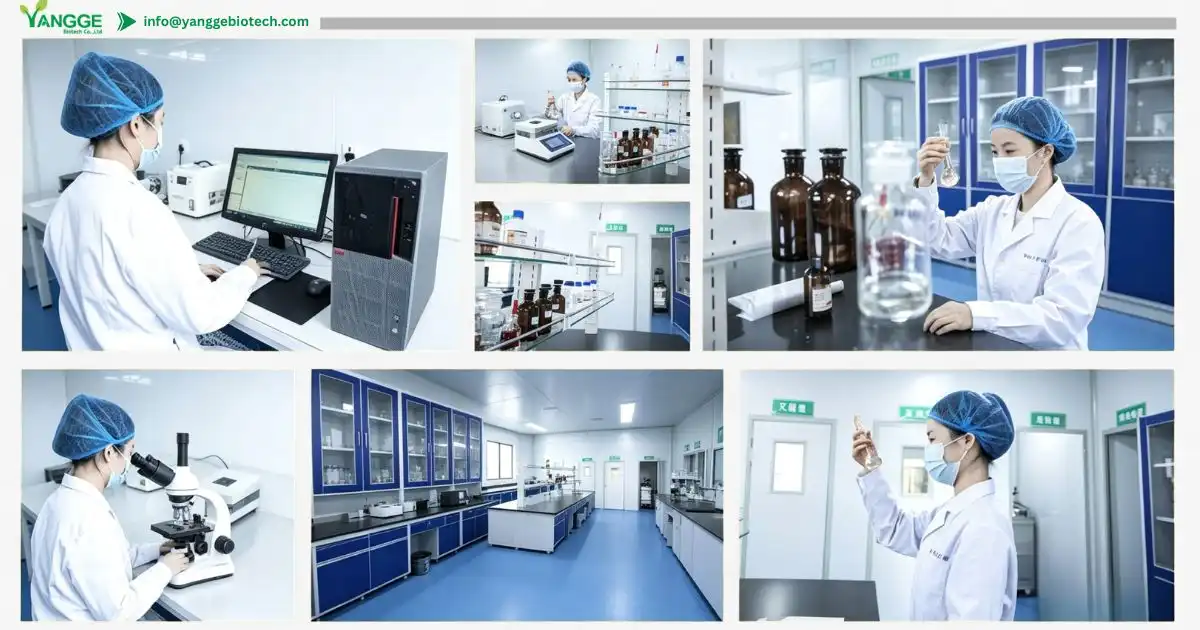
How to Choose the Best CoQ10 Supplier for Your Business?
There's more to choosing the right coenzyme Q10 maker than just negotiating price. When procurement managers and R&D engineers are qualifying suppliers, they should use the following factors as a structured evaluation framework.
Here are the main things that set trusted CoQ10 sellers apart from those who just sell generic products:
- Purity verification: Ask for HPLC test reports that confirm a 98.0–101.0% assay according to USP43/EP/BP standards, with proof of a 100% all-trans isomer configuration. Cis-isomer pollution lowers cellular activity and makes it harder to believe what the label says.
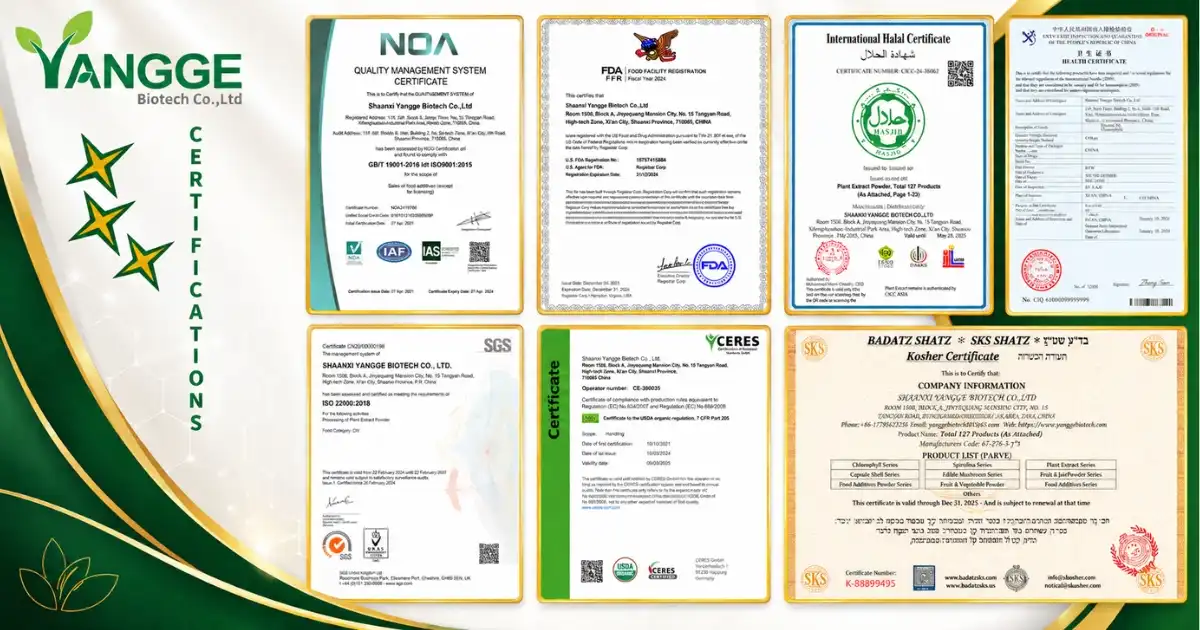
- Certification stack: Look for suppliers who have GMP, ISO, HACCP, Kosher, and Halal certifications all at the same time. This way, you can meet the needs of North American, European, and Southeast Asian markets with just one sourcing relationship.
- Stability and shelf life data: Accelerated aging test data at 40°C/75% RH should support a shelf life of at least 24 months from the date of manufacture, which gives the supply chain flexibility.
- PAH4 compliance documentation: Confirm benzopyrene ≤10 ppb according to European safety standards, with proof from a third-party lab.
- OEM and customization capability: Check to see if the seller offers custom packing, different standard options (10%, 20%, and 40% dispersible powder forms), and minimum order numbers that are right for your batch sizes.
Together, these factors show if a supplier relationship will lower formulation risk or create compliance holes further down the line.
| Criteria | Minimum Acceptable Standard | Premium Benchmark |
|---|---|---|
| Purity (HPLC) | ≥98.0% (USP/EP/BP) | 98.0–101.0%, all-trans confirmed |
| Certifications | GMP + ISO | GMP + ISO + HACCP + Kosher + Halal |
| PAH4 Compliance | Benzopyrene ≤10 ppb | Third-party lab verified |
| OEM Capability | Standard packaging | Custom spec + dispersible forms |
| Shelf Life | 18 months | 24 months with accelerated data |
Maximizing ROI with CoQ10 Procurement: Strategies for B2B Buyers
When it comes to buying things in a mature, competitive market like CoQ10, the specifications of the ingredients need to match up with how the product is positioned in the end market. Brands making 200–400 mg heart health softgels need solid ubiquinone that is 98% pure and has tight stability from batch to batch. On the other hand, people who make functional drinks can benefit from water-dispersible powder grades (10%, 20%, or 40% specifications) that dissolve evenly in cold water without settling, which is important for the look of the product and the experience of the customer.
Clean-label positioning is still what makes people buy in all the major markets. Non-GMO, non-irradiated, and non-allergen raw materials with clear proof of their tracking from farm to table are no longer seen as high-end differentiators. Combining CoQ10 with antioxidants that work well together, like vitamin E, PQQ, or resveratrol, is a new trend in preparation that raises the value per unit and supports better marketing claims. Supply chain stability is important. Keeping a backup store equal to 8–12 weeks of production demand can help keep the prices of fermentation-derived actives from going up and down, especially when there are problems supplying raw materials.
Conclusion
CoQ10 is an active ingredient that has been proven to help with cellular energy, heart health, and protecting against oxidative aging. It is also widely used in the food industry. Getting high-purity, certified ubiquinone from a trained Coenzyme Q10 provider is still the most important thing for supplement brands and functional food makers to do when they are making new products. In competitive retail markets, the quality of the ingredients directly affects how well the product works, how accurate the label is, and eventually, the value of the brand.
FAQ
Q1: Is CoQ10 safe for long-term use in commercial formulations?
A: Yes, clinical data shows that CoQ10 is safe at doses up to 1,200 mg/day, with no major side effects seen in long-term human studies. At commercial supplement doses of 100–400 mg/day, it has a good tolerability profile and can be used in a lot of different consumer products.
Q2: How do I verify the authenticity and potency of a CoQ10 raw material?
A: Ask for an HPLC-based proof of analysis that says the purity is between 98.0 and 101.0% (USP43/EP/BP). Also, make sure the all-trans isomer is confirmed, the leftover liquid is tested using GC, and a microbial study shows that there are no pathogens. Independent proof is provided by retesting by a third party through an approved laboratory.
Q3: What is the practical difference between ubiquinol and ubiquinone for product development?
A: Ubiquinone is the oxidized form that is widely available and comes from fermentation. It is used in most commercial supplements. Ubiquinol is the reduced form that is more bioavailable, which makes it a better choice for products aimed at people over 50. Despite its low cost, ubiquinone is still the best raw material for most energy and heart health products because it is stable and easy to formulate.
Partner with Yangge for Premium CoQ10 Supply
Yangge Biotech sells 98% pure pharmaceutical-grade CoQ10 Powder that is made through precise fermentation and comes with full HPLC documentation. It is also non-GMO and allergen-free, and it is PAH4 compliance certified to European standards. Yangge is a well-known company that makes Coenzyme Q10. They offer OEM customization, dispersible powder types (10%–40%), and a 500 kg store for quick delivery. You can email our team at info@yanggebiotech.com to ask for samples and talk about your product needs.
References
1. Mortensen, S.A. et al. — JACC: Heart Failure, 2014.
2. Littarru, G.P. & Tiano, L. — Molecular Biotechnology, 2007.
3. Mantle, D. & Dybring, A. — Antioxidants (MDPI), 2020.
4. Hernández-Camacho, J.D. et al. — Frontiers in Physiology, 2018.
5. Raizner, A.E. & Quiñones, M.A. — Methodist DeBakey Cardiovascular Journal, 2021.
6. Garrido-Maraver, J. et al. — Frontiers in Bioscience (Landmark Edition), 2014.

Based on your location and order quantity, you will have the opportunity to receive a limited time free shipping promotion!
Who we are
Popular Blogs