Does black carrot color shift with pH levels in food systems
Yangge Biotech supplies high-quality Black Carrot Juice Powder, a natural ingredient rich in anthocyanins. It is widely used as a natural colorant in beverages, foods, dietary supplements, and health products. Our powder offers excellent solubility, vibrant color, and consistent quality.
Contact us at info@yanggebiotech.com for quotations, specifications, COA, third-party test reports, or free samples.
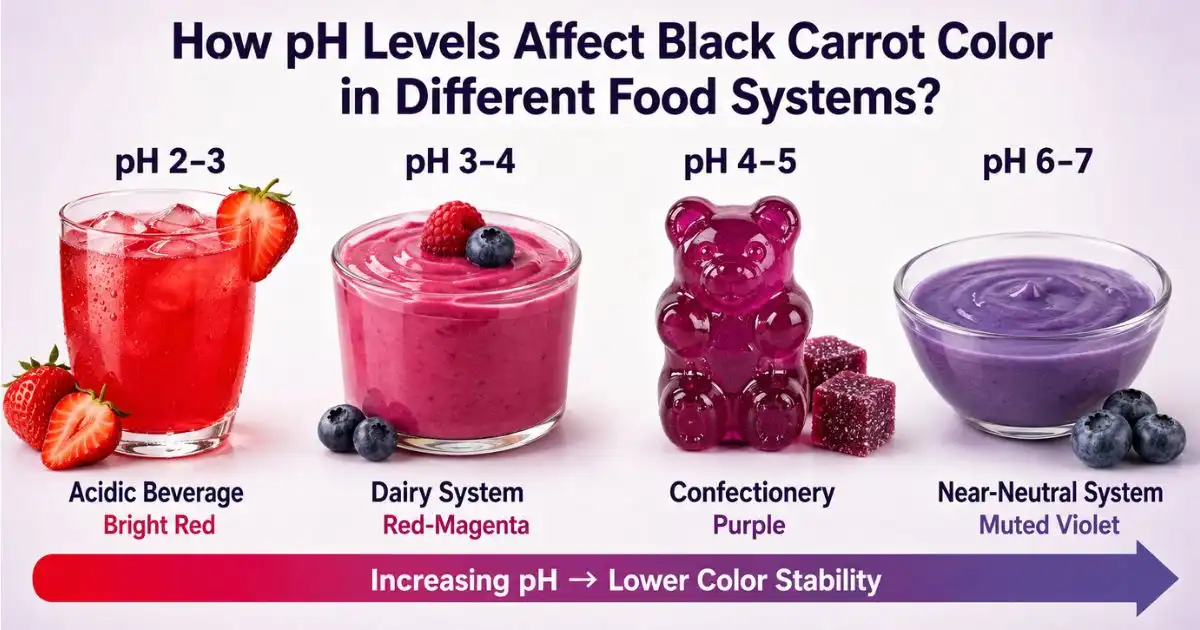
Yes, the color of Black Carrot Juice Powder shifts noticeably with pH levels in food systems. This natural plant extract, rich in acylated anthocyanins, displays vibrant red-purple hues in acidic conditions (pH 2-4), transitions to violet-blue shades in neutral environments (pH 5-7), and can turn greenish-blue in alkaline formulations (pH 8+). Understanding this pH-dependent behavior is essential for manufacturers aiming to achieve consistent, visually appealing products while leveraging this clean-label colorant across beverages, confectionery, dairy alternatives, and personal care applications.
Understanding Black Carrot Juice Powder and Its Color Properties
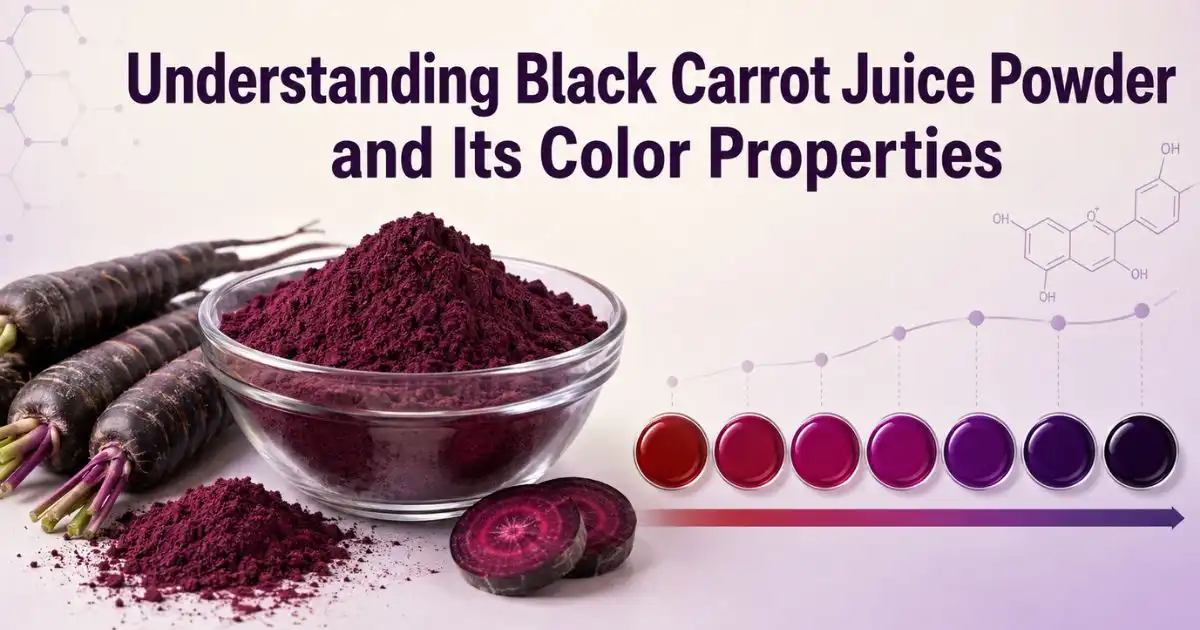
A natural dye called Black Carrot Juice Powder is being used by more and more businesses that want to use less man-made dyes like Allura Red or Red 40. The root of the Daucus carota subspecies sativus plant is used to make this Black Carrot Juice Powder. It is taken out with water and then dried with a spray dryer so that its biological properties stay the same. Anthocyanin is the main chemical that makes plants colour. It is a polyphenolic pigment, which can be used for many things besides colouring.
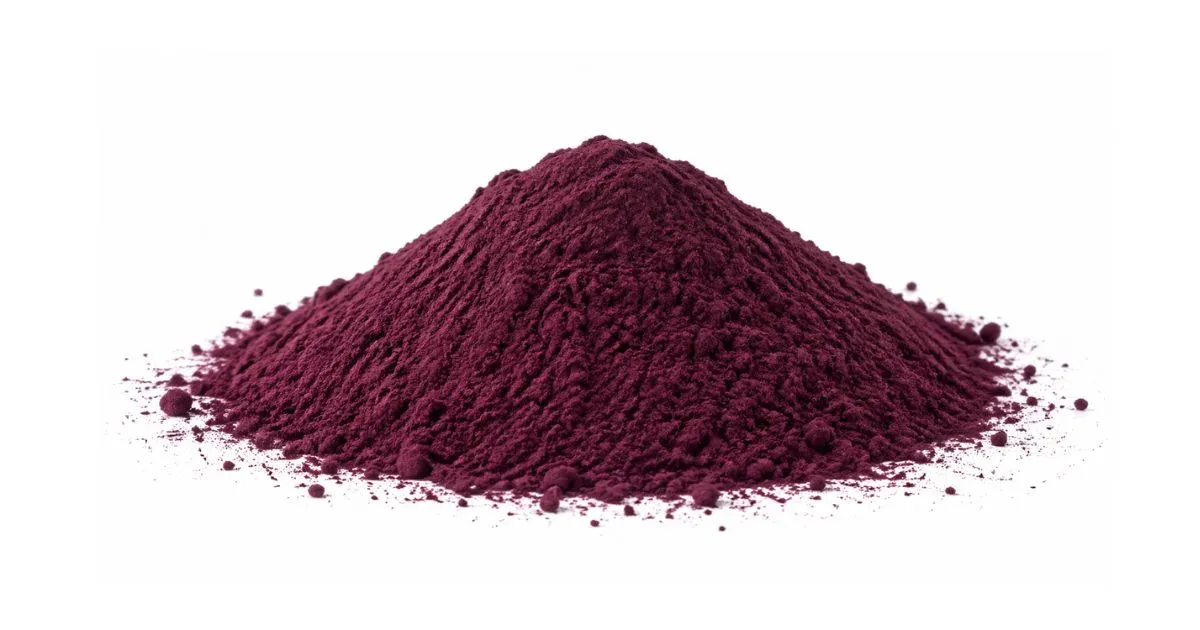
There are many colourants made from beets that break down quickly above 70°C. But the acylated anthocyanins in Black Carrot Juice Powder don't break down at all in heat. This means that recipes don't lose much colour when they are pasteurised, baked, or stored for a long time. It's easy to mix the powder into drinks, gummies, quick mixes, and cosmetic emulsions because it has small bits and dissolves fully in water. As for how it looks, the material is normally a purple-red powder that smells like dirt. But good processing cuts down on off-flavors that can mess up flavour profiles that are already pretty good.
Colour is not the only thing that makes up nutritional makeup. Black Carrot Juice Powder contains building blocks for vitamin A, vitamin C, and dietary fibre. These chemicals back up claims that they are good for your eyes, skin, and protecting against free radicals. Our goods are not genetically modified, don't cause allergies, and haven't been sterilised. They also have polycyclic aromatic hydrocarbon levels (PAH4) well below 10 ppb, which is what the strict rules of the European Union say should happen. People are getting more and more concerned about how clear the ingredients are. These certificates meet the HACCP, ISO, Kosher, and Halal standards needed to sell goods all over the world.
Because more people want "clean labels," this natural colourant is now a big part of how brands are set apart. Black Carrot Juice Powders that are high in anthocyanins are being used more and more by companies to make their products vegan, allergen-free, and organic, while still keeping the high-end look that customers expect from high-end products. The supply chain must be able to be tracked from the farm to the finished goods to be reliable. This is especially important for procurement teams that are in charge of managing production at multiple sites and regulatory audits.
How pH Levels Affect Black Carrot Color in Different Food Systems?
The Chemistry Behind pH-Induced Color Shifts
Anthocyanins are made up of molecular structures that can change shape based on the amount of hydrogen ions present. The flavylium cation, a positively charged form of anthocyanin, takes over when the pH level is less than 4. It gives the colour bright red to pink shades. It turns into a quinonoidal base as the pH level rises toward neutral (pH 5–6). This is what gives violet and blue their colours. Carbinol pseudo-base and chalcone forms show up when the pH level goes above 7. Light blues, greens, or even no colour at all can be these, depending on the anthocyanin structures and co-pigmentation factors.
This is because the anthocyanins in Black Carrot Juice Powder are more stable than those in red grapes or elderberries. This is because they have acyl groups, which are organic acid molecules attached to sugar moieties. These acyl groups stack molecules on top of each other. This keeps the chromophore from breaking down and makes it less sensitive to pH. However, pH is still the most important thing that determines how colours look.
Practical Color Outcomes Across Food Matrices
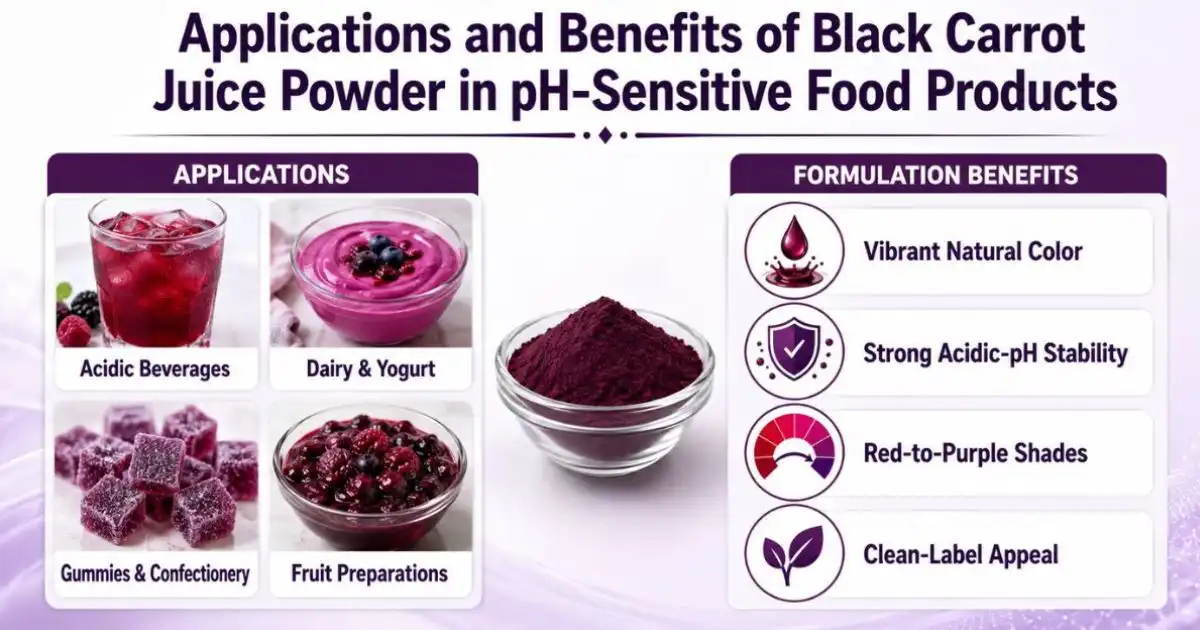
Recipes for drinks are the clearest examples of how pH changes things. When you add Black Carrot Juice Powder to fruit juices that are acidic (pH 2.5–3.5), they turn bright pink-red. This works well for strawberry, raspberry, or cranberry drinks. If citric acid or malic acid buffers keep the pH from changing, sports drinks made at pH 3.0 to 3.5 will stay a reddish-purple colour for as long as they are stored. On the other hand, plant-based protein shakes usually have a pH level close to neutral (6.5–7.0), which changes the colourant to purple-blue shades. Use this in a smart way for things that taste like berries, but it might not work so well for things that taste like citrus or tropical fruits.
Some problems can only be found in dairy and systems that aren't dairy. Pink yoghurts with a pH level between 4.2 and 4.5 keep their pretty colour, but the pH needs to be closely watched while they are being made because of live cultures and fermentation. Coconut yoghurt alternatives, which are usually more alkaline, might have grayish-blue tones that you don't want if you don't add lactic acid or citrus juices. The violet-blue range of anthocyanin works well with ice cream recipes that have a pH level of 6.2 to 6.8. This makes tastes that look beautiful, like strawberry or acai.
When you bake something, the pH changes because of the heat. Baking soda, which is alkaline, can change the blue-green colour of anthocyanins in Black Carrot Juice Powder in cake and cookie recipes. To keep the pH below 6.0, producers add acidic things like lemon juice extract, buttermilk powder, or cream of tartar. The bright red and purple colours of gummy candies come from citric acid systems that keep the pH level between 3.0 and 4.0 while the candies are being made and packed.
Applications and Benefits of Black Carrot Juice Powder in pH-Sensitive Food Products
Dual Functionality as Colorant and Health Ingredient
Making things is looking for items that can do more than one thing well more and more. Black Carrot Juice Powder is good for you and gives carrots their natural colour. Antioxidant tests on anthocyanins (ORAC) show that they can get rid of free radicals, which supports the idea that they can do so. This is important for supplements that fight ageing, eye health, and liver protection. Teams that work on formulas can use these biological traits to make their goods stand out in crowded markets.
As more people look for natural alternatives to man-made colourants, their use in beauty products and personal care items has grown quickly. Different skin care products can have different effects when they react to pH. Acidic toners and serums, for example, stay bright pink, which makes the skin look clean, while neutral-pH moisturisers use soft lavender tones, which make the skin look calm. The anthocyanin profile supports antioxidant marketing claims, especially for skin care lines that claim to fight ageing and pollution and are aimed at health-conscious people.
Here are practical integration guidelines that procurement and R&D teams should consider when formulating with anthocyanin-rich extracts:
- Dosage Optimization: Typical inclusion rates range from 0.05% to 0.5%, depending on the product matrix and colour strength you want. In most cases, 0.1% to 0.3% is enough for drinks, but 0.3% to 0.5% may be needed for sweets to make up for the strength loss caused by sugars and fats. Test on a small area first to find the lowest dose that will still work, keeping in mind how much it will cost and how it will look.
- Synergistic Co-Pigmentation: The colour lasts longer and is brighter when Black Carrot Juice Powder is mixed with flavonoids or phenolic acids. This is called co-pigmentation. Rosmarinic acid, green tea polyphenols, or orange bioflavonoids are all parts of co-pigmentation complexes. These make colours stronger and keep them from fading in hot weather. The cost of preparation goes down because this method cuts the amount of anthocyanin needed by 15–25%.
- Storage and Handling Protocols: To keep Black Carrot Juice Powder in the best shape, put them in containers that seal tightly and keep air and light out. When stored in a controlled environment, the best temperatures are between 15°C and 25°C. Don't leave it out in the air for too long, because oxidation will lower the concentration of the colour over time. With first-in, first-out stock movement, every batch works the same way.
- Regulatory Compliance Advantages: The benefits of regulatory compliance are that having a good name and regulatory support makes it easier to get into the market. Depending on the rules in the area, the element can be called "E163 Anthocyanins" or "Vegetable Juice for Colour." This gets rid of the issues with licenses that come with using fake colours. It is even easier to understand ingredient labels when they say they are non-GMO and allergen-free.
Market Comparisons and Procurement Considerations for B2B Buyers
Evaluating Organic vs. Conventional Options
A lot of decisions have to be made by purchasing managers when they are looking for anthocyanin colourants. Organic Black Carrot Juice Powder usually costs 40 to 60 percent more than regular Black Carrot Juice Powder, but it lets you get into a category of products that is growing quickly. Organic approval makes sure that crops are grown without using pesticides, that the tools used to prepare the food are natural, and that there is all the paperwork needed to keep track of the food, which is what the USDA, EU, and JAS all require. It costs more for brands to go after natural food channels or premium positions. To make up for it, they charge more at retail and build brand value.
If you don't need to make promises about being organic, regular Black Carrot Juice Powder is cheaper and can be used in more usual ways. What makes the quality different are mostly how the plants are grown, how well they are extracted, and how the products are standardised. Reliable sellers give out certificates of analysis (COA) that show how much anthocyanin was found (by HPLC), as well as the amount of water, bacteria, and heavy metals. Buying groups should ask for paperwork that is unique to each batch and check the goods that come in to make sure they meet the standards.
Supplier Selection Criteria for Long-Term Partnerships
Making decisions about buying is more than just setting prices per unit. When production managers look at possible sources, they should check to see how much they can make, how well they can keep quality in check, and how dependable their business is. Some important things to look over are:
Quality Consistency and Testing Protocols: Suppliers who have their own analysis labs with HPLC, UV-Vis spectrophotometry, and microbe testing tools show that they care about quality control. People trust even more when there is third-party validation through partnerships with well-known labs. In the L\a\b\* colour space, you can measure how stable the colour is from batch to batch. This has a direct effect on how uniform the final product is.
Supply Chain Transparency and Traceability: For farm-to-factory tracking, records are kept that show where raw materials come from, how they are grown, and when they are harvested. They keep supplies stable, keep prices from going up and down too much, and support attempts to be more eco-friendly when they work directly with farm groups. Logistics that keep an eye on temperatures and GPS-tracked shipments keep the standard of items high while they're in transit.
Customization and Technical Support: You need sources that are flexible enough to change the specs, package forms, and shipping times if you want to work with an OEM. It's faster to make a product when you can get help from formulation experts who can help with pH tuning, stable tests, and fixing problems. When a brand owner outsources production, suppliers that offer private label packaging and co-manufacturing services can help them save money.
Certifications and Compliance Documentation: GMP-certified buildings, HACCP plans, and ISO quality control systems are all signs that the company is doing a great job. Business can get new customers in certain groups with the help of certifications like Halal and Kosher. It's easier for sellers to follow the rules for international marketing when they keep regulatory dossiers for the FDA, the EU, and other target markets up to date.
The following table compares key procurement considerations between supplier categories:
| Supplier Type | Anthocyanin Content | Lead Time | Minimum Order Quantity | Technical Support | Price Point |
|---|---|---|---|---|---|
| Large-Scale Manufacturers | 15 to 25 percent is the norm | 4 to 6 weeks | 500 kg or more | A lot of (research and development) | Moderate |
| Mid-Size Specialized Suppliers | 20–30% can be changed. | Two to four weeks | 100 to 500 kg | Very strong (labs for uses) | Competitors |
| Trading Companies | Not the same (10–25%) | 6 to 10 weeks | 50 to 100 kg | Few (hired from outside) | Not too bad. |
| Organic-Certified Producers | About 15% to 20% approved | 6 to 8 weeks | 250 kg or more | Not too bad (with an emphasis on sustainability) | High-end |
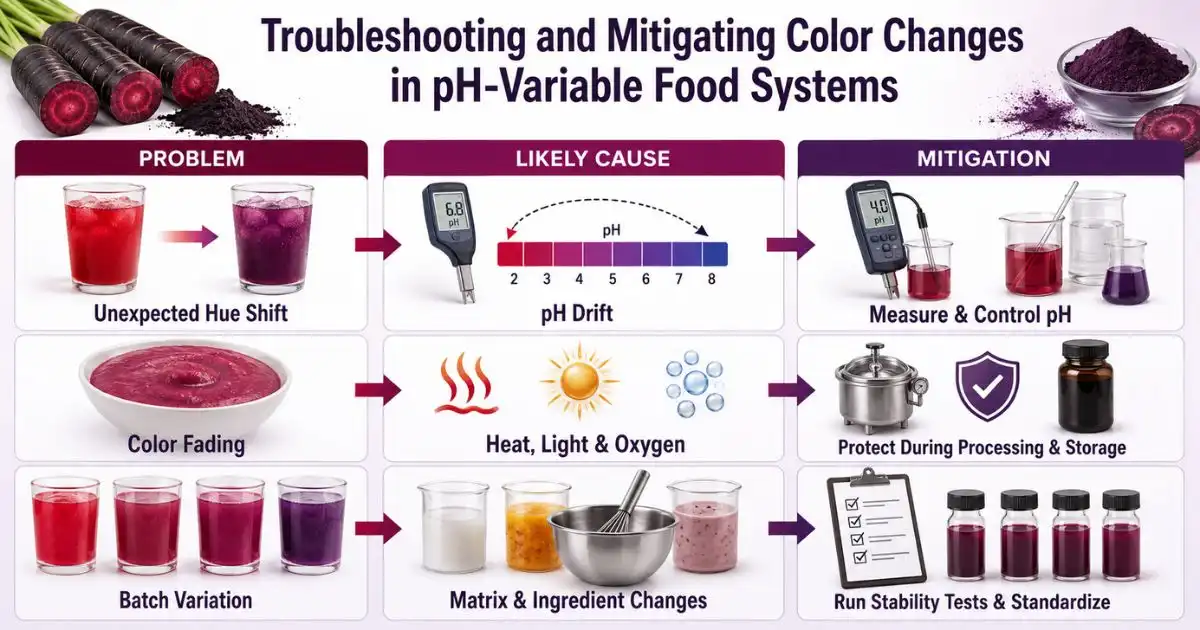
Troubleshooting and Mitigating Color Changes in pH-Variable Food Systems
Common Formulation Challenges
People who make things have trouble adding Black Carrot Juice Powder to mixtures that are already very complicated. Colour changes that aren't needed during processing are often caused by extra ingredients that change the pH without being told to. Acids, bases, emulsifiers, and balancing agents can all change a system's pH, which can make goods look different from what they should. Casein and other dairy proteins can bring the pH back to a regular level. To smooth it out, the acidity level needs to be lowered.
Ions of metal are another thing that can make things less stable. When anthocyanin molecules join with iron, copper, and aluminium, they create coloured or clear complexes that change the way things look. It is important that the water is clean. Cities and towns that use copper pipes or coagulants made of iron may add small amounts of metals to the water that make it less stable. When chelating drugs like EDTA or citric acid are present, metal ions can't connect with other molecules.
Oxidation breaks down anthocyanins slowly. This can happen in ways that use enzymes or don't use enzymes. Ascorbic acid is often added to keep food fresh and protect it from damage. However, it seems to speed up the breakdown of anthocyanin in some systems through oxidative coupling reactions, which is not what it seems to do. Companies that make goods should carefully balance the amount of ascorbic acid they use, or they could use other antioxidants like tocopherols or rosemary extract.
Evidence-Based Stabilization Strategies
Scientists and engineers have come up with a number of ways to make sure that a product's colour stays the same for as long as it lasts. Using citric acid and sodium citrate to make pH buffering systems keeps drinks' acidity fixed, so the pH doesn't change while they're being stored. A pH level of 3.0 to 4.0 will give you the best red-purple colours and stop microbes from growing.
Anthocyanins stay in the body with the help of natural stabilisers. Thickening agents like pectin, guar gum, and locust bean gum stick to things. This makes it harder for molecules to move and oxygen to reach cells. In the air, things that can hurt anthocyanins can't get through because of proteins like pea protein or whey protein isolate. These steps work especially well for protein drinks with a neutral pH or dairy alternatives.
Colours last longer if the temperature is controlled while they are being made and while they are being stored. The cold-fill method keeps anthocyanins better than the hot-fill method, but the product might need to be pasteurised to kill microbes. Because it slows down the rate at which colours fade, chilled distribution keeps colours fixed for longer. Keep things at 4°C for six months, and they'll keep 85–95% of their original colour intensity. At room temperature, they'll only keep 60–75%.
How quickly things break down in light depends on the type of packing used. If you put things in amber glass, opaque cases, or PET bottles that block UV rays, they break down 40 to 60% slower than clear packing. It is very important for things that are meant to last a long time to have oxygen barrier properties because they stop oxidative fading.
A sourcing manager at a big functional drink company talked about how they made a line of plant-based protein drinks better by adding Black Carrot Juice Powder. The formulation's pH of 7.2 gave the first tests unwanted blue-gray tones. The technical team changed the recipe for the product by adding potassium citrate and citric acid to lower the pH to 4.5 without making it too sour. However, 20% less Black Carrot Juice Powder was used when grape skin extract was added to the colour. This made the colour brighter. The final product kept its bright berry colour for a year, as planned. This shows that the stabilisation method worked.
Conclusion
As the pH level changes, so do the anthocyanins in Black Carrot Juice Powder. This can be a problem or a chance for companies that make food, drinks, and makeup. The procurement and research and development teams can get the most out of this natural colourant if they know about colour chemistry, plan for how it will mix with other ingredients in the recipe, and use tried-and-true ways to keep it stable. The chemical can be used as both a bioactive ingredient that is good for your health and a bright, clean-label food colour. This fits with the way people are moving toward health and openness. Expert partnerships that let people work together, careful source selection, and strict quality checks make sure that products always work well, follow the rules, and stand out in the market. This is what makes businesses successful in categories that are very competitive.
FAQ
How significantly does black carrot extract color shift with minor pH variations?
It's possible to see changes in colour even when the pH drops by just 0.5 to 1.0 units. The colour changes from bright red to purple-violet when the pH level goes from 3.5 to 4.5. Formulations that need to get a certain colour should use buffering systems to keep the pH level within strict limits. The pH level should also be checked when the formula is being made, when it is being packed, and when it is being stored.
Can black carrot extract serve as a universal natural colorant across different food product types?
There are many times when the element can be used, but the method needs to be changed to fit the pH level. It's easy to get the right red-purple tones for acidic things like drinks, candy, and fruit sauces. Things that are neutral or alkaline, like some dairy options or restaurants that use baking soda, need to be made acidic so that blue-violet colours can pass through them. Any earthy notes that are still there at higher inclusion rates are hidden by strategic taste hiding.
What potential side effects arise from high inclusion rates of anthocyanin colorants?
Anthocyanins are very safe, and it is not known that standard amounts of them are harmful. Putting more than 1% in your drinks might make them taste sour or bitter without putting your health at risk. Groups in charge of food safety say that anthocyanins are safe for most people to eat. Even though there isn't a set maximum level, manufacturers should follow good manufacturing practices and standards for sensory acceptance.
Partner with Yangge for Superior Black Carrot Juice Powder Solutions
You can trust Yangge Biotech Co., Ltd. to make Black Carrot Juice Powder. You can count on them to give you the best natural colourant options that will help you solve your most important manufacturing issues. We make sure that our high-quality anthocyanin extract meets strict standards. It also has ISO, HACCP, Kosher, and Halal certifications to back it up. This makes sure that each batch meets the requirements of your production lines.
With cutting-edge extraction technology, full traceability from farm to factory, and technical support teams available 24 hours a day, 7 days a week, we encourage procurement and R&D professionals to come up with new ideas. Businesses of all kinds can easily get what they need from us because our minimum order quantities are open and our packing can be tailored to their needs. This is true whether they're making colourful drinks, stable nutraceutical formulations, or clean-label makeup.Contact us an email at info@yanggebiotech.com to get uscientific specs, set up tests on samples, or talk about buying in bulk that fits your quality and production needs.
References
1. Wrolstad, R.E., et al. (2021). Anthocyanins: Biosynthesis, Functions, and Applications. Springer International Publishing.
2. Giusti, M.M., & Wrolstad, R.E. (2003). Acylated anthocyanins from edible sources and their applications in food systems. Biochemical Engineering Journal, 14(3), 217-225.
3. Cortez, R., et al. (2017). Natural pigments: stabilization methods of anthocyanins for food applications. Comprehensive Reviews in Food Science and Food Safety, 16(1), 180-198.
4. Sigurdson, G.T., et al. (2017). Natural colorants: Food colorants from natural sources. Annual Review of Food Science and Technology, 8, 261-280.
5. Montilla, E.C., et al. (2011). Anthocyanin composition of black carrot (Daucus carota ssp. sativus) cultivars and their potential use in the food industry. Journal of Agricultural and Food Chemistry, 59(7), 3385-3393.
6. Rodriguez-Amaya, D.B. (2019). Update on natural food pigments: A mini-review on carotenoids, anthocyanins, and betalains. Food Research International, 124, 200-205.

Based on your location and order quantity, you will have the opportunity to receive a limited time free shipping promotion!
Who we are
Popular Blogs