Are lutein and luteolin the same
Yangge Biotech supplies high-quality Lutein Powder and Luteolin Powder for use in dietary supplements, functional foods, beverages, nutraceuticals, and specialized formulations. For product specifications, samples, pricing, or bulk orders, please contact us at our email address info@yanggebiotech.com.
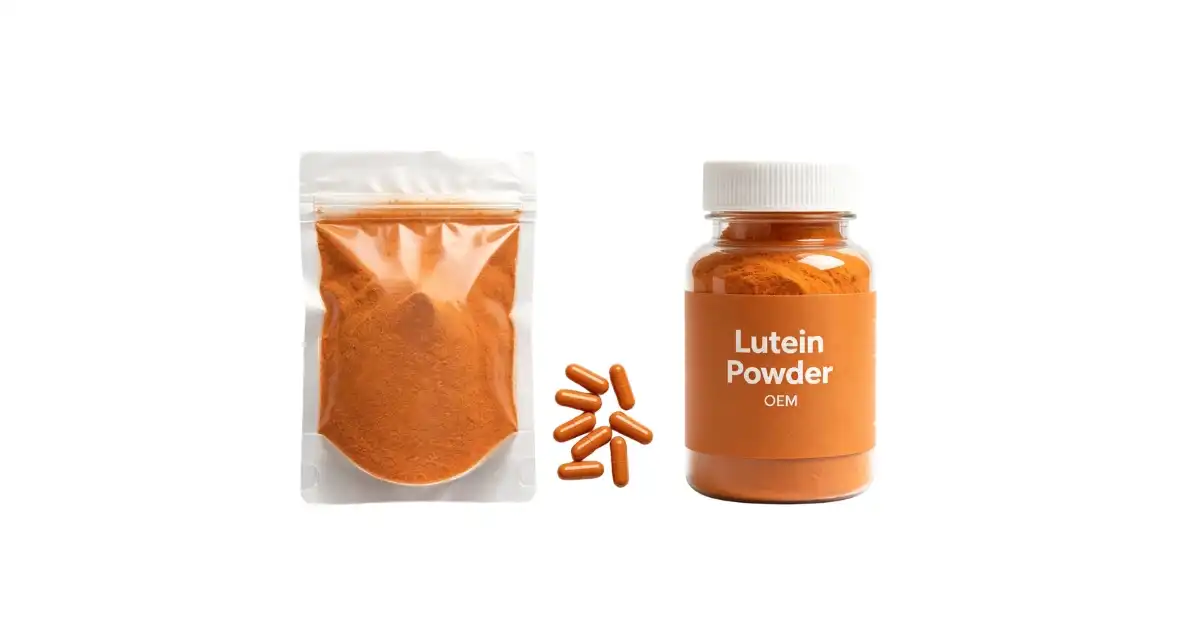
Lutein Powder is a naturally occurring carotenoid commonly obtained from marigold flowers. It is valued for its bright yellow-orange color and is widely used in eye-health supplements, capsules, tablets, gummies, functional beverages, and fortified food products.
Luteolin Powder is a natural flavonoid found in various plants, fruits, and vegetables. It is commonly used in antioxidant-focused supplements, functional foods, skincare products, and wellness formulations. Although their names are similar, lutein and luteolin have different chemical structures, properties, and formulation applications.
Yangge Biotech provides bulk supply, customized specifications, OEM packaging, certificates, COA, and third-party test reports for every batch. Product purity, concentration, solubility, and packaging options can be customized according to your formulation and market requirements.
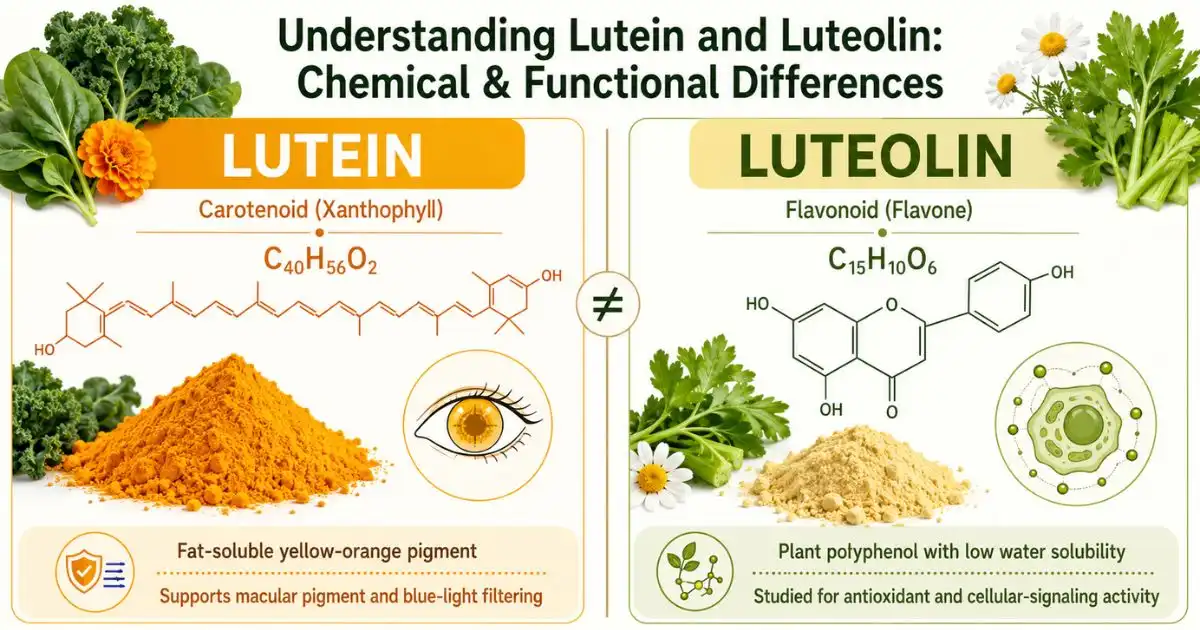
Understanding Lutein and Luteolin: Chemical & Functional Differences
People get these compounds mixed up because their names sound a lot alike, but their molecular structures show that they are completely different. According to its chemical name, lutein is a xanthophyll carotenoid (C40H56O2). It is mostly found in the macula of the human eye and helps give egg yolks and maize their unique colours. Its main biological job is to block high-energy blue light wavelengths and neutralise reactive oxygen species in the tissues of the eye.
Molecular Architecture and Classification
The molecular makeup of Luteolin (C15H10O6) is entirely different. This chemical is a flavone, which means it has more in common with quercetin and apigenin than with any other carotene. Its benzene rings have hydroxyl groups in certain places, which lets it interact in special ways with cell signalling pathways, especially those that control inflammatory cascades and oxidative stress responses.
From the point of view of procurement, this structural divergence means that the solubility properties are different, which changes formulation strategies. Lutein dissolves in fats and needs lipid-based delivery systems. Luteolin, on the other hand, dissolves better in organic solvents like ethanol and DMSO, but it still doesn't dissolve well in water. With the help of micronization technology, our pharmaceutical-grade Luteolin Powder (98% purity) solves this problem while maintaining stability.
Extraction Methods and Purity Standards
The sources of these substances are very different from one another. Luteolin comes from plants like Sophora japonica, peanut shells, and different herbs like thyme and parsley, while lutein is mostly extracted from marigold flowers (Tagetes erecta). The method used for extraction has a direct effect on the quality of the final product and the consistency of each batch, which are very important issues for R&D managers and formulation engineers.
At Yangge Biotech, we use extraction methods that have been checked by HPLC and keep the identity of the compounds while meeting consistent 98% purity standards. To meet strict European standards (Benzopyrene ≤10 ppb), our process gets rid of any PAH4 contamination. All batches are then tested again by a third-party lab. This level of quality control makes sure that purchasing managers get materials with predictable bioavailability profiles. This is important for making sure that the formulation stays the same from one production run to the next.
Blood-Brain Barrier Permeability
BBB penetration ability is a very important difference for neuro-supplement growth. Luteolin is better than many other flavonoids at getting through this barrier, which makes it the best ingredient for brain health products that aim to reduce neuroinflammation and oxidative stress in neural tissues. Lutein, on the other hand, doesn't get into the CNS very well, so it's mostly used in eye and skin care goods.
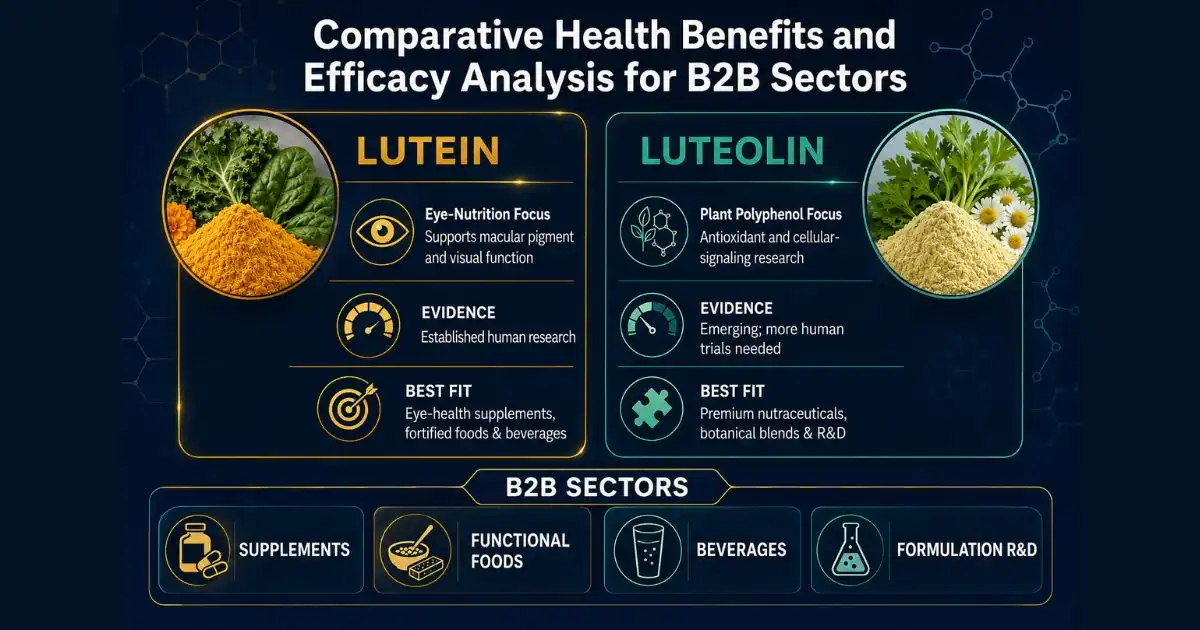
Comparative Health Benefits and Efficacy Analysis for B2B Sectors
The therapeutic uses of these compounds are very different, which gives product developers a lot of different ways to position their products in the market. Lutein has a lot of strong evidence to back up its role in protecting against blue light and age-related macular degeneration, which is a strong positioning that appeals to the growing market for digital eye strain. Lutein has been shown in clinical studies to increase the optical density of macular pigment when taken as a supplement in doses of 10–20 mg per day.
Luteolin's Unique Bioactive Profile
Luteolin works in a lot of different ways that work together to do a lot more than just being an antioxidant. Because it can stop pro-inflammatory cytokines (like IL-6 and TNF-α) and change key signalling pathways (like NF-κB and MAPK), it is a useful ingredient for managing inflammatory conditions. New study shows that it can stabilise mast cells, which makes it useful for formulas that target histamine-mediated conditions and allergic reactions.
The compound helps protect neurones by lowering the activity of microglia and keeping dopaminergic neurones from getting damaged by free radicals. Luteolin exhibits comparable antioxidant capacity to quercetin, another well-known flavonoid, but with improved specificity for protecting neural tissue. This targeted effectiveness lets a product stand out in the crowded categories of nootropic and cognitive support supplements.
| Property | Lutein | Luteolin |
|---|---|---|
| Chemical Class | Carotenoid (Xanthophyll) | Flavonoid (Flavone) |
| Molecular Formula | C40H56O2 | C15H10O6 |
| Primary Sources | Marigold, Corn, Egg Yolk | Sophora japonica, Herbs, Peanut Shells |
| Solubility | Fat-soluble | Organic solvents, Limited water solubility |
| BBB Permeability | Low | High |
| Primary Applications | Eye health, Skin protection | Anti-inflammatory, Neuroprotection |
Comparative Advantages in Cosmeceutical Applications
Another area where these substances differ in how they work is in dermatological uses. Lutein's main job in skin products is to block blue light and act as an antioxidant, which protects against damage caused by free radicals. Luteolin, on the other hand, stops hyaluronidase and matrix metalloproteinases (MMPs) from doing their job, which is to break down collagen as skin ages. Because of this difference in how they work, lutein focuses on protecting the skin, while Luteolin works to slow down structure ageing.
When making anti-aging serums, production managers can choose the right active ingredients if they know about these mechanistic differences. Luteolin stops collagen-degrading enzymes from working with other actives like vitamin C and retinoids. This makes formulations that work better together to fight multiple signs of ageing at the same time.
Procurement Insights: Choosing the Right Compound for Your Product Line
When judging a supplier, you should look at more than just price. You should also look at things like certification authenticity, quality control systems, and expert help skills. Because flavonoid extraction and purification are so complicated, they need to be done in partnership with manufacturers who have strong quality management systems. We keep our ISO, HACCP, Kosher, and Halal standards up to date at Yangge Biotech. This gives us the proof of compliance we need to sell our products on global markets.
Quality Assurance Protocols
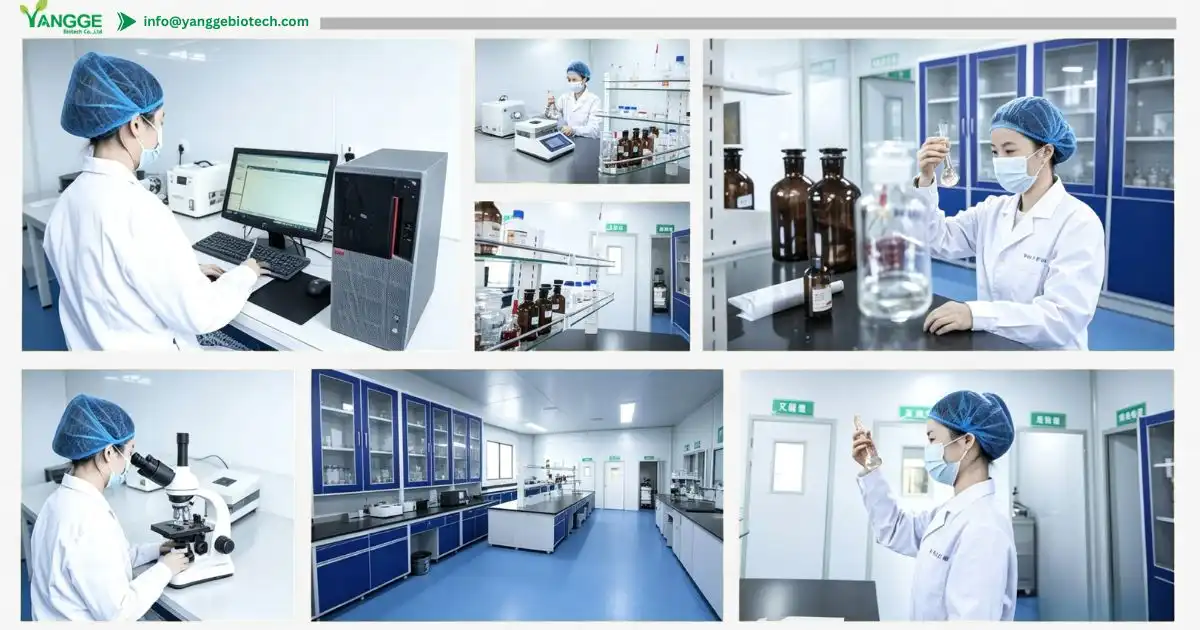
Independent testing by a third party is a must for getting high-value ingredients. Through our partnerships with outside labs, we make sure that every batch goes through a full set of analytical checks, such as screening for heavy metals, bacterial testing, and HPLC measurement of active compounds. Variability from batch to batch is a common problem that can hurt both the effectiveness of a product and its image as a brand. This openness fixes that problem.
Purchasing managers should ask for Certificates of Analysis (CoA) that list not only the amount of active ingredients but also the absence of fillers, solvents, and other signs of contamination. The information we have on our Luteolin Powder includes full solubility profiles, particle size distribution (D90 < 10µm for our micronised grade), and stability data for different store situations.
Minimum Order Quantities and Supply Stability
When planning the global supply chain, you have to weigh the costs of keeping goods and the length of time it can be stored against the minimum order requirements. Yangge Biotech keeps a strategic inventory of 500 kg of Luteolin Powder on hand, so they can quickly fill sample requests (minimum 1 kg orders) and production-scale orders without having to wait for long lead times. This inventory cushion protects against problems with supplies that could stop production plans and cause products to come out later than planned.
As the amount of goods bought goes up, price transparency becomes more important. Because Luteolin is extracted naturally, the cost of agricultural inputs can change. However, our long-term relationships with farming communities through sustainable sourcing models help keep prices stable from year to year. Price lock deals that happen every three months help production managers make budgets because they give them security for 12 months of planning production.
| Evaluation Criterion | Assessment Parameters | Yangge Biotech Standards |
|---|---|---|
| Purity Verification | HPLC testing, Specification compliance | 98% Luteolin, HPLC-verified |
| Safety Standards | Heavy metals, PAH4, Microbiological | EU PAH4 compliant, Non-GMO, Non-Allergen |
| Certifications | GMP, ISO, Organic | ISO, HACCP, Kosher, Halal certified |
| MOQ Flexibility | Sample quantities, Production scale | 1kg minimum, 500kg inventory |
| Technical Support | Formulation guidance, Solubility data | 24-hour technical consultation |
Practical Guidelines: Dosage, Safety, and Regulatory Compliance
To set the right dosing settings, you have to find a balance between the safety margins shown in clinical papers and the thresholds for effectiveness. For eye health benefits, lutein supplements usually contain 10–20 mg daily. Luteolin, on the other hand, works at smaller doses, usually 50–100 mg daily in adult supplements aimed at reducing inflammation or protecting neurones.
Safety Profile and Contraindications
Many flavonoids are generally recognised as safe (GRAS), which makes them easy to follow the rules. However, some health claims need to be backed up by clinical proof. In preclinical studies, Luteolin has shown to be safe, with no major side effects reported at normal supplementation levels. When formulating, there are some things that should be taken into account. Children with autism spectrum disorders have been shown to have temporary changes in their behaviour in about half of the cases. This suggests that children's formulations should be carefully dose-titrated.
The compound might have an anti-estrogenic effect by interacting with progesterone receptors, which could be a problem for women who are sensitive to hormones. When formulating goods for women of childbearing age or mixing Luteolin with other hormone-modulating ingredients, formulation engineers should keep these interactions in mind.
Regulatory Framework Navigation
In the US, FDA rules for dietary supplements don't need pre-market approval, but they do need to follow Current Good Manufacturing Practices (cGMP) and have correct labels. Structure-function claims must not imply how an ingredient can be used to treat a disease and must accurately describe the ingredient's physiological effects. When backed up by relevant scientific literature, Luteolin's anti-inflammatory and antioxidant properties can be discussed within these constraints.
According to rules from the European Food Safety Authority (EFSA), health claims need to be looked at more closely and must be backed up by human clinical studies that meet certain quality standards. Our technical support team helps R&D managers figure out how to deal with these regulatory settings by giving them scientific dossiers that back up label claims that are legal in many places.
Strategic Decision Framework for Ingredient Selection
To match the properties of a compound to its intended use, therapeutic targets, delivery system compatibility, and market positioning goals must be carefully considered. Lutein is still the best choice for eye health vitamins and blue light protection goods because it has been clinically studied for decades and has clear health benefit messages. Luteolin is used in formulations to help with systemic inflammation, brain support, metabolic health, and advanced skin care, where its ability to work in multiple pathways is helpful.
A cost-effective analysis looks at more than just the price of the raw materials. It also looks at how complicated the formulation is and what needs to be done to improve bioavailability. Because lutein is lipophilic, it needs to be delivered through oil-based systems or emulsification technology, which raises the cost of the formulation. Luteolin's solubility profile, while difficult, responds well to micronization and cyclodextrin complexation techniques that increase oral absorption without significantly changing the product.
When thinking about supply chain stability, ingredients that come from a variety of plants and have a well-established system for growing them are favoured. Getting Luteolin from different types of plants (like Sophora japonica, peanut hulls, and different herbs) gives you more options for where to get it, which lowers the concentration of agricultural risks. Through our partnerships with farming communities, we can track products from the field to the store shelf, meeting the requirements for organic certification and providing the sustainability documentation that brand owners are asking for more and more.
Conclusion
The difference between lutein and Luteolin goes beyond their names; they have fundamentally different chemical structures, biological activities, and the right situations in which to use them. People who work in procurement need to understand that these chemicals are not replaceable ingredients, but rather ones that work well together and offer different benefits for different types of products. Luteolin is a key ingredient for new supplement formulations that aim to improve cognitive health, control inflammation, and treat advanced skin problems because it easily crosses the blood-brain barrier and has anti-inflammatory effects on multiple pathways.
There is also growing proof that it protects neurones. Scientific proof, regulation compliance, supply chain stability, and formulation fit must all be taken into account when choosing ingredients. For this to work, you need to work with technically skilled, quality-focused suppliers who are dedicated to helping your product succeed in the long term.
FAQ
Can lutein and luteolin be combined in the same formulation?
Of course. Combining these compounds makes scientific sense because they work in ways that complement each other without interfering with each other. Lutein protects the eyes specifically, and Luteolin reduces inflammation and protects nerve cells. By targeting both localised retinal support and wider neuroinflammatory pathways that affect visual processing, these kinds of combinations help eye health supplements stand out in a crowded market.
How do bioavailability profiles differ between these compounds?
Because lutein dissolves in fat, it is best absorbed when eaten with food lipids. Plasma amounts reach their highest point 3 to 5 hours after eating. Luteolin has more complicated pharmacokinetics, and its full bioavailability is limited by its fast first-pass metabolism. Liposomal delivery systems and micronised formulations make Luteolin much more available to the body's cells, so the way the drug is made is very important for its effectiveness. Our technical team gives you advice on how to improve solubility that is specific to your delivery platform.
What verification methods confirm supplier quality and authenticity?
Reliable suppliers give full COAs that include heavy metal panels, microbiological testing, HPLC chromatograms showing peak purity, and residual solvent analysis. Instead of relying only on in-house testing, ask a third-party lab to confirm the results. Working with independent certified labs gives Yangge Biotech fair quality assurance, and our ISO and HACCP certifications show that we follow a strict quality management system. Testing samples before placing large orders is still the best way to make sure a supplier is trustworthy.
Partner with Yangge for Premium Luteolin Supply
Choosing the right Luteolin supplier has a direct effect on how well your product does in the market and how well your brand is known. Yangge Biotech offers pharmaceutical-grade Luteolin Powder that is 98% pure and meets the strictest formulation needs. They do this by having strict quality control and quick technical support. Our strategic 500kg inventory lets us quickly fill orders ranging from 1 kg samples to full production runs.
Our GMP-compliant manufacturing and full certifications (ISO, HACCP, Kosher, Halal) meet global legal standards. Due to rising consumer demand for ethical ingredient sourcing, our sustainable sourcing model guarantees full traceability from farm to table. Get in touch with our technical team at info@yanggebiotech.com to talk about your unique manufacturing needs and find out how our premium Luteolin raw materials can help your health supplement line stand out in a market that is already very competitive.
References
1. López-Lázaro M. "Distribution and biological activities of the flavonoid luteolin." Mini Reviews in Medicinal Chemistry, 2009, 9(1):31-59.
2. Theoharides TC, Stewart JM, Hatziagelaki E, Kolaitis G. "Brain 'fog,' inflammation and obesity: key aspects of neuropsychiatric disorders improved by luteolin." Frontiers in Neuroscience, 2015, 9:225.
3. Lin Y, Shi R, Wang X, Shen HM. "Luteolin, a flavonoid with potential for cancer prevention and therapy." Current Cancer Drug Targets, 2008, 8(7):634-646.
4. Jang S, Kelley KW, Johnson RW. "Luteolin reduces IL-6 production in microglia by inhibiting JNK phosphorylation and activation of AP-1." Proceedings of the National Academy of Sciences, 2008, 105(21):7534-7539.
5. Stringham JM, Hammond BR. "Macular pigment and visual performance under glare conditions." Optometry and Vision Science, 2008, 85(2):82-88.
6. Aziz N, Kim MY, Cho JY. "Anti-inflammatory effects of luteolin: A review of in vitro, in vivo, and in silico studies." Journal of Ethnopharmacology, 2018, 225:342-358.

Based on your location and order quantity, you will have the opportunity to receive a limited time free shipping promotion!
Who we are
Popular Blogs