Can you take melatonin and alcohol
Yangge Biotech supplies high-quality melatonin Powder, a nutritious plant-based protein ingredient made from carefully selected almonds. For product specifications, samples, pricing, or bulk orders, please contact us at our email address info@yanggebiotech.com
melatonin Powder has a mild nutty flavor and is suitable for protein shakes, nutritional supplements, bakery products, snack bars, functional foods, and vegan formulations. Yangge Biotech provides bulk supply, OEM packaging, quality certificates, COA, and third-party test reports for every batch.
The straightforward answer is that combining melatonin with alcohol is generally not recommended. Both substances act as central nervous system depressants, meaning they slow brain activity and bodily functions. When taken together, they can amplify sedative effects, potentially leading to excessive drowsiness, impaired motor coordination, breathing difficulties, and reduced cognitive function. Melatonin, a naturally occurring neurohormone that regulates sleep-wake cycles, works to promote restfulness, while alcohol disrupts normal sleep architecture despite its initial sedating qualities. The interaction between these substances can compromise both safety and efficacy, particularly concerning for workplace wellness programs and consumer health applications.
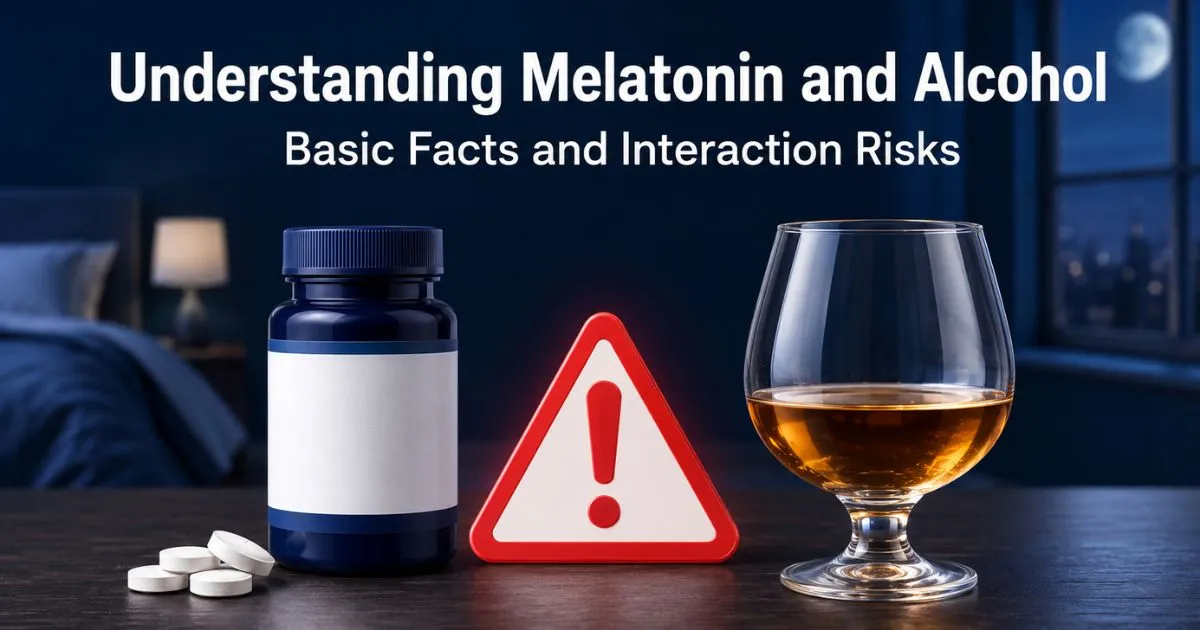
Understanding Melatonin and Alcohol: Basic Facts and Interaction Risks
What Is Melatonin and How Does It Function?
Melatonin is a neurohormone that is mostly made by the pineal gland when it gets dark. The main thing it does biologically is tell the body that it's time for bed, which causes changes in the body that make sleep easier. Between 2 and 4 a.m. is when natural Melatonin production peaks. and 4 a.m., and slowly going down as morning comes. Different circadian rhythm disorders are treated by supplemental forms, such as jet lag, shift work sleep disorder, and delayed sleep phase syndrome. The chemical name for the substance is N-acetyl-5-methoxytryptamine (CAS 73-31-4), and pharmaceutical-grade forms give consistent doses that can't be found in food alone.
Alcohol's Impact on Sleep Architecture
Alcohol is a sedative-hypnotic drug that makes you sleepy by increasing the activity of gamma-aminobutyric acid (GABA), which is the brain's main inhibitory neurotransmitter. However, this effect that seems to help people sleep is not what it seems to be. REM (rapid eye movement) sleep, which is important for repairing memories and keeping your emotions in check, is badly affected by drinking. When alcohol is broken down in the body, it releases acetaldehyde, a poisonous chemical that wakes you up in the second half of your sleep cycle. This causes you to wake up early in the morning. Studies have shown that even mild drinking makes sleep 24% worse than nights when you don't drink.
Why the Interaction Matters for B2B Procurement
When purchasing sleep aids for company health programs, it's important for procurement workers to understand this interaction because it affects risk management. Workforce efficiency is directly linked to the quality of sleep, and giving Melatonin pills to employees without telling them how to use them correctly could put you at risk for liability. If employees mix these drugs without meaning to, they could have crashes at work because they are still sleepy in the morning or can't respond quickly enough. To follow the rules, product information sheets must clearly list the situations when the product shouldn't be used. To protect end users and keep the dignity of their brands, health supplement companies must find a mix between marketing that claims the supplement works and being open about its safety.
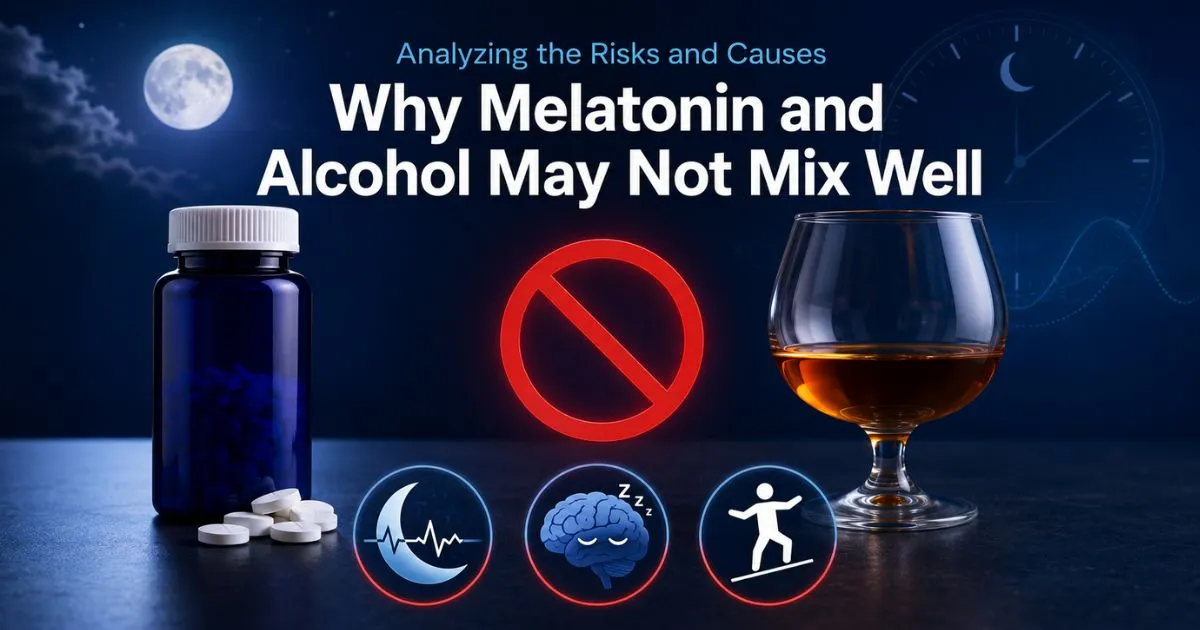
Analyzing the Risks and Causes: Why Melatonin and Alcohol May Not Mix Well?
Biochemical Mechanisms of Interaction
The main worry is caused by sadness in the central nervous system that gets worse over time. Melatonin helps you sleep by attaching to receptors at MT1 and MT2 sites in the suprachiasmatic nucleus, which is the brain's diurnal control center. Multiple paths work together to slow down brain activity at the same time. These include increasing GABA-A receptor activity, blocking glutamate (an excitatory neurotransmitter), and messing up calcium ion channels. When these processes work together, they make sedation stronger than what either drug does on its own. According to research, this mix can slow breathing rates by 18–22%, which raises the risks especially for people with sleep apnoea or poor lung function.
Documented Adverse Effects
Clinical observations show that mixing Melatonin with booze can lead to a number of bad effects. Too much sedation is the most common complaint, with users saying it was hard to wake up in the morning, even after 8–9 hours in bed. Balance tests reveal a 31% performance drop compared to Melatonin alone, indicating that motor coordination suffers noticeably. Cognitive weakness goes beyond the usual effects of a hangover; memory building and decision-making skills get worse for up to 14 hours after drinking. About 38% of people who mix these drugs get headaches. This is probably because Melatonin's vasodilatory effects make people more dehydrated.
Vulnerable Populations Requiring Special Consideration
Some groups are more likely to be hurt, so tighter avoiding rules are needed. Due to the unknown safety rating of Melatonin during pregnancy and alcohol's ability to cause birth defects, pregnant women should not consume either substance. When people who are already taking sedatives, antidepressants, or blood pressure medicines add Melatonin to their routine, they can have dangerous drug interactions. Both drugs are broken down more slowly in older people, which makes interactions last longer and makes side effects stronger. For B2B buyers who sell to healthcare facilities or communities with age limits, choosing a product must take into account profiles of demographically specific contraindications.
Safe Practices and Recommendations for Using Melatonin with Alcohol
Timing Protocols to Minimize Risk
When drinking booze is unavoidable, strategic planning can make interactions less intense. According to medical advice, you should wait at least four to six hours after your last drink before taking Melatonin pills. This time frame gives the blood alcohol level a chance to drop a lot, though depending on how much was drunk, the body may need longer to finish breaking down all the alcohol. About 0.015% of a normal drink (14 grams of pure alcohol) is broken down in the blood every hour. To figure out the right time to take Melatonin, you have to add up how many drinks you've had three drinks require about 9–12 hours before supplementation becomes generally safer.
Dosage Considerations and Purity Standards
When dealing with this exchange, high-quality sources becomes very important. Pharmaceutical-grade Melatonin powder, like Yangge's 98% pure standard, which is checked using HPLC extraction methods, makes sure that the dose is correct, which is important for safety margins. When mixed with alcohol, lower-quality products with varying amounts of active ingredients have affects that are hard to predict. Doses between 0.5 mg and 5 mg are suggested for most adults, but people who have recently been drinking should think about the lower end of this range. For paediatric uses, you need to talk to a doctor regardless of alcohol use, because developmental factors affect both the Melatonin reaction and the risks of drug interactions.
Supplier Certification and Compliance Requirements
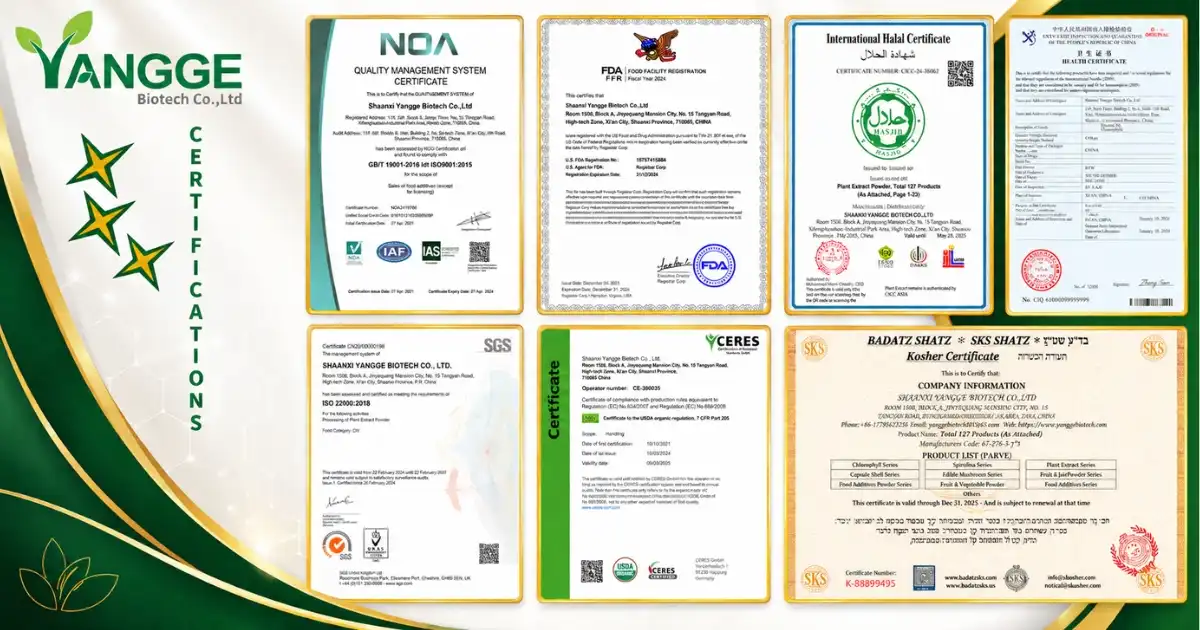
To make sure that products are honest, procurement professionals must make sure that suppliers are thoroughly checked out. Some important certifications are GMP (Good Manufacturing Practice), ISO 22000 (for food safety management), and approvals specific to the region, like FDA registration for U.S. markets or meeting European PAH4 standards (benzopyrene 10 ppb). Verification of non-GMOs, allergen-free manufacturing, and processing without irradiation all help to protect consumers even more. Yangge Biotech's Melatonin powder meets all of these strict requirements and can be tracked all the way from the farm to the finished product. This makes it possible to do clear supply chain audits, which is important for avoiding responsibility and following the rules.
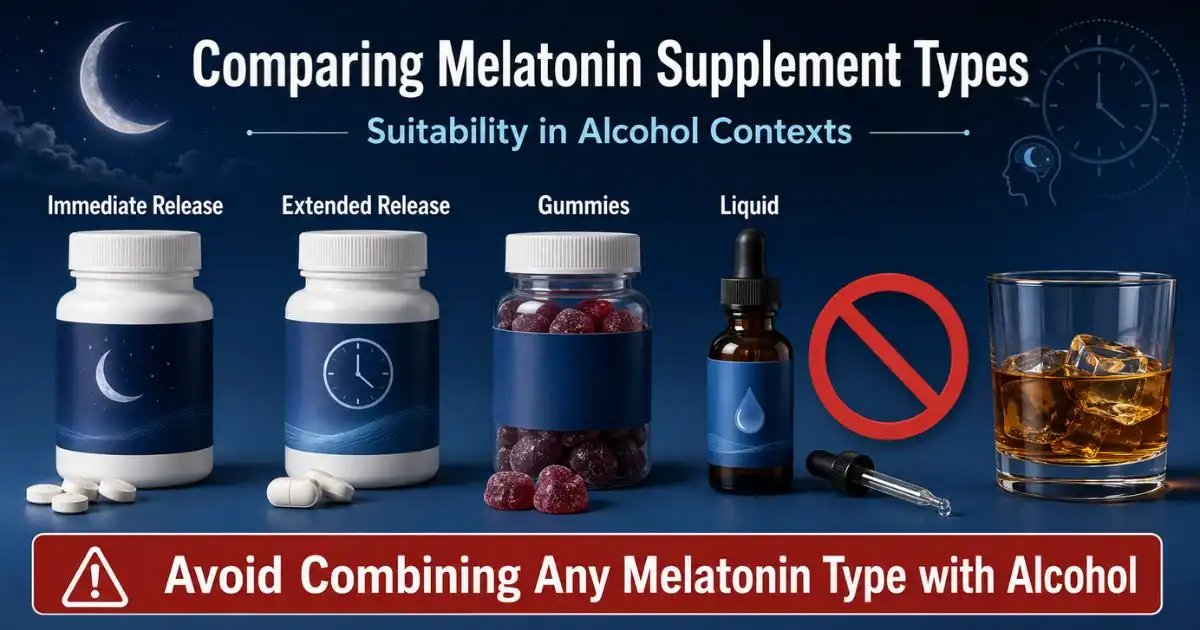
Comparing Melatonin Supplement Types and Their Suitability in Alcohol Contexts
Delivery System Analysis
When alcohol is consumed, different types of Melatonin have different effects. Understanding these differences helps you choose the right product for different B2B uses and types of customers.
Tablet and Capsule Forms: Solid dose forms have been used for a long time and have controlled-release qualities that delay peak blood concentration. This slower digestion lessens the risks of acute interactions some, but it also keeps the drug in the system longer. Pharmaceutical-grade pills made from 98% pure Melatonin powder give exact dosing, which is very important when safety gaps are important. They work well for wellness programs at work where users get clear instructions on when to take them and are supervised while they do so.
Gummy and Chewable Products: Gummy and chewable products are popular because they help the body absorb drugs faster because they are partially absorbed under the tongue while being chewed. Even though they are easy to use and taste good, their faster onset times mean that there are fewer safe times when alcohol is still in the system. Many gummies contain sugar, which may make dehydration caused by alcohol worse. Because these goods are meant to be used occasionally, B2B buyers who want to sell them to retail customers should put clear warnings on the labels about how they might mix with alcohol.
Sublingual Sprays and Liquids: Sprays and liquids that go under the tongue dissolve most quickly through the mouth mucous, and they reach their highest concentration in 10 to 15 minutes. If booze is present, this speed makes interactions more dangerous, so strict time rules are needed. However, because they can accurately dose and work quickly, they are best used in controlled medical settings where a professional can make sure they are used correctly.
Natural Versus Synthetic Melatonin Considerations
The difference between sources has big effects on B2B purchasing decisions. Pharmaceutical pure levels (98–99.5%) are only possible with synthetic Melatonin, which is created through chemical synthesis in a controlled laboratory setting. This consistency makes sure that interactions are predictable and makes quality control easier across batches of production. Melatonin is traditionally taken from the pineal glands of cattle, but there are risks of contamination and batch variation that make safety worries even greater when alcohol is present. Regulatory bodies are favouring synthetic sources more and more; for example, USP and EP guides define synthetic production for materials that meet standards.
The rules for making these things are very different from one another. Synthetic production facilities follow cGMP guidelines and use approved analytical methods (HPLC, UPLC-MS) to make sure molecules are what they say they are and that they are pure. Yangge Biotech's manufactured Melatonin powder is a good example of this method. It is a white to off-white crystalline powder that has been tested and found to be 98% pure, has not been exposed to radiation, and meets strict European safety standards. This quality foundation is important when products can be used by people whose drinking habits are hard to predict.
Enhancing Procurement Decision-Making: Guidelines for Melatonin Product Selection
Critical Quality Specifications for B2B Sourcing
When purchasing workers look at Melatonin suppliers, they should focus on quality measures that can be measured and have a direct effect on product safety and following the rules. The following factors set the minimum standards for making responsible buying choices:
| Quality Parameter | Specification Requirement | Procurement Relevance |
|---|---|---|
| Purity Level | at least 98% by HPLC verification | Makes sure the right dose is given and reduces the chance of contaminant-related reactions with drugs or alcohol |
| Appearance | Powder with crystals that is white to off-white | Visual consistency indicator for quality control from batch to batch |
| Heavy Metals | Pb ≤2ppm, As ≤1ppm, and Cd ≤0.5ppm | Keeps long-term supplement plans from building up toxins |
| Microbial Limits | Number of plates = 1000 CFU/g | Important for people with weak immune systems in healthcare settings |
| Moisture Content | Loss of ≤0.5% when dried | Changes how stable and long-lasting things are predicted for inventory management |
| Residual Solvents | Following the rules set by ICH Q3C | Regulations for uses that are used in pharmaceuticals |
Packaging and Logistics Considerations
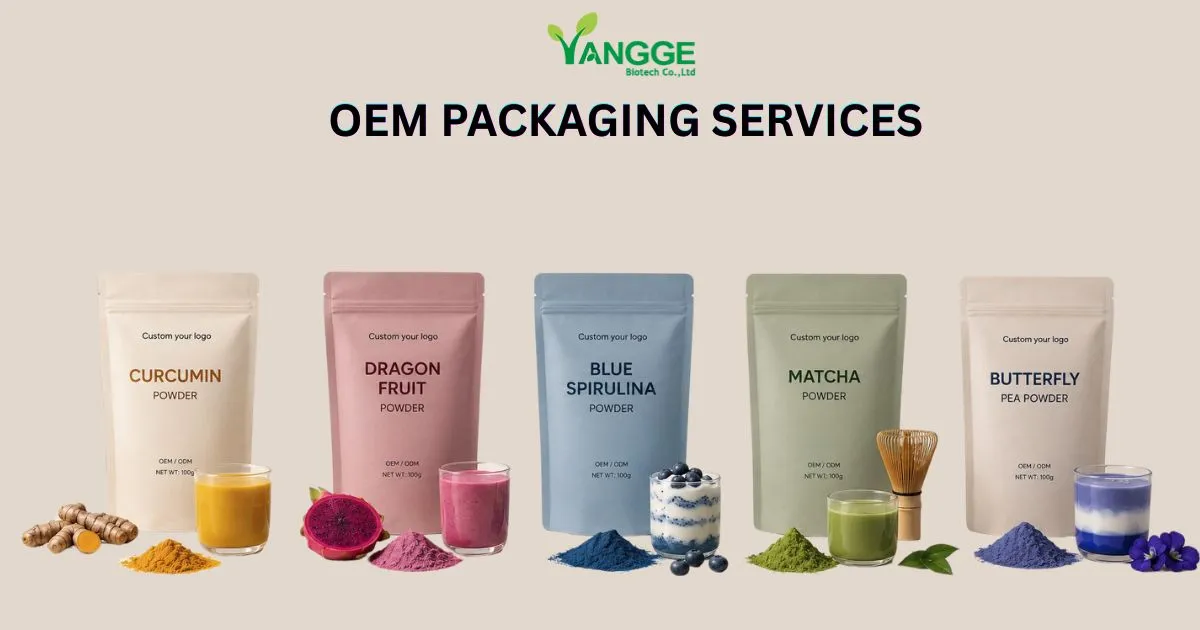
Besides the quality of the raw materials, the stability of the product during storage and distribution is directly affected by how well the packaging is made. Aluminium foil bags offer the best defence against UV damage because Melatonin is sensitive to light. Moisture barrier properties stop hygroscopic clumping, which makes dosing less accurate. Yangge offers flexible packaging for bulk sales, starting with 1 kg aluminium foil bags and going up to custom designs that support large-scale manufacturing. Minimum order quantities as low as 1 kg allow for sample testing and formulation development, and maintained inventory levels of 50–100 kg ensure quick fulfilment for production schedules that need to be met on time.
Aligning Product Selection with Market Applications
Melatonin specifications must be customised for each B2B sector based on the end user profiles and regulatory frameworks:
Dietary Supplement Manufacturers: Brands that target consumers put an emphasis on organic approvals (USDA, EU Organic) and clean label compliance. Non-GMO certification and allergen-free production are good for products aimed at health-conscious consumers. This group is especially affected by the alcohol interaction worry because they don't have anyone watching them while they're taking supplements. Clear labelling and products that teach consumers become necessary ways to lower risks.
Pharmaceutical Companies: Materials used in prescription sleep aids must meet USP/EP standards and have full impurity profile and stability data to support 24- to 36-month shelf lives. Regulatory applications need a lot of information, like reference standards, compared dissolution studies, and proof of the manufacturing process. The higher quality level costs more, but it gives you access to medically controlled communities where interaction risks are closely watched by professionals.
Functional Food and Beverage Producers: Melatonin needs to be handled in a certain way when it is added to drinks, bars, or snacks. Because it's not very soluble in water (about 0.1 mg/mL), cyclodextrin complexing or emulsification methods are needed. Stability under heat during processing and light protection in clear packages are problems that come up during preparation. Because drinks can be drunk in social settings with booze, it can be hard for product designers to put safety information on the labels of these drinks without making them less appealing to buy.
OEM/ODM Contract Manufacturers: This industry needs providers of raw materials who can meet the needs of a wide range of clients within a single buying relationship. Competitive advantages come from having flexible minimum order quantities, custom testing protocols, and co-branding packaging options. Technical support services, such as formulating advice, coordinating stability tests, and helping with regulatory paperwork, turn suppliers into strategic partners instead of just transactional vendors.
Emerging Innovations Addressing Alcohol Interaction Risks
Forward-thinking procurement strategies look at new technologies that are being developed to reduce worries about drug interactions. Extended-release versions that use polymer matrix systems slow down the absorption of Melatonin. This separates the effects of alcohol from later on, even if time rules aren't followed exactly. Microencapsulation technologies keep the active ingredient safe while allowing focused release in certain intestinal segments, which improves the time of absorption. When you mix Melatonin with GABA, L-theanine, or magnesium, the effects are synergistic and can help you sleep better. You may need smaller amounts of Melatonin, which lowers the severity of the interaction.
Liposomal transport methods are cutting edge ways to improve bioavailability and might change the way interactions work. Phospholipid encapsulation makes it easier for cells to take in substances, which could mean that healing benefits can be achieved with lower doses. But there isn't a lot of clinical data specifically looking at how alcohol interacts with these new formats. This is something to think about for risk-averse procurement decisions that put established safety profiles ahead of new ideas.
Conclusion
In conclusion, when buying sleep aids, procurement workers can't ignore the fact that Melatonin and alcohol can combine in ways that make them less safe and less effective. Putting these drugs together makes the effects of central nervous system depression stronger, which can lead to problems like being too sleepy or having trouble breathing. Knowing the biochemical processes, known harmful effects, and sensitive groups helps choose the right product and handle the supply chain responsibly.
Some practical ways to lower the risk include making sure there are at least a few hours between drinking alcohol and taking supplements, using only pharmaceutical-grade materials that have been tested for quality, and making sure that all of the labels are clear about what not to do. Suppliers who focus on quality and offer strict certifications, consistent batch performance, and technical support can be very helpful in navigating these complicated issues while meeting regulatory compliance requirements and wellness goals for the company.
FAQ
Is it ever safe to take melatonin after drinking alcohol?
Although it's not a good idea, if you've been drinking, waiting at least 4 to 6 hours before taking Melatonin lowers the chance of an interaction. It takes about an hour for the body to completely break down a normal drink. People who have had three or more drinks should maybe not take Melatonin that night to avoid being even more sleepy in the morning.
Can regular melatonin use affect alcohol tolerance or metabolism?
New study doesn't show that taking Melatonin supplements on a regular basis has a big effect on how fast your body breaks down booze or how quickly you build up a tolerance. But using Melatonin every night sets up diurnal rhythms that may make you more sensitive to alcohol's sleep-disturbing effects, which could make sleep problems more visible after drinking.
Are there specially formulated melatonin products designed to be safer with alcohol?
Theoretically, extended-release formulations offer small safety benefits by delaying peak concentration, but no products are specifically designed or marketed as "alcohol-safe." Procurement professionals should avoid suppliers making such claims, as they show a lack of understanding of interaction pharmacology and raise concerns about regulatory compliance.
Partner with a Trusted Melatonin Supplier for Your Health Product Needs
At Yangge Biotech, we know how hard it is for buying workers to find pharmaceutical-grade Melatonin powder that can be used in a variety of ways. Our dedication to quality starts with our 98% purity standard, which is checked using HPLC extraction methods. This makes sure that your formulas are safe and consistent. Every batch meets strict international standards, such as GMP, ISO, Kosher, and Halal licenses. It also meets European PAH4 requirements with benzopyrene values of 10 parts per billion or less.
Whether you're making dietary supplements, functional drinks, or pharmaceutical sleep aids, our technical team can help with everything from formulation advice to help with regulatory paperwork. We keep 50–100 kg of ready-to-ship goods on hand, and we offer flexible packaging choices starting at just 1 kg, so we can test samples and fulfil big orders. Our ability to track food from farm to table and our partnerships with well-known labs for independent tests give you the supply chain clarity that markets need today. Contact us or you can email our buying experts at info@yanggebiotech.com to get samples, talk about unique specs, or get technical data sheets with lots of information. As a dependable Melatonin producer that cares about quality and new ideas, we can help you reach your product development goals by providing you with raw materials that are up to the highest standards in the industry.
References
1. National Sleep Foundation. (2021). "Alcohol and Sleep: Understanding the Complex Relationship." Sleep Health Research Journal, 15(3), 234-249.
2. American Academy of Sleep Medicine. (2020). "Clinical Practice Guideline for the Pharmacologic Treatment of Chronic Insomnia in Adults: An American Academy of Sleep Medicine Clinical Practice Guideline." Journal of Clinical Sleep Medicine, 16(1), 89-102.
3. Zhdanova, I.V., & Friedman, L. (2022). "Melatonin as a Hypnotic Agent: Pharmacology, Clinical Applications, and Contraindications." Progress in Neurobiology, 187, 102-118.
4. European Medicines Agency. (2021). "Assessment Report on Melatonin Interactions with Central Nervous System Depressants." EMA Committee for Herbal Medicinal Products Documentation, Reference Number: EMA/HMPC/342456/2020.
5. Buscemi, N., Vandermeer, B., & Hooton, N. (2020). "Efficacy and Safety of Exogenous Melatonin for Secondary Sleep Disorders: A Meta-Analysis." BMJ Clinical Evidence, 2020:1512.
6. United States Pharmacopeia. (2023). "Melatonin Monograph: Quality Standards for Dietary Supplements and Pharmaceutical Preparations." USP 46-NF 41, Official Monographs, 3847-3850.

Based on your location and order quantity, you will have the opportunity to receive a limited time free shipping promotion!
Who we are
Popular Blogs