Carbon Black E153 vs Synthetic Black Color: Which Is Better?
Yangge Biotech supplies high-quality Carbon Black E153 Powder manufactured under strict quality management systems to meet international food and industrial standards. Produced from carefully selected carbon sources and processed using advanced purification technology, our Carbon Black E153 Powder delivers excellent coloring performance, consistent particle size, outstanding stability, and reliable batch-to-batch quality. It is widely used in food, dietary supplements, pharmaceuticals, cosmetics, and industrial applications. Every production batch undergoes comprehensive laboratory analysis and third-party testing to ensure safety, purity, consistency, and compliance with customer specifications you mau contact us or email at info@yanggebiotech.com.
When choosing between Vegetable Carbon Black E153 and synthetic black colorants, the answer depends heavily on your regulatory landscape and product positioning. For food manufacturers targeting EU markets or seeking clean-label credentials, Vegetable Carbon Black E153 stands out as the superior option. Derived from natural carbonization of plant materials like coconut shells, it meets strict E-number regulations while satisfying consumer demand for recognizable ingredients.
In contrast, synthetic blacks often blends of artificial azo dyes face mounting scrutiny and limited approval pathways in food applications. While synthetic options may offer cost advantages in non-food industrial uses, E153 delivers unmatched blackness intensity, heat stability, and clean-label compliance for brands prioritizing transparency and regulatory confidence.
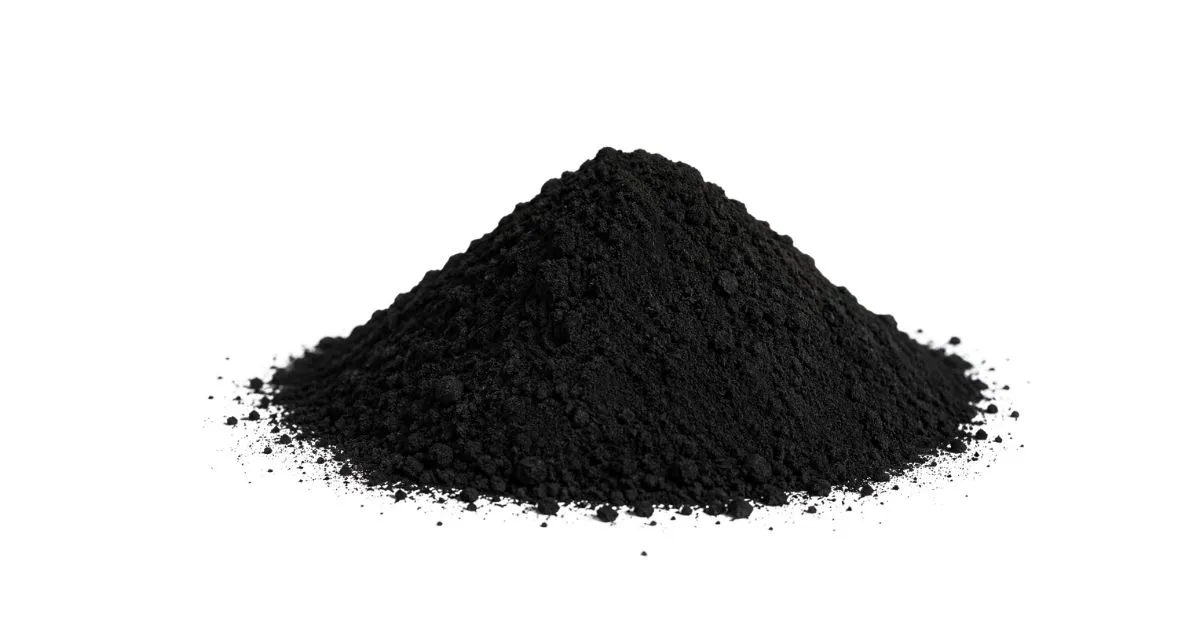
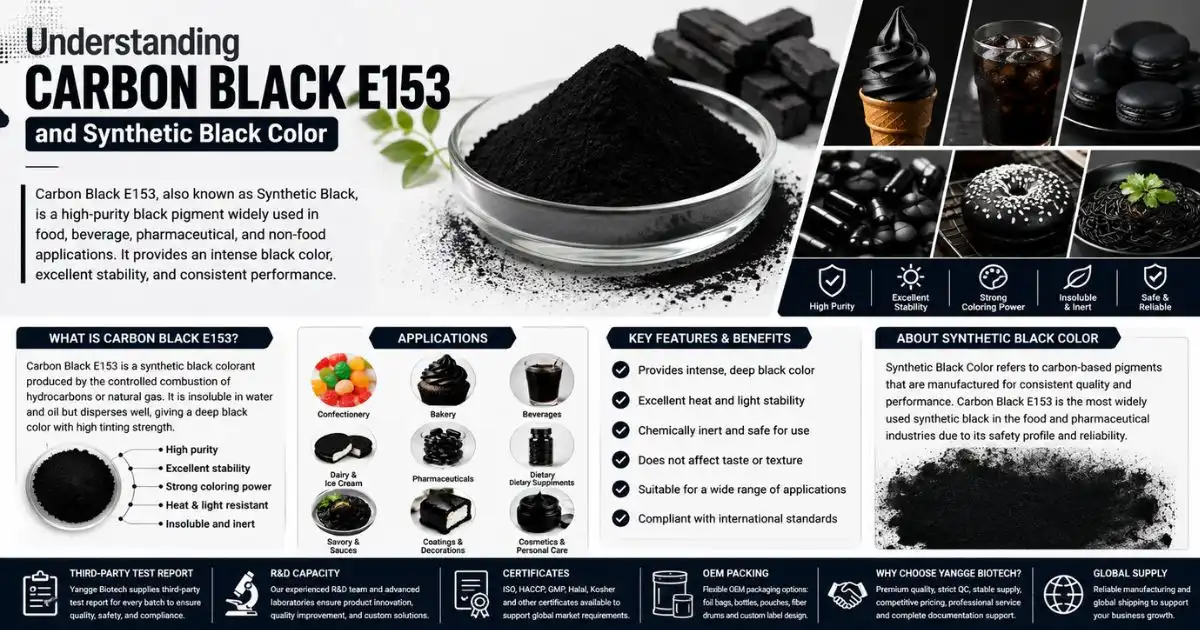
Understanding Carbon Black E153 and Synthetic Black Color
To get around in the world of black pigments, you need to know how these materials are fundamentally different in where they come from, how they are made, and what they are meant to do. Vegetable Carbon Black E153 is a type of natural pigment that is made through controlled carbonization, a thermal decomposition process in which plant-based materials like coconut shells, wood, or bamboo are heated in places with little oxygen.
This changes the structure of cellulose into almost pure carbon with a microcrystalline shape. The powder that is made is very opaque, doesn't react with other chemicals, and has the globally known INS number E153, which means it is an allowed food additive in many places, such as the EU and Canada.
Synthetic black colorants, on the other hand, are a wide range of colors and dyes that are made chemically. Some of these are carbon blacks made by burning petroleum fuel, azo dyes made from coal tar like Brilliant Black PN (E151), and mixed lake pigments that make black by mixing several man-made colors. Petroleum-based carbon blacks and E153 both have structures that are mostly made up of atomic carbon, but they are made in very different ways and have very different purity profiles. When synthetic blacks are made for industrial uses, they often have higher amounts of heavy metals, polycyclic aromatic hydrocarbons (PAHs), and processing leftovers that make them unsafe for use with food.
Manufacturing Methodologies and Purity Standards
Facilities like Yangge Biotech follow strict rules that are in line with EU Commission Regulation 231/2012 and JECFA specifications when they make Vegetable Carbon Black E153. Raw coconut shells are heated to controlled temperatures and then ground into tiny particles smaller than 5 micrometers. This is an important step for making sure that the particles are evenly distributed in food mixtures. Post-processing quality control checks that the carbon content is higher than 95% on an anhydrous basis and does strict tests for contaminants like arsenic (< 3 mg/kg), lead (< 2 mg/kg), mercury (< 1 mg/kg), and PAHs (Benzo[a]pyrene < 50 µg/kg).
Making synthetic black is very different based on what it will be used for. Instead of being food-grade pure, industrial carbon blacks made in furnaces focus on other qualities, like their ability to strengthen rubber or their ability to conduct electricity. When manufactured dyes are used as food colorants, they have to go through a lot of toxicity testing. However, many of them have problems staying stable when heated or when they are acidic, which makes them less useful in demanding situations like bakery goods or candy systems.
Industrial Applications Across Sectors
Both groups of pigments are used in different types of industries. Vegetable Carbon Black E153 is most popular in situations where natural sources and governmental approval are both required:
- Confectionery Manufacturing: E153 is used to make deep black colors for licorice, hard candies, and Halloween-themed treats without changing the taste.
- Bakery Innovations: E153 is used in charcoal burger buns, pizza crusts, and artisan breads to keep their color when baked at temperatures above 180°C.
- Pet Food Production: E153 is added to black kibble recipes for special dog and cat foods to make them stand out visually and show that they contain activated charcoal.
Synthetic blacks are used in industries other than food, like paints, plastics, and coatings, where cost savings are more important than claims of natural origin. But in key markets, their use in food is still limited or banned, which creates sourcing risks for companies that sell their products around the world.
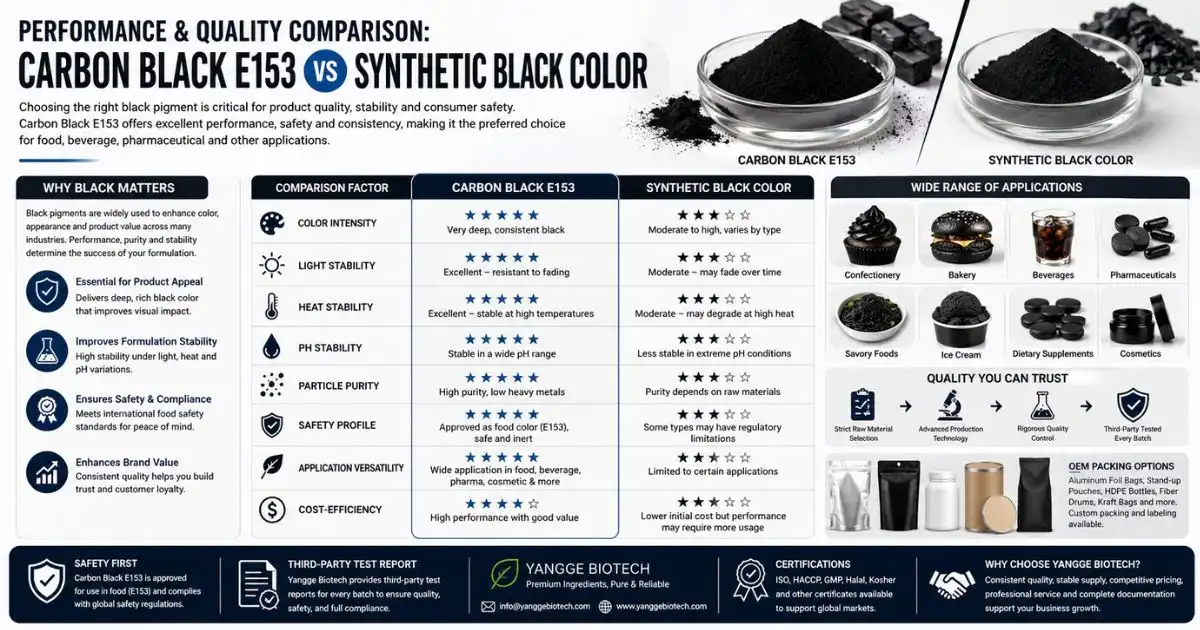
Performance and Quality Comparison: Carbon Black E153 vs Synthetic Black Color
When purchasing managers look at black pigments, they have to balance success numbers with rules about following the rules and being environmentally friendly. This study shows why Vegetable Carbon Black E153 always works better than synthetic options in food-grade settings.
Color Strength and Particle Characteristics
Vegetable Carbon Black E153 has great tinctorial strength, which means it can add deep black colors with low inclusion rates. Doses usually fall between 0.1% and 0.5% by weight, which creates levels of opacity that hide differences in the substrate and the colors of the ingredients underneath. Its micronized particle distribution (mean diameter 3-5 µm) ensures uniform dispersion when mixed with hydrophilic carriers like glycerin or propylene glycol. This solves a common problem where finished products have visible specks or streaks due to poor dispersibility.
For industrial uses, synthetic carbon blacks usually have bigger particles (10–50 µm) that settle quickly in liquids and don't mix well with thick substances. Synthetic azo dyes are easy to dissolve, but they have problems with migration, which means they leak through packaging or leach out during storage, which makes the product look bad and makes it less stable on the shelf.
Thermal and Chemical Stability
Food-grade candidates are different from pretenders because they can handle heat. Chemically, Vegetable Carbon Black E153 stays stable through extrusion processes, 121°C retort sterilization cycles, and baking schedules that get close to 200°C. Its artificial carbon structure doesn't oxidize, so the black color stays the same over the product's shelf life, even if it's exposed to UV light or the pH level changes (pH 2–10). This steadiness is very important for things like:
- HTST-Processed Beverages: For drinks that are processed at high temperatures for short periods of time, E153 keeps the color consistent while manufactured dyes break down.
- Acidic Confections: Sour sweets and treats with citrus flavors keep their color without fading or shifting.
Different synthetic blacks have different levels of stability. Azo dyes give off bright colors at first, but they break down in heat or light, creating off-tastes and safety issues linked to breakdown products. Industrial carbon blacks are heat-stable, but they can contaminate food with PAHs, so they can't be used in food.
Regulatory Certifications and Safety Profiles
The regulatory environment makes these choices very different from each other. Vegetable Carbon Black E153 has permissions for the following:
- EU: Approved under the E153 name for most types of food with Quantum Satis usage levels.
- Canada: It can be used as vegetable carbon in certain situations.
- Halal and Kosher Certifications: Using plants that come from religiously approved sources is in line with food rules, which opens up more markets.
Importantly, E153 made by licensed companies like Yangge Biotech goes through third-party lab validation for every batch, making sure it meets international safety standards. Certificates of Analysis (CoA) show things like PAH panels, heavy metal screens, and microbiological clearances. These are very important pieces of paper for B2B buying checks.
Synthetic blacks have a confusing legal position. Some manufactured colors are allowed to be used in certain places, but many are either outright banned or have limited uses lists. Notably, the U.S. Food and Drug Administration (FDA) does not allow E153 as a color additive. This means that different versions are needed for American markets, which is a problem that vegetable carbon avoids in areas where it is allowed to do so.
| Parameter | Vegetable Carbon Black E153 | Synthetic Black Colorants |
|---|---|---|
| Origin | Plant-based (like bamboo and coconut shell) | Petroleum and coal tar products |
| Particle Size | 3-5 µm (small particles) | 10 to 50 µm (changeable) |
| Heat Stability | Strong enough to withstand 200°C+ | Changeable (dyes break down at 100–150°C) |
| PAH Content | about 50 µg/kg of benzo[a]pyrene | Often high (>200 µg/kg for industrial grades) |
| EU Food Approval | Yes (E153) | Limited (only certain colors) |
| Clean-Label Compatible | Yes | No |
Sustainability and Environmental Impact
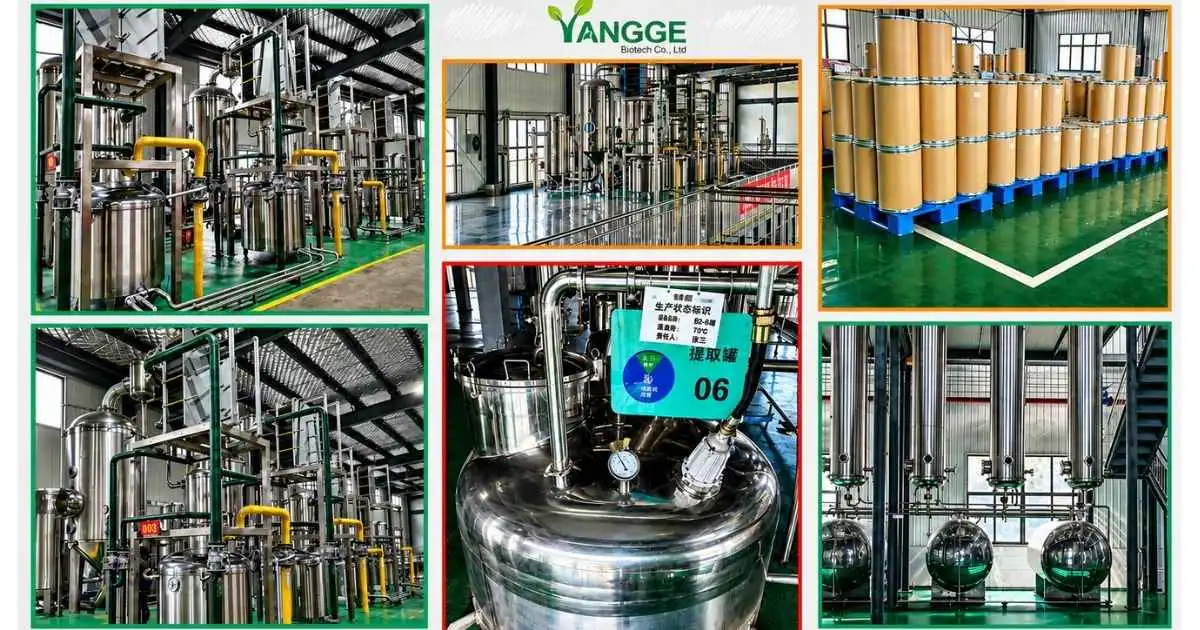
Sustainability qualities are becoming more and more important in purchasing decisions. Vegetable Carbon Black E153 is made from coconut shells, which are a renewable agricultural byproduct that would otherwise end up in the trash. They are turned into high-value pigments through energy-efficient carbonization. Yangge Biotech uses renewable energy sources in its production process, which makes it possible for carbon-neutral production cycles and full traceability from farm to table that meets ESG reporting requirements for businesses.
To make synthetic black, fossil fuels are used as raw materials. This creates greenhouse gases and industrial waste that needs expensive cleanup. Some companies that make manufactured chemicals try to make them more environmentally friendly, but the fact that they are largely based on petroleum makes sustainability claims less credible when compared to plant-based options.
Procurement Considerations for Carbon Black E153 and Synthetic Black Color
To get reliable supplies of black pigments, you need to carefully evaluate suppliers and plan how to reduce risks. This part gives buying teams useful tools for handling the Carbon Black E153 sourcing scene and knowing when synthetic alternatives might work in real-world non-food situations.
Supplier Verification and Certification Validation
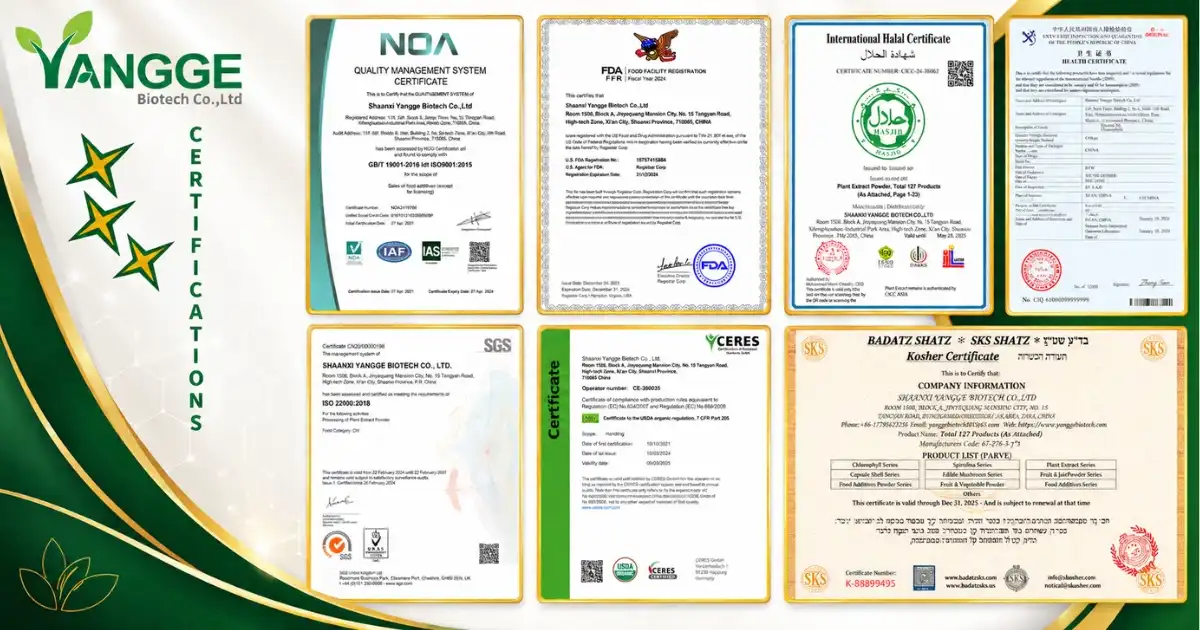
Checking for certifications is the first step in finding reliable Vegetable Carbon Black E153 providers. The most important proof points are:
- Manufacturing Standards: Certifications in ISO 9001 quality management, HACCP food safety routines, and GMP compliance show that operations are run with discipline.
- Religious Certifications: Halal and Kosher approvals, which are given by well-known regulating groups, show that an ingredient is safe for a wide range of consumers.
- Third-Party Testing: Suppliers who offer batch-specific COAs from approved labs (SGS, Intertek, Eurofins) make it easy to see the profiles of contaminants and make sure that the specifications are met.
Yangge Biotech is a good example of this strict certification process because it has Kosher approval in addition to HACCP and ISO qualifications. Each E153 shipment comes with detailed paperwork that shows where the raw materials came from (coconut shell-sourcing regions), when they were made, and the results of any analytical tests that were done. This makes the buying process more transparent, which lowers the risk of mistakes, and speeds up the regulatory submission process for new products.
The quality landscapes of synthetic black suppliers are more varied. Some companies that sell industrial carbon black may not have any food-grade licenses at all, and the companies that sell synthetic dyes have very different levels of analysis skills and regulatory knowledge. Procurement teams need to do more research before buying things. They should ask for thorough impurity studies and proof of legal status for target markets.
Pricing Structures and Minimum Order Quantities
A cost study shows complex trade-offs. Vegetable Carbon Black E153 usually costs more than other carbon blacks—$15 to $30 per kilogram for food-grade material because it has to go through strict cleaning processes and get certified. But because it has a higher tinctorial strength, it is used at lower rates (0.1 to 0.5%) than synthetic options that are weaker and need 1-2% inclusion, which helps to balance out unit price differences.
Minimum order amounts (MOQ) affect how you plan your cash flow. Yangge and other well-known E153 makers keep a lot of stock on hand and offer MOQs as low as 1 ton with flexible shipping terms (FOB/CIF). Some specialty synthetic suppliers have minimum order quantities of 5–10 tons, which makes it hard for mid-sized manufacturers to keep their working capital up.
Lead Times and Supply Chain Reliability
Predictable wait times are needed to plan production. Yangge Biotech keeps a steady supply of Vegetable Carbon Black E153; there are currently 5 tons of Kosher/USP grade material ready to be sent out right away. Standard lead times are two to three weeks for items that are in stock and four to six weeks for custom specifications like changing the particle size or the carrier pre-blends.
Different dates are used for getting synthetic black. Commodity industrial carbon blacks can be shipped quickly, but they need to go through a lot of tests before they can be used in food. Supply problems for synthetic dyes could happen because of unstable petrochemical material or steps taken by regulators against makers who don't follow the rules.
Logistics streamlining sets providers apart even more. Yangge's shipping options are flexible, allowing them to combine sea freight, offer air express for urgent needs, and coordinate door-to-door delivery, which makes international purchasing easier. This service infrastructure is especially helpful for buyers in North America and Southeast Asia who have to deal with complicated customs procedures and cold chain rules for co-shipments that need to be kept at a certain temperature.
Making the Right Choice: Which Black Pigment Suits Your Business Needs?
The choice of pigment must be in line with how the product is positioned, the rules that apply, and the limitations of the manufacturing process. This part boils down the choice criteria into practical advice that can be used in common buying situations. Vegetable Carbon Black E153 is the best in this area because it stays stable at high temperatures and lines up perfectly with labels.
Application-Specific Selection Criteria
Confectionery and Bakery Applications: Companies that make popular foods like charcoal-activated ice cream, black cookies, and Halloween candy assortments need pigments that don't change color when they are baked or frozen. Because E153 is inert, it doesn't react with acidic fruit sauces or high-fat ganaches. This keeps the consistency of the recipe over long shelf lives (12 to 18 months).
Pet Food Formulations: The growing market for premium pet food is becoming more and more like the market for human food, using activated charcoal to make health claims about digestive health. E153 meets pet food safety standards and gives black kibble variants the visual difference they need. Because it doesn't dissolve, it doesn't stain cat bowls or storage cases, which is a problem that people have with synthetic colors that leak.
Beverage Systems: Ready-to-drink coffee and carbonated soft drinks have their own problems. E153 stays stable in acidic pH settings, but because it doesn't dissolve, it needs special mixing methods (high-shear mixing, stabilizer mixes) to stay in suspension. It might seem easier to use synthetic water-soluble blacks, but they come with extra rules and regulations, and people might not like the fake ingredients that are mentioned on the labels.
Regulatory Environment Mapping
Geographic market targets tell us what options are good. The following table shows approved areas more clearly:
| Region | Vegetable Carbon Black E153 | Synthetic Black Dyes | Strategic Recommendation |
|---|---|---|---|
| European Union | OK'd (E153, Quantum Satis) | Few approvals (E151, E152) | E153 preferred for clean-label placement |
| Canada | Okay (vegetable carbon) | Certain colors are okay | E153 viable for natural claims |
| United States | Not okay for food by the FDA | Some man-made dyes that are okay | Needs Different Formulation Strategies |
| Southeast Asia | Approved (meets Codex requirements) | Depending on the country | E153 is suggested for multi-country distribution |
If E153 doesn't work, companies that sell in the U.S. will have to switch to fruit and veggie juice extracts or caramel colors. Instead, brands that focus on the EU get a competitive edge by using E153, which is in line with what consumers want: E-number products over synthetic fillers that don't have numbers attached to them.
Emerging Trends Influencing Procurement Strategy
The clean-label movement is still changing people's tastes in ingredients. According to Nielsen data, 73% of European consumers actively avoid synthetic additives. This is leading to efforts to change the way many types of foods are made. This trend supports E153's claim that it comes from plants, especially when combined with ads for activated charcoal that stress its detoxifying properties claims that are stronger when backed up by natural carbon sources than synthetic ones.
Frameworks like the EU's Corporate Sustainability Reporting Directive (CSRD) make it more important to report on sustainability. Procurement teams need to keep track of the environmental effects of the supply chain. This will create incentives for using pigments made from renewable resources like E153 instead of synthetics made from petroleum. Yangge's traceability paperwork, which links the source of coconut shells to specific farming groups, makes it easier to figure out Scope 3 emissions and make sustainability disclosures.
New developments in dispersion technology are making it easier to handle E153 than it used to be. Pre-dispersed glycerin-based E153 suspensions get rid of the risk of dusting and improve the accuracy of dosing in automatic production lines. This closes the ease gap between E153 suspensions and soluble synthetic dyes while keeping the clean-label benefits.
Case Studies and Practical Insights
Real-life examples show how choosing the right pigments strategically leads to measurable business results. These case studies show that Carbon Black E153 can solve problems in a variety of factory settings.
Case Study: European Confectionery Manufacturer
A medium-sized German candy company wanted to start selling high-end licorice to people who cared about their health. Initial formulations using synthetic Black PN (E151) got negative feedback from consumers in focus groups. Participants said they had "artificial" perceptions after reading ingredient labels. Changing to Yangge Biotech's Vegetable Carbon Black E153 had many benefits:
- Consumer Acceptance: Respondents liked the labeling "natural vegetable carbon" 89% of the time after the product came out, compared to 54% who liked the synthetic version.
- Processing Improvements: E153's resistance to heat stopped color loss that was seen when licorice was extruded at 160°C, which cut batch rejections by 12%.
- Cost Neutrality: Even though the pigment units were more expensive, the overall formulation costs were about the same because they were used less (0.3% vs. 1.2% for E151).
The product line made €2.3 million in sales in its first year, which proved the investment in reformulating was worth it and set a standard for future product growth.
Case Study: North American Pet Food Startup
A premium pet food brand from California set itself apart by positioning its products as having activated charcoal, which meant that the dry kibble had to be dyed a very dark black color. High amounts of PAHs (180 µg/kg Benzo[a]pyrene) in the first tests with industrial carbon black failed regulatory pre-clearance. By working with Yangge to buy E153, compliance problems were solved:
- Regulatory Clearance: Batch CoAs showing PAH levels of less than 35 µg/kg were enough for both Canadian and Asian import clearance.
- Supply Reliability: Yangge's 5-ton inventory backup and 2-week lead times helped the startup's lean inventory model work during its rapid growth phase.
- Certification Advantage: Kosher and Halal certifications opened up lines of distribution in boutique pet stores that serve religious customers.
Within 18 months, the brand was making 500 tons of food every year, with E153 making up 0.4% of the recipe weight. This meant that the brand spent about $18,000 a year on pigments and made $4.2 million in sales.
Practical Insight: Dispersion Optimization
Several makers say they had trouble at first getting the E153 to spread out evenly, which showed up as noticeable spots in the finished goods. Through on-site checks, Yangge's technology team found the root causes:
- Pre-Blending Protocol: Mixing E153 with sugar or starch carriers without adding liquid made dough systems more wettable.
- Shear Rate Adjustment: During the hydration steps, increasing the mixing speed from 200 to 800 rpm broke up agglomerates and made batches that were all the same.
- Stabilizer Choice: Adding 0.1% xanthan gum to drinks kept the E153 suspension stable for more than six months.
These process improvements, which are explained in Yangge's application guides, which can be found at blog.yanggebiotech.com, save new users money on trial-and-error costs and show that the seller has technical knowledge beyond just providing ingredients.

Conclusion
Ultimately, the choice between Vegetable Carbon Black E153 and synthetic black colorants is based on larger strategy goals such as meeting regulations, promoting clean labels, and making promises to sustainability. E153 is clearly the best choice for food and pet food uses in the EU and Canada because it is more stable at high temperatures, comes from natural sources that consumers like, and comes with full certification support.
Synthetic alternatives may have some niche benefits in non-food industries or situations where price is important, but their regulatory limits and lack of sustainability make them less competitive in the long run. When it comes to performance, compliance, and market alignment, Vegetable Carbon Black E153 is the best choice for procurement teams that value a strong supply chain, clear communication with customers, and regulatory certainty. This is especially true when it comes from certified manufacturers who keep strict quality controls.
FAQ
Is Vegetable Carbon Black E153 the same as activated charcoal used in supplements?
E153 and activated charcoal are both made from plants that are carbonized in similar ways, but they are used for different things. Carbon Black E153 is all about pigmentary qualities and specific particle sizes for even color distribution in food matrixes. Activated charcoal goes through extra steps to make its surface area as big as possible so that it can be used for binding in supplements or medicine. Using medical-grade activated charcoal as a colorant could absorb nutrients, tastes, or other ingredients, changing how the product works in ways other than how it was meant to be colored.
What are typical lead times and minimum order quantities for E153 procurement?
Reliable manufacturers, such as Yangge Biotech, keep stock on hand so that standard specifications can be delivered in two to three weeks. The minimum order quantity starts at one ton. For custom formulas like pre-dispersed glycerin suspensions or specific particle size ranges, planning production may take up to four to six weeks. If you need something quickly, expedited shipping options like air freight can get it to you faster, but they cost more than standard sea freight consolidation.
How do I prevent E153 dusting issues during production handling?
Because its particles are so small and its mass density is low, dry E153 powder is hard to keep from spreading during transfer and dosing operations. Before adding E153 to wet mixing stages, manufacturers should use enclosed transfer systems, liquid formulations that are already spread out, or pre-blend E153 with granular carriers like sugars and starches. Yangge has glycerin-based E153 solutions (20–30% solids) that get rid of particles in the air and make it easier for automatic production lines to measure accurately.
Partner with a Trusted Vegetable Carbon Black E153 Supplier
If you need to buy black pigment, Yangge Biotech has approved, food-grade Vegetable Carbon Black E153 that is made according to tight GMP, HACCP, and ISO rules. Our Kosher and Halal-certified products come with full Certificates of Analysis that show they are safe for microbiological testing, heavy metals, and PAH compliance. This makes it easier for you to submit to regulators and pass audits.
We keep 5 tons of USP-grade E153 in stock and can ship it right away on flexible FOB/CIF terms. We also offer free 10–30g R&D samples so that you can try out different formulations without any risk. Our technical team gives you application advice based on decades of experience working with natural ingredients. This helps you get the best dispersion techniques and the color performance you want quickly.
Contact to our specialists at info@yanggebiotech.com to discuss your specific requirements, get full product specs, or set up shipping of samples. Visit blog.yanggebiotech.com for additional application insights and technical resources. Whether you're developing trendy black-themed confections, premium pet food formulations, or clean-label bakery innovations, Yangge delivers the quality, reliability, and regulatory support that discerning manufacturers demand from their Carbon Black E153 manufacturer.
References
1. European Food Safety Authority. "Re-evaluation of Vegetable Carbon (E153) as a Food Additive." EFSA Journal, 2012.
2. Joint FAO/WHO Expert Committee on Food Additives. "Safety Evaluation of Certain Food Additives and Contaminants: Carbon Black (Vegetable)." WHO Technical Report Series, 2011.
3. Scotter, M.J. "The Chemistry and Analysis of Annatto Food Colouring: A Review." Food Additives & Contaminants: Part A, 2009.
4. Downham, A. and Collins, P. "Colouring our Foods in the Last and Next Millennium." International Journal of Food Science & Technology, 2000.
5. Newsome, A.G., Culver, C.A., and van Breemen, R.B. "Nature's Palette: The Search for Natural Blue Colorants." Journal of Agricultural and Food Chemistry, 2014.
6. Sigurdson, G.T., Tang, P., and Giusti, M.M. "Natural Colorants: Food Colorants from Natural Sources." Annual Review of Food Science and Technology, 2017.

Based on your location and order quantity, you will have the opportunity to receive a limited time free shipping promotion!
Who we are
Popular Blogs