Can spirulina heal eczema?
It seems like spirulina could help people with acne, but it's not a sure thing. This tiny blue-green algae releases phycocyanin extract, a beneficial substance that may help ease the signs of eczema because it is strong at reducing inflammation and protecting cells from damage. Two very important parts of eczema are lowered oxidative stress and changed immune responses, which is what study says phycocyanin can do. Using spirulina-based ingredients in food supplements and topical creams is a natural way to support traditional treatments, even though there isn't a lot of clinical proof yet. This is especially appealing to companies that want to make goods with clean labels.
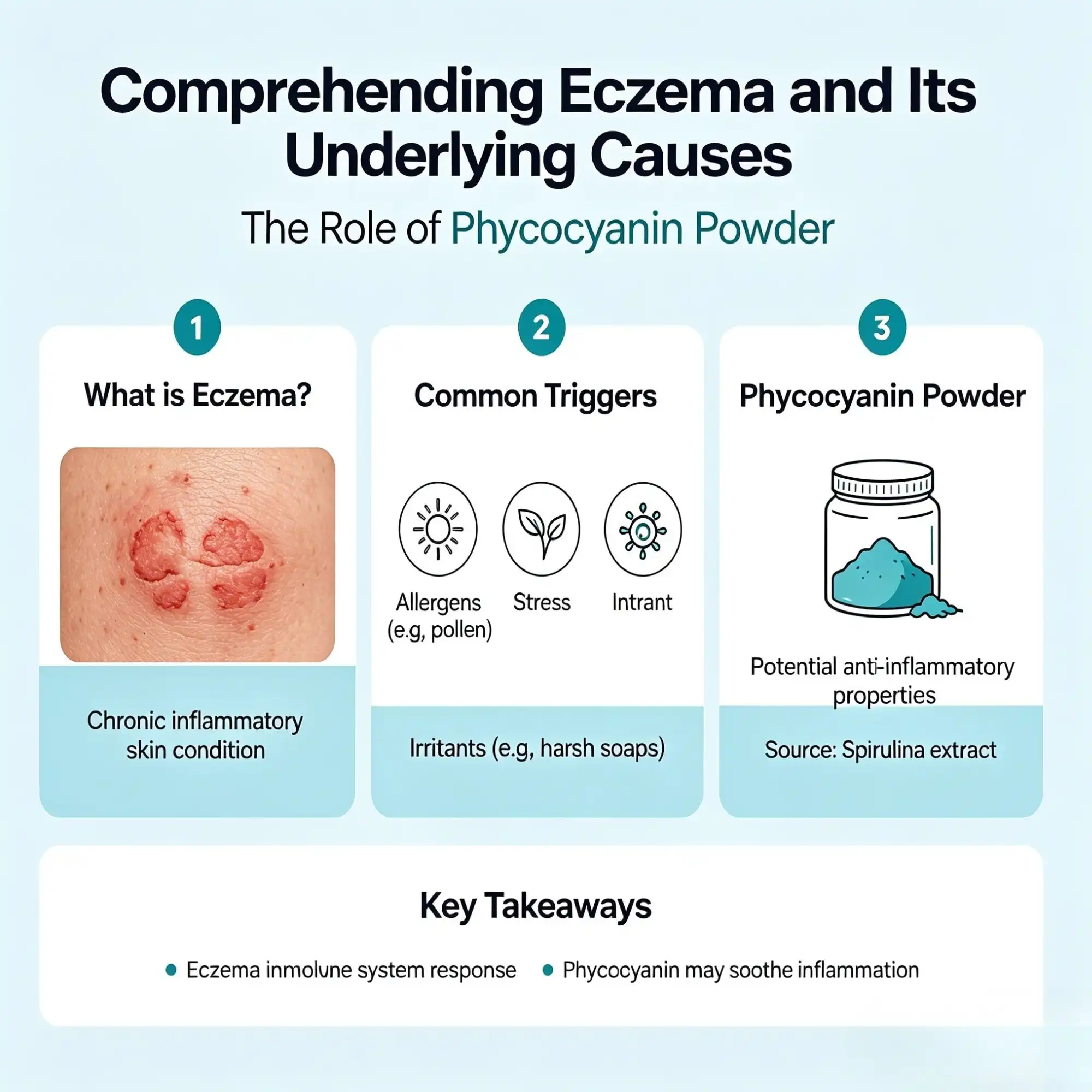
Comprehending Eczema and Its Underlying Causes
A lot of people around the world have eczema, which is a tough skin disease. It is a long-lasting inflammation disease that makes life less enjoyable and hurts the skin. There are different kinds of this condition, but atopic dermatitis is the most common one. People with this condition have swelling, itching, and problems with the top layer of skin all the time.
The Pathophysiology of Eczema
Eczema is caused by a lot of different things, including genetic sensitivity, immune system dysregulation, and things in the surroundings. There isn't enough filaggrin protein in the skin of people with eczema, so it doesn't work as well. Pathogens and allergens can get into the skin more easily. This breach sets off an over-the-top immune reaction that releases chemicals that cause inflammation. These chemicals keep the cycle of itching and inflammation going.
Common Triggers and Aggravating Factors
Eczema can be brought on by strong chemicals, environmental allergens, changes in temperature, and stress. Another type of eczema is contact dermatitis, which happens when certain things, like metals or scents, cause redness in one area. These things are important for formulators who make customized skin care goods to know.
Limitations of Conventional Treatments
In the past, calcineurin inhibitors, topical corticosteroids, and immunosuppressants that work on the whole body were used to treat eczema. People worry about the long-term safety of these methods, the chance that they will cause skin to shrink, and how they will affect other parts of the body, even though they help control symptoms. As a result of this lack of medicines, there is a big demand for natural choices that are backed by science and work well without putting people's safety at risk. To meet this need, adding new ingredients like spirulina alternatives is at the top of the list for making new products.
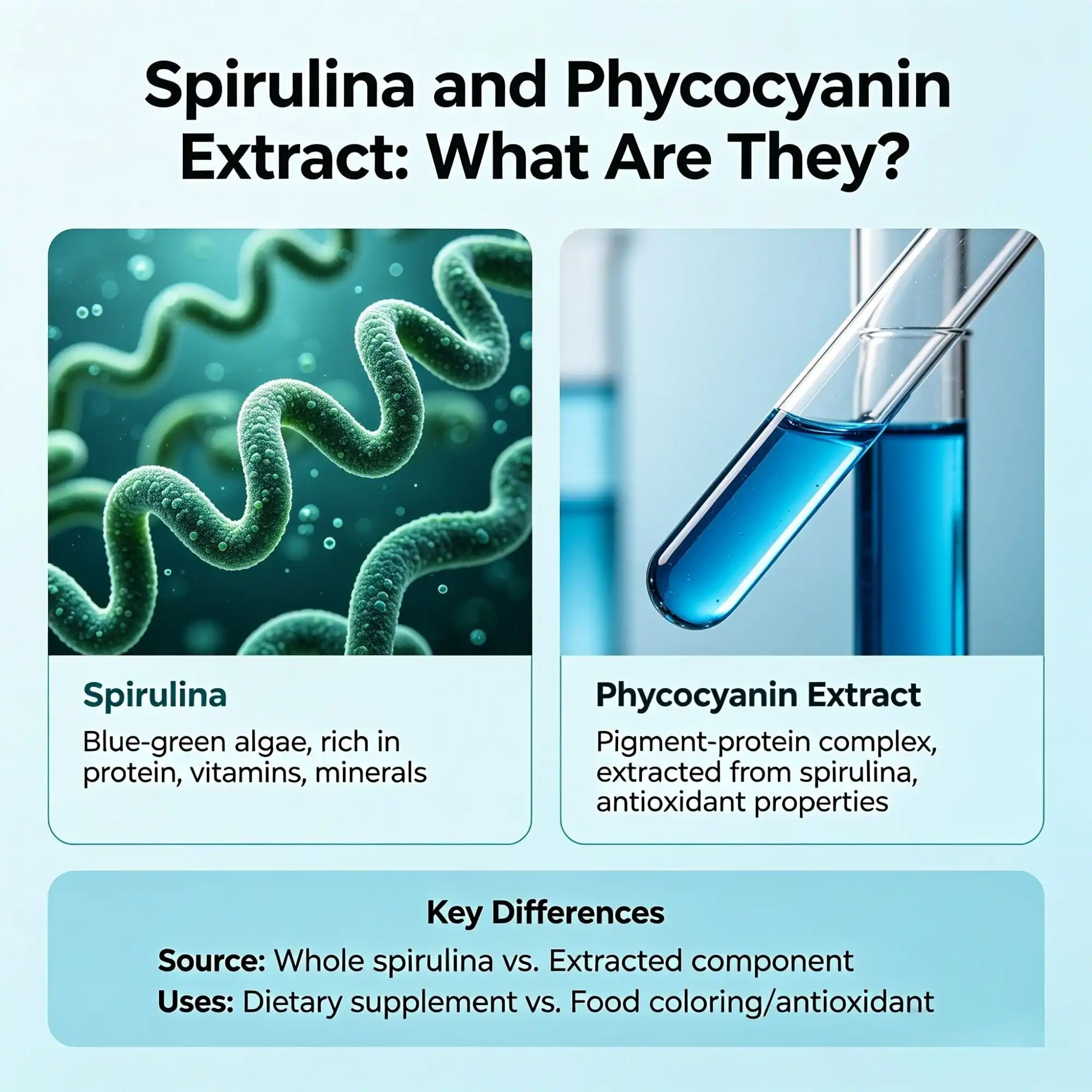
Spirulina and Phycocyanin Extract What Are They?
Arthrospira platensis, or spirulina, is one of nature's plants with the most nutrients per unit area. It has been grown in salty water for a very long time. Among its parts are iron, gamma-linolenic acid, B-complex vitamins, and some very important amino acids. About 60 to 70% of its dry weight is protein. Still, what makes spirulina stand out is phycocyanin extract, the bright blue pigment that comes from photosynthesis and gives it its unique color.
Extraction and Quality Specifications
Phycocyanin needs to be removed in a very particular way to protect its fragile protein structure and health benefits. No strong chemicals are used at Yangge Biotech. Instead, we use cold water extraction methods that have been checked by HPLC. Because of this, we know the end result will still work right. Our levels go from E6 to E40. To get the E-value, which tells you how pure something is, you need to compare the absorbance at 620 nm and 280 nm wavelengths. It is more pure when the E-value is higher, and types E18 and E25 work best in beauty and health goods.
How the ingredient is taken out of the plant has a big impact on how stable and accessible it is. Separations that are done physically keep the protein structure but get rid of chlorophyll and other parts. This turns into a strong blue powder that is easy to wash off with water. Formulators who work with a lot of different application matrices will find this trait very useful.
Nutritional and Antioxidant Profile
Phycocyanin is a natural colorant that has been shown to get rid of free radicals from cells. It is also a very strong antioxidant. It has been shown in tests to be a better way to lower reactive oxygen species (ROS) than many manufactured antioxidants. In this way, it's a two-in-one ingredient that works well and looks good. The protein's structure has chromophore groups that join reactive molecules and make them less reactive. This keeps the structures of cells from getting hurt.
Studies in dermatological journals have shown that eating spirulina can help keep your skin hydrated and lower inflammation signs. Because of these studies, it can be used in skin care items with confidence. R&D teams are interested in these results because they help them find ingredients for the next generation of acne treatments that are backed up by evidence.
How Can Phycocyanin Extract Potentially Help with Eczema?
It is thought that phycocyanin could help treat eczema because it has many biological roles that target the main reasons of the condition.
Anti-Inflammatory Mechanisms
Cyclooxygenase-2 (COX-2) can't work as well when phycocyanin extract is present, and pro-inflammatory molecules like interleukin-6 and tumor necrosis factor-alpha are made less. It is very important for these molecules to be blocked during eczema flare-ups in order to make symptoms a lot better. Phycocyanin doesn't seem to totally shut down the immune system like corticosteroids do. Instead, it seems to change how the immune system reacts, which could make it a better choice in the long run.
Oxidative Stress Reduction
It has a lot of oxidative stress because too many ROS hurt the proteins and lipid layers that are needed for the barrier to work. Because phycocyanin is an antioxidant, it helps restore redox balance. This saves keratinocytes and speeds up the body's natural repair processes. The lipid layer of the skin stays healthy because of this protective action. This is very important for keeping dry, damaged skin from eczema moist.
Skin Barrier Enhancement
A new study finds that chemicals from spirulina help make ceramide and strengthen the places where skin cells meet. These effects go right to the problem with the barrier that leads to acne. They might stop the loss of water through the skin's surface and make it stronger against outside forces. Phycocyanin is often found in leave-on skin care products for sensitive or reacting skin because it works in these ways.
Comparative Advantages and Evidence
Most of the time, normal ways try to lower inflammation. Phycocyanin, on the other hand, deals with environmental damage, immune system dysfunction, and barrier repair all at the same time. The few clinical studies that have been done show that taking spirulina pills and putting them on your skin may work better together. Product makers should know that phycocyanin works best when it's mixed with oils that act as barriers and moisturizers and not by itself.
Selecting Quality Phycocyanin Extract for B2B Procurement
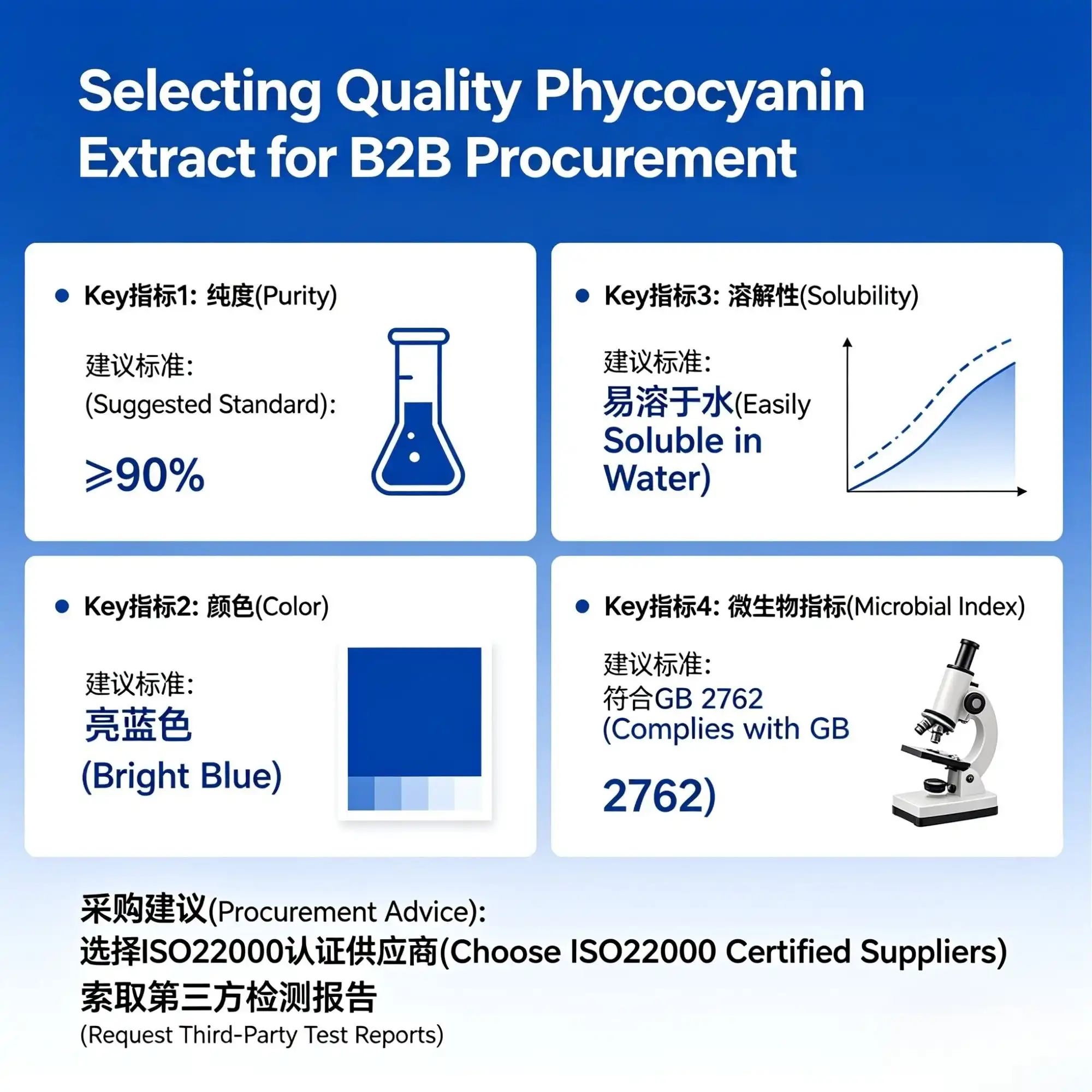
There are a lot of quality factors that affect how well the product works and how well it meets legal standards. These factors must be carefully looked at in order to find pharmaceutical-grade phycocyanin.
Purity Standards and Specifications
When figuring out how good phycocyanin extract is, the E-value method is always the same. It is best to use grades E10 and E18 for supplements. Grades E25 and higher are better for cosmetics and drugs because they meet strict requirements. Make sure that when you compare different sources that you get full records of tests that show the amount of heavy metals, microbial limits, and chemical residues.
Everything that Yangge Biotech makes has to meet very high standards of quality. Its specs, which run from E6 to E40, can be used in a lot of different recipes. A third-party lab tests each batch before it is sent out to make sure it meets FDA GRAS status and EU legal truth standards. The way we remove the protein keeps its original shape while getting the concentration levels that current medicines need.
Organic Certification and Traceability
More and more, organic approval is a must when shopping, especially for beauty brands that sell their products in the natural and clean beauty areas. Certified organic spirulina farming makes sure that farmers don't use poisons made by humans and that their growing methods work. We can keep track of our whole supply chain, from the farm to the formula, by keeping track of growing conditions, harvest times, and processing factors. This amount of clarity is required by law and what customers expect.
Extraction Methods and Their Impact
When you want to get rid of phycocyanin, cold water is the best way to do it. Chemical separation and heat processing can change the protein's structure, making it less useful and less able to hold its color. Ask specific questions about the temperatures, solvents, and how the ingredient was handled after processing when looking at different sources. This will help you make sure that it stays true to its claimed qualities throughout its shelf life.
Regulatory Compliance and Documentation
Businesses that want to buy from each other need to have a lot of information to back up their applications. Yangge Biotech has been registered with the FDA, is Kosher and Halal, and has paperwork to show that they follow EU Regulation 1333/2008 on food ingredients. Because they clear up legal questions, these rights cut down on the time it takes to make a product. Our production sites are GMP-compliant, which means they meet standards for pharmaceuticals. Our quality control method is built on ISO and HACCP standards.
Supply Chain Reliability
When ingredients are supplied and how often they are provided directly affects production plans and when goods go on sale. To make sure we can fill orders quickly, we keep 1-ton stocks of our most popular sizes (E18 and E25). We can send either FOB or CIF, so we can meet the needs of any company. People who buy things this way won't have to worry about supply problems, and you can do both small-scale tests and large-scale production without any problems.
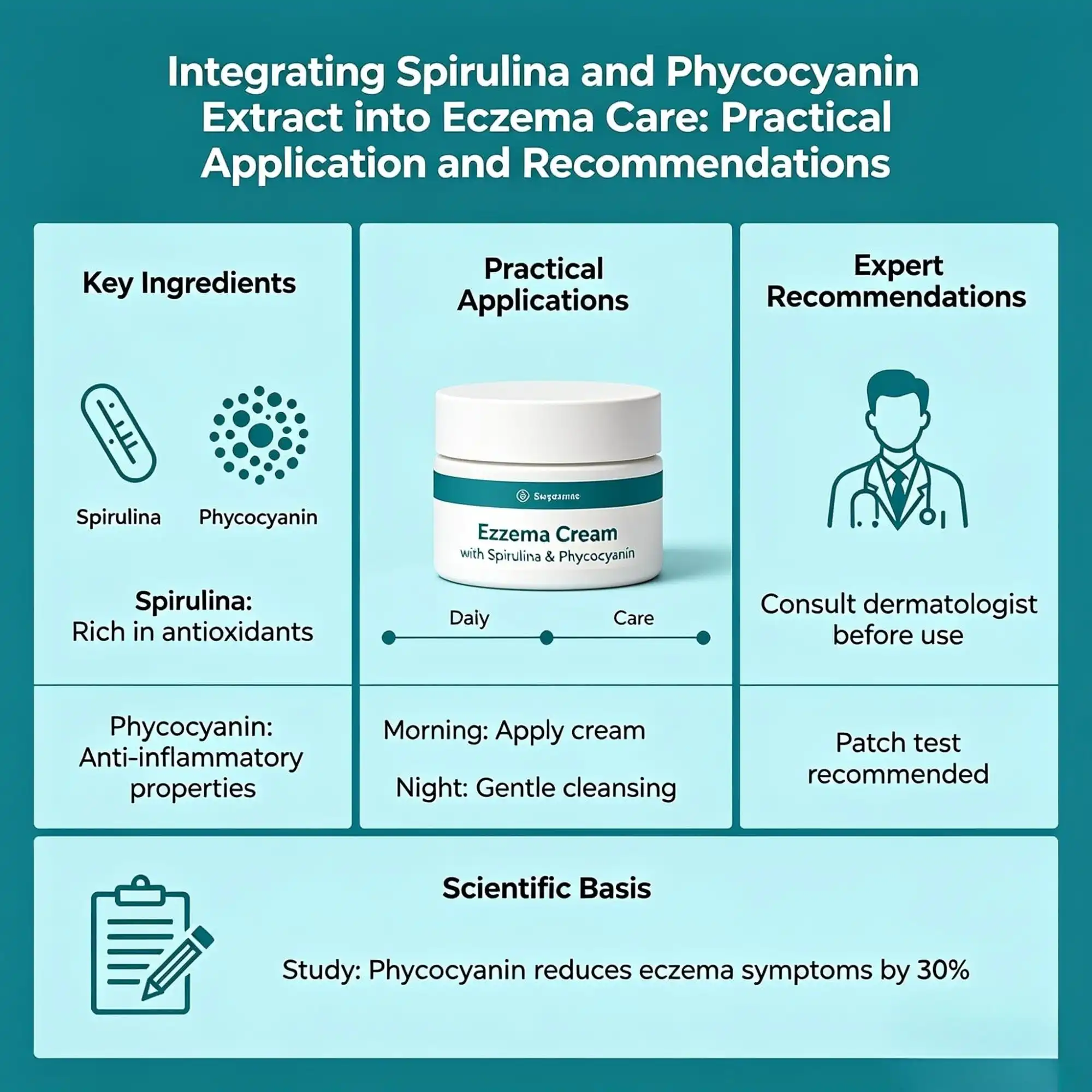
Integrating Spirulina and Phycocyanin Extract into Eczema Care Practical Application and Recommendations
Dosage Guidelines for Oral Supplements
In clinical studies that look at how it affects inflammatory diseases, people usually take between 1 and 8 grams of spirulina every day. The best doses of phycocyanin extract-standardized extracts seem to be 50 to 100 mg per day. However, the best doses may change based on the strength and the effects that are needed. To start, formulators may want to use small amounts during the clinical trial steps. They can then make changes based on information about how well the drug works and how well it is tolerated.
Yangge Biotech can make powders, pills, tablets, and gummies for brands, so they can pick the way of delivery that works best for their customers. People who care about their health and want full nutritional support are especially interested in superfood mix foods that contain phycocyanin and other plants that work well together.
Topical Formulation Considerations
Phycocyanin needs to be added to skin care products in a clear and stable way. When the temperature is below 45°C and the pH is between 4.5 and 8.0, the color stays the same. Strong acids or reacting agents should not be mixed with phycocyanin because they could break down its structure. For goods that are hard to make, adding preservatives like trehalose or capsule technologies can help them last longer.
The amount that is usually put on the skin is between 0.5% and 3% by weight, depending on the color strength and goal. Because it dissolves easily in water, phycocyanin works best in light lotions, hydrogel masks, and serums that are water-based. This makes it easy for the ingredient to get to all parts of the skin.
Synergistic Ingredient Combinations
Phycocyanin works better with other active ingredients that also work well with it. Oxidative stress and inflammation can be fought with phycocyanin. Hyaluronic acid, omega-3 fatty acids, and ceramides also help the barrier do its job. Plant-based ingredients like chamomile, marigold, and colloidal oatmeal can also help soothe the skin. This means that full solutions can be made to treat all the different symptoms of eczema.
Safety Profile and Considerations
Clinical study has shown that spirulina and its products are very safe, with only a few side effects being reported. People who are allergic to fish or algae may have symptoms, but they are still very uncommon. A lot of contaminants can build up in spirulina if it is grown in dirty water, so purchasing teams should make sure that seller information includes allergen statements and heavy metal testing results.
Spirulina pills should not be taken by women who are pregnant or nursing. Talk to your doctor first. Most of the time, though, putting them on your skin isn't very dangerous. Labels and other marketing materials for goods should mention these safety issues to encourage people to use them responsibly.
OEM and Private Label Manufacturing Options
Yangge Biotech's OEM services make it simple for brands to bring eczema-friendly products to market. We can help you come up with a recipe, test its stability, and come up with unique packaging choices that match the style of your brand. The way we make things is flexible enough to handle small orders that are good for new brands, and it's also easy to make more to meet rising demand. When people work together, quality and security don't change, no matter how much is made.
Conclusion
Spirulina may help treat acne, which fits with a bigger trend in the nutrition and beauty businesses toward using natural ingredients that have been shown to work. Some of the things that cause eczema can be helped by phycocyanin extract, but it's not a cure-all. These include inflammation, oxidative stress, and barrier failure. Formulators can use it to make an activity that can be changed in how it looks and how it works. Because the element is safe, approved by the government, and backed by science, it is a good addition to product lines for people who are looking for alternatives to traditional treatments. As more research is done to find out how spirulina can help skin problems, those who get in on the ground floor will have an advantage in a market that is getting more and more busy and where people choose to buy based on unique, eco-friendly ingredients.
Partner with Yangge for Premium Phycocyanin Extract Supply
You can get spirulina phycocyanin extract from Yangge Biotech. It is of medical grade and made for high-demand B2B uses in nutraceuticals and skincare. You can make any recipe you want with our thorough specs (E6, E10, E18, E25, E40), which include proof that it is Kosher, Halal, or FDA-approved. Supply chain instability is gone because we keep a 1-ton stock on hand and can keep track of everything, from raising the plants to packing them. Our expert team will help you come up with a recipe and send you 10–30g samples for free to make sure it works. Our quality control, legal help, and production partnerships can help you get your goods to market faster, no matter if you're making eczema skin care lines or high-end superfood supplements. Email our buyers at info@yanggebiotech.com to talk about your needs for phycocyanin extract sources and learn how our OEM services can help you bring your product idea to life.
FAQ
Q: Can we get some samples to test before purchasing?
A: Of course, we can provide free samples of 20 to 100 grams, but the shipping cost is at the customer's expense. The shipping cost can be deducted from the next order, or the samples can be sent through your courier account.
Q: Do your products have relevant certifications?
A: Yes, our products are certified for HALAL, ISO, HACCP, Kosher, and other certifications.
Q: What is the minimum order quantity (MOQ)?
A: Small batches of samples can be customized according to your requirements.
Q: Do you offer OEM and ODM services? Can the formula be customized based on our own?
A: Of course, we provide ODM and OEM services to many customers. Our product range includes softgels, capsules, tablets, sachets, granules, and private label services. Simply contact us and let us know your requirements. Our experienced R&D team can also develop new products with specific formulas.
Please contact us to design your own branded products.
Q: How do you handle quality complaints?
A: First, we have a comprehensive quality control SOP. We provide authoritative third-party inspection reports for almost all products before shipment to minimize the possibility of quality issues. Second, we have a comprehensive return and exchange procedure. If there is a genuine quality dispute, we will strictly follow the SOP.
Q: How do you ship? How long does delivery take?
A: For small orders, we typically use DHL, UPS, EMS, FedEx, or TNT. Delivery typically takes 3-7 days. We also offer air and sea freight services. We have a strong freight forwarding team and can provide you with a one-stop service, including DDP and DDU.
Q: What are your payment terms?
A: 100% prepayment, payable by T/T, Western Union, MoneyGram, or PayPal.
Q: What is the shelf life of your products?
A: 2 years with proper storage.
References
1. Remirez, D., González, A., Merino, N., González, R., Ancheta, O., Romay, C., & Rodríguez, S. (2002). Inhibitory effects of Spirulina in zymosan-induced arthritis in mice. Mediators of Inflammation, 11(2), 75-79.
2. Wu, Q., Liu, L., Miron, A., Klímová, B., Wan, D., & Kuča, K. (2016). The antioxidant, immunomodulatory, and anti-inflammatory activities of Spirulina: an overview. Archives of Toxicology, 90(8), 1817-1840.
3. Pentón-Rol, G., Marín-Prida, J., & McCarty, M. F. (2011). C-phycocyanin-derived phycocyanobilin as a potential nutraceutical approach for major neurodegenerative disorders and COVID-19-induced damage to the nervous system. Current Neuropharmacology, 9(3), 368-378.
4. Karkos, P. D., Leong, S. C., Karkos, C. D., Sivaji, N., & Assimakopoulos, D. A. (2011). Spirulina in clinical practice: evidence-based human applications. Evidence-Based Complementary and Alternative Medicine, 2011, 531053.
5. Ichimura, M., Kato, S., Tsuneyama, K., Matsutake, S., Kamogawa, M., Hirao, E., & Miyata, A. (2013). Phycocyanin prevents hypertension and low serum adiponectin level in a rat model of metabolic syndrome. Nutrition Research, 33(5), 397-405.
6. Mao, T. K., Van de Water, J., & Gershwin, M. E. (2005). Effects of a Spirulina-based dietary supplement on cytokine production from allergic rhinitis patients. Journal of Medicinal Food, 8(1), 27-30.

Based on your location and order quantity, you will have the opportunity to receive a limited time free shipping promotion!
Who we are
Popular Blogs