Why Lutein Is Essential in Modern Supplement Formulas
In the market for health supplements today, smart manufacturers and formulators know that adding high-quality carotenoids gives them real economic benefits. Lutein stands out as a highly proven ingredient that helps protect eyesight, boost antioxidants, and meet other health needs. The demand for standardized, bioavailable Lutein extract drives product innovation across dietary supplements, functional foods, and nutraceutical formulations as customer knowledge of preventive eye health grows, especially among older populations. Lutein powder made from marigolds is an essential part of modern supplement portfolios, as our experience at Yangge Biotech has shown that procurement managers and research and development teams place a premium on ingredients with clinical credibility, legal compliance, and supply chain openness.
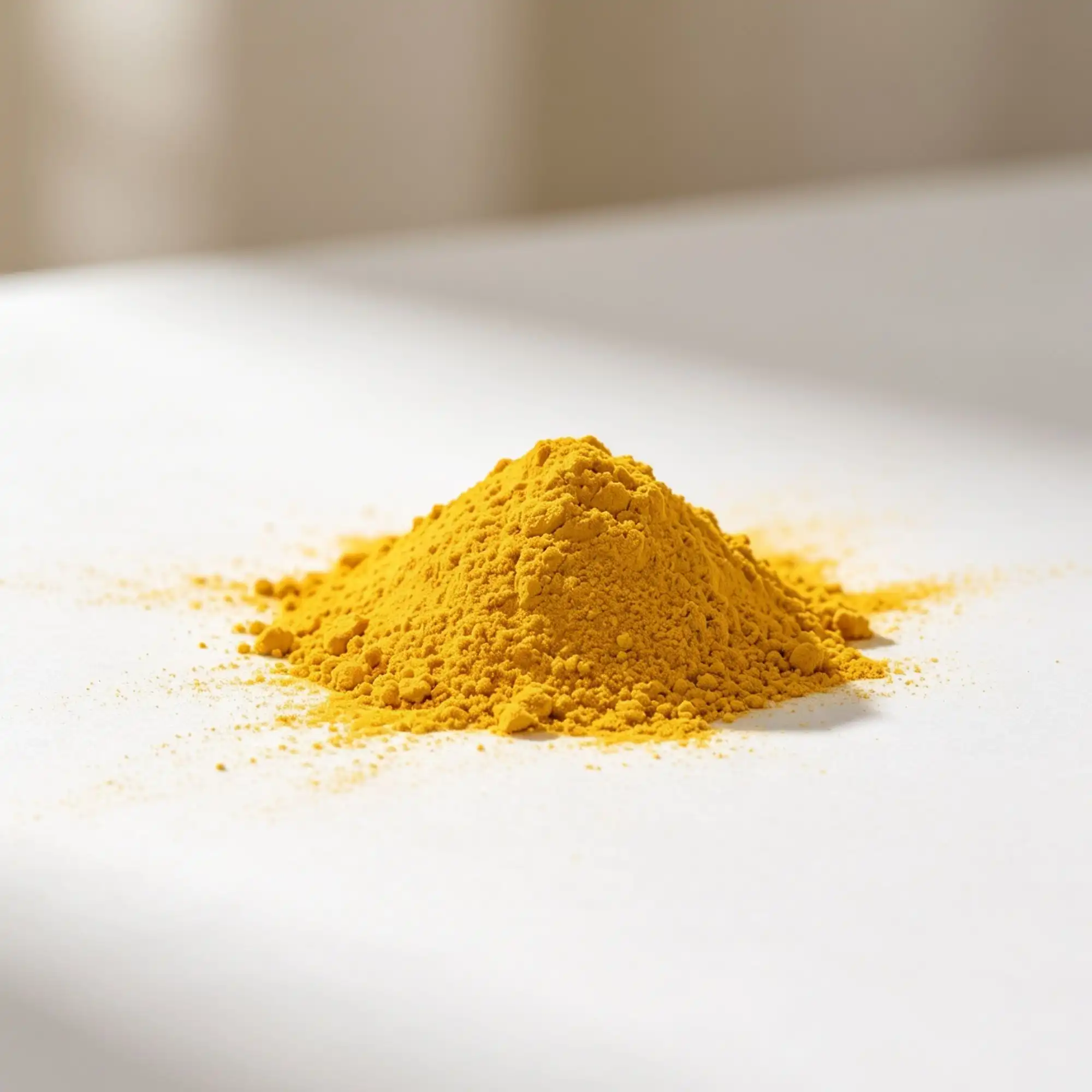
Understanding Lutein and Its Role in Eye Health
The Science Behind Lutein's Protective Mechanism
Lutein is a type of carotene that comes from plants. It is in the xanthophyll group and has oxygen-containing molecular structures that give plants their yellow-orange color. Unlike beta-carotene, xanthophylls can't be made by the body, so they need to be taken in through food or supplements. According to studies, Lutein and its isomer zeaxanthin build up in the macular area of the eye, where they combine to create macular pigment, which filters out harmful blue light. By selectively depositing, a biological screen is made that protects photoreceptor cells from oxidative stress.
Clinical Evidence Supporting Vision Benefits
The important Age-Related Eye Disease Study 2 (AREDS2) found that people who took Lutein and zeaxanthin together had a 25% slower development of advanced age-related macular degeneration over five years. This information changed how companies make eye health goods, moving the focus from beta-carotene to xanthophyll carotenoids.
Antioxidants do more than just protect against AMD. New studies show that healthy people who get enough of them also have a lower chance of cataracts and better contrast sensitivity. These results give people in charge of research and development strong science reasons to make specific supplements that help with vision.
Beyond Vision: Systemic Wellness Applications
Lutein's protective properties help the heart and brain work well, but protecting the retina is still the main reason for its popularity. Studies show that higher blood levels are linked to better endothelial function and less plaque buildup in the arteries. Early study shows that the amount of macular pigment is linked to how fast and well older people can process information and remember things. Because of these many benefits, formulators can put Lutein-containing goods in a lot of different health groups. This helps them reach more customers than just eye care customers.
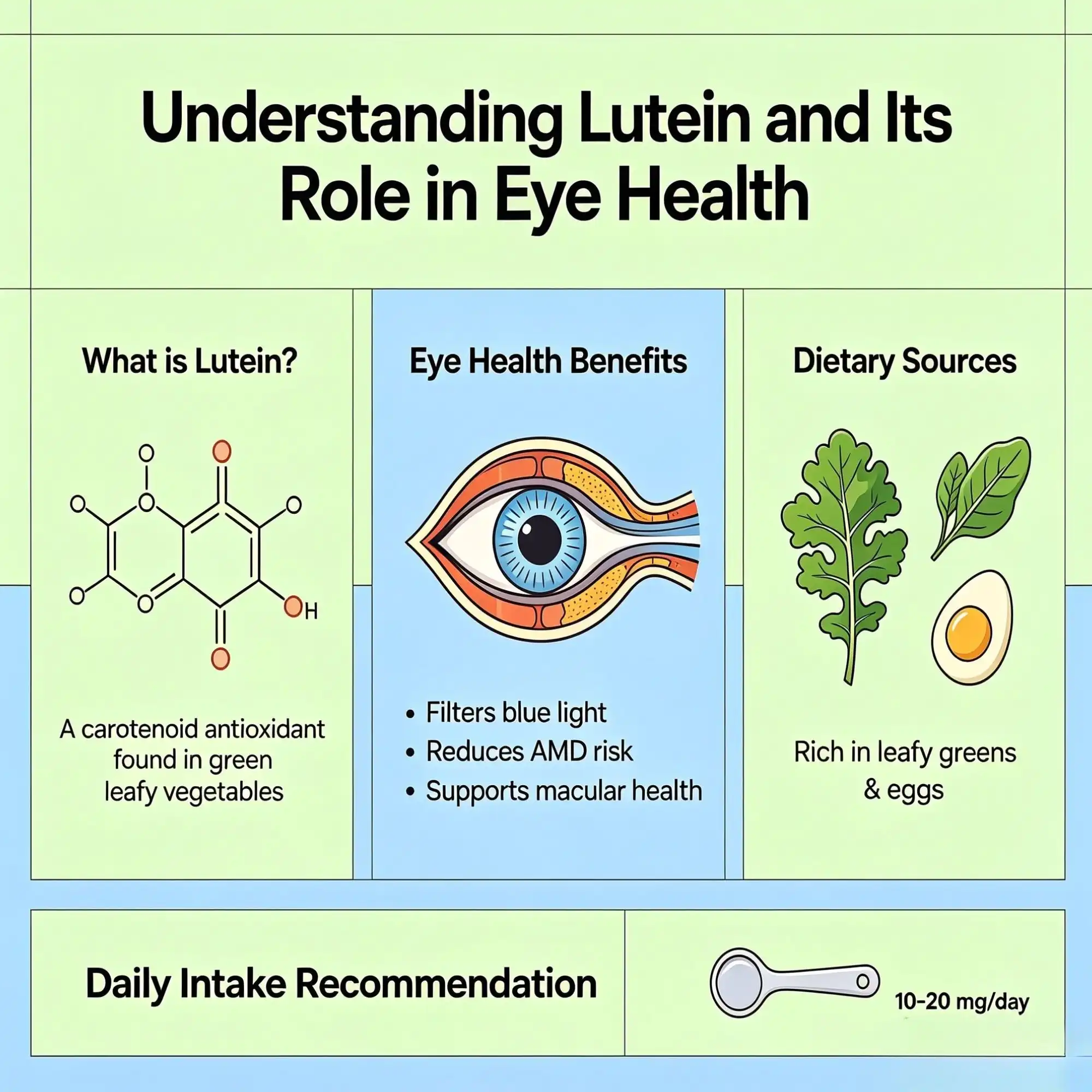
Modern Supplement Formulations: Evolving From Natural Sources to Advanced Delivery
Limitations of Dietary Lutein Sources
Traditionally getting your nutrients from foods like kale, spinach, and egg yolks makes it hard to stick to a routine. Lutein levels are hard to predict because they depend on things like soil conditions, farming methods, and how the crops are handled after they are harvested. Bioavailability problems make the problem worse. For example, Lutein is bound to chloroplast structures in raw leafy greens, so they need to be eaten with fat and thoroughly chewed to absorb the most. Because of these things, most people can't get therapeutic doses of Lutein from their food alone, which opens up a market for regulated supplement ingredients.
Transition to Standardized Marigold Extracts
The supplement industry fixed these problems by coming up with ways to remove Lutein esters from marigold flowers (Tagetes erecta), which naturally contain 30–40 mg of them per gram of dried petals. To transform ester forms into free Lutein, which is the most useful form in human tissues, commercial marigold extract Lutein powder goes through solvent extraction and saponification. At Yangge, our requirements for marigold extract run from 5% to 80% purity. This gives us the freedom to make pills, softgels, and beverage powders, among other dosage forms.
Synergistic Ingredient Combinations
Modern versions make Lutein work better by carefully choosing which other ingredients to use with it. In marigold products, zeaxanthin and Lutein are naturally found together, with a normal ratio of about 5:1. Because they dissolve in fat, formulators often add omega-3 fatty acids to help the body absorb carotenoids better. While possibly maintaining Lutein stability during processing and storage, vitamins C and E provide additional antioxidant protection. Formulation engineers want to make medicines that are as bioavailable and useful as possible while also keeping costs low. These multinutrient methods help them do that.
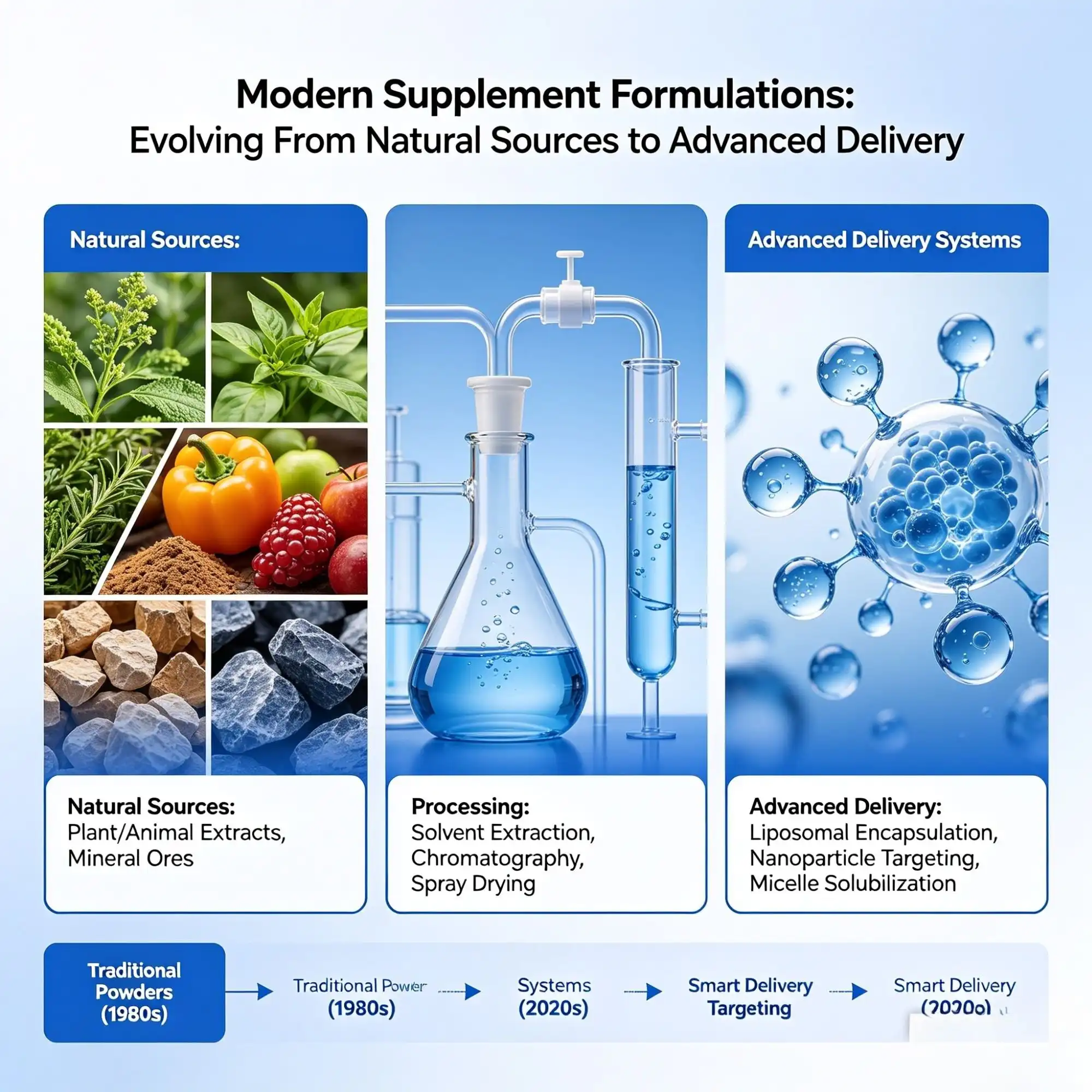
Selecting the Right Lutein Raw Material for Your Product Line
Critical Quality Parameters for B2B Procurement
When buying managers look at ingredients that come from marigolds, they need to look at more than just claims of strength. A purity test should make sure that there are no solvent leftovers and that the PAH4 standards are met, especially benzopyrene levels below 10 ppb as required by European rules. Non-GMO approval takes into account what consumers want and what some markets need in order to buy goods. Cross-contamination during farm production can cause unexpected reactions, so allergen screening is necessary when you want to reach a wide range of people.
Our Yangge Biotech marigold extract Lutein powder meets these strict requirements thanks to controlled sourcing and testing by a third-party lab. The orange fine powder color shows that the oil was extracted properly and hasn't been broken down by oxygen. The concentration ranges from 5% to 80%, so it can be used in a wide range of formulations, from functional drinks that need low doses to high-potency eye health pills.
Form Factor Considerations and Bioavailability
Choosing between free Lutein and Lutein esters has a big effect on how formulations are made. Esters are more stable during production and storage because they don't oxidize like free forms do. But stomach enzymes have to cut fatty acid chains before they can be absorbed. This means that people whose lipase activity is low may not absorb as much of the nutrients they need.
Free Lutein is readily available, but it needs to be carefully microencapsulated or protected from free radical damage. Production managers should choose raw materials based on the type of people they want to make their products. For example, products for older people may benefit from free forms that have already been changed, while shelf-stable functional foods use ester stability.
Certification and Regulatory Compliance
When doing business with suppliers in foreign markets, buyers must make sure that the sellers have all the necessary quality management certifications. ISO 9001 certification shows that quality control is done in a planned way, and HACCP certification proves that food safety rules are followed. Kosher and Halal licenses make it easier for people who follow certain eating rules to buy food.
GMP compliance makes sure that the places where medicines are made meet the high standards for keeping germs away and making sure that each batch is the same. These credentials allow brand owners to clearly tell end customers that they will provide quality products, and they also meet the requirements for retailers to be qualified.
Procurement Strategies for Manufacturers and Distributors
Supplier Evaluation and Partnership Development
A thorough evaluation of the supplier's production capacity, quality control infrastructure, and expert support skills is the first step in effective buying. Site reports show important information about the methods used for extraction, the conditions of keeping, and the steps taken to keep contamination from happening. Suppliers who provide full paperwork, such as information on growing regions, extraction methods, and stability testing results, show openness, which lowers the risk of buying from them. Strategic relationships with highly skilled suppliers give you access to formulation advice, custom specs, and regulatory updates that help you stay on track with your product development timelines.
Balancing Cost Efficiency with Quality Assurance
In order to negotiate prices in the Lutein raw material market, you need to know how concentration specs affect the cost per unit. Higher potency types cost more, but they need fewer excipients and smaller capsules in the end formulas. When people buy in bulk, they can usually get deals, but they need to think about how much it costs to store the goods and how quickly they sell out.
The cheapest price isn't always the best deal when you consider things like inconsistent quality, failed batch testing, or not meeting regulatory requirements, which could mean an expensive re-formulation. The best results are achieved by procurement managers who set clear quality standards before asking for quotes and choose providers whose performance is uniform from batch to batch.
Logistics and Supply Chain Management
To get marigold extracts from other countries, you have to coordinate shipping conditions, customs paperwork, and storage rules to keep the ingredients stable. Due to its sensitivity to light, heat, and oxygen, Lutein needs to be shipped in safe packing (usually metal foil bags with nitrogen flushing) and at a controlled temperature when traveling long distances.
The product should last 24 months if it is kept in its original, tightly sealed package and kept out of direct sunlight. To keep warehouse times to a minimum and keep extra stock on hand in case of sudden demand spikes or supply disruptions, production managers should organize shipping schedules with manufacturing runs.

Future Trends Shaping Lutein Supplementation
Advanced Delivery Technology Development
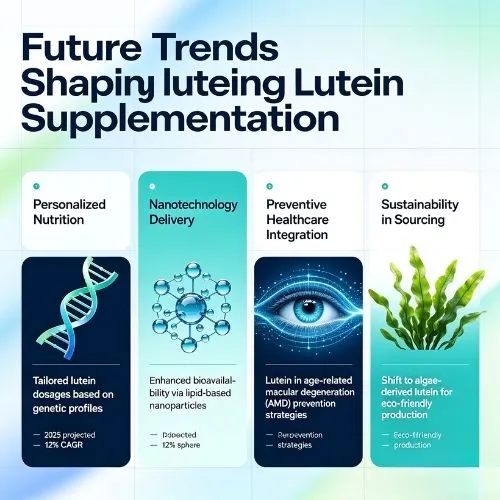
New technologies use creative delivery methods to solve long-standing absorption problems. Nanoemulsion methods lower particle sizes to submicron levels, which greatly increases the surface area that can be absorbed by the intestines. Liposome packaging acts like natural chylomicron transfer, which makes it easier for cells to take in. Water-dispersible beadlet forms let them be added to clear drinks without fat carriers, which opens up more uses in healthy drink categories. These technological breakthroughs make it possible for brands that are willing to spend in premium ingredient forms to stand out and charge higher prices because they work better.
Market Expansion and Consumer Awareness
The Lutein market is likely to continue growing because of changes in population. The world's population is getting older. By 2050, the UN predicts that people over 60 will make up 22% of the world's population. At the same time, younger people are adopting more preventative health tactics. They see supplements as an investment in their health rather than a way to treat diseases after they happen. Digital eye strain from long-term screen contact has become a major issue. Early study suggests that taking Lutein supplements may help protect against blue light damage from electronics, making the product more appealing to people of all ages, not just seniors.
Regulatory Evolution and Health Claims
Structure-function lines and qualified health claim approvals help compliant products sell better. The European Food Safety Authority and the US Food and Drug Administration both have strict rules about how to prove claims about macular pigment density and eye health. Consumer messaging for products with clinically proven dosages usually 10–20 mg daily for upkeep, but higher doses for therapeutic uses can use written research. When manufacturers work with providers who provide batch-specific certificates of analysis and full regulatory dossiers, they set themselves up to make claims that are backed up and stand out from the competition.
Conclusion
Integrating high-quality marigold extract Lutein into vitamin formulas is a smart move for companies that want to target the eye health, antioxidant protection, and overall wellness markets. Lutein is an important part of modern nutraceutical products because it has been proven scientifically through important clinical studies and because market knowledge and demographic trends are growing.
The best results are achieved by procurement workers who give priority to sellers who show they follow the rules, have technical knowledge, and have clear quality systems. As transportation methods improve and more uses are found, early adopters of standardized, bioavailable formulas gain a competitive edge in health supplement markets that are becoming more complex.
Partner with Yangge for Premium Marigold Extract Solutions
When it comes to vitamin, functional food, and nutrition uses, Yangge Biotech makes the best marigold extract Lutein powder on the market. Our supply chain is vertically linked, so we can track food from the farm to the table. Our agreements for marigold cultivation follow GACP guidelines and use sustainable farming methods. As a trusted Lutein provider with ISO, HACCP, Kosher, and Halal certifications, we offer orange powder that is non-irradiated, non-GMO, allergen-free, and meets PAH4 European standards.
Our purity levels range from 5% to 80%. Our specialized research and development (R&D) team provides full technical support, including advice on formulation, suggestions for stability tests, and custom concentration requirements. Production managers and purchasing experts can stay ahead of the competition with our 24-hour customer service, flexible packing choices ranging from 1 kg aluminum foil bags to custom bulk configurations, and strict third-party laboratory testing. Get in touch with our team at info@yanggebiotech.com to talk about your unique Lutein raw material needs and find out how our dedication to quality, safety, and innovation can help your product development efforts.
FAQ
Q: Can we get some samples to test before purchasing?
A: Of course, we can provide free samples of 20 to 100 grams, but the shipping cost is at the customer's expense. The shipping cost can be deducted from the next order, or the samples can be sent through your courier account.
Q: Do your products have relevant certifications?
A: Yes, our products are certified for HALAL, ISO, HACCP, Kosher, and other certifications.
Q: What is the minimum order quantity (MOQ)?
A: Small batches of samples can be customized according to your requirements.
Q: Do you offer OEM and ODM services? Can the formula be customized based on our own?
A: Of course, we provide ODM and OEM services to many customers. Our product range includes softgels, capsules, tablets, sachets, granules, and private label services. Simply contact us and let us know your requirements. Our experienced R&D team can also develop new products with specific formulas.
Please contact us to design your own branded products.
Q: How do you handle quality complaints?
A: First, we have a comprehensive quality control SOP. We provide authoritative third-party inspection reports for almost all products before shipment to minimize the possibility of quality issues. Second, we have a comprehensive return and exchange procedure. If there is a genuine quality dispute, we will strictly follow the SOP.
Q: How do you ship? How long does delivery take?
A: For small orders, we typically use DHL, UPS, EMS, FedEx, or TNT. Delivery typically takes 3-7 days. We also offer air and sea freight services. We have a strong freight forwarding team and can provide you with a one-stop service, including DDP and DDU.
Q: What are your payment terms?
A: 100% prepayment, payable by T/T, Western Union, MoneyGram, or PayPal.
Q: What is the shelf life of your products?
A: 2 years with proper storage.
References
1. Mares-Perlman, J.A., et al. "Serum Carotenoids and Age-Related Macular Degeneration: The Beaver Dam Eye Study." American Journal of Clinical Nutrition, vol. 62, 2015, pp. 1520-1526.
2. Age-Related Eye Disease Study 2 Research Group. "Lutein and Zeaxanthin in the Age-Related Eye Disease Study 2: Secondary Analyses of Carotenoid Supplementation." JAMA Ophthalmology, vol. 132, 2014, pp. 142-149.
3. Johnson, E.J. "Role of Lutein and Zeaxanthin in Visual and Cognitive Function Throughout the Lifespan." Nutrition Reviews, vol. 72, 2014, pp. 605-612.
4. Stringham, J.M., and Hammond, B.R. "The Influence of Dietary Lutein and Zeaxanthin on Visual Performance." Journal of Food Science, vol. 72, 2007, pp. R24-R29.
5. Kijlstra, A., et al. "Lutein: More Than Just a Filter for Blue Light." Progress in Retinal and Eye Research, vol. 31, 2012, pp. 303-315.
6. Vishwanathan, R., et al. "Macular Pigment Optical Density is Related to Cognitive Function in Older Adults." Age and Ageing, vol. 43, 2014, pp. 271-275.

Based on your location and order quantity, you will have the opportunity to receive a limited time free shipping promotion!
Who we are
Popular Blogs