Can Lion’s Mane Extract Be Used for Supplement Production?
Yangge Biotech supplies high-quality Lion’s Mane Mushroom Extract (Hericium erinaceus) in powder form, with specifications such as 10%–50% polysaccharides, suitable for use in capsules, tablets, gummies, powdered drink mixes, coffee blends, functional beverages, and nootropic formulations. Yangge Biotech also provides bulk supply, OEM/ODM services, customized specifications, and supporting documents such as COA and specification sheets to meet different supplement manufacturing requirements. For product specifications, samples, bulk pricing, or OEM inquiries, contact Yangge Biotech at info@yanggebiotech.com.
Yes, Lion's Mane extract is highly suitable for supplement production and has become a cornerstone ingredient in the cognitive health and functional supplement industry. Derived from the medicinal mushroom Hericium erinaceus, this extract delivers concentrated bioactive compounds particularly polysaccharides, beta-glucans, hericenones, and erinacines that support brain health, nerve regeneration, and mental clarity.
Unlike raw mushroom powder, professionally processed Lion's Mane extract offers standardized potency, superior bioavailability, and formulation flexibility, making it an ideal choice for brands developing nootropic supplements, functional beverages, and superfood blends. At Yangge Biotech, we produce premium-grade extracts tailored specifically for scalable B2B supplement manufacturing.
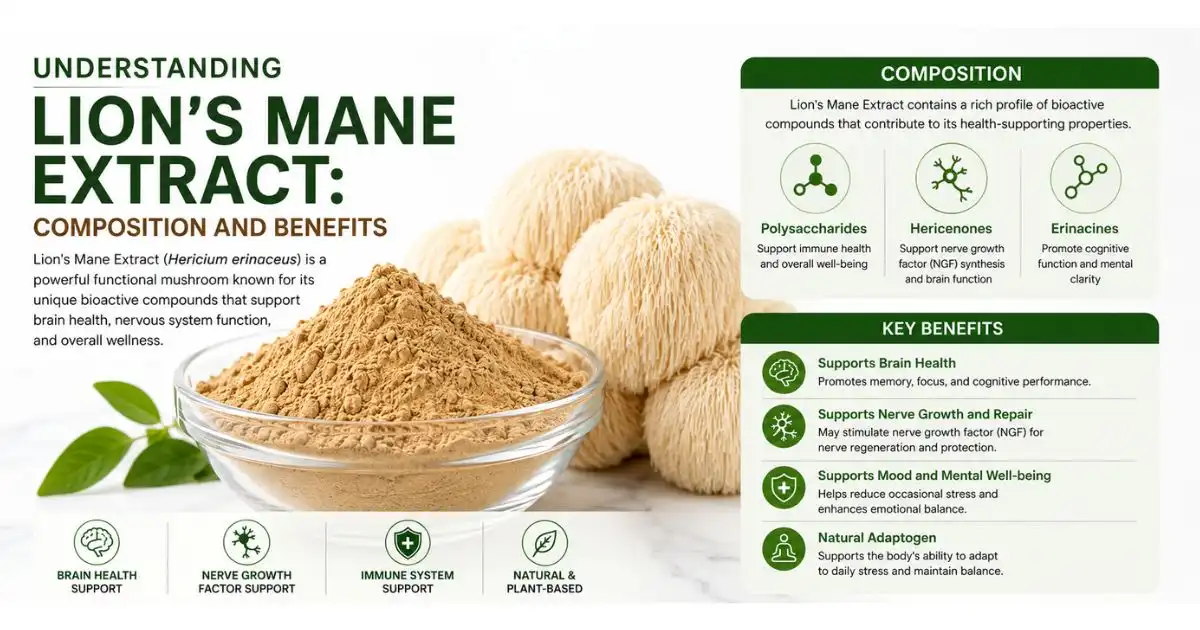
Understanding Lion's Mane Extract: Composition and Benefits
What Makes Lion's Mane Extract Different from Whole Mushroom Powder?
Specialized extraction methods, like hot water, ethanol, or dual-extraction, are used to separate and concentrate active compounds that would be hard to absorb from raw biomass otherwise. Whole mushroom powder has chitin in it, which is a fibrous substance that makes it harder to digest and use. These barriers are broken down by extraction, which makes a product that is high in polysaccharides that dissolve in water and terpenoids that dissolve in fat. This difference is very important for supplement makers who want to make sure that every batch of Lion's Mane is effective and consistent.
Key Bioactive Compounds and Their Roles
Lion's Mane extract has healing properties that come from a few important parts. Polysaccharides and beta-glucans help the defense system work better and protect cells from damage. Hericenones and erinacines, which are only found in this mushroom, help the production of nerve growth factor (NGF), which is good for brain health and brain development.
Biomedical magazine research shows that they can help improve memory, lower worry and depression signs, and maybe even slow down neurodegenerative diseases. Because these benefits have been proven by science, Lion's Mane extract is a great ingredient for companies that want to meet the growing demand for brain health products.
Health Benefits Backed by Science
Studies in humans have shown that taking Lion's Mane extract on a daily basis can improve brain function, especially in older people. Animal models show big improvements in tasks like remembering where things are and recognizing them. In human studies, mild cognitive damage was reduced and mood stability got better. The extract can protect neurons by lowering oxidative stress, increasing myelination, and supporting the health of synapses. These results give B2B clients strong scientific support for product claims, which is very important in today's evidence-based market.
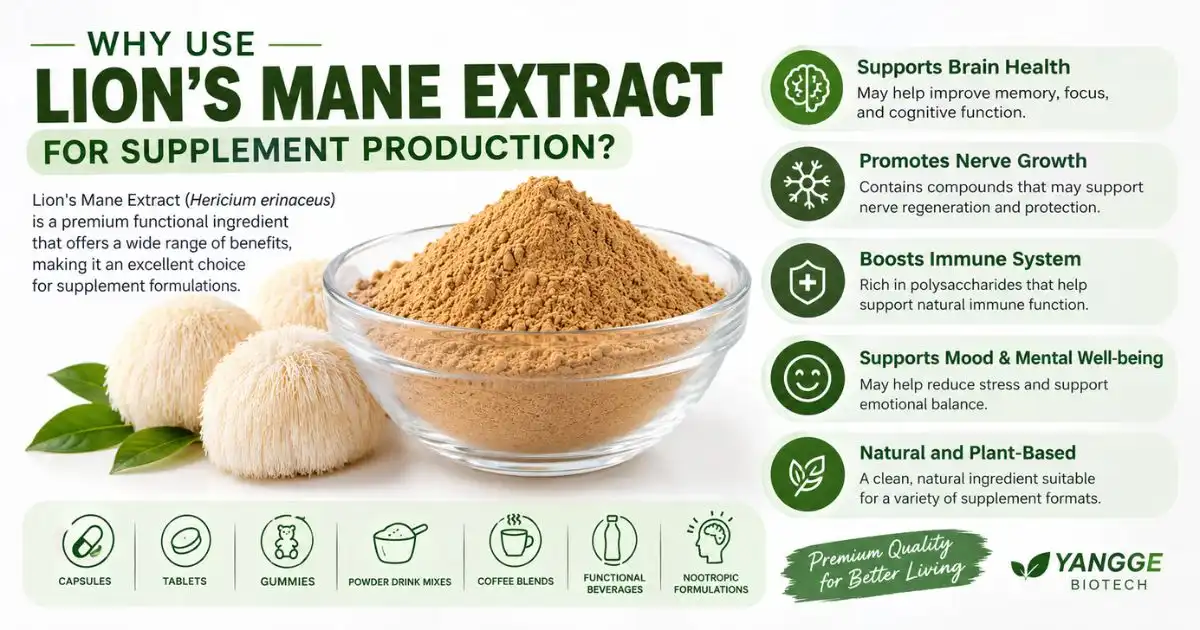
Why Use Lion's Mane Extract for Supplement Production?
Higher Potency and Standardized Concentrations
Manufacturers like Lion's Mane extract because it gives them consistent amounts of active ingredients. Yangge Biotech has extracts with polysaccharide levels ranging from 10% to 50%, so the quality of each production run is the same. This standardization gets rid of the variation that comes with raw mushroom powders, whose potency can change depending on how they were grown, when they were harvested, and how they were processed. Reliable dosing is important for supplement brands that want to keep customers trusting them and live up to their label promises.
Versatility Across Supplement Formats
Lion's Mane extract easily adjusts to different recipe needs. Because it dissolves easily and has small particles (95% passing 80 mesh), it can be put inside capsules, pressed into tablets, or mixed into useful drinks. The extract's bland taste and smooth texture make it useful for companies making mushroom coffee mixes, protein powders, or ready-to-drink nootropic shots. Being able to use it in both hot and cold situations opens up more ways to make new products, especially in the quickly growing area of superfood drinks.
Here are the core advantages of using standardized extract in B2B production:
- Enhanced Bioavailability: Extraction gets rid of the indigestible chitin, which lets the polysaccharides and terpenoids be absorbed more easily than in whole powder.
- Formulation Flexibility: It can be made into pills, tablets, powders, sweets, and liquids without changing the stability or taste.
- Clean Label Appeal: High-purity extracts get rid of the need for unnecessary fillers, which supports clear ingredient lists that health-conscious customers like.
These benefits directly address common problems in supplement production, such as differences between batches, problems with preparation, and skepticism among customers about how well supplements work.
Market Positioning as a Superior Nootropic Ingredient
People are becoming more interested in supplements for brain health, and Lion's Mane is becoming a popular choice instead of traditional adaptogens like Reishi or Ginseng. Market data shows that there is a lot of demand, which is being driven by health influencers, podcast hosts, and social media campaigns that highlight the "brain-boosting" benefits.
This cultural momentum makes it easier for companies to launch products with Lion's Mane in them. The extract's unique NGF-stimulating features set it apart from competitors. This gives marketing teams a gripping story to tell and health-conscious buyers a value proposition that can be backed up by science.
Quality Criteria and Sourcing Lion's Mane Extract for B2B Production
Evaluating Extract Quality: Key Metrics and Certifications
When looking for Lion's Mane extract, people who work in procurement need to look at a number of quality factors. Enzymatic tests, such as the Megazyme method, check the polysaccharide content to make sure that the product has useful beta-glucans and not just cheap carbs. Instead of mycelium growing on grain, extracts from fruiting bodies are more pure and effective.
Starch levels should stay below 5% because higher levels mean that grain filler has been added. The Lion's Mane Mushroom Extract Powder from Yangge Biotech meets these strict requirements because it contains 50% carbohydrates from 100% dried fruiting bodies.
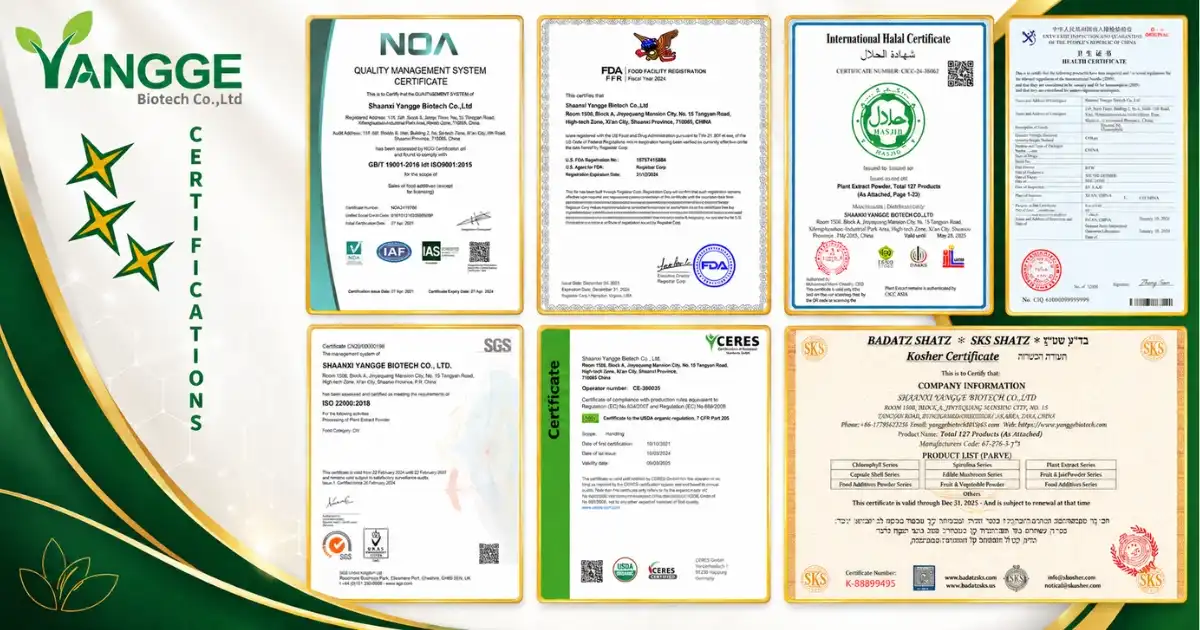
It is necessary to have heavy metals, herbicides, and microbes tested by a third party. Following the USP <561> guidelines for pesticide limits and heavy metal limits (lead <2ppm, arsenic <1ppm) helps protect both the brand's image and the safety of its customers. Certifications like ISO, HACCP, Kosher, and Halal further prove the quality of the production and increase market access, especially in places like North America, Europe, and Australia where regulations are very strict.
Supplier Selection and Risk Mitigation
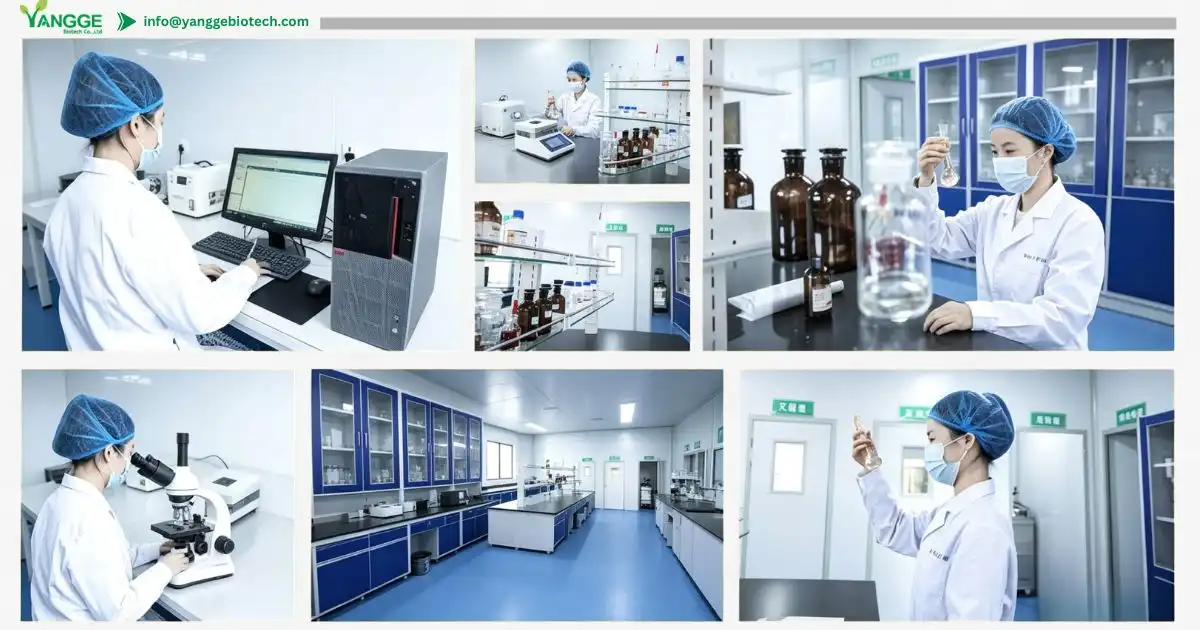
There's more to picking the right provider than just price. Long-term partnerships are built on clear information about where the products come from, the ability to track them from the farm to the finished product, and regular communication. Suppliers with a good reputation keep a lot of quality records, such as Certificates of Analysis (COAs), records of batch tests, and stable studies. Yangge Biotech focuses on sustainable sources by working closely with farming communities to make sure that they follow ethical standards and take care of the environment, which is in line with the values of environmentally aware consumers.
Building partnerships with suppliers who offer flexible minimum order quantities (MOQs) and scalable production capacity helps brands grow without sacrificing quality or service. Procurement managers can do taste evaluations and compatibility testing on samples before placing large orders. This lowers the risk during recipe development.
Practical Guide to Incorporating Lion's Mane Extract in Supplement Manufacturing
Optimal Dosage Ranges and Formulation Techniques
Based on clinical research, the daily recommended doses of Lion's Mane extract are between 500 mg and 3,000 mg, depending on the concentration and the health goals. Higher doses are usually used in products that claim to improve brain function, while moderate doses may be used along with other ingredients like cocoa, coffee, or protein powders in general health formulas. Formulators should think about the concentration of the extract—50% polysaccharide extracts need less of it to reach medicinal levels than lower-potency choices.
Bioactive purity must be kept when blending methods are used. High-shear mixing can make too much heat, which could break down sensitive chemicals. Product stable is kept up by gently mixing at controlled temperatures. Powder formats let you make your own servings in functional drinks, while encapsulation gives you precise dosing and protection from moisture. Dual-extraction products, which get both water-soluble and alcohol-soluble compounds, offer a wide range of bioactivity, but they may need changes to mask flavors and make them more soluble.
Regulatory Compliance and Labeling Considerations
For market access, it's important to know how to work with regulatory frameworks. In the US, Lion's Mane extract is considered a food supplement ingredient by the FDA. This means that it must follow Good Manufacturing Practices (GMP) and have correct labels. Health claims must be backed up by evidence and can only be structure-function comments unless they are based on FDA-approved study. The European Food Safety Authority (EFSA) sets the rules for markets there. These rules make it harder to make health claims and need new foods to be approved before they can be sold.
Table 1: Regulatory Compliance Overview for Lion's Mane Extract Supplements
| Region | Regulatory Body | Key Requirements | Claim Restrictions |
|---|---|---|---|
| North America | Health Canada and the FDA (US) | GMP compliance, clear labeling, and only structure-function claims | No claims about diseases without permission |
| Europe | EFSA | New ways to test food and tight limits on contaminants | Few health claims, words that have already been approved |
| New Zealand | TGA | Framework for medicines that are listed or registered, quality standards | Claims about medicines need proof. |
Real-World Formulation Success Stories
Some of the biggest names in superfoods have successfully added Lion's Mane extract to mushroom coffee mixes. The extract's mild sweetness and neutral taste go well with notes of roasted cocoa and espresso. Companies that make functional drinks use instantized ingredients in cold-brew drinks to meet the needs of customers who want easy, on-the-go brain support. Manufacturers of protein powder mix Lion's Mane with adaptogens and nootropics to make complete wellness formulas that biohackers and fitness fans like. These case studies show how the ingredient can be used in a variety of products and is ready to go to market.
Procurement Strategies and Market Trends for Lion's Mane Extract
Understanding Global Supply Channels and Pricing Dynamics
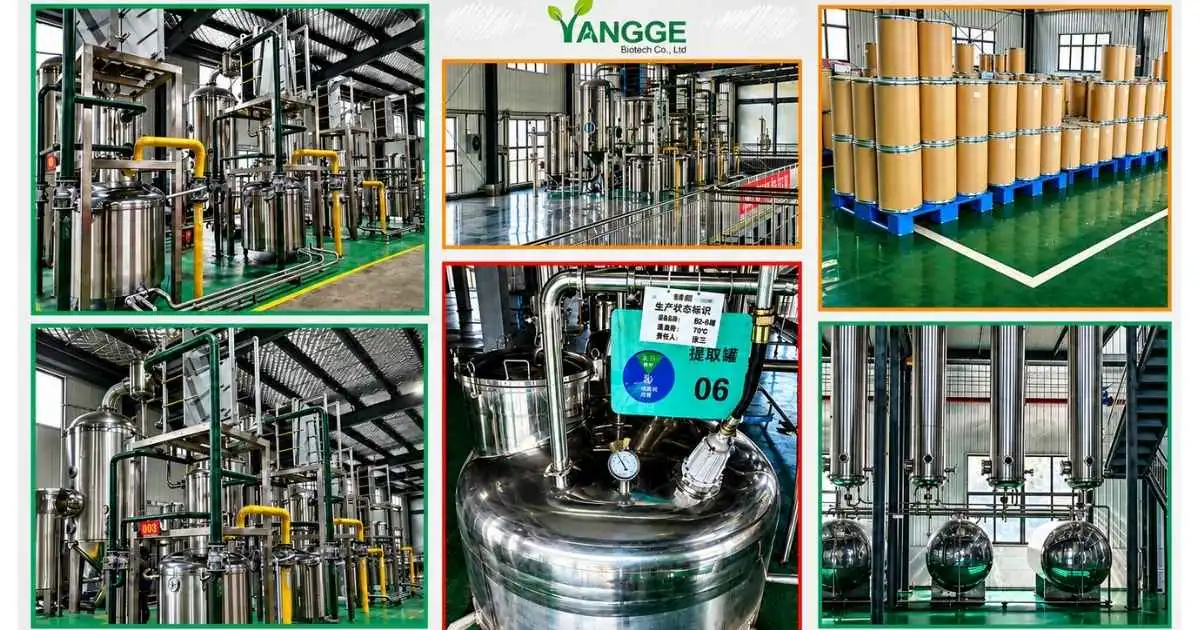
To get Lion's Mane extract, you need to know about global supply networks. Due to its good growing conditions and well-established extraction infrastructure, China is still the biggest producer. By working directly with certified manufacturers like Yangge Biotech, you can cut out the middlemen and their markups, which lowers costs. Distributor networks are convenient, but they might not be clear about where their products come from or how they check their quality. Prices that are competitive usually fall between $20 and $80 per kilogram. The price depends on the method of extraction, the purity, the certifications, and the size of the order.
Price changes are often linked to the supply of raw materials, the time of year when crops are harvested, and changes in the value of the dollar. Long-term partnerships with providers keep prices stable and make sure there is a steady supply during times of high demand. Flexible payment terms and bulk discounts can help buying strategies, especially for mid-sized brands that are expanding their production.
Emerging Trends in Functional Mushroom Supplements
Market trends show that the demand for organic mushroom extracts is growing quickly. This is because consumers want products that are clean on the label and come from sustainable sources. New forms of delivery, like chews, sublingual medicines, and ready-to-drink shots, make it possible to reach more people than just those who take pills. Wellness influencers and podcasts have made "mushroom coffee" very popular, which has brought Lion's Mane to the attention of regular people. This has created huge growth opportunities for brands that position themselves in this cultural movement.
Table 2: Lion's Mane Mushroom Extract Powder Product Specifications
| Attribute | Specification |
|---|---|
| Botanical Name | Hericium erinaceus |
| Polysaccharide Content | Standardized range: 10% to 50% |
| Appearance | Fine powder that is yellow-brown |
| Part Used | Body of fruit or mycelium |
| Grade | Food and medicine |
| Packing Options | 1 kg bag of metal foil, 25 kg fiber drum |
| Certifications | ISO, HACCP, Kosher, and Halal |
| Shelf Life | 24 months |
| Storage | A cool, dry place that doesn't get too wet |
| Flavor Profile | Not too sweet, neutral |
Building Long-Term Supplier Partnerships
Procurement that works well goes beyond business relationships. Setting up clear lines of contact, agreeing on quality standards, and working together on product development projects all help each other grow. When suppliers put money into continued quality assurance, offer professional help, and share information about the market, they stop being just vendors and become strategic partners. This partnership method is shown by Yangge Biotech's specialized R&D team and online service that is available 24 hours a day. These teams help clients with formulation problems and changes to regulations.
Conclusion
Lion's Mane extract is a market-ready ingredient for brain health and useful supplement production that has been proven by science. Its consistent strength, wide range of formulation compatibility, and strong consumer demand make it a valuable asset for companies that want to sell their products in North America, Europe, and Australia. Prioritizing fruiting body extracts, rigorous testing, and open relationships with suppliers are all examples of quality sourcing that makes sure products work and follow the rules. As the functional mushroom category grows, early users who use high-quality Lion's Mane extract in new ways will get a big share of the market and turn customers into loyal customers.
FAQ
What is the difference between hot water and dual extraction for Lion's Mane extract?
Hot water extraction separates water-soluble polysaccharides and beta-glucans, which help the immune system work and fight free radicals. In dual extraction, an ethanol phase is added to get terpenoids that dissolve in fat, such as hericenones and erinacines, which specifically boost the production of nerve growth factors. Brands that want to get the most out of cognitive benefits should choose dual-extracted products. Brands that want to focus on general wellness may find that hot water extracts are enough.
How do I verify the quality of Lion's Mane extract before purchase?
Ask for Certificates of Analysis (COAs) that show the amount of polysaccharides, heavy metals, chemical residues, and microbes. Make sure that enzyme-based tests, such as the Megazyme assay, are used to tell the difference between functional beta-glucans and carbs. Samples let you test the taste and see how well they work with your specific formulation. Supplier trustworthiness is further strengthened by openness about extraction methods and where raw materials come from.
Is Lion's Mane extract soluble in cold water for beverage applications?
Standard extracts mix well with warm liquids, but they might settle to the bottom of cold drinks. When instant versions are made by agglomeration or spray-drying with carriers, they dissolve better in cold water and are clearer. When making ready-to-drink drinks, brands should use instantized extracts and test their stability to make sure the dispersion and mouthfeel are always the same.
Partner with Yangge for Premium Lion's Mane Extract Supply
Yangge Biotech makes high-quality Lion's Mane mushroom extract powder for supplement brands and functional food makers who know what they're doing. Our 50% polysaccharide extract comes only from fruiting bodies and meets ISO, HACCP, Kosher, and Halal standards. This makes sure that all global markets follow the rules. We have different types of packaging, like 1 kg aluminum foil bags or 25 kg fiber drums, so we can work with production sizes ranging from small pilot batches to large commercial runs.
We give B2B clients the trust and openness they need by tracking food from farm to table, using green energy, and offering customer service 24 hours a day. Whether you're putting out a line of nootropic capsules or making a new mushroom coffee blend, our team is ready to help you reach your recipe goals at a price you can afford. Send us an email at info@yanggebiotech.com to get samples and talk about how Yangge Biotech, a reputable provider of Lion's Mane extract, can help you improve your products with ingredients that are backed by science and are the best on the market.
References
1. Friedman, M. (2015). The chemistry, nutrition, and health-promoting effects of the fruiting bodies and mycelia of the Hericiumaa erinaceus (Lion's Mane) mushroom, as well as their bioactive compounds. The 63(32) issue of the Journal of Agricultural and Food Chemistry has articles 7108–7123.
2. Mori, K., Inatomi, S., Ouchi, K., Azumi, Y., and Tuchida, T. (2009). A double-blind, placebo-controlled clinical trial looked at how the mushroom Yamabushitake (Hericium erinaceus) can help people with mild cognitive impairment. 23(3), 367–372 in Phytotherapy Research.
3. Lai, P.L., Naidu, M., Sabaratnam, V., Wong, K.H., David, R.P., Kuppusamy, U.R., Abdullah, N., and Malek, S.N.A. (2013). the Lion's mane medicinal mushroom, Hericium erinaceus (Higher Basidiomycetes), and its ability to help neurons grow. 15(6), 539–554, in the International Journal of Medicinal Mushrooms.
4. Ryu, S.H., Hong, S.M., Khan, Z., Lee, S.K., Vishwanath, M., Turk, A., Yeon, S.W., Jo, Y.H., Lee, D.H., Lee, J.K., Hwang, B.Y., Jung, J.K., & Kim, S.Y. (2021). Neurotrophic isoindolinones that come from Hericium erinaceus fruit bodies. The number 31 of Bioorganic & Medicinal Chemistry Letters is 127714.
5. Brandalise, F., Cesaroni, V., Gregori, A., Repetti, M., Romano, C., Orrù, G., Botta, L., Girometta, C., Guglielminetti, M.L., Savino, E., & Rossi, P. (2017). Giving wild-type mice extra Hericium erinaceus in their food improves the communication and memory of mossy fibers in the CA3 hippocampal area. Supplemental and alternative medicine based on evidence, 2017, 3864340.
6. Khan, M.A., Tania, M., Liu, R., & Rahman, M.M. (2013). Hericium erinaceus is a mushroom that can be eaten and has health benefits. pp. 253-258 in the 10th issue of the Journal of Complementary and Integrative Medicine.

Based on your location and order quantity, you will have the opportunity to receive a limited time free shipping promotion!
Who we are
Popular Blogs