Black Carrot Extract vs Purple Carrot: Which Fits Your Formula?
If you're choosing between black carrot extract and purple carrot extract for your next product, the short answer is: it depends on what your formula demands. Black carrot extract delivers a significantly higher concentration of acylated anthocyanins, superior color stability across industrial processing conditions, and a clean-label profile backed by HPLC-verified potency. Purple carrot extract, while nutritionally solid, carries lower pigment density and less processing resilience. For formulators targeting functional beverages, gummies, or dietary supplements with both coloring and antioxidant benefits, black carrot extract typically offers the stronger technical and commercial case.
Understanding Black Carrot Extract and Purple Carrot Extract
Anthocyanin Profile and Antioxidant Capacity
Researchers have found that black carrots (Daucus carota ssp. sativus var. atrorubens) have between 1,750 mg/kg fresh weight and over 4,000 mg/kg fresh weight of anthocyanin, which is one of the highest amounts of any root vegetable. The anthocyanins in them are mostly acylated cyanidin-3-glycosides. This means that they are chemically connected to cinnamic acids (sinapic, ferulic, and coumaric), which naturally keeps their structure safe. Black carrot extract, on the other hand, has smaller amounts of non-acylated anthocyanins, which makes it less stable when exposed to heat or UV radiation.
| Property | Black Carrot Extract | Purple Carrot Extract |
|---|---|---|
| Dominant Pigment | Acylated cyanidin glycosides | Non-acylated anthocyanins |
| Anthocyanin Density | Very high (1,750–4,000 mg/kg) | Moderate |
| Heat Stability | High | Moderate |
| Color Range (pH 3–4) | Ruby red to deep purple | Pinkish-red |
| ORAC Value | Very high | Moderate |
Extraction Standards and Purity
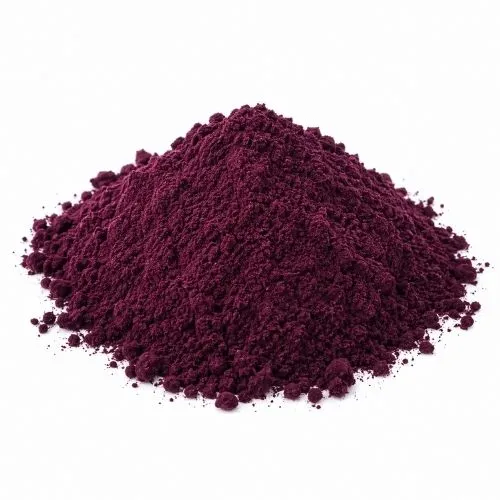
Yangge's black carrot extract is made from the plant's root. It is tested by HPLC and has the appearance of a dark reddish-purple powder. There are no GMOs in it, it has not been irradiated, it is not allergenic, and it meets European PAH4 standards (Benzopyrene ≤10 ppb). Today, most purple carrot powders on the B2B market don't meet these higher standards for HPLC testing and PAH compliance. This is because sellers still don't all follow the same rules.
Storage and Shelf Life Considerations
The original bottle of Yangge's black carrot extract needs to be kept closed and out of the light. The way the color is stored affects how well it works over time. Purple carrot powders are more likely to break down during shipping and storage because they don't have acylation. This is especially true in warm places like the Middle East, where the powders are shipped.
Performance and Application in Various Industries
Color Stability and Hue Performance
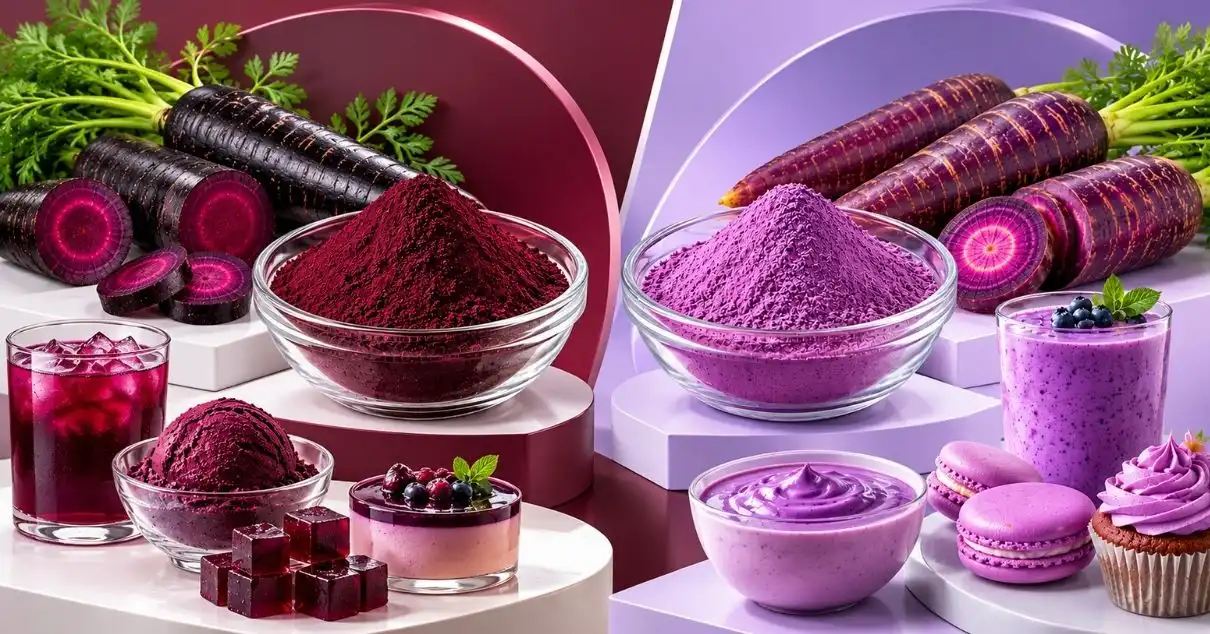
Anthocyanins in black carrots have a real-world benefit that can be measured because of the way they are structured. The extract keeps a bright ruby red color when the pH is below 4.0, even after being heated, treated with UHT, and kept at room temperature for at least a year. On a lab scale, purple carrot colors look nice, but they tend to fade or shift toward faint pink tones when the same conditions are used. When gummy candies are made with high heat, some of the color is lost, but the color stays bright. Functional drinks that have a strong antioxidant claim and a bright color don't have a lot of functional positioning. Dietary supplements (capsules and pills) are standardized by HPLC and have clean labels, but the market is not as uniform.
| Application | Black Carrot Extract Performance | Purple Carrot Performance |
|---|---|---|
| Carbonated beverages (pH 3.0–3.5) | Stable ruby red; long shelf life | Acceptable; faster fading |
| Gummy confectionery (high-heat process) | Retains color vibrancy | Moderate loss |
| Functional beverages | Strong antioxidant claim + color | Limited functional positioning |
| Dietary supplements (capsules/tablets) | HPLC-standardized; clean label | Less standardized in market |
Health Benefits and Functional Claims
Research backs up a number of useful claims that Yangge's black carrot powder makes, which is important for supplement brands:
- Antioxidant protection: Anthocyanins neutralize free radicals, supporting oxidative stress management. Per USDA nutritional data, 100g of black carrots delivers 334% of the RDI for Vitamin A alongside meaningful levels of Vitamin C and potassium.
- Visual system support: Beta-carotene and anthocyanin content supports eye health, and published data indicates potential benefits for night blindness and retinal protection.
- Liver cell protection: Research suggests black carrot pigments may reduce hepatic cell damage associated with chemotherapy-related oxidative stress.
- Anti-carcinogenic potential: Preliminary studies indicate anthocyanins from black carrots may offer protective effects against carcinogenesis, though clinical evidence in humans remains in early stages.
Because it has these health benefits, black carrot extract is becoming more and more popular as an ingredient in useful foods and drinks. It is a natural colorant that also has health benefits.
Application Fit by Sector
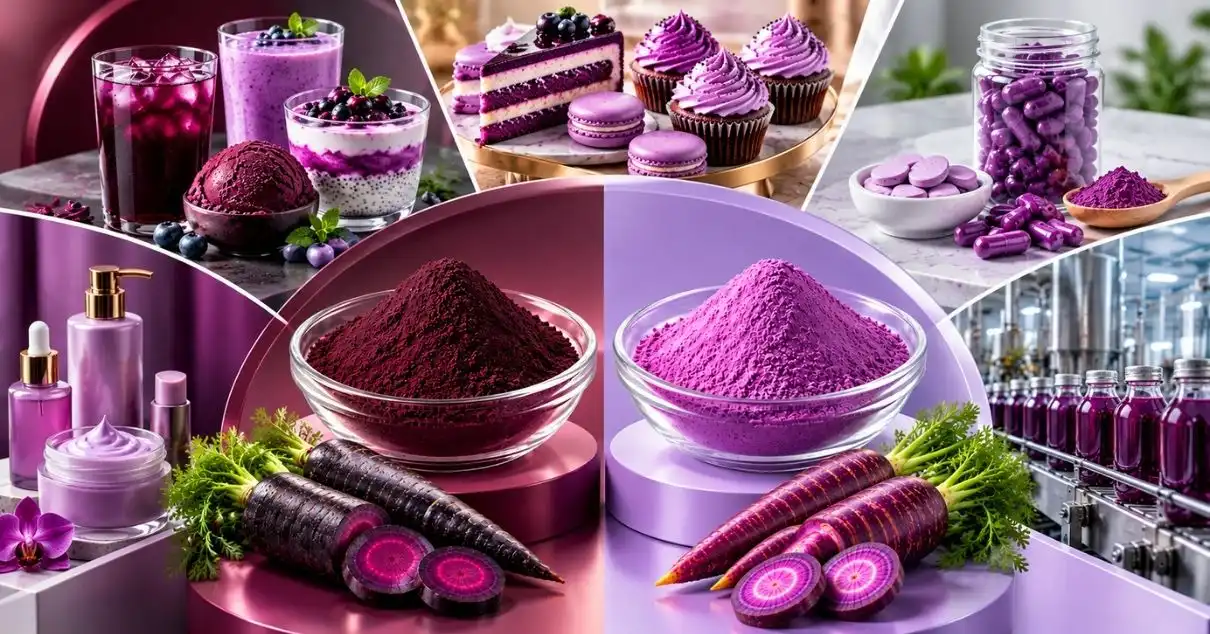
Drinks, sweets, fruit mixes, and vitamin pills all benefit from black carrot extract. As it is easily broken down by water, it can be used in liquid systems without any extra help. Even though purple carrot works well in fresh food or dry applications that can be left out at room temperature, it usually needs to be used in larger amounts to get the same color intensity, which raises the cost of formulation.
Comparing Market Availability and Procurement Factors
Supplier Landscape and Certifications
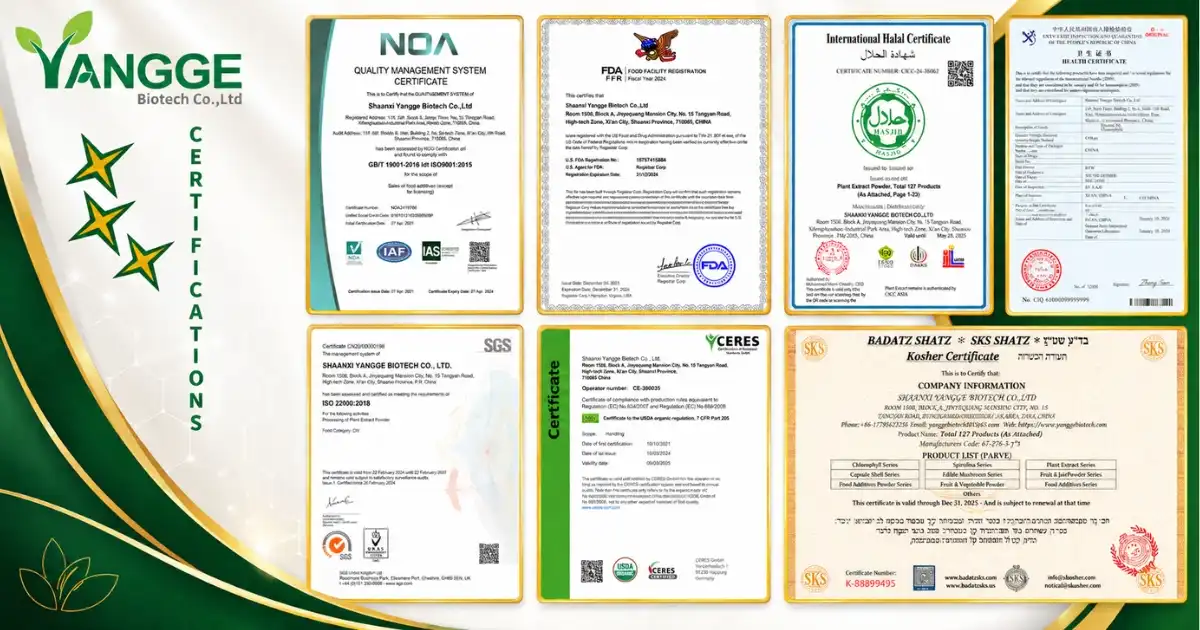
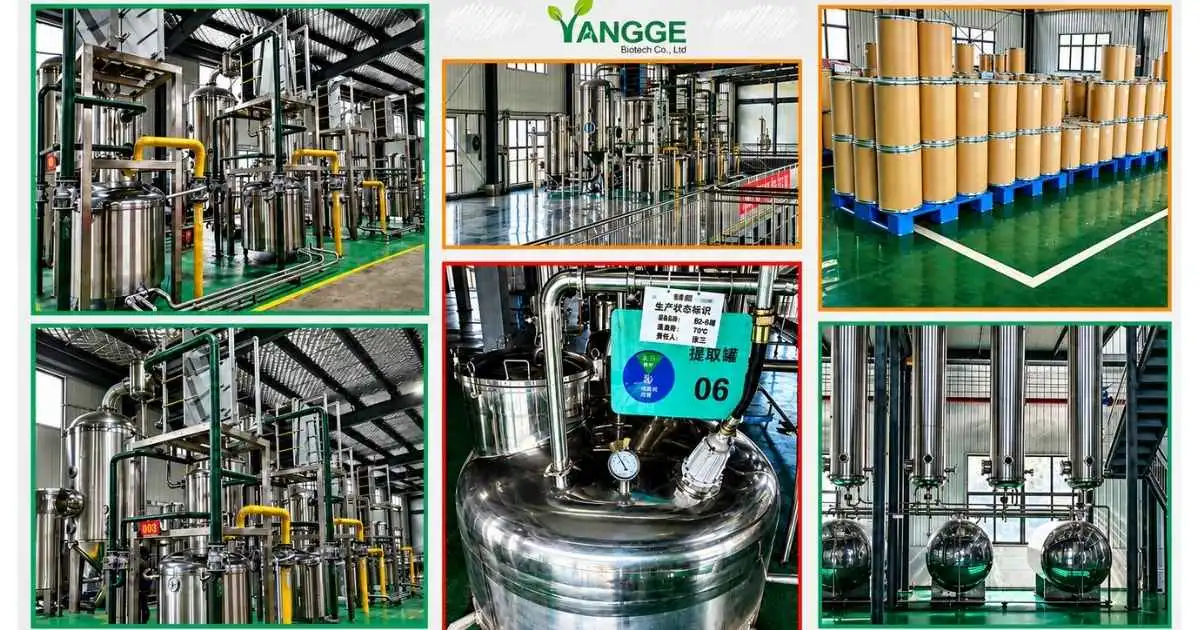
Yangge Biotech Co., Ltd. is a company that makes things. It is ISO, HACCP, Kosher, and Halal approved. When they make things, they follow GMP guidelines and have dedicated R&D support. The company creates black carrot extract that has been tested for anthocyanin levels using HPLC, is safe for PAH4 use, and has been tested again by approved third-party labs. These kinds of papers are very important for purchasing managers in North America and Europe who deal with natural colorants because the rules say they need certificates of analysis that can be tracked and are unique to each lot.
A smaller number of companies sell purple carrot juice, and the ones that do vary how they measure anthocyanin all the time. Changes in the color mix from one batch to the next are still a problem for the people who get the ingredients.
Pricing, MOQ, and Logistics
Yangge sells black carrot extract in bags of 1 kg made of aluminum foil, but they can also make packaging just for you. You can buy the product in any amount, from small amounts to test out to large orders. This makes it easier for mid-size brands that spend between $30,000 and $250,000 a year on natural colorants and useful ingredients to find what they need. Yangge has an open MOQ structure and customer service that is available 24 hours a day.
Making the Right Choice for Your Formula
Decision Criteria Summary
The needs of your recipe will help you choose the right ingredient. Here is a template that can help:
- For functional beverages targeting antioxidant claims: Black carrot extract delivers both color and documented health function in a single, HPLC-verified ingredient—eliminating the need for two separate additives.
- For confectionery (gummies, hard candy): Black carrot's heat-resilient acylated anthocyanins maintain color through boiling and depositing stages where purple carrot pigments typically degrade.
- For dietary supplements: HPLC standardization and PAH4 compliance make black carrot extract the audit-ready choice for brands operating under FDA, EFSA, or GCC regulatory frameworks.
Most mid-sized companies that make drinks, vitamins, and functional foods will decide that black carrot extract is the better choice from both a science and a business point of view after looking at these things.
Sustainability and Brand Value
Yangge Biotech works directly with farming groups to get the materials it needs in a way that supports long-term growth. The term for this is "farm-to-table traceability." Green energy is another thing that people like about the company. Brands that want to build a clean-label story will benefit a lot from this supply chain openness. This is especially true in North America and Europe, where people carefully check sourcing claims.
Conclusion
Both black carrot extract and purple carrot extract are effective natural colorants, but they should be applied in different ways. When it comes to anthocyanin density, color stability, and standardizing functional ingredients, black carrot extract always does better than purple carrot extract. This should be the better input for companies that make antioxidant-focused drinks, clean-label sweets, or HPLC-verified supplements. If cost is low or the setting is casual and color accuracy is not important, purple carrot extract might work well. When making your final choice, you should think about the pH range, the working temperatures, the label claims, and the laws that apply to your product.
FAQ
What is the main difference between black carrot extract and purple carrot extract?
Black carrot extract contains acylated anthocyanins at much higher concentrations than purple carrot extract. This acylation makes black carrot pigments significantly more resistant to heat, light, and pH shifts—critical for industrial beverage and confectionery production.
How is anthocyanin content verified in black carrot extract?
Yangge tests its black carrot extract using HPLC (High-Performance Liquid Chromatography), the industry-accepted standard method. HPLC provides precise, lot-specific quantification of individual anthocyanin compounds, which supports regulatory compliance and label accuracy.
Is black carrot extract safe and allergen-free?
Yes. Yangge's black carrot extract is Non-GMO, non-irradiated, and non-allergen. It complies with European PAH4 standards, with Benzopyrene ≤10 ppb, confirmed through cooperation with accredited third-party laboratories.
What minimum order quantity does Yangge offer?
Yangge packages black carrot extract in 1kg aluminum foil bags. Custom packaging is available for larger volumes. Procurement teams can contact Yangge directly to discuss trial sample arrangements before committing to bulk orders.
Can black carrot extract replace synthetic red dyes like FD&C Red 40?
Yes. Black carrot extract is widely used as a clean-label replacement for FD&C Red 40 (Allura Red) in acidic food and beverage applications. Its color range spans ruby red to deep purple depending on pH, making it a practical match for a wide range of product profiles.
Partner With Yangge Your Trusted Black Carrot Extract Supplier
Are you ready to find an organic anthocyanin that you can use in your next recipe? Yangge Biotech has black carrot extract that is manufacturer-grade and has been tested with HPLC. It also meets the standards for ISO, HACCP, Kosher, and Halal, and it doesn't contain PAH4. It comes in flexible packages that can hold up to 1 kg. Ask for a taste or talk about how much it costs to buy a lot of something right now. You can email us at info@yanggebiotech.com to get product information and proof of analysis.
References
1. Algarra, M., et al. "Anthocyanin profile and antioxidant capacity of black carrot (Daucus carota ssp. sativus var. atrorubens) extracts." Food Chemistry, 2014.
2. Kammerer, D., et al. "Polyphenol screening of pomace from red and white grape varieties (Vitis vinifera L.) by HPLC-DAD-MS/MS." Journal of Agricultural and Food Chemistry, 2004.
3. Netzel, M., et al. "Bioavailability and radical scavenging activity of anthocyanins in black carrots compared to red beet." Journal of the Science of Food and Agriculture, 2007.
4. Giusti, M. M., & Wrolstad, R. E. "Characterization and measurement of anthocyanins by UV-visible spectroscopy." Current Protocols in Food Analytical Chemistry, 2001.
5. Khoo, H. E., et al. "Anthocyanidins and anthocyanins: colored pigments as food, pharmaceutical ingredients, and the potential health benefits." Food & Nutrition Research, 2017.
6. Stintzing, F. C., & Carle, R. "Functional properties of anthocyanins and betalains in plants, food, and in human nutrition." Trends in Food Science & Technology, 2004.

Based on your location and order quantity, you will have the opportunity to receive a limited time free shipping promotion!
Who we are
Popular Blogs