Black Carrot Extract vs. Purple Carrot Extract: Which Is Best?
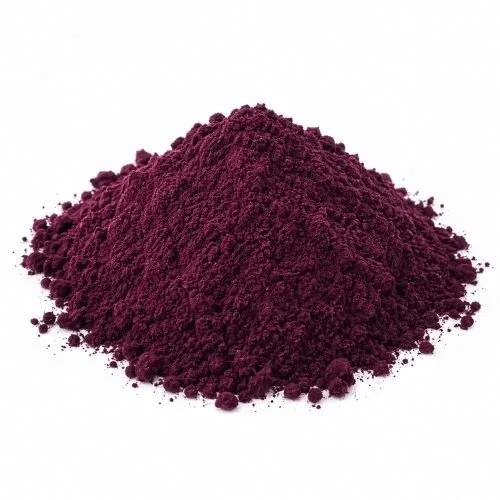
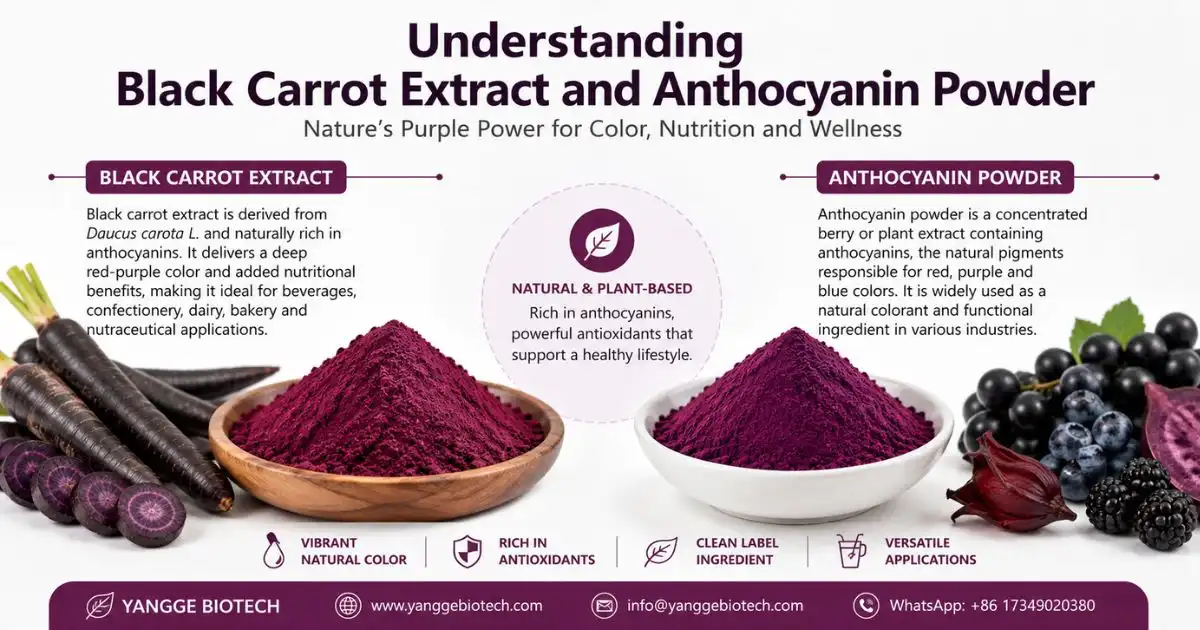
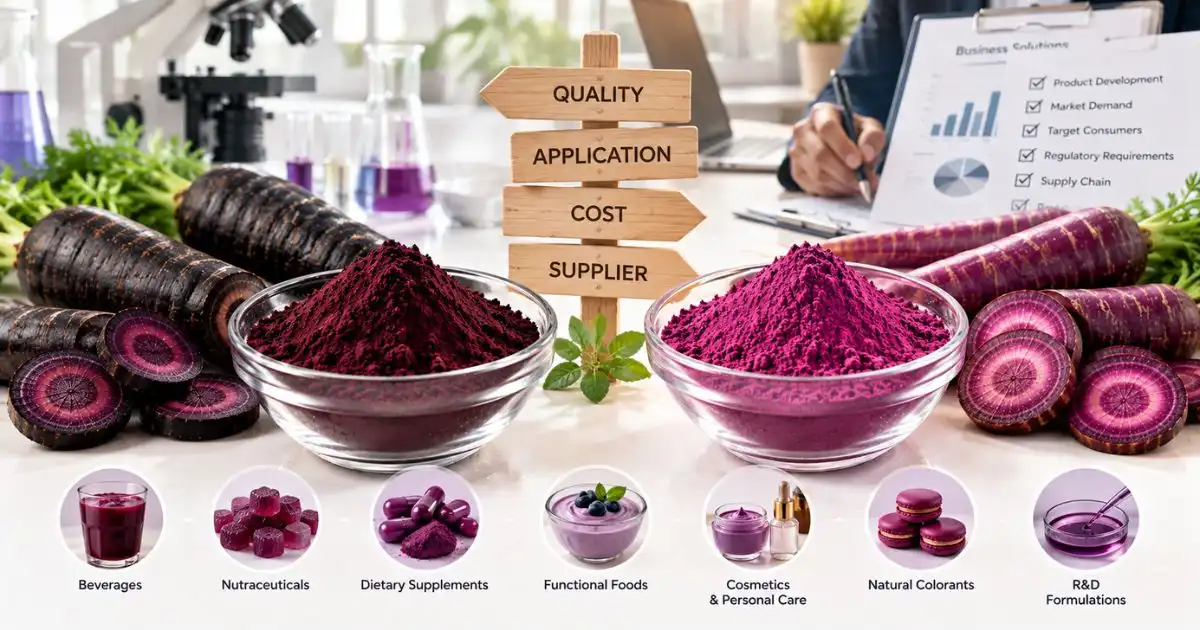
Black Carrot Extract Powder is a natural plant-based ingredient rich in anthocyanins, offering vibrant red to purple-red color and antioxidant properties. Yangge Biotech supplies high-quality Black Carrot Extract Powder for food, beverage, nutraceutical, and functional product applications. It is an ideal natural color solution for manufacturers looking to replace synthetic colorants with plant-derived ingredients.
Black Carrot Extract Powder can be used in beverages, gummies, candies, dairy products, yogurt, desserts, sauces, and dietary supplements. Yangge Biotech provides consistent quality, customizable specifications, and professional B2B ingredient support.
Contact us today for product specifications, samples, certifications, bulk prices, and OEM solutions.
Email: info@yanggebiotech.com
B2B food and beverage firms seeking dual functionality choose Black Carrot Extract over these two natural colourants. Its acylated anthocyanin structure provides colour stability across pH ranges and processing conditions and strong antioxidant activity, making it perfect for functional drinks, confectionary, and supplements that have visual appeal and health claims. Purple carrot extract is healthy but lacks molecular stability for shelf life in difficult formulations.
Introduction
Choosing the proper natural colourant is crucial for product success. Due to regulatory scrutiny and public disapproval of synthetic dyes, manufacturers are converting to plant-based dyes that provide bright colour and health advantages. Black Carrot Extract and purple carrot extract are market leaders, yet many procurement teams don't understand their distinctions.
This comparison tackles North American and European food & beverage, nutritional supplement, and functional food innovators' key decision criteria. We'll evaluate these extracts in fizzy drinks and gummy formulations and give scientific data to support your ingredient investment. Knowing the subtle differences between carrot-derived compounds can affect your formulation success, cost efficiency, and regulatory compliance whether substituting synthetic Red 40 or creating an antioxidant-rich product line.
This is especially true for mid-sized manufacturers (50-500 employees) with annual procurement budgets between $30,000 and $250,000. Ingredient choices must meet R&D performance standards, purchasing department cost targets, and marketing's clean-label positioning.
Understanding Black Carrot and Purple Carrot Extracts
Botanical Origins and Phytochemical Profiles
The same Daucus carota subspecies, but different genetic histories and chemical markers. Over generations of selective breeding, Black Carrot Extract (Daucus carota ssp. sativus var. atrorubens) in Turkey and Central Asia accumulates anthocyanins. Cyanidin-3-glycosides acylated with sinapic, ferulic, and coumaric acids. To inhibit chromophore degradation, these molecules create a "cage"
Purple carrot varieties are more common in Europe and the Middle East. Similar anthocyanin families, but less acylation and quantity. 100g of raw black carrots has 35 kcal, 8.2g carbs, 2.9g fibre, and 334% RDI of Vitamin A—far more than orange kinds. This thick nutritional matrix creates extracts with functional advantages beyond colouration.
Extraction Technologies and Format Options
Modern extraction uses aqueous or hydroalcoholic solvents at regulated temperatures to protect heat-sensitive anthocyanins. The concentrations are spray-dried to make standardised powders (5-25% anthocyanin) or liquid concentrates (40-70 Brix). HPLC testing verifies anthocyanin profiles, guaranteeing batch-to-batch consistency for formulators with precise colour standards.
Yangge's Black Carrot Extract's superior processing preserves anthocyanin and improves water solubility. Root material-derived dark red-purple powder has E1% 1cm colour values from 4-120 units depending on concentration, allowing dose changes across varied applications.
Principal Health Benefits and Functional Claims
Research published in Food Chemistry confirms black carrot anthocyanins demonstrate superior bioavailability compared to other anthocyanin sources, with acylation enhancing intestinal absorption. The functional benefits extend beyond basic nutrition:
- Oxidative Stress Mitigation: Anthocyanins neutralize free radicals, supporting cardiovascular health and reducing inflammation markers.
- Visual System Support: High Vitamin A content and anthocyanin compounds protect retinal cells from light-induced damage.
- Hepatoprotective Effects: Studies indicate protective action against chemotherapy-induced liver cell damage.
- Dermatological Applications: Beta carotene and anthocyanin synergy improves skin elasticity and reduces photodamage.
- Metabolic Health: Preliminary evidence suggests blood glucose regulation support, though more clinical validation is needed.
Purple carrot extracts share some antioxidant capacity but generally test lower in ORAC (Oxygen Radical Absorbance Capacity) assays due to reduced anthocyanin density and less protective acylation.
Black Carrot Extract vs. Purple Carrot Extract – Core Comparisons
Color Stability and pH Performance
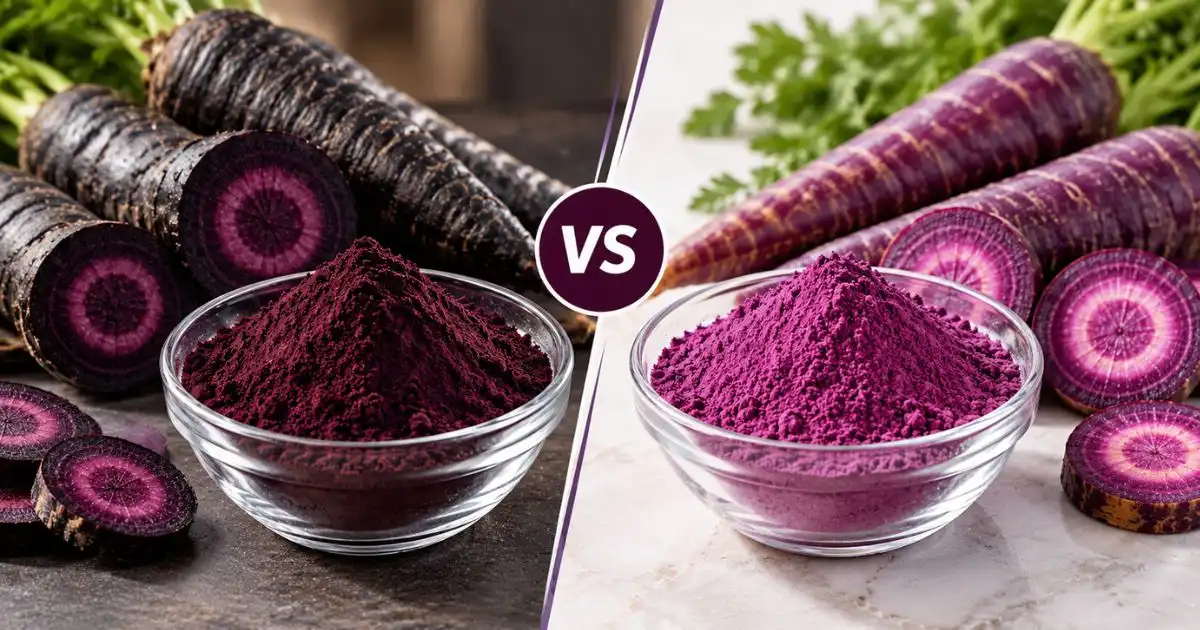
The most significant industrial distinction lies in color stability under processing stress. Black Carrot Extract acylated anthocyanins maintain vibrant red-purple hues at pH 3.0-4.5—the typical range for carbonated beverages, fruit preparations, and confectionery systems. Testing shows less than 15% color loss after 12 months at room temperature in transparent PET bottles under retail lighting conditions.
Purple carrot extracts, lacking extensive acylation, experience faster degradation rates—often 30-40% color loss under identical conditions. This performance gap directly impacts reformulation frequency, waste from off-spec batches, and consumer perception of product freshness. The table below summarizes comparative stability data from accelerated shelf-life testing:
| Parameter | Black Carrot Extract | Purple Carrot Extract |
|---|---|---|
| Color retention (6 months, pH 3.5, 25°C) | 87-92% | 62-71% |
| Heat stability (pasteurization, 80°C, 15 min) | Minimal degradation | 12-18% loss |
| Light stability (1000 lux, 30 days) | 89% retention | 58% retention |
| pH stability range (optimal color) | 3.0-5.0 | 3.0-4.0 |
These differences explain why leading beverage manufacturers preferentially specify black carrot for premium functional drinks where consistent ruby-red appearance drives brand identity.
Antioxidant Capacity and Functional Potency
Quantitative analysis via HPLC reveals Black Carrot Extracts typically contain 15-25% anthocyanins by weight in standardized powders, compared to 8-15% in purple carrot equivalents. The Journal of Agricultural and Food Chemistry reported ORAC values for black carrot at 42,000 μmol TE/100g versus 28,000 μmol TE/100g for purple variants—a 50% advantage in free radical scavenging potential.
This potency differential allows formulators to achieve label claims like "High in Antioxidants" with lower dosage rates, reducing cost-in-use and minimizing potential flavor impact. The acylated structure also enhances bioactivity; in vitro studies demonstrate superior inhibition of lipid peroxidation and inflammatory cytokine expression compared to non-acylated anthocyanin sources.
Safety Profiles and Recommended Dosages
The US GRAS (Generally Recognised As Safe) rating and EU regulation 1333/2008 food colourant approval provide both extracts outstanding safety histories. Final product consumption rates vary by shade intensity from 0.1-1.0%. Literature reports no harmful effects at this doses.
Despite uncommon situations, anthocyanin sensitivity is the major concern. Formulators should screen carrots for allergens despite their minimal allergenicity. The Yangge's Non-Allergen certification adds security for sensitive consumers. Our aluminium foil packaging with specific size choices (beginning at 1kg) protects ingredient purity throughout the supply chain.
Procurement Considerations for B2B Buyers
Pricing Structures and Cost Analysis
Carrot extract wholesale prices vary greatly by anthocyanin content, origin, organic certification, and order amount. Standard Black Carrot Extract powder (15% anthocyanins) costs $45-85/kg for bulk purchases (100kg+), whereas purple carrot counterparts cost $35-65/kg due to processing complexity and raw material prices.
Black carrot has higher unit pricing, but cost-per-application estimates favor it. A beverage company needing a certain color intensity may utilise 0.3% black carrot extract instead of 0.6% purple carrot extract, balancing the price premium and improving stability. Given lower reformulation costs, rejection rates, and shelf life, the higher-performance choice usually has a lower total cost of ownership.
Yangge and other vendors give 15-20% savings for yearly contracts above $50,000. For producers without specialized mixing equipment, custom formulation services like pre-dispersed liquid concentrates or microencapsulated forms cost $8-15/kg but simplify manufacturing.
Supplier Qualification and Quality Assurance
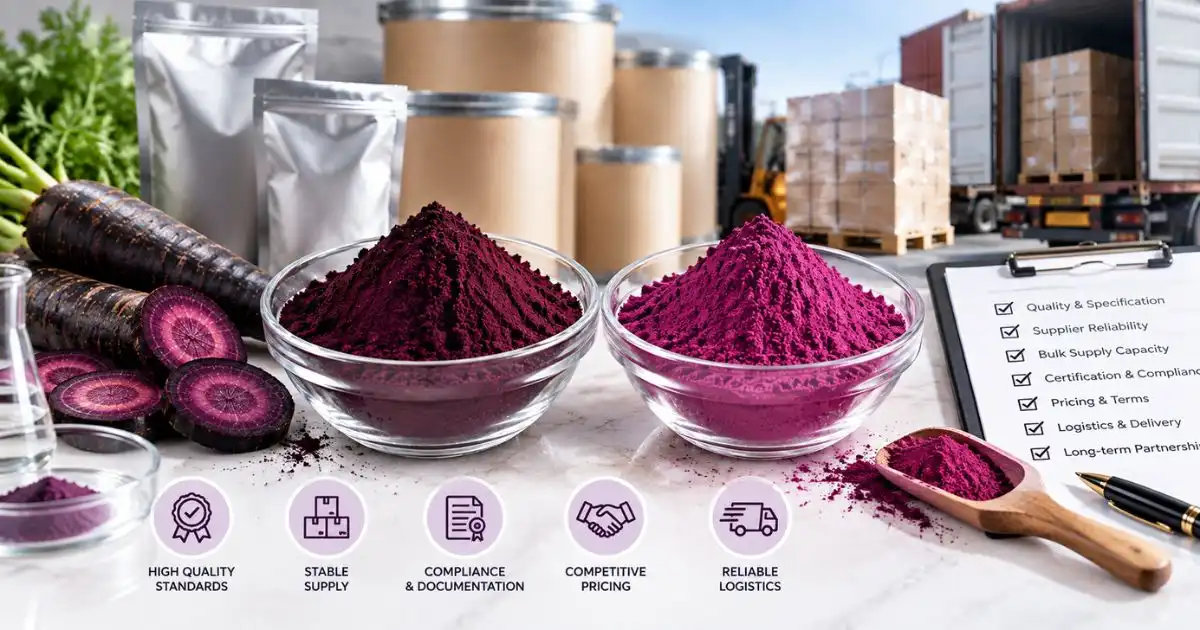
Identifying trustworthy suppliers requires verifying multiple credentials beyond basic product specifications. Priority evaluation criteria include:
- Quality management is shown by ISO 9001, HACCP, and GMP. Exporters benefit from Kosher and Halal certificates. USDA/EU organic certification costs extra but permits clean-label placement.
- Protocols: Reputable providers batch test anthocyanin, microbial, heavy metal, and PAH levels using HPLC. Certification by SGS, Eurofins, or other labs boosts credibility.
- Traceability Systems: Food chain transparency regulations make farm-to-table documentation increasingly crucial. Suppliers with farmer cooperative linkages, like Yangge via sustainable community development partnerships, monitor lots better.
R&D teams respond to formulation difficulties, stability testing, and regulatory paperwork, shortening time-to-market. 24-hour customer service, language support, and application labs demonstrate supplier commitment beyond transactions.
Packaging and Storage Considerations
Extract stability extends beyond molecular structure to encompass proper handling throughout distribution. Standard packaging options include:
- Aluminum foil laminate bags: Provide excellent moisture and light barriers for 12-18 month shelf life.
- HDPE drums with nitrogen flushing: Suitable for liquid concentrates requiring oxidation protection.
- Fiber drums with polyethylene liners: Cost-effective for high-volume powder shipments.
- Custom formats: Small-batch manufacturers benefit from 1kg units, while industrial operations prefer 10-25kg configurations.
Storage requirements specify tightly sealed containers in cool (below 25°C), dry environments protected from direct light exposure. Refrigeration extends shelf life but introduces moisture condensation risks during temperature cycling. For Black Carrot Extract, additional care is advised, as its anthocyanin pigments are particularly sensitive to light and temperature fluctuations. Clear storage protocols in your SOP documentation prevent quality degradation and ensure consistent performance across production runs.
Choosing the Right Extract for Your Business Needs
Application-Specific Selection Framework
Different industry segments demand tailored ingredient performance profiles. Understanding how each extract aligns with specific manufacturing requirements streamlines procurement decisions:
- Black Carrot Extract dominates beverage manufacturing owing to its pH compatibility with carbonated soft drinks (pH 2.5-3.5), energy drinks, and functional waters. Pasteurisation and hot-fill do not change the extract's colour. Kombucha and fermented beverage makers demand stability throughout long fermentation.
- Sugar interactions, high temperatures (80-90°C), and low pH (3.0-3.5) are harsh conditions for colourants in gummy production. Black carrots don't brown like beets because of their molecular structure. Hard candy manufacture advantages from heat resistance during boiling and depositing.
- Nutritional supplements: Tablet and capsule manufacturers standardise anthocyanin for label correctness. Powders combine well with excipients, and strong antioxidant ORAC values promote "immune support" or "antioxidant complex" advertising. Colour and function reduce the need for separate chemicals, simplifying recipes.
- Black carrot's acid stability makes it ideal for yoghurt and sorbet bases.
Decision Matrix and Key Selection Criteria
The table below synthesizes critical evaluation factors to guide ingredient selection:
| Evaluation Factor | Black Carrot Extract Priority | Purple Carrot Extract Priority |
|---|---|---|
| Maximum color stability required | ✓✓✓ High | ✗ Lower performance |
| Antioxidant/functional claims central | ✓✓✓ Superior ORAC | ✓ Adequate for basic claims |
| Budget-constrained projects | ✓ Higher cost-per-kg | ✓✓ Lower unit cost |
| Clean label + non-GMO essential | ✓✓✓ Widely certified | ✓✓ Available but verify |
| Short shelf life acceptable (<6 months) | ✓ Overqualified | ✓✓ Sufficient |
| Heat processing >75°C | ✓✓✓ Excellent stability | ✗ Significant degradation |
Procurement managers should weight these factors according to their product's unique requirements. A premium functional beverage targeting health-conscious consumers justifies the investment in Black Carrot Extract for its dual coloring-antioxidant benefits and extended shelf stability. Conversely, a regional producer making refrigerated fresh juices with 30-day shelf life might find purple carrot adequate while optimizing material costs.
Sustainability and Regulatory Alignment
Ingredient choices increasingly include environmental and ethical factors beyond technical performance. Turkey's traditional black carrot farming areas benefit from fair trade cooperation. Yangge provides agronomic advise to agricultural organisations to guarantee fair pricing and great quality.
The Non-GMO Project reports that 73% of North American and European buyers actively seek non-GMO labelling. Organic certification costs 25-40% more but opens Whole Foods, natural channel shops, and European bio-markets with rigorous ingredient criteria.
Yangge's factories employ renewable energy, reducing their carbon impact and meeting huge retail chains' environmental aims. For businesses with ESG (Environmental, Social, Governance) commitments, these variables impact purchase choices beyond technical requirements.
Future Trends and Innovations in Carrot Extracts
Emerging Extraction and Stabilization Technologies
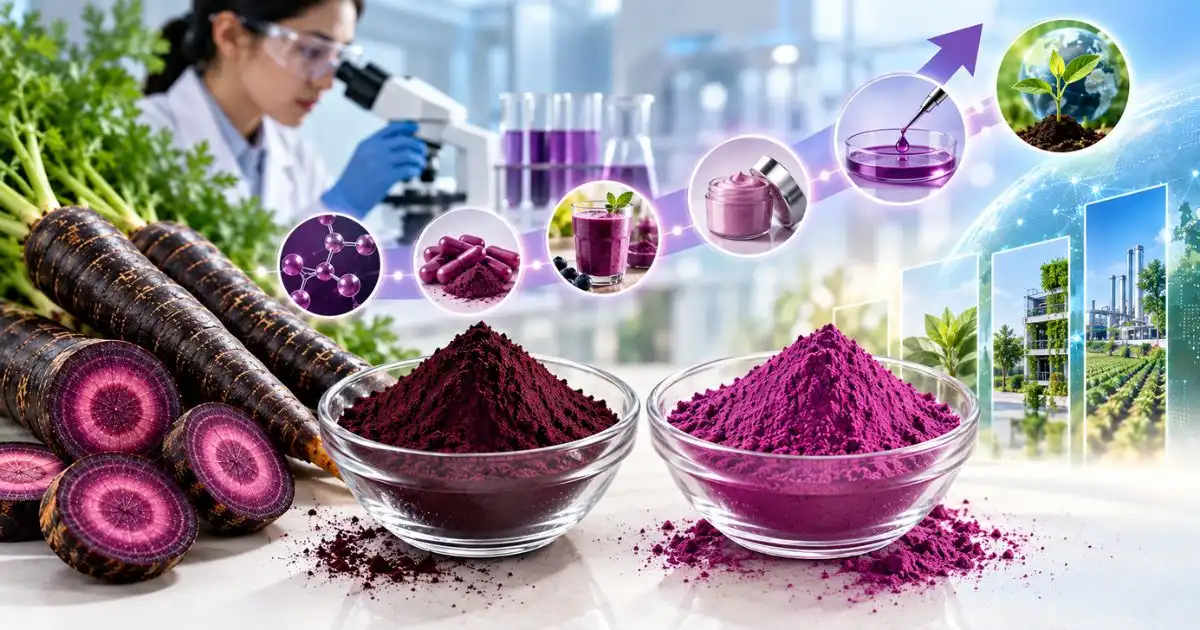
The natural colourant business improves anthocyanin output and stability by processing. Supercritical CO2 extraction maintains thermolabile chemicals without solvents. Though 30-50% more expensive than traditional extraction, premium ingredient suppliers for pharmaceutical and nutraceutical industries are adopting it.
Anthocyanin particles are microencapsulated with maltodextrin, modified starches, or protein complexes to improve oxidation resistance and controlled release. This idea improves powdered beverage mixes and supplements when oxygen during storage would impair colour and bioactivity.
Enzymatic alteration of anthocyanin glycosidic linkages changes colour spectrum or pH stability. These methods, still under development, might enable bespoke colourant profiles for certain pH settings, broadening Black Carrot Extract's use in near-neutral dairy and bread applications presently dominated by other natural colours.
Market Expansion and Regulatory Evolution
Synthetic dye restrictions and clean-label preferences will generate 8.2% CAGR demand for natural food colourants through 2028. The EU's review of titanium dioxide (E171) and prospective limits presents prospects for natural alternatives in confectionery whitening, where black carrot may add pink and purple tints.
North American regulations are aligning with EU norms; California's Proposition 65 warnings and FDA's synthetic colourant recommendations encourage proactive reformulation. Early transitions provide brands a competitive edge via credible clean-label positioning before regulations affect the industry.
Middle Eastern markets for functional drinks and supplements are growing due to cultural preferences for natural ingredients and Halal certification. In 400+ million consumer markets with rising disposable incomes and health awareness, suppliers with Halal, Kosher, ISO, and HACCP certifications capitalise on growing possibilities.
Conclusion
The comparison between Black Carrot Extract and purple carrot extract reveals clear performance distinctions that should guide procurement decisions. The acylated anthocyanin structure in black carrot gives it better color stability, higher antioxidant potency, and better processing resistance. This makes it the preferred choice for manufacturers prioritizing product quality, extended shelf life, and functional health positioning. While purple carrot extracts offer cost advantages, the performance gaps often result in higher total ownership costs through reformulation needs and shorter product viability.
Successful ingredient selection requires balancing technical specifications, cost structures, supplier reliability, and sustainability credentials. Yangge's Black Carrot Extract addresses these multifaceted requirements through HPLC-verified anthocyanin content, comprehensive safety certifications, and responsive technical support—backed by sustainable sourcing practices and global distribution capabilities that serve mid-sized manufacturers across North America and Europe.
FAQ
What are the potential side effects of carrot extracts?
Both black and purple carrot extracts maintain excellent safety profiles with no significant adverse effects documented at typical food-use concentrations (0.1-1.0%). Individuals with rare carrot allergies should exercise caution, though documented cases remain exceptionally uncommon. The extracts contain no common allergens and hold GRAS status in the US with EU approval for food colorants.
How do anthocyanin levels compare between the two extracts?
Standardized Black Carrot Extract powder typically contains 15-25% anthocyanins by weight (measured via HPLC), compared to 8-15% in purple carrot equivalents. This concentration difference translates to approximately 50% higher antioxidant capacity (ORAC values) for black carrot, allowing lower usage rates to achieve equivalent color intensity and functional benefits.
Should I choose powder or liquid concentrate format?
Powder formats offer extended shelf life (18-24 months), easier shipping, and flexible dosing for dry-mix applications like supplements and beverage powders. Liquid concentrates (40-70 Brix) integrate more readily into wet formulations and beverages but require refrigerated storage and have shorter stability windows (12-18 months). Your production equipment and application type should drive this decision—beverage manufacturers often prefer liquids while supplement producers favor powders.
Partner with Yangge for Premium Black Carrot Extract Supply
Yangge Biotech provides high-purity natural plant extracts to worldwide food and supplement producers. Our Black Carrot Extract is certified by ISO, HACCP, Kosher, and Halal, assuring regulatory compliance for North American and European distribution. Its anthocyanin content is validated by HPLC testing.
As a reputable black carrot extract producer, we collaborate with agricultural communities to ensure farm-to-table traceability and ethical sourcing. Our technical staff speeds your product development with formulation help, stability testing advice, and speedy sampling. We serve new and established companies who need dependable black carrot extract for sale in 1kg aluminium foil bags or bulk.
Contact our procurement specialists at info@yanggebiotech.com to discuss your specific requirements, request technical data sheets, or arrange sample shipments. Discover how Yangge's commitment to quality, sustainability, and customer partnership can enhance your formulation success while meeting clean-label consumer expectations.
References
1. 2019 Food Chemistry. "Bioavailability and Stability and Acylated antioxidants from Black Carrot (Daucus Caucus L.) in Food Systems." Food Chemistry, 312.
2. Agricultural and Food Chemistry 2020. Agricultural and Food Chemistry, 68(15), "Comparative Antioxidant Potential and Anthocyanin Profiles for Carrot Cultivars."
3. Non-GMO Project 2021 "Consumer Trends and non-genetically Verification Impact Study." Non-GMO Project The Annual Report.
4. European Food Safety Management (2018). "Re-evaluation of These (E163) as a Food Added." EFSA Journal 16(12).
5. USDA Food Profile Database 2022 "Nutritional Composition of Black Carrots." US Department of Agriculture.
6. International Food Science and Nutrition Journal (2021). IJFSN 72(4): "Stability and Usage of Natural Colourants in Beverage Systems."

Based on your location and order quantity, you will have the opportunity to receive a limited time free shipping promotion!
Who we are
Popular Blogs