Black Carrot Extract vs Anthocyanin Powder Comparison
Yangge Biotech Co., Ltd. supplies high-quality natural plant extracts and food-coloring ingredients for food, beverage, dietary supplement, and other formulations. The company states that its facilities/products are supported by quality systems and certifications including ISO, HACCP, Kosher, and Halal, and its Black Carrot Extract is available with documentation such as COA, TDS, MSDS, and product specifications.
Looking for premium Black Carrot Extract or Anthocyanin Powder for your next formulation? Contact Yangge Biotech for bulk supply, customized specifications, technical documentation, and sample inquiries. Email: info@yanggebiotech.com.
When procurement managers evaluate natural colorants and functional ingredients, understanding the distinction between Black Carrot Extract and generic anthocyanin powder becomes essential. Black Carrot Extract represents a specific, highly stable source of acylated anthocyanins derived exclusively from Daucus carota L. roots, offering dual functionality as both a vivid natural colorant and a potent antioxidant carrier.
Generic anthocyanin powder, by contrast, can originate from diverse botanical sources including grape skin, elderberry, bilberry, and purple sweet potato each exhibiting different stability profiles, color intensities, and functional activities. The critical advantage of Black Carrot Extract lies in its superior heat and pH tolerance, making it the preferred choice for food and beverage manufacturers seeking reliable coloring combined with meaningful anthocyanin content across challenging processing conditions.
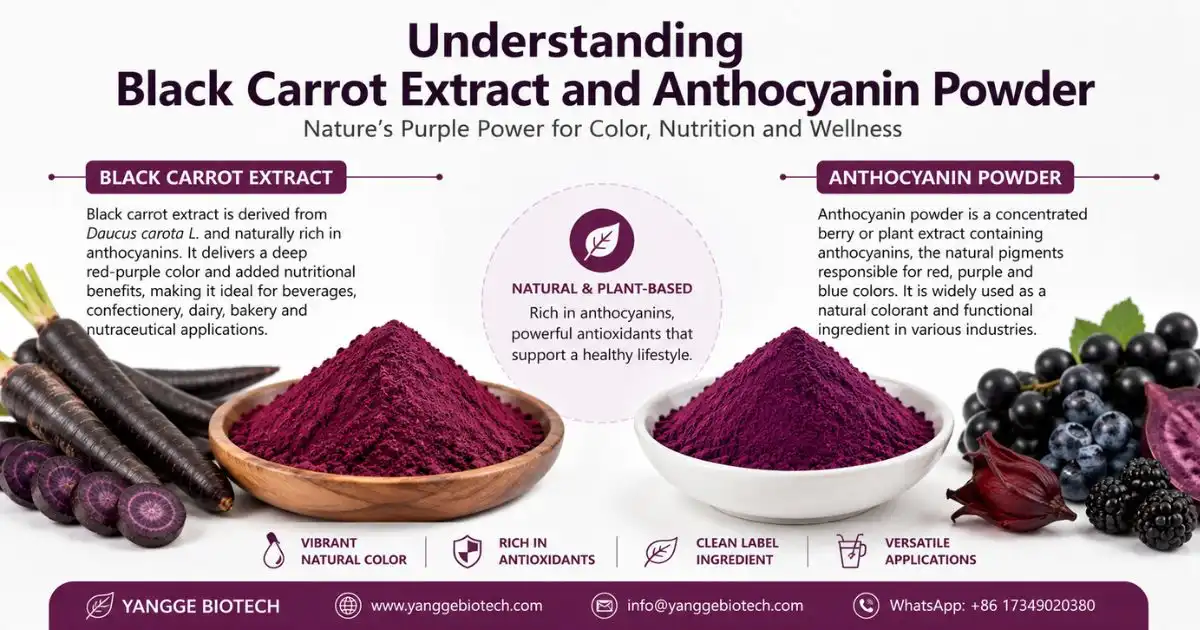
Understanding Black Carrot Extract and Anthocyanin Powder
Botanical Origin and Nutritional Profile of Black Carrot Extract
About 1,100 years ago, purple-fleshed varieties of carrots were the most common in Afghanistan. In the 1600s, Dutch farmers carefully bred orange cultivars to take their place. Today's Black Carrot Extract uses the powerful anthocyanins found in Daucus carota subspecies sativus variety atrorubens, a dark purple root veggie that comes from Turkey and the Middle East.
Black Carrots have 35 calories, 8.2 grams of carbs, 2.9 grams of fiber, and 334% of the daily suggested amount of Vitamin A in a 100-gram dose. They also have good amounts of Vitamin C and potassium. These health benefits show that Black Carrot Extract powder is more useful than just a colorant; it's a nutrient-dense functional ingredient.
Defining Anthocyanin Powder and Its Multiple Sources
Anthocyanin powder is made up of concentrated extracts that are high in anthocyanin glycosides. These are a type of flavonoid polyphenols that give plants their red, purple, and blue colors. Anthocyanin powders come from a variety of sources, unlike Black Carrot Extract, which only comes from one plant. Non-acylated cyanidins and delphinidins are usually found in grape skin extract. Elderberry gives us cyanidin-3-sambubioside, and bilberry concentrates give us delphinidin and malvidin derivatives.
Each source has different molecular structures that change how well they dissolve, what colors they produce, and how stable they are. Black Carrot Extract is different because it has acylated anthocyanins, which are cyanidin-3-xylosylglucosylgalactoside acylated with sinapic, ferulic, and coumaric acids. These acids create intramolecular copigmentation that keeps colors from breaking down.
Extraction Methods and Quality Benchmarks
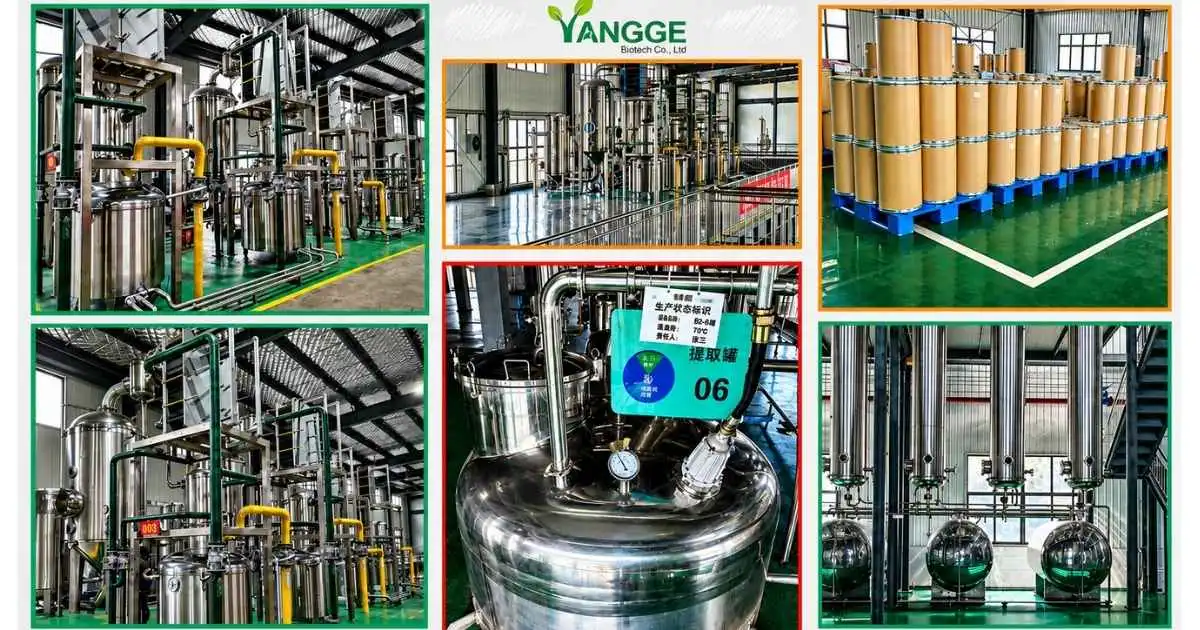
The manufacturing method has a big effect on how well the end product works. Root washing, mechanical pressing, and water extraction are the first steps in producing Black Carrot Extract. Polysaccharides and proteins are then removed through membrane filtering. When you use vacuum evaporation to concentrate, you get liquid concentrates between 40 and 70 Brix. When you spray-dry, you get powder forms. Yangge uses HPLC testing to measure the amount of anthocyanin in each batch, making sure that it meets strict requirements.
The dark red-purple powder dissolves easily in water, doesn't contain any irradiated or GMO materials, and meets European PAH4 standards with benzopyrene amounts below 10 ppb. As part of quality control protocols, suppliers work with independent labs to do third-party testing. This eases the worries of purchasing managers who are worried about differences in anthocyanin profiles and consistency from batch to batch.
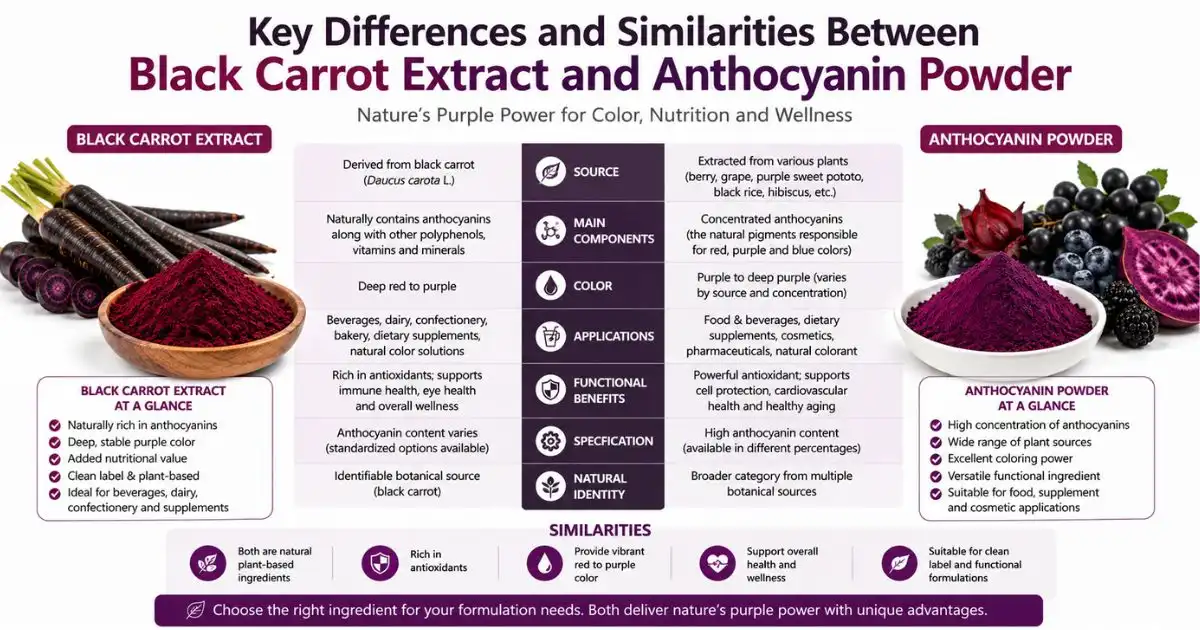
Key Differences and Similarities Between Black Carrot Extract and Anthocyanin Powder
Antioxidant Profiles and Functional Activity
Through its high anthocyanin content, which is complemented by beta-carotene, fiber, and micronutrients, Black Carrot Extract provides measurable antioxidant capacity. Studies show that it works well to fight free radical damage, improve the health of the visual system, and may even help protect liver cells from damage caused by chemotherapy. The extract keeps the eyes and skin healthy and helps with night blindness and rough skin.
Generic anthocyanin pills have similar antioxidant benefits, but the source material makes a huge difference in how well they work. Acylated anthocyanins in Black Carrot Extract are better absorbed by the body than non-acylated versions in some mixtures. This makes them better for functional beverage formulations that need to back up antioxidant claims.
| Parameter | Black Carrot Extract | Generic Anthocyanin Powder (Grape Skin) | Generic Anthocyanin Powder (Elderberry) |
|---|---|---|---|
| Primary Anthocyanin Type | Acylated cyanidin-3-glycosides | Defensins and cyanidins that are not acylated | Cyanidin-3-sambubioside |
| Heat Stability (>70°C) | Excellent (can handle UHT and steaming) | Moderate (some wear and tear) | Not good (fast decline) |
| pH Color Stability Range | 3.0 to 4.5 (red to purple) | 2.8–4.0 (from red to purple) | 3.0 to 4.2 (red to purple) |
| Typical Color Value (E1% 1cm) | 4–120 units | 15 to 80 units | 20 to 90 units |
Application Versatility Across Industries
Black Carrot Extract works great in situations that need both natural coloring and functional ingredient positioning. Makers of functional drinks that focus on antioxidants use it, and makers of sweets like it because it stays stable in gummies and hard candies that are heated during production. People who want easy-to-recognize ingredient names like the fact that this ingredient is labeled as "Vegetable Juice Color" in the U.S. or "E163 Anthocyanins" in Europe.
There are times when generic anthocyanin powders may work well for certain tasks where the color needs to match their stable limits. Elderberry anthocyanins work well in drinks that need to be kept cold for a short time, and bilberry extracts work well in supplements sold to help with vision.
Physical Forms and Recommended Dosages
Form factors must be evaluated by procurement teams based on how they can be made and what the final product needs to do. Black Carrot Extract powder, like Yangge's HPLC-tested formulation, is easy to handle, has a longer shelf life when stored in tightly sealed containers that are kept out of the light, and can be packaged in a variety of ways, starting with 1 kg aluminum foil bags that can be cut to any size.
Depending on the amount of anthocyanin fortification and the color strength that is wanted, the normal usage range is from 0.1% to 2.0%. For beverage applications, liquid concentrates offer immediate solubility benefits. Anthocyanin powders from other sources come in similar forms, but they may need different dosage rates to have the same color strength, which can change estimates of cost-effectiveness.
Procurement Considerations for B2B Buyers
Quality Standards and Certification Requirements
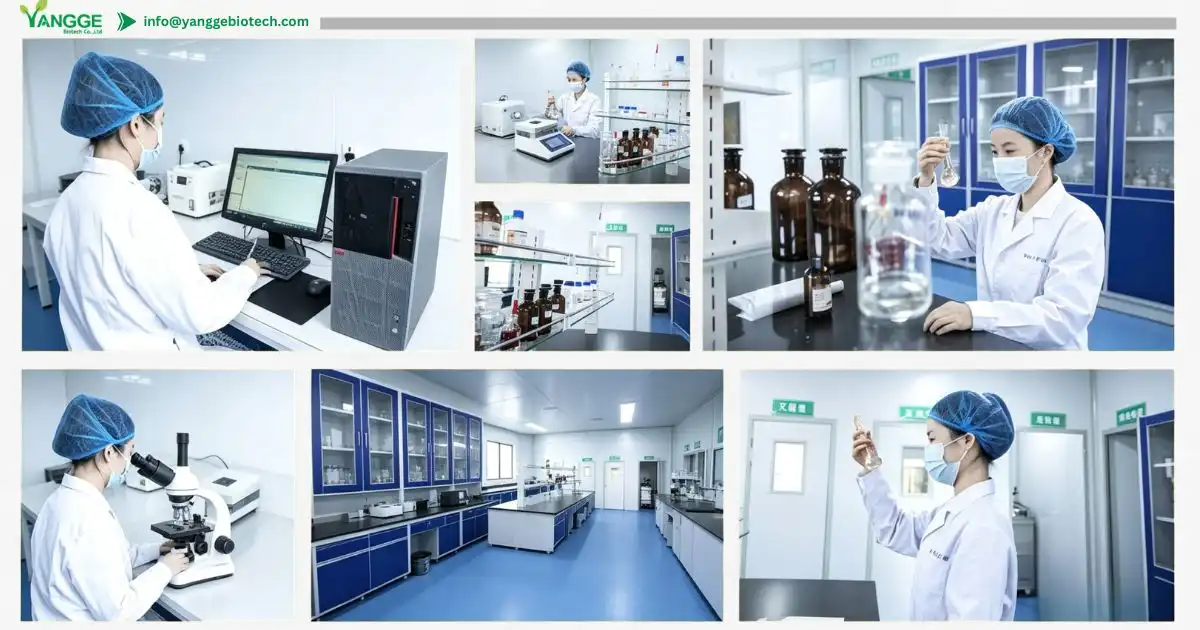
To do responsible procurement, suppliers must be carefully evaluated against well-known quality standards. Suppliers of Black Carrot Extract should keep their ISO, HACCP, Kosher, and Halal certifications, which show that they have complete quality management systems. Choosing between organic and standard sources affects the ways that certifications are earned and how prices are set.
Yangge Biotech's dedication to GMP production standards and working with third-party labs meets the need for proof openness among procurement managers. Validated HPLC methods must be used in testing processes to prove the anthocyanin content. Clear specification sheets must be included that list the color value, solubility parameters, and contaminant limits. Documentation that says a product is non-allergenic and non-GMO helps with clean label placement in controlled markets.
The following quality verification framework guides effective supplier assessment:
From working with medium-sized food and drink companies, we've learned a few important criteria for evaluation. For each production lot, suppliers should give full Certificates of Analysis that include microbiological testing, heavy metal screening, and pesticide residue analysis. Sample testing methods should be the same as those used in production. For example, color stability should be checked across important pH ranges, temperature profiles, and light exposure scenarios.
Formulation risks are lower when test batch trials are done before full-scale purchase. Getting samples from more than one batch is a good way for procurement managers to check for consistency and deal with the problem of anthocyanin profiles changing between production runs.
Sourcing Hubs and Manufacturer Selection Criteria
The supply lines for anthocyanin powder and Black Carrot Extract are mostly centered in places that already have a good system for extracting plants. China is a major manufacturing hub that offers competitive prices, high quality standards, and environmental certifications. Yangge Biotech's operations are located in China. European sellers charge higher prices, but they are closer to buyers in the EU who need to communicate often and move goods quickly.
Turkish providers are experts in Black Carrot Extract because this crop has a long history of farming in the area. When purchasing from manufacturers, teams should check their production capacity to make sure they can reliably meet annual order volumes between $30,000 and $250,000, make sure they know how to handle export paperwork, and make sure they offer English-language technical support.
Price Structures and Supply Chain Logistics
Knowing what causes costs makes it easier to negotiate and make budgets. The price of Black Carrot Extract depends on the cost of the raw materials, the difficulty of the extraction process, the concentration of anthocyanins, and the cost of certification. Prices per kilogram tend to go down when you buy in bulk, but prices go up when you need custom formulations or special certifications.
Standard goods have lead times of two to four weeks, while OEM changes can take up to eight to ten weeks. When sample testing, application trials, and pilot production are done in the right order, procurement processes of 3 to 5 weeks work well with what suppliers can do. Setting up framework deals with yearly volume promises is a common way to get better prices and faster service during times of high demand.
| Procurement Factor | Consideration | Impact on Buyers |
|---|---|---|
| Certification Types | Organic, Kosher, Halal, ISO, and HACCP | Compliance with regulations, access to markets, and premium positioning |
| Testing Methods | HPLC, pH difference, and spectrophotometric | Comparability of claims about anthocyanin levels between providers |
| Packaging Options | 1 kg foil bags, 5 kg drums, and 25 kg boxes | How easy it is to handle, how much space is needed, and the cost per unit |
| Payment Terms | Payment advances, T/T, and L/C | Managing cash flow and lowering risk |
| Minimum Order Quantities | 25 kg to 500 kg is normal | Initial trial viability, costs of keeping goods |
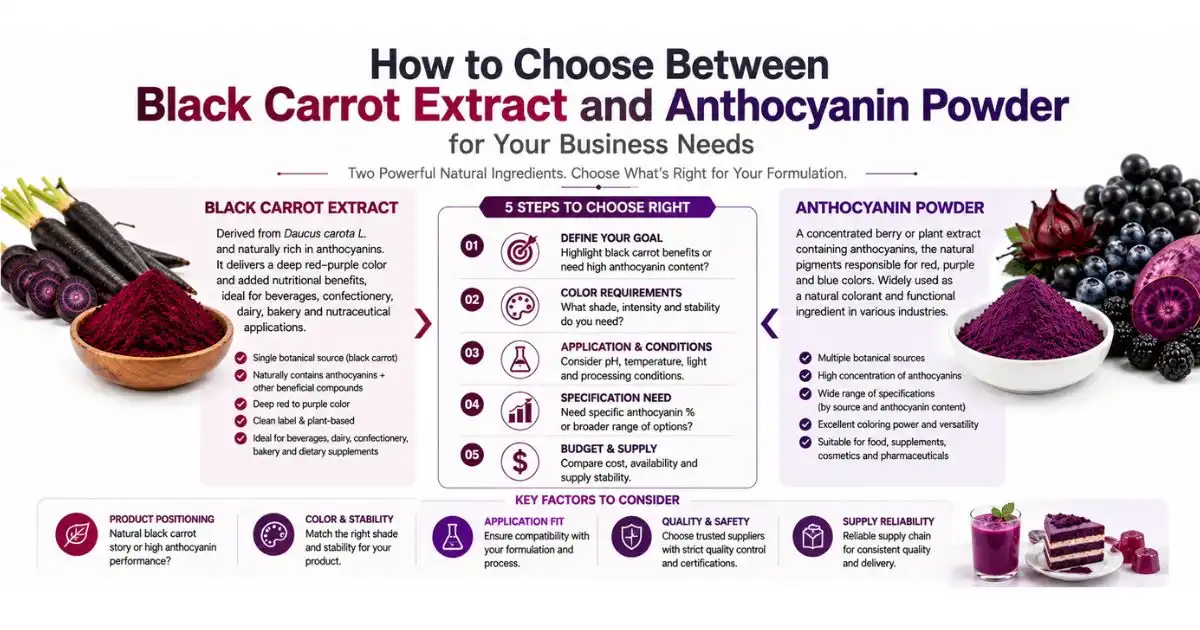
How to Choose Between Black Carrot Extract and Anthocyanin Powder for Your Business Needs
Assessing Product Application Compatibility
Matching the properties of an ingredient to the needs of a specific product is the first step in the selection process. People who make functional drinks with strong antioxidant claims can use Black Carrot Extract because it has two useful properties: it gives drinks a measured amount of anthocyanin and a stable, bright color that stays the same after boiling.
Because it works well in acidic settings (pH 3.0-4.5), the extract is perfect for sports drinks, carbonated soft drinks, and drinks with fruit flavors. When making gummy vitamins or hard candies, which need to be processed at high temperatures, Black Carrot Extract is better than beetroot red because it doesn't break down as quickly and doesn't get brown tones that aren't wanted.
Manufacturing Process Integration Considerations
R&D workers need to look at how choosing ingredients changes the way things are made now. The powdered Black Carrot Extract dissolves easily in water, so it can be easily added to liquid systems without the need for special equipment. Because it works with popular formulation chemicals like stabilizers, preservatives, and sweeteners, it makes reformulation easier. For cost control, dosage accuracy is important.
To figure out the exact amount needed to reach the desired color intensity while hitting anthocyanin functional thresholds, samples must be tested in real production settings. Suppliers who give scientific support during trials are very helpful, especially when dealing with color changes caused by pH or unexpected interactions with other parts of the mixture.
Industry-Specific Performance Requirements
Different industries put more value on different success factors. Manufacturers of dietary supplements put a lot of emphasis on bioavailability and regulated anthocyanin content. They require sellers to back up label promises with thorough analytical data. When making cosmetics, people who make them look for antioxidants that can protect the skin and keep the color stable in emulsion systems.
To replace synthetic colors like FD&C Red No. 40, food makers need natural options that look just as good without adding any unwanted tastes. Black Carrot Extract meets a lot of different needs because it has a clean taste. Good processing keeps the earthy notes that sometimes come with root vegetable extracts to a minimum, but high dosage rates can add slight vegetable undertones that are easy to cover up with fruit flavors.
Future Trends and Innovations in Natural Antioxidant Extracts
Rising Demand Driven by Clean-Label Movement
The way markets work in Europe and North America shows that people are becoming more and more interested in using ingredients that come from plants. Regulatory demands, such as limits on some manufactured colorants on European markets, force companies to change their recipes to use natural options. Because of this change, the demand for Black Carrot Extract and other forms of anthocyanin will continue to rise.
Sustainability factors are becoming more important in buying choices; buyers prefer sellers that show ethical sourcing, farm-to-table tracking, and environmental care. Yangge Biotech's investments in green energy and its plan for sustainable community partnerships are examples of the kinds of things that procurement managers who are looking to the future look for in long-term supplier relationships.
Technological Advances Enhancing Product Performance
New technologies for extraction and stabilization keep making anthocyanin ingredients work better. Membrane filter methods produce more pure extracts with less sugar, which meets the needs of formulators who want to add as few carbohydrates as possible. Encapsulation technologies keep anthocyanins safe from things that break them down, like light, oxygen, and high pH, which increases their shelf life in tough situations.
Microencapsulation with changed proteins or starches allows controlled release in supplement materials, which makes the supplement more bioavailable. By studying how enzymes and fermentation work, scientists may be able to make new anthocyanin products that are more stable or useful. By keeping up with these changes, buying teams can choose next-generation ingredients that give products in the market better performance and marketing claims.
Conclusion
In conclusion, it is important to carefully consider the stability needs, functional claims, and application-specific performance needs when choosing between Black Carrot Extract and generic anthocyanin powder. Through its acylated anthocyanin structure, Black Carrot Extract offers significant benefits, including improved heat resistance, constant color performance, and the ability to work as both a natural colorant and an antioxidant.
Small to medium-sized companies that make food, drinks, and supplements can benefit from working with certified providers who can provide full quality paperwork, flexible packaging, and expert help throughout the formulation process. As clean-label trends pick up speed and regulations change, strategic ingredient sourcing becomes more important to keep products competitive and meet customer expectations for natural formulation and transparency.
FAQ
What is it about Black Carrot Extract that makes it better for you than other anthocyanin powders?
Black Carrot Extract has a special mix of acylated anthocyanins, beta-carotene, fiber, and important vitamins like 334% RDI Vitamin A per 100g dose. This full set of nutrients helps with many health issues, including eye health, skin integrity, liver protection, and antioxidant defense. Isolated anthocyanin powders from foods like grape skin only provide the benefits of the anthocyanin without the other nutrients.
Can I use these ingredients interchangeably in my formulations?
Interchangeability depends on the needs of the product. Because it is more stable at high temperatures than grape or blackberry anthocyanins, Black Carrot Extract can't be used in places where those other ingredients would break down. It's also important to know the difference between colors. For example, Black Carrot Extract turns red to purple when it's acidic, while bilberry anthocyanins can turn blue-purple. Functional claims are different depending on the source of the study, which changes how the name is supported.
How can I verify the quality and authenticity of bulk shipments?
Use a three-step verification process: ask for Certificates of Analysis with HPLC anthocyanin quantification before shipping, have an independent third party test the goods as soon as they arrive using approved methods that match the original specifications, and then test the goods in use to make sure the color stays stable and they work as expected. Make sure you and your providers agree on clear specifications, including the accepted levels for anthocyanin content.
Partner with Yangge for Reliable Black Carrot Extract Supply
Yangge Biotech can help you get the natural ingredients you need by making quality Black Carrot Extract that is certified as ISO, HACCP, Kosher, and Halal. Our GMP-compliant production facility ensures consistent quality, backed by HPLC testing and third-party laboratory confirmation. This answers your questions about batch variability and the consistency of the anthocyanin profile. We mainly work with medium-sized companies that make food, drinks, and supplements. These companies need flexible packaging, like 1 kg aluminum foil bags or custom bulk formats.
Each year, we can handle purchase volumes of up to $250,000.00. Our specialized research and development team gives you technical advice as you build your formulations, making sure that Black Carrot Extract works best in your products. As a reliable company that makes Black Carrot Extract and is committed to environmental sustainability and being able to track products from farm to table, please email our sourcing experts at info@yanggebiotech.com to talk about your needs and ask for a sample to be evaluated. Visit blog.yanggebiotech.com for additional technical resources supporting your ingredient selection process.
References
1. McGhie, T.K., & Walton, M.C. (2007). "The bioavailability and absorption of anthocyanins: towards a better understanding." Molecular Nutrition & Food Research, 51(6), 702-713.
2. Kamiloglu, S., Capanoglu, E., Grootaert, C., & Van Camp, J. (2015). "Anthocyanin absorption and metabolism by human intestinal Caco-2 cells—A review." International Journal of Molecular Sciences, 16(9), 21555-21574.
3. Bridle, P., & Timberlake, C.F. (1997). "Anthocyanins as natural food colours—selected aspects." Food Chemistry, 58(1-2), 103-109.
4. Giusti, M.M., & Wrolstad, R.E. (2003). "Acylated anthocyanins from edible sources and their applications in food systems." Biochemical Engineering Journal, 14(3), 217-225.
5. Stintzing, F.C., & Carle, R. (2004). "Functional properties of anthocyanins and betalains in plants, food, and in human nutrition." Trends in Food Science & Technology, 15(1), 19-38.
6. Montilla, E.C., Hillebrand, S., Winterhalter, P., & Moritz, P. (2011). "Anthocyanin composition of black carrot (Daucus carota ssp. sativus var. atrorubens Alef.) cultivars." Journal of Agricultural and Food Chemistry, 59(7), 3385-3390.

Based on your location and order quantity, you will have the opportunity to receive a limited time free shipping promotion!
Who we are
Popular Blogs