Beta Carotene vs. Astaxanthin: Which Is Best for Your Product?
Beta Carotene Powder from Yangge Biotech is a high-quality carotenoid ingredient used as a natural food colorant and nutritional ingredient, providing bright yellow to orange color and antioxidant properties. It is available in fine powder, oil suspension, and microencapsulated forms, with specifications including 1%, 3%, 5%, 10%, and higher-purity options for food, beverage, nutraceutical, and dietary supplement applications. Yangge Biotech offers bulk supply, OEM/ODM services, customized packaging, and technical documentation. Contact us for samples, COA, specifications, and pricing at info@yanggebiotech.com.
When choosing between beta carotene and astaxanthin for your next formulation, the answer depends on your product's health claims, target market, and cost structure. Beta carotene is a provitamin A carotenoid that converts into vitamin A in the body making it ideal for vision support, skin health, and immune function. Astaxanthin, derived from microalgae like Haematococcus pluvialis, delivers exceptional antioxidant potency. Both serve distinct roles, and understanding their differences is the first step toward a smarter sourcing decision.
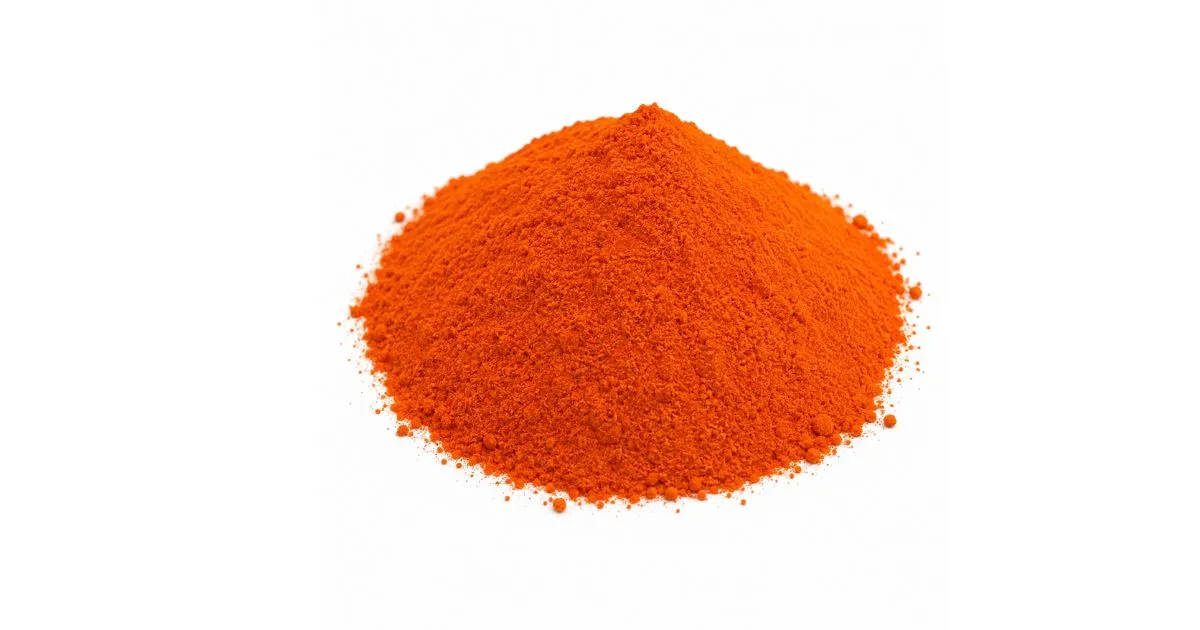
Understanding Beta Carotene and Astaxanthin
These two carotenoids share a common origin in nature but behave differently in the body and in formulations.
What Is Beta Carotene?
Carrots, sweet potatoes, pumpkins, and microalgae such as Dunaliella salina are all sources of beta carotene, which is a pigment that is fat-soluble and has the chemical formula C2H2O2. In the year 1907, its chemical structure was discovered for the first time. Beta-carotene is the most effective dietary precursor of vitamin A because intestinal enzymes are able to split a single molecule of beta-carotene into two molecules of vitamin A (retinol). By regulating this conversion, the body only produces the amount of vitamin A that it requires, which considerably minimises the danger of toxicity in comparison to preformed retinol. This is an extremely important aspect.
What Is Astaxanthin?
Astaxanthin is a xanthophyll carotenoid naturally produced by microalgae, particularly Haematococcus pluvialis. Unlike beta carotene, it does not convert into vitamin A. Its molecular structure allows it to span the entire cell membrane, neutralizing free radicals on both the interior and exterior simultaneously. This unique mechanism gives astaxanthin a singular advantage in antioxidant depth that most carotenoids cannot replicate.
| Property | Beta Carotene | Astaxanthin |
|---|---|---|
| Primary Source | Plants, Dunaliella algae | Haematococcus microalgae |
| Vitamin A Precursor | Yes | No |
| Antioxidant Mechanism | Chain-breaking, singlet oxygen quenching | Membrane-spanning free radical neutralization |
| Color in Formulation | Orange-yellow | Red-pink |
| Typical Application | Supplements, functional beverages, colorants | Anti-aging, sports nutrition, eye health |
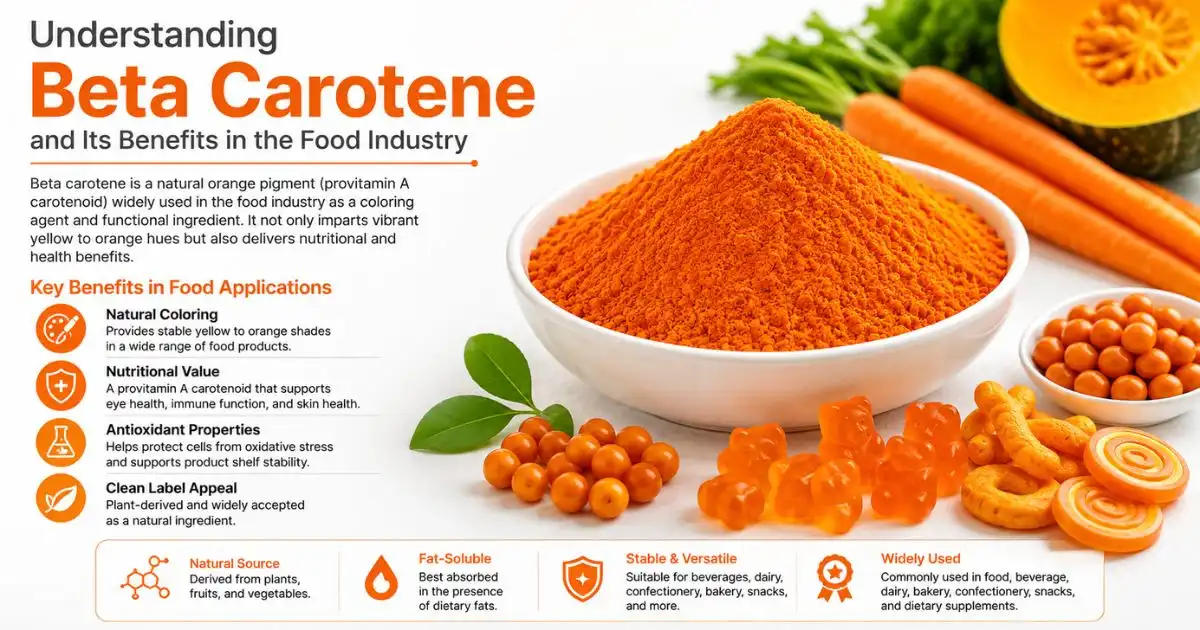
Key Comparison Dimensions for B2B Procurement
Procurement decisions need to go beyond raw efficacy. Safety profiles, regulatory landscape, and bioavailability all shape which ingredient fits your product roadmap.
Antioxidant Potency and Health Claims
Astaxanthin is consistently better than beta carotene in singlet oxygen scavenging experiments – research published in Marine Drugs indicate astaxanthin as being around 6,000 times more effective than vitamin C and 550 times more potent than vitamin E in several antioxidant models. That makes it tempting for premium anti-aging and athletic recovery products.” Beta carotene, in contrast, has its own evidentiary foundation. Its significance in maintaining eyesight, lowering the risk of age-related macular degeneration, and modifying immunological response is well recognised. The conversion from carotenoid to retinol is self-regulated by the body, making provitamin A carotenoids the safest and most regulatory-friendly route for firms creating vitamin A supplementary products.
Regulatory and Safety Considerations
Beta carotene carries GRAS (Generally Recognized as Safe) status in the U.S. and is widely accepted across FDA, EFSA, and Japanese FOSHU frameworks. Astaxanthin has FDA NDI (New Dietary Ingredient) approval and is permitted as a food colourant in several markets. Brands marketing numerous regions such as North America, the EU, Japan and Southeast Asia should understand that permitted daily consumption limits and labelling standards are fundamentally different by jurisdiction.
Smokers and those with a significant exposure history to asbestos should not use high-dose beta carotene supplements. Clinical evidence show that high-dose beta carotene supplements (not foods that contain beta carotene) are associated with an increased risk of cancer in these groups of people. This difference is important for labelling and for clinical claims.
Procurement and Supply Chain Considerations
Ingredient sourcing is more than just reading a spec sheet. Price stability, depth of certification and OEM flexibility are the levers that influence long-term supply dependability. Beta carotene occurs in both synthetic and natural versions. Synthetic beta carotene contains practically all of the all-trans isomer, whereas natural sources – especially algal sources – include a mix of all-trans and 9-cis isomers, the latter of which has been linked with greater antioxidant activity in various clinical models. All extraction processes are natural, including HPLC-verified plant extraction which commands a price premium but aligns with clean label and non-GMO market positioning.
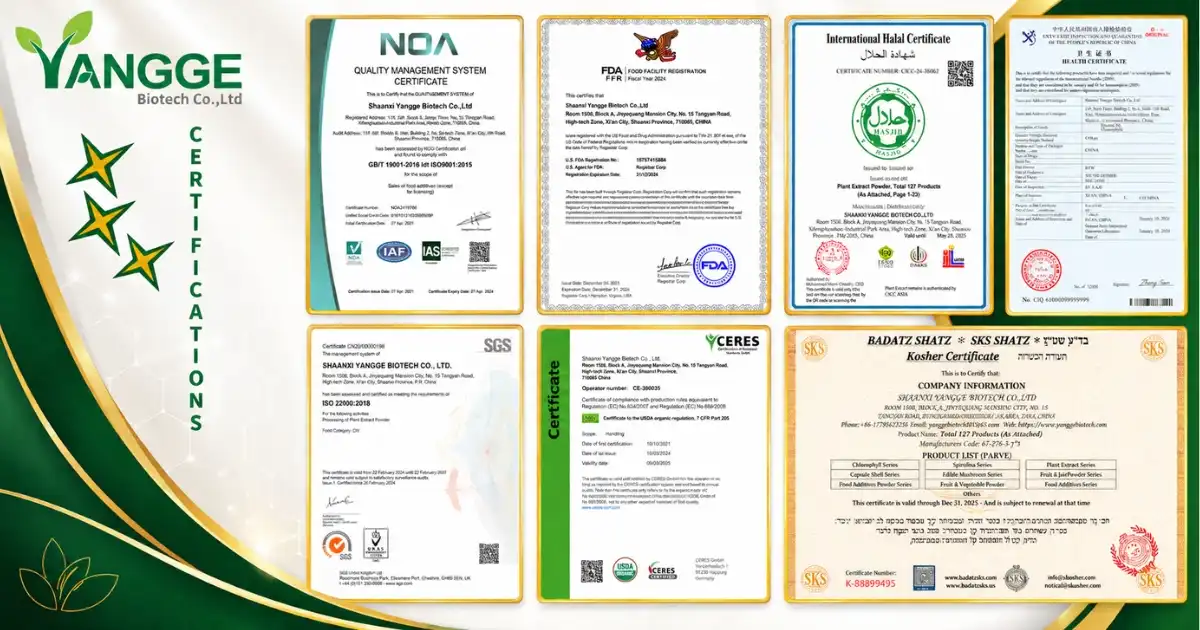
Yangge Biotech's Beta Carotene Powder is produced using HPLC extraction methodology and is available in four concentration grades 1%, 3%, 10%, and 20% in an orange-yellow powder format suitable for a wide range of delivery systems. The product is Kosher certified, Halal certified, and FDA-compliant, with international laboratory testing conducted before every shipment.
Here are the core procurement advantages Yangge Beta Carotene Powder offers to OEM clients:
- Multiple specification options (1%–20%): R&D teams can match exact label potency requirements without reformulation waste, reducing time-to-market across softgel, tablet, and powder SKUs.
- Free sample program (10–30g): Your formulation team can run trial batches before committing to bulk purchase, lowering development risk at early-stage product testing.
- 1-ton stock with FOB/CIF delivery: Immediate availability removes lead-time uncertainty, which is critical for brands managing production schedules across multiple contract manufacturers.
- Kosher, Halal, and FDA compliance: Multi-market regulatory clearance in a single ingredient simplifies the approval workflow for legal and regulatory affairs teams.
These benefits transfer immediately to quicker procurement processes and less compliance burden—both critical aspects for R&D directors working with tight launch timeframes. However, astaxanthin is much more expensive per kilogram, since the cultivation of Haematococcus biomass requires a capital-intensive procedure. The effectiveness narrative is strong, but marketers will need to balance price-per-claim against desired retail price points and margin considerations.
| Procurement Factor | Yangge Beta Carotene Powder | Astaxanthin (Natural) |
|---|---|---|
| Cost per kg | Moderate | High |
| OEM Format Support | Powder, capsules, tablets, gummies | Primarily softgels, oils |
| MOQ | 1 ton (in stock) | Varies by supplier |
| Certification | Kosher, Halal, FDA | Varies |
| Shelf Stability | Requires nitrogen packaging | Highly sensitive to oxidation |
Choosing the Right Ingredient for Your Product
The decision ultimately maps back to your product's core health claim and consumer positioning.
If your brand targets vitamin A supplementation, eye health (including macular health support), or natural food coloring for functional beverages, beta carotene delivers proven efficacy, broad regulatory acceptance, and manageable input costs. Its warm orange-yellow hue is a genuine functional asset for beverage and gummy formats no synthetic dye required.
If your product targets premium anti-aging, mitochondrial health, or sports recovery, astaxanthin's superior antioxidant depth and growing consumer recognition justify its cost premium in high-margin categories. Some formulation teams incorporate both — using beta carotene as the primary vitamin A source and adding a low-dose astaxanthin component to support an advanced antioxidant blend claim. This compound approach can differentiate a product on shelf while keeping input costs balanced.
Real-World Applications
Brands that have used natural carotenoids have clearly differentiated themselves in the market. North American eye health softgel product reformulated with 10% beta carotene extract blended with lutein and zeaxanthin. HPLC validated potency and Kosher certification allowed us to concurrently distribute into natural channel retail and club store formats – two separate compliance channels that were approved with one ingredient selection.
A Southeast Asian functional beverage manufacturer used 1% beta carotene powder as a natural colourant and provitamin A source in a daily health drink. The core message of brand equity was clean-label positioning – plant origin, non-synthetic and traceable – and it supported a 22% price premium above traditional fortified drinks in domestic retail. These results highlight a familiar theme: In competitive markets, product launches are quicker and have a bigger impact when ingredient sourcing selections include validated potency, multi-market certification and OEM flexibility.
Conclusion
Beta carotene and astaxanthin each bring genuine value to the right product. Beta carotene remains the most practical and versatile choice for brands building vitamin A supplementation, eye health, skin support, or natural coloring applications — especially when regulatory clearance across multiple markets is a priority. Astaxanthin occupies a narrower but high-value space in premium antioxidant and anti-aging categories. Most procurement teams will find beta carotene the stronger ROI choice at scale, with astaxanthin reserved for differentiated formulations targeting specific clinical claims.
FAQ
Q1: What is the main functional difference between beta carotene and astaxanthin?
A: Beta carotene is a provitamin A carotenoid — its primary value lies in safe, regulated vitamin A delivery and antioxidant activity. Astaxanthin does not convert to vitamin A but offers significantly higher antioxidant potency in membrane-level free radical neutralization. The right choice depends on your intended health claim.
Q2: Can beta carotene and astaxanthin be combined in one formulation?
A: Yes. Many advanced antioxidant formulas use both — beta carotene as the vitamin A source and astaxanthin as a potency amplifier. Stability testing is essential, as both are sensitive to oxidation and light exposure.
Q3: How do I verify the purity of beta carotene from a supplier?
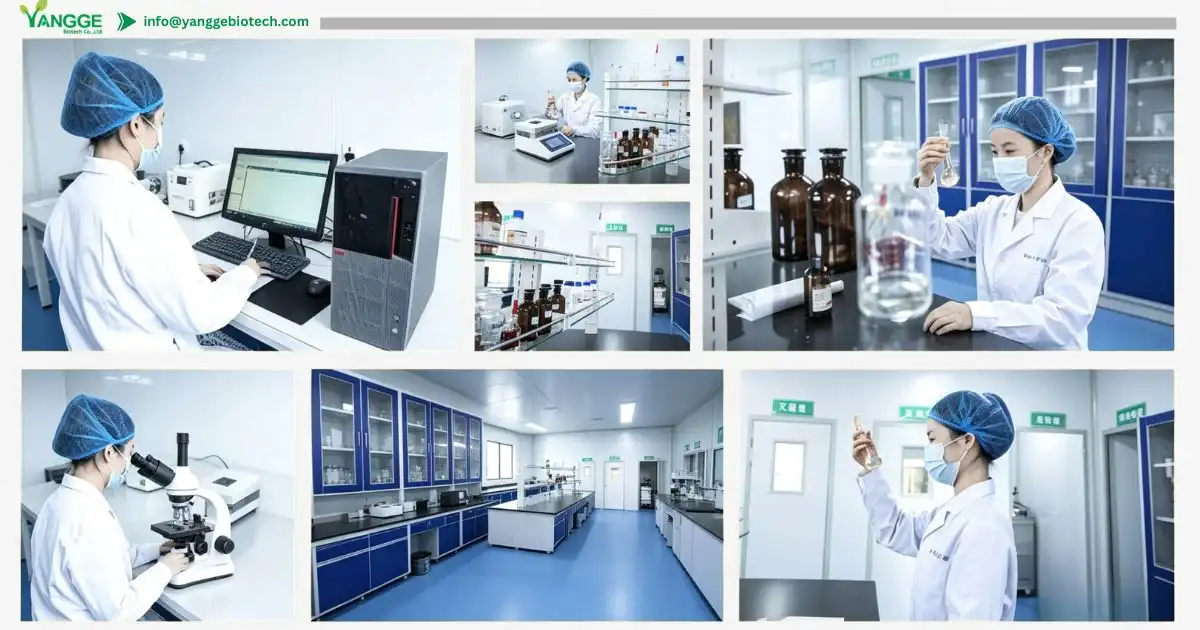
A: Request HPLC-verified certificates of analysis (COA) from accredited third-party laboratories. Yangge Biotech provides international lab-tested COAs with each shipment. Always confirm whether the specification reflects active carotenoid content or total extract weight.
Q4: What delivery formats support beta carotene in OEM production?
A: Beta carotene powder is compatible with softgels, tablets, hard capsules, gummies, and beverage premixes. Yangge supports all these OEM formats with customizable specifications ranging from 1% to 20% active content.
Partner With Yangge — Your Trusted Beta Carotene Supplier
Yangge Biotech offers premium-grade Beta Carotene Powder in Kosher/USP grade, with 1 ton in stock and OEM support across capsules, tablets, powders, and gummies. Our product is FDA-compliant, Halal and Kosher certified, and HPLC-verified for potency. Request your free 10–30g R&D sample today and experience the quality firsthand. Contact our team at info@yanggebiotech.com to start your sourcing conversation.
References
1. Fiedor, J., & Burda, K. (2014). Potential role of carotenoids as antioxidants in human health and disease. Nutrients, 6(2), 466–488.
2. Ambati, R. R., et al. (2014). Astaxanthin: Sources, extraction, stability, biological activities and its commercial applications — a review. Marine Drugs, 12(1), 128–152.
3. Bjelakovic, G., et al. (2012). Antioxidant supplements for prevention of mortality in healthy participants and patients with various diseases. Cochrane Database of Systematic Reviews, Issue 3.
4. Grune, T., et al. (2010). Beta-carotene is an important vitamin A source for humans. Journal of Nutrition, 140(12), 2268S–2285S.
5. Guerin, M., Huntley, M. E., & Olaizola, M. (2003). Haematococcus astaxanthin: Applications for human health and nutrition. Trends in Biotechnology, 21(5), 210–216.
6. Olson, J. A. (1996). Vitamin A. In Present Knowledge in Nutrition (7th ed.). International Life Sciences Institute Press.

Based on your location and order quantity, you will have the opportunity to receive a limited time free shipping promotion!
Who we are
Popular Blogs