Astaxanthin Powder vs Vitamin E: Antioxidant Comparison
What Is Astaxanthin Powder?
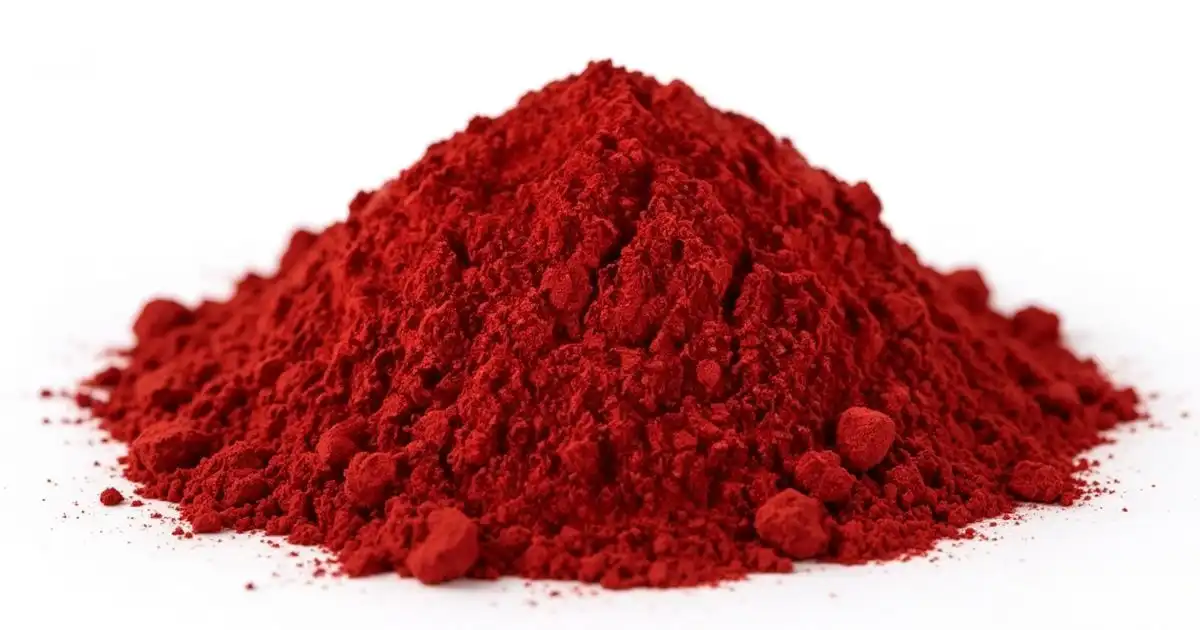
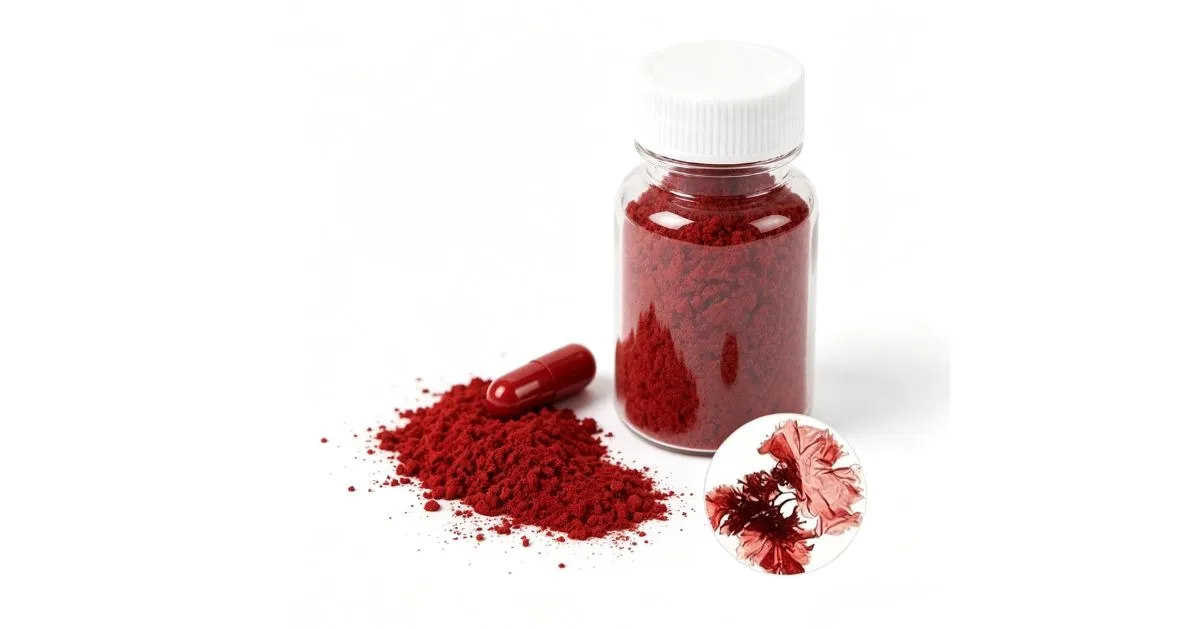
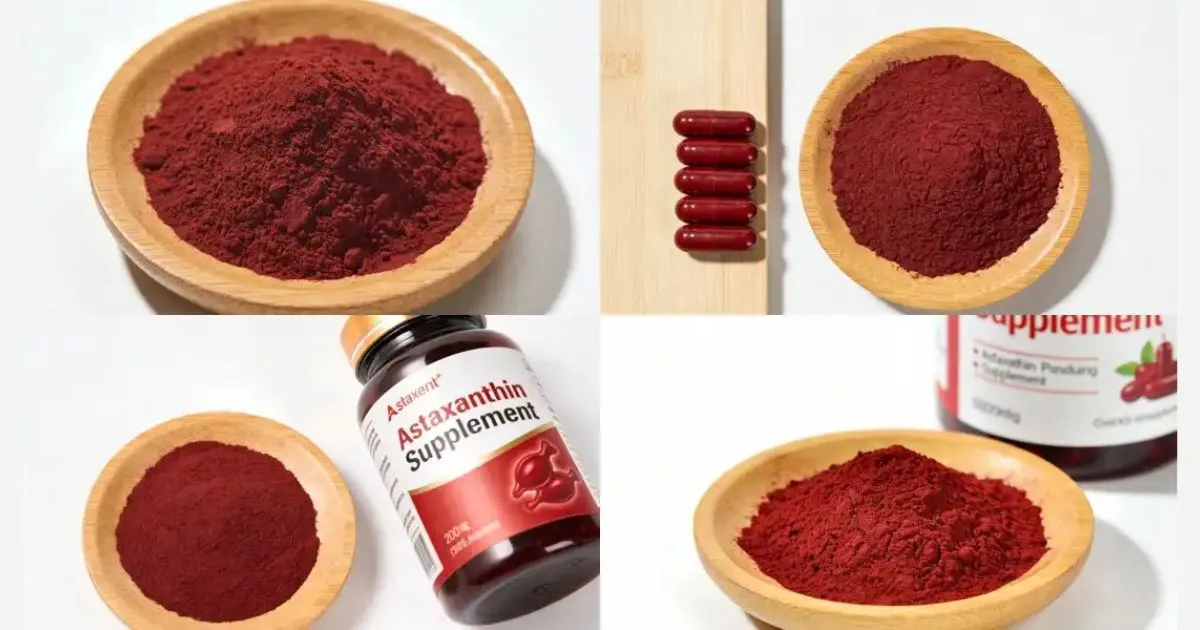
Astaxanthin powder is a natural carotenoid pigment primarily extracted from the microalga Haematococcus pluvialis. It is responsible for the red-orange color of salmon, shrimp, lobster, and flamingos.
Astaxanthin is widely used in:
- Dietary supplements
- Functional foods
- Sports nutrition
- Beauty-from-within products
- Eye health supplements
- Anti-aging formulations
- Animal nutrition
What Are Vitamins?
Vitamins are essential micronutrients that the body requires in small amounts to support normal growth, metabolism, immune function, and overall health.
Common vitamins include:
· Vitamin A
· Vitamin B Complex
· Vitamin C
· Vitamin D
· Vitamin E
· Vitamin K
Unlike astaxanthin, vitamins are classified as essential nutrients because the body cannot produce sufficient amounts of many of them.
Astaxanthin Powder vs. Vitamins
|
Feature |
Astaxanthin Powder |
Vitamins |
|
Source |
Natural microalgae, yeast, or seafood |
Fruits, vegetables, animal foods, synthetic sources |
|
Primary Role |
Potent antioxidant and cellular protection |
Essential nutrients for normal body functions |
|
Antioxidant Activity |
Extremely high antioxidant capacity |
Varies by vitamin (e.g., Vitamins C and E are antioxidants) |
|
Essential Nutrient |
No |
Yes (most vitamins are essential) |
|
Daily Requirement |
No established daily requirement |
Recommended dietary allowances (RDAs) exist |
|
Common Uses |
Eye, skin, sports, anti-aging, cardiovascular health |
General nutrition, deficiency prevention, immune support |
Main Functions
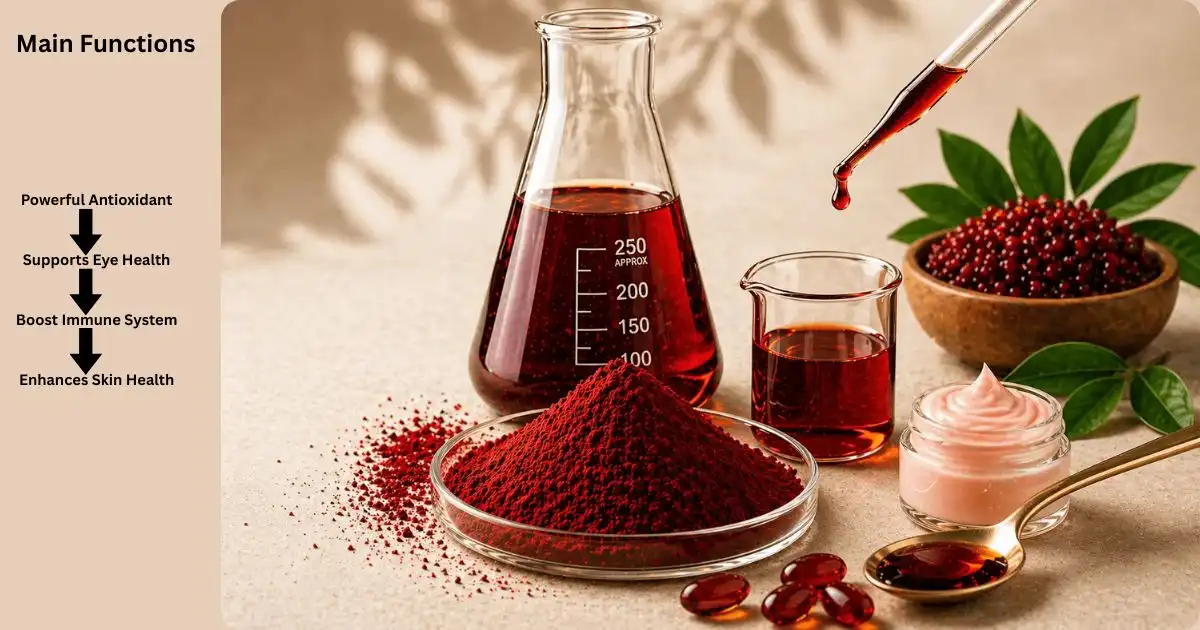
1. Powerful Antioxidant Protection
Astaxanthin helps neutralize free radicals that contribute to cellular damage and oxidative stress.
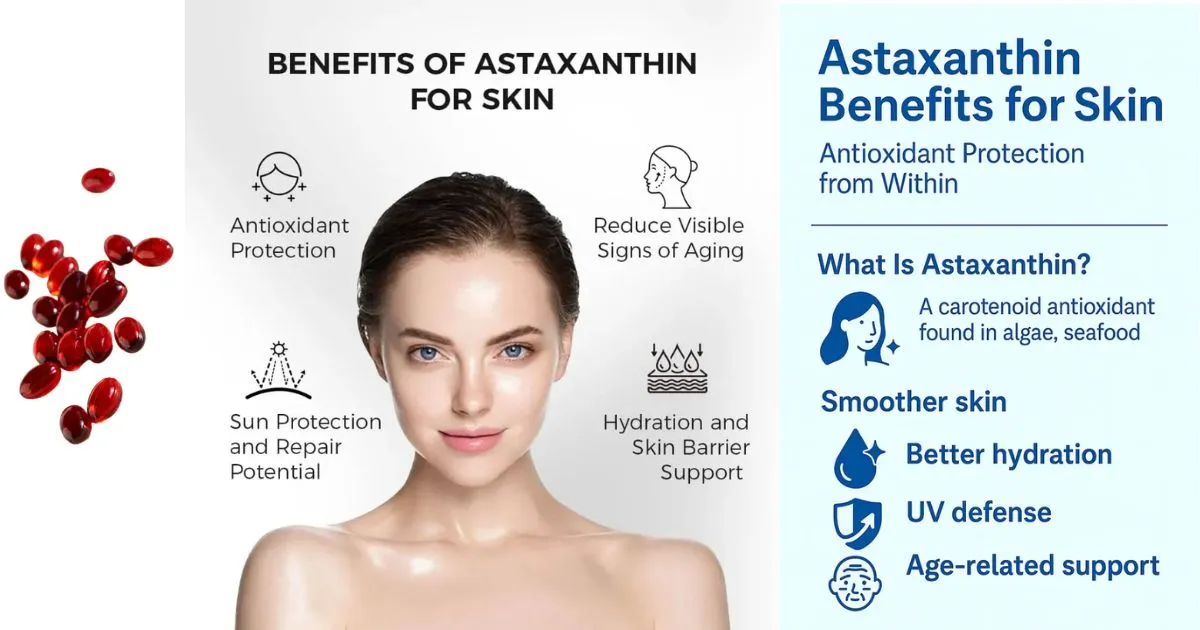
2. Skin Health Support
It may help:
· Improve skin elasticity
· Reduce the appearance of fine lines
· Support skin hydration
· Protect against UV-induced oxidative damage
3. Eye Health
Astaxanthin is commonly included in eye health supplements to support visual comfort, especially for individuals with prolonged screen exposure.
4. Exercise Recovery
Sports nutrition products often include astaxanthin to support recovery from exercise-induced oxidative stress.
5. Brain and Nervous System Support
Research suggests astaxanthin may help protect nerve cells from oxidative damage, although more human studies are needed.
6. Cardiovascular Support
Its antioxidant properties may contribute to maintaining healthy blood vessels and supporting cardiovascular wellness as part of a healthy lifestyle.
Main Functions of Vitamins
Vitamin A
· Vision
· Immune function
· Skin health
Vitamin C
· Collagen synthesis
· Immune support
· Antioxidant protection
Vitamin D
· Bone health
· Calcium absorption
· Immune regulation
Vitamin E
· Antioxidant protection
· Cell membrane integrity
Vitamin B Complex
Supports:
· Energy metabolism
· Nervous system function
· Red blood cell production
Vitamin K
Supports:
· Normal blood clotting
· Bone metabolism
Benefits Comparison
|
Benefit |
Astaxanthin |
Vitamins |
|
Antioxidant Protection |
Excellent |
Good (mainly Vitamins C & E) |
|
Immune Support |
Supports overall wellness |
Strong evidence for several vitamins when intake is adequate |
|
Eye Health |
Excellent |
Vitamin A is essential for vision |
|
Skin Health |
Excellent |
Vitamins A, C, and E support healthy skin |
|
Exercise Recovery |
Commonly used |
Less targeted |
|
Healthy Aging |
Frequently included in healthy aging formulations |
Supports normal physiological functions |
Specifications
|
Parameter |
Specification |
|
Appearance |
Fine red to dark red powder |
|
Astaxanthin Content |
1%, 2%, 2.5%, 5%, 10% (depending on formulation) |
|
Odor |
Characteristic |
|
Solubility |
Water-dispersible or oil-soluble grades available |
|
Moisture |
≤5% |
|
Particle Size |
80–100 mesh |
|
Shelf Life |
24 months when stored properly |
|
Storage |
Cool, dry place away from light and oxygen |
Specifications vary by manufacturer and formulation.
Applications
Astaxanthin Powder
Used in:
· Softgel capsules
· Tablets
· Hard capsules
· Gummies
· Functional beverages
· Sports nutrition
· Protein powders
· Meal replacement products
· Beauty supplements
· Eye health products
Vitamins
Widely used in:
· Multivitamins
· Children's supplements
· Functional beverages
· Fortified foods
· Gummies
· Energy drinks
· Clinical nutrition products
· Meal replacements
Can Astaxanthin Be Combined with Vitamins?
Yes. Astaxanthin is often formulated with vitamins to create comprehensive health supplements.
Popular combinations include:
|
Combination |
Purpose |
|
Astaxanthin + Vitamin C |
Antioxidant and collagen support |
|
Astaxanthin + Vitamin E |
Enhanced antioxidant protection |
|
Astaxanthin + Vitamin D3 |
Immune and overall wellness support |
|
Astaxanthin + Omega-3 |
Eye, brain, and cardiovascular health |
|
Astaxanthin + Coenzyme Q10 |
Cellular energy and antioxidant support |
|
Astaxanthin + Lutein + Zeaxanthin |
Eye health formulations |
Example Formulations
1. Antioxidant Capsule
|
Ingredient |
Amount per Capsule |
|
Astaxanthin Powder |
Equivalent to 6 mg astaxanthin |
|
Vitamin C |
100 mg |
|
Vitamin E |
15 mg |
|
Microcrystalline Cellulose |
As needed |
|
Magnesium Stearate |
As needed |
2. Beauty Supplement
|
Ingredient |
Amount per Serving |
|
Astaxanthin Powder |
Equivalent to 4 mg astaxanthin |
|
Vitamin C |
120 mg |
|
Collagen Peptides |
2.5 g |
|
Hyaluronic Acid |
120 mg |
|
Biotin |
30 µg |
3. Eye Health Formula
|
Ingredient |
Amount per Serving |
|
Astaxanthin Powder |
Equivalent to 6 mg astaxanthin |
|
Lutein |
10 mg |
|
Zeaxanthin |
2 mg |
|
Vitamin A |
800 µg |
|
Zinc |
10 mg |
Formulations are for illustrative purposes only and should be reviewed for regulatory compliance and product stability.
OEM & Private Label Manufacturing Services
Manufacturers offering OEM (Original Equipment Manufacturer) and private-label services can help brands develop customized astaxanthin products.
Typical OEM services include:
Product Development
· Formula customization
· Ingredient sourcing
· Flavor development (for gummies and beverages)
· Stability testing
· Pilot production
Dosage Forms
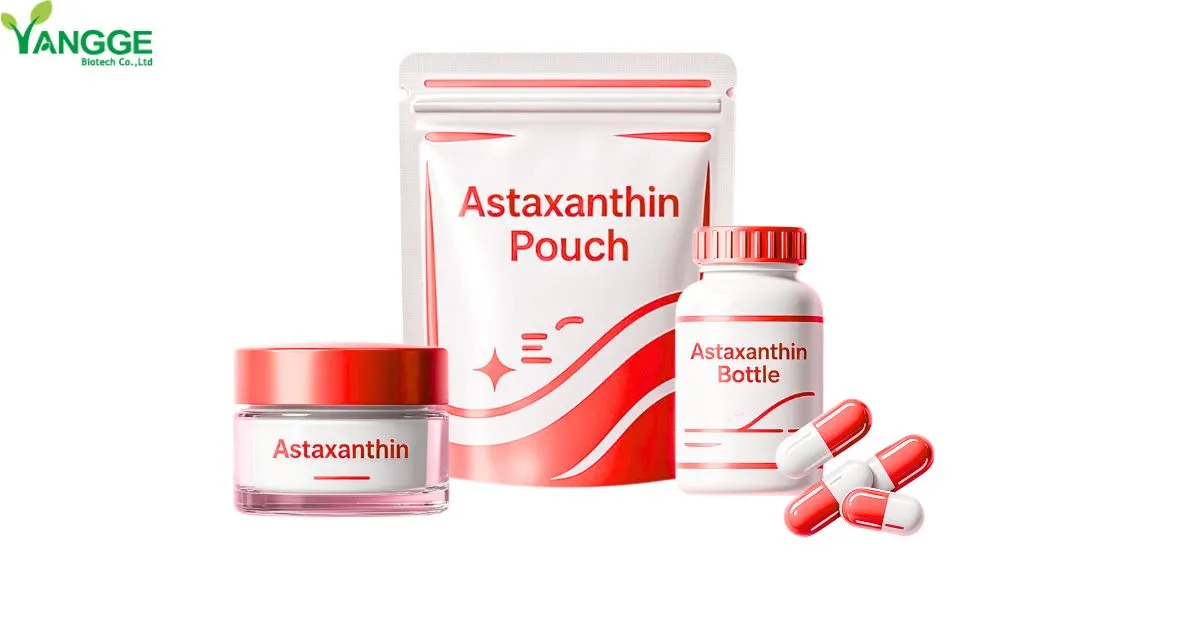
· Softgels
· Hard capsules
· Tablets
· Gummies
· Powders
· Sachets
· Liquid supplements
Packaging Options
· Bottles
· Blister packs
· Stick packs
· Sachets
· Bulk packaging
· Private-label retail packaging
Quality Assurance
· GMP-compliant manufacturing
· HACCP systems
· Raw material verification
· Microbiological testing
· Heavy metal testing
· Stability studies
Documentation
Commonly available:
· Certificate of Analysis (COA)
· Product Specification Sheet
· Safety Data Sheet (SDS), where applicable
· Allergen Statement
· Non-GMO Statement (if applicable)
· Halal Certificate (if applicable)
· Kosher Certificate (if applicable)
Conclusion
Choosing between Astaxanthin Powder and Vitamin E comes down to the goals of the recipe, the placing of the product in the market, and the budget. Astaxanthin Powder is the most powerful antioxidant available, it has specific health benefits, and it can help you get a higher price, while Vitamin E is cheap and works well with a lot of different formulations.
Progressive producers are looking for ways to combine ingredients in ways that make the best of both of their strengths. To do good procurement, you need to work with suppliers who offer clear quality documents, expert help, and supply lines you can trust. At Yangge Biotech, we make sure that your formulations do well on the market by committing to sustainable sources, strict quality control, and quick response to customer service.
Partner with Yangge for Premium Astaxanthin Powder Supply
Yangge Biotech is a reliable company that makes Astaxanthin Powder. They offer a 10% natural product from Haematococcus pluvialis that has been checked by HPLC-confirmed methods and comes with all the paperwork needed to meet legal requirements. Our allergen-free, non-GMO, and sterilized powder meets strict international quality standards, such as GMP, ISO22000, Halal, and Kosher approvals. We have a variable minimum order size that starts at 1 kg, flexible packaging options, and full expert help for formulation problems.
Our relationships with Eurofins and SGS allow third-party verification, and our 50–100 kg standing inventory means that we can deliver quickly, within one to three days, to support your production plans. Contact our procurement specialists at info@yanggebiotech.com to request samples, discuss bulk pricing for Astaxanthin Powder for sale, or schedule a technical consultation optimizing your formulation strategies.
FAQ
Q: Can we get some samples to test before purchasing?
A: Of course, we can provide free samples of 20 to 100 grams, but the shipping cost is at the customer's expense. The shipping cost can be deducted from the next order, or the samples can be sent through your courier account.
Q: Do your products have relevant certifications?
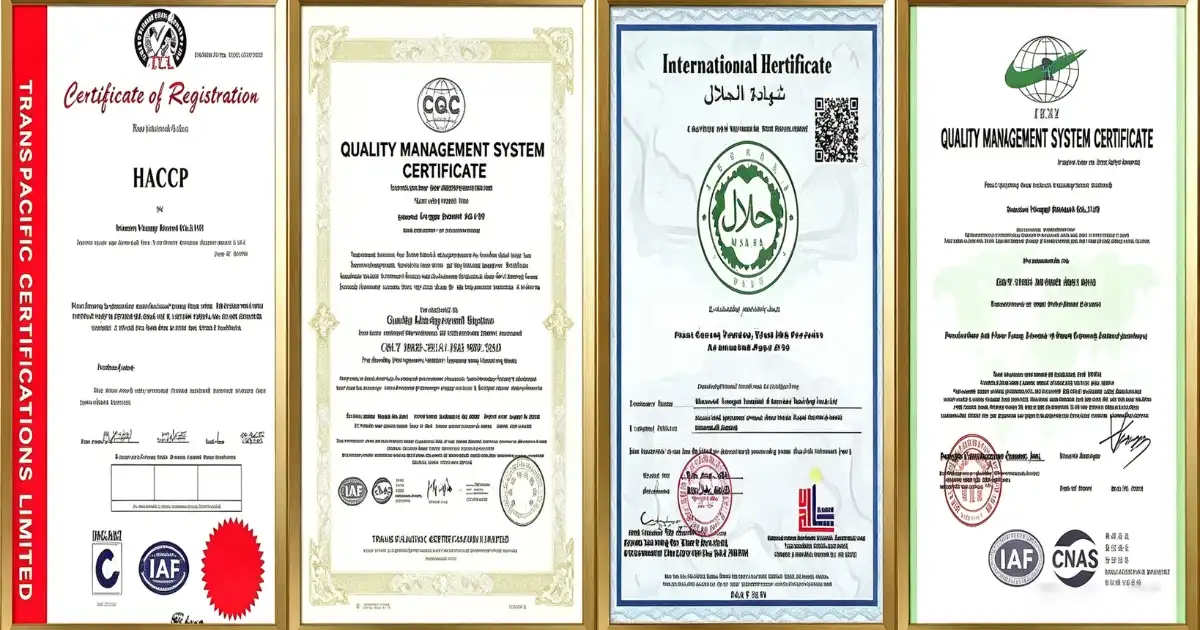
A: Yes, our products are certified for HALAL, ISO, HACCP, Kosher, and other certifications.
Q: What is the minimum order quantity (MOQ)?
A: Small batches of samples can be customized according to your requirements.
Q: Do you offer OEM and ODM services? Can the formula be customized based on our own?
A: Of course, we provide ODM and OEM services to many customers. Our product range includes softgels, capsules, tablets, sachets, granules, and private label services. Simply contact us and let us know your requirements. Our experienced R&D team can also develop new products with specific formulas.
Please contact us to design your own branded products.
Q: How do you handle quality complaints?
A: First, we have a comprehensive quality control SOP. We provide authoritative third-party inspection reports for almost all products before shipment to minimize the possibility of quality issues. Second, we have a comprehensive return and exchange procedure. If there is a genuine quality dispute, we will strictly follow the SOP.
Q: How do you ship? How long does delivery take?
A: For small orders, we typically use DHL, UPS, EMS, FedEx, or TNT. Delivery typically takes 3-7 days. We also offer air and sea freight services. We have a strong freight forwarding team and can provide you with a one-stop service, including DDP and DDU.
Q: What are your payment terms?
A: 100% prepayment, payable by T/T, Western Union, MoneyGram, or PayPal.
Q: What is the shelf life of your products?
A: 2 years with proper storage.
References
1. Ambati, R.R., Phang, S.M., Ravi, S., & Aswathanarayana, R.G. (2014). "Astaxanthin: Sources, Extraction, Stability, Biological Activities and Its Commercial Applications—A Review." Marine Drugs, 12(1), 128-152.
2. Fassett, R.G. & Coombes, J.S. (2011). "Astaxanthin: A Potential Therapeutic Agent in Cardiovascular Disease." Marine Drugs, 9(3), 447-465.
3. Kidd, P. (2011). "Astaxanthin, Cell Membrane Nutrient with Diverse Clinical Benefits and Anti-Aging Potential." Alternative Medicine Review, 16(4), 355-364.
4. Nishida, Y., Yamashita, E., & Miki, W. (2007). "Quenching Activities of Common Hydrophilic and Lipophilic Antioxidants against Singlet Oxygen Using Chemiluminescence Detection System." Carotenoid Science, 11, 16-20.
5. Tominaga, K., Hongo, N., Karato, M., & Yamashita, E. (2012). "Cosmetic Benefits of Astaxanthin on Humans Subjects." Acta Biochimica Polonica, 59(1), 43-47.
6. Traber, M.G. & Atkinson, J. (2007). "Vitamin E, Antioxidant and Nothing More." Free Radical Biology and Medicine, 43(1), 4-15.

Based on your location and order quantity, you will have the opportunity to receive a limited time free shipping promotion!
Who we are
Popular Blogs