Top Reasons to Choose Gardenia Blue for Clean Labels
What Is Gardenia Blue?
Gardenia Blue is a natural pigment produced by reacting genipin, extracted from gardenia fruit, with amino acids or proteins. The result is a stable blue pigment suitable for a wide range of applications.
Unlike synthetic blue colorants, Gardenia Blue is plant-derived and supports the clean-label movement, making it popular among food manufacturers worldwide.
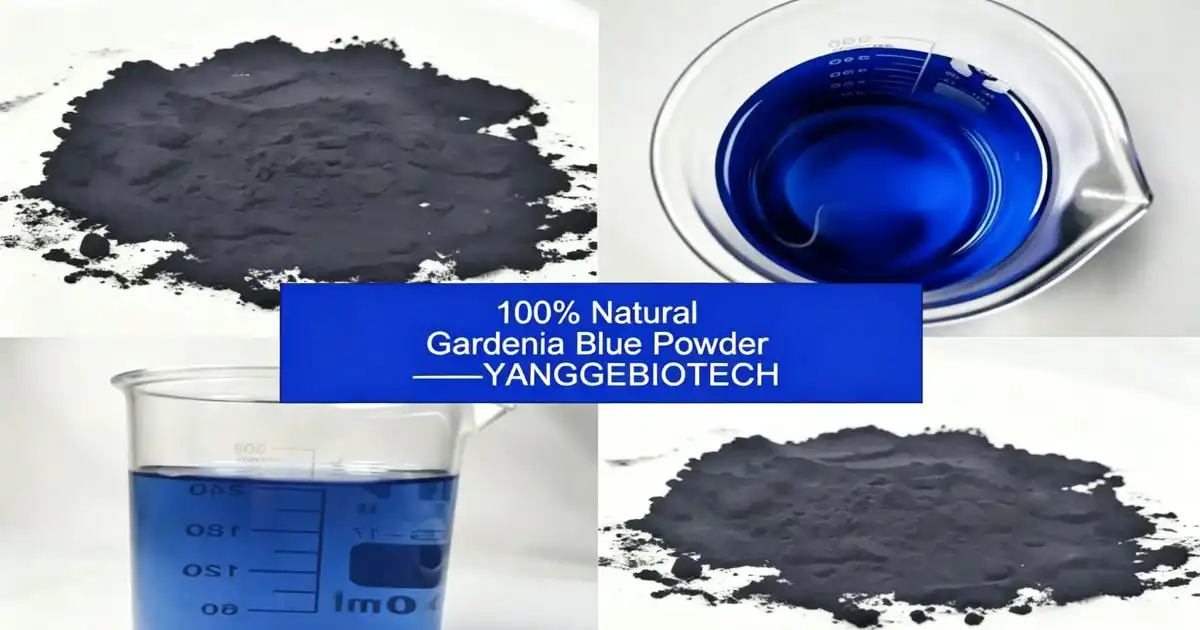
Main Functions of Gardenia Blue
1. Natural Food Coloring
Provides a vibrant blue color for foods and beverages without synthetic additives.
2. Clean Label Ingredient
Helps brands replace artificial colors while meeting consumer demand for natural products.
3. Color Enhancement
Improves product appearance and visual appeal, increasing consumer acceptance.
4. Color Blending
Can be combined with natural yellow pigments such as turmeric or gardenia yellow to create green shades.
5. Brand Differentiation
Allows manufacturers to create unique naturally colored products in competitive markets.
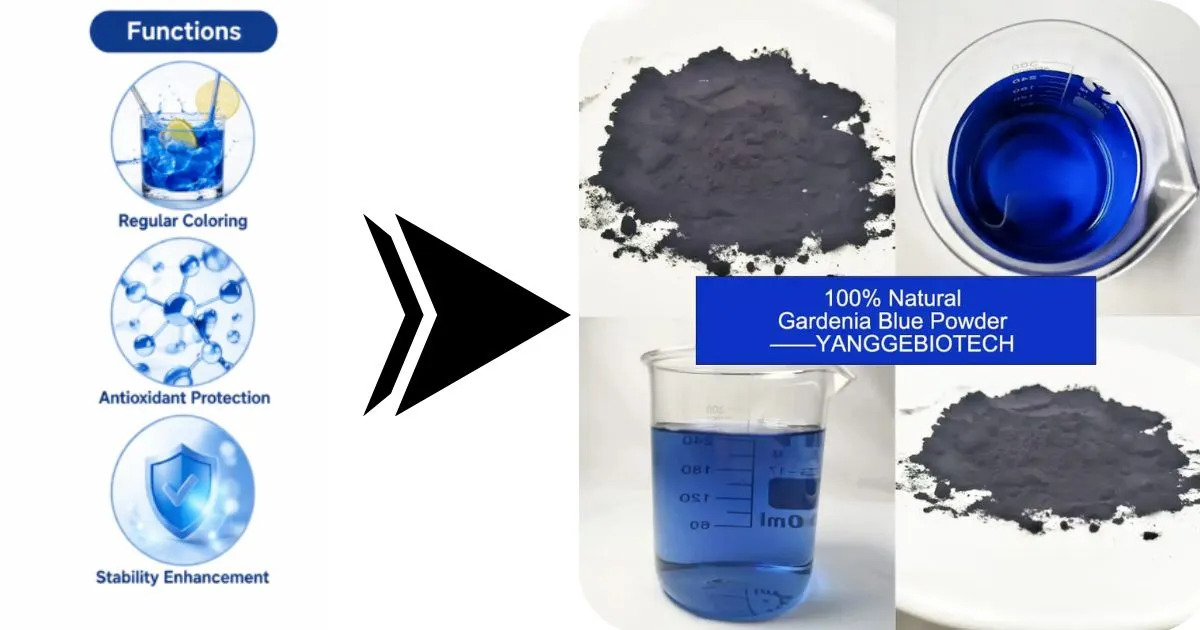
Benefits of Gardenia Blue
1. 100% Natural Origin
Derived from gardenia fruit rather than petroleum-based chemicals.
2. Consumer-Friendly
Supports clean-label and natural product positioning.
3. Excellent Coloring Strength
Produces vivid blue shades even at relatively low usage levels.
4. Wide Application Range
Suitable for foods, beverages, dietary supplements, and cosmetics.
5. Stable Under Proper Conditions
Maintains good color stability in many formulations when protected from excessive heat and extreme pH.
6. Vegan-Friendly
Suitable for vegetarian and vegan formulations depending on the manufacturing process.
7. Sustainable Alternative
Plant-derived production supports environmentally friendly ingredient sourcing.
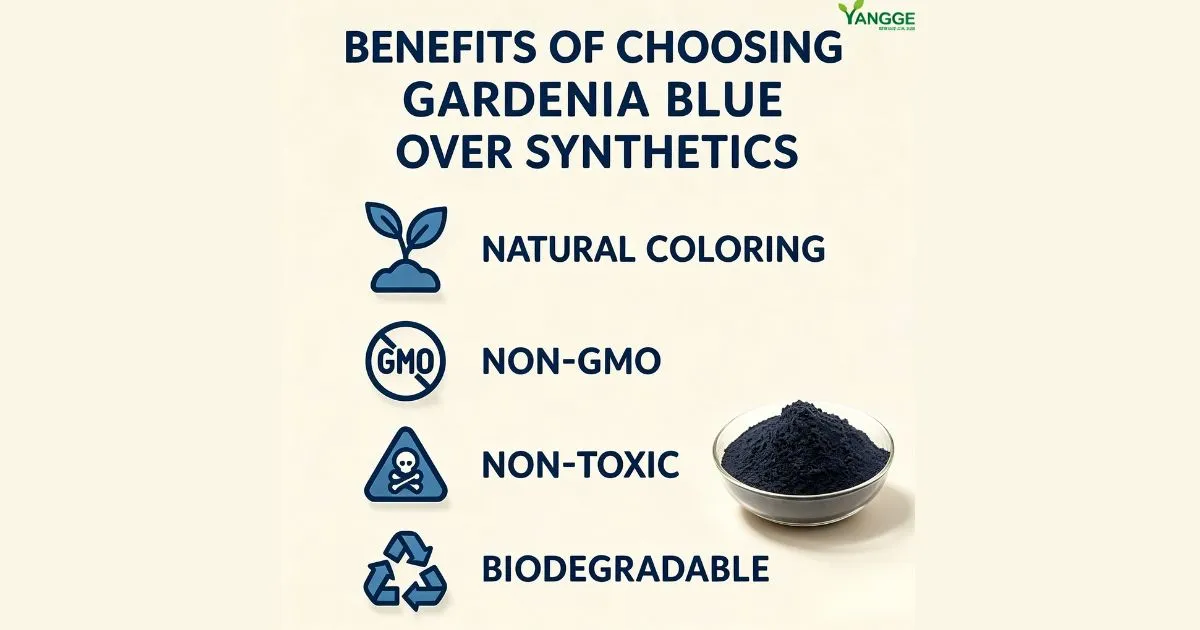
Typical Specifications
Specifications may vary depending on manufacturer and intended application.
|
Parameter |
Specification |
|
Product Name |
Gardenia Blue |
|
Appearance |
Dark blue powder or liquid |
|
Source |
Gardenia jasminoides fruit |
|
Color |
Natural blue |
|
Solubility |
Water soluble |
|
Odor |
Characteristic |
|
Moisture |
≤8% |
|
Ash |
≤5% |
|
Heavy Metals |
Meets food-grade standards |
|
Lead (Pb) |
≤2 ppm |
|
Arsenic (As) |
≤1 ppm |
|
Microbiology |
Complies with food safety standards |
|
Shelf Life |
24 months |
|
Storage |
Cool, dry place away from sunlight |
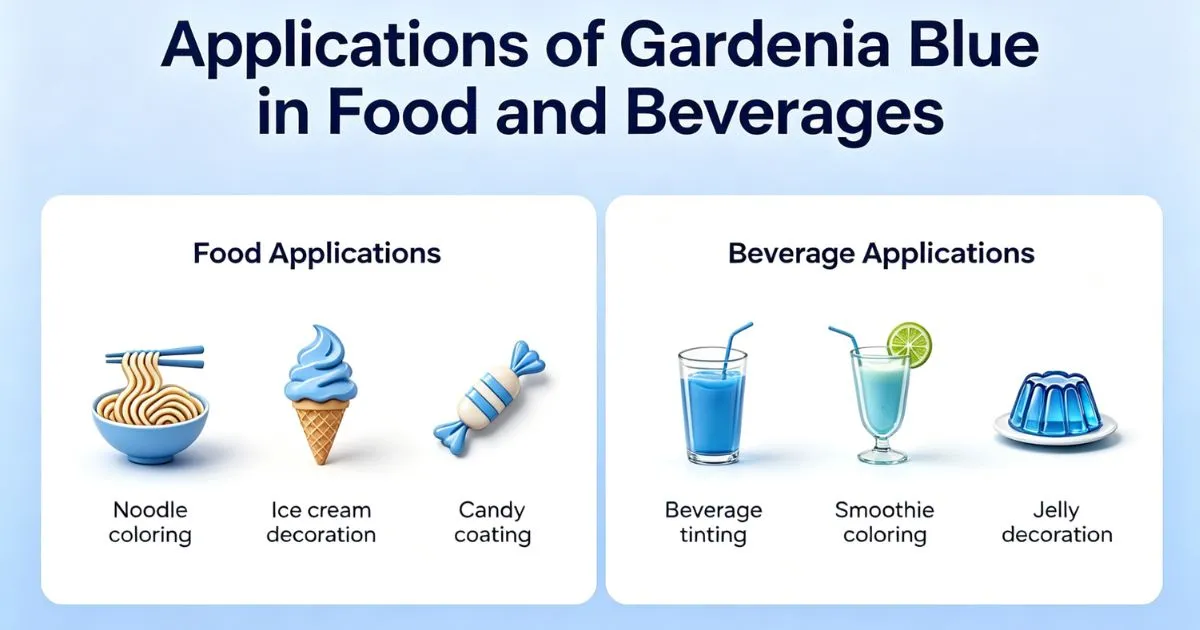
Applications of Gardenia Blue
Food Industry
· Candy
· Gummies
· Hard candies
· Jelly
· Ice cream
· Frozen desserts
· Yogurt
· Bakery decorations
· Frosting
· Marshmallows
· Rice products
· Confectionery
Beverage Industry
· Functional beverages
· Sports drinks
· Fruit beverages
· Tea drinks
· Plant-based beverages
· Carbonated beverages
· Cocktail mixers
Nutraceutical Industry
· Dietary supplements
· Gummies
· Capsules
· Tablets
· Powder drink mixes
· Effervescent tablets
Cosmetics
· Facial masks
· Natural soaps
· Bath products
· Personal care formulations
Pet Food
· Functional pet treats
· Decorative pet snacks
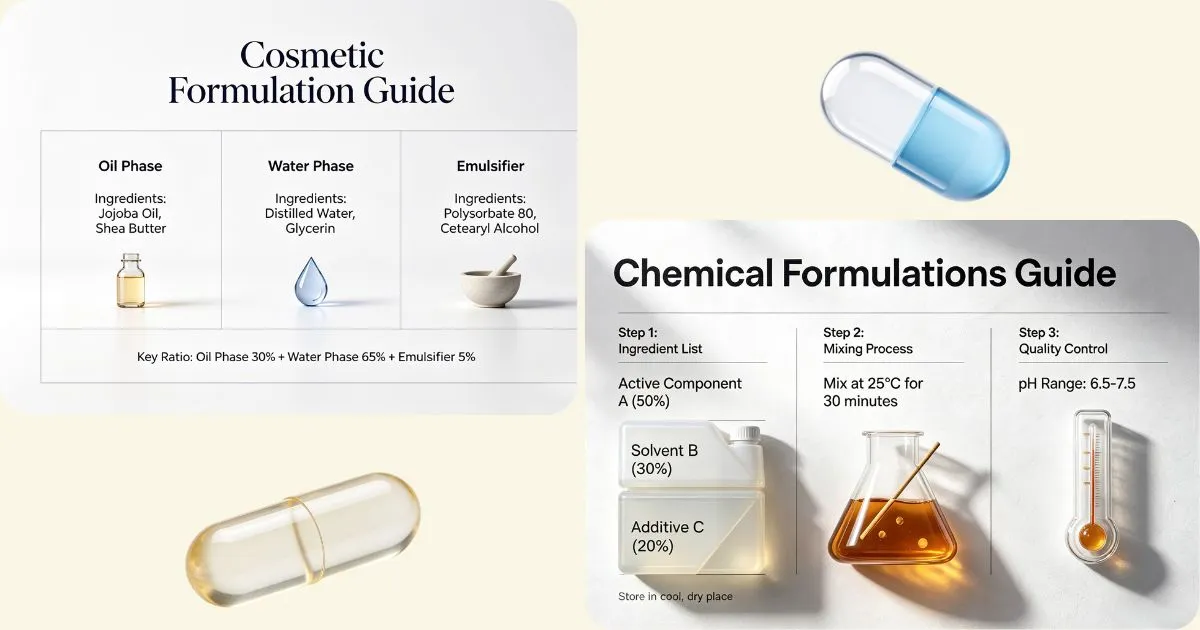
Formulation Examples
Natural Blue Beverage
Ingredients
· Purified water
· Gardenia Blue
· Natural flavor
· Citric acid
· Cane sugar or sweetener
· Vitamin C
Blue Gummy Supplement
Ingredients
· Gelatin or pectin
· Gardenia Blue
· Fruit concentrate
· Natural sweetener
· Vitamins or botanical extracts
Blue Yogurt
Ingredients
l Yogurt base
l Gardenia Blue
l Blueberry flavor
l Natural sweetener
Plant-Based Sports Drink
Ingredients
· Water
· Electrolytes
· Gardenia Blue
· Natural citrus flavor
· Coconut water powder
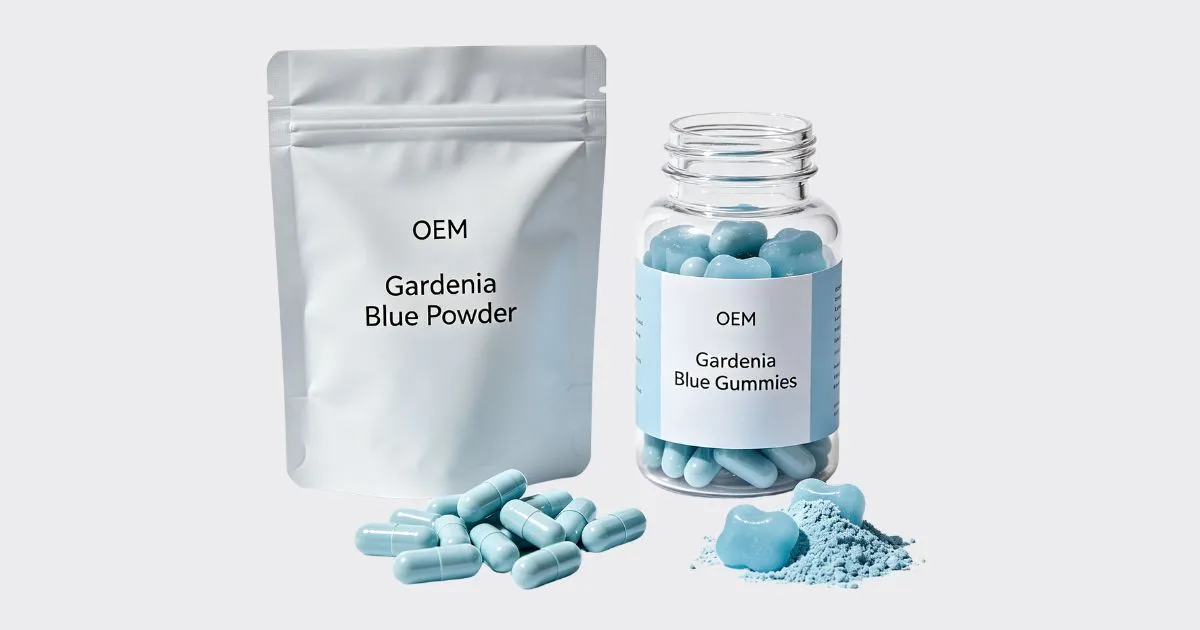
OEM & Private Label Manufacturing
Many ingredient suppliers and contract manufacturers offer OEM and private label services for Gardenia Blue products, including:
· Custom color intensity
· Powder or liquid formats
· Food-grade and beverage-grade options
· Customized packaging
· Bulk supply
· Formula development
· Regulatory documentation
· Quality testing
· Private label branding
OEM services help food and beverage companies launch naturally colored products efficiently while maintaining quality and regulatory compliance.
Why Choose Gardenia Blue?
Gardenia Blue offers several advantages over synthetic blue colorants:
· Naturally derived from plant sources
· Clean-label friendly
· Vibrant blue color
· Water-soluble for easy formulation
· Suitable for diverse food and beverage applications
· Supports consumer demand for natural ingredients
Conclusion
Gardenia Blue is an innovative natural colorant that provides manufacturers with a safe, vibrant, and plant-based alternative to synthetic blue dyes. Its excellent coloring performance, versatility, and compatibility with clean-label trends make it ideal for foods, beverages, dietary supplements, cosmetics, and pet products. As demand for natural ingredients continues to grow, incorporating Gardenia Blue into product formulations can enhance visual appeal while aligning with consumer preferences for healthier and more sustainable products.
Partner with Yangge Biotech for Premium Gardenia Blue Pigment Supply
Yangge Biotech specializes in selling natural colorants that are very pure and come with full certifications and expert technical support. As a Gardenia Blue pigment producer with a lot of experience, we follow strict GMP production standards and keep track of our products from farm to table to make sure that the quality of every shipment is the same. Our research and development team can help you make the best formulations to get the best color performance for your unique uses.
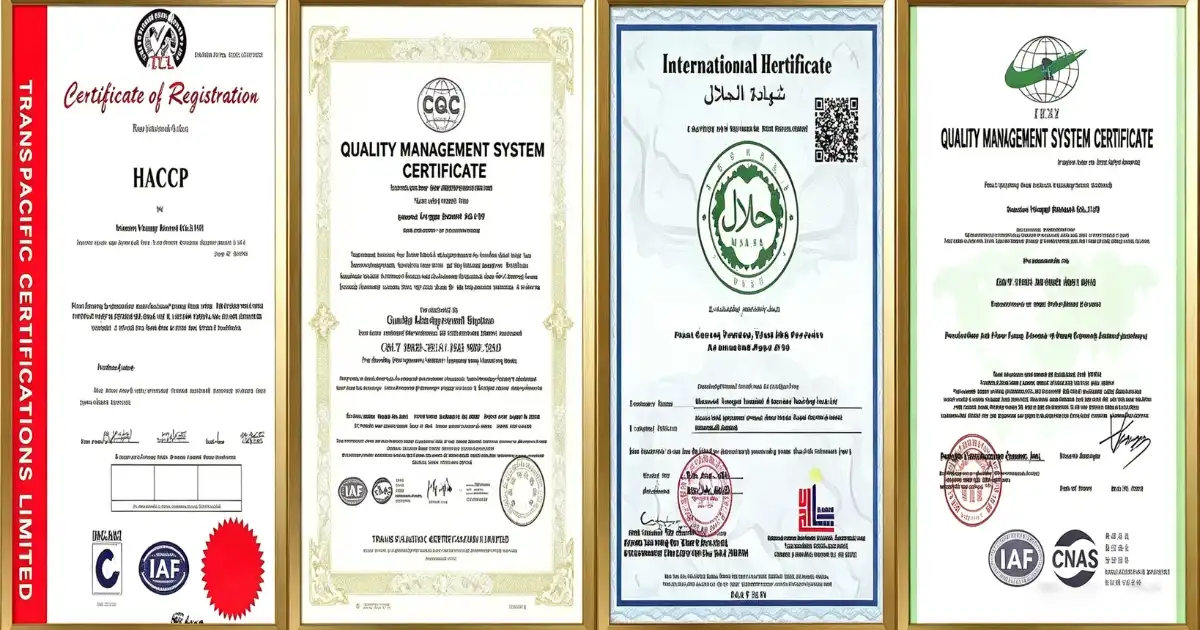
With ISO, HACCP, Kosher, and Halal standards, we meet the needs of your global markets while putting an emphasis on environmentally friendly sources. Contact us or email our team at info@yanggebiotech.com to get samples, talk about your needs, or find out how our high-quality ingredients can help your clean label product line.
FAQ
Q: Can we get some samples to test before purchasing?
A: Of course, we can provide free samples of 20 to 100 grams, but the shipping cost is at the customer's expense. The shipping cost can be deducted from the next order, or the samples can be sent through your courier account.
Q: Do your products have relevant certifications?
A: Yes, our products are certified for HALAL, ISO, HACCP, Kosher, and other certifications.
Q: What is the minimum order quantity (MOQ)?
A: Small batches of samples can be customized according to your requirements.
Q: Do you offer OEM and ODM services? Can the formula be customized based on our own?
A: Of course, we provide ODM and OEM services to many customers. Our product range includes softgels, capsules, tablets, sachets, granules, and private label services. Simply contact us and let us know your requirements. Our experienced R&D team can also develop new products with specific formulas.
Please contact us to design your own branded products.
Q: How do you handle quality complaints?
A: First, we have a comprehensive quality control SOP. We provide authoritative third-party inspection reports for almost all products before shipment to minimize the possibility of quality issues. Second, we have a comprehensive return and exchange procedure. If there is a genuine quality dispute, we will strictly follow the SOP.
Q: How do you ship? How long does delivery take?
A: For small orders, we typically use DHL, UPS, EMS, FedEx, or TNT. Delivery typically takes 3-7 days. We also offer air and sea freight services. We have a strong freight forwarding team and can provide you with a one-stop service, including DDP and DDU.
Q: What are your payment terms?
A: 100% prepayment, payable by T/T, Western Union, MoneyGram, or PayPal.
Q: What is the shelf life of your products?
A: 2 years with proper storage.
References
1. Chen, L., & Zhang, Y. (2021). Natural Food Colorants: Chemistry, Functionality and Applications in the Food Industry. Academic Press.
2. Downham, A., & Collins, P. (2000). Colouring our foods in the last and next millennium. International Journal of Food Science & Technology, 35(1), 5-22.
3. Giusti, M. M., & Wrolstad, R. E. (2003). Acylated anthocyanins from edible sources and their applications in food systems. Biochemical Engineering Journal, 14(3), 217-225.
4. Rodriguez-Amaya, D. B. (2016). Natural food pigments and colorants. Current Opinion in Food Science, 7, 20-26.
5. Sigurdson, G. T., Tang, P., & Giusti, M. M. (2017). Natural colorants: Food colorants from natural sources. Annual Review of Food Science and Technology, 8, 261-280.
6. Wrolstad, R. E., & Culver, C. A. (2012). Alternatives to those artificial FD&C food colorants. Annual Review of Food Science and Technology, 3, 59-77.

Based on your location and order quantity, you will have the opportunity to receive a limited time free shipping promotion!
Who we are
Popular Blogs