A Sourcing Guide to Lutein and Zeaxanthin from Marigold Extract
It's competitive to get lutein for eye health, functional meals, or baby nutrition from marigold extract. This guidebook covers marigold derived lutein & zeaxanthin for B2B procurement experts, from raw material purity and extraction to certifications, pricing, and supplier selection. A macular-health tablet or functional beverage with carotene starts with this resource.If you are evaluating a manufacturer for your next product launch, contact us directly at info@yanggebiotech.com or visit blog.yanggebiotech.com to request a COA and pricing.
Understanding Marigold Extract and Its Key Components
What Is Marigold Extract?
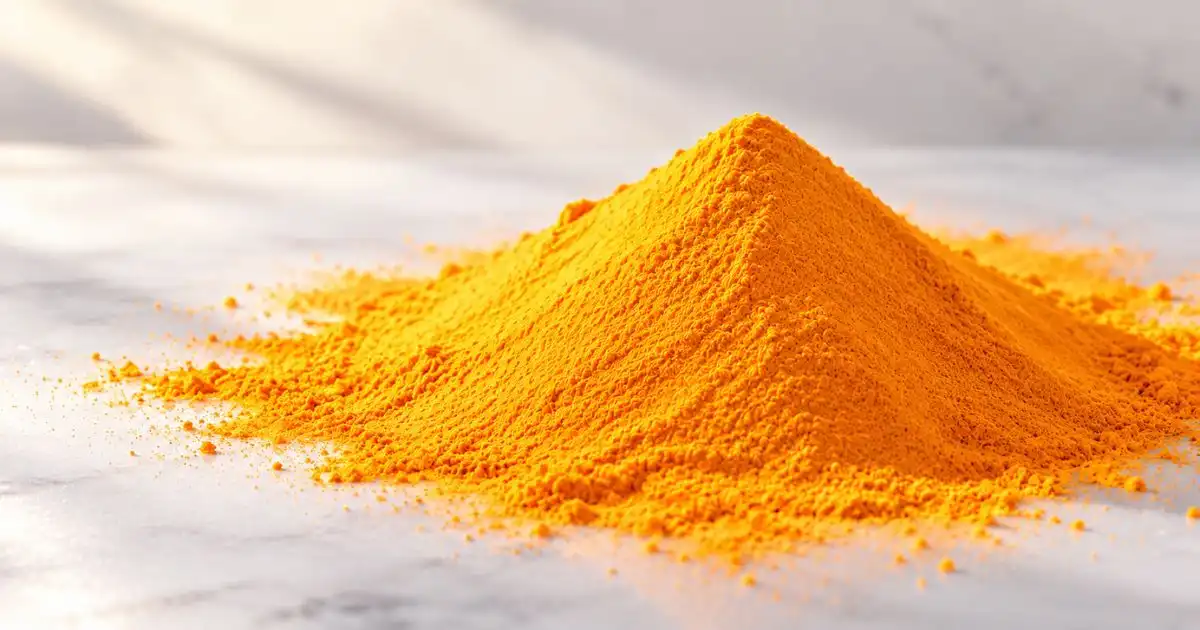
Tagetes erecta L., a popular blooming plant in China, India,, and Mexico, produces marigold extract from dried petals. Lutein and zeaxanthin dominate the petals' xanthophyll carotenoids. A 2019 Nutrients evaluation found that Tagetes erecta petals provide the best cost-effective renewable resource for commercial lutein extraction at 1% dry weight before processing. The HPLC-standardized orange-yellow powder contains 5%–90% lutein.
Lutein vs. Zeaxanthin: Why Both Matter
The macula solely accumulates lutein and zeaxanthin. The landmark AREDS2 experiment found that daily intake of 10 mg lutein + 2 mg zeaxanthin lowers the risk of severe AMD development. The body cannot produce either chemical, thus diet or supplements are needed. A precise raw material lutein-to-zeaxanthin ratio is essential for blue-light protection formulators.
Applications Across Product Categories
The orange-yellow powder fits cleanly into multiple delivery formats, which is one reason procurement demand continues to rise year over year.
- Eye-health capsules and softgels: Free lutein form is preferred for faster absorption in oil-based matrices.
- Functional gummies and chewables: Water-dispersible (CWS) or micro-encapsulated grades prevent pigment migration and maintain label-claim potency.
- Functional beverages and RTD drinks: CWS powder dissolves without visible sedimentation, meeting beverage clarity standards.
- Infant formula: Ester form converted to free lutein during saponification; strict heavy-metal and pesticide limits apply.
These formats of marigold extract cover a wide range of end-use markets, meaning one supplier with broad grade availability can serve multiple product lines simultaneously.

Quality Dimensions and Comparison of Marigold Extracts
Free Lutein vs. Lutein Esters
| Parameter | Free Lutein | Lutein Esters |
|---|---|---|
| Bioavailability | Higher (immediate absorption) | Requires saponification in vivo |
| Stability | Lower (sensitive to heat/light) | Higher in dry, oily matrices |
| Typical Application | Beverages, infant formula | Softgels, capsules |
| Potency Range | 5%–90% | 20%–80% |
Free lutein is the go-to for infant formula and beverage applications because it absorbs readily without enzymatic conversion. Lutein esters, by contrast, are inherently more stable and work well in hard capsules or gelatin softgels where shelf life extends beyond 24 months.
Organic vs. Conventional Grades
Organic marigold extract costs 15–30% more but allows clean-label companies in the U.S. and EU. Conventional grades dominate volume purchase if the seller provides EU MRL or USDA pesticide residue data. Pesticide screening for infant formula customers must comply with Regulation (EC) Yes 1107/2009 or equivalent, and lead, cadmium, arctic, and mercury heavy-metal limits are strictly monitored.
Powder Format Considerations
Lutein is sensitive to oxygen and light destruction, thus micro-encapsulated and CWS powders alleviate this. Micro-encapsulation protects the carotenoid core with a polymer wall usually modified starch or gelatin extending shelf life by 6–12 months over uncoated powder. CWS powder's emulsifying layer makes it suited for clear drinks without oiling or color separation.

Procurement Guide: How to Source High-Quality Marigold Extract
Defining Your Specification Before Contacting Suppliers
Before requesting samples of marigold extract, lock in three variables: lutein assay (%), molecular form (free vs. ester), and intended delivery format. Misalignment on these three points is the leading cause of reformulation delays. A 20% free-lutein CWS powder is entirely different from a 20% ester oleoresin, even though both carry the same nominal potency on an ingredient label.
Key Certifications to Request
Credible lutein suppliers should hold and share documentation across several areas. Below are the minimum certifications a procurement manager should request before moving to sample evaluation:
- FDA GRAS status: Confirms the ingredient is generally recognized as safe for human consumption under 21 CFR.
- Non-GMO verification: Relevant for North American and European markets where GMO disclosure is legally required.
- ISO 9001 / GMP: Confirms manufacturing process controls and batch-to-batch consistency.
- Kosher / Halal: Required for certain Middle Eastern and Jewish market segments.
- Third-party COA and HPLC report: Validates labeled lutein content against actual assay results.
Carrying all five certifications signals that a supplier operates at a professional level and is prepared for regulatory audits. Without verified documentation, label-claim disputes and import holds become real financial risks.
Price-Driving Factors
| Factor | Impact on Price |
|---|---|
| Lutein purity (5% vs. 90%) | High — up to 8× difference |
| Organic certification | +15–30% premium |
| Micro-encapsulation / CWS | +10–25% over standard powder |
| Annual volume commitment | 5–15% volume discount typical |
| Country of origin | Yunnan, China is cost-competitive |
Ensuring Quality and Consistency in Marigold Extract Sourcing
Farm-to-Finished-Product Traceability
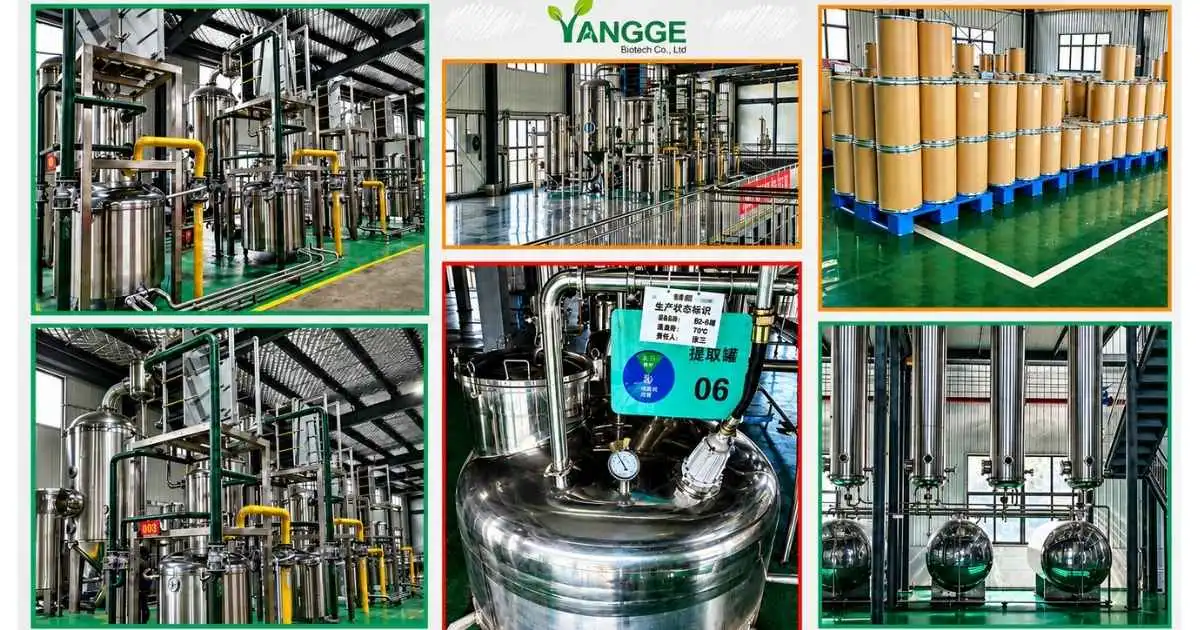
Yangge uses Yunnan Province's unique marigold farming grounds for lutein powder. Yunnan marigold flowers have high carotenoid density due to high altitude, rich soil, and lengthy sunlight. Production involves raw flower, water infusion, filtration, purification, vacuuming concentration, sterility, spray drying, and powder. Batch-level traceability and client audits, which prominent nutraceutical brands and infant formula producers increasingly want, is documented at every stage.
Stability Testing and Shelf Life Expectations
Oxidation, UV, and temperatures over 60°C affect lutein in marigold extract. Customers should get stability data from accelerated testing (40°C/75% Humidity for 6) and real-time test at 25°C/60% Hh for 24 months. In sealed, nitrogen-flushed packaging, Yangge micro-encapsulated grades keep ≥95% of indicated potency for 24 months. Request this performance standard in writing before agreeing to a long-term contract.
Batch-to-Batch Consistency Metrics
| QC Parameter | Specification |
|---|---|
| Lutein content (HPLC) | 5%–90% per grade |
| Moisture | ≤5.0% |
| Mesh size | ≥80 mesh |
| Heavy metals (Pb, As, Cd, Hg) | Within EU/USP limits |
| Pesticide residues | Compliant with EU MRL |
| Appearance | Orange-yellow powder |
Purchasing teams should request three consecutive COAs from the same grade to evaluate batch-to-batch variance before signing a supply agreement.

Future Trends and Innovation in Marigold Extract for Lutein and Zeaxanthin
Growing Clinical and Market Demand
Global lutein and zeaxanthin market revenue was valued at approximately USD 308 million in 2022 and is projected to grow at a CAGR of 5.8% through 2030, driven by aging populations and rising screen-time-related eye fatigue. The AMD segment alone accounts for a significant share of supplement sales in the U.S., where AMD affects roughly 11 million people according to BrightFocus Foundation data.
Emerging Delivery Technologies
Water-dispersible beadlets and nano-emulsion formats are gaining traction in beverage applications because they improve oral bioavailability by 30–50% compared to uncoated crystalline lutein. Suppliers that have proprietary micro-encapsulation capabilities can offer brand differentiation at the product level—a meaningful advantage for supplement brands competing on ingredient quality.
Supply Chain Resilience
Buyers are progressively favoring vertically integrated suppliers. A manufacturer that owns its agricultural base, extraction facility, and quality lab eliminates multiple inter-supplier risk points. For procurement teams managing supply continuity across 12-month purchase cycles, vertical integration means fewer variables affecting delivery time and raw material cost.
Conclusion
Sourcing lutein and zeaxanthin from Tagetes erecta using marigold extract involves matching the right molecular form, particle technology, and certification package to your specific product format. Key decisions center on free vs. ester lutein, standard vs. micro-encapsulated powder, and the depth of traceability documentation a supplier can provide.
Prioritize suppliers with farm-level origin control, validated HPLC-based assays, and the regulatory credentials your target market demands. Doing so compresses your evaluation timeline and reduces reformulation risk significantly. The use of marigold extract as a primary source remains the industry standard for efficacy and sustainability.
FAQ
Is marigold extract the same as calendula extract?
No. Tagetes erecta (marigold extract) and Calendula officinalis (pot marigold) are entirely different plants. Tagetes erecta is the commercial source of lutein and zeaxanthin for supplement and food applications. Calendula is used primarily for skin-soothing cosmetics and has a different flavonoid and triterpenoid profile. Always verify the botanical name on the COA.
How do I verify the lutein content in a supplier's product?
Request an HPLC assay report from a third-party laboratory, not just the supplier's internal COA. HPLC is the industry-accepted method for quantifying lutein and zeaxanthin. Comparison between the supplier's in-house data and an independent lab result will expose any labeled-content discrepancies.
What lutein specification is suitable for infant formula?
Infant formula applications require free-form lutein (not ester), pesticide residue compliance under EC No 1107/2009 or equivalent, and heavy-metal limits well below USP thresholds. A purity grade of 20%–40% free lutein with CWS properties is most common.
Does Yangge's lutein powder carry FDA GRAS status?
Yes. Yangge's lutein powder holds FDA GRAS recognition, along with ISO, HACCP, Kosher, and Halal certifications, supporting regulatory compliance across North American and international markets.
Partner with Yangge Your Trusted Marigold Extract Supplier
Yangge Biotech offers a full-specification lutein powder line (5%–90%) derived from Yunnan-grown Tagetes erecta, providing high-quality marigold extract with FDA GRAS status, Non-GMO verification, and complete farm-to-powder traceability. Our team supports sample requests, stability documentation, and regulatory audit preparation.If you are evaluating a manufacturer for your next product launch, contact us directly at info@yanggebiotech.com or visit blog.yanggebiotech.com to request a COA and pricing.
References
1. "Lutein, Zeaxanthin, health meso-Zeaxanthin: Basic Basic and Practical Science Underlying Carotenoid Nutritional Interventions versus Ocular Illness." Progress in Retinal research Eye Research, 2016.
2. "Lutein + It and Omega-3 fatty acids, for Age-Related Optic Degeneration." JAMA, 2013.
3. "Dietary Determinants of Lutein and It Carotenoids as Their Role in Ocular Health." Nutrients, 2013.
4. "Role of lignin and Zeaxanthin, in Visual and Intellectual Function Across the Lifespan." Food Reviews, 2014.
5. L. N. Ranganathan et al. " Carotenoid Bioavailability of Marigold Oleoresin n Human Patients." British Journal if Nutrition, 2019.
6. "Lutein and Zeaxanthin Marketing Size, Share & Trends Assessment Report." Grand View Research, Industry Report, 2023.

Based on your location and order quantity, you will have the opportunity to receive a limited time free shipping promotion!
Who we are
Popular Blogs