Why Meso Zeaxanthin Matters in Eye Health
Meso zeaxanthin powder is a new and important ingredient in eye nutrition. It has benefits that regular carotenoid vitamins don't usually include. In the foveal area, this specific type of zeaxanthin makes up up to half of the macular pigment and is the most important carotene in the middle of the macula. Unlike dietary zeaxanthin found in peppers or corn, meso-zeaxanthin is not usually found in food. To keep your eye health at its best, you need to take supplements. Its high antioxidant levels and exact blue light blocking abilities make it an essential raw material for companies making advanced eye health products to fight age-related macular degeneration and digital eye strain in today's world where screens are everywhere.
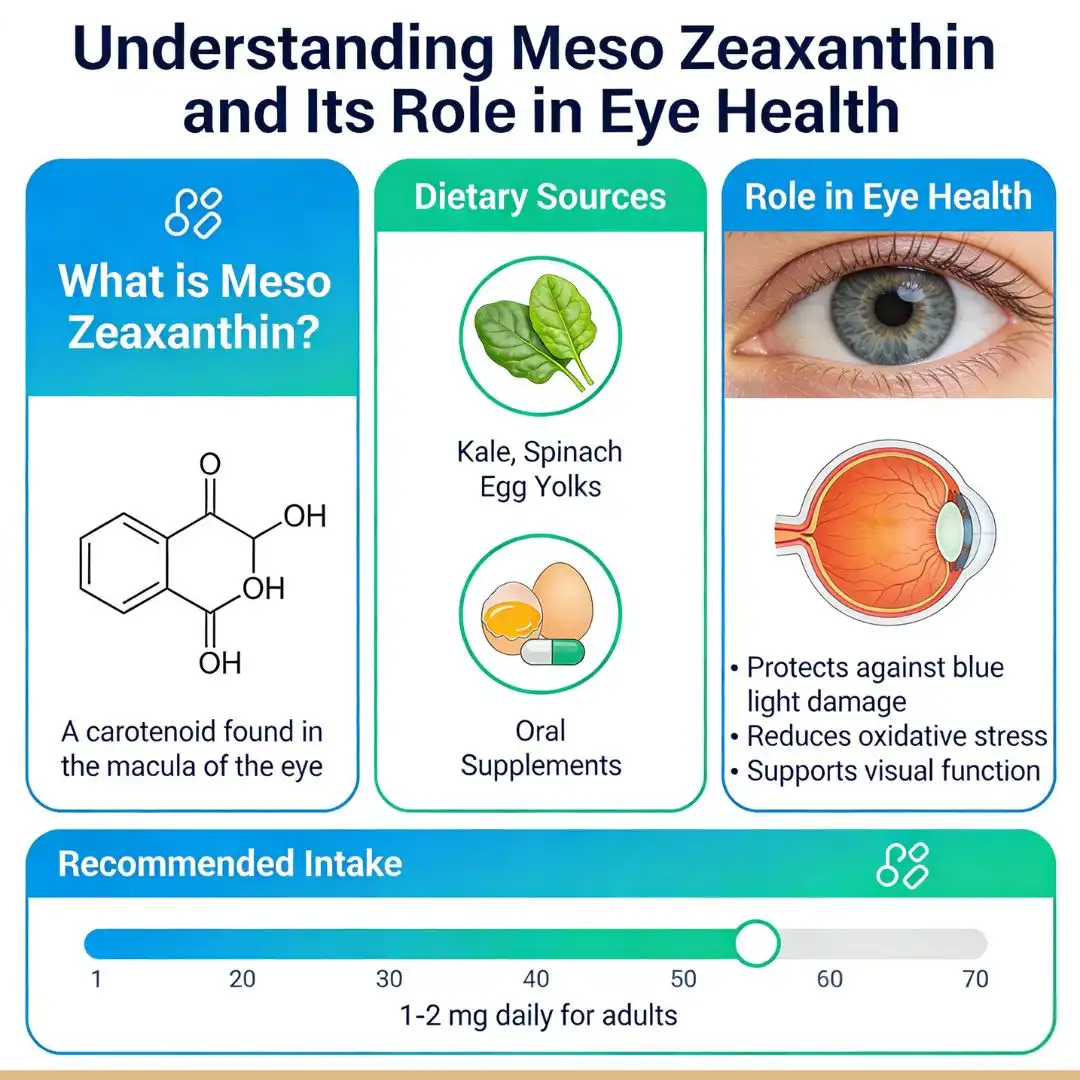
Understanding Meso Zeaxanthin and Its Role in Eye Health
The Unique Chemistry Behind Meso Zeaxanthin
The stereoisomeric structure of meso-zeaxanthin makes it structurally different from the food form of the same substance. Dietary zeaxanthin is the (3R,3'R) form, while meso-zeaxanthin is the (3R,3'S) form. This small change at the molecular level has big effects on the body. The human retina makes meso-zeaxanthin naturally by changing lutein into a different form using enzymes. It then concentrates this substance in the foveal center, which is where your eyesight is clearest. However, a lot of people have problems with their metabolic conversion ability, which leaves them lacking in nutrients that can be filled by straight supplements.
How Meso Zeaxanthin Protects Vision?
Light and metabolic action cause oxidative stress on the eye all the time. Meso-zeaxanthin acts as a main fighter by using a number of different defenses. Its lipophilic structure makes it perfect for integrating into the membranes of photoreceptor cells, where it neutralizes free radicals and stops singlet oxygen from damaging the retina's delicate tissues. Increasing the optical density of the macular pigment through supplements improves contrast sensitivity, lowers glare disability, and speeds up the healing time from photo stress. These are all important factors in stopping age-related macular degeneration from getting worse.
Extraction and Quality Considerations
Our meso zeaxanthin powder comes from marigold flowers (Tagetes erecta), which go through special processes to change lutein into the meso form. This way of production is exactly like nature, so it guarantees uniformity and purity while keeping the bioactive integrity needed for therapeutic uses. By using chiral column HPLC analysis to check the quality, real meso-zeaxanthin can be told apart from other zeaxanthin mixes. This confirms the exact isomeric profile that is needed for accurate preparation and clinical effectiveness.
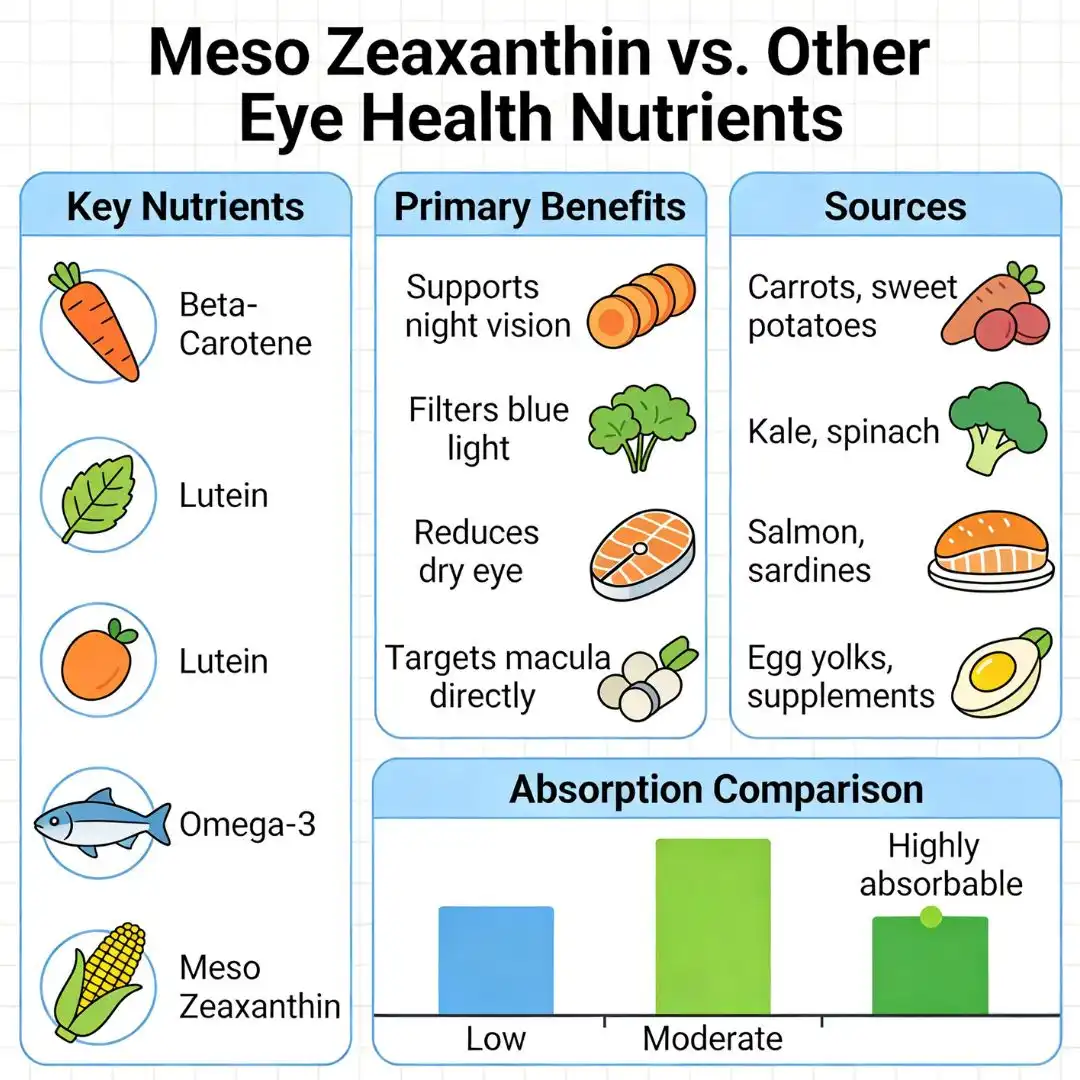
Comparing Meso Zeaxanthin with Other Eye Health Nutrients
Meso Zeaxanthin Versus Lutein
Both chemicals are xanthophyll carotenoids and are found in the retina, but they are found in different parts of the retina. Lutein is mostly found in the macula's edges, while meso-zeaxanthin is mostly found in the middle. The way they are spread out in space shows how their defensive roles work together. Lutein is very good at blocking shorter blue wavelengths across a larger part of the retina, while meso-zeaxanthin is a powerful antioxidant that protects the area where cone photoreceptors are tightly packed. When these two chemicals are mixed together, they cover the macular area more completely than either one could do on its own.
Synergistic Formulation Strategies
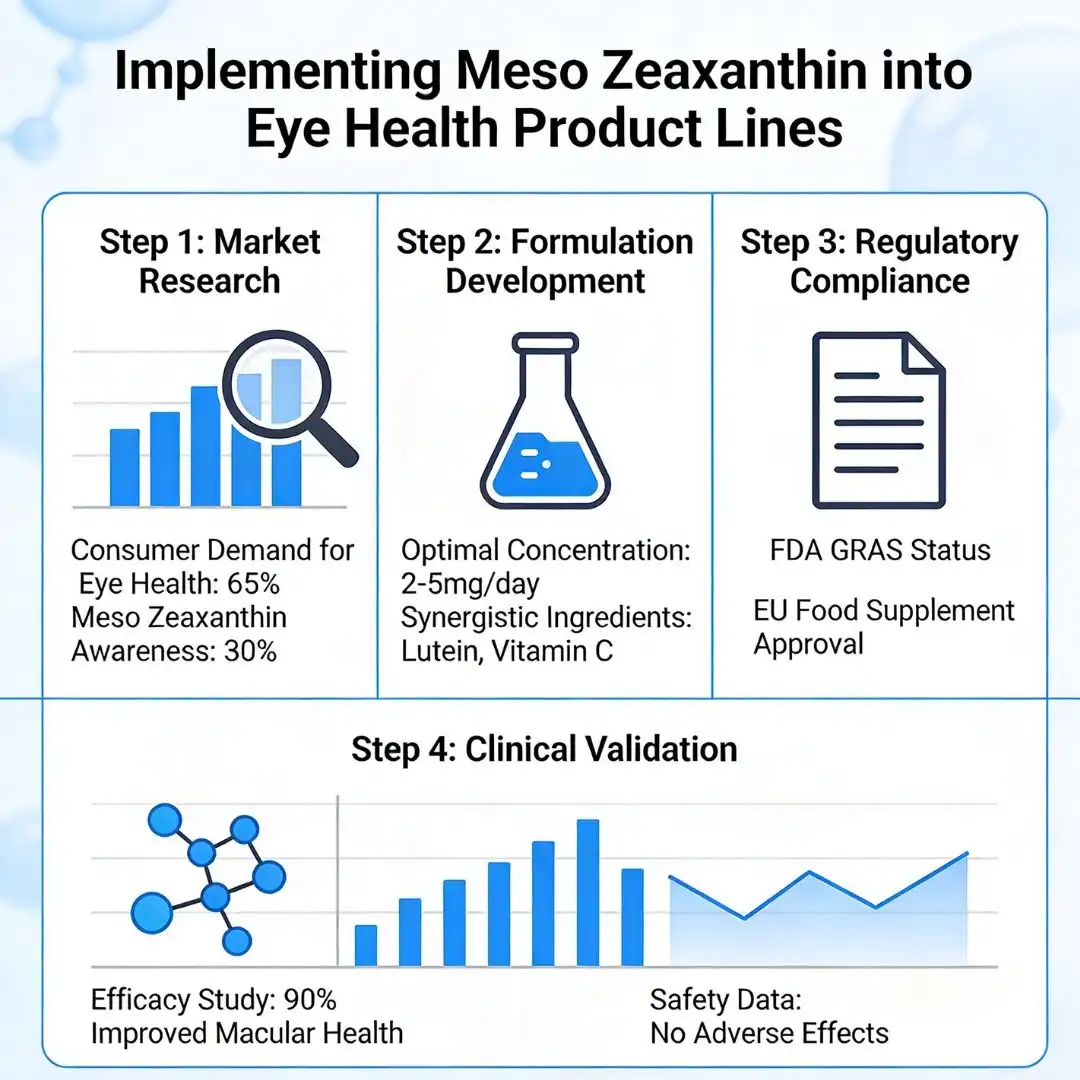
The best eye health products now use the "total macular nutrition" method, which mixes lutein, zeaxanthin, and meso-zeaxanthin in amounts that have been proven to work by science. The CREST studies and others used a 10:10:2 ratio of lutein, zeaxanthin, and meso-zeaxanthin, with 10 mg of lutein, 10 mg of zeaxanthin, and 2 mg of meso-zeaxanthin given every day.
When these carotenoids are mixed with the protective vitamins C and E, they become more stable during processing and are better absorbed by the body in finished goods. Because of this synergy, formulators can make unique goods that meet the needs of different groups, such as older people who are worried about macular degeneration and younger people who are having trouble with digital eye strain.
Safety and Regulatory Compliance
Numerous toxicity studies have shown that taking meso-zeaxanthin supplements in the recommended dose amounts is safe. Long-term tests on humans show that doses up to 10 mg per day have no negative affects. Regulatory support is growing around the world. Products with meso-zeaxanthin are now legal in major markets as long as they come from sources who strictly control quality. Our production methods make sure that they meet European PAH4 standards (benzopyrene ≤10 ppb), are non-GMO, and don't create allergen-filled environments. This is because health supplement companies have to meet strict requirements for foreign marketing.
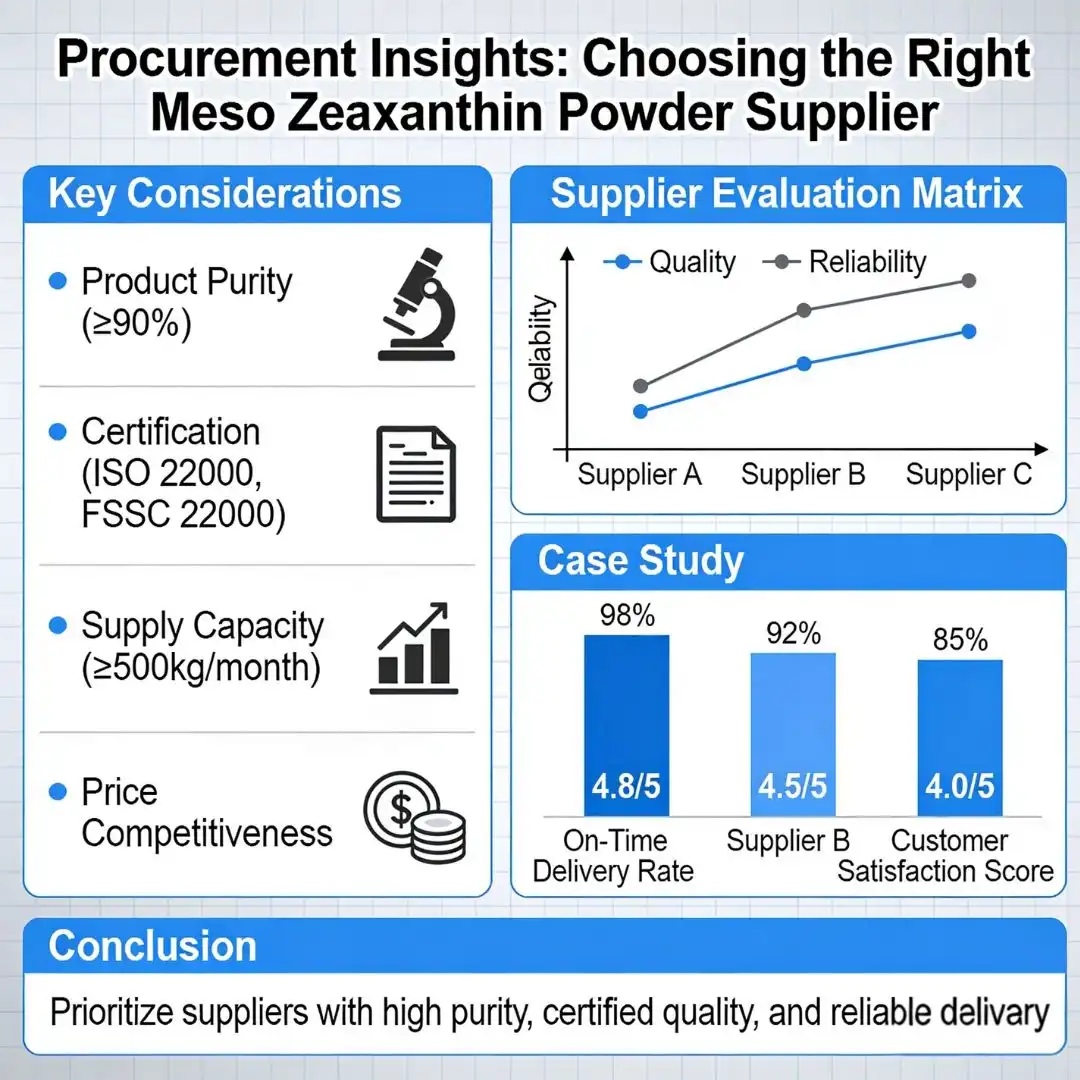
Procurement Insights: Choosing the Right Meso Zeaxanthin Powder Supplier
Essential Supplier Qualifications
To find a trustworthy partner for meso-zeaxanthin raw materials, you need to carefully look at their professional skills and quality control methods. GMP certification is the minimum standard that makes sure that production settings keep limits on contamination and make sure that each batch is the same. In addition to basic certifications, the best providers set themselves apart by using clear testing methods.
We work with well-known labs around the world to get third-party confirmation. These labs give us Certificates of Analysis that show that the isomers are pure using approved chiral HPLC methods. This thorough testing clears up any confusion about the real amount of meso-zeaxanthin present compared to general carotenoid mixes that might mostly contain dietary zeaxanthin.
Specification Options and Applications
Manufacturers need to be able to choose carotenoid ratios that fit their manufacturing goals and budgets. The standard ranges from 5% to 80% meso zeaxanthin powder amount, and each grade is used for different things. Lower amounts (5–20%) work well for adding to functional foods and drinks because they are easier to mix with water than high strength per gram. Mid-range standards (20–70%) are best for popular dietary supplements because they balance cost and performance.
High-purity grades (80–99%) allow for small dosage sizes and high-end placement. Cold water soluble (CWS) forms use microencapsulation technology to get around the fact that carotenoids naturally stick to fats. This means that they can be used in more products, like sports drinks, dairy products, and ready-to-mix versions aimed at older people who like the ease of taking liquid supplements.
Packaging and Logistics Excellence
Meso-zeaxanthin is easily damaged by light, air, and heat, so it needs to be packed in protected materials all the way through the supply chain. Professional sellers ship materials in cases that don't let light through and are filled with nitrogen, which keeps the materials' potency during foreign shipping. Flexible packing choices can handle a wide range of order sizes, from small amounts (less than 1 kg) for testing new formulations to large purchases (more than 1 ton) for regular production runs.
Production interruptions can be avoided by keeping track of supplies well and keeping lead times consistent. This is especially important when releasing seasonal products or reacting to sudden increases in market demand. Our promise to deliver on time helps you stick to your production plan and protects the bioactive quality along the cold chain from our site to your production floor.
Implementing Meso Zeaxanthin into Eye Health Product Lines
Market Demand and Product Development
The world market for eye health supplements is growing quickly, thanks to people of all ages spending more time in front of screens. Consumers now know that macular nutrition can help avoid eye diseases, which opens the door for new ways to market products. Meso-zeaxanthin helps brands stand out by letting them make science-based promises about full eye protection.
When formulators make new goods, they should carefully think about the people they want to sell them to. For example, seniors want to avoid age-related macular degeneration, office workers want to protect their eyes from blue light, and e-sports fans want to improve their vision performance. Each group reacts to specific messages and the unique benefits that meso-zeaxanthin offers.
Optimal Dosage Forms and Manufacturing
The encapsulation style has a big effect on how well consumers accept it and how efficiently it is made. Softgels are still the best way to take lipophilic carotenoids because they keep the ingredients from going bad and make it easier for the body to absorb them through the lipid matrix. Adding tocopherols to safflower or olive oil and suspending meso zeaxanthin powder in it keeps it stable over time.
Hard pills with beadlet technology are an option for vegetarians, but the formulators need to take into account that they may not be as bioavailable. Powder blends make doses more flexible and appeal to people who like to put vitamins into smoothies or other functional drinks. When procurement teams understand these trade-offs, they can choose the right grade and form factor for their industrial skills and market positioning.
Quality Assurance Through Production
From receiving the raw materials to distributing the finished product, thorough quality controls are needed to make sure that the purity of the ingredients is maintained. Before production can start, the strength and purity of incoming materials are checked against the accuracy of the Certificate of Analysis. In-process tracking keeps an eye on the chance of degradation while mixing, encapsulating, and packing things, especially when heat is involved.
Accelerated stability studies estimate how long something will last in different storage situations, which helps with expiration dates and storage suggestions. We help formulation partners with technical documents that make regulatory submissions easier. These documents include stability data, heavy metal tests, and microbiological specs that show compliance with FDA, ISO, and GMP standards for foreign dietary supplement distribution.
Future Outlook: Trends and Innovations in Meso Zeaxanthin for Eye Health
Enhanced Bioavailability Technologies
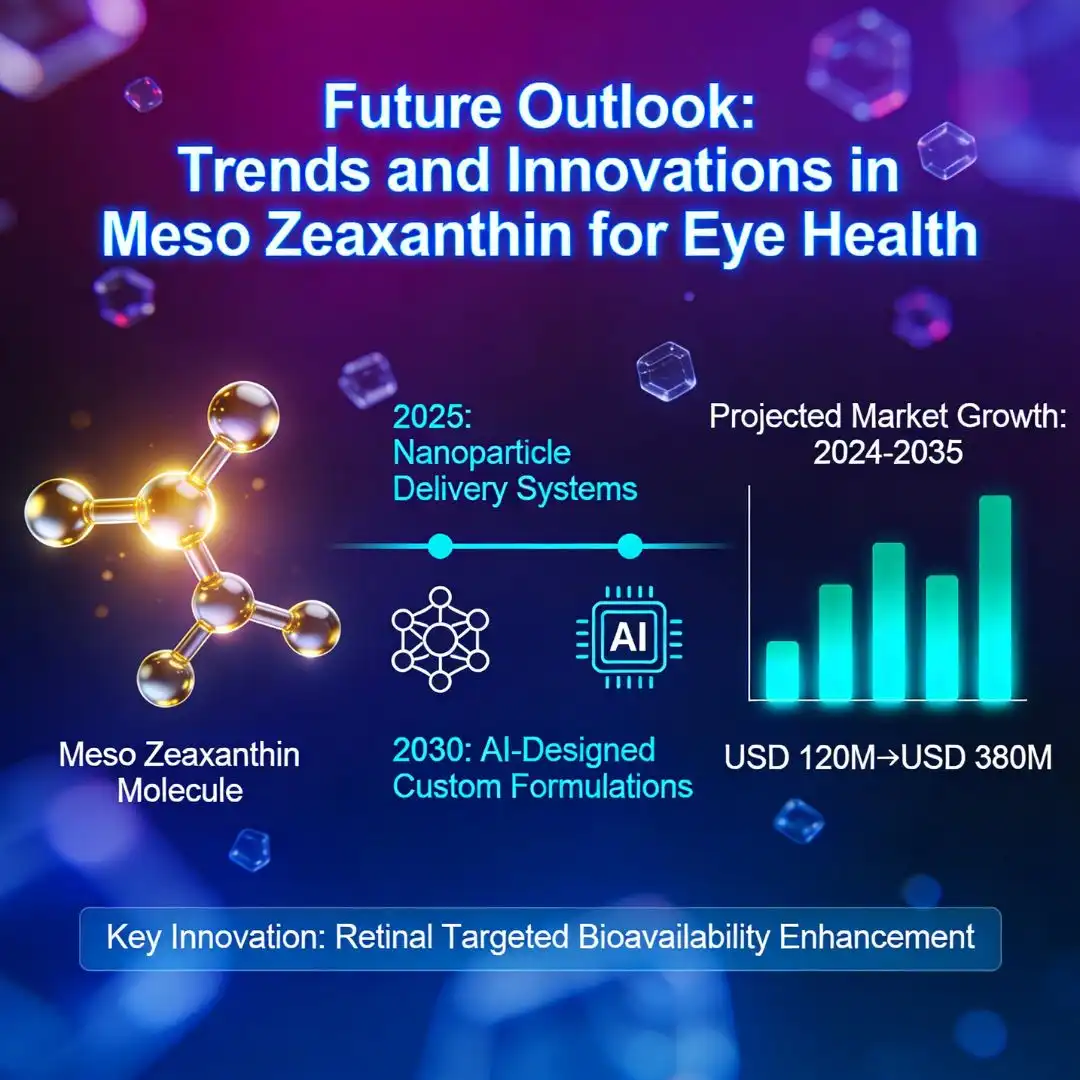
Teams of researchers are looking into new ways to give meso-zeaxanthin that will help it be absorbed and build up in the retina. Liposomal encapsulation, nanoemulsion technology, and phospholipid complexation have all shown promise in preclinical tests. They might make it possible to lower the doses that work while still getting the same medicinal effects.
These new ideas solve a problem that has been around for a long time in carotenoid supplementation: different people absorb them differently because of their genetics, the amount of fat they eat, and their gut health. Products with increased bioavailability platforms may have higher prices, but they may be a better deal because they work better and cost less for the ingredients.
Sustainability and Getting Good Materials
As brands react to customer values, environmental awareness affects buying choices more and more. Sustainable ways of growing marigolds, like using less water, taking care of the soil's health, and making sure workers are treated fairly, improve the brand's image and supply chain openness. Even though it costs more, organic approval sets goods apart in markets where claims of natural and clean labels are what buyers care about.
We keep close links with farming communities so that we can track the material from the field to the finished product. Stable purchasing deals also help rural economies grow. This focus on farm-to-table food makes marketing stories stronger and fits with business social responsibility efforts that health-conscious customers like.
Strategic Partnership Development
As demand rises in North America and Europe, building long-term ties with suppliers becomes a smart business move. Preferred partnerships let people work together to create new formulas, give priority when supplies are low, and make sure that specific standards for each product are met.
Technical support that goes beyond just providing materials, like formulating advice, help with stability tests, and legal paperwork, turns sellers into partners who care about the success of their customers. This is how we treat our clients, and we don't just sell meso zeaxanthin powder. We also offer full solutions that shorten the time it takes to make new products and make us more competitive in the fast-paced market for eye health supplements.
Conclusion
Meso-zeaxanthin powder has become an important ingredient for companies that want to make eye health goods that work better. Its special location at the center of the macula, along with its powerful antioxidant qualities and ability to block blue light, makes it a supplement that meets real physiological needs that other supplements don't. For product development to go well, it's important to get materials from qualified sources whose purity has been checked, whose standards are flexible, and whose quality systems are strong enough to support foreign legal compliance. As more people learn about the benefits of meso-zeaxanthin and more research backs them up, it will become a bigger part of comprehensive ocular nutrition plans for a wide range of groups, from professionals who are tired of screens to older people who want to avoid macular degeneration.
Partner with Yangge for Premium Meso Zeaxanthin Powder
Yangge Biotech Co., Ltd. is a reliable provider of high-quality meso zeaxanthin powder that is dedicated to quality, innovation, and relationship success in the eye health supplement industry. Our wide range of specifications, from 5% purity grades to 99% purity grades, lets you meet a wide range of formulation needs, whether you're making healthy drinks, softgel supplements, or organic-certified goods. Every batch goes through strict tests at internationally renowned labs, and the whole process can be tracked from growing the marigolds to packing them. We keep our ISO, HACCP, Kosher, and Halal certifications up to date, which means your goods will always meet world safety standards.
In addition to providing high-quality raw materials, we also offer technical advice on how to improve formulations and stability and provide regulatory paperwork to help you put your product on the market. Our packaging options are flexible enough to fit businesses at all stages of growth, from 1 kg samples to big tonnage sales. OEM services let you create specifications that are specific to your product idea. We match with your brand's values by using sustainable buying methods and being open about the food chain from farm to table. We also offer reasonable prices and reliable global services. Get in touch with our expert team at info@yanggebiotech.com to get samples, talk about your formulation needs, or look into business options with a top meso zeaxanthin powder supplier committed to improving eye health nutrition around the world.
FAQ
Q: Can we get some samples to test before purchasing?
A: Of course, we can provide free samples of 20 to 100 grams, but the shipping cost is at the customer's expense. The shipping cost can be deducted from the next order, or the samples can be sent through your courier account.
Q: Do your products have relevant certifications?
A: Yes, our products are certified for HALAL, ISO, HACCP, Kosher, and other certifications.
Q: What is the minimum order quantity (MOQ)?
A: Small batches of samples can be customized according to your requirements.
Q: Do you offer OEM and ODM services? Can the formula be customized based on our own?
A: Of course, we provide ODM and OEM services to many customers. Our product range includes softgels, capsules, tablets, sachets, granules, and private label services. Simply contact us and let us know your requirements. Our experienced R&D team can also develop new products with specific formulas.
Please contact us to design your own branded products.
Q: How do you handle quality complaints?
A: First, we have a comprehensive quality control SOP. We provide authoritative third-party inspection reports for almost all products before shipment to minimize the possibility of quality issues. Second, we have a comprehensive return and exchange procedure. If there is a genuine quality dispute, we will strictly follow the SOP.
Q: How do you ship? How long does delivery take?
A: For small orders, we typically use DHL, UPS, EMS, FedEx, or TNT. Delivery typically takes 3-7 days. We also offer air and sea freight services. We have a strong freight forwarding team and can provide you with a one-stop service, including DDP and DDU.
Q: What are your payment terms?
A: 100% prepayment, payable by T/T, Western Union, MoneyGram, or PayPal.
Q: What is the shelf life of your products?
A: 2 years with proper storage.
References
1. Nolan, J.M., et al. (2016). "Macular Pigment and Percentage of Body Fat in Subjects with and without Age-Related Macular Degeneration." Investigative Ophthalmology & Visual Science, 57(10), 4378-4387.
2. Beatty, S., et al. (2013). "Macular Pigment Optical Density and Its Relationship with Serum and Adipose Tissue Concentrations of Lutein and Zeaxanthin." American Journal of Clinical Nutrition, 97(5), 1083-1091.
3. Connolly, E.E., et al. (2011). "Augmentation of Macular Pigment Following Supplementation with All Three Macular Carotenoids: An Exploratory Study." Current Eye Research, 36(7), 601-607.
4. Akuffo, K.O., et al. (2015). "Sustained Supplementation and Monitored Response with Differing Carotenoid Formulations in Early Age-Related Macular Degeneration." Eye, 29(7), 902-912.
5. Stringham, J.M., & Hammond, B.R. (2008). "Macular Pigment and Visual Performance Under Glare Conditions." Optometry and Vision Science, 85(2), 82-88.
6. Bone, R.A., et al. (2007). "Macular Pigment in Donor Eyes with and without AMD: A Case-Control Study." Investigative Ophthalmology & Visual Science, 48(5), 2303-2308.

Based on your location and order quantity, you will have the opportunity to receive a limited time free shipping promotion!
Who we are
Popular Blogs