Where to buy phycocyanin
What is Phycocyanin Powder?
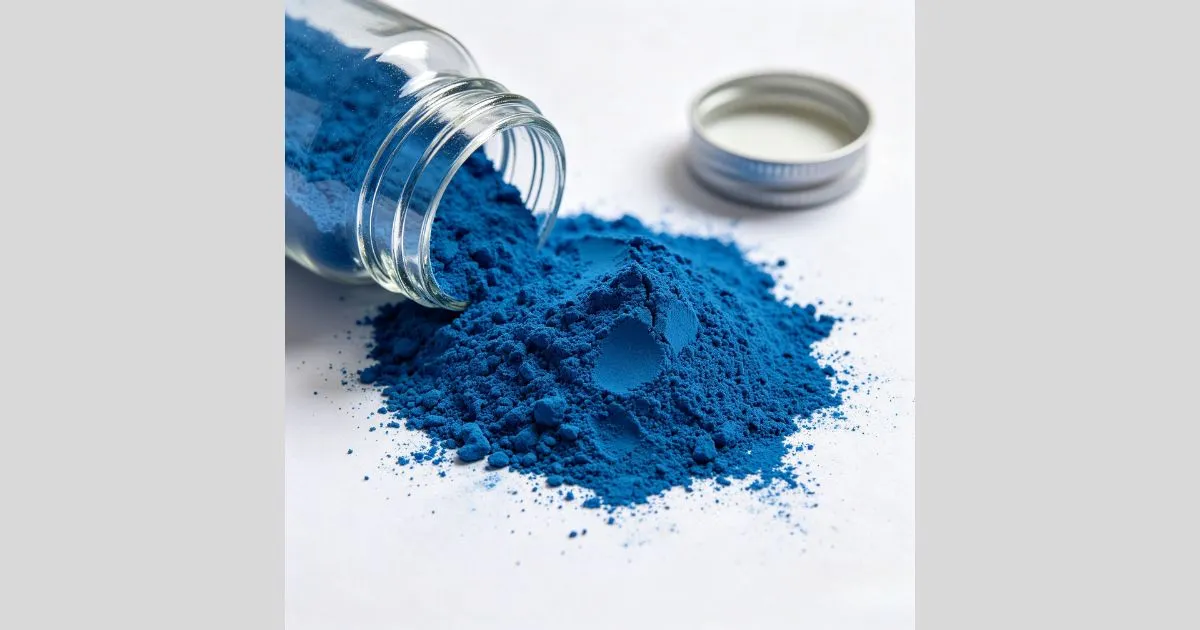
Phycocyanin powder is a natural blue pigment extracted from Spirulina (Arthrospira platensis), a nutrient-dense blue-green microalga. It belongs to the phycobiliprotein family and plays an important role in photosynthesis.
Unlike artificial blue dyes, phycocyanin offers both visual appeal and functional health benefits, making it an ideal ingredient for clean-label products.
Main Functions of Phycocyanin Powder
1. Natural Blue Food Colorant
Phycocyanin provides a brilliant sky-blue to deep-blue color without synthetic additives. It is widely used in:
Beverages
Gummies
Ice cream
Dairy products
Candy
Bakery decorations
Frozen desserts
2. Powerful Antioxidant
Phycocyanin helps neutralize free radicals that contribute to:
Cellular aging
Oxidative stress
DNA damage
Chronic inflammation
3. Anti-Inflammatory Support
Research suggests phycocyanin may help reduce inflammatory markers by regulating oxidative pathways.
4. Immune System Support
Its antioxidant activity may contribute to a healthier immune response and improved overall wellness.
5. Sports Nutrition Ingredient
Many sports nutrition formulations include phycocyanin because it may help:
Reduce exercise-induced oxidative stress
Support recovery
Improve endurance support
6. Premium Functional Ingredient
Phycocyanin adds value to functional foods by combining:
Natural color
Nutritional benefits
Clean-label positioning
Health Benefits of Phycocyanin Powder
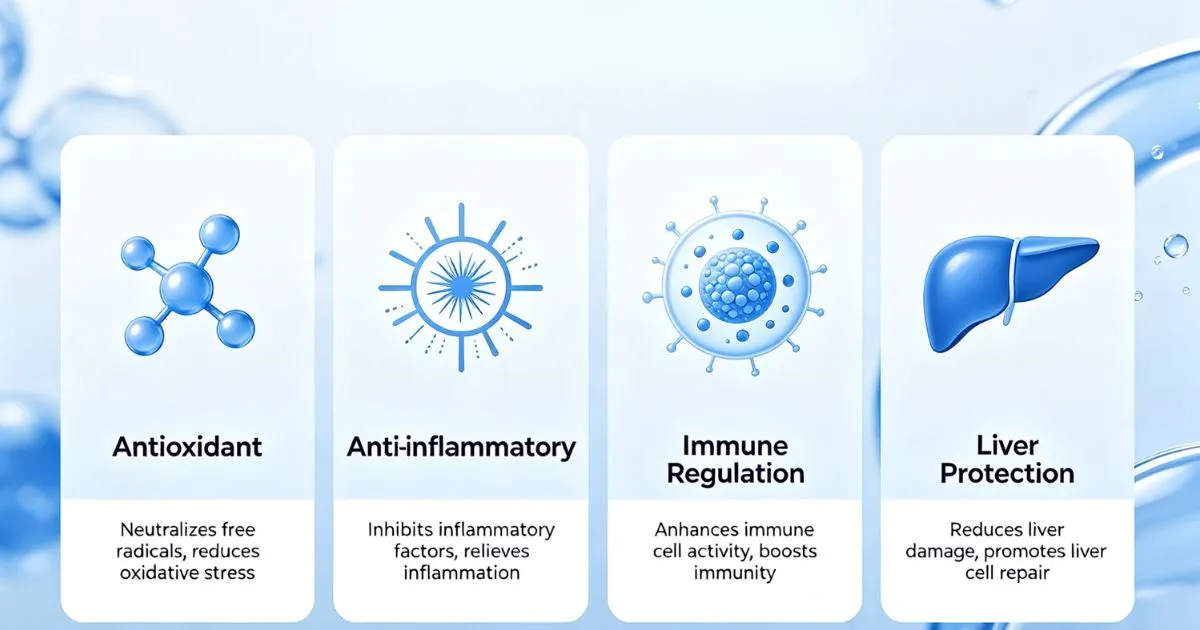
Strong Antioxidant Protection
Helps protect cells from oxidative damage caused by environmental stress and metabolism.
Supports Healthy Aging
By reducing oxidative stress, phycocyanin may help maintain healthier skin and support overall vitality.
Promotes Immune Health
Supports normal immune function through its bioactive compounds.
Supports Liver Health
Several studies suggest spirulina-derived phycocyanin may help maintain healthy liver function.
Cardiovascular Support
Its antioxidant activity may help support healthy circulation and cardiovascular wellness.
Skin Health
Phycocyanin is increasingly used in beauty supplements because it may help:
Improve skin appearance
Reduce oxidative skin damage
Support collagen protection
Eye Health
The antioxidant properties may help protect eye tissues from oxidative stress.
Typical Specifications
|
Item |
Specification |
|
Product Name |
Phycocyanin Powder |
|
Source |
Spirulina (Arthrospira platensis) |
|
Appearance |
Blue Fine Powder |
|
Color |
Bright Blue |
|
Odor |
Characteristic |
|
Solubility |
Water Soluble |
|
Protein Content |
High |
|
Phycocyanin Content |
E6, E10, E18, E25, E30, E40 (various grades) |
|
Moisture |
≤7% |
|
Heavy Metals |
Meets international standards |
|
Microbiology |
Food Grade |
|
GMO Status |
Non-GMO |
|
Allergens |
Free from common allergens |
|
Shelf Life |
24 Months |
|
Storage |
Cool, dry place away from sunlight |
Applications of Phycocyanin Powder
Functional Beverages
Perfect for:
Energy drinks
Wellness beverages
Smoothies
Sports drinks
Protein shakes
Dietary Supplements
Used in:
Capsules
Tablets
Powder blends
Stick packs
Effervescent drinks
Gummies
Provides vibrant natural blue color while enhancing the nutritional profile.
Dairy Products
Suitable for:
· Yogurt
· Ice cream
· Milk drinks
· Frozen desserts
Confectionery
Commonly added to:
Hard candies
Soft candies
Marshmallows
Chocolate decorations
Bakery
Used for:
Icings
Frostings
Decorative toppings
Cosmetics
Added to:
Facial masks
Skin creams
Beauty supplements
Natural skincare products
Pet Nutrition
Used in premium pet supplements because of its antioxidant properties.
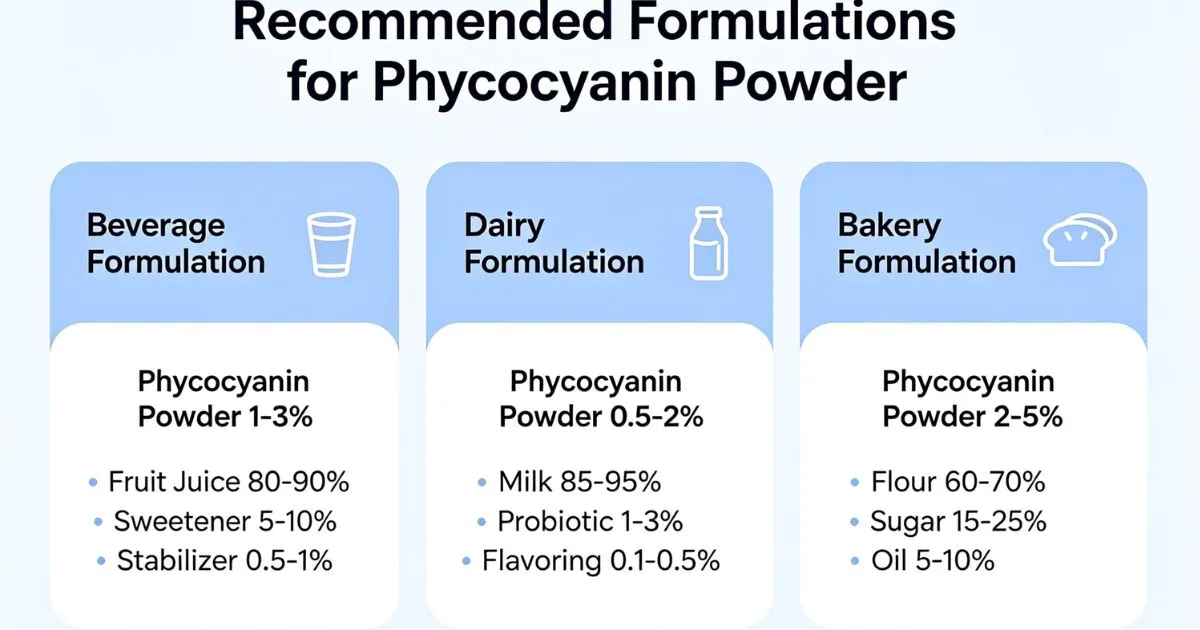
Recommended Formulations
Functional Blue Drink
Purified Water
Phycocyanin Powder
Vitamin C
Natural Lemon Flavor
Stevia
Citric Acid
Produces a refreshing antioxidant beverage with a vibrant blue color.
Blue Spirulina Gummies
Gelatin or Pectin
Phycocyanin Powder
Natural Fruit Juice
Glucose Syrup
Sugar
Citric Acid
Creates naturally colored, eye-catching gummies.
Superfood Smoothie Mix
Spirulina Powder
Phycocyanin Powder
Wheat Grass Powder
Chlorella Powder
Blueberry Powder
Matcha Powder
Ideal for daily wellness beverages.
Beauty Supplement Powder
Marine Collagen
Hyaluronic Acid
Vitamin C
Biotin
Phycocyanin Powder
Blueberry Extract
Designed to support healthy skin, hair, and nails.
Sports Recovery Formula
Electrolytes
BCAAs
Coconut Water Powder
Phycocyanin Powder
Magnesium
Vitamin B Complex
Suitable for post-workout recovery products.
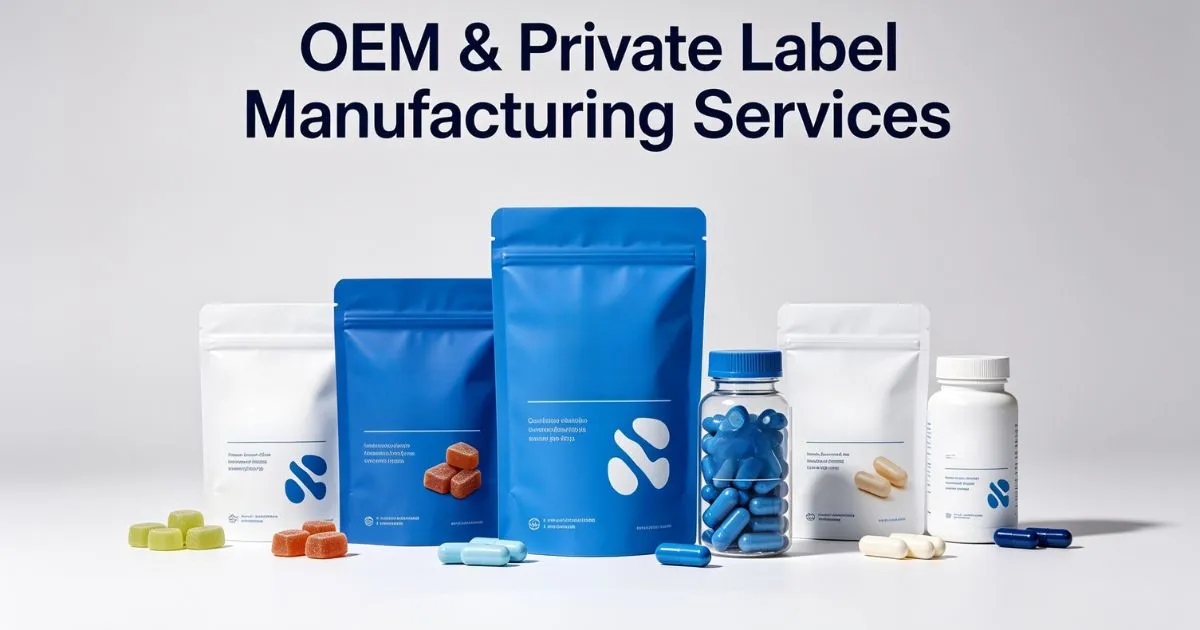
OEM & Private Label Manufacturing Services
Professional manufacturers offer comprehensive OEM and private-label services for brands looking to develop phycocyanin-based products.
Typical services include:
Custom formulation development
Ingredient sourcing
Private label packaging
Bulk powder supply
Capsule manufacturing
Tablet production
Gummy manufacturing
Beverage premix production
Label and packaging design
Regulatory documentation
Stability testing
Quality control and assurance
Global export support
OEM services allow businesses to launch high-quality products under their own brand while minimizing development time.
Why Choose Phycocyanin Powder?
Natural blue pigment
Excellent antioxidant activity
Clean-label ingredient
Plant-based and vegan
Water-soluble
Suitable for functional foods
Versatile across multiple industries
Premium appearance for innovative products
Consumer-friendly alternative to synthetic dyes
Storage Recommendations
To preserve color and bioactivity:
Store in a cool, dry place.
Keep away from direct sunlight.
Seal tightly after opening.
Protect from excessive heat and humidity.
Conclusion
Phycocyanin powder has become one of the most innovative natural ingredients available for modern food, beverage, nutraceutical, and cosmetic formulations. Its vibrant blue color, strong antioxidant capacity, and clean-label appeal make it an excellent choice for brands responding to consumer demand for healthier, naturally sourced products.
Whether incorporated into beverages, gummies, supplements, dairy products, or skincare formulations, phycocyanin offers both visual impact and functional value. By partnering with a reliable OEM manufacturer, businesses can develop customized, high-quality products that stand out in competitive markets while meeting international quality and safety standards.
Partner with Yangge for Premium Phycocyanin Supply
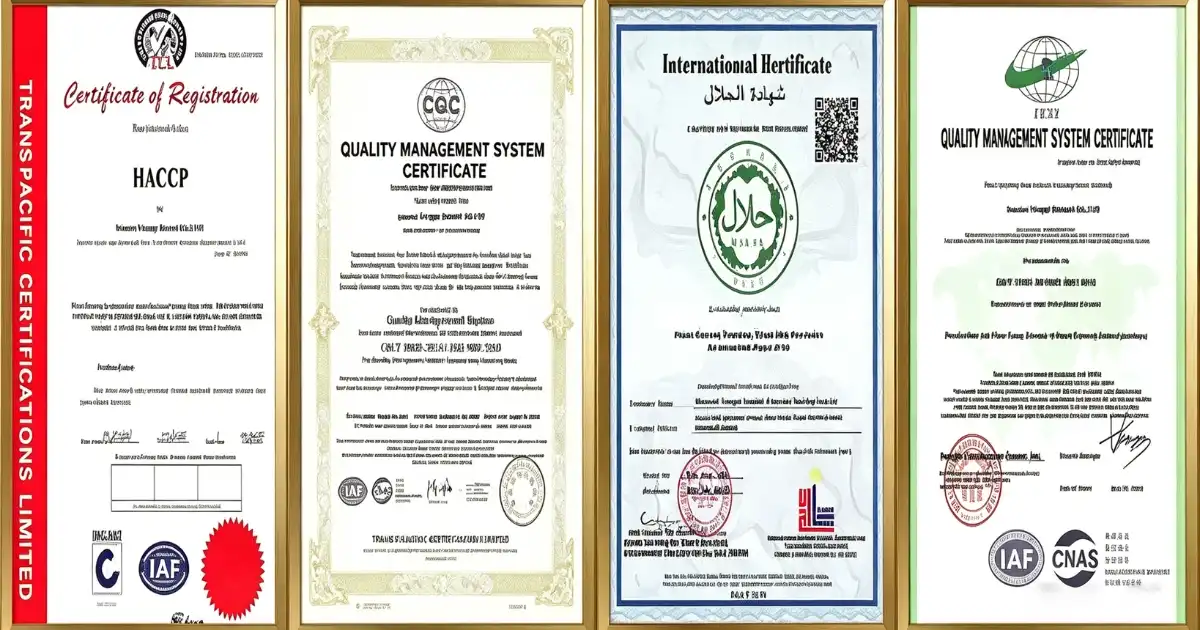
With approved natural blue spirulina extracts available in concentrations ranging from E3 to E40, Yangge Biotech is ready to be your reliable Phycocyanin provider. Our top-notch manufacturing includes ISO, HACCP, Kosher, and Halal certifications, as well as GMP-compliant production sites and partnerships with strict third-party labs for testing. We keep a steady supply of goods on hand, and our flexible minimum orders start at just 1 kg. This helps with both product creation and large-scale manufacturing needs.
Our dedicated technical team offers full formulation support, including advice on how to keep the formula stable, quantity suggestions based on the application, and OEM package solutions that are made to fit the needs of your brand.Contact us or If you email our sourcing experts at info@yanggebiotech.com, you can get full product details, cheap quotes for big Phycocyanin orders, and paperwork that helps you meet regulatory requirements. We focus on healthy sources by working directly with farming communities to make sure that all of the food goes from the farm to the table, which meets your quality assurance standards.
FAQ
Q: Can we get some samples to test before purchasing?
A: Of course, we can provide free samples of 20 to 100 grams, but the shipping cost is at the customer's expense. The shipping cost can be deducted from the next order, or the samples can be sent through your courier account.
Q: Do your products have relevant certifications?
A: Yes, our products are certified for HALAL, ISO, HACCP, Kosher, and other certifications.
Q: What is the minimum order quantity (MOQ)?
A: Small batches of samples can be customized according to your requirements.
Q: Do you offer OEM and ODM services? Can the formula be customized based on our own?
A: Of course, we provide ODM and OEM services to many customers. Our product range includes softgels, capsules, tablets, sachets, granules, and private label services. Simply contact us and let us know your requirements. Our experienced R&D team can also develop new products with specific formulas.
Please contact us to design your own branded products.
Q: How do you handle quality complaints?
A: First, we have a comprehensive quality control SOP. We provide authoritative third-party inspection reports for almost all products before shipment to minimize the possibility of quality issues. Second, we have a comprehensive return and exchange procedure. If there is a genuine quality dispute, we will strictly follow the SOP.
Q: How do you ship? How long does delivery take?
A: For small orders, we typically use DHL, UPS, EMS, FedEx, or TNT. Delivery typically takes 3-7 days. We also offer air and sea freight services. We have a strong freight forwarding team and can provide you with a one-stop service, including DDP and DDU.
Q: What are your payment terms?
A: 100% prepayment, payable by T/T, Western Union, MoneyGram, or PayPal.
Q: What is the shelf life of your products?
A: 2 years with proper storage.
References
1. Chaiklahan, R., Chirasuwan, N., & Bunnag, B. (2018). Industrial production of phycocyanin from spirulina: Cost analysis and market opportunities. Algal Research, 35, 482-491.
2. Eriksen, N. T. (2019). Research trends in the dominating microalgal pigments, β-carotene, astaxanthin, and phycocyanin used in feed, in foods, and in health applications. Journal of Nutrition and Food Sciences, 8(1), 1-5.
3. Martelli, G., Folli, C., Visai, L., Daglia, M., & Ferrari, D. (2020). Thermal stability improvement of blue colorant C-Phycocyanin from Spirulina platensis for food industry applications. Process Biochemistry, 89, 233-241.
4. Pagels, F., Guedes, A. C., Amaro, H. M., Kijjoa, A., & Vasconcelos, V. (2019). Phycobiliproteins from cyanobacteria: Chemistry and biotechnological applications. Biotechnology Advances, 37(3), 422-443.
5. Śliżewska, K., & Chlebicz-Wójcik, A. (2020). Growth kinetics of Chlorella vulgaris and Nannochloropsis oceanica and extraction methods for phycocyanin production: A comparative study. Applied Sciences, 10(8), 2796.
6. Zhang, J., Wang, X., Ma, J., & Wang, S. (2021). Global market analysis and development prospects of natural food colorants: Focus on spirulina phycocyanin. Food Science and Technology International, 27(5), 401-412.

Based on your location and order quantity, you will have the opportunity to receive a limited time free shipping promotion!
Who we are
Popular Blogs