Where to Buy Blue Spirulina Powder: Top Global Sourcing Hubs
The best place to buy blue spirulina powder depends on your order size, product type, and paperwork needs. China offers wide capacity and several color grades. U.S. distributors suit small trial orders, and European and Indian suppliers add regional options. For most food and supplement makers, blue spirulina E18 is the practical starting grade because it balances color strength and cost. This guide helps you compare sourcing hubs, check specifications, and avoid common buying errors. It also shows how Yangge supplies E18, E10, and E25 with Kosher/USP grade stock and OEM packaging.
What Is Blue Spirulina E18? Understanding the Commercial Specification
What the E18 Grade Means
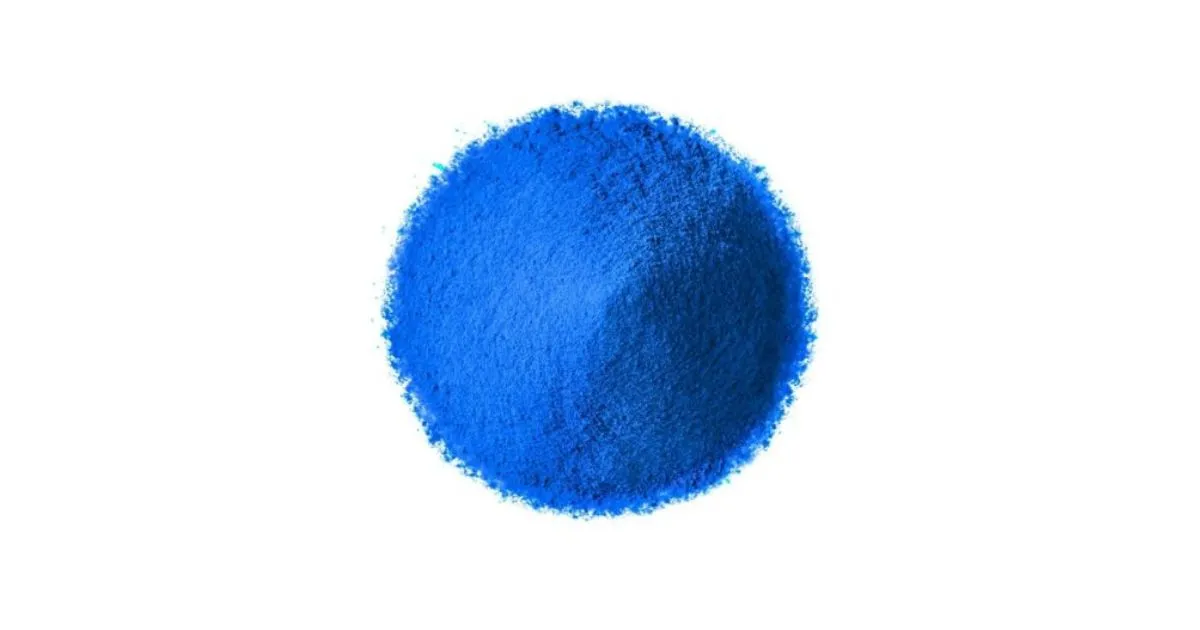
blue spirulina E18 comes from phycocyanin, a blue protein color that breaks down in water and is found in spirulina (Arthrospira platensis). Color is what the number "E" stands for. From 618 nm to the right, it shows how strongly a normal solution takes in light. That number goes up when there is more color per gram. You can get E10 or E25 instead of E18 because they are lighter and stronger. The number doesn't always work for everyone, though. Two lots marked E18 might not be the same because sources test in different ways. I always tell people to get the specification sheet, the test method, and a recent certificate of analysis before they compare quotes.
How the Powder Is Made and What It Contains
Biomass is the word for the dark green stuff that is whole spirulina powder. That blue spirulina E18 is just the blue part of that stuff. They get the phycocyanin that is in the water, filter out the solids, and clean the liquid. After that, the powder is dried, ground, and put into bags. Yangge's E18 grade has 25% phycocyanin and 60% to 70% protein. The powder can only be broken down with water. It changes the way you make a recipe because it doesn't mix with ethanol or fat. Before you ask for a sample, you should also know the difference between claims that are "nutrition-grade" and "colorant-grade."
E18, E10, and E25 Side by Side
| Grade | Color strength | Typical fit | Notes |
|---|---|---|---|
| E10 | Lighter | Pastel shades | Needs a higher dose for deep blue |
| E18 | Common specification | Gummies, drinks, powders, dairy | 25% phycocyanin; 60%–70% protein |
| E25 | Stronger | Deep shades at a lower dose | Compare cost per color unit |
Cost per unit of color is what you should look at instead of price per kilogram. Most of the time, a stronger grade costs more per kilogram, but a smaller amount can balance that out. Give each grade the same test on your own work before you decide.

Top Global Sourcing Hubs for Blue Spirulina Powder
China: Capacity and Specification Range
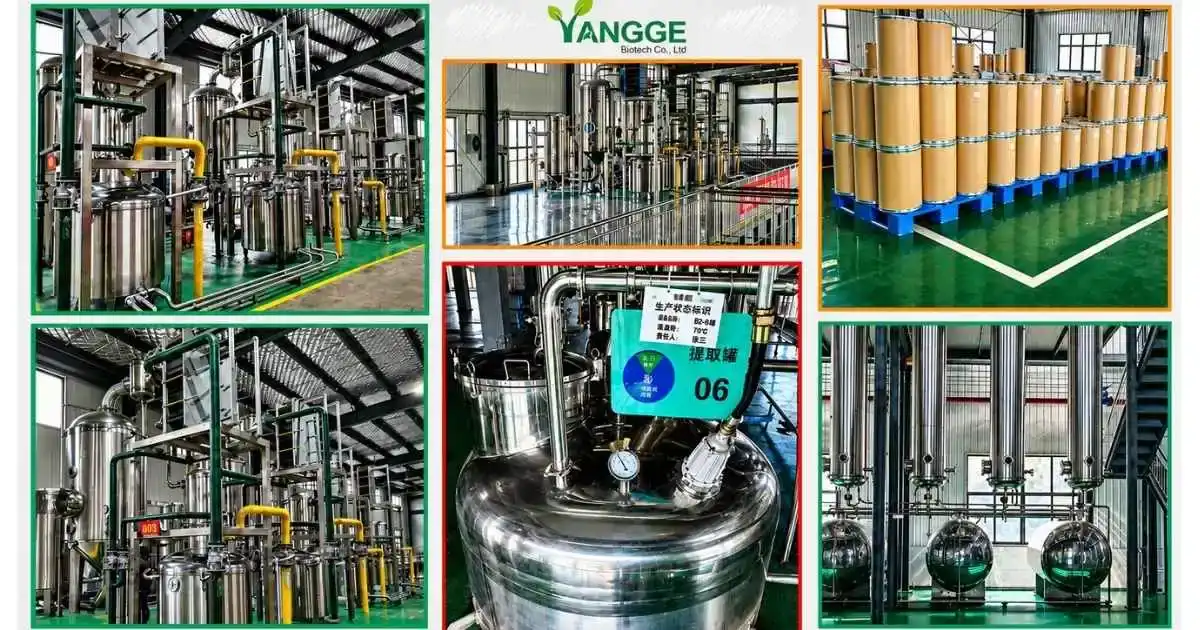
A lot of phycocyanin is made in China, which also makes a lot of spirulina. Most of the time, the same blue spirulina E18 provider can give buyers a lot of different colors, big amounts, and OEM packaging. Direct makers can change the small print, use their own labels, and ship by air or sea. When Yangge ships, they can use DHL, FedEx, EMS, the air, or the sea. This is true for both small products and big sales. Every supplier you choose should give you a batch COA and the name of the factory where the goods were made. It's not as important what country is on the sticker as having clear papers.
U.S., European, and Indian Options
U.S. wholesalers keep stock in the U.S., which helps small companies that need to get small amounts fast. A lot of the time, they charge more per kilogram because they need to make money and store and handle the goods. Brands based in the EU should work with European distributors instead of U.S. ones because they offer local stock and help with EU paperwork. India and some other Asian countries also make phycocyanin and grow spirulina. The powder may have come from more than one plant, so you should ask each seller where it came from and how it was made. Also, people in the U.S. need to make sure that the way they plan to use spirulina extract is okay with the FDA according to 21 CFR 73.530.
Sourcing Hubs at a Glance
This table shows the main types of sellers and what their good and bad points are.
| Source type | Main strength | Main limit |
|---|---|---|
| Direct manufacturer | Capacity, grade options, OEM | Higher MOQ than distributors |
| U.S. distributor | Local stock, small lots | Higher unit price, less information on origin |
| European distributor | Regional stock, EU paperwork | Less useful for U.S. delivery |
| Exporter or trader | Logistics and documents | You must confirm the factory link |
Choosing the Right Blue Ingredient and Avoiding Risks
Blue Spirulina E18 vs Other Natural Blues
The butterfly pea flower is another blue flower. Because it is acidic, its anthocyanin pigment changes color to pink or purple. The blue spirulina E18 true blue color stays the same in goods that are slightly acidic to neutral. But it's a protein that changes color when it gets hot or bright. Some people process Synthetic Brilliant Blue FCF (FD&C Blue No. 1) very rough, but that doesn't mean it's clean. Reviews of natural colorants, like an article from 2017 in the Annual Review of Food Science and Technology, have said that the main issue is that they are not stable. That's why it's important to test your own recipe.
Matching E18 to Your Application
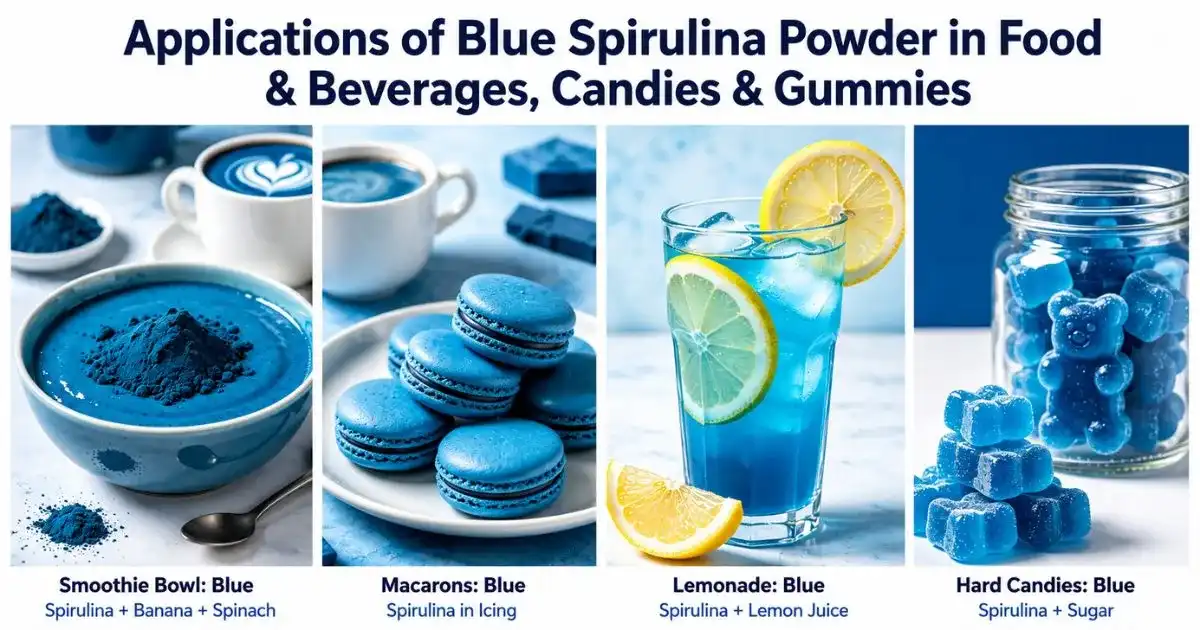
People who make drinks should check the light exposure, color, pH, and sedimentation. Chaiklahan and others' research in 2012 showed that phycocyanin is most stable when the temperature is below 45°C and the pH is between 5.5 and 6.0. If you are making sweets or candy, add the color as close to the end of the cooking process as possible. It has been shown that sugars and salts help colors stay true for longer. Supplement brands should be asked to show proof of microbiological and heavy metal cleanups. Because spirulina can leave behind a mild algae note, you should taste the whole thing, not just the powder. A clear bag keeps light out and makes it easy to mix dry mixes and protein powders.
Common Sourcing Risks
These three mistakes are the ones I see people make most often when they compare service providers.
• Treating blue spirulina E18 as a universal standard. Labs don't always report the same color value, so the E18 you were given might not match the last lot you got. Before you buy from anyone, make sure you get their new batch COAs, test method, and acceptable range. Place the numbers next to each other and check how they match up. Place a small test order next before making a big order.
• Choosing the lowest quote without testing. For a cheaper powder, you might need to use more because the color isn't as strong. This makes the cost per batch go up. When it's done, try each candidate in your treat, drink, or powder. Besides the weight, you should also know the color, the taste, and how stable it will be after being stored.
• Confusing grades and sellers. They don't always sell the same kinds of food, and they aren't always the same company. There should be proof that something is organic, non-GMO, vegan, halal, or kosher if it says it is. You should also ask where it came from and what it will be used for.
People can escape most bad starts and pricey reorders if they check these three things early.
Buying Blue Spirulina E18 Wholesale
What Drives Wholesale Price
Price per kg doesn't always show what's going on with blue spirulina E18. The final price is based on the color, how it is dried, the certifications, how it is packed, how it is customized, Incoterms, freight, and taxes. Get different MOQ quotes for bulk, OEM bags, samples, and trial lots. Most of the time, 25 kg is the MOQ for Yangge. Also, check the monthly supply and capacity of raw materials, since you need to keep a steady stock for orders that come back. There should be a list of the amount, the place, the currency, the Incoterm, the packing, the payment terms, and any papers that come with the quote. It is more true to look at the total cost when it gets to the customer than just the price at the factory.
Supplier Evaluation Scorecard
A simple scorecard lets your team compare suppliers on the same terms.
| Category | What to check | Proof to request |
|---|---|---|
| Product | Color value, solubility, shade, smell, shelf life | Spec sheet, COA, sample trial |
| Compliance | Microbiology, heavy metals, Kosher/USP, allergen status | Reports and certificates |
| Commercial | MOQ, price, wait time, packaging, payment | Formal quotation |
| Service | Response speed, factory hours, audit support | Factory details, audit access |
Give each seller a score between 1 and 5 in each row. A lot of the time, the deal that costs the least is not the best one.
A Practical Procurement Process
I think you should do a short, controlled sequence. Before you look for a colorant, decide if you need one first. Next, pick out the color shade and value you want. The next thing to do is to request samples and a current COA. Check to see if the powder works in your soft serve, drink, or powder base. Also, make sure that it stays stable and tastes good after being put away. Then, make sure the OEM packaging is right, place your first order, which could be anywhere from 25 kg to 1 ton, and make a plan for when you need to place another order. This kind of work can take anywhere from three to eight weeks, depending on how many tests you do.
Where Should You Buy Blue Spirulina E18 Powder? Our Recommendation
Match the Supplier to Your Scale
Big food companies should start by talking to blue spirulina E18 direct manufacturers. These companies can show them that they have the capacity, stable specifications, experience exporting, and plans to keep their supply lines open. Regional distributors may be good for small brands because they can get small amounts of goods quickly, as long as the seller can give the brand's original paperwork. A direct supplier is also a good choice when your order size is at least 25 kg. For OEM projects to work, they need a partner who can make, pack, label, and ship the goods all at the same time. Make sure that any claims that a clean-label item is organic, non-GMO, vegan, halal, or kosher are backed up by proof.
Yangge Blue Spirulina E18 Specifications
Pure blue spirulina powder from Yangge Biotech can be bought in the form of phycocyanin pills or fine powder. E18 is the standard value for color, and so are E10 and E25. The E18 grade is made up of 25% phycocyanin and 60% to 70% protein. The powder won't mix with ethanol or fat in any way. It breaks down only in water. We have one ton of Kosher/USP grade in stock. It can be used to color food, make drinks, health vitamins, candy, cheese, baked goods, sports nutrition, and makeup, among other things. The MOQ is usually 25 kg.
OEM Packaging, Quality, and Support
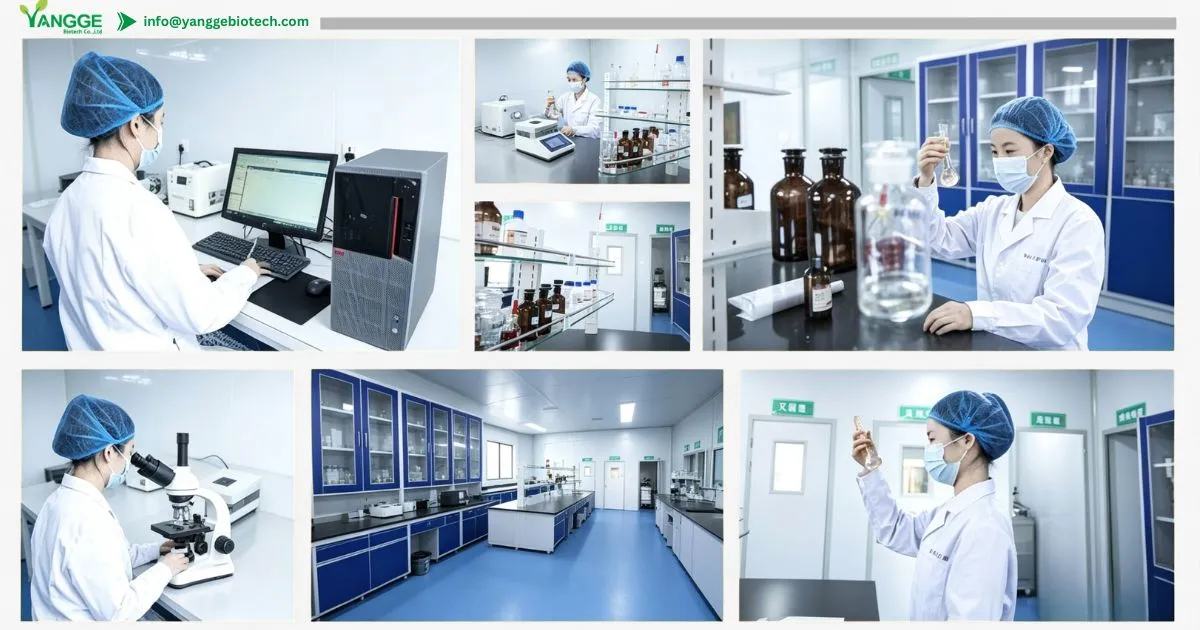
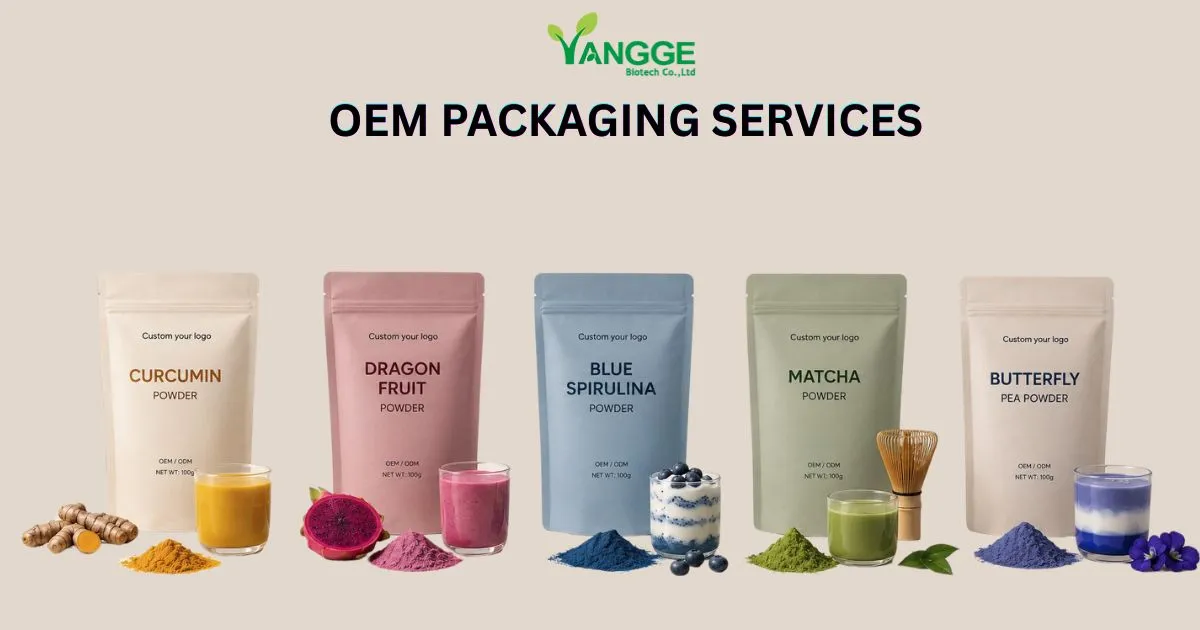
OEM superfood mix powders, capsules, tablets, and gummies are what we do. We also pack OEM bags in 60 g, 100 g, and 8 oz sizes. Brands that make supplements, foods, drinks, distributors, and contract manufacturers can all get specifications that are made just for them. ISO, HACCP, Kosher, and Halal have all certified Yangge. When we make our products, we follow GMP rules. You can ask our R&D and production teams about recipes at any time, seven days a week. You can ship by air, sea, DHL, FedEx, or EMS.
Conclusion
There are different places to get blue spirulina E18 powder based on how much you need, what you plan to use it for, and how much proof you need. When it comes to speed, capacity, and openness, exporters, direct manufacturers, and area wholesalers all do things better than others. People who want to buy something with the grade E18 should make sure they know how the test was done and get a copy of the batch COA.
It's more important to test the finished product than to get a price quote because phycocyanin changes with light, heat, and pH. It makes more sense when you look at the total cost that was paid and the cost per color unit. It's safer to test, sample, and buy in pilot quantities after an evaluation and a step-by-step process. A lot of the time, straight suppliers work best for big companies. On the other hand, small names may start out with distributors.
FAQ
What does blue spirulina E18 mean?
This grade tells you how bright the blue spirulina E18 phycocyanin powder is. Different suppliers may measure it in different ways, so check the test method and the most recent COA.
What is the MOQ for Yangge's blue spirulina E18?
The least amount that can be ordered is 25 kg. OEM bags come in three sizes: 60 g, 100 g, and 8 oz.
Does blue spirulina work in beverages?
It does dissolve in water, but the pH, heat, and light change the color. It's best to test your own drink to be sure, but most drinks are stable between pH 5.5 and 6.0 and below 45°C.
How do E18 and E25 differ?
E25 might not need much because it is a darker color. Check out the prices of each color before making your choice.
Which documents should I request?
As well as a recent COA, microbial and heavy-metal reports, and Kosher or other certificates, you should ask for these things when you want to buy something.
Request Blue Spirulina E18 Samples from Yangge
We're glad to hear from you at Yangge Biotech. We offer OEM bags and sell blue spirulina E18. We also have 1 ton of Kosher/USP grade E18, E10, and E25 in stock. Let us know what you need, who you want to sell to, how much, and how you want it packaged in an email to info@yanggebiotech.com. We'll get back to you with a price, some example information, and a COA. You can find more tips on blog.yanggebiotech.com.
References
1. U.S. Food and Drug Administration. Code of Federal Regulations, Title 21, Section 73.530, Spirulina Extract. 2024.
2. Process Biochemistry. Chaiklahan, R. et al. Stability of Phycocyanin Extracted from Spirulina sp.: Influence of Temperature, pH and Preservatives. 2012.
3. Process Biochemistry. Martelli, G. et al. Thermal Stability Improvement of Blue Colorant C-Phycocyanin from Spirulina platensis for Food Industry Applications. 2014.
4. Annual Review of Food Science and Technology. Sigurdson, G. T., Tang, P., and Giusti, M. M. Natural Colorants: Food Colorants from Natural Sources. 2017.
5. Applied Microbiology and Biotechnology. Eriksen, N. T. Production of Phycocyanin: A Pigment with Applications in Biology, Biotechnology, Foods and Medicine. 2008.
6. Food Research International. Pez Jaeschke, D. et al. Phycocyanin from Spirulina: A Review of Extraction Methods and Stability. 2021.
Based on your location and order quantity, you will have the opportunity to receive a limited time free shipping promotion!
Who we are
Popular Blogs