What to avoid when taking spirulina?
To make sure that spirulina is safe, works, and follows the rules, it is important to not do these common things when adding it to foods or goods. Heavy metals or microcystins getting into food because it wasn't grown properly, taking too much spirulina, which can lead to allergic reactions or stomach issues, and not knowing the difference between different types of spirulina, such as traditional green spirulina and Blue Spirulina Powder, which is made from pure phycocyanin extracts, are some of the biggest worries. You can lower these risks by only buying from trusted sellers who follow GMP, ISO, and FDA rules, have their goods checked by a third party, and make it easy to track their products. It is safest for the product and the brand's image to know what not to use on people with inflammatory diseases or phenylketonuria.
Understanding Spirulina and Blue Spirulina Powder
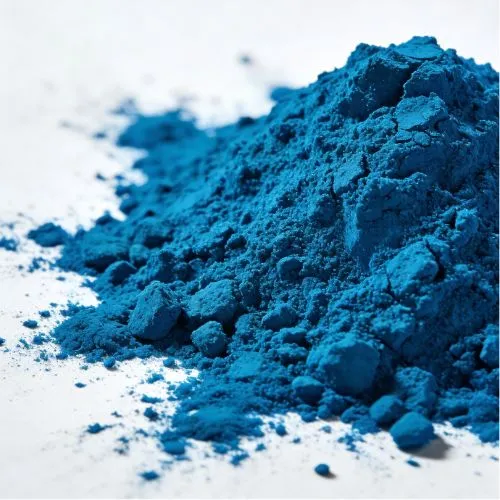
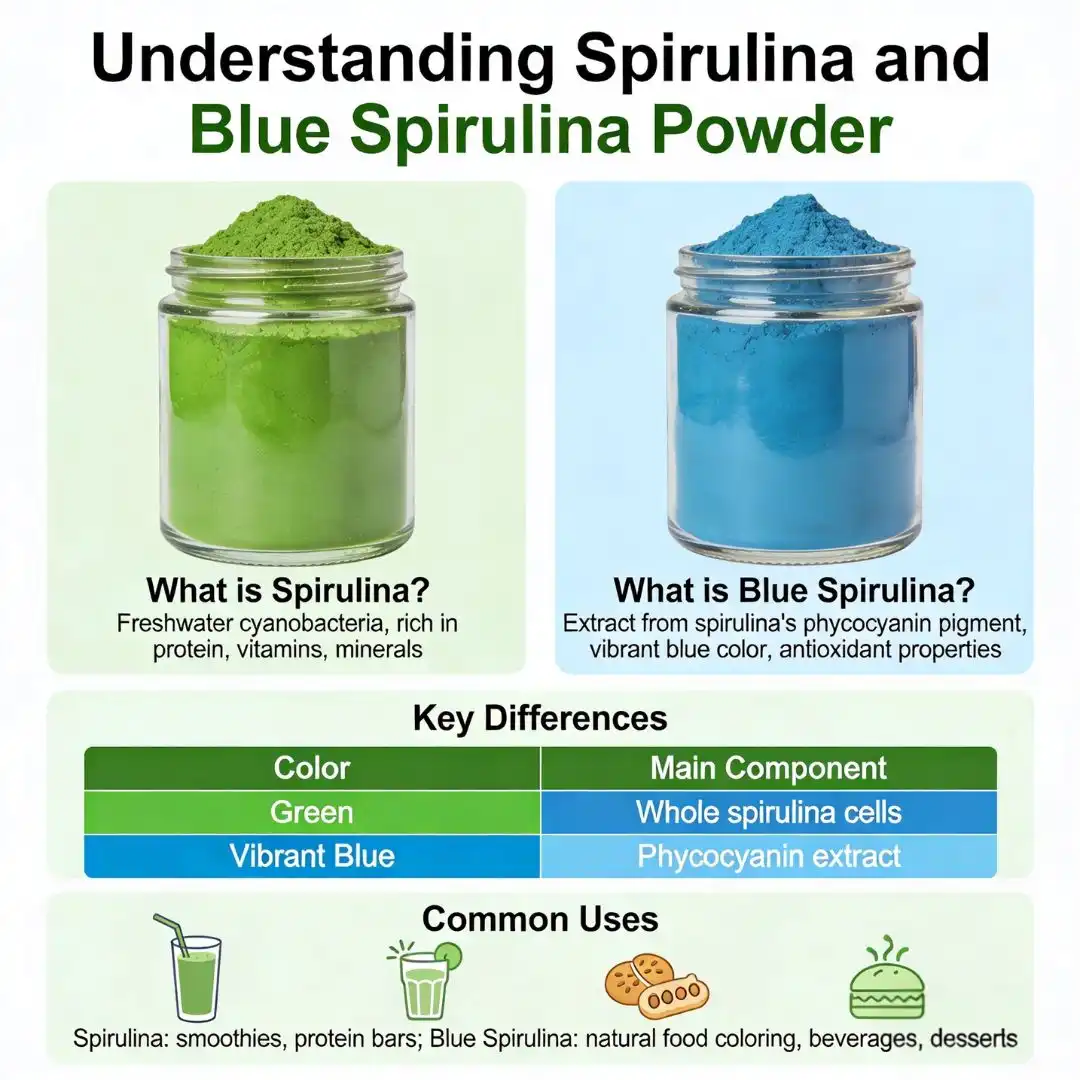
A lot of people are talking about spirulina as a superfood that is full of good things for you. But people who work in purchasing and research and development need to know what makes each type of spirulina unique. Traditional green spirulina is good for your health in many ways because it is made up of proteins, chlorophyll, vitamins, and minerals. The color and taste are also like ocean water. Blue Spirulina Powder, on the other hand, is a refined phycocyanin extract made from Arthrospira platensis using current methods for water extraction.
The Science Behind Phycocyanin Extraction
To remove phycocyanin from spirulina algae, Yangge Biotech uses a liquid extraction method. This makes a bright blue color that doesn't have any chlorophyll or other parts in it. With this method, you can get a fine powder that has different levels of strength (E6, E10, E18, E25, and E40). These levels show how pure and concentrated the phycocyanin is. The extraction method affects the product's stability, color strength, and biological retention, so people who buy in bulk and want to find specific uses should give this some thought.
Phycocyanin does two things in manufactured goods. Synthetic colors like FD&C Blue No. 1 are not used because it is a natural colorant, which fits with the "clean label" style. It meets the needs of customers who want things without extras. The chemical phycocyanin is a strong antioxidant and pain reliever. A study that was reviewed by experts in the field backs this up. It shows that it can stop reactive oxygen species and change the processes that cause inflammation. With this two-in-one feature, businesses can sell things that are both nice to look at and good for you.
Production Methods and Quality Implications
A lot of what makes spirulina good or bad depends on where it is grown. Heavy metals, bacteria, and toxic algae species can get into crops grown in open ponds. Indoor systems with clean water and monitored food sources are less likely to get these things into the plants. Buying teams should give buyers more weight if they use closed-loop methods for growing, test the water often, and follow HACCP rules while they're making the product.
It is still very important for formulators who make uniform things that each run is the same. Things like the amount of phycocyanin, the amount of water in the mix, or the particle size can change, which can make the result less stable and doses less exact. You can get the proof you need for quality control programs and government rules from suppliers who offer full Certificates of Analysis (COA) with HPLC verification, moisture content via Karl Fischer titration, and microbe tests.
Common Pitfalls and What to Avoid When Taking Spirulina
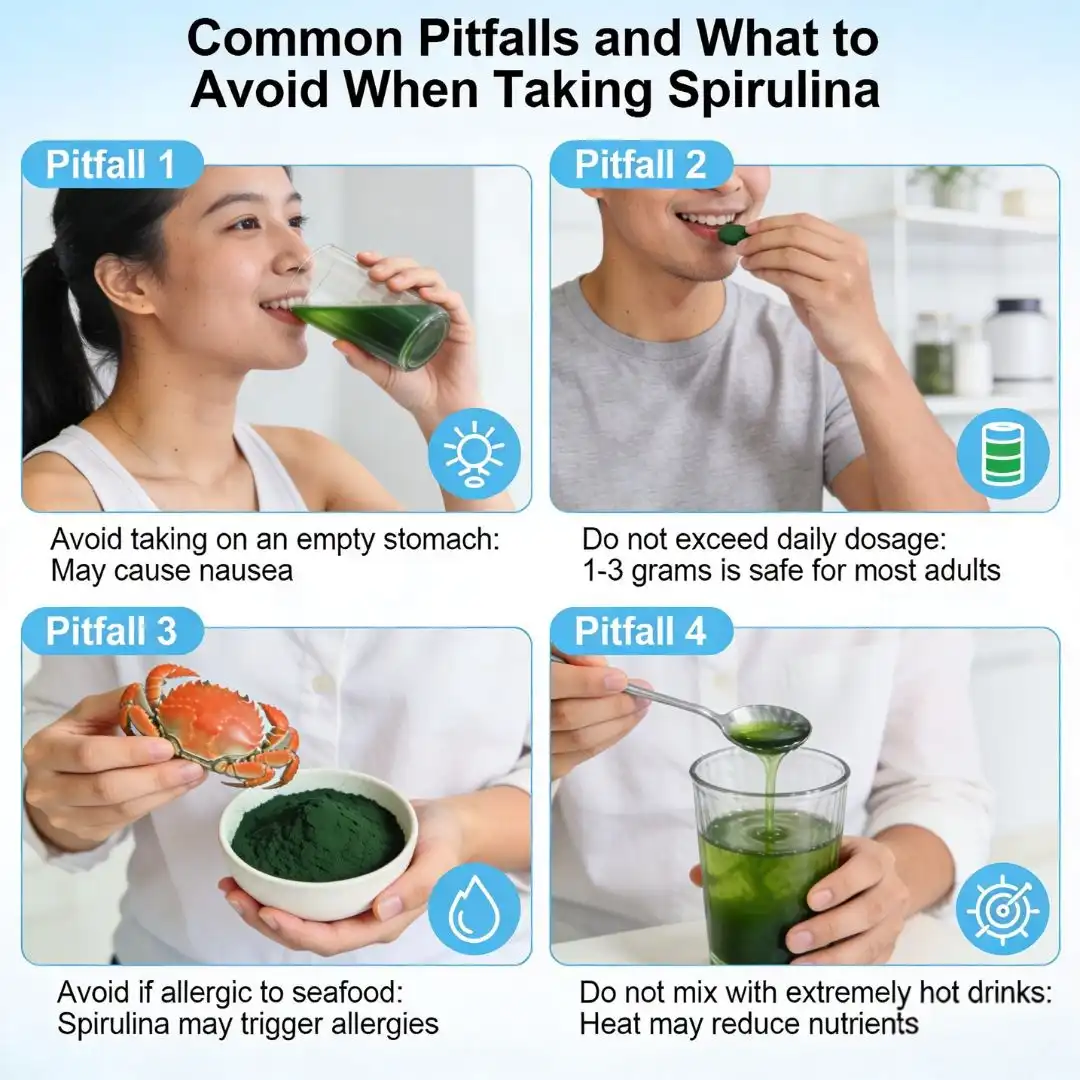
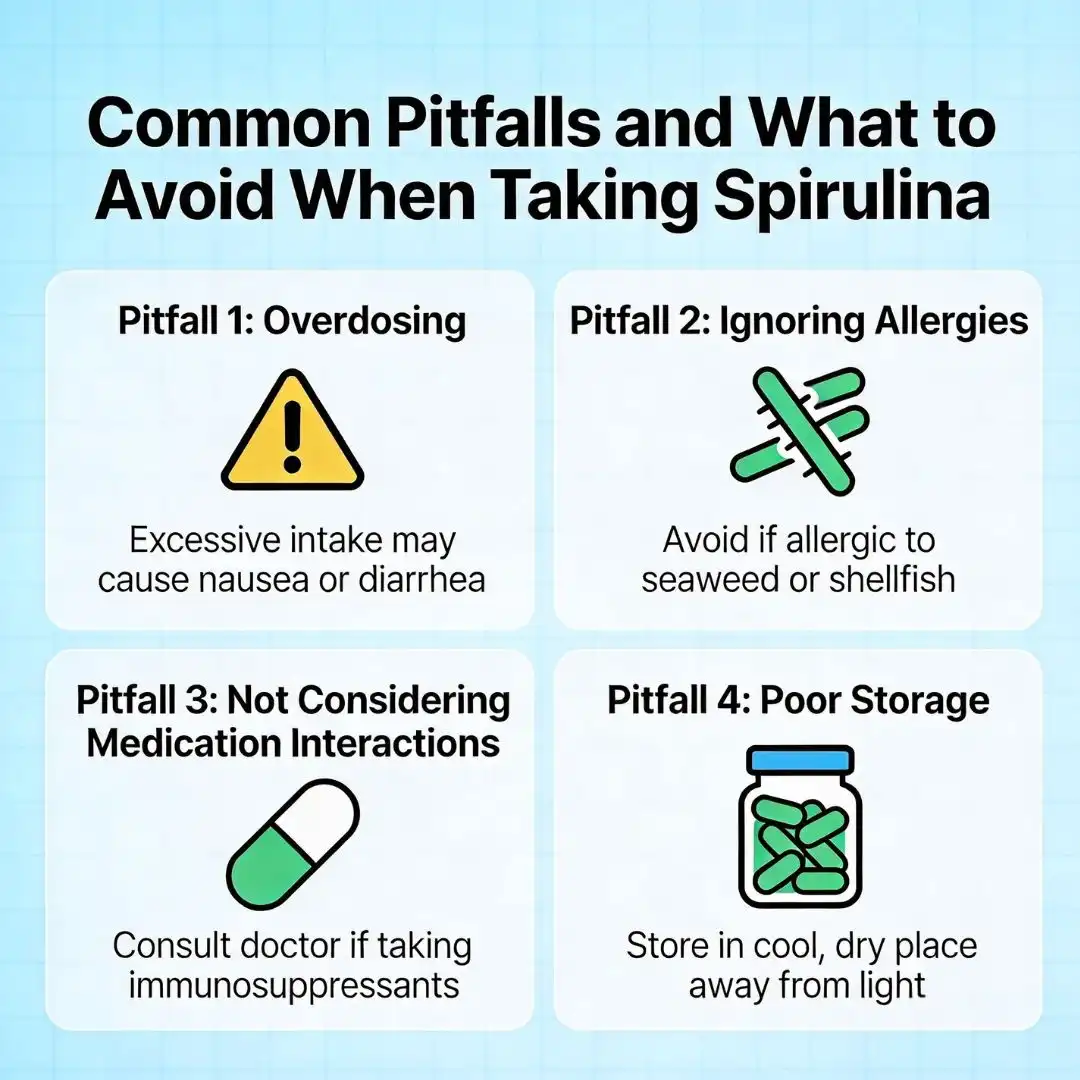
You need to know about the typical risks that can hurt the safety and stability of spirulina in order to get through the crazy process of getting it. There are issues with more than just the quality of the ingredients. These include following dose standards, the rules, and being honest with the service.
Contamination and Adulteration Risks
One of the main problems with the way spirulina gets to stores is that heavy metals pollute the water. Spirulina gets minerals from the water it grows in without being told to. This means that arsenic, mercury, cadmium, or lead can build up in dangerous amounts if it is grown in dirty water. A study published in 2017 in the journal toxicology found that some store-bought spirulina goods had more heavy metals than was safe to eat. People who make this might get sued because of this.
Another very dangerous risk is being exposed to microcystin. These chemicals are made by some types of cyanobacteria and are bad for the liver. They can get into spirulina cultures in open-pond settings. People who take vitamins every day can get even small amounts over time, which could hurt their liver. Suppliers you can trust use approved ELISA or LC-MS methods for regular microcystin tests and detailed analysis to confirm the species.
Incorrect Dosing and Overconsumption
It depends on the product and the person who will be using it to give very different dosage advice. Every day, most people eat 3 to 10 grams of normal spirulina. You need to do more work for strong phycocyanin products like Blue Spirulina Powder, though, because those need to be stronger. People who make medicines have to think about how the E10 and E25 standards are different because the same weights give very different amounts of phycocyanin.
If you take in too much of it, it can make you sick, give you diarrhea, headaches, or cause allergic reactions. Some people who are allergic to fish can have cross-reactivity when they eat foods with similar protein patterns. On product labels and technical specs, dose amounts should be made clear. Also, R&D teams should test for steadiness to make sure that doses given stay correct over time.
Product Confusion and Formulation Errors
Pure Blue Spirulina Powder is different from whole green spirulina. You need to know the difference between the two to get the results you want. A makeup company couldn't use whole spirulina to make a bright blue face mask because chlorophyll makes it green and smells fishy. When it comes to full amino acid levels, on the other hand, spirulina as a whole might be better than phycocyanin alone for that product.
These wrong ideas are also written on products and in marketing claims. There are strict rules about health claims made about spirulina products. Claim letters or product recalls can happen if there is no proof to back up the claim. Teams in charge of buying things should make sure that the marketing materials that sellers send them match the claims that are legal according to FDA, EFSA, or other regulatory bodies.
Supplier Transparency and Certification Gaps
It's harder to make sure quality when you can't find things. Quality-conscious manufacturers can't or won't work with sellers who can't or won't show proof of where the crops were grown, when they were harvested, how they were processed, and the results of tests. A good source qualification method should include checks of standards like organic (USDA and EU Organic), Kosher, Halal, and GMP compliance, as well as tours of the facility and a look over of Standard Operating Procedures (SOPs).
Independent proof of what the seller says comes from tests done by third parties in approved labs. When it comes to important things like heavy metals, bacteria contamination, and how well the active ingredient works, products that have been reviewed by ISO 17025-accredited centers are more reliable than products that have only been tested internally.
How to Choose the Right Blue Spirulina Powder for Bulk Purchase?
Procurement workers have to make tough decisions about which phycocyanin sources to use, taking into account things like quality needs, legal requirements, supply reliability, and cost worries. It's easier to choose sellers and less risky to buy when you use a systematic review approach.
Defining Quality Criteria and Specifications
The apps that are supposed to use the purity standards should be able to use them. Companies that make food and drinks and want the best colors might pick grades E25 or E40, which have the most phycocyanin. A supplement company that wants to find a good mix between price and efficiency might pick grades E10 or E18. Yangge Biotech gives you a number of standard options, such as E6, E10, E18, E25, and E40. This gives you the chance to perfectly match the product's features to the needs of the application.
When you say "source traceability," you don't just say what place the goods came from; you also say how it was grown. When preferred providers work with growing facilities, they keep records of everything that happens. For example, they test the water source and write down what nutrients were used and how the crops were harvested. Being able to follow food from the farm to the table helps make sure that organic standards are being met and lets quality issues be fixed quickly if they happen.
The quality and value of the oil depend on how it is collected. If you use food-grade ethanol or water-based ways to remove the phycocyanin, the profiles of the two are different. Suppliers should talk about how the materials were removed and show test results for liquids that were left over that show they follow ICH Q3C rules or similar rules. There isn't much liquid left over after Yangge Biotech's tried-and-true filtering methods, but the bioactivity of the phycocyanin is still there.
Evaluating Supplier Reliability and Capabilities
How stable the supply is is directly related to how much you can create. When wholesalers like Yangge Biotech keep at least a ton of goods on hand, they can fill urgent orders quickly and help production grow without having to wait for lead times. Manufacturers should be able to offer more than just basic output. They should be able to offer custom specs, mixing services, and different packing options, like pills, tablets, gummies, or bulk powder.
Tools for quality control can tell you how old a business is. Companies that use ISO 9001 quality management systems, HACCP food safety routines, and GMP medical standards show that they care about making sure their goods are of high quality. When you look over the paperwork, you should make sure that the equipment is regularly calibrated, that the environment is being tracked, that staff is getting training, and that there are good ways to fix problems.
Sample Testing and Technical Support
Reviewing samples before buying them is still the standard way to come up with new formulas and make sure that current ones are good. Yangge Biotech gives away free samples of 10 to 30 grams for study and development. Formulators can use this to check the color stability, solubility, taste profiles, and ability to work with other materials before making big purchases. The pH levels, temperatures, and keeping times for samples should all be the same as they were supposed to be during production.
Real partner-oriented sellers are different from commodity makers because they can offer professional support. While producers of raw materials are important, those who give formulation advice, suggest ideal dosage levels, suggest acceptable excipients, and fix stability problems are even more so. Formulation guides, stable data, and application notes are some of the specialized papers that can help speed up the process of making new goods.
Logistics services have a big impact on both how much it costs to land and how reliable the supply is. There are different ways to run a supply chain when providers offer both FOB and CIF shipping terms. On-time shipping success can be tracked by things like Order Fulfillment Rate (OFR) and Perfect Order Percentage (POP). It shows how reliable operations need to be in order to meet production plans. Fake papers can't get through because approval is checked. Teams in charge of buying things should check certifications on their own by getting certificate numbers and calling the organizations that gave the certificates to make sure they are still valid. Yangge Biotech keeps its Halal, Kosher, and FDA approvals up to date. It is also checked by labs in other countries before every shipment. This gives buyers a lot of quality assurance.
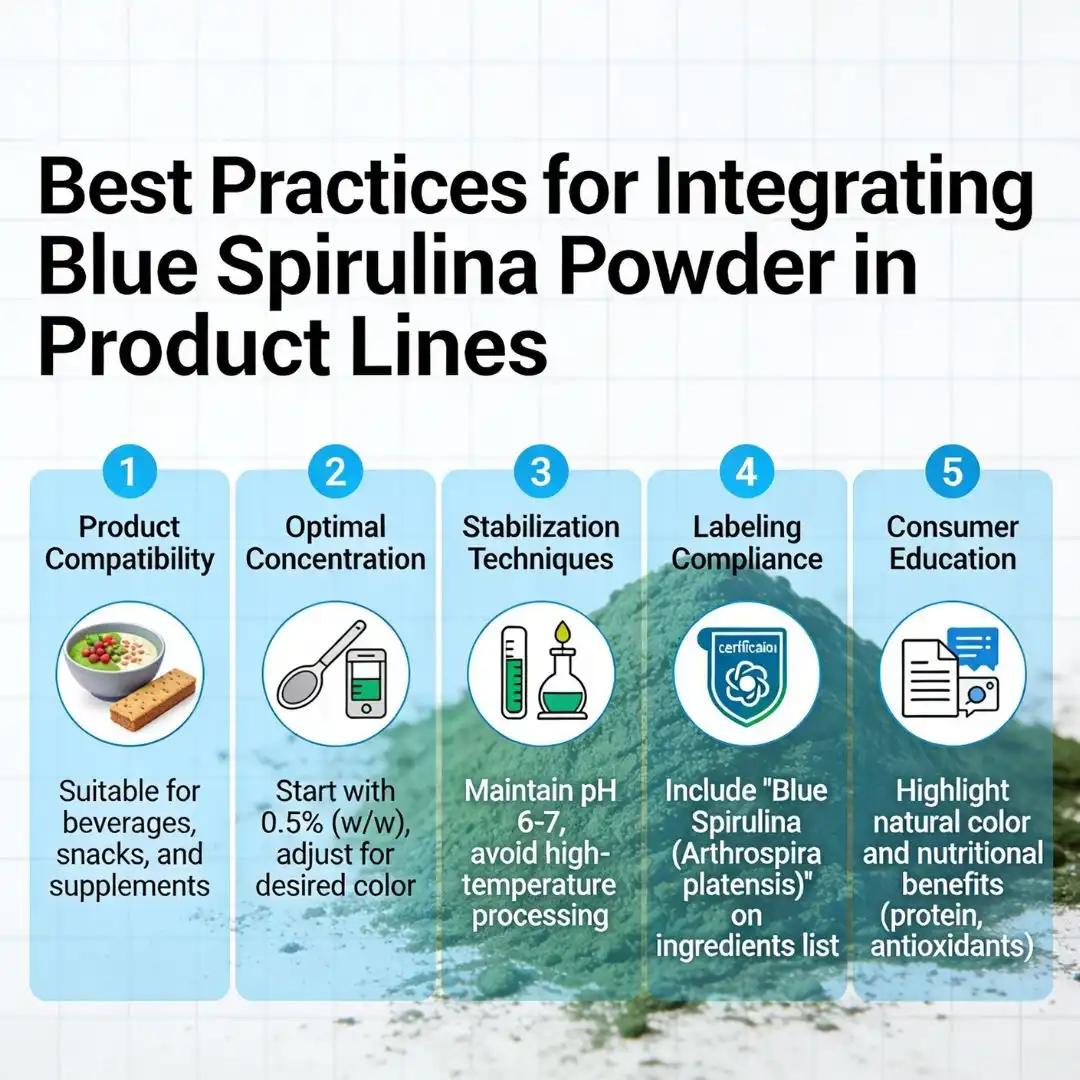
Best Practices for Integrating Blue Spirulina Powder in Product Lines
When putting goods together, it's important to pay close attention to formulation science, handling conditions, and shop rules. These best practices help makers stay on top of the rules, keep phycocyanin's bioactivity, and keep it stable.
Dosage Guidelines and Formulation Considerations
It depends on the goal how much phycocyanin to use. Most functional drinks have between 50 and 200 mg per dose to color them and make them work as an antioxidant. Diet pills may have anywhere from 200 mg to 500 mg per dose, based on how well they work and how much they cost. Cosmetics use 0.5 to 2% amounts that are put on the face to give it natural color and antioxidant benefits.
How sensitive phycocyanin is to pH has a big effect on how stable it is. This pigment-protein complex stays stable best when the pH is normal to slightly alkaline (5.5–7.5). Breakdown happens faster in places that are very acidic. People who make sour drinks should look into ways to balance the pH or packaging technologies that keep phycocyanin from breaking down.
Testing to see if an item is safe stops responses that weren't planned for. Phycocyanin stays very steady when mixed with most minerals, vitamins, and plant-based foods. But some inhibitors, especially those that work by oxidation, might hurt phycocyanin's structure. If you follow the ICH Q1A rules for quick stable testing, you can find any problems with the product before it goes on sale.
Storage and Handling Protocols
When the temperature is kept steady, phycocyanin works for a long time. Between 15 and 25°C, Blue Spirulina Powder should be kept in containers that won't get wet. Temperatures above 40°C speed up the breakdown process, and when cold temperatures warm up, they may cause water to condense. Long-term inventory management works best in storage facilities with controlled temperatures and security guards who are always watching.
Microbes can't grow or clump when there is moisture protection. This means that phycocyanin powder can easily take in water from the air if it is not properly covered. The powder can still flow when it's packed in multiple layers with moisture barriers like metalized films or desiccant bags. This also stops bacteria from growing. The Karl Fischer test shows that the amount of water should not be more than 5%.
Because light breaks down the chromophore groups in phycocyanin, the antioxidant activity and color strength go down. Plastics that are clear or amber-colored keep UV rays out, so the product stays fresh while it's being kept and shipped. When companies work with phycocyanin, they should keep it as far away from direct light as possible.
Cross-Contamination Prevention
Using special tools for dealing gets rid of the risk of coming into touch with allergens. Places that make more than one type of product should set up ways to check that they have cleaned well so that all allergens are gone between production runs. The Food Safety Modernization Act (FSMA) of the FDA says that spirulina needs to be treated properly because it contains proteins that can make people who are allergic to them sick.
Cross-contamination is less likely to happen when the order of handling is right. By putting spirulina-containing goods after cleaning the tools well and before toxic ingredients, the risk of contamination is kept to a minimum. Air handling systems in spirulina processing areas should keep the pressure at a positive level so that flying particles don't get to the production zones next to them.
Case Studies: Successful Applications and What Went Wrong Without Proper Precautions
If you want to get and use phycocyanin, there are good and bad things that can happen. The buying teams and people who make products can use the information in these cases.
Success Story: Premium Beverage Brand Achieves Market Differentiation
A big business that makes useful drinks was looking for natural colors that could be used instead of man-made ones. They also wanted to add antioxidants. The company worked with a qualified phycocyanin source to get Blue Spirulina Powder that meets E25 standards. They also got a lot of information about how stable it is and skilled help.
The R&D team tested the mix a lot to see how solid the color was at different pH levels, temperatures for pasteurization, and lengths of time. The samples that were tested showed that the bright blue color stayed the same for 18 months when the pH was 6.8 and citrate was added as a buffer. The seller gave me technical help that helped me choose vitamins that worked well with phycocyanin and made it more stable.
It was a huge success on the market because of this. Customers who were polled liked the natural color and believed the vitamins to be healthy. In the first year, sales were 34% higher than expected, and the brand became the most popular in stores that focus on health. Because the phycocyanin provider could be counted on, production could be raised without quality being compromised. This helped the market grow quickly.
Cautionary Tale: Quality Shortcuts Lead to Product Recall
There wasn't a lot of study done before a supplement business that wanted to save money picked a phycocyanin provider whose prices were much lower than the market average. The seller didn't give much details and wouldn't let site checks happen because they were worried about trade secrets. The supplier's goods were checked in a lab and found to meet E10 standards, but the prices were set at E25.
People began to worry about pills that weren't always the same color and mild stomach problems after the product came out. Independent lab tests that were paid for by the maker found that there was a lot of lead and microcystin pollution, almost as much as what is allowed by law. As it turned out, the seller grew plants in open ponds in industrial places where the water quality was bad.
The company started a voluntary recall that destroyed the goods, filed with the government, gave customers their money back, and worked to rebuild the brand. It cost more than $480,000. The company's market share dropped sharply as competitors used the problem with quality in their ads. It taught me that it's more important to have skilled providers, third-party testing, and long-term relationships when I buy things than to just look at how much they cost at the store.
Innovation Example: Cosmetics Brand Develops Patented Formulation
A skin care company that was making an anti-aging product looked for natural ingredients that were known to reduce inflammation and protect cells from damage. Working with a phycocyanin source who gave detailed scientific information made it possible to make a formula with 1.5% Blue Spirulina Powder in a stable emulsion system.
Stability tests showed that phycocyanin activity stayed the same for 24 months when it was made with the right antioxidant co-factors and stored in pump devices that kept air out. In clinical tests, changes that were statistically significant were seen in the skin's elasticity, moisture, and the drop of inflammatory markers when compared to fake controls.
This new recipe was legally protected because it has the right amount of phycocyanin, the right way to give it, and the right plant products used together. When the product first came out, it got a lot of attention in beauty magazines. The brand quickly rose to fame, and now it charges 40% more than the average price for its type of product. Strategic relationships with sellers made sure that the quality of the raw materials would stay the same, which was good for the brand's image.
Conclusion
If you want to buy and use spirulina correctly, you need to know a lot about quality factors, the risk of contamination, and how to judge sellers. Common mistakes like heavy metal contamination, wrong doses, product misunderstanding, and not properly screening sources can hurt the brand's reputation and put customers at risk. What makes pure phycocyanin products like Blue Spirulina Powder different from regular green spirulina? These changes have a big impact on how well formulations work, so it's important to carefully match the specs to the needs of the application. People who are in charge of buying things should choose sellers who offer full licenses, expert help, and clear quality control systems that can be tracked. When you store, handle, and prepare food the right way, you can protect its bioactivity, make it last longer, and make sure you're following all the rules in many places.
Partner with Yangge Biotech for Premium Blue Spirulina Powder Supply
If purchasing managers need a dependable company that makes Blue Spirulina Powder, Yangge Biotech can help with the success of the product and the security of the supply chain. We have phycocyanin extracts that meet the standards E6, E10, E18, E25, and E40. They are very clean and follow all the rules, like FDA approval, Kosher and Halal licenses, and GMP production standards. We keep one-ton stocks on hand so that we can meet urgent needs quickly. We also offer open FOB and CIF shipping terms.
As part of technical support services, specific changes can be made to the way things are mixed, formulated, and packed to meet the needs of your production. In line with our goals for business duty, we are committed to sustainability and use green energy and track food from the farm to the table. Email info@yanggebiotech.com to get free 10- to 30-gram samples for your R&D work. Full COA paperwork can also be looked at, and prices for big orders can be talked about.
FAQ
Q: Can we get some samples to test before purchasing?
A: Of course, we can provide free samples of 20 to 100 grams, but the shipping cost is at the customer's expense. The shipping cost can be deducted from the next order, or the samples can be sent through your courier account.
Q: Do your products have relevant certifications?
A: Yes, our products are certified for HALAL, ISO, HACCP, Kosher, and other certifications.
Q: What is the minimum order quantity (MOQ)?
A: Small batches of samples can be customized according to your requirements.
Q: Do you offer OEM and ODM services? Can the formula be customized based on our own?
A: Of course, we provide ODM and OEM services to many customers. Our product range includes softgels, capsules, tablets, sachets, granules, and private label services. Simply contact us and let us know your requirements. Our experienced R&D team can also develop new products with specific formulas.
Please contact us to design your own branded products.
Q: How do you handle quality complaints?
A: First, we have a comprehensive quality control SOP. We provide authoritative third-party inspection reports for almost all products before shipment to minimize the possibility of quality issues. Second, we have a comprehensive return and exchange procedure. If there is a genuine quality dispute, we will strictly follow the SOP.
Q: How do you ship? How long does delivery take?
A: For small orders, we typically use DHL, UPS, EMS, FedEx, or TNT. Delivery typically takes 3-7 days. We also offer air and sea freight services. We have a strong freight forwarding team and can provide you with a one-stop service, including DDP and DDU.
Q: What are your payment terms?
A: 100% prepayment, payable by T/T, Western Union, MoneyGram, or PayPal.
Q: What is the shelf life of your products?
A: 2 years with proper storage.
References
1. Eriksen, N.T. (2008). "Production of phycocyanin—a pigment with applications in biology, biotechnology, foods and medicine." Applied Microbiology and Biotechnology, 80(1), 1-14.
2. Pentón-Rol, G., Marín-Prida, J., & Falcón-Cama, V. (2018). "C-Phycocyanin and Phycocyanobilin as Remyelination Therapies for Enhancing Recovery in Multiple Sclerosis and Ischemic Stroke." Current Medicinal Chemistry, 25(35), 4615-4629.
3. Kulshreshtha, A., Zacharia, A.J., Jarouliya, U., Bhadauriya, P., Prasad, G.B., & Bisen, P.S. (2008). "Spirulina in health management and disease prevention." Recent Patents on Biotechnology, 2(3), 189-197.
4. Roy, K.R., Arunasree, K.M., Reddy, N.P., Dheeraj, B., Reddy, G.V., & Reddanna, P. (2007). "Alteration of mitochondrial membrane potential by Spirulina platensis C-phycocyanin induces apoptosis in the doxorubicin-resistant human hepatocellular-carcinoma cell line HepG2." Biotechnology and Applied Biochemistry, 47(3), 159-167.
5. Ravi, M., De, S.L., Azharuddin, S., & Paul, S.F. (2010). "The beneficial effects of Spirulina focusing on its immunomodulatory and antioxidant properties." Nutrition and Dietary Supplements, 2, 73-83.
6. Gershwin, M.E. & Belay, A. (2008). Spirulina in Human Nutrition and Health. CRC Press, Boca Raton, Florida.

Based on your location and order quantity, you will have the opportunity to receive a limited time free shipping promotion!
Who we are
Popular Blogs