What Is the Difference Between Natural and Synthetic Astaxanthin?
The primary difference between natural and synthetic astaxanthin lies in their molecular structure and biological origin. Natural astaxanthin, extracted from Haematococcus pluvialis microalgae, contains predominantly the 3S,3'S stereoisomer configuration, which demonstrates superior antioxidant activity and bioavailability.
Synthetic astaxanthin, produced through petrochemical synthesis, consists of a racemic mixture containing multiple stereoisomers (3S,3'S; 3R,3'R; and 3R,3'S), resulting in lower biological potency and reduced efficacy in human applications. This fundamental molecular distinction directly impacts product performance, regulatory approval, and market positioning for supplement and cosmeceutical manufacturers.
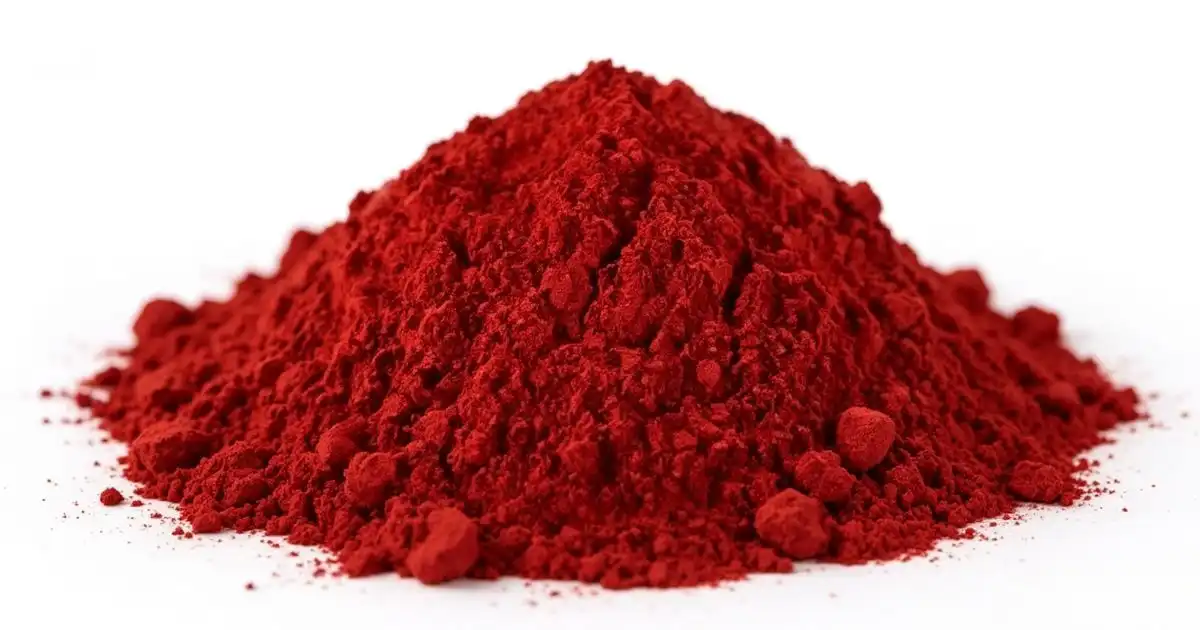
Understanding Astaxanthin: A Comprehensive Overview
Astaxanthin (C40H52O4) is a keto-carotenoid pigment that is a powerful antioxidant, about 6,000 times stronger than Vitamin C and 550 times stronger than Vitamin E. This xanthophyll compound's special molecular structure lets it cross all cellular membranes, protecting against oxidative stress from both inside and outside of cells.
Natural Sources and Extraction Methods
The microalga Haematococcus pluvialis is the main commercial source of Astaxanthin that comes from natural sources. Algae are grown in controlled photobioreactor systems, which are places where Astaxanthin levels reach 3-5% dry weight when the plants are stressed. Using supercritical CO2 extraction to get back Astaxanthin oleoresin in amounts between 5% and 20% while keeping the natural esterified form that makes it more stable and bioavailable. This way of extracting keeps the 3S,3'S stereoisomer configuration that is important for therapeutic effectiveness.
Synthetic Production Pathways
Chemical synthesis pathways use petrochemical precursors to make Astaxanthin through several steps of reactions that include Wittig condensation and then oxidation processes. When made on an industrial scale, racemic mixtures with equal amounts of all stereoisomers are made. These mixtures have very different biological activity profiles than variants derived from algae. Although more efficient manufacturing lowers costs, the resulting molecular heterogeneity makes it harder to use in high-end uses that need uniform bioactivity.
Health Benefits and Biological Activity
Astaxanthin has been shown in clinical studies to have a wide range of positive effects on health across many body systems. When used in dermatology, collagen production is increased, which leads to big changes in skin elasticity, moisture retention, and wrinkle depth decrease.
Astaxanthin has been shown in ophthalmological studies to be able to cross the blood-retina barrier, which improves vision and makes the eyes less tired. Cardiovascular research shows that supplemented populations have better lipid profiles and lower levels of oxidative markers. Studies on athletic performance have shown that improving mitochondrial function can increase endurance and speed up recovery times.
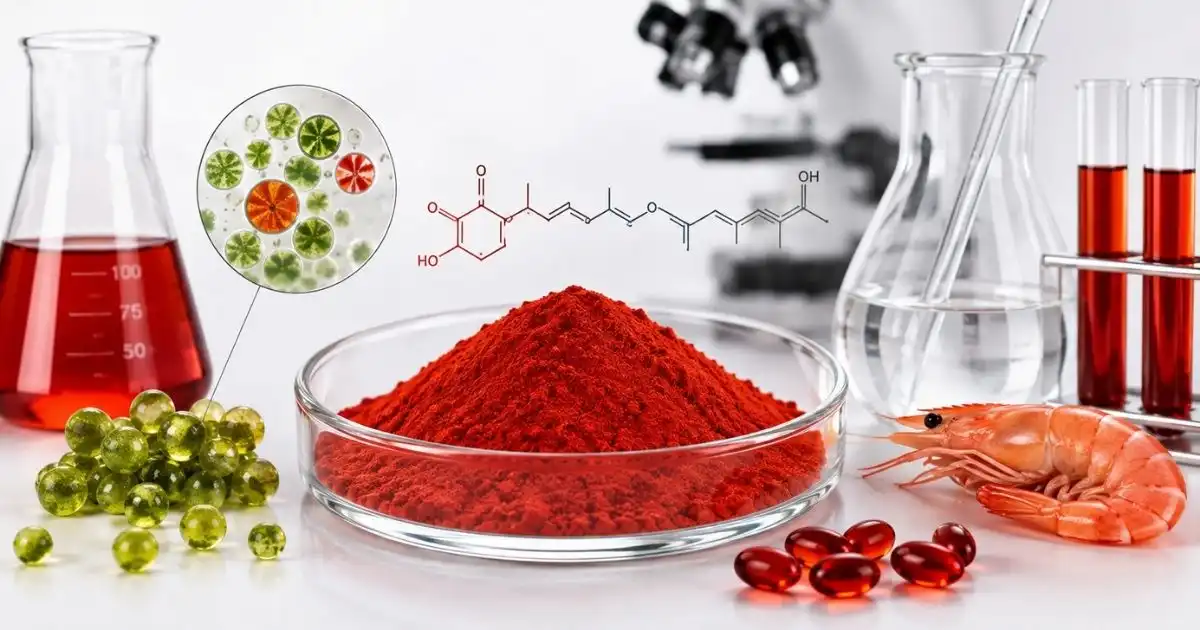
Natural Astaxanthin vs Synthetic Astaxanthin: Core Differences
Origin and Production Methodology
Sustainable algae growth in closed-loop photobioreactor systems using green sun energy and controlled nutrient inputs is essential for the production of natural Astaxanthin. To get the most Astaxanthin, cultivation facilities keep the temperature between 20°C and 25°C, the light intensity between 100 and 200 μmol photons/m³/s, and the exact ratios of nutrients in the soil. When the pigment content is highest, harvesting takes place. This is followed by cell rupture and supercritical CO2 extraction.
Chemical reactions that happen in a series at high temperatures and pressures are used in synthetic production to make intermediates that come from petroleum. Continuous flow reactors are used in industrial synthesis facilities to get the best results by choosing the right catalysts and controlling the reaction parameters. The process creates standard amounts of output, but it needs a lot of energy and makes chemical waste that needs to be disposed of properly.
Molecular Structure and Stereoisomer Composition
The stereoisomer profile is the most important difference that affects how living systems work. Over 95% of the 3S,3'S structure is found in natural Astaxanthin, which has been shown to have better antioxidant action and cellular uptake efficiency. This particular stereochemistry makes it possible for membrane phospholipids and cellular antioxidant pathways to work at their best.
A synthetic version has about 25% 3S,3'S, and 3R,3'R, as well as 50% meso-form (3R,3'S). Studies have shown that this mixed-up mixture has 20–50% less antioxidant power than natural forms, which means it has less biological activity. The 3R, 3'R, and meso-forms have slower metabolic clearance rates and less membrane integration.
| Parameter | Natural Astaxanthin | Synthetic Astaxanthin |
|---|---|---|
| Primary Source | Haematococcus pluvialis | Petrochemical synthesis |
| Stereoisomer Profile | >95% (3S,3'S) | ~25% each isomer mixture |
| Esterification | Monoester/Diester forms | Free (unesterified) form |
| Bioavailability | Superior membrane integration | Reduced cellular uptake |
| Antioxidant Activity (ORAC) | 2,822,200 μmol TE/100g | 1,500,000-1,800,000 μmol TE/100g |
| Regulatory Status (EU) | Novel Food approved | Limited food applications |
Safety Profile and Regulatory Considerations
Natural Astaxanthin is generally thought to be safe (GRAS) in the US and has been approved as a novel food in the EU. This means that it can be used in a lot of different dietary supplements and functional foods. Toxicological tests show that the substance is very safe, with no observed adverse effect levels (NOAEL) set at 465 mg/kg body weight in animal models. In human clinical trials that used doses of up to 40 mg per day for 12 weeks, there were no major side effects reported.
There are stricter rules about how synthetic Astaxanthin can be used in big areas. According to rules set by the European Food Safety Authority (EFSA), synthetic Astaxanthin can only be used in fish feed. Approvals for human eating require a lot of safety information. This difference in regulations has big effects on how products are labeled, how easy it is to get into new markets, and how well expensive groups of consumers accept new products.
For purchase proof, purity analysis using the HPLC method is now necessary. Astaxanthin levels in natural sources should match the specifications (usually between 1% and 10% in powder forms) with few oxidation products. When using synthetic sources, you need to check them for heavy metals, solvents that are still present, and reaction intermediates.
Quality and Performance Comparison in B2B Context
Application-Specific Efficacy
Skin care products that use natural Astaxanthin have much better results in clinical studies of their effectiveness. A 12-week double-blind study that used natural and synthetic forms of Astaxanthin in anti-wrinkle creams found that natural Astaxanthin improved skin elasticity by 37%, while synthetic Astaxanthin only improved it by 18% at the same concentrations. The esterified form found in natural sources makes it easier for lipids to dissolve and for the substance to reach deeper into the skin, which is important for stimulating collagen production.
Similar differences in performance are seen in nutraceutical uses. Bioavailability tests with people measured the amount of Astaxanthin in their plasma after taking supplements. At the same dose (12 mg), natural Astaxanthin reached peak plasma concentrations that were 2.4 times higher than synthetic forms. Area-under-curve measurements showed that the substance was absorbed 60% more completely. This higher bioavailability directly means that less medicine is needed and it costs less for formulators who are trying to improve certain health outcomes.
Natural sources are being used more and more in sports nutrition formulas because they have been shown to improve performance. In cycling stamina tests, taking natural Astaxanthin supplements increased the time it took to reach tiredness by 28%, but only 14% when synthetic versions were used. Oxidative stress markers, such as malondialdehyde and protein carbonyls, went down more with natural forms, which suggests that antioxidants are better able to reach working muscles.
Stability and Shelf Life Analysis
Astaxanthin is naturally susceptible to oxidative degradation, heat exposure, and photolytic breakdown due to its conjugated double bond structure. When compared to free synthetic forms, natural Astaxanthin in its esterified form is more stable. Accelerated stability testing at 40°C/75% RH shows that natural Astaxanthin beadlets keep more than 90% of their strength for 24 months, while fake powder forms only keep 76%.
Microencapsulation technology makes both types much more stable for longer periods of time. Using modified starch, gum arabic, or cyclodextrin matrices in advanced spray-drying methods makes barriers that keep oxygen and light out. Our manufacturing processes make beadlets that can withstand temperatures of up to 120°C for short periods of time. This makes them ideal for use in hot-fill beverage applications and high-temperature tableting operations.
Different mixture formats have different storage suggestions. To keep oleoresin crystals from going bad, they need to be stored in a cold place (2–8°C) with a nitrogen blanket over them. Powder formulations can be stored at room temperature (15 to 25°C) as long as they are properly packed in aluminum foil laminate bags with oxygen scavengers. When procurement teams manage inventory across different sites, these real factors affect how they figure out the total cost of ownership.
Cost-Effectiveness and ROI Evaluation
A study of prices shows that natural Astaxanthin costs 3–5 times more per kilogram than synthetic versions. Bioavailability differences, dosage needs, and market positioning advantages must all be taken into account in full ROI analyzes. A 4% natural Astaxanthin powder that can be used in amounts of 6 mg works just as well as 10 mg of manmade Astaxanthin when bioavailability and raw material costs are taken into account.
| Cost Factor | Natural (Per kg) | Synthetic (Per kg) | Adjusted per Efficacy Unit |
|---|---|---|---|
| Raw Material Cost | $800-1,200 | $200-350 | Natural: $0.16/efficacious dose; Synthetic: $0.18/dose |
| Minimum Order Quantity | 25-50 kg | 100-500 kg | Inventory carrying cost advantage: Natural |
| Premium Market Positioning | +40% retail pricing power | Standard commodity pricing | Revenue advantage: Natural |
| Regulatory Compliance Costs | Minimal (pre-approved) | Elevated (case-by-case) | Time-to-market advantage: Natural |
Natural sourcing is a key part of premium positioning strategies that help them stand out. According to consumer research, 73% of health-conscious buyers specifically look for "natural" label claims, and 58% are willing to pay 30–50% more for ingredients that are proven to be natural. In the anti-aging supplement area, brands that use certified natural Astaxanthin have better Net Promoter Scores and higher rates of repeat purchases (64% vs. 48%).
When it comes to supply chain stability, natural sources from well-known cultivation sites are preferred. Synthetic production is concentrated in a few areas, which makes the supply chain vulnerable to changes in trade policies or international problems. Diversified algae farming on several countries lowers the risk of buying things, which is especially helpful for brands that need to keep getting supplies for long-running product lines.
How to Choose the Right Astaxanthin for Your Business Needs
Defining Product Goals and Specifications
To successfully buy Astaxanthin, you must first carefully create specifications that are in line with how you want the product to be positioned and how well you want it to work. Premium anti-aging supplement brands that want to sell in North America and Europe usually say that the powder they use has at least 3% natural Astaxanthin and is more than 95% pure in terms of the 3S and 3'S stereoisomer, which can be checked using HPLC analysis and chiral column separation.
Functional beverage makers need grades that dissolve quickly in cold water (CWS) and use cyclodextrin or modified starch encapsulation to avoid sedimentation. Most of the time, these uses call for 1-2% Astaxanthin content that is best for being stable in water and having no effect on the taste or smell of the substance. Brands of sports nutrition put a lot of emphasis on bioavailability approval through published absorption studies. They look for formulas that show better plasma concentration curves.
Budget limits force formulators to weigh the costs of raw materials against how well their products work and where they fit in the market. Some middle-level supplement brands are able to use 2-3% natural Astaxanthin without any problems, balancing cost-effectiveness with natural sourcing claims. Value segments might look at synthetic options for places where regulations are less strict and people don't care as much about natural ingredients.
Supplier Evaluation Criteria
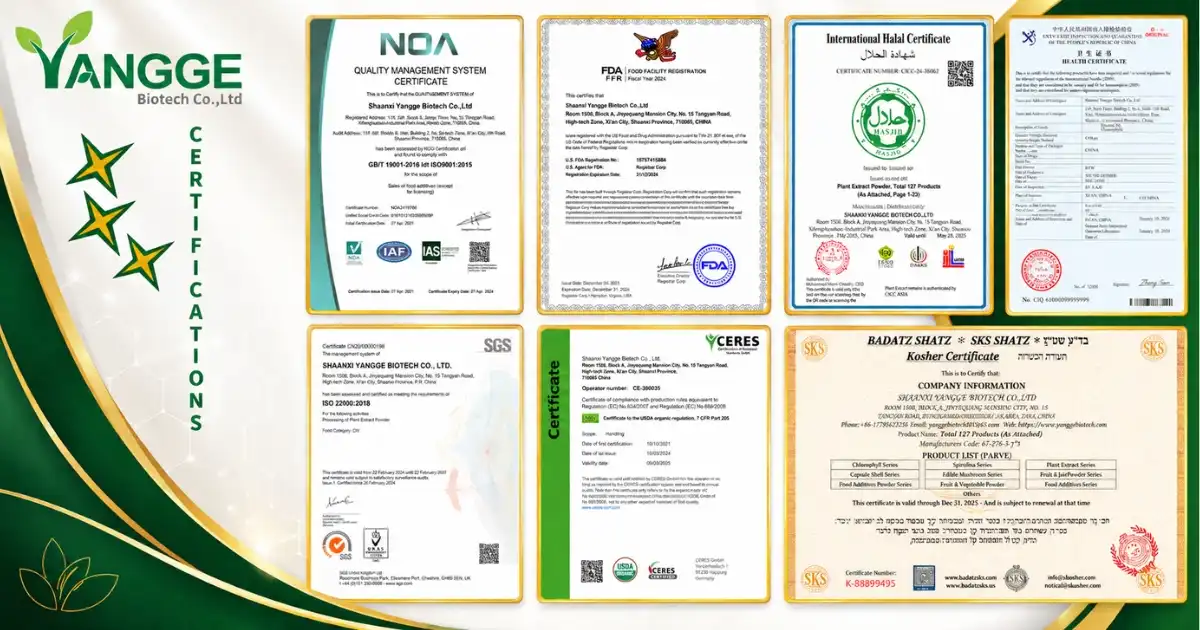
In order to fully evaluate a supplier, you need to do more than just compare prices. The most basic requirement is to check the certifications. ISO 9001 for quality management, HACCP for food safety, and GMP for manufacturing are the minimum standards. Advanced providers keep their kosher and halal licenses up to date, which makes it easier for brands that serve a wide range of consumers to get into new markets.
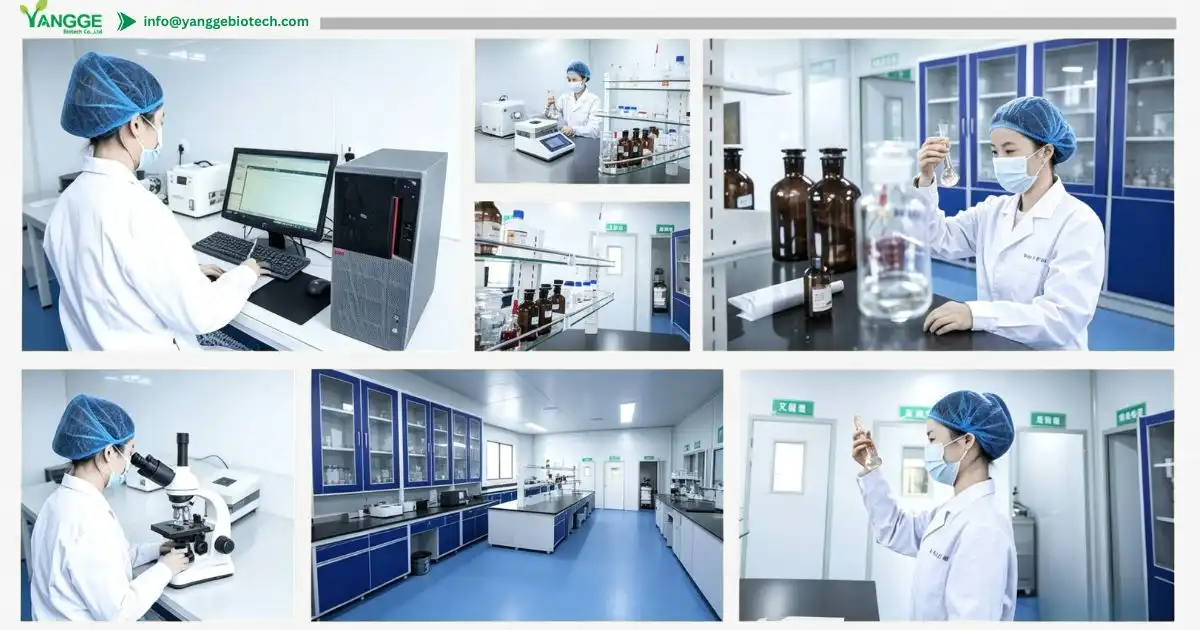
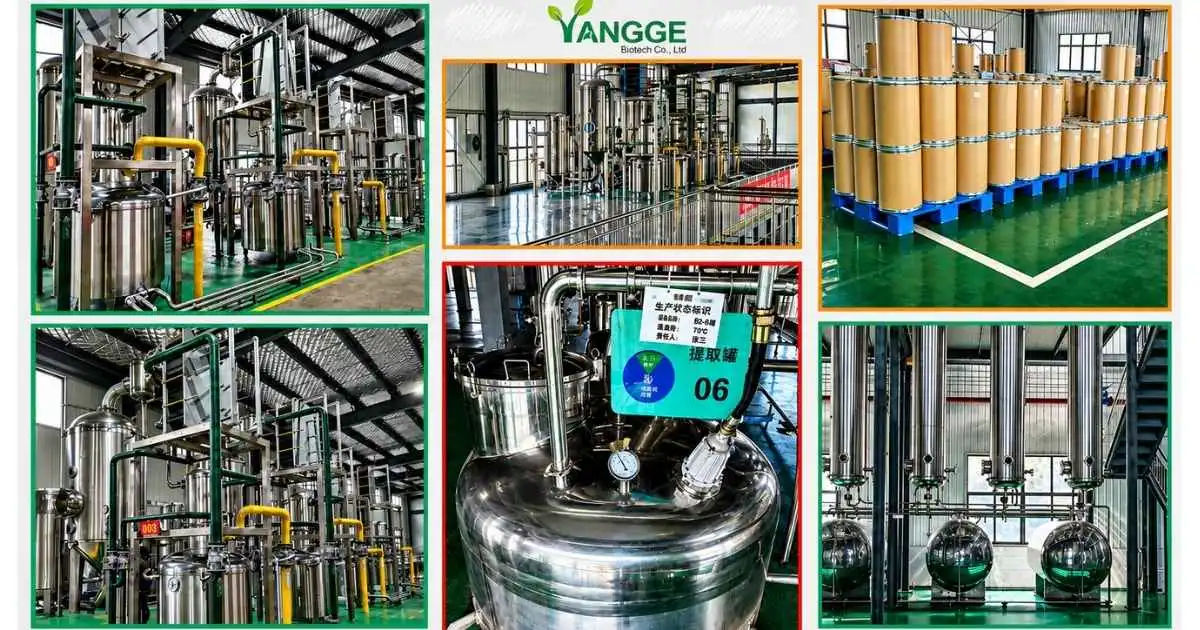
Documentation for traceability should include full supply chain exposure, from growing algae to packaging at the end. By asking for batch-specific Certificates of Analysis (COA), you can check the amount of Astaxanthin, the stereoisomer ratios, heavy metals, microbes, and leftover solvents. Our facility keeps a lot of records, such as records of each cultivation batch, the factors used in the extraction process, and data on the stability of the end product.
Strategic suppliers are different from transactional suppliers because they can provide technical help. Help with formulating, working together on stability tests, and providing help for legal paperwork can all shorten the time it takes to make a product. Vertical integration benefits suppliers that can make soft gelatin pills, tablets, and gummies. This makes planning easier and makes sure that the ingredients and formulations work well together.
The testing skills should be looked into in more detail. In-house HPLC analysis with chiral separation verifies the authenticity of the stereoisomer, and ORAC antioxidant capacity testing verifies the biological activity. Third-party testing by accredited labs like SGS and Eurofins gives independent confirmation, which boosts trust for regulatory submissions and consumer transparency efforts.
Matching Astaxanthin Types to Market Segments
Natural Astaxanthin is preferred over synthetic Astaxanthin in cosmetics because it is better absorbed by the skin and meets the standards of the clean beauty market. Astaxanthin oleoresin levels in serums are usually between 0.01% and 0.1% to make them as stable as possible in oil-phase systems. 0.5 to 2% microencapsulated beadlets are used in cream formulas to make sure that they are evenly distributed in emulsified systems. The naturally occurring esterified form found in sources derived from algae improves skin penetration and cellular uptake in the dermal layers.
For clinical-grade dietary supplements to work, they need to come from natural sources with published data on how well they work in humans. Studies with 6–12 mg of natural Astaxanthin in eye care products have shown that they improve people's ability to see clearly. Cardiovascular health placement is based on studies that show better lipid profiles at daily doses of 12 to 18 mg. For these techniques that are based on data, they need partnerships between ingredient suppliers that can back up science claims by making sure that the methods used are the same.
When regulations allow it and price is the main factor in buying decisions, mass-market health supplements may look at synthetic options. These applications usually go after basic antioxidant support claims that don't have to meet stricter standards for effectiveness. Market trend research, on the other hand, shows that consumers are rapidly shifting their preferences toward natural ingredients. This means that synthetic positioning is likely to be less successful in developed markets in the long run.
Future Trends and Strategic Insights in Astaxanthin Sourcing
Innovation in Cultivation and Extraction Technology
New photobioreactor designs use artificial intelligence to improve real-time parameter adjustments, which raises Astaxanthin yields by 25–40% while lowering the amount of water and nutrients used. Vertical farming integration lets urban growing facilities be close to formulation centers, which cuts down on the cost of shipping and the amount of carbon dioxide that is released. As these improvements continue, the price differences between natural and man-made sources get smaller. This speeds up the market's move toward natural tastes.
Green chemistry concepts are at the center of the development of extraction technology. New enzymatic cell disruption methods get rid of the need for mechanical energy while also making extraction more efficient. When co-solvent optimization is used in supercritical CO2 systems, outputs are more pure while processing time is cut down. These improvements in technology make quality more consistent and help brands take on a more environmentally friendly stance, which is something that more and more conscious brands want.
Regulatory Evolution and Compliance Strategies
Global regulatory frameworks keep making it harder to prove that ingredients are what they say they are. The European Union's stricter Novel Food rules require full safety dossiers and ongoing monitoring after the food has been sold. The US Food and Drug Administration (FDA) is paying more attention to how supplements are made and has raised the standards for paperwork that shows where ingredients come from. As these needs change, they favor established suppliers with strong quality systems and knowledge of regulations.
Using blockchain to make the supply chain more clear is becoming a competitive advantage. Distributed ledger technology makes it possible to keep track of everything from growing algae to buying it, so there are no questions about authenticity and fakes can't happen. Early adopting brands use these systems to set themselves apart in the market and build long-term infrastructure for regulatory compliance.
Strategic Sourcing Recommendations
Diversifying suppliers across regions should be a big part of procurement plans. This will lower the risk of supply disruptions caused by things like natural disasters, changes in regulations, or political issues. By building ties with two or three qualified natural Astaxanthin providers, you can get low prices and make sure you always have a supply. When the market is tight, long-term supply agreements with volume commitments guaranty better prices and first picks.
Partnerships for sustainability create shared value that goes beyond business relationships. Working with suppliers to set up renewable energy systems, water recycling infrastructure, and community development programs is a good way to meet corporate social responsibility goals and make sure the supply chain is stable. Our operations show this commitment by using solar-powered grow rooms and long-term community relationships that make sure the food can be tracked from the farm to the table.
Putting money into improving the skills of suppliers gives you strategic advantages. Supporting certification growth, co-funding research projects, or financing capacity upgrades can lead to better access and more customized product development. These ways of working together create competitive moats that are hard for rivals to quickly copy.
Conclusion
Natural and manufactured Astaxanthin are not just different in where they come from; they are also very different in their chemical structure, bioavailability, legal status, and how they should be positioned in the market. Natural Astaxanthin from Haematococcus pluvialis has higher stereoisomer purity, better biological efficacy, and wider regulatory acceptance. These benefits make it worth the higher price for brands that want to appeal to health-conscious consumers and for clinical-grade uses. Synthetic options are cheaper and better for some market groups because they don't have to meet strict levels of effectiveness. This gives regulators more freedom to change the rules as needed.
For procurement strategies to work, they need to carefully look at suppliers, make sure the quality is high, and make sure that the choices of ingredients are in line with the goals for brand positioning. As cultivation technology improves and price differences narrow, the market shift toward natural ingredients speeds up. This makes natural Astaxanthin the best choice for forward-thinking brands that want to build long-term competitive advantages in the premium supplement and cosmeceutical markets.
FAQ
How does bioavailability differ between natural and synthetic forms?
Because of its esterified molecular form and 3S,3'S stereoisomer configuration, natural Astaxanthin has a solubility that is 2-3 times greater than manufactured versions. Studies on human absorption show that peak plasma concentrations are 2.4 times higher when natural sources are used at the same doses. This better uptake leads to more antioxidants getting into cells and better clinical results in a number of health areas.
What testing methods verify astaxanthin authenticity?
Using chiral column separation in HPLC analysis clearly shows stereoisomer composition, telling the difference between natural mixtures (>95% 3S,3'S) and man-made racemic mixtures. Astaxanthin content measurement, heavy metal screening (for example, lead, arsenic, cadmium, and mercury), microbial tests (for example, yeast, mold, pathogens, and total plate count), and residue solvent analysis should all be part of full COAs. Third-party laboratory verification through accredited facilities gives independent proof of quality control and compliance with regulations.
Are there safety concerns with synthetic astaxanthin?
Synthetic Astaxanthin has good safety profiles in approved uses, but in big markets like the European Union, it's not allowed for human consumption because of rules. The main worries are about possible solvents left over from chemical production and lower cellular activity that needs higher doses. Natural alternatives usually get more regulatory support and GRAS status, which makes following the rules easier in many places while still meeting consumer demand for plant-based ingredients.
Partner with Yangge for Premium Astaxanthin Supply Solutions
Yangge Biotech is an expert in providing pharmaceutical-grade natural Astaxanthin powder produced from Haematococcus pluvialis. They offer purity levels ranging from 1% to 10% and have confirmed 3S,3'S stereoisomer profiles. Our production is KOSHER and USP-certified, and we keep a 1-ton inventory on hand to support quick delivery for product launches that need to happen quickly. We offer full OEM/ODM services for soft gelatin capsules, pills, and gummy formulas, which lets you work together smoothly from finding the raw materials to making the finished product.
Our ISO, HACCP, Kosher, and Halal standards show that we are dedicated to quality excellence and meeting the needs of a wide range of markets. Sustainable cultivation partnerships make sure that everything can be tracked from the algae farms to the final capsules. This helps with brand transparency efforts and corporate social responsibility goals. Technical support teams work together on regulatory paperwork, stable testing, and formulation optimization. This speeds up the time it takes to make a product while still making sure it meets the needs of all target markets.
Contact us with our Astaxanthin supplier experts at info@yanggebiotech.com to talk about your specific buying needs, ask for samples with batch-specific COAs, or look into the possibility of developing a custom formulation. Our promise to respond within 24 hours and competitive pricing help procurement professionals manage complicated supply chains for high-end supplement and cosmetic brands.
References
1. Ambati, R.R., Phang, S.M., Ravi, S., and Aswathanarayana, R.G. (2014). Astaxanthin: Sources, Extraction, Stability, Biological Activities and Its Commercial Applications—A Review. Marine Drugs, 12(1), 128-152.
2. Capelli, B., Bagchi, D., and Cysewski, G.R. (2013). Synthetic Astaxanthin is Significantly Inferior to Algal-Based Astaxanthin as an Antioxidant and May Not be Suitable as a Human Nutraceutical Supplement. Nutrafoods, 12(4), 145-152.
3. Østerlie, M., Bjerkeng, B., and Liaaen-Jensen, S. (2000). Plasma Appearance and Distribution of Astaxanthin E/Z and R/S Isomers in Plasma Lipoproteins of Men after Single Dose Administration of Astaxanthin. Journal of Nutritional Biochemistry, 11(10), 482-490.
4. Guerin, M., Huntley, M.E., and Olaizola, M. (2003). Haematococcus Astaxanthin: Applications for Human Health and Nutrition. Trends in Biotechnology, 21(5), 210-216.
5. Fassett, R.G. and Coombes, J.S. (2011). Astaxanthin: A Potential Therapeutic Agent in Cardiovascular Disease. Marine Drugs, 9(3), 447-465.
6. Yuan, J.P., Peng, J., Yin, K., and Wang, J.H. (2011). Potential Health-Promoting Effects of Astaxanthin: A High-Value Carotenoid Mostly from Microalgae. Molecular Nutrition and Food Research, 55(1), 150-165.

Based on your location and order quantity, you will have the opportunity to receive a limited time free shipping promotion!
Who we are
Popular Blogs